

2023 Subaru Forester 2.0 i-S EyeSight Review

 Share
Share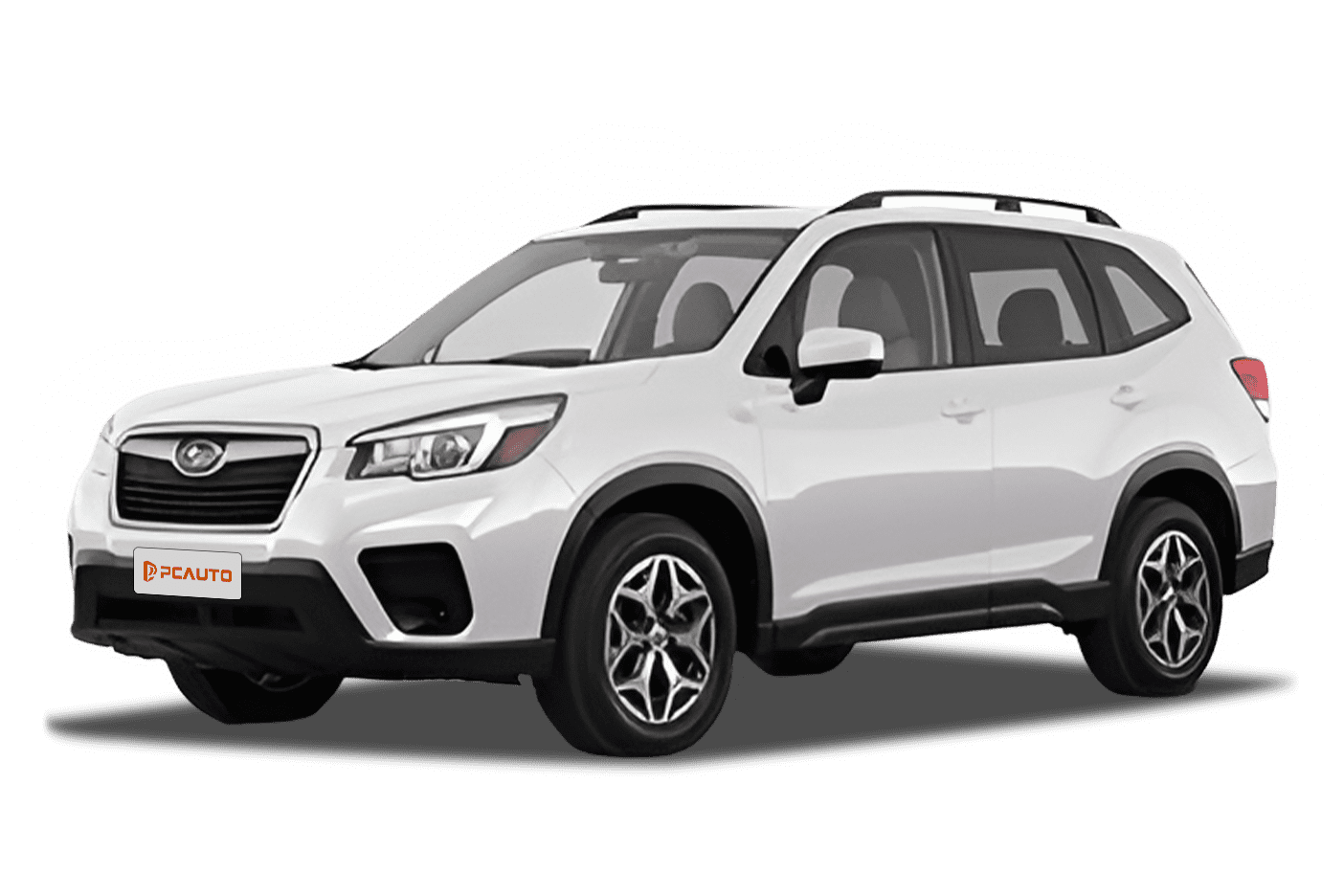
 Segment
 Body Type
 Capacity(L)
 Engine Power(PS)
 Transmission
 Driven Wheels
The C-segment SUV market in Malaysia has always been a popular choice for family users and consumers with versatile needs. The 2023 Subaru Forester 2.0 i-S EyeSight version returns with upgraded features and a mature all-wheel-drive system. Our main goal in testing this vehicle is to see if its practicality and driving performance in daily use can maintain Subaru's consistent balanced style, and whether these new features truly enhance its competitiveness.
Looking at its exterior first, the overall design of the 2023 Forester 2.0 i-S EyeSight continues the family’s rugged lines. The front features a hexagonal grille paired with a sturdy chrome trim, making it highly recognizable. LED headlights come as standard, with sharp styling and automatic on/off functionality. The design of the front fog lamp area integrates well with the car’s body lines, creating a seamless look. The side profile showcases a waistline extending from the front fender to the rear, along with a minimum ground clearance of 220mm, giving it a distinctive SUV stance. At the rear, the LED tail lights adopt a horizontal layout that complements the front-end design. The silver skid plate below the rear bumper adds a touch of off-road appeal. Overall, the design is not overly flashy, presenting a timeless aesthetic that aligns with family users' preferences.
Sitting inside the car, the interior style leans toward practicality. The center console adopts a symmetrical layout, with large areas of soft-touch materials, complemented by silver trim accents, providing a decent sense of quality. The central screen is touchscreen-based, moderate in size, with a clear and intuitive operating logic. Common features such as navigation and music can be accessed quickly. In terms of features, the front seats support eight-way electric adjustment, making it user-friendly for drivers of various body types. Dual-zone automatic climate control is standard, and there are independent air vents for the rear seats, ensuring summer comfort for rear passengers. The multifunction steering wheel is equipped with paddles for easy control of volume, track skipping, or driving mode adjustment during daily use. Regarding storage space, the door pockets and central armrest compartments are spacious. There’s also a wireless charging pad in the front (if provided by the configuration—this depends on the actual specifications available, as it wasn’t clearly mentioned here). It’s convenient to store personal belongings.
In terms of space, the vehicle measures 4625mm in length, 1815mm in width, and 1730mm in height, with a wheelbase of 2670mm. Once the front seat is adjusted to a comfortable position, there is still about two fists’ worth of legroom in the rear, and more than a fist of headroom. Even with three adults seated in the back, it doesn’t feel overly crowded. The rear seats can be folded in a 60:40 split ratio, expanding the trunk capacity from 520L to an even larger space. It becomes very convenient for carrying larger items such as strollers and suitcases. There’s also a storage compartment under the trunk floor for storing personal items or tools discreetly.
Regarding performance, this model is equipped with a 2.0L naturally aspirated engine, delivering a maximum power of 156PS and a maximum torque of 196N·m (this configuration did not confirm the torque data, but generally, a 2.0L naturally aspirated Subaru engine has about 196). It is paired with a CVT transmission. During daily drives, it starts smoothly, and the acceleration process is linear without the abrupt turbocharged "push-back" feeling, but once it gains speed, it still provides sufficient confidence for overtaking. Stepping on the accelerator deeply will prompt the transmission to simulate a downshift, quickly ramping up the RPM. There are three driving modes to choose from: Economy, Normal, and Sport. In Economy mode, the throttle response is slower, suitable for congested urban conditions. In Sport mode, the throttle becomes more sensitive, the RPM is kept at a higher level, and the power output becomes more direct.
In terms of handling and chassis, Subaru’s Symmetrical All-Wheel Drive system is a highlight. During daily driving, the power distribution is even, and the body stability during cornering is excellent. The steering is precise without any noticeable slack. The suspension system consists of a front MacPherson strut and rear double wishbones, tuned towards comfort. It can absorb most of the bumps when encountering speed bumps or potholes in urban areas, making the interior feel less bumpy. However, body roll is well-controlled during cornering, without any sense of swaying. At high speeds, the body remains very stable, and even when encountering crosswinds, the steering wheel does not noticeably stray off course.
In terms of fuel consumption, the official combined fuel consumption is 7.6L/100km. During our test drive, in urban traffic conditions, the fuel consumption was approximately 9L, while on highways it could drop to below 7L. Overall, its performance is moderate, fitting for its SUV class level. For braking performance, the ventilated disc brakes at the front and rear provide timely braking response. The braking force output is linear when stepping on the brake pedal, and the body remains stable during emergency braking without deviating.
Regarding driving comfort, the seats offer good support and wrapping, ensuring that drivers don’t feel backache even during long drives. As for noise control, wind and tire noise at high speeds are within an acceptable range. The engine noise becomes more noticeable during sudden acceleration but does not affect normal conversations for passengers inside the car. The grip of the steering wheel is quite comfortable, with a moderate thickness, so extended holding does not cause discomfort.
Safety features are a significant advantage of this car. It comes standard with 7 airbags, including front dual airbags, front side airbags, rear side airbags, front and rear curtain airbags, and knee airbags, providing comprehensive coverage. The EyeSight driver assistance system includes functions such as forward collision warning, automatic emergency braking, and lane-keeping assistance. During daily driving, these features effectively reduce the risk of accidents; for instance, the system can provide early warnings and apply emergency braking if necessary when the car ahead suddenly brakes.
In summary, the 2023 Subaru Forester 2.0 i-S EyeSight offers balanced performance as its core advantage: a spacious interior suitable for family use, an all-wheel-drive system that enhances handling and off-road capability, comprehensive safety features, and strong practicality. Compared to similar models like the Toyota RAV4 and Honda CR-V, its all-wheel-drive system and safety features stand out, and its price is relatively competitive (assuming RM183,500 falls within the mid-range in its class). It is suitable for users who value family space and safety, those who frequently drive on unpaved roads or in rainy climates, and car owners who appreciate Subaru’s brand reliability. If your need is for a vehicle capable of daily commuting, family outings, and occasional light off-road driving, this car is worth considering.
In conclusion, the 2023 Subaru Forester 2.0 i-S EyeSight is a well-rounded C-class SUV. It has no significant weaknesses and meets family users' needs in terms of space, safety, handling, and comfort. If you are looking for a reliable, practical, and safe SUV, then it is a great option.
Subaru Forester Car Compare
Subaru Forester Loan Calculator
More Subaru Reviews
Cars With Similar Price And Features
8
Rank in SUV
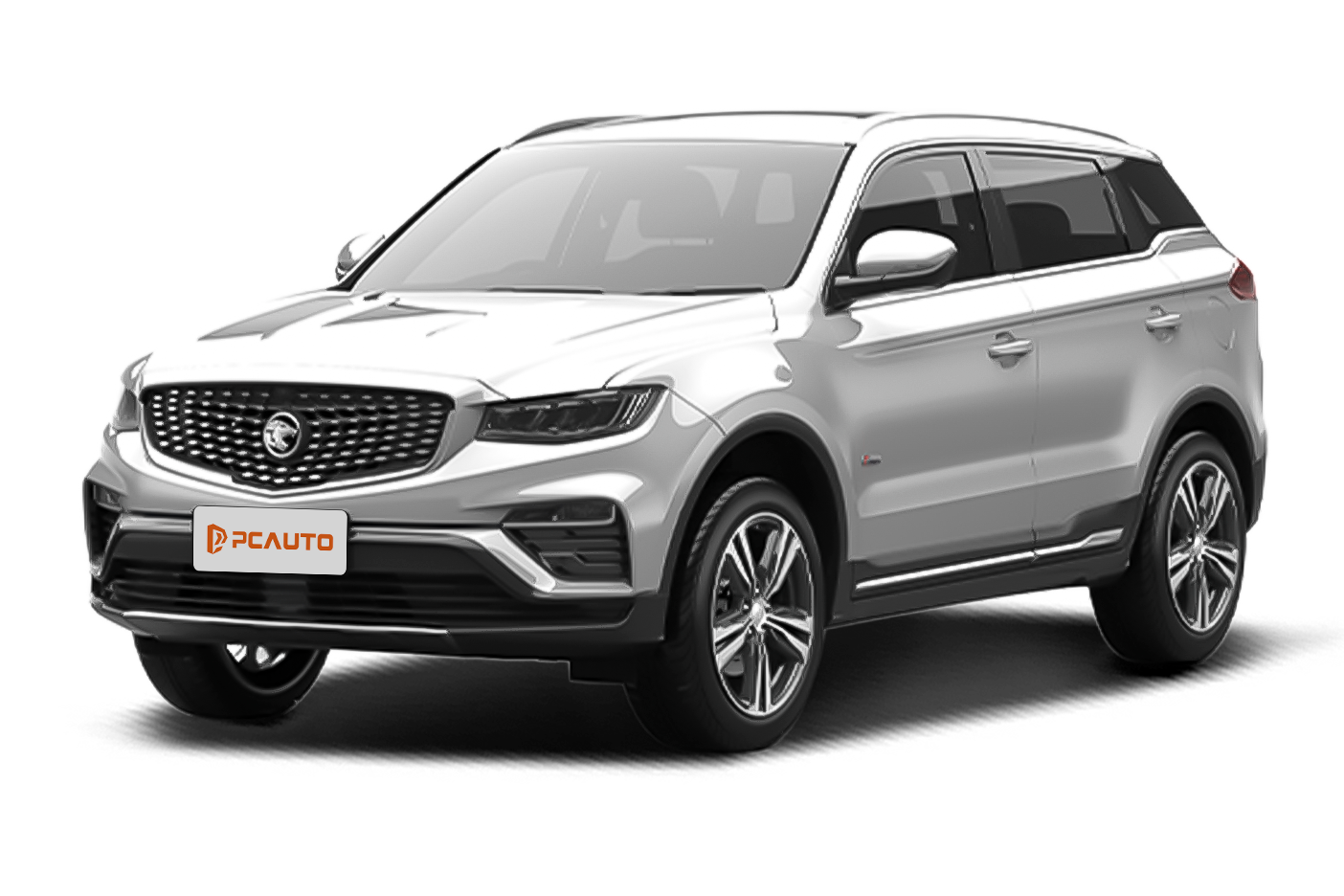
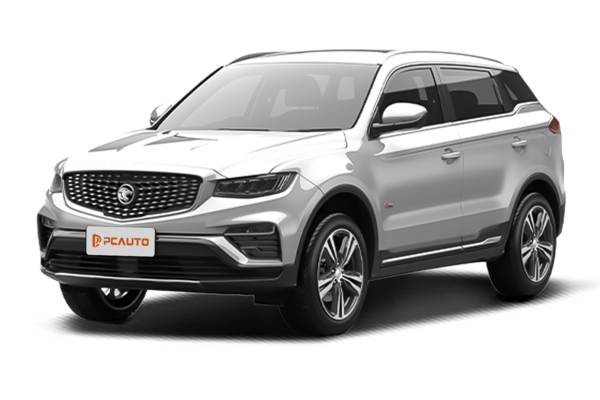
2026 Proton X70 1.5 TGDi Executive focuses on upgrading to a four-cylinder engine, practical configurations, and affordable pricing. It balances family commute practicality with value for money, making it a sensible choice among similarly priced C-segment SUVs.
10
Rank in SUV
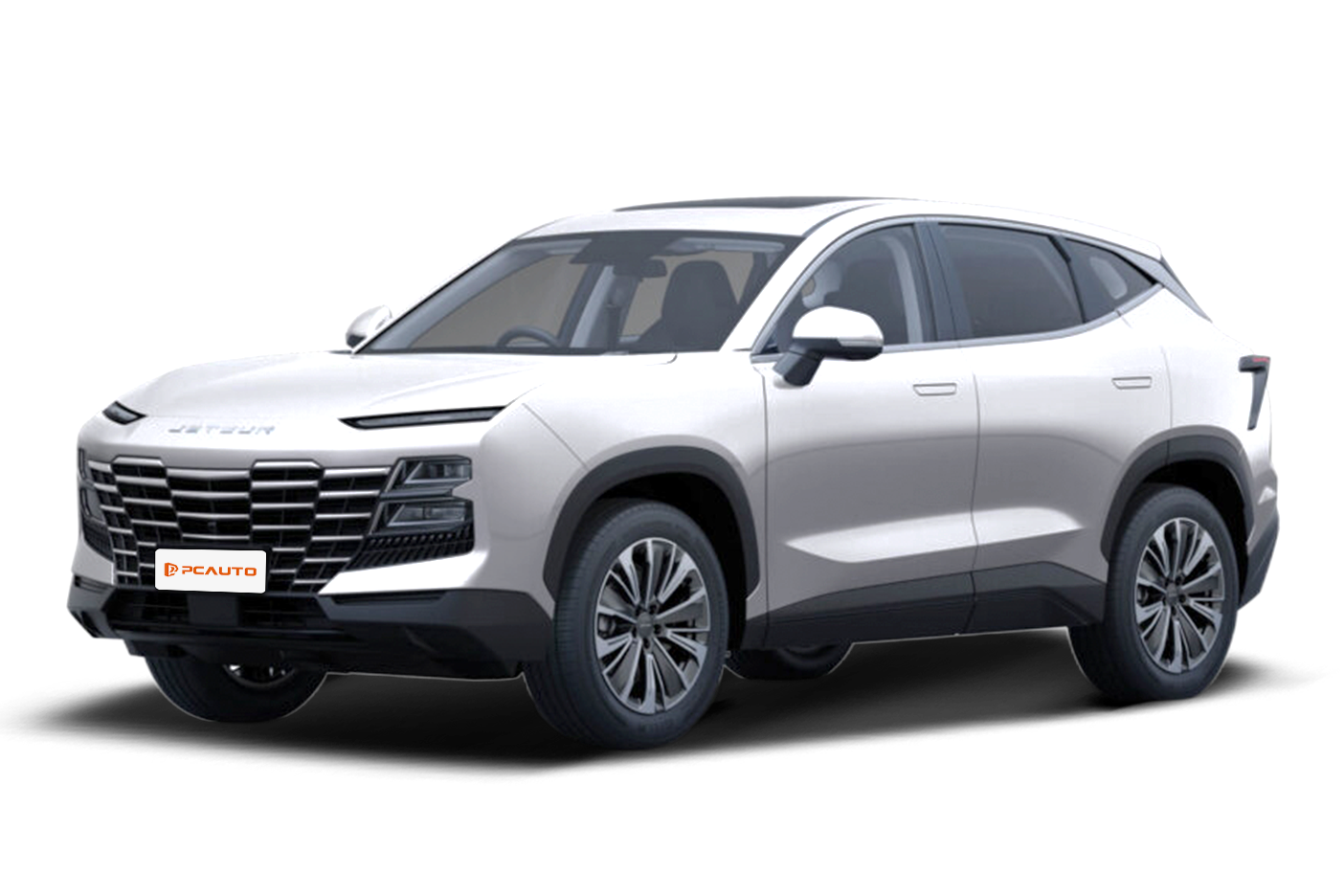
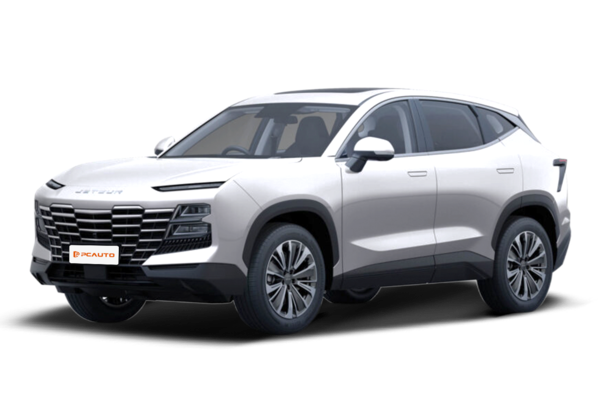
Jetour Dashing 1.5 TCI Comfort 2025 features a 2720mm long wheelbase and a 10.25-inch dual screen as its core, focusing on balanced cost performance to meet family practical needs.
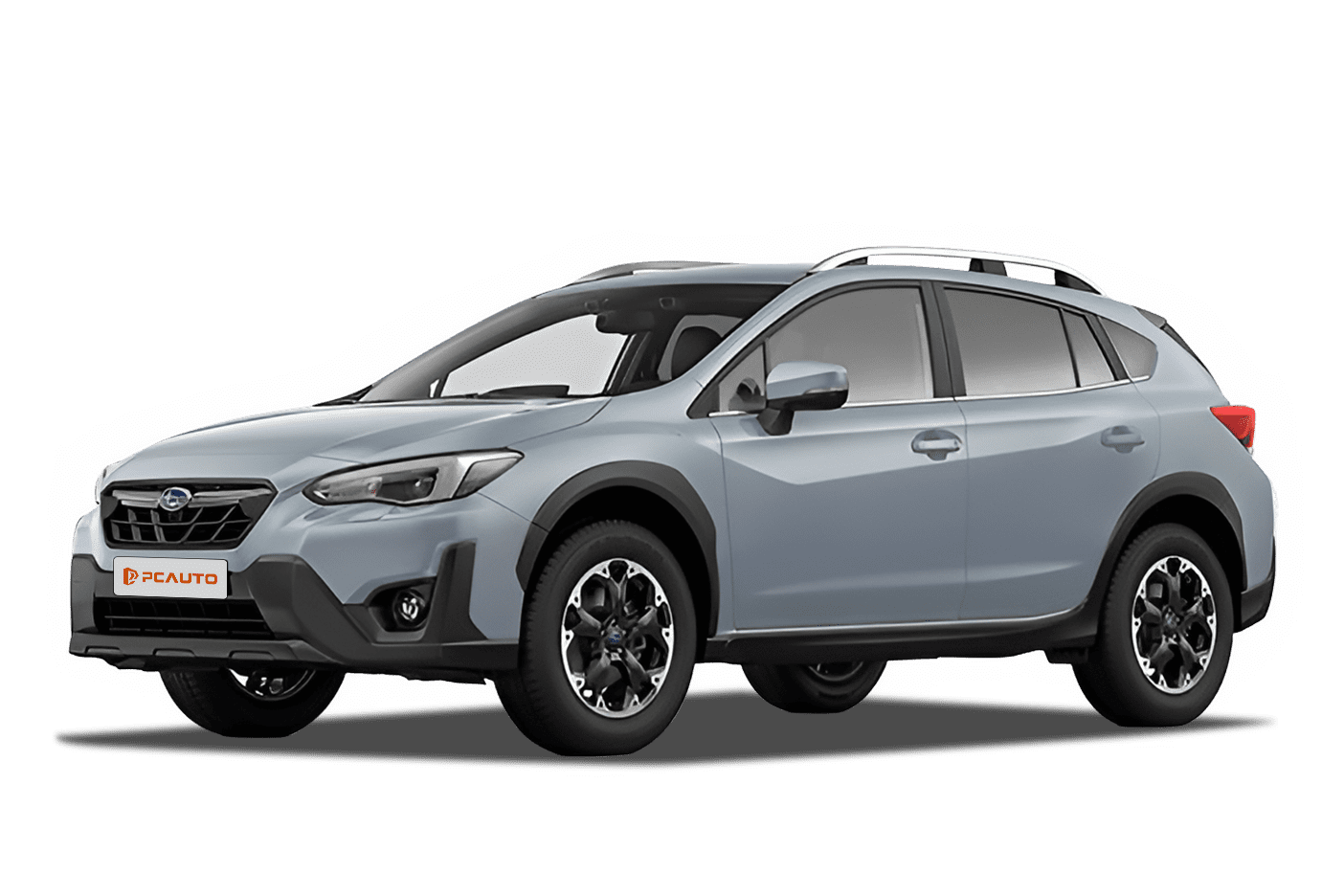
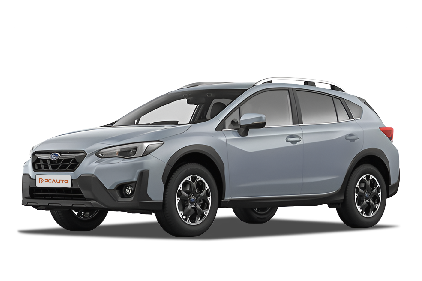
The 2021 Subaru XV 2.0i is a model targeting the C-segment crossover market, equipped with standard all-wheel drive and high safety features, balancing off-road capability and handling, with practical space.

2021 Hyundai Kona 2.0 Standard, as a high-value entry-level compact SUV, retains essential safety and practical features with an affordable price, meeting the daily commuting and loading needs of families.