

2024 BYD M6 Superior Range Review

 Share
Share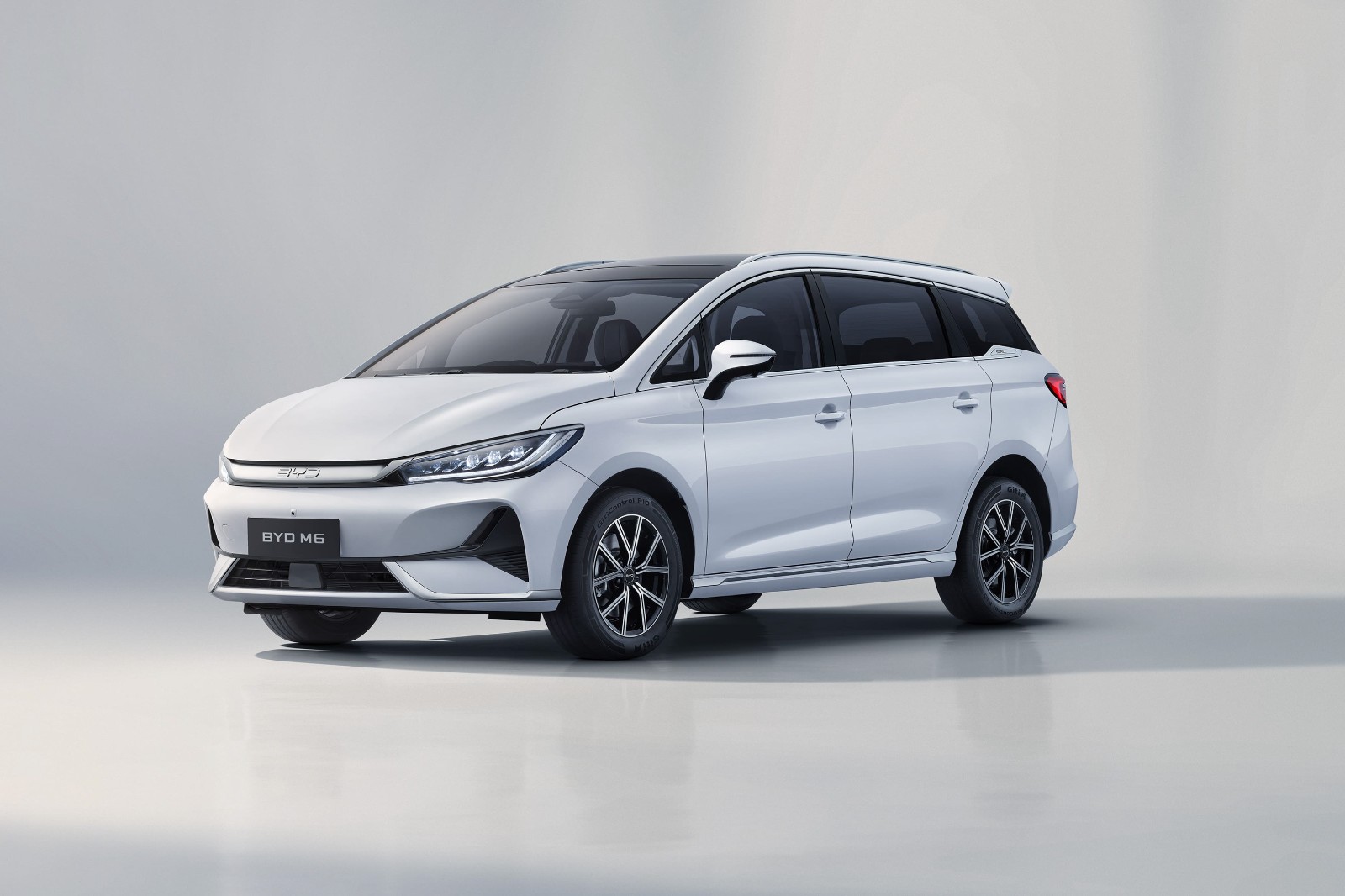
 Segment
 Body Type
 Motor Output(kW)
 Motor Torque(Nm)
 EV Range(km)
 Battery Capacity(kWh)
Malaysian household consumers’ demand for D-segment seven-seater vehicles is shifting toward new energy—they require practical space along with low operating costs. The 2024 BYD M6 Superior Range, as a pure electric model targeting this niche market, has clear key selling points: an official range of 530 kilometers, standard L2-level assisted driving, and rare features like electric seats and a rotating central control screen at this price point. In this test drive, my main focus will be to see if its actual performance in daily commuting and family travel scenarios truly meets users' expectations for "balance."
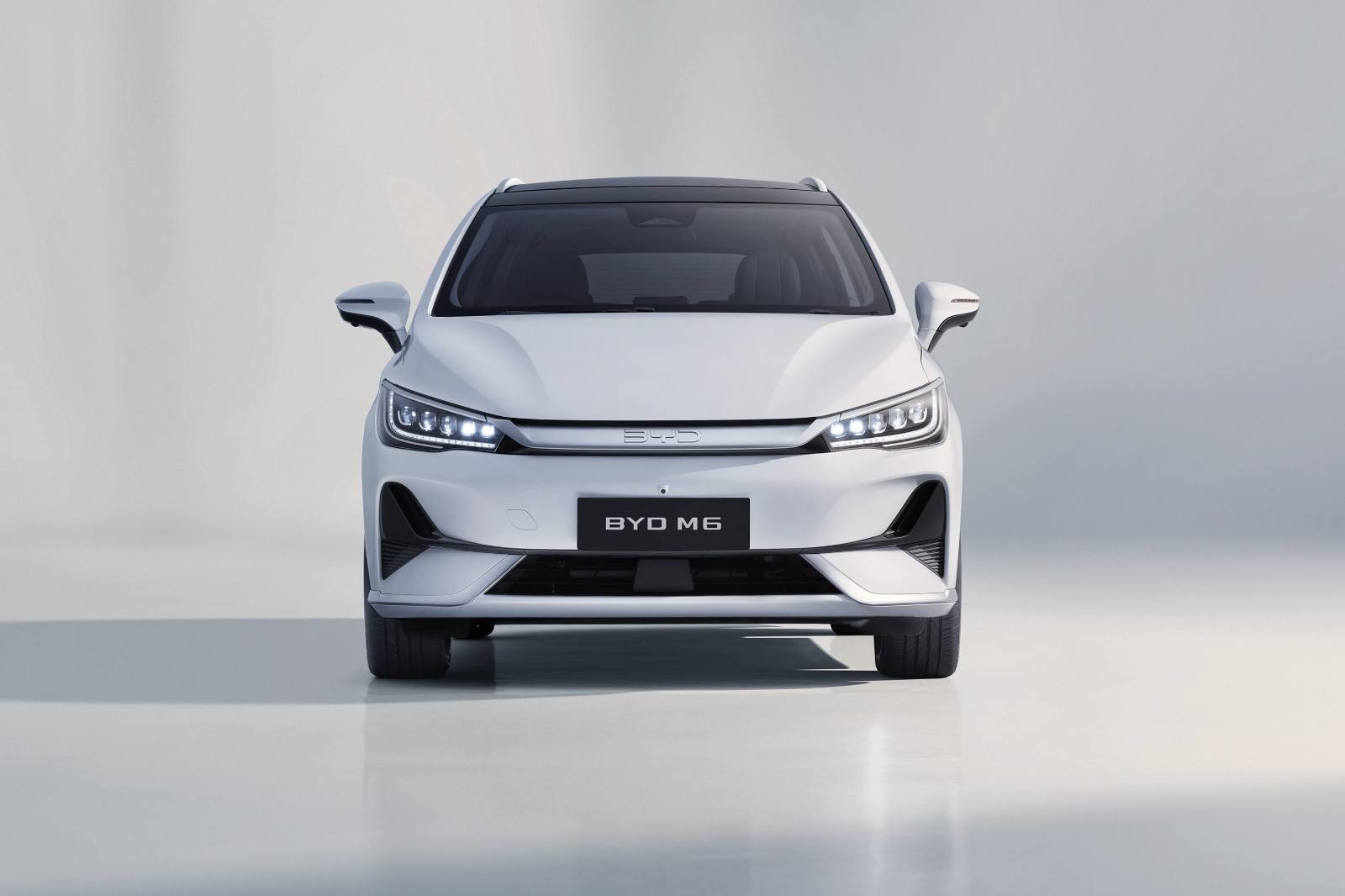
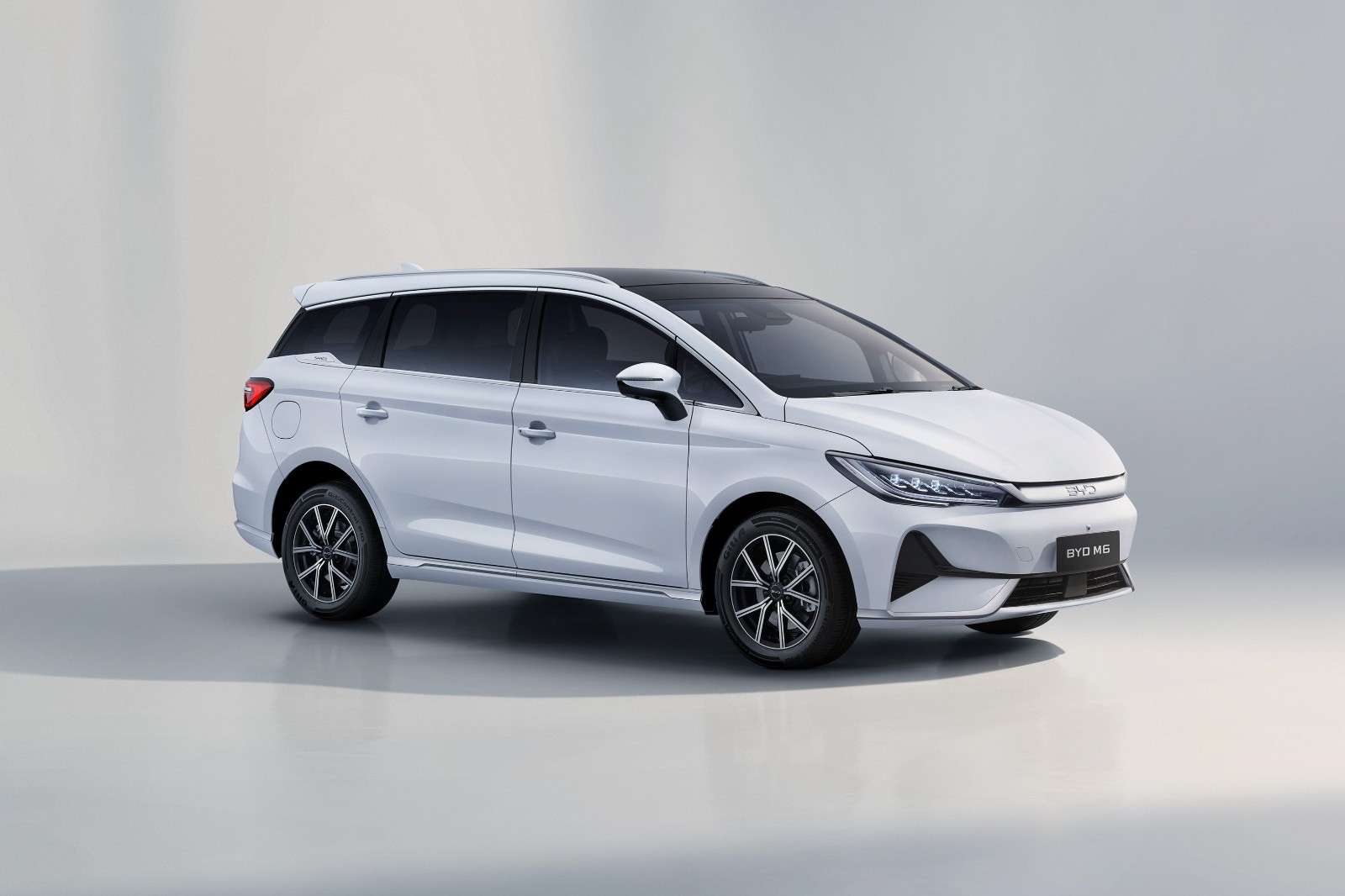
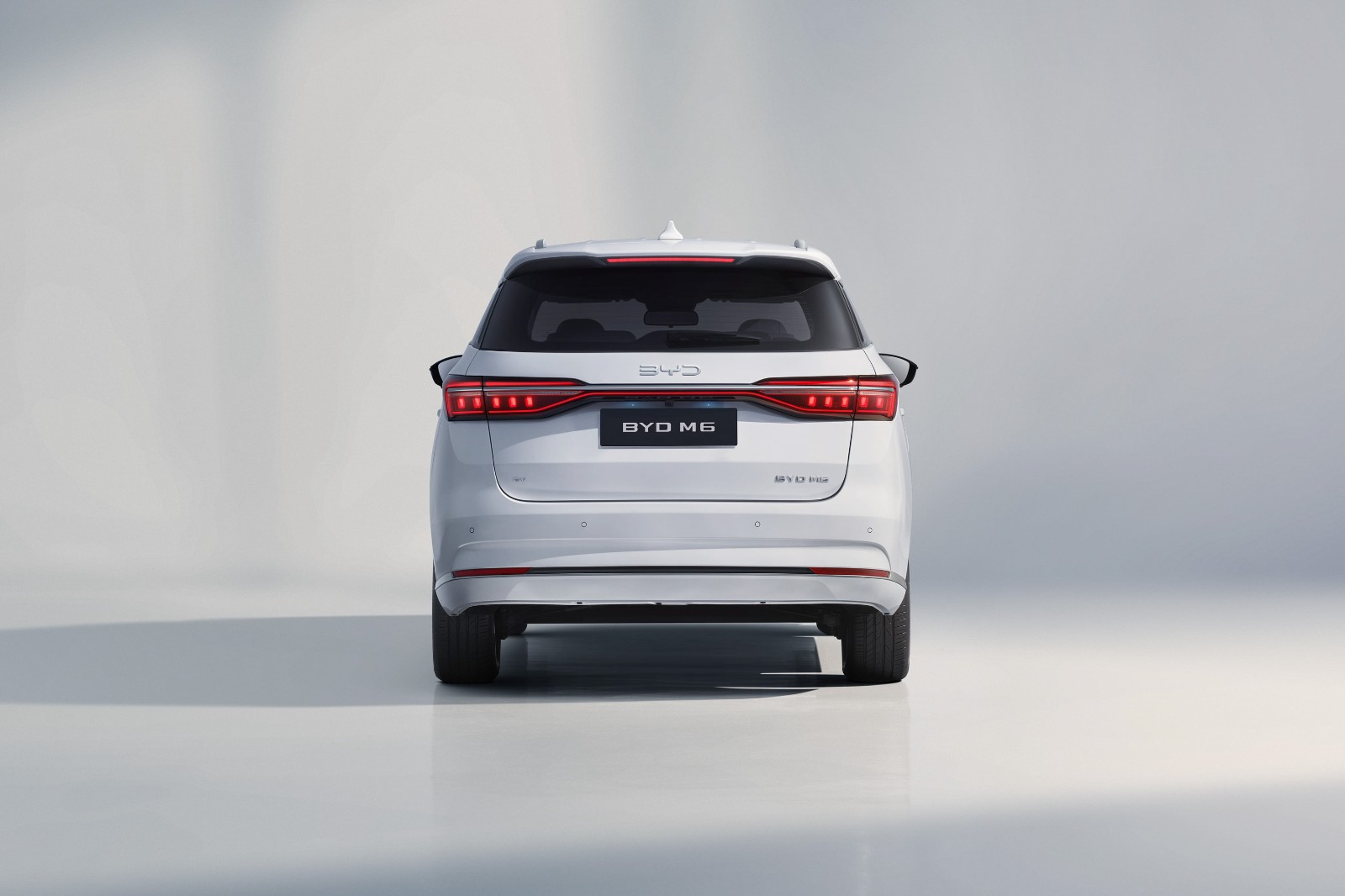
First, let’s look at the exterior. The overall design leans toward a steady family style, with a closed grille design at the front, embedded with BYD’s brand logo in the center. The sharp LED headlights on both sides are connected to the chrome strip above the grille, creating a wider visual appearance. The car body’s side lines are smooth, with a waistline extending from the A-pillar to the rear that is not overly aggressive but adds some sense of layers. The 17-inch multi-spoke wheels have just the right size and proportion to harmonize with the body. At the rear, the LED taillights adopt a through-type design for high recognition when lit. There's a silver skid plate decoration below the rear bumper, which slightly enhances its sporty feel. The lighting system is fully equipped with LEDs, with automatic headlights and daytime running lights included as standard, making daily use very convenient.
Opening the car door, the interior adopts a predominantly dark tone with silver trims, which isn’t overly striking but has a durable appeal. The most eye-catching feature in the center console is the 12.8-inch rotating touchscreen, which supports both horizontal and vertical screen modes, offering good smoothness in operation. The built-in navigation and entertainment functions can meet basic needs. The instrument cluster features a 5-inch full LCD screen, displaying clear core information such as speed, range, and driving mode. In terms of materials, the top of the dashboard is wrapped in soft-touch materials, offering a decent tactile feel, while the inner side of the door panels also features leather coverings with attention to detail. For features, the front seats offer electric adjustment—6-way for the driver and 4-way for the co-passenger—which is very convenient to adjust. The rear row has independent air conditioning vents, and the third row is equipped with cup holders and USB ports to cater to family travel needs.
The spatial performance aligns with the positioning of a D-segment seven-seater vehicle. The vehicle has dimensions of 4710mm x 1810mm x 1690mm and a wheelbase of 2800mm. When the front row is adjusted to a comfortable position, a passenger with a height of 175 cm still has more than a fist's worth of headroom. The second-row seats can slide forward and backward; when the legroom is set to its maximum, there’s enough space for two fists. The middle seat largely has a flat floor, allowing three passengers to sit without feeling cramped. If the second row is moved slightly forward, the third row can accommodate two adults for short trips without the head or leg room feeling too tight. The regular trunk capacity is 180 liters, accommodating a few cabin suitcases without issue. Folding down the third row significantly increases the cargo space, making it sufficient for carrying large luggage items.
In terms of dynamic driving, this car is equipped with a front-mounted permanent magnet synchronous motor, offering a maximum power output of 150kW and a peak torque of 310N·m. Officially, the 0-100 km/h acceleration takes 8.6 seconds. During daily driving, the power response is very direct, especially under ECO mode, where the start is smooth and suitable for city commutes. Switching to SPORT mode delivers more aggressive acceleration; stepping on the accelerator for overtaking provides quick feedback, and it remains steady even at 120 km/h on highways. The steering wheel feels relatively light with precise direction control and no dead zones, making it easy for women to handle as well. The suspension system consists of a front MacPherson strut and a rear multi-link independent suspension. The tuning is inclined toward comfort, effectively absorbing most of the vibrations over speed bumps or uneven roads and avoiding overly harsh impacts. When going through curves, the body roll is well-controlled, offering excellent stability.
Our test drive this time was mainly in city and highway sections, with a total distance of about 150 kilometers, 40% of which was on highways. Before departure, the battery was fully charged, and the displayed range was 530 kilometers. By the end of the test drive, about 380 kilometers of range remained, achieving a range realization rate of roughly 75%. This performance is slightly above average among same-class electric vehicles. In terms of power consumption, it was about 15kWh/100km for city driving and rose to 18kWh/100km on highways, overall meeting expectations. Noise control is quite well done. At low speeds, the motor noise is almost inaudible. On highways, there is some tire and wind noise, but it doesn’t affect inside-car conversations. The energy recovery system has two adjustable levels. In the low level, the drag effect is minimal, similar to the driving experience of a fuel car; in the high level, noticeable deceleration occurs, suitable for users accustomed to single-pedal driving mode.
Safety features are one of the highlights of this car, with standard equipment including 6 airbags, an L2-level advanced driving assistance system (including ACC adaptive cruise control, lane departure warning, autonomous emergency braking, etc.), as well as a 360-degree panoramic view camera and front/rear parking sensors, making it very friendly for new drivers. Compared with similarly priced seven-seater fuel cars like Toyota Innova, the M6 Superior Range offers higher configuration and lower running costs; compared with pure electric competitors such as the Geely Haoyue L EV, it has longer range and more competitive pricing.
To summarize, the 2024 BYD M6 Superior Range’s core advantages are its practical space, rich configurations, and sufficient range, making it suitable for families who need a seven-seater vehicle and value cost-effectiveness and low operating costs. If it’s for daily commuting and weekend family trips, this car can fully meet the needs. However, if you frequently go on long-distance trips, pre-planning charging stations may be necessary. Overall, it is a very competitive choice in the D-segment pure electric seven-seater car market.
BYD M6 Loan Calculator
More BYD Reviews
Cars With Similar Price And Features

9
Rank in MPV
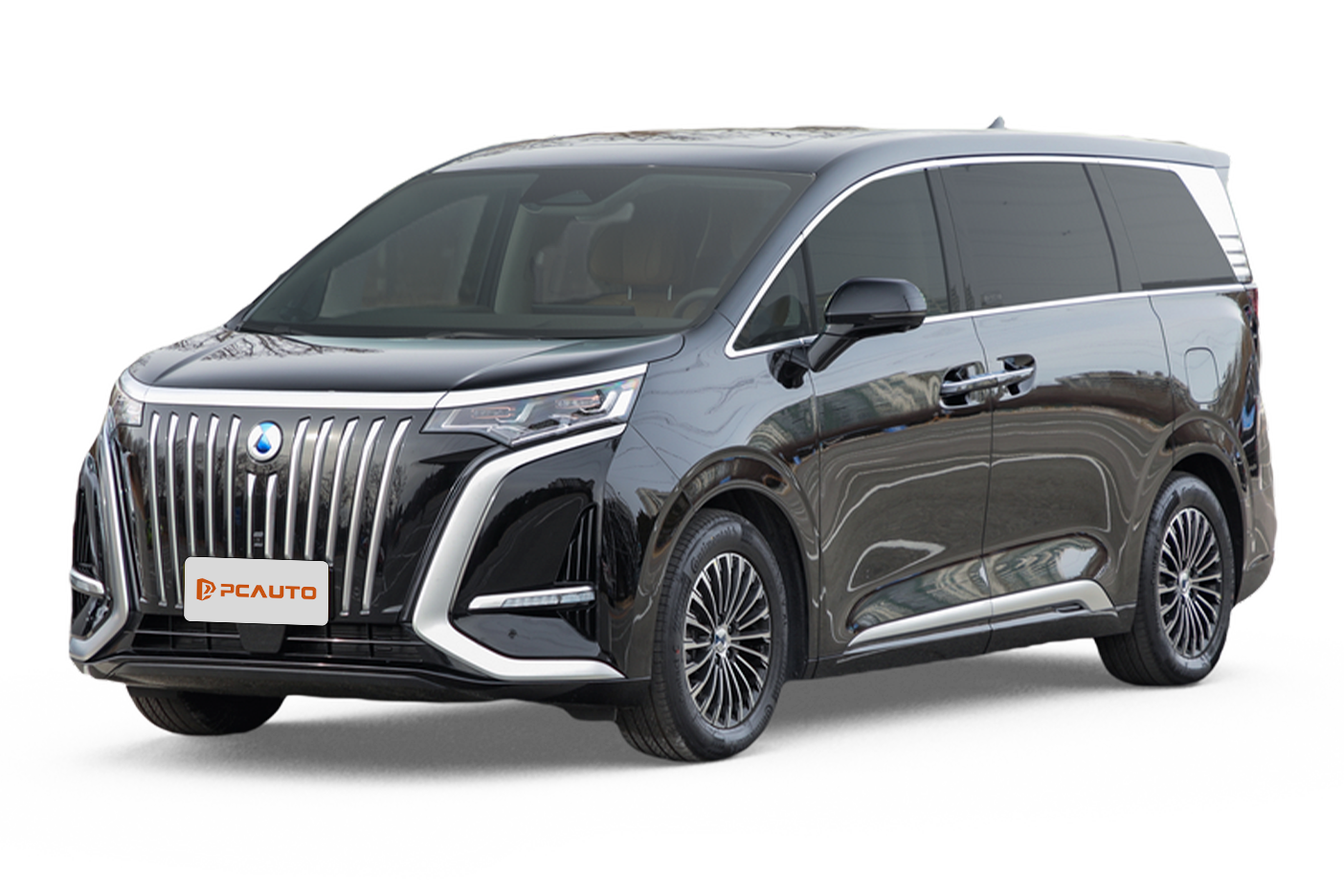
2025 Denza D9 Advanced FWD is a 7-seater pure electric MPV designed to meet the needs of Malaysian families, with core advantages of 600km range, spacious interior, and rich comfort configurations.
16
Rank in MPV
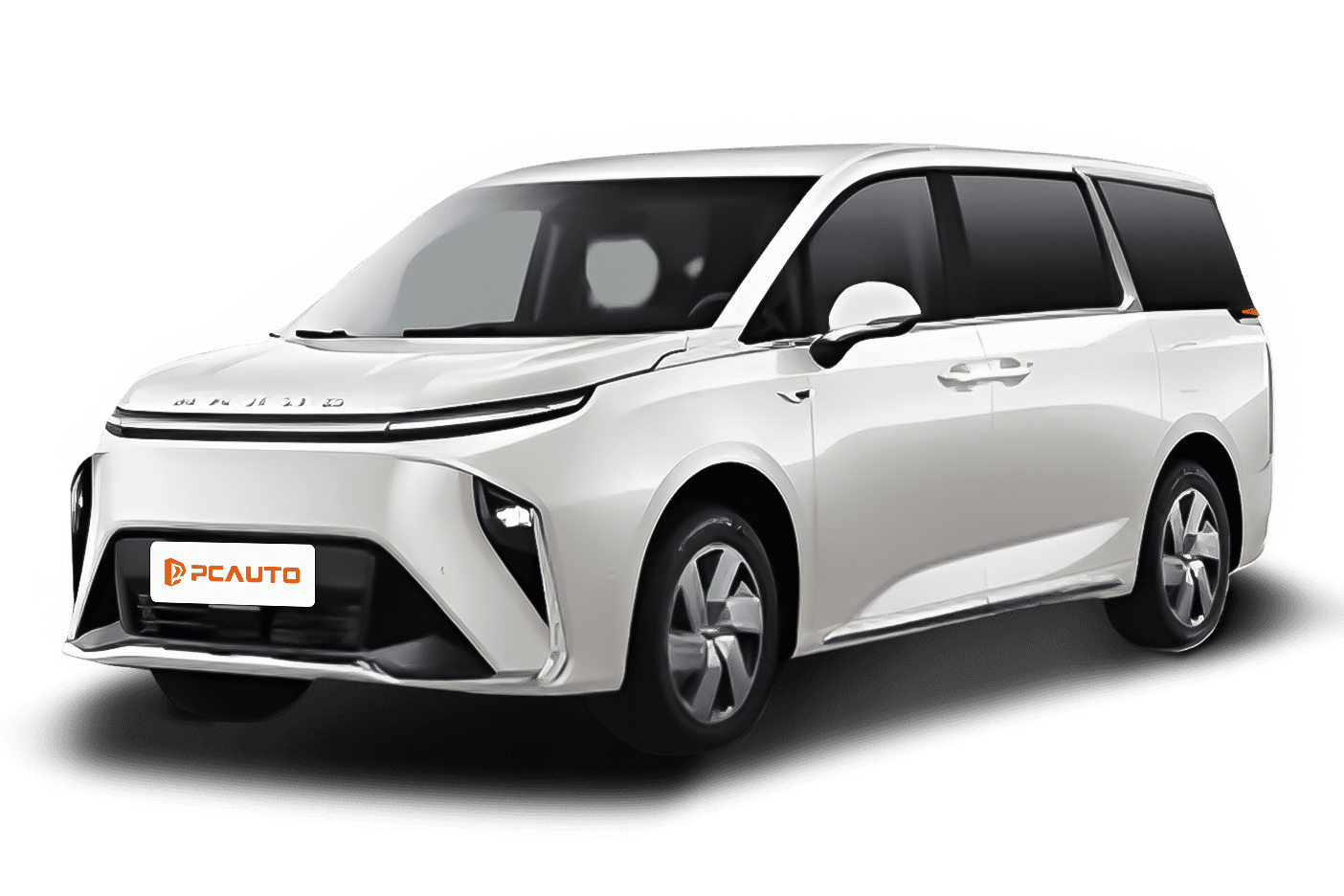
2024 Maxus MIFA 9 Luxury serves as the entry-level premium electric MPV in Malaysia, featuring a long wheelbase with 7-seat capacity, an intelligent cabin, and high mileage efficiency, balancing both household and business cost-performance advantages.