

BYD Dolphin 2023 Review

 Share
Share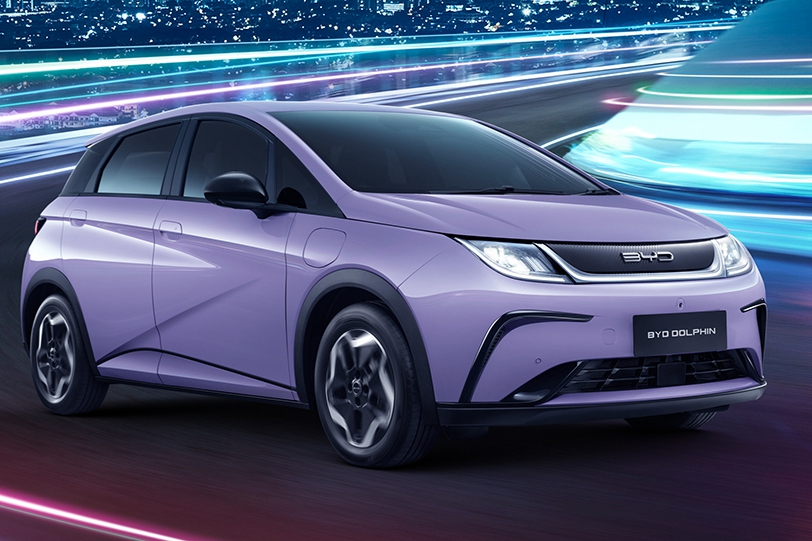
 Segment
 Body Type
 Motor Output(kW)
 Motor Torque(Nm)
 EV Range(km)
 Battery Capacity(kWh)
In 2023, the competition in Malaysia's B-segment electric vehicle market is becoming increasingly intense. Consumers are not only pursuing practicality for daily commuting but also value the balance between cost-effectiveness and smart features. As a popular model in this segment, the BYD Dolphin enters the market with a pricing of RM100,000 for the Dynamic Standard version, focusing on highlights such as a long wheelbase, comprehensive safety features, and a rotatable central control screen, which has garnered significant attention from family purchasers. This test drive will primarily evaluate whether its space is truly sufficient, if its power meets urban commuting needs, and whether its features are as practical as stated in the specifications.
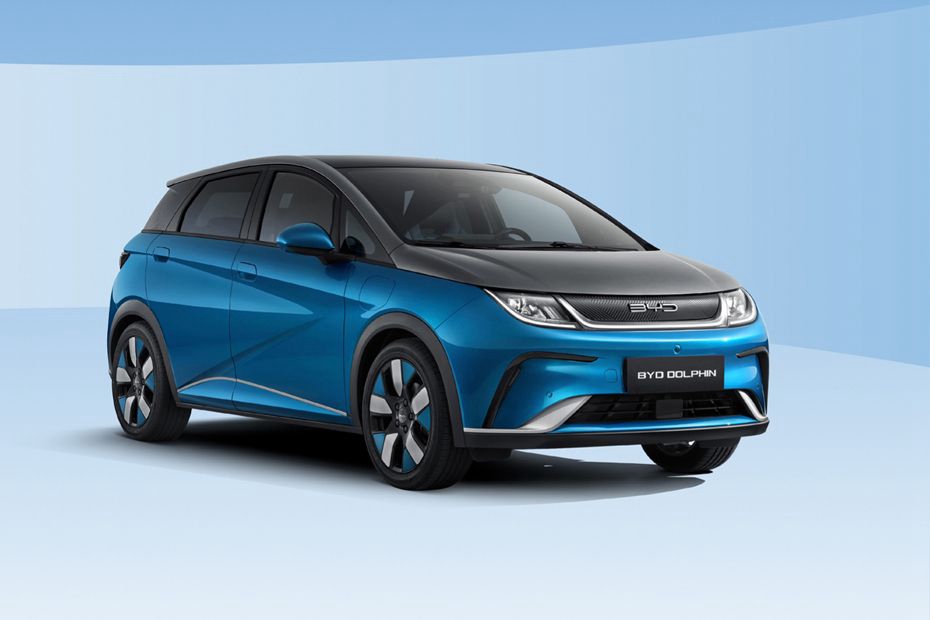
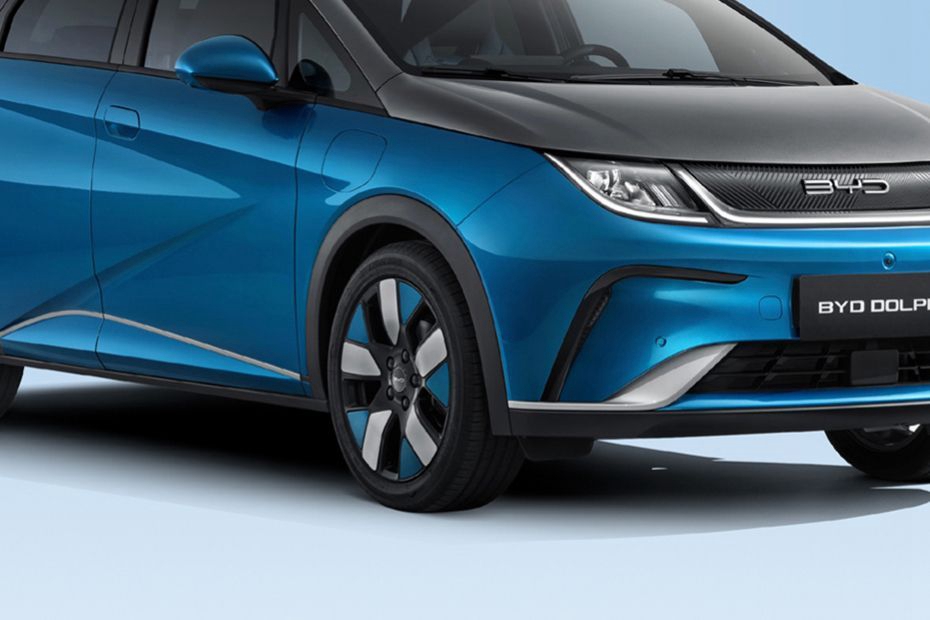
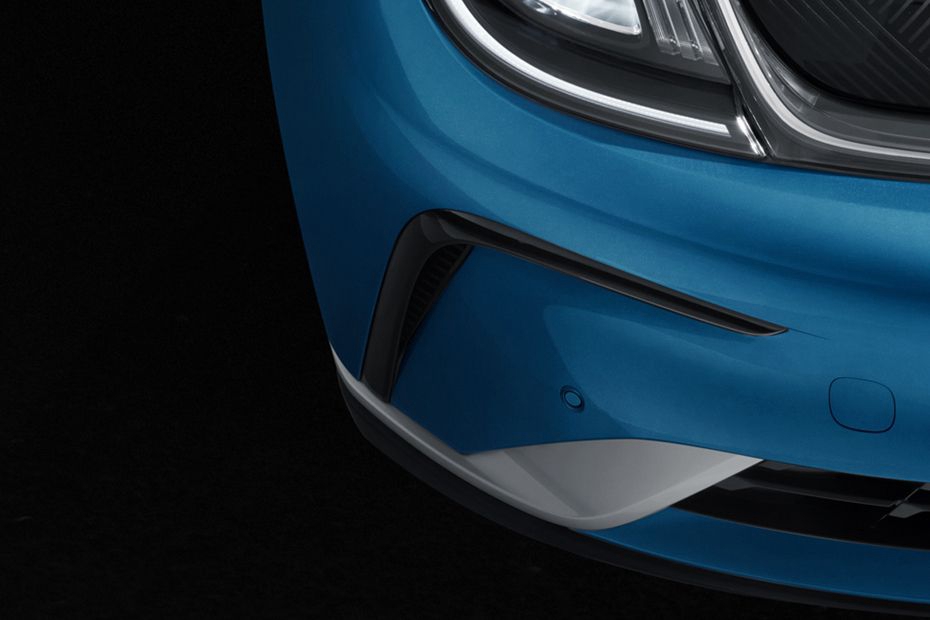
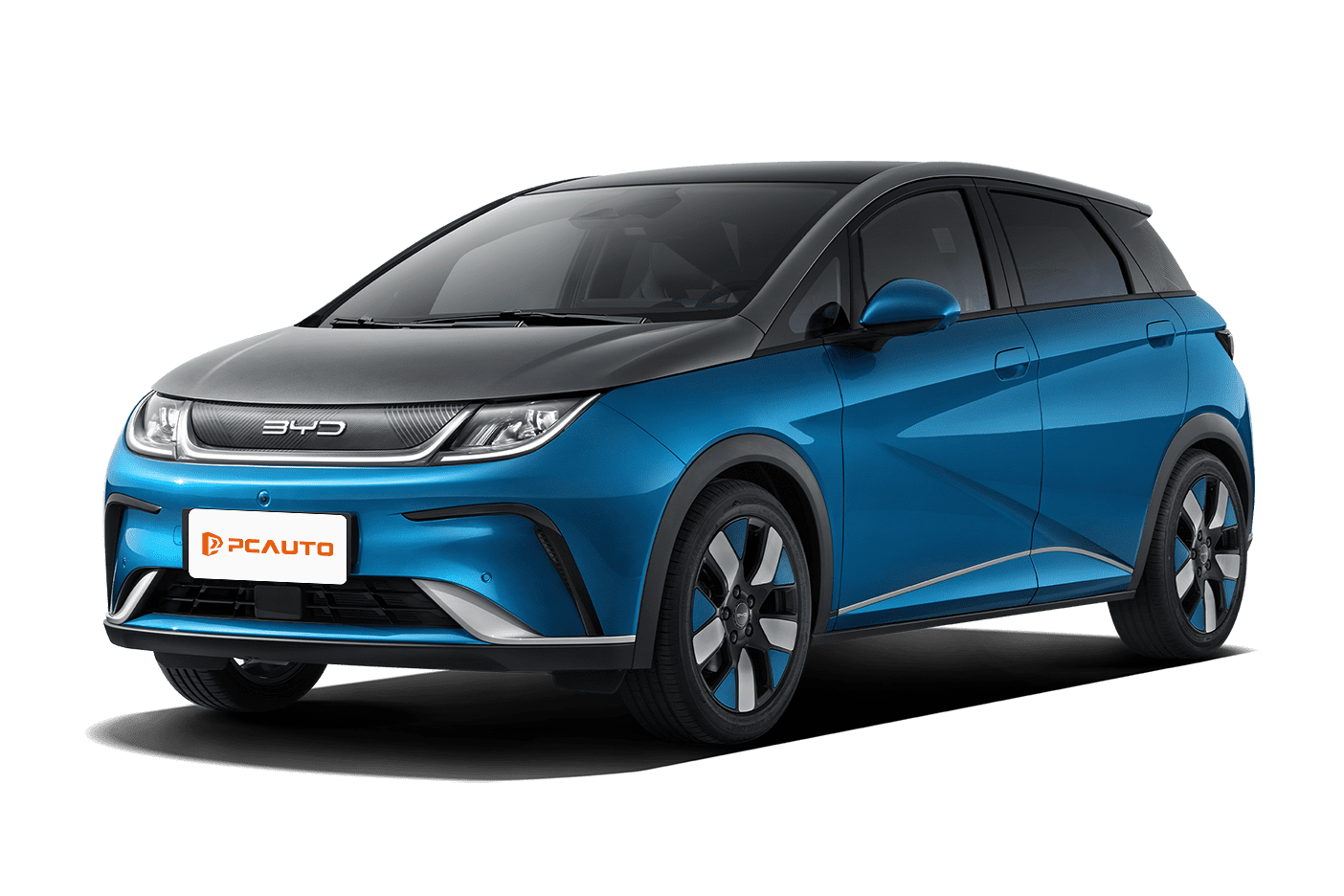
From the exterior, the Dolphin Dynamic Standard continues the family-style "ocean aesthetics" design, with smooth and rounded lines that deliver a non-aggressive appearance. The front end features a closed grille paired with through-type LED daytime running lights, and the headlight clusters on both sides are connected to the grille via chrome strips, offering high recognizability. The side profile of the car avoids complex waistlines, instead using slight bulges at the front and rear wheel arches to create a hint of muscularity. The 16-inch multi-spoke wheels have a simple design, matched with 195/60 R16 tires, aligning well with its family-friendly positioning. The rear design is relatively simple, with taillights adopting a "dolphin tail fin" design, providing clear illumination when lit. The black skid plate at the lower rear bumper adds a touch of crossover styling.
Stepping inside, the first thing that stands out is the interior color scheme — light-colored fabric seats paired with a dark central console create a warm atmosphere. The central console has a simple layout, with the most noticeable feature being the 12.8-inch rotatable touchscreen, supporting landscape and portrait orientation, and offering a decent level of operational smoothness. The built-in DiLink intelligent system supports navigation, Bluetooth, and smartphone connectivity. The multi-function steering wheel is wrapped in leather with a moderate grip, with the left-side buttons controlling the driving assistance system and the right side taking charge of multimedia and voice controls. The 7-inch fully digital instrument cluster clearly displays information such as speed, remaining range, and power output, with intuitive interface logic. As for materials, the top of the central console is covered with soft-touch plastic, while fabric trim is used on the door panels. Though lacking high-end materials, it is fair and standard for this price range.
Space performance is one of Dolphin's major strengths, with a 2700mm wheelbase that is among the top in the B-segment electric vehicle category. The front seats support 6-way manual adjustment, and after adjusting to a suitable position for my height of 175 cm, there is still a space of one fist and two fingers above the head. The rear legroom is even more impressive. At the same height, when seated at the back, there is a two-fist gap between the knees and the back of the front seat, while the headroom remains at least one fist. Even with three adults fully seated at the rear, there is no sense of being cramped. The rear row comes with independent air conditioning vents and two USB ports, adding to its practicality. The trunk offers a standard storage capacity of 345L, fitting two 20-inch suitcases, and folding down the backseat can expand the space to accommodate larger items occasionally.
In terms of performance, the Dynamic Standard version is equipped with a front-mounted permanent magnet synchronous motor, delivering a maximum power of 70kW (95PS) and a maximum torque of 180N·m, with an official 0-100km/h acceleration time of 12.3 seconds. During daily driving, switching to ECO mode results in relatively smooth power responses during start-up and low-speed phases, suitable for urban traffic conditions. Switching to SPORT mode increases the throttle sensitivity, and though the acceleration push is not very strong, the power output can still keep up with the pace when overtaking, as long as the accelerator is pressed firmly. However, during high-speed driving, when the speed exceeds 100km/h and you attempt further acceleration, the power reserve appears somewhat insufficient, requiring advance planning for overtaking.
Handling and chassis performance align with its positioning as a family car. The steering offers moderate turning resistance with limited play, allowing for precise maneuvers during everyday lane changes or turns. The combination of a front MacPherson independent suspension and rear torsion beam non-independent suspension performs acceptably on minor urban road bumps, filtering out most small vibrations. However, when encountering speed bumps or rough roads, the rear seats experience a more noticeable bumpiness, slightly affecting comfort.
We conducted tests on its range and energy consumption. Under mainly urban road conditions with the air conditioning set at 24°C, the vehicle drove 350 km, with a remaining range displayed at 60 km. This indicates a comprehensive range achievement rate of approximately 99%, exceeding expectations. In terms of energy consumption, the vehicle has a consumption of about 11.5 kWh per 100 km in urban conditions, which increases to around 14 kWh per 100 km on highways. Overall, this aligns with the energy efficiency level of a typical family electric vehicle.
In terms of driving comfort, Dolphin’s performance is commendable. Noise control is excellent below 60 km/h, with minimal tire noise and wind noise. Beyond 80 km/h, wind noise gradually becomes noticeable but remains within an acceptable range. The regenerative braking offers three levels of adjustment. Even when set to the highest level, the deceleration drag when releasing the accelerator isn’t overly abrupt and does not negatively impact the passenger experience. The front seats provide moderate support and wrapping, making long drives less tiring. The rear seats are somewhat firm but have a comfortable backrest angle, minimizing fatigue for long trips.
Overall, the core advantages of the 2023 BYD Dolphin Dynamic Standard lie in its space, features, and value for money. The 2700 mm wheelbase offers class-leading rear seat space, while features such as six standard airbags, adaptive cruise control (ACC), lane departure warning, a rotatable central control screen, and a panoramic sunroof are all included at a price point of 100,000 MYR, emphasizing practicality. Compared to competitors in the same class, such as the MG 4 Electric Standard Range, the Dolphin offers larger space, more features, and better value.
This car is perfect for practicality-focused family users, especially those who frequently commute with family members or go on short trips. While its power may not be notably strong, it is more than sufficient for daily urban driving. Its long-range capability and high achievement rate also help alleviate range anxiety. However, if higher performance is required or frequent highway driving is expected, the Premium Extended version might be worth considering.
In summary, the 2023 BYD Dolphin Dynamic Standard is a family electric vehicle with “no significant shortcomings." It provides the Malaysian B-segment electric vehicle market with a high-value option through practical features, spacious interior, and steady range performance.
BYD Dolphin Car Compare
BYD Dolphin Loan Calculator
More BYD Reviews
Cars With Similar Price And Features

7
Rank in Hatchback
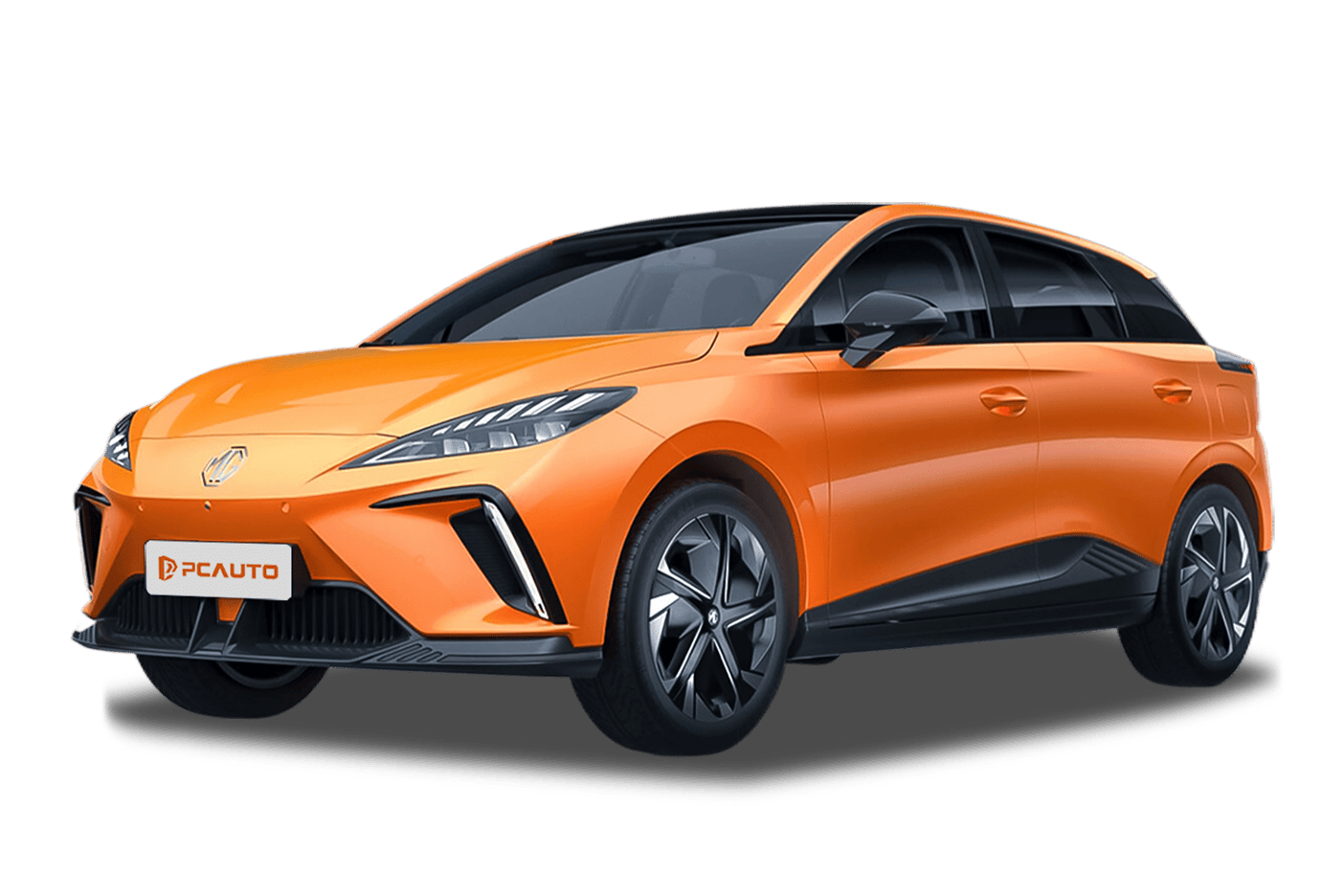
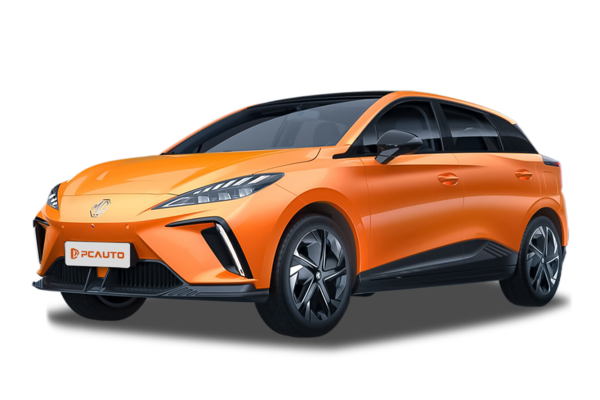
2024 MG4 Standard is a high-value pure electric hatchback, featuring a long wheelbase with spacious interior, comprehensive basic configurations, and rear-wheel-drive driving characteristics, designed to meet the core needs of family commuting.
11
Rank in Hatchback
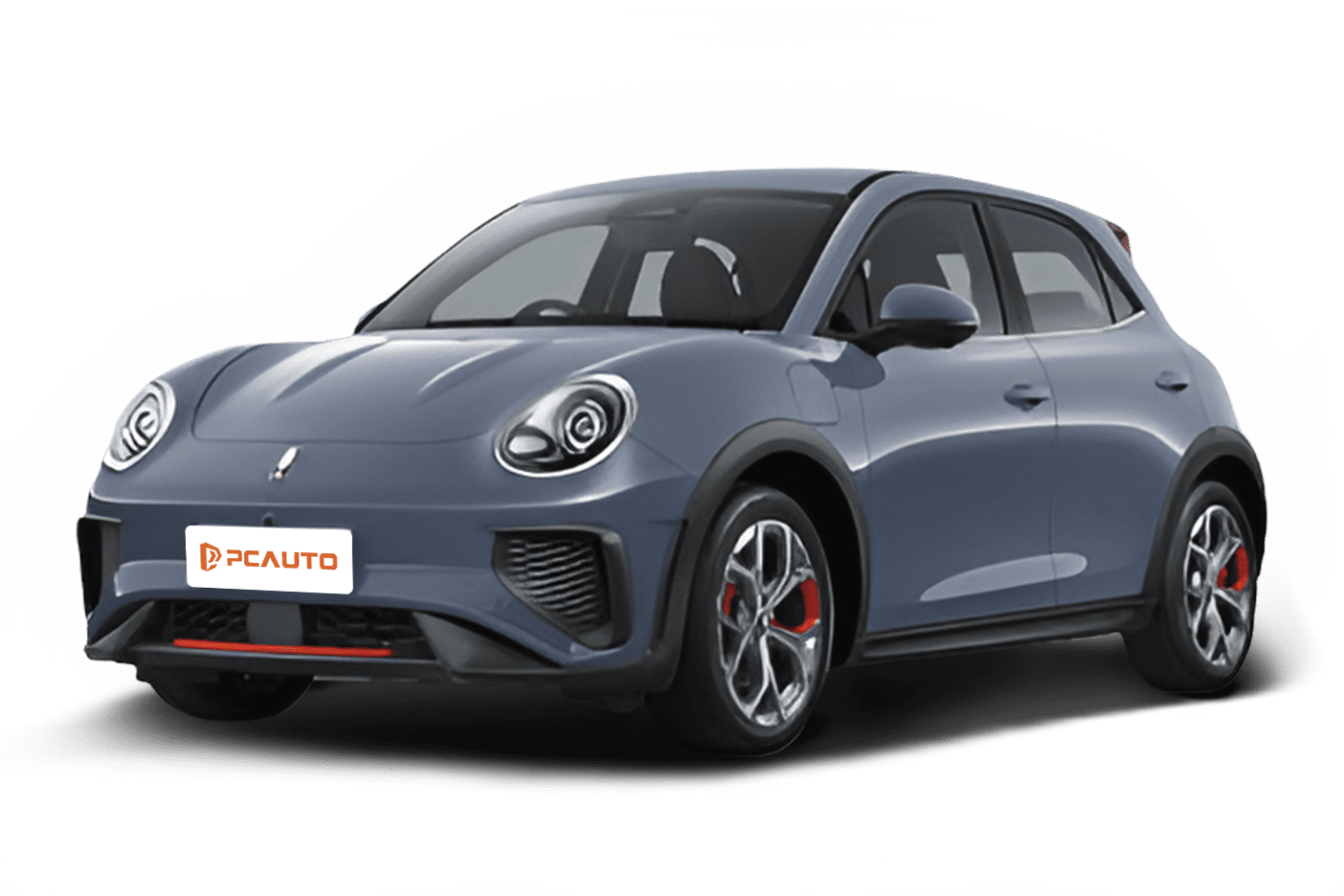
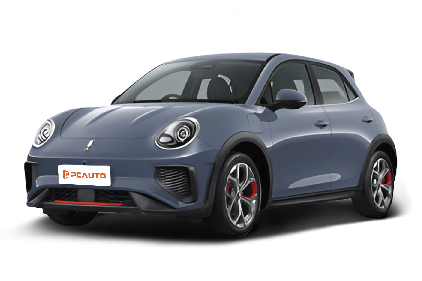
2025 ORA Good Cat Ultra features a retro design for distinctiveness, paired with a 480km range, rich intelligent safety configurations, and practical space, making it a cost-effective B-class electric commuting choice.

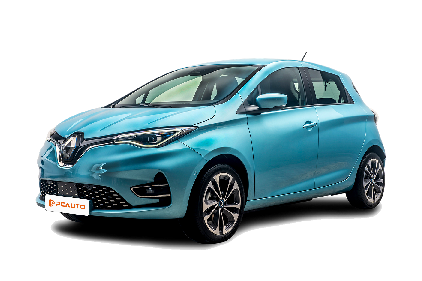
2023 Renault Zoe R110 is a B-segment pure electric vehicle, offering class-leading safety features, a comfortable driving experience, and a range of 395km, meeting daily commuting and weekend travel needs.
9
Rank in Hatchback
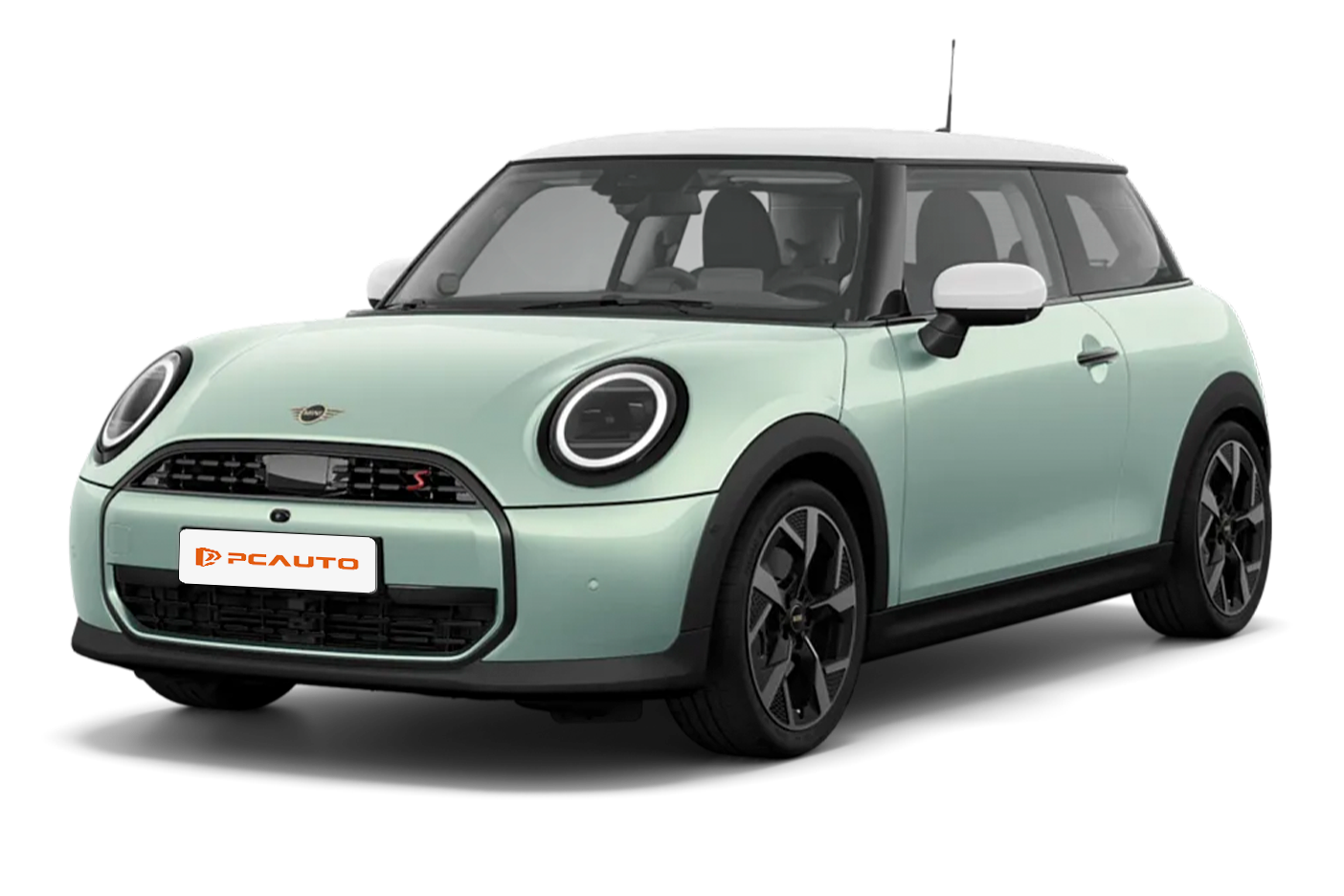
2025 MINI 3 Door John Cooper Works Electric is a B-segment pure electric performance small car that inherits MINI's driving DNA, offers direct acceleration with pure electric drive, features a classic and sporty design, and balances practicality.