

2024 Kia Seltos public Review

 Share
Share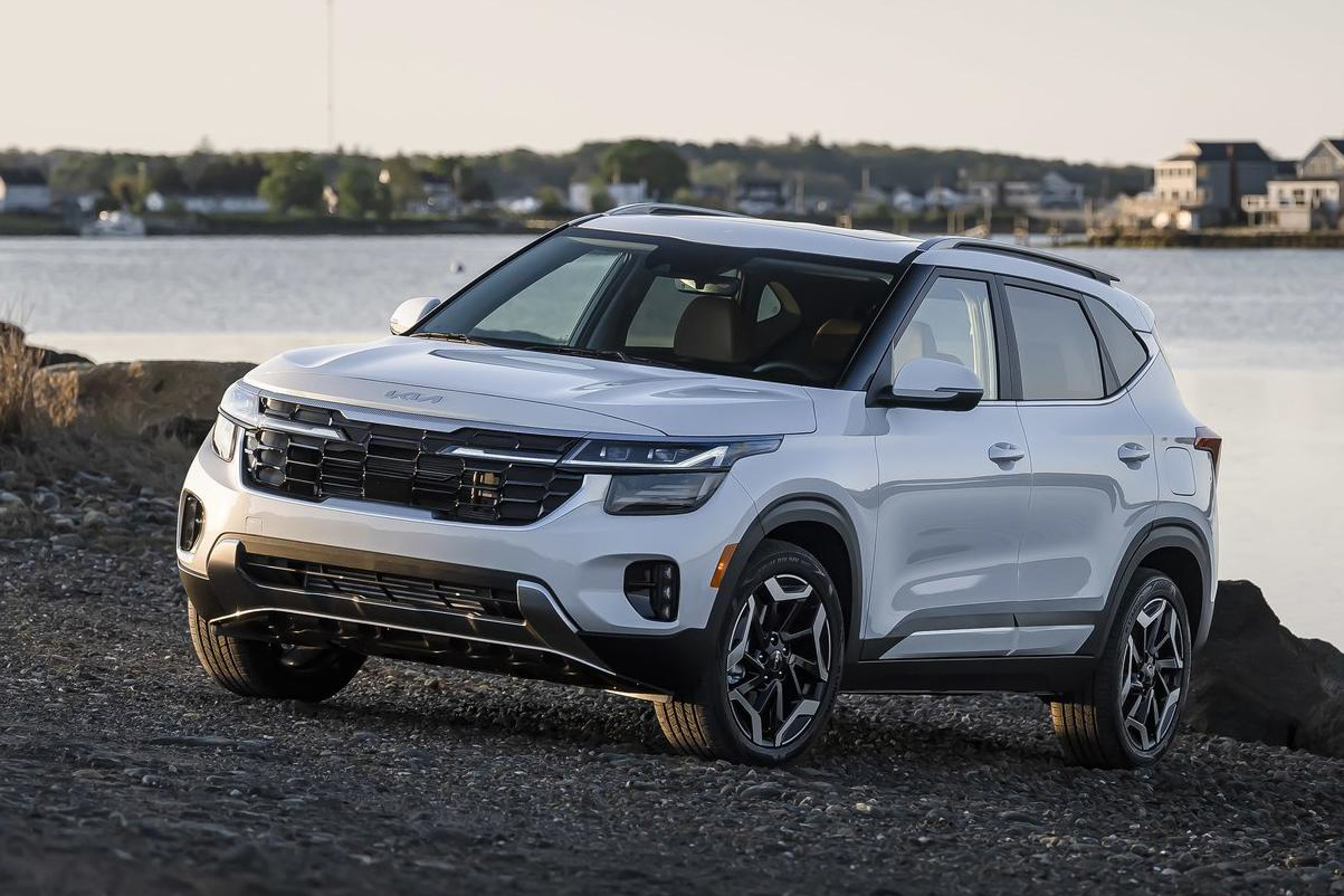
 Body Type
 Segment
 Capacity(L)
 Engine Power(PS)
 Engine Torque(Nm)
 Transmission
In Malaysia's compact SUV market, consumers' demand for "balanced practicality" has never waned — they want a design that appeals to young families, sufficient features for daily commuting and weekend outings, and a price that stays within budget. As a regular in this segment, the 2024 Kia Seltos focuses on a younger appearance, upgraded smart features, and optimized power tuning in this facelift, which has garnered considerable attention upon its release. The core purpose of our test drive this time is to verify whether these upgrades truly enhance the product's appeal and whether it can maintain its competitiveness among rivals in the same segment.
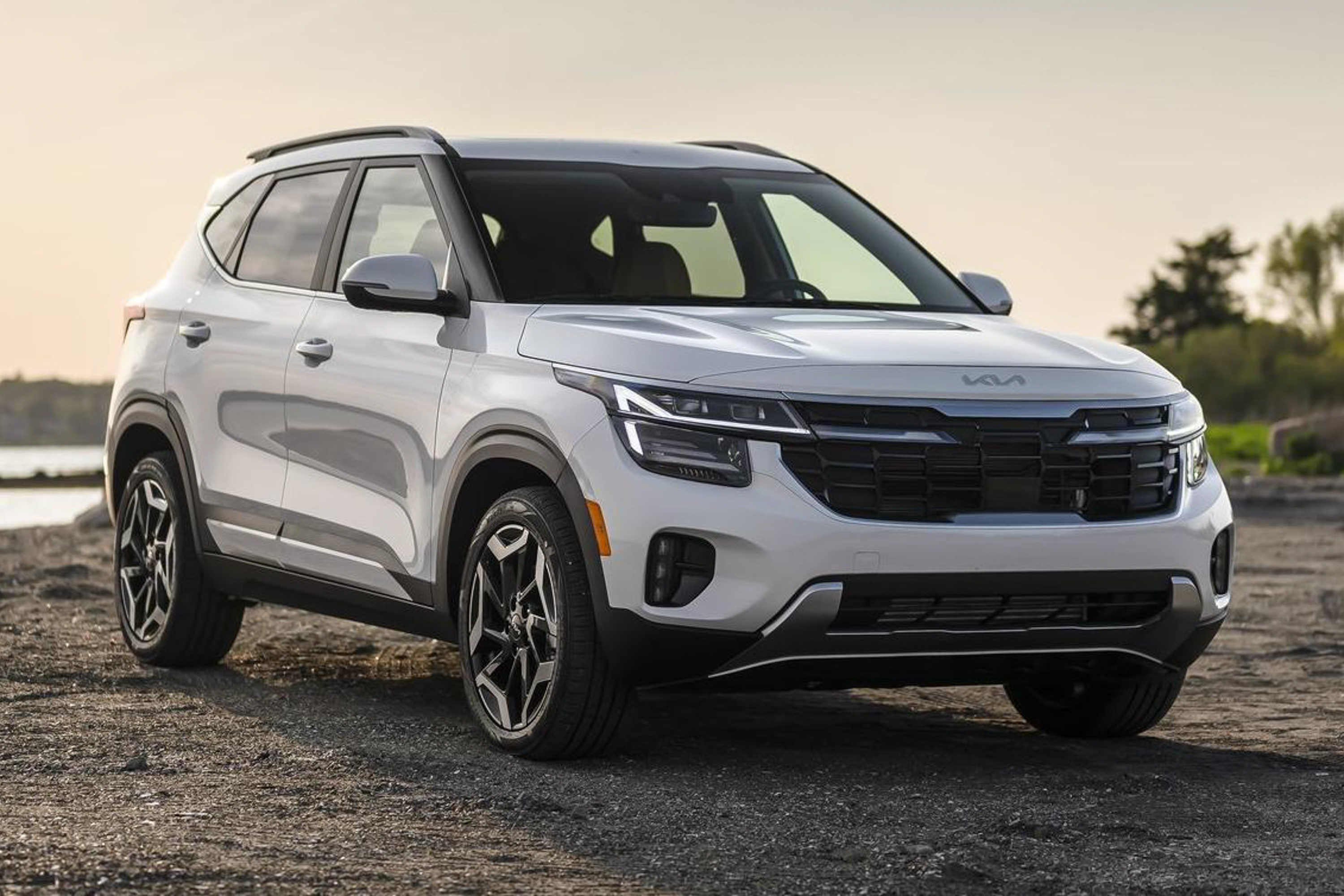
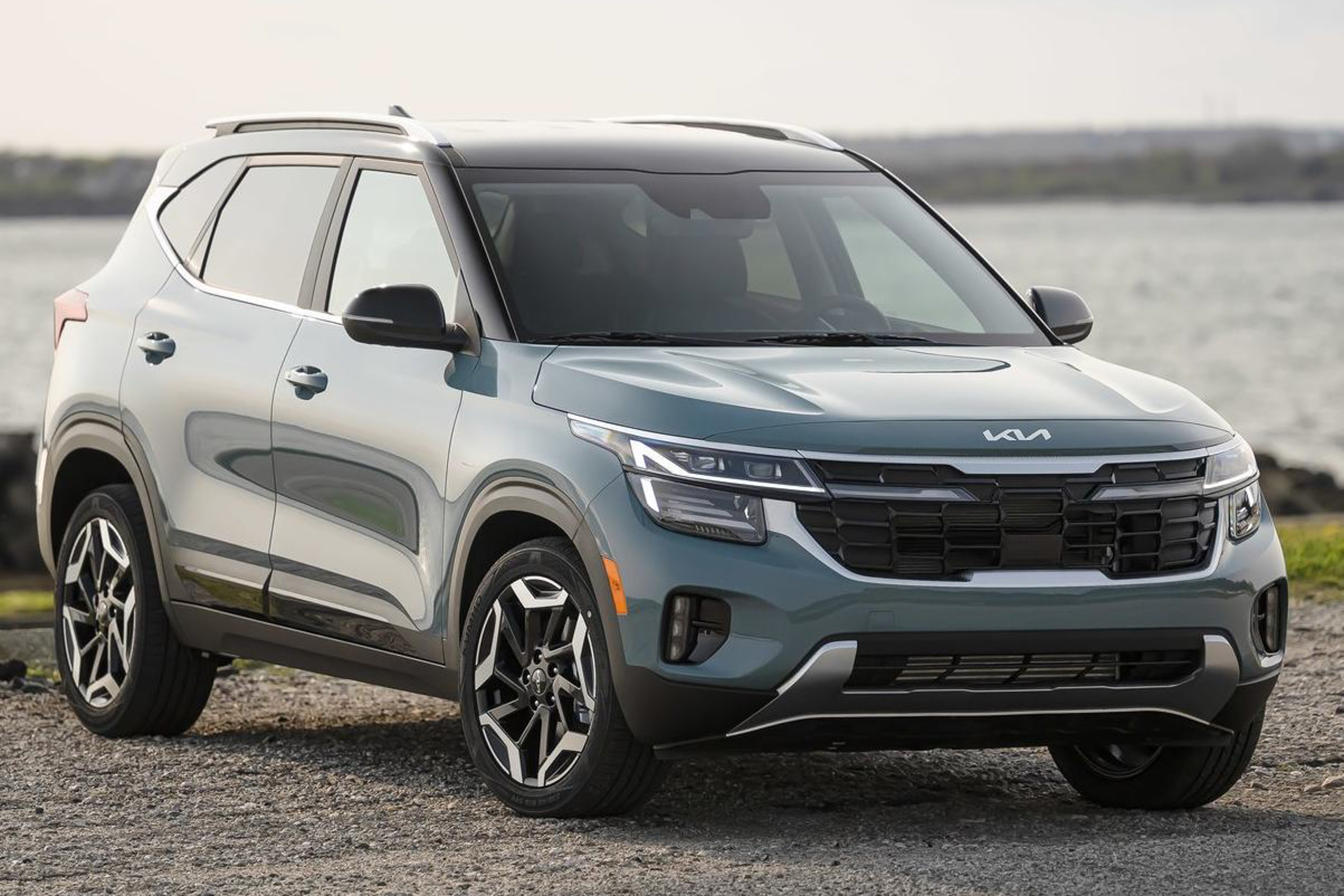
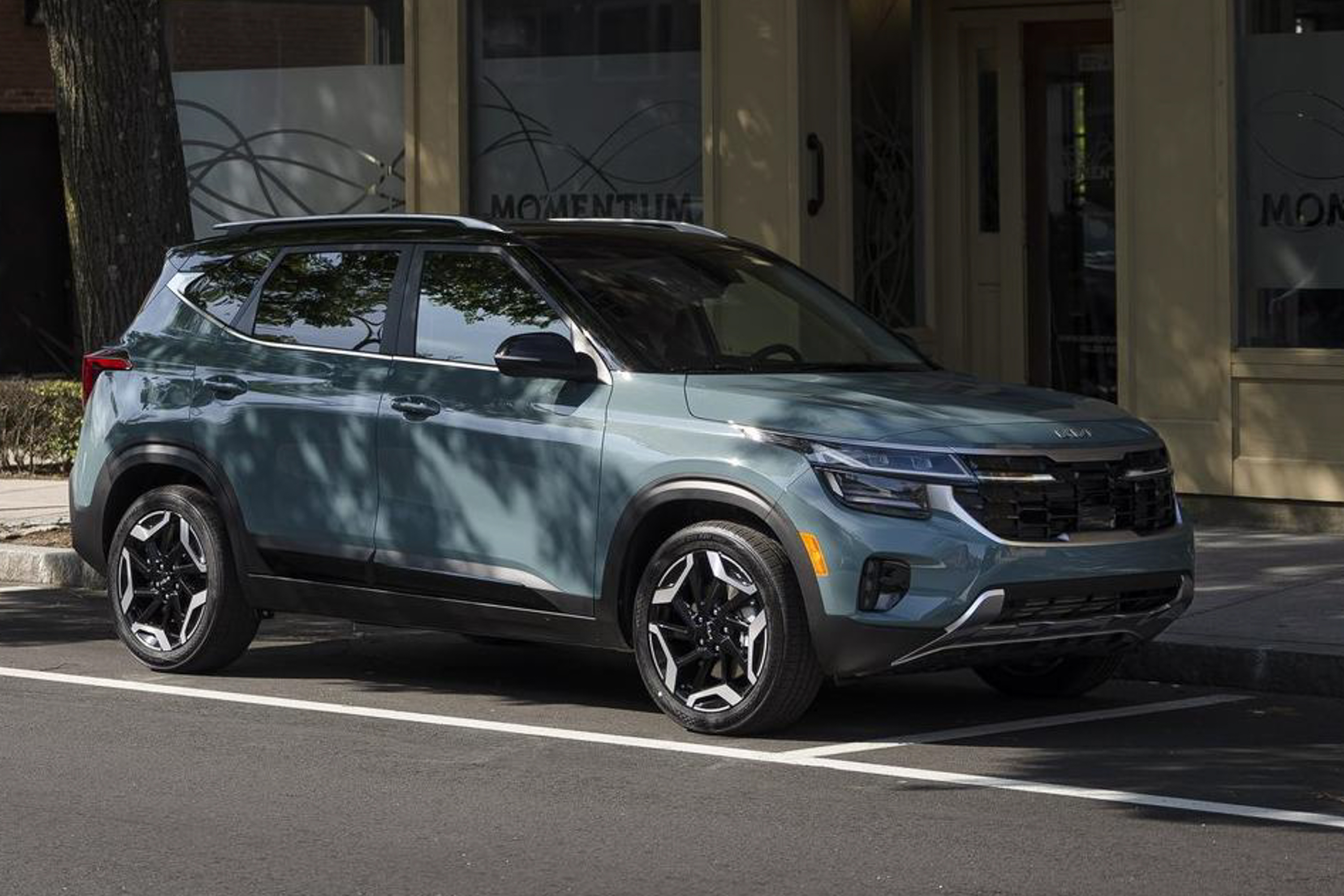
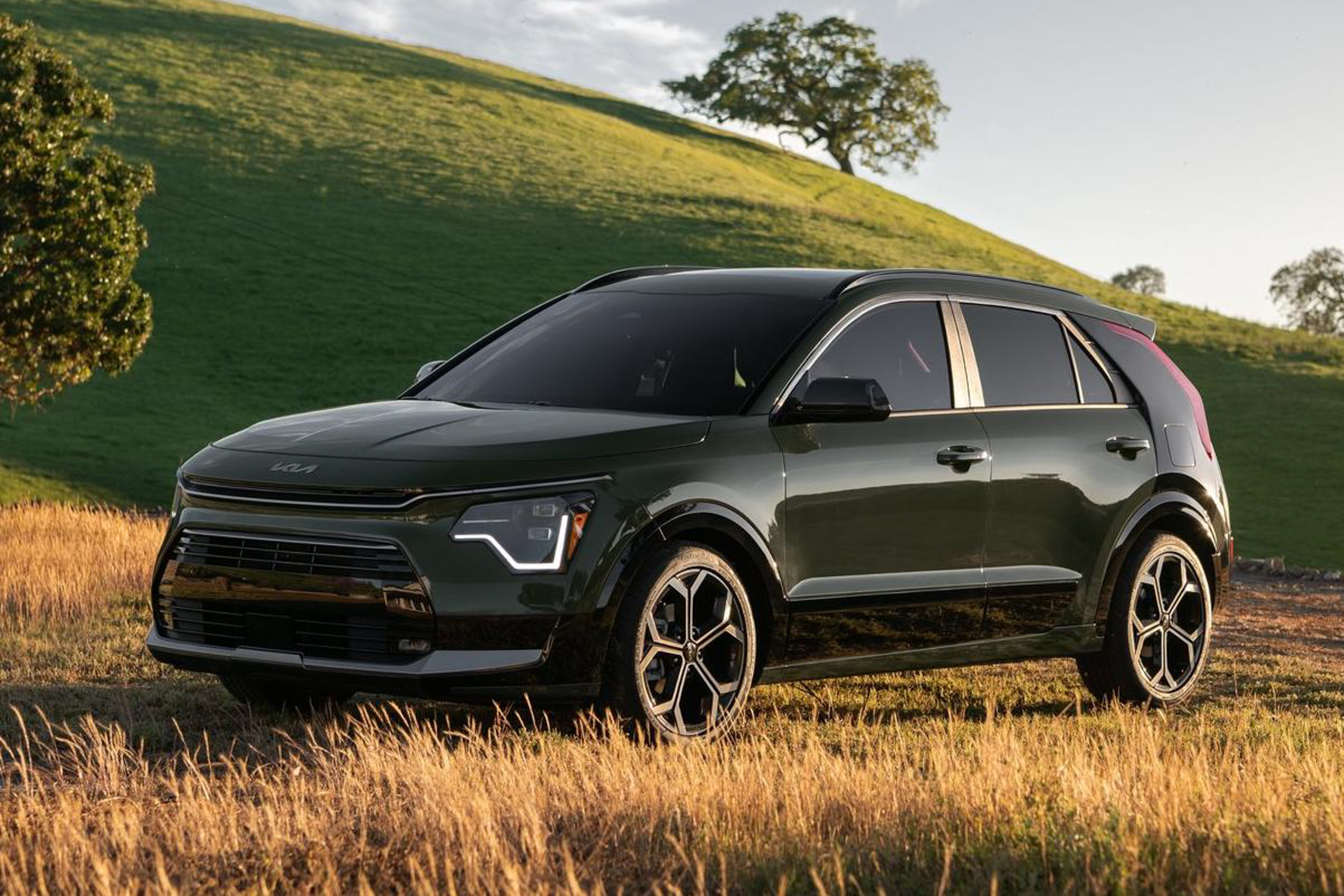
In terms of exterior design, the changes to the 2024 Seltos are concentrated at the front and rear, giving it a more sporty overall style. The front end adopts Kia's latest "Tiger Nose" evolution design, with a blacked-out front grille paired with a full-width LED daytime running light that visually stretches the width; below, the bumper adds honeycomb-style air intakes and a silver front lip, reducing the rounded feel of the previous model. The side profile retains the standard proportions of a compact SUV, with a waistline extending from the front fender to the rear. The 17-inch alloy wheels have a more complex design than the previous model, adding a touch of sophistication. The rear features the most noticeable changes, with full-width LED taillights internally adopting a segmented design, greatly improving recognizability when lit; the rear bumper includes a silver skid plate and dual exhaust trims (actual exhausts are hidden), creating a sporty atmosphere. The lighting system uses LED for both headlights and taillights, ensuring clear illumination at night, and the continuity of the daytime running lights is also well-executed.
The interior's material quality upgrade is one of the highlights of this facelift. The dashboard is covered with soft-touch materials and accented with silver trims, eliminating hard plastics from areas within reach. The center console is slightly angled towards the driver, featuring an 8-inch floating touchscreen (10.25-inch for higher trims) that supports CarPlay and Android Auto, with improved responsiveness compared to the previous model; below it are physical buttons for controlling the air conditioning and volume, making blind operations more convenient. In terms of configuration, the mid-range model we tested includes automatic air conditioning, keyless entry, push-button start, and a reverse camera, while higher trims offer additional features such as a panoramic sunroof, heated seats, and driver assistance systems (e.g., lane-keeping assist, automatic braking). The seats are wrapped in leather, with soft cushioning that provides adequate lumbar support, ensuring comfort even on long journeys.
The space performance aligns with the positioning of a compact SUV. The vehicle dimensions are 4385mm×1800mm×1645mm, with a wheelbase of 2630mm. A front-seat passenger of 175cm will have one fist and two fingers of headroom, while a rear-seat passenger of the same height will have two fists of legroom and one fist of headroom, avoiding a claustrophobic feeling. In terms of storage, the central armrest box and door panel storage slots in the front are quite practical, accommodating thermos cups and small items. The trunk offers a standard capacity of 433L, which can be expanded to 1380L by folding the rear seats, meeting the luggage needs of family outings. The rear row is equipped with air vents and USB charging ports, showcasing thoughtful attention to detail.
As for the powertrain, we tested the 1.5L naturally aspirated engine version, which delivers a maximum power of 115 horsepower and a peak torque of 144N·m, paired with a CVT transmission. During daily driving, the initial acceleration is relatively gentle, with power delivery becoming smoother after the RPM reaches 2000, making it adequate for city commuting and basic overtaking; however, at highway speeds above 100km/h, acceleration reserves feel somewhat lacking, requiring harder throttle inputs. There is also a 1.4T turbocharged engine option, producing a maximum power of 140 horsepower and a peak torque of 242N·m, offering stronger performance and catering to users with higher power demands. Three driving modes are available: Eco, Normal, and Sport. In Sport mode, the transmission response is slightly faster, although the difference is not particularly significant overall.
Handling and chassis performance lean towards comfort. The steering wheel has moderate steering force and minimal play, making daily driving relatively agile; the chassis adopts a front MacPherson independent suspension and rear torsion beam non-independent suspension, which is tuned to be soft, filtering out most minor road bumps. When going over speed bumps or uneven roads, the vehicle's body does not jump too harshly. During cornering, the body roll is kept within a reasonable range, without significant wobbling, aligning with the positioning of a family car.
In terms of fuel consumption, the performance of the 1.5L version is commendable. During our test drive, where we split the driving evenly between city streets and highways, the average fuel consumption was about 6.8L/100km, close to the official figure of 6.5L/100km, showcasing decent fuel economy. As for noise control, at speeds below 60km/h, there is little noticeable wind noise or tire noise; when speeds exceed 80km/h, wind noise can be heard coming from the A-pillar but does not interfere with normal conversation. Engine noise becomes more noticeable during rapid acceleration but diminishes once the RPM stabilizes.
Overall, the 2024 Kia Seltos facelift is considered quite successful — the exterior is younger-looking, the interior quality has been improved, the smart features are more abundant, while retaining the previous model's practical space and fuel efficiency advantages. Compared to the Honda HR-V in its class, it offers more comprehensive equipment and is more budget-friendly; compared to the Toyota Corolla Cross, its design is sportier and handling slightly better. This car is suitable for family users who prioritize balanced performance, particularly for those in need of a vehicle for daily commuting, occasional trips, and who value cost-effectiveness. If you have low requirements for power, the 1.5L version is completely sufficient; if you prefer stronger performance, the 1.4T version will be a better choice. In summary, the 2024 Seltos maintains a strong competitive edge in the compact SUV market and is a home-use model worth considering.
Kia Seltos Car Compare

Cars With Similar Price And Features
1
Rank in SUV
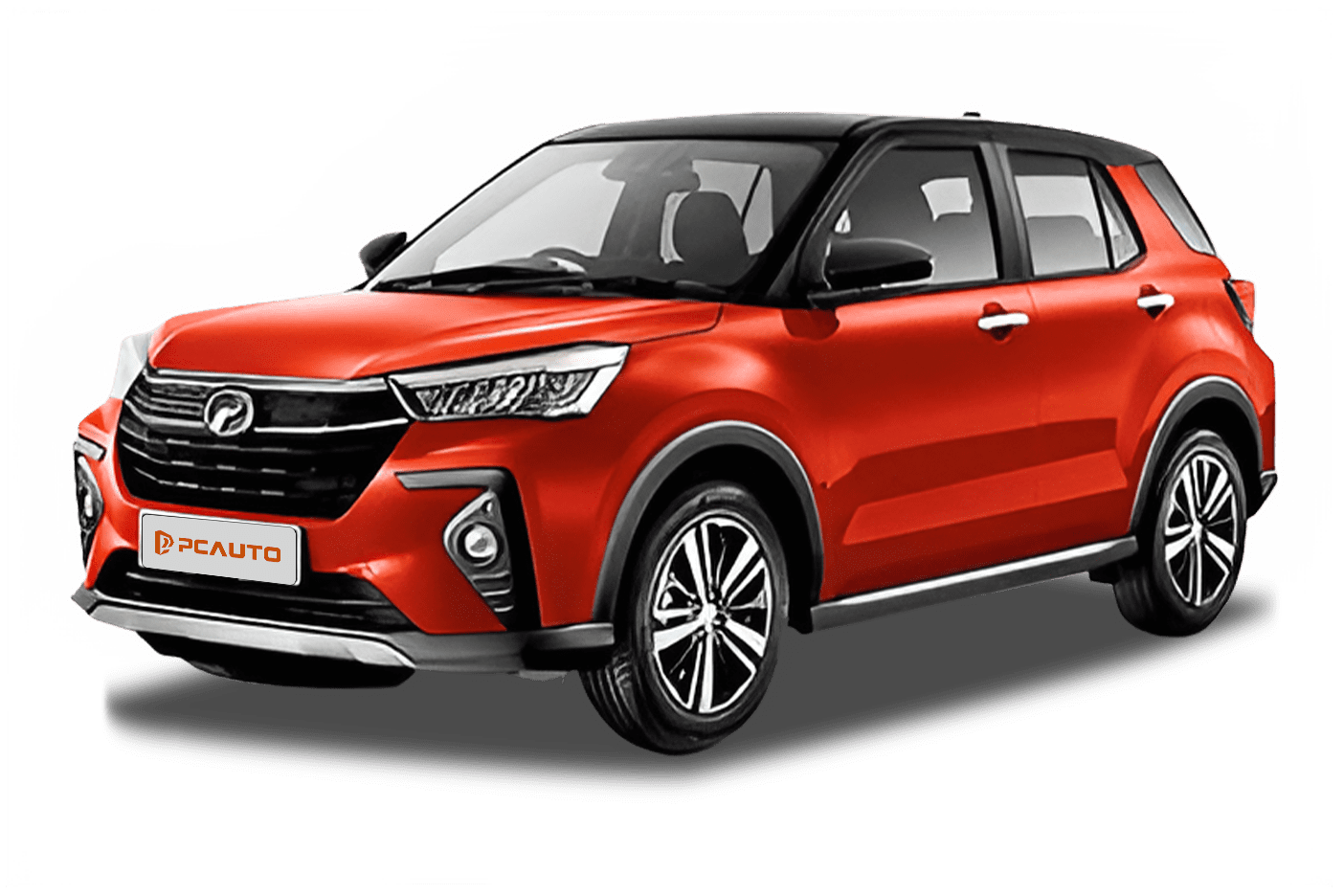
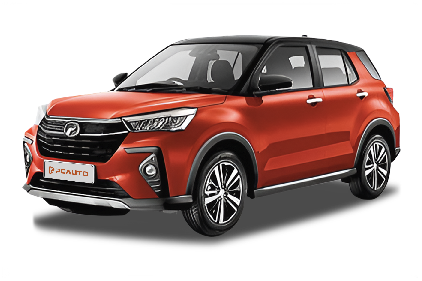
2023 Perodua Ativa 1.0L Turbo X, as a high-value-for-money entry-level B-SUV, meets the commuting and short-distance travel needs of family users with advanced safety features, practical space, and economical fuel consumption.
2
Rank in SUV
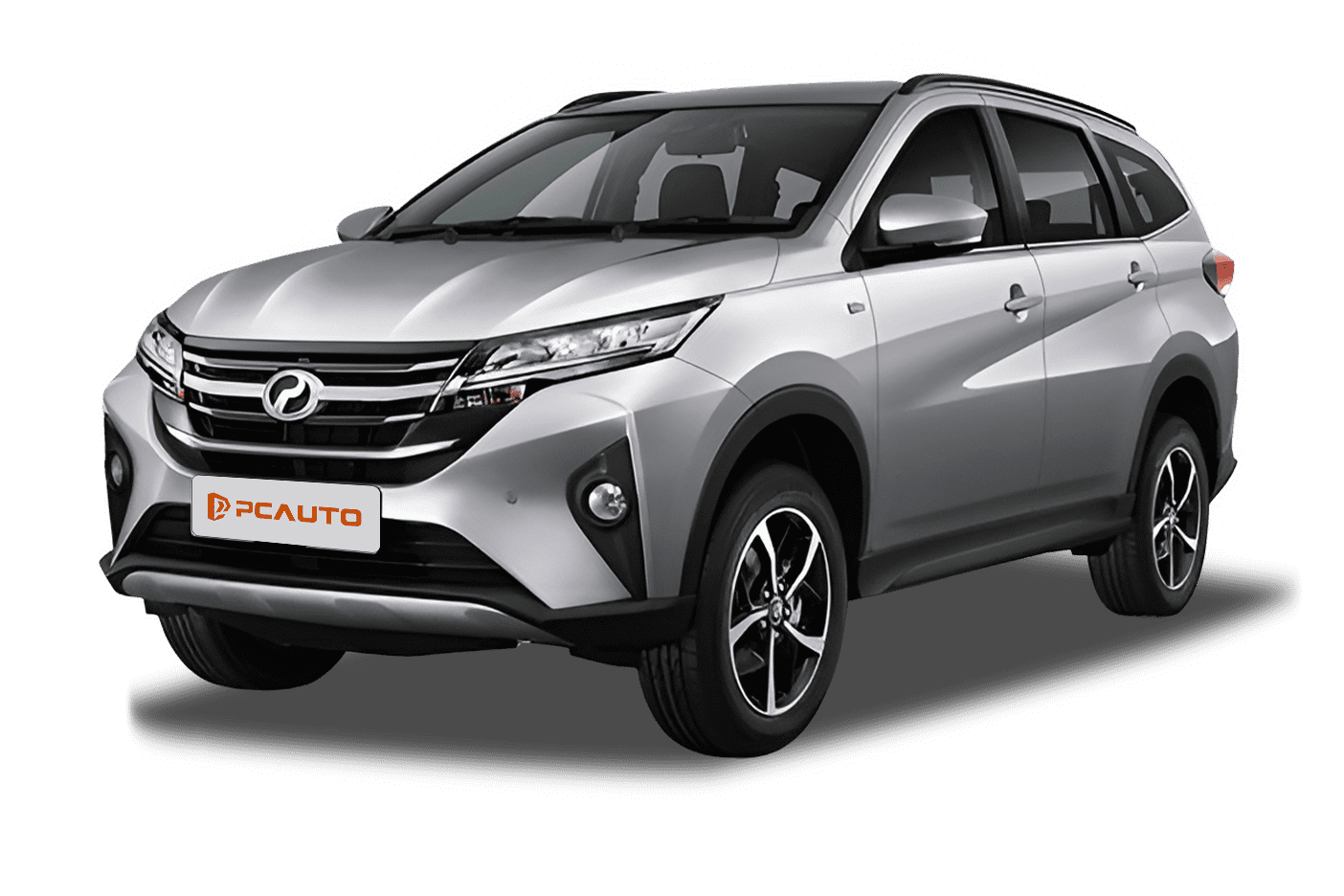
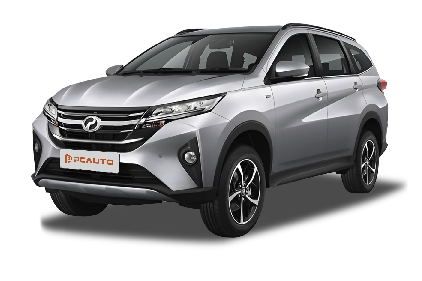
The 2023 Perodua Aruz 1.5L X is a high-value-for-money B-segment 7-seater SUV, offering 6 airbags and active safety systems as standard equipment for under RM63k. It balances practical space and daily commuting needs, making it a pragmatic choice for budget-conscious families.
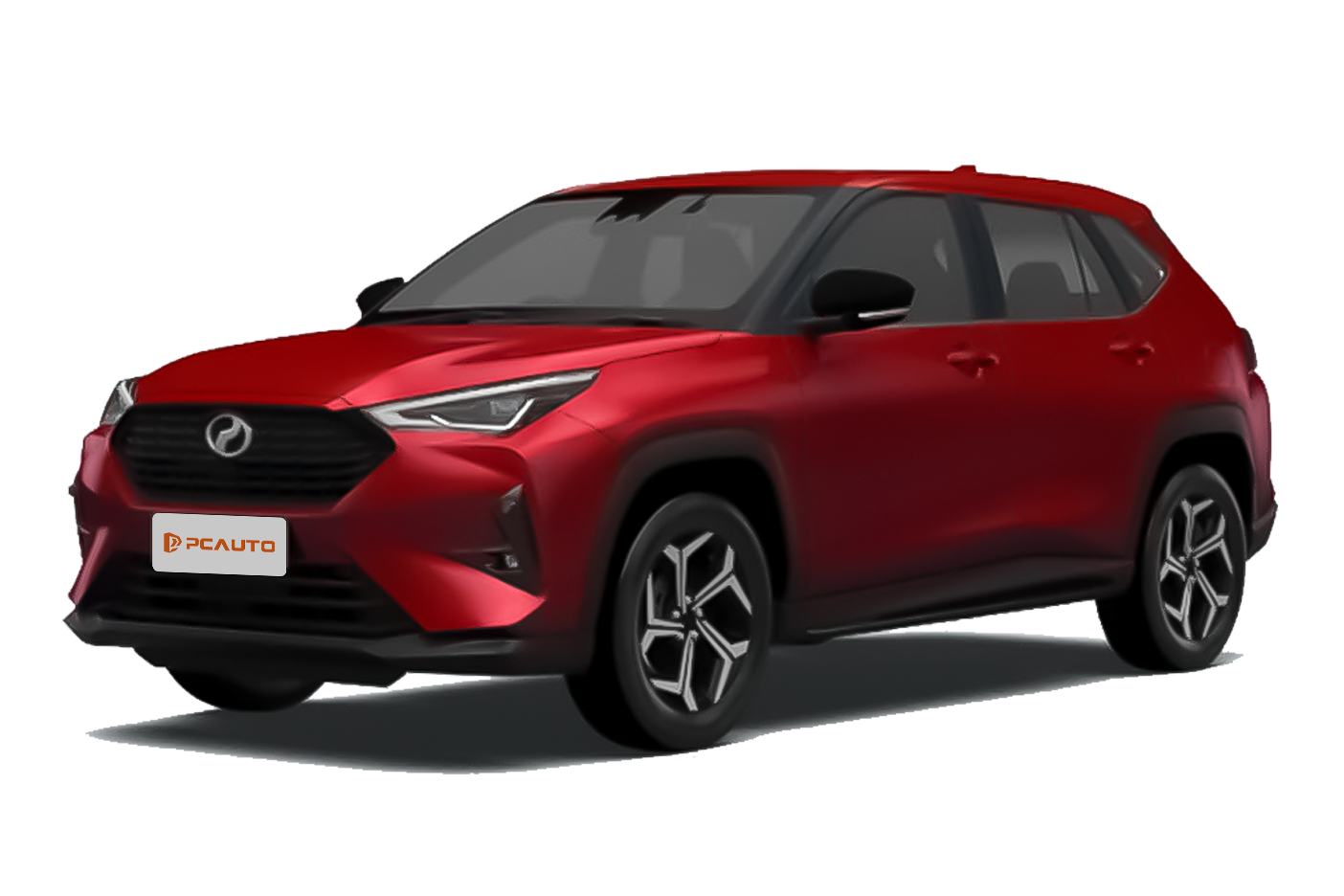
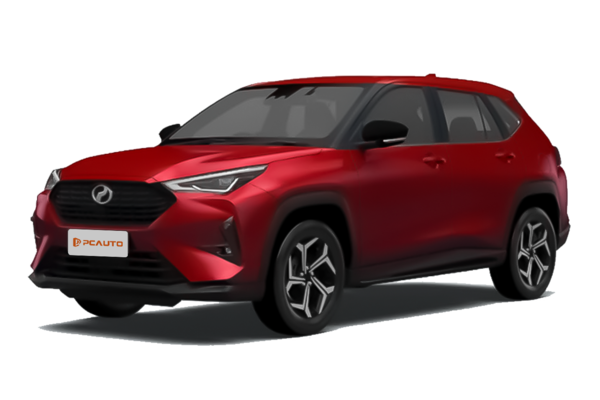
2025 Perodua Traz X, positioned as a B-segment SUV for family users, highlights advanced safety features, 210mm high ground clearance, and practical spaciousness as its main selling points, balancing flexibility and practicality.
3
Rank in SUV
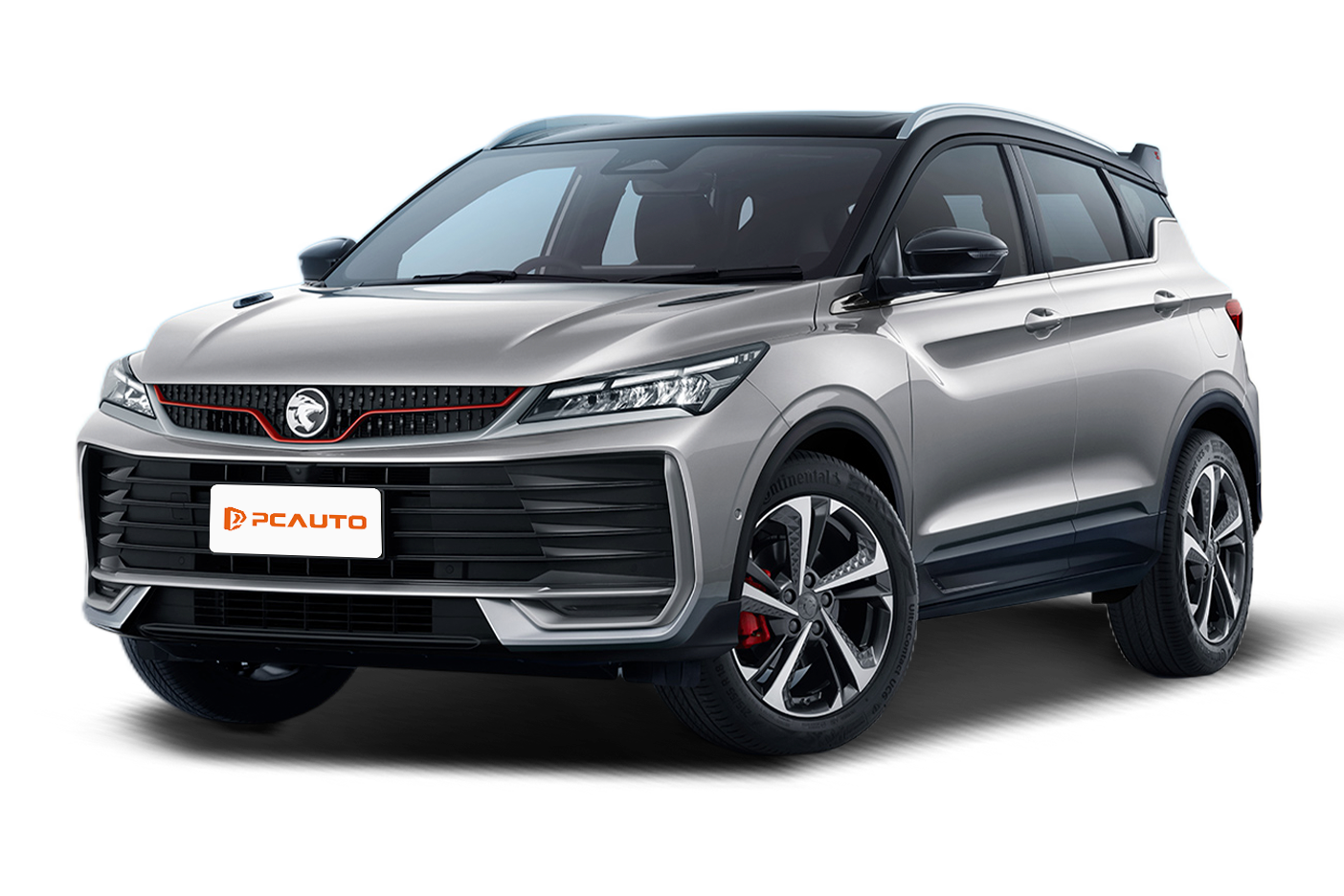
2025 Proton X50 Executive is an upgraded and price-reduced mid-size SUV that combines refined exterior, tech-savvy interior, powerful performance, and practical space, offering exceptional value for money.