

Kia Niro 2023 Review

 Share
Share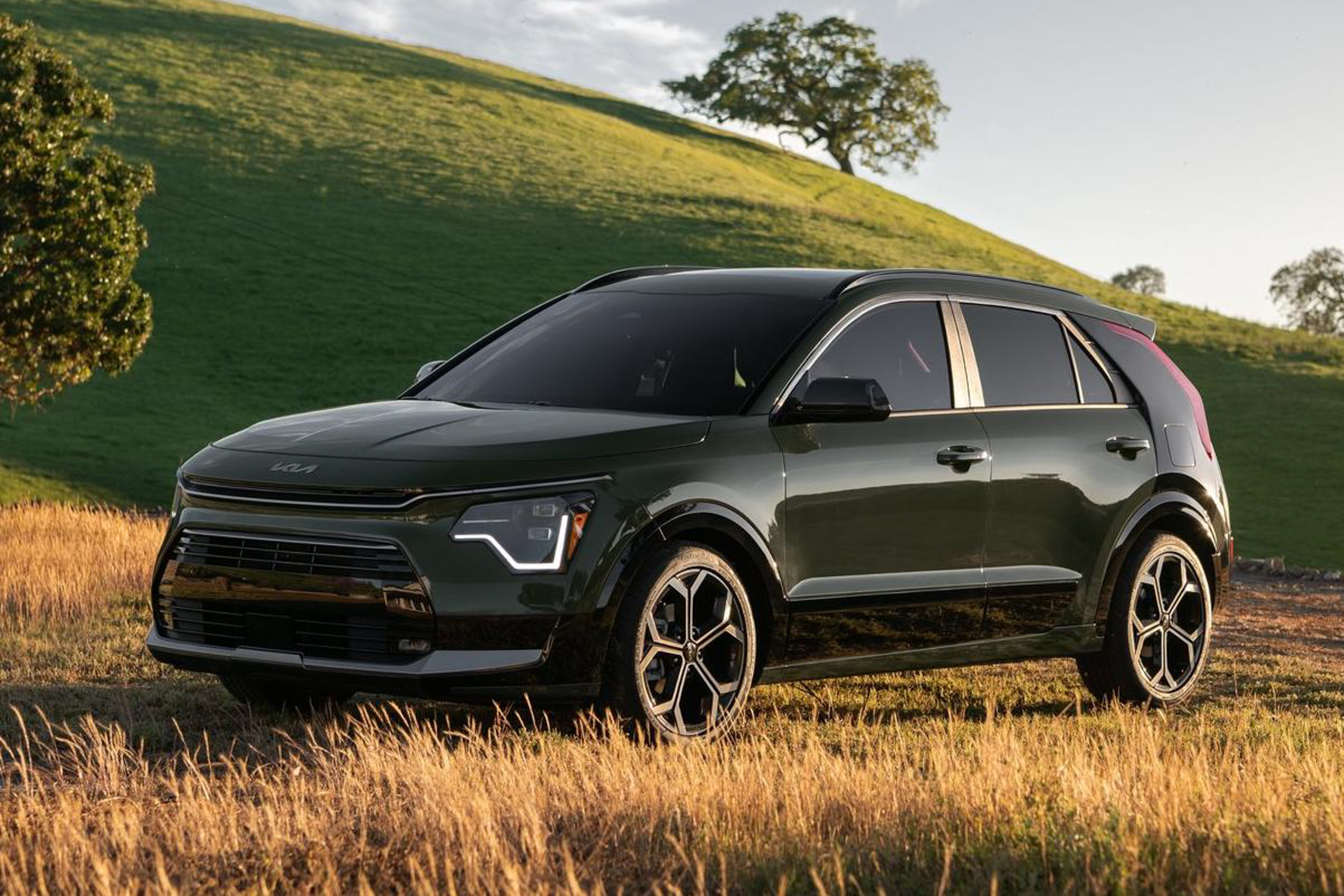
 Segment
 Body Type
 Motor Torque(Nm)
 EV Range(km)
 Battery Capacity(kWh)
 Driven Wheels
As competition in the local C-Segment electric vehicle market becomes increasingly intense, consumers' demand for range, features, and practicality is also gradually increasing. As the core all-electric SUV under the brand, the Kia Niro EV accurately addresses the pain points of family users and young white-collar workers with an official range of 407km, rich intelligent features, and a compact yet practical body size. The core purpose of this test drive is to verify the actual performance of this car in daily commuting and short weekend outings, as well as whether its configurations truly align with local driving habits.
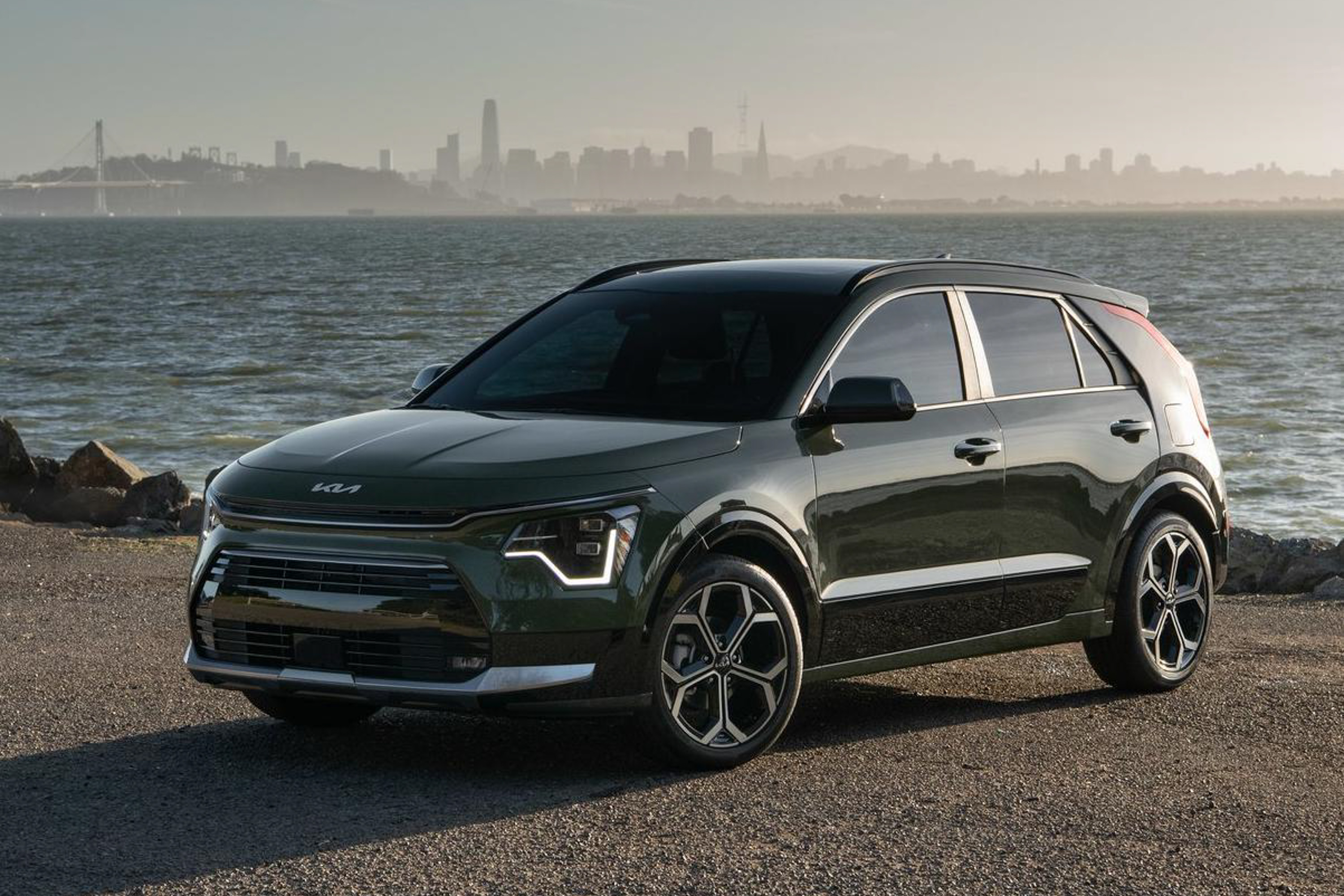
At first glance, the Niro EV has an overall rounded and smooth design style, without overly exaggerated design elements, but with high recognition in detailed features. The front end adopts a closed grille, paired with sharp LED headlight clusters on both sides. The daytime running lights inside the headlight clusters are C-shaped, creating an eye-catching effect when lit. The side profile shows a line running from the front to the rear of the car; while the waistline is not too prominent, it is well-proportioned with the 17-inch wheels. The rear design is relatively simple, featuring through-type tail lights that echo the C-shaped element of the front lights, and a diffuser-like design below the rear bumper adds a touch of sportiness. As for the lighting system, the car comes standard with LED headlights, daytime running lights, and front and rear fog lights. The automatic headlight function responds promptly when entering tunnels or dim environments, adding to its practicality.
Opening the car door reveals an interior layout that is simple and orderly. The center console is slightly tilted toward the driver's seat for easier operation. In terms of materials, the upper part of the center console is covered with soft-touch materials, offering a delicate texture, while the lower part uses hard plastic, but the seams are relatively neatly aligned. The core configuration includes a 10.25-inch infotainment screen that occupies the main area of the center console. The screen resolution is sharp, and the operation is quite smooth, supporting Bluetooth connectivity and smartphone mirroring features. The HUD head-up display system comes as standard, capable of showing speed, navigation information, and more, reducing the need to look down at the dashboard while driving. The seats are wrapped in leather, and the front seats support electric adjustment with moderate lumbar support, ensuring comfort even during long rides. Configuration-wise, air vents are standard for both the front and rear rows, and the rear row also provides USB power outlets for passenger charging. The inclusion of a 220V/230V power outlet also meets outdoor electricity usage needs.
In terms of space performance, the Niro EV features a 2717mm wheelbase. The front row offers ample space, with a 175cm tall passenger still having a one-fist gap above their head after adjusting the seat. The rear space is equally decent, providing about two fists of legroom and a one-fist headroom, which means even three adult passengers won’t feel overly cramped. As for storage, the trunk has a capacity of 63.7L, which is enough to accommodate two 20-inch suitcases. The rear seats can be folded down to further expand the space, meeting the needs for transporting larger items. The car also features plenty of storage compartments, including door panel storage slots, a central armrest box, and front cup holders, all of which are practical.
In terms of performance, the Niro EV is equipped with a front-mounted electric motor, delivering a maximum power of 150kW (201PS) and a maximum torque of 255N·m, paired with a single-speed transmission. There are three driving modes: Eco, Normal, and Sport, each with noticeable differences in power response. In Eco mode, power output is relatively smooth, suitable for daily commutes and effectively reducing power consumption. Normal mode strikes a balance between power and energy consumption, providing a smooth start and acceleration experience. The 0-60km/h acceleration is steady, and overtaking doesn’t require excessive throttle. In Sport mode, power response becomes more sensitive, and stepping hard on the accelerator produces a significant sense of acceleration, providing confidence for overtaking at high speeds. However, once the speed exceeds 120km/h, acceleration performance slightly decreases, but it’s more than sufficient for daily use.
In terms of handling and chassis performance, the steering wheel has moderate resistance, precise alignment, and no noticeable dead spots, making it quite agile when driving on city roads. The suspension system consists of a front MacPherson strut and a rear multi-link independent suspension, tuned towards comfort. It effectively absorbs most bumps when driving over local speed bumps or uneven road surfaces, ensuring the car body does not experience significant bouncing. When cornering, the suspension provides decent support, keeping body roll within a reasonable range, instilling enough confidence in the driver. In terms of braking, the brake pedal feels linear, and the braking force is evenly distributed. During emergency braking, the car remains stable without veering off course.
Range and energy consumption are the most important aspects for electric vehicle users. During this test drive, which covered approximately 200km, including urban congested roads, highways, and suburban routes, the driving mode was mainly set to Normal, with the air conditioning at 24℃ Auto. The final indicated range consumption was about 220km, achieving approximately 90% of the expected range and meeting expectations. In terms of energy consumption, the average was about 16kWh/100km, which is not far from the official figures. Regarding fast charging time, the official specification states it takes 6 hours to charge from 10% to 80%. However, fast charging speed was not tested during this trial. Based on similar models in the same class, this charging time is typical given the local charging infrastructure.
For driving comfort, the Niro EV performs well in noise control. At speeds below 60km/h, there is virtually no noticeable wind or road noise inside the cabin; at speeds above 80km/h, wind noise gradually increases but remains within an acceptable range. The energy recovery system has adjustable levels, and in the highest setting, releasing the accelerator pedal results in a noticeable drag effect, making it suitable for use in congested roads and reducing the frequency of using the brake pedal. The lowest setting offers a coasting feel similar to gasoline vehicles, making it suitable for cruising on highways. The seats are also commendable in terms of comfort, with moderately soft padding and good body support, which minimizes fatigue during long rides.
In summary, the core advantage of the Niro EV lies in its balanced performance: a 407km range that meets the daily needs of most users, and an abundance of features (such as HUD, eight airbags, rear air conditioning) that stand out among its peers in this class. Its spaciousness also caters well to the needs of family users. Compared to other electric vehicles in the same category, the Niro EV offers higher configuration levels while maintaining a reasonable price, providing a notable value-for-money advantage.
This car is better suited for family users who prioritize practicality and features, as well as young professionals who need a daily commute vehicle and occasionally go on short trips. While it does not boast overly aggressive performance, it meets mainstream needs in terms of range, space, and features, making it a "no significant shortcomings" pure electric SUV for family use.
Overall, the Kia Niro EV is a pure electric SUV tailored to the needs of the local market. Its well-rounded capabilities and rich features secure it a spot in the C-Segment electric vehicle market. For consumers seeking practicality and value for money, this car is worth considering on their shortlist.
Kia Niro Car Compare
Kia Niro Loan Calculator
More Kia Reviews
Cars With Similar Price And Features

1
Rank in SUV
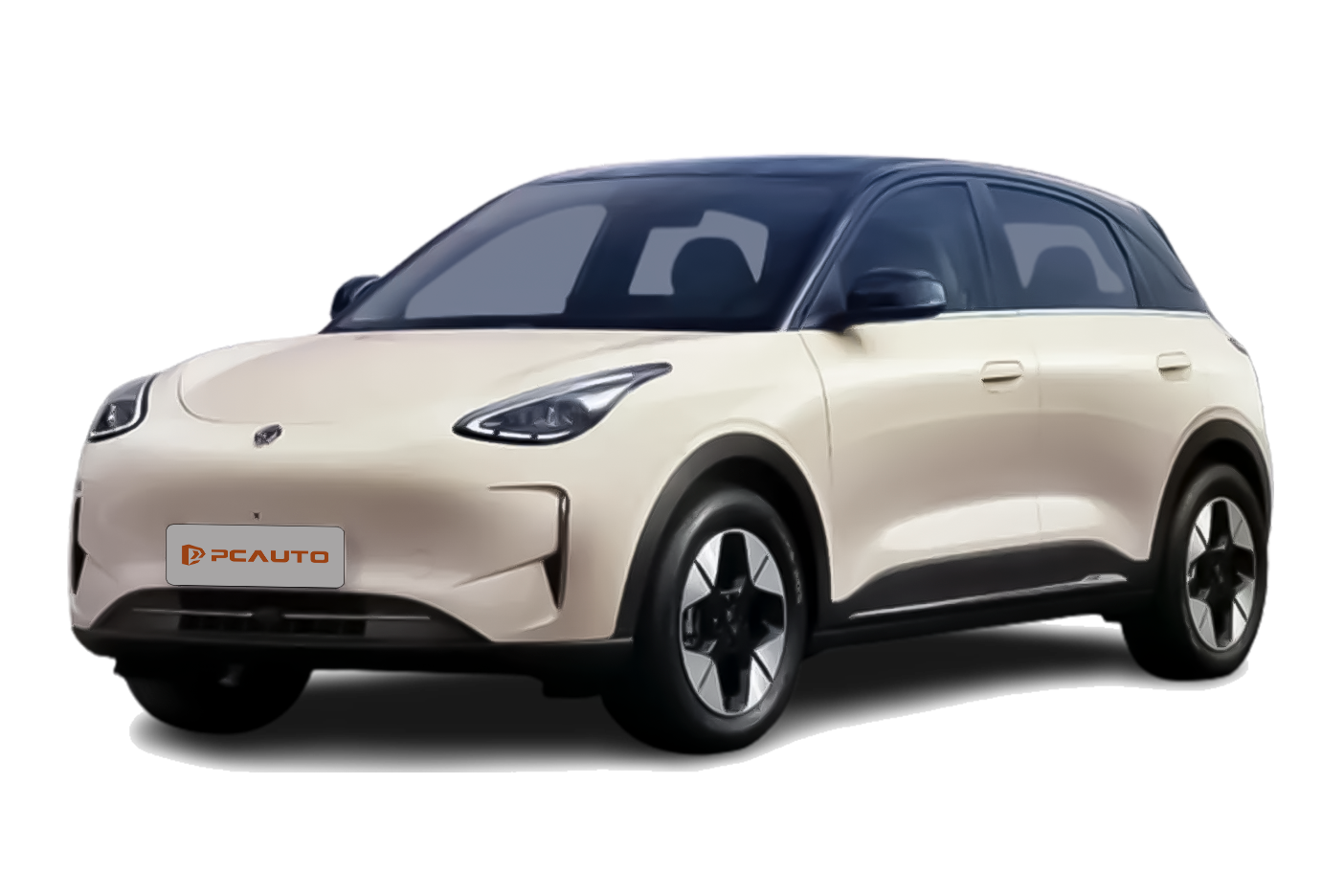
2025 Proton e.Mas 5 Prime is Proton's first entry-level pure electric C-Segment model, priced from 56,800 MYR to target the sub-100,000 MYR market, balancing practical features with commuting range.
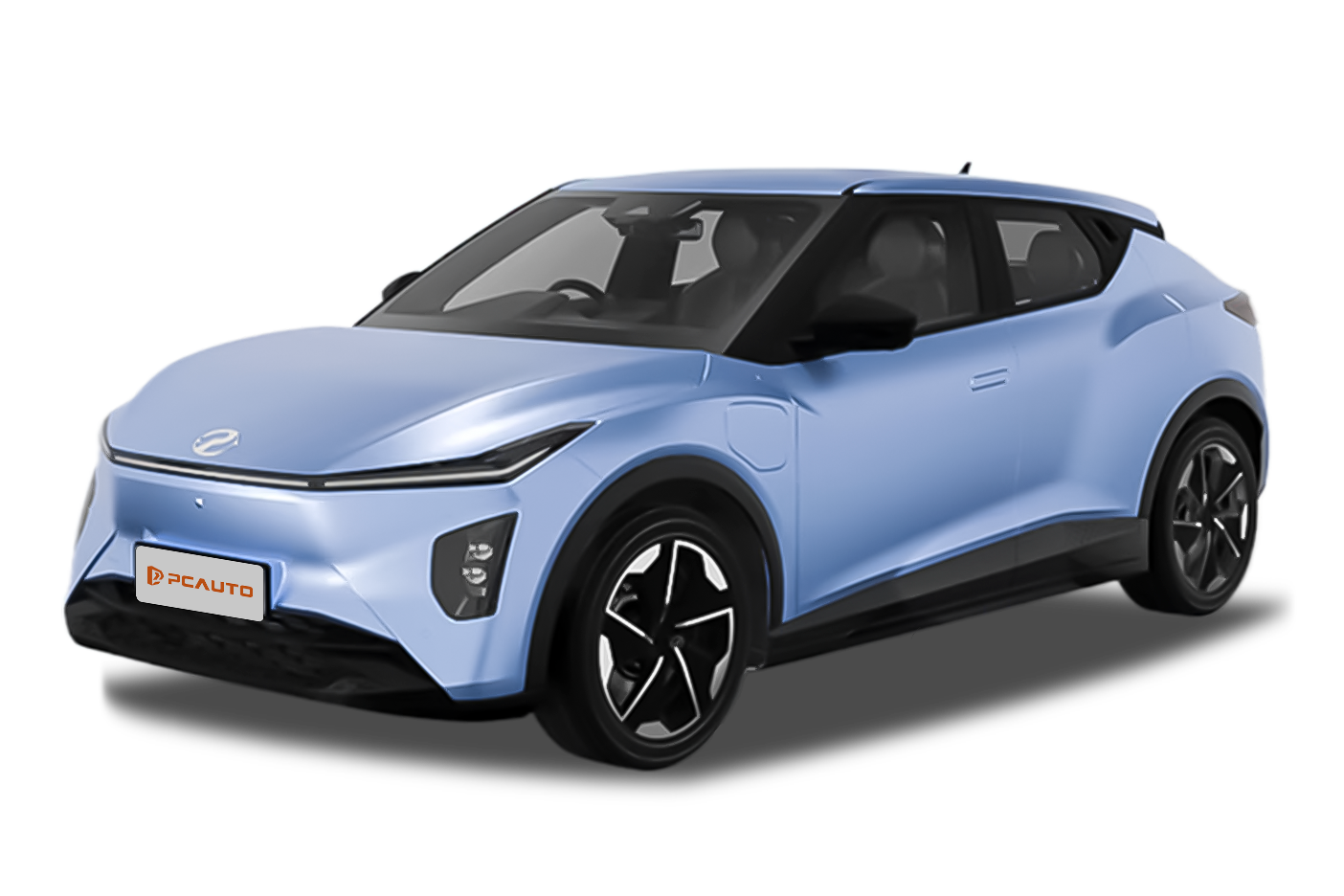
The 2025 Perodua QV-E is an affordably priced, practically ranged class-C pure electric vehicle, precisely tailored for family users and young commuters with its high safety features, spacious interior, and agile driving dynamics.
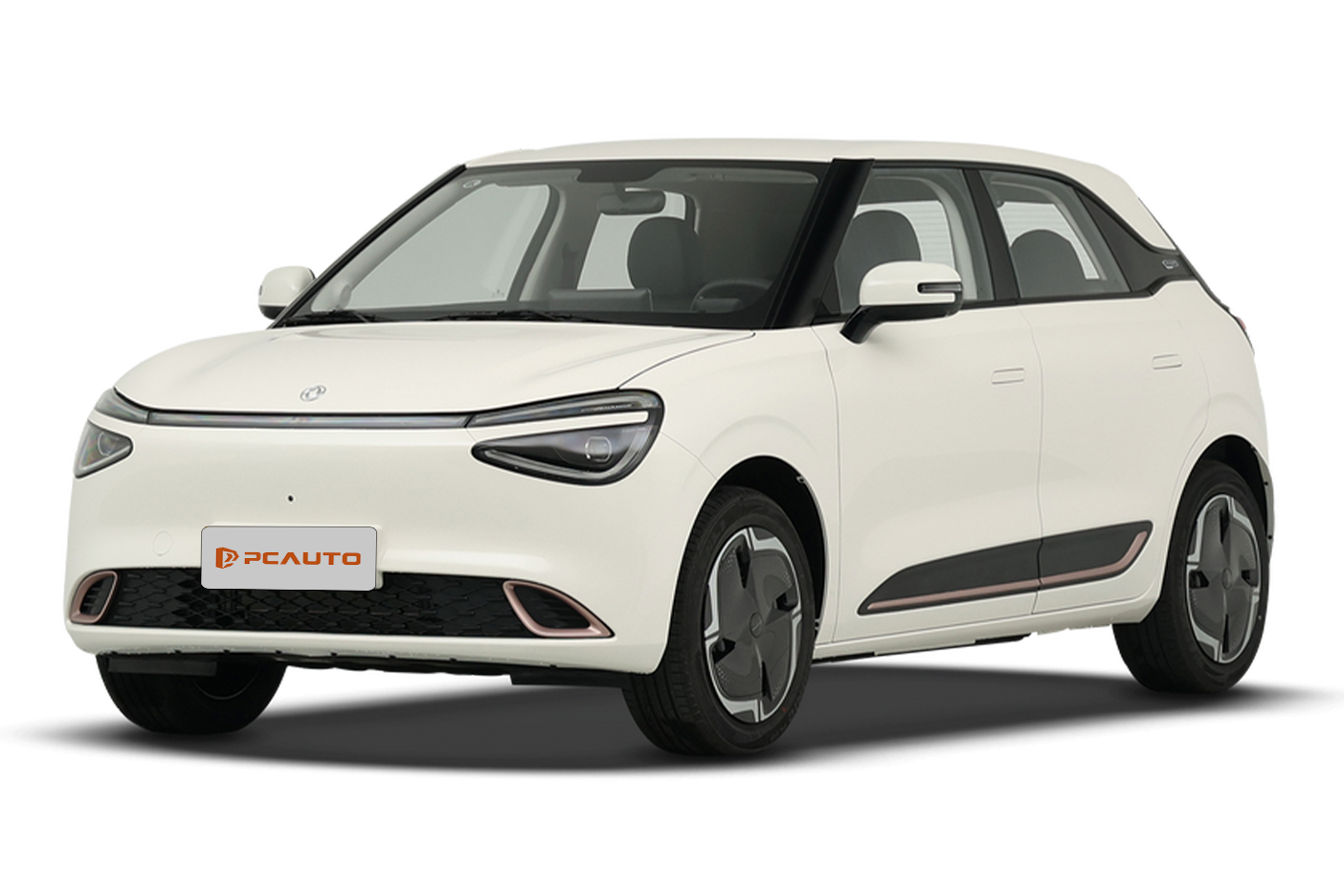
2024 DFSK Box E2 is a household pure electric vehicle in Malaysia priced at around 100,000 Ringgit, featuring a 330 km range, 12.8-inch large screen, and practical space as its main selling points, catering to both commuting and family needs.
30
Rank in SUV
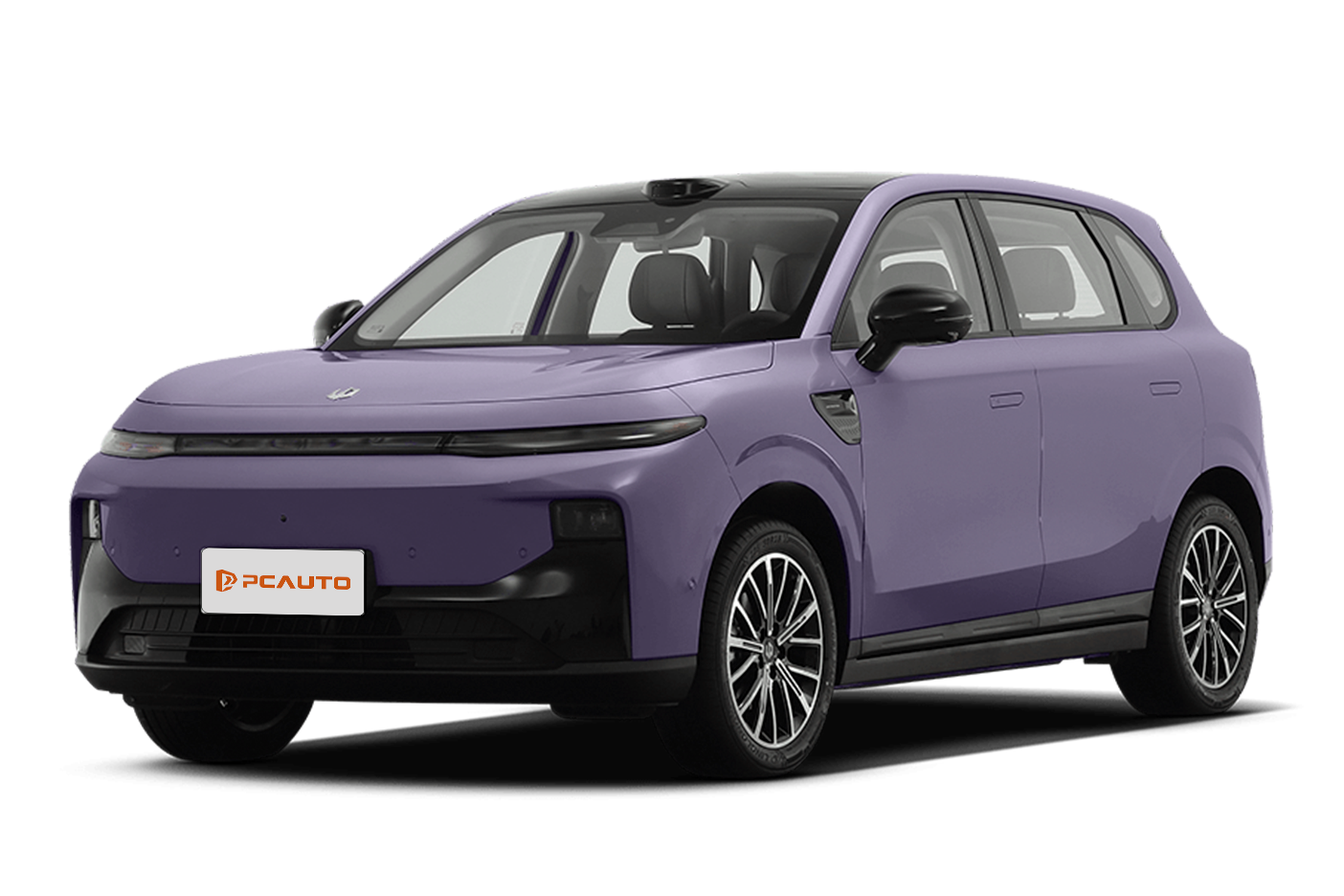
2025 Leapmotor B10 LIFE is a 100,000-level pure electric C-class SUV, equipped with standard L2 assisted driving and other practical features. It offers spacious interior and solid range, making it a go-to choice for family users.