

2024 Kia Sportage 2.0G 2WD Review

 Share
Share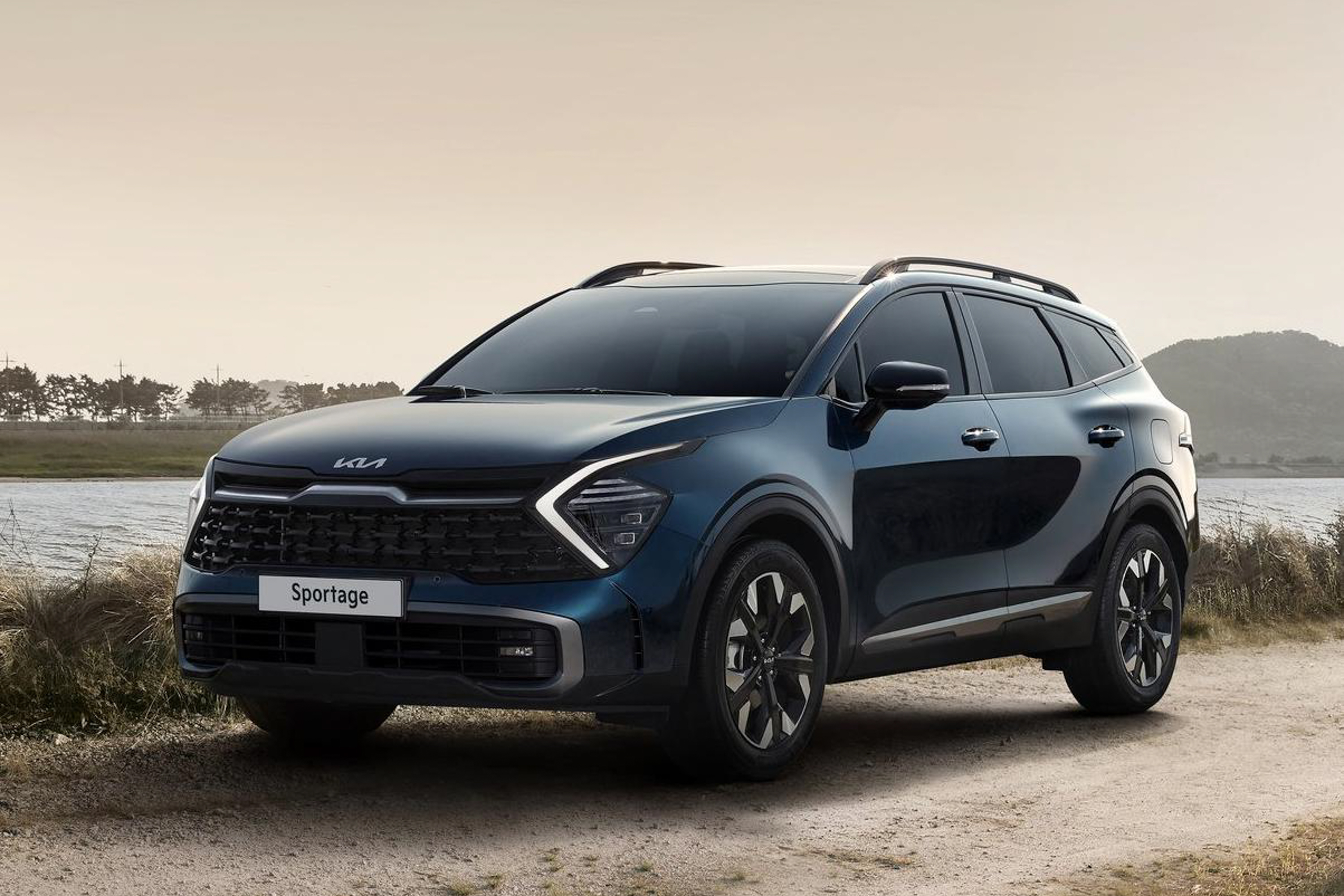
 Segment
 Body Type
 Engine Power(PS)
 Engine Torque(Nm)
 Transmission
 Driven Wheels
The Southeast Asia C-SUV market has always been the core battleground for home and practicality needs. Consumers value both space flexibility and increasingly complete intelligent configurations—after all, daily commuting and weekend family outings are essential requirements. As a new competitor in this segment, the 2024 Kia Sportage 2.0G 2WD’s biggest highlight is bringing L2-level active safety features to the 2.0L naturally aspirated version, while retaining the iconic design identity of the Sportage family. In this test drive, we focus on two core aspects: Is the 2.0L + 6AT powertrain combination sufficient for daily use? Can the entry-level configuration meet the needs of mainstream families?
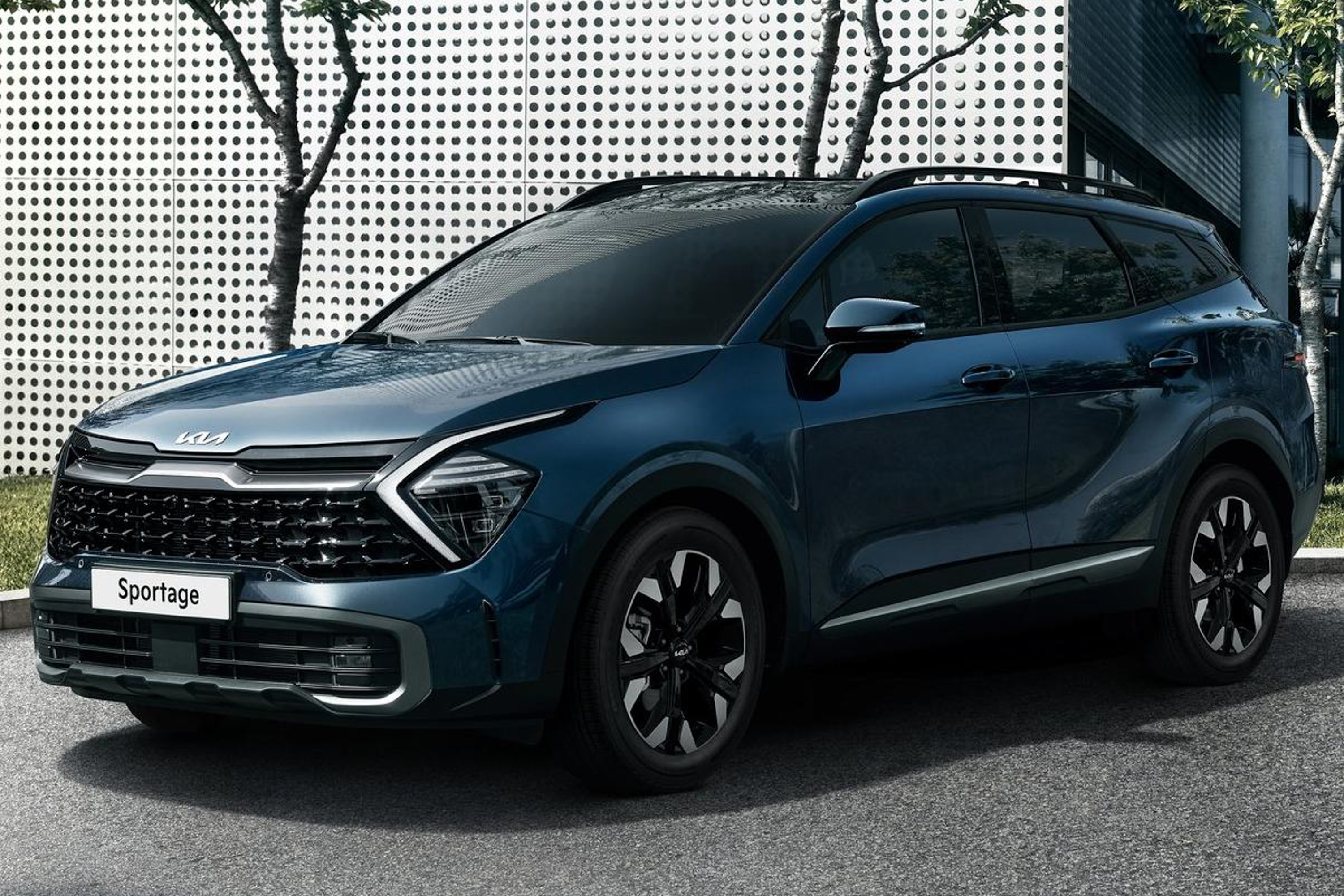
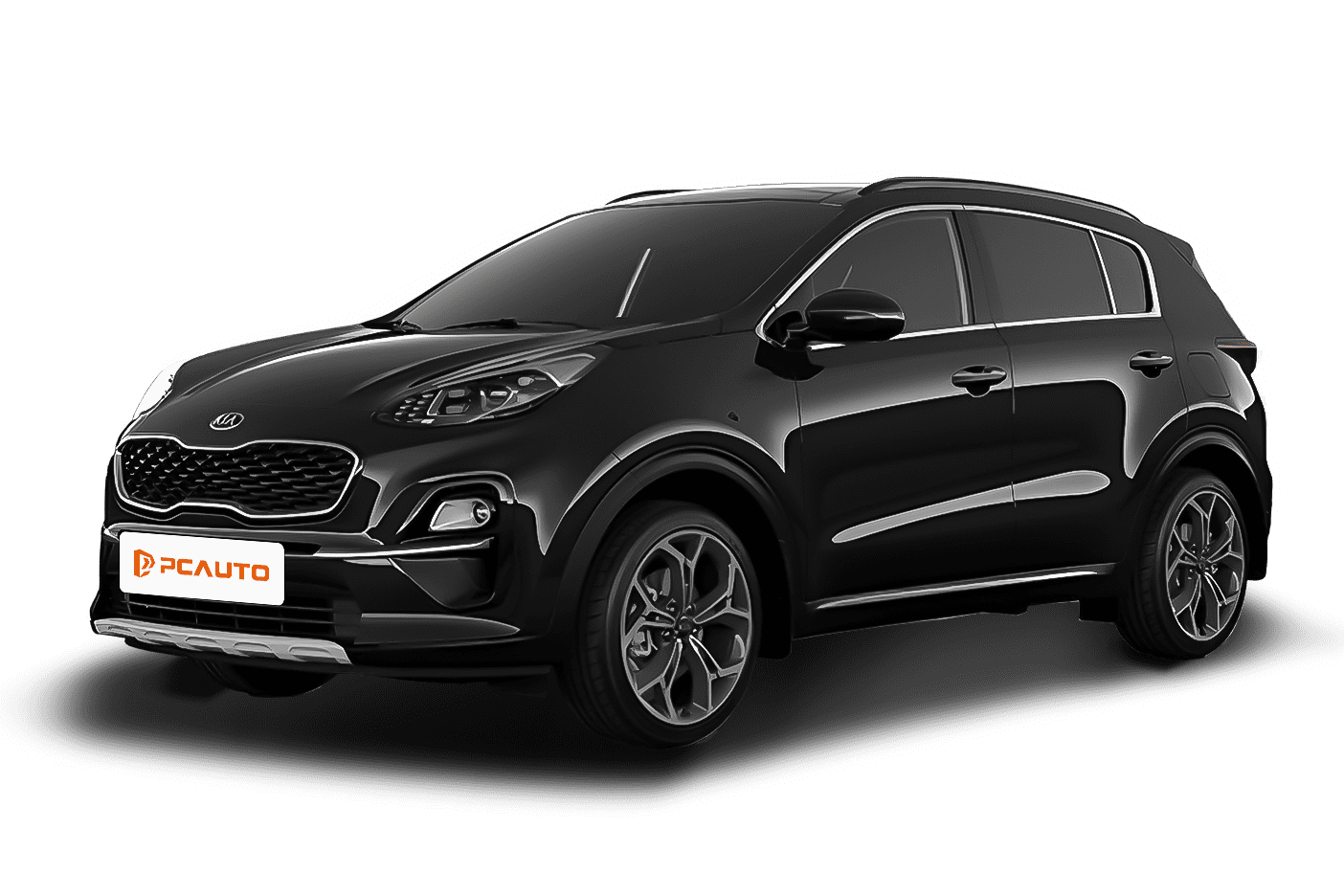
In terms of appearance, the 2024 Sportage 2.0G continues the "Tiger Nose Evolution" family design language with high recognizability. The most eye-catching feature of the front is the through-type LED daytime running lights, seamlessly connected to the split headlamp groups on both sides, which visually widen the car when lit. The lower air intake grille features a blackened honeycomb pattern, paired with a silver front lip for added sportiness compared to the previous model. The side profile reflects the standard C-SUV proportions, with the waistline extending from the front fender to the taillights. There is an indented character line on the lower part of the doors to avoid a bulky side appearance. The 17-inch alloy wheels are standard for this configuration, with a relatively simple but durable design. The rear design echoes the front, with through-type LED taillights as another highlight. The internal light clusters are arranged clearly, making them easily recognizable when lit at night. The silver rear skid plate matches the front lip, and the dual-exhaust decorative trims (actual exhaust is hidden) enhance the premium feel. Overall, the Sportage 2.0G’s exterior design is neither overly aggressive nor overly dull, aligning with a "steady and elegant" style that most families will accept.
Sitting inside, the first impression is that the interior's tech feeling surpasses competitors at the same price point. The dashboard adopts the trendy dual 12.3-inch connected screen design—on the left is a full digital instrument panel, while on the right is a touchscreen infotainment system. The screens have good resolution, and the operation is smooth. The instrument panel supports three display modes, allowing you to switch between navigation, fuel consumption, and safety assistance information, which is easy to glance at while driving. The functionality of the central touchscreen is not particularly extensive, but it covers the basics such as CarPlay/Android Auto, Bluetooth, and a reverse camera, and it supports voice control for the air conditioning and navigation, making it sufficient for daily use. In terms of interior materials, the top of the dashboard is made of soft-touch plastic, and the armrests on the door panels are wrapped in leather, providing a decent tactile feel. The gear shift area uses an electronic shift lever surrounded by a piano black panel. Although it is prone to fingerprints, it does enhance the sense of quality. The seats are made of fabric materials, with thick padding that offers decent support. The front seats are manually adjustable, with height adjustment for the driver’s seat but not for the passenger seat, which should not be an issue for daily use.
Space performance is the top concern for family users, and the Sportage 2.0G's 2680mm wheelbase is slightly above average in the C-SUV class. I am 175cm tall, and after adjusting the front seat to a comfortable position and sitting in the rear, there is around two fists of legroom and one fist of headroom remaining; even three adults in the back wouldn’t feel too cramped. The center floor hump in the rear is not high, only about three fingers wide, so the middle passenger can place their feet relatively comfortably. Regarding storage space, the front door panels can hold two water bottles. There is a storage compartment under the center console with space for a wireless charging pad (although this configuration doesn’t support wireless charging, the space can still be used to place a mobile phone). The central armrest box is relatively spacious and can hold four bottles of mineral water. The trunk offers a standard volume of 543L, which can be expanded to 1829L by folding down the rear seats, making it suitable for carrying items like a baby stroller or a folding bike on weekends without issue. The trunk also has a low loading lip, which makes it convenient for lifting heavy items.
In terms of power, the Sportage 2.0G is equipped with a 2.0L naturally aspirated engine, with a maximum power output of 156PS and a peak torque of 192N·m, paired with a 6-speed automatic transmission. This powertrain is not particularly strong, but it offers smooth performance. During startup, the throttle response is quite linear, without the abrupt boost feeling of turbocharged models, making it suitable for daily commutes. At low to medium speeds, the gear shifts are very smooth, with hardly any noticeable jolts, and acceleration up to 60km/h feels brisk. However, if you need to accelerate rapidly, such as from 80km/h to 120km/h on the highway, you’ll need to press the accelerator pedal harder. The engine will rev up to over 4000 RPM, and the power output will then increase significantly, taking about 3-4 seconds for this process. It’s not very fast, but it’s adequate. There are three driving modes: Eco, Normal, and Sport. In Eco mode, throttle response is slower, making it suitable for congested city driving. In Sport mode, the transmission delays gear shifts, keeping the RPM above 2500 for sharper power response, but fuel consumption will be higher.
As for handling and suspension, the Sportage 2.0G's performance aligns with its family-oriented positioning. The steering wheel is relatively light, making low-speed maneuvering, parking, or making U-turns very effortless. At higher speeds, the steering feels slightly heavier, with a refined touch. The steering has minimal dead zones and offers good directional accuracy for lane changes during daily driving. The chassis features a front MacPherson strut and rear multi-link independent suspension system, tuned for comfort. When going over speed bumps or uneven roads, the suspension effectively filters out most minor bumps, ensuring that rear-seat passengers won't feel overly jostled. However, when encountering larger speed bumps, the rear suspension might exhibit slight residual bouncing, but it's within an acceptable range. On highways, the vehicle's stability is commendable. At speeds of 120km/h, there’s no noticeable vibration in the steering wheel, and during lane changes, the body roll is minimal.
Fuel consumption is a key metric for vehicles with this engine size. During this test drive, we covered 50km each in urban and highway conditions. In urban areas with frequent stops and starts, the fuel consumption was about 8.5L per 100km. On highways, maintaining a speed between 100-120km/h, the fuel consumption was approximately 6.8L per 100km. Combined fuel consumption was around 7.6L per 100km, which is average among 2.0L naturally aspirated SUVs. It uses 92-octane petrol, keeping maintenance costs affordable. In terms of safety features, the Sportage 2.0G performs surprisingly well — lane-keeping assist, autonomous emergency braking, forward collision warning, and parking sensors are all standard features. These are often missing or optional in competitors of the same price range, making it very beginner-friendly.
In conclusion, the core strengths of the 2024 Kia Sportage 2.0G 2WD are threefold: first, its exterior and interior design are relatively stylish, with more technological appeal than competing models in the same price range; second, its safety features are comprehensive, with L2-level driver assistance available, offering outstanding value for money; third, its spacious interior and smooth powertrain make it well-suited for everyday family use. Compared to its rivals such as the Honda CR-V 2.0L and Toyota RAV4 2.0L, the Sportage 2.0G offers richer features, though its brand appeal is somewhat weaker. When compared to domestic competitors, its joint-venture branding serves as an advantage. It’s ideal for a very specific demographic—households with a budget of around 12-15 million Malaysian Ringgit, looking for a family SUV that is spacious, well-equipped, easy to drive, and fuel-efficient. It’s particularly suitable for new drivers or consumers who prioritize safety features. If you do not require a powerful engine and mainly need a vehicle for daily commuting and weekend getaways, the Sportage 2.0G 2WD is an excellent choice.
Kia Sportage Car Compare
Cars With Similar Price And Features
8
Rank in SUV
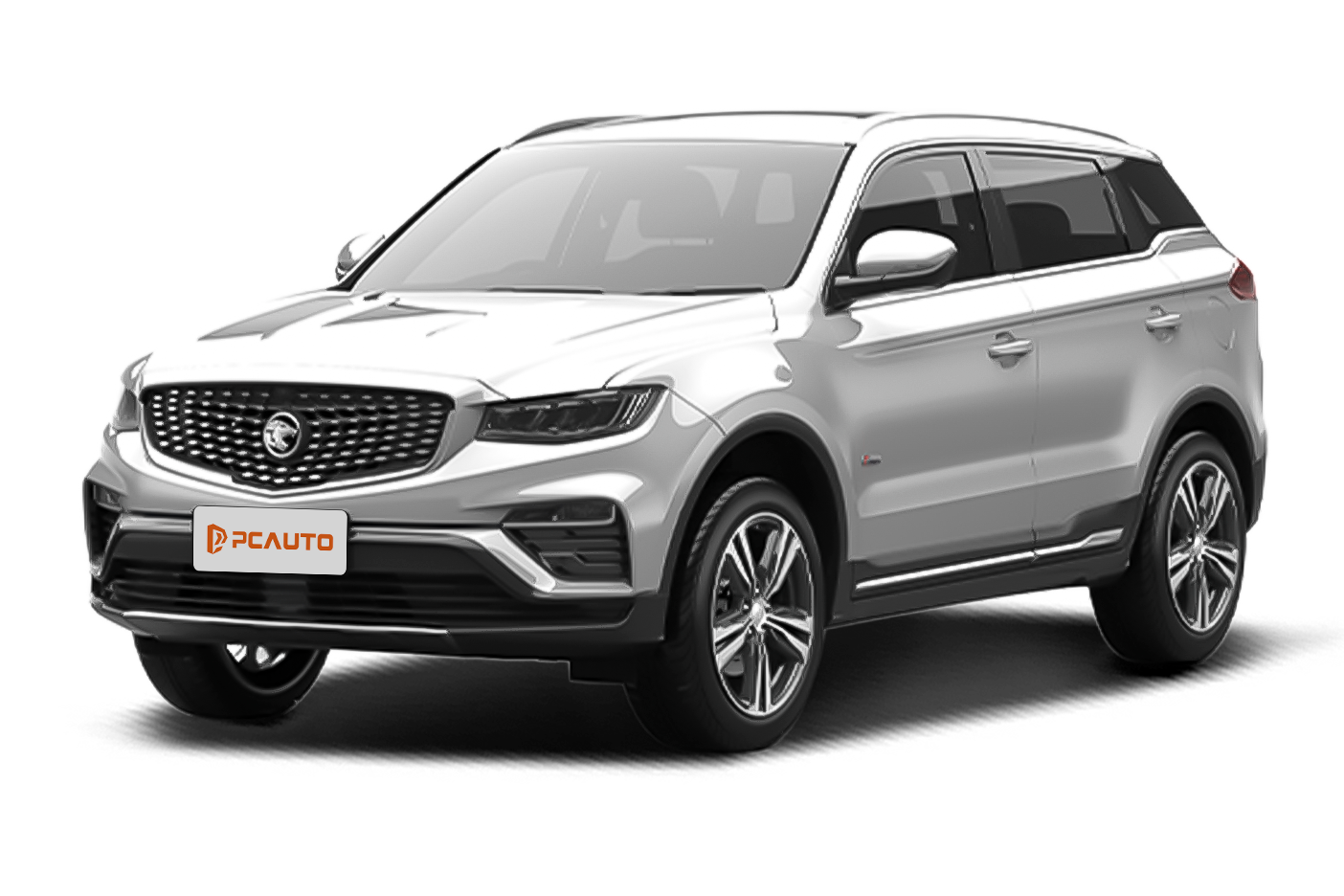
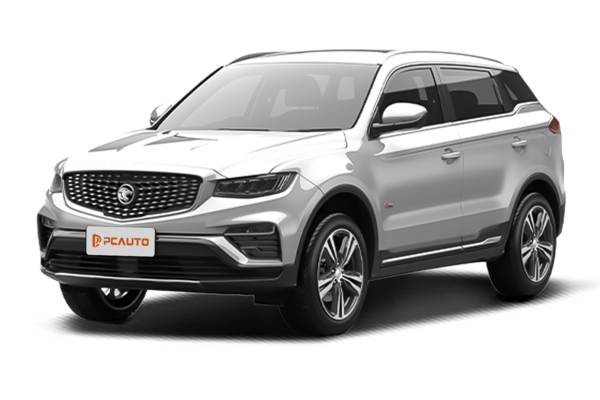
2026 Proton X70 1.5 TGDi Executive focuses on upgrading to a four-cylinder engine, practical configurations, and affordable pricing. It balances family commute practicality with value for money, making it a sensible choice among similarly priced C-segment SUVs.
10
Rank in SUV
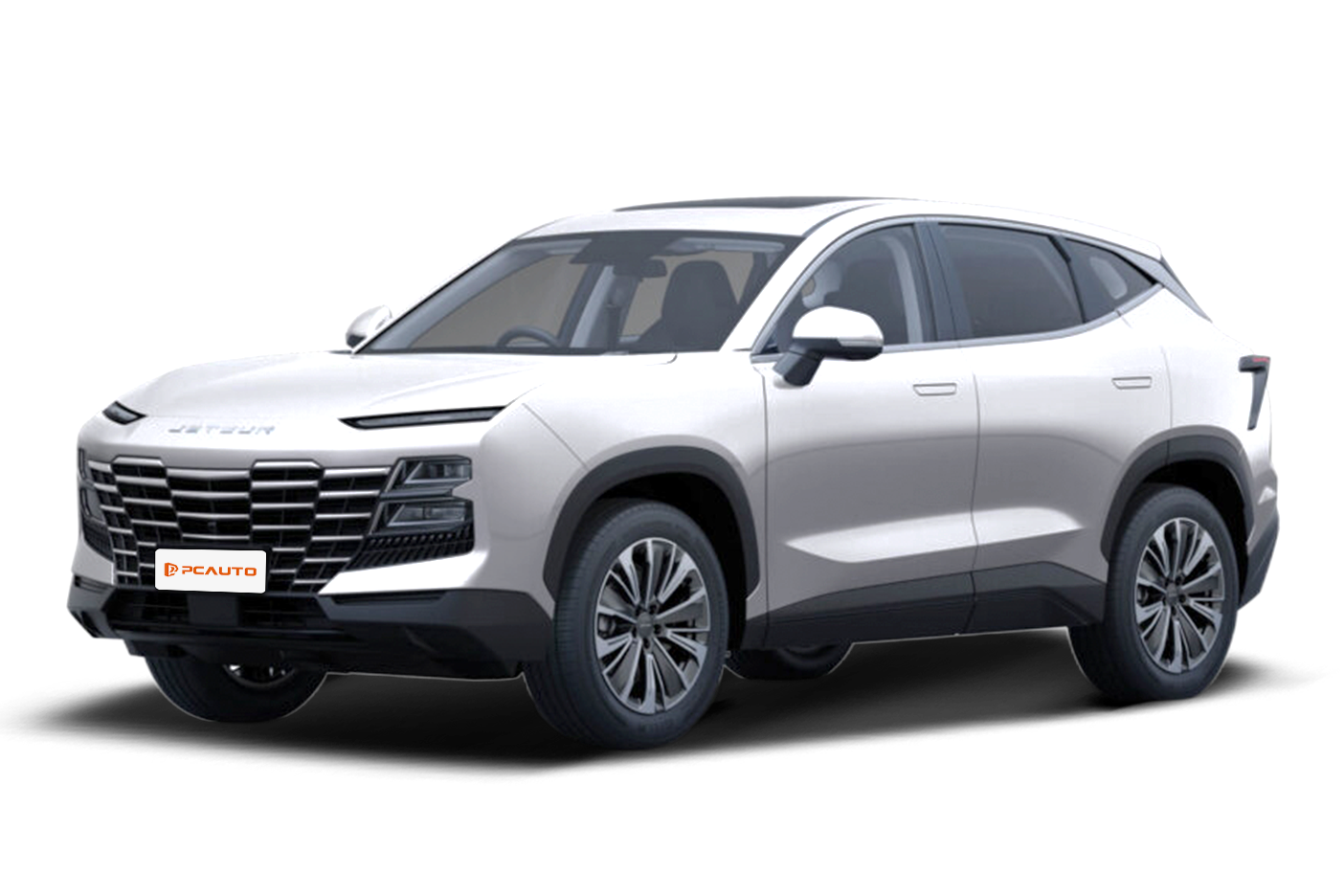
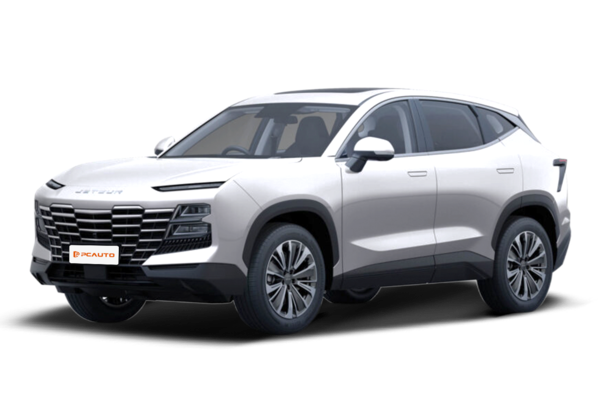
Jetour Dashing 1.5 TCI Comfort 2025 features a 2720mm long wheelbase and a 10.25-inch dual screen as its core, focusing on balanced cost performance to meet family practical needs.
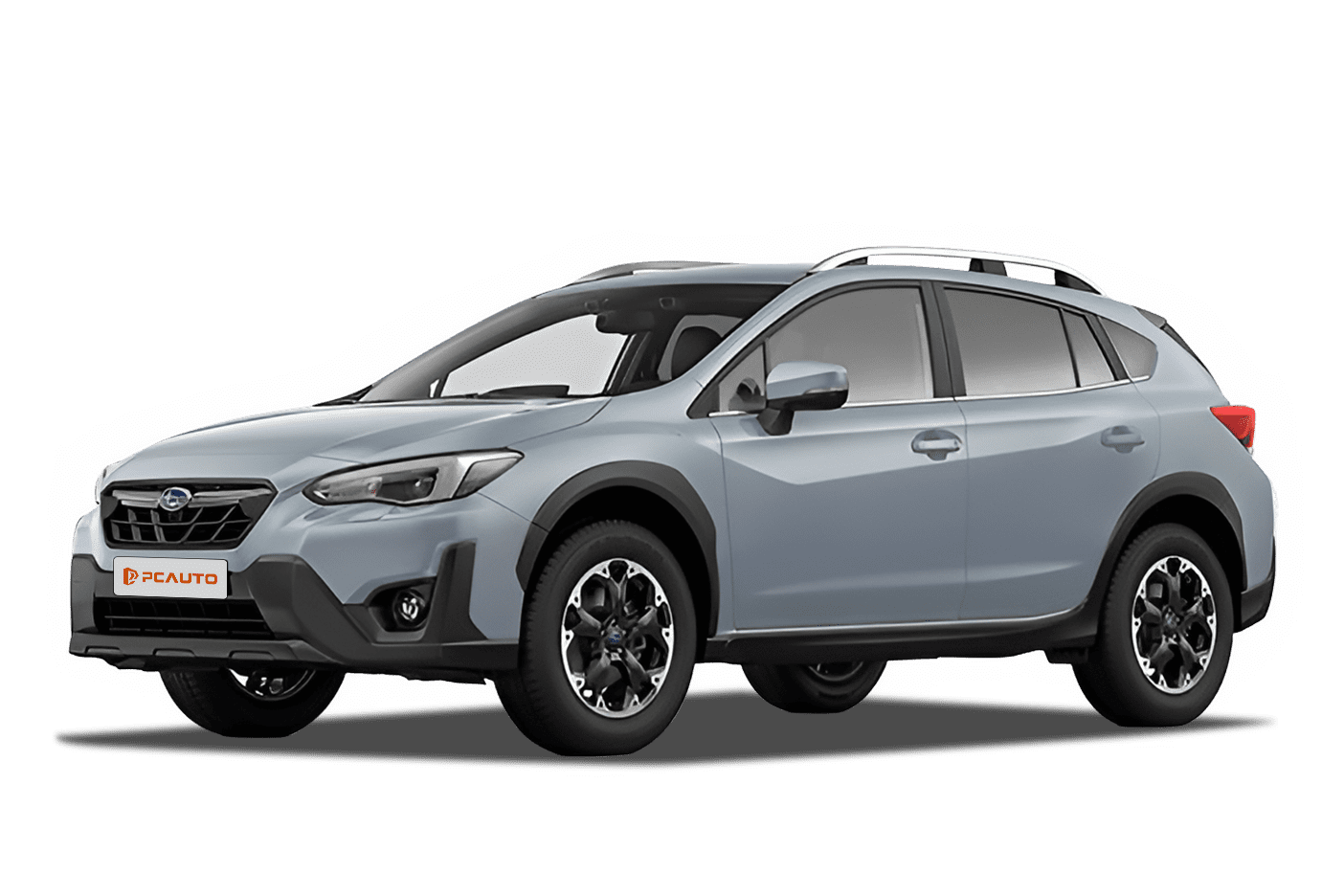
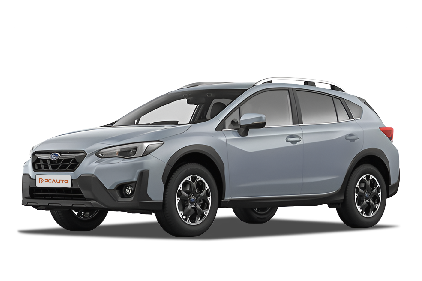
The 2021 Subaru XV 2.0i is a model targeting the C-segment crossover market, equipped with standard all-wheel drive and high safety features, balancing off-road capability and handling, with practical space.

2021 Hyundai Kona 2.0 Standard, as a high-value entry-level compact SUV, retains essential safety and practical features with an affordable price, meeting the daily commuting and loading needs of families.