

2024 Maxus G10 Review

 Share
Share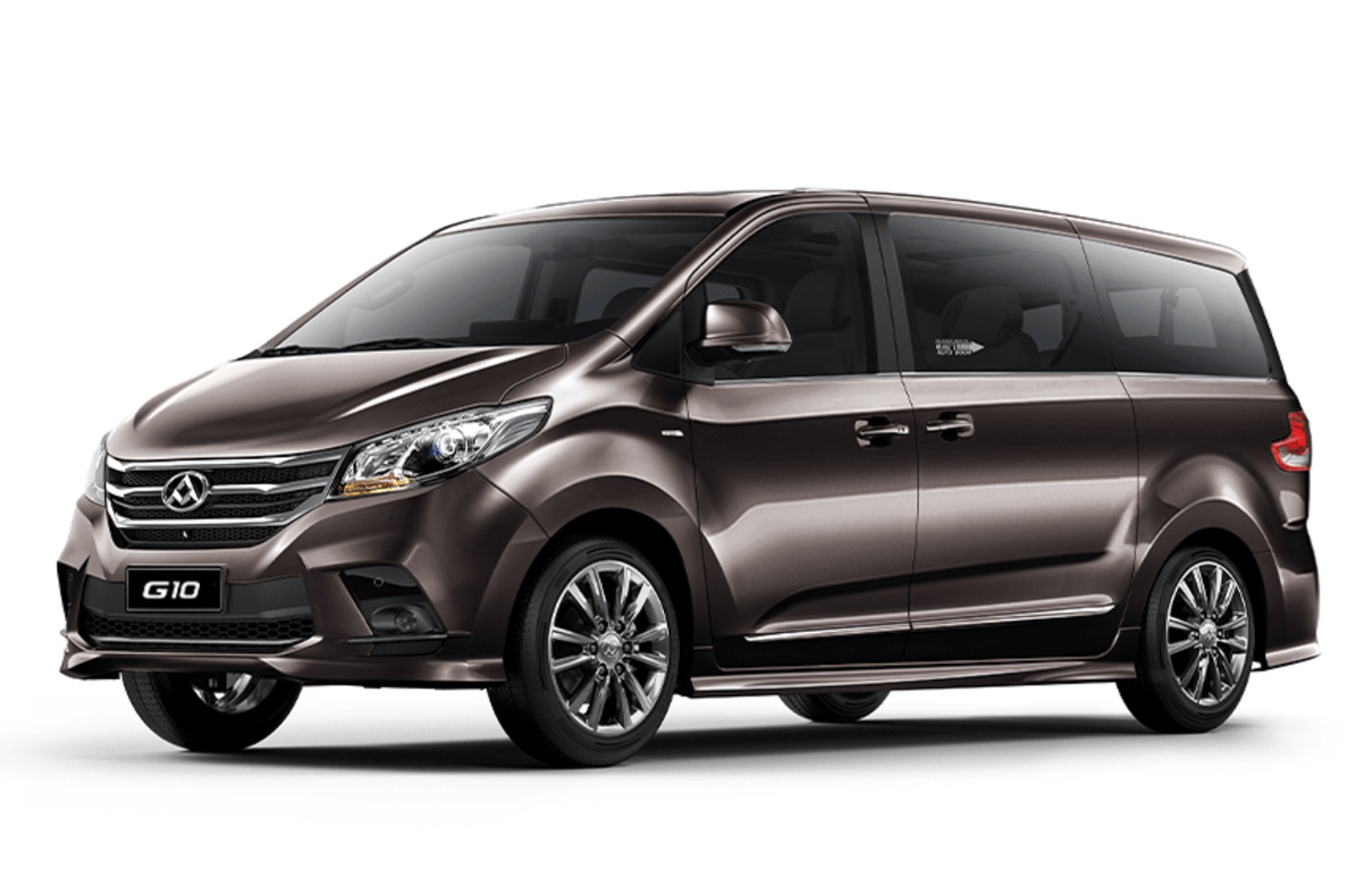
 Segment
 Body Type
 Capacity(L)
 Engine Power(PS)
 Engine Torque(Nm)
 Transmission
In Malaysia's 7-seater luxury MPV market, there are quite a few models that balance space practicality, power performance, and intelligent features. However, most either have a higher price tag or lack configurations that cater to both family and business needs. The 2024 Maxus G10, as a new contender in this segment, is priced at RM157,888 and offers a combination of "large space + high-power 2.0T engine + 15-inch smart screen," which inevitably raises curiosity about whether it can hold its ground in this competitive market. This time, we conducted a static experience and dynamic test drive, focusing on verifying its space practicality, power response, and daily driving comfort to see if it can truly meet the dual needs of family travel and light business use.
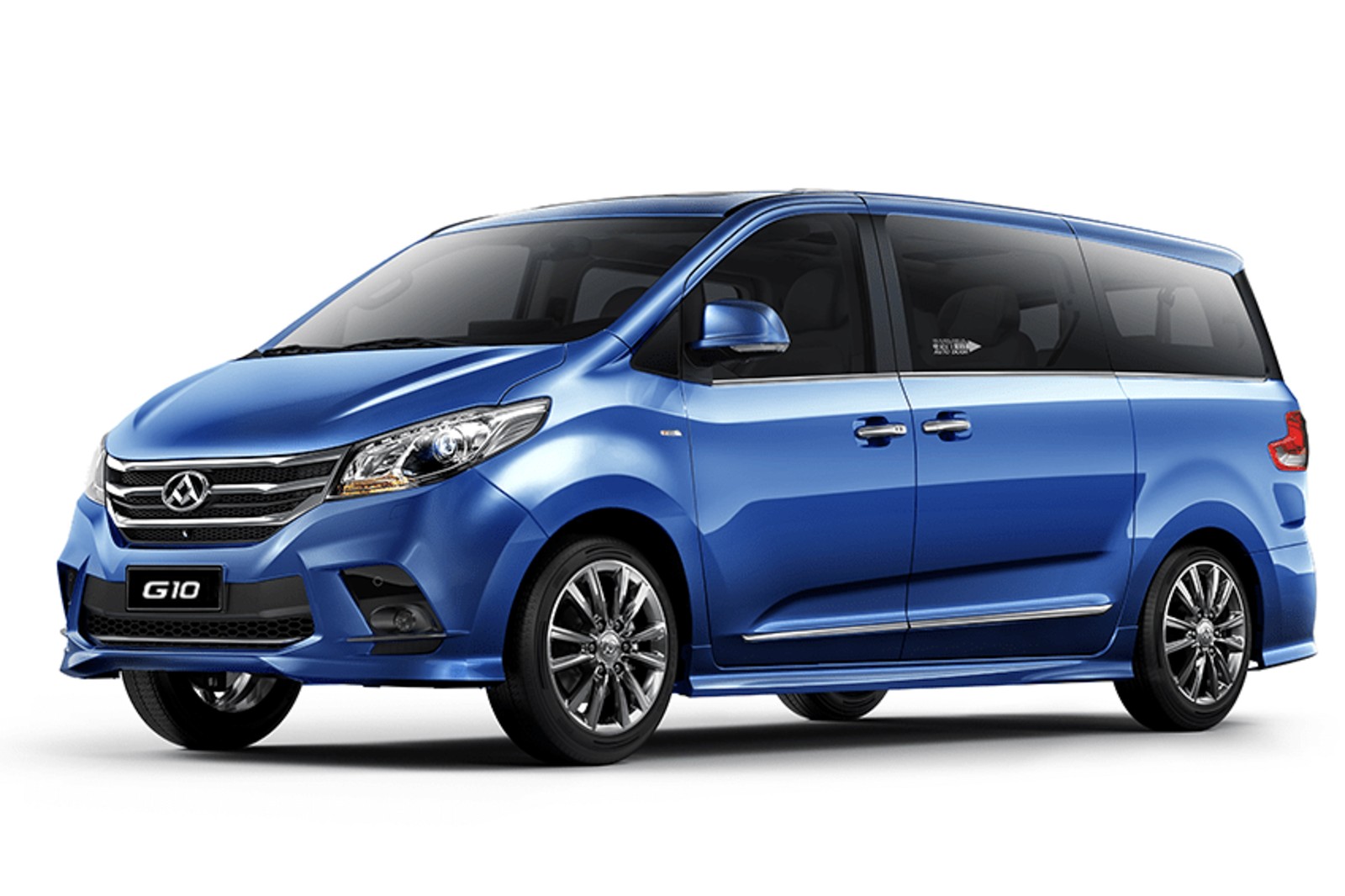
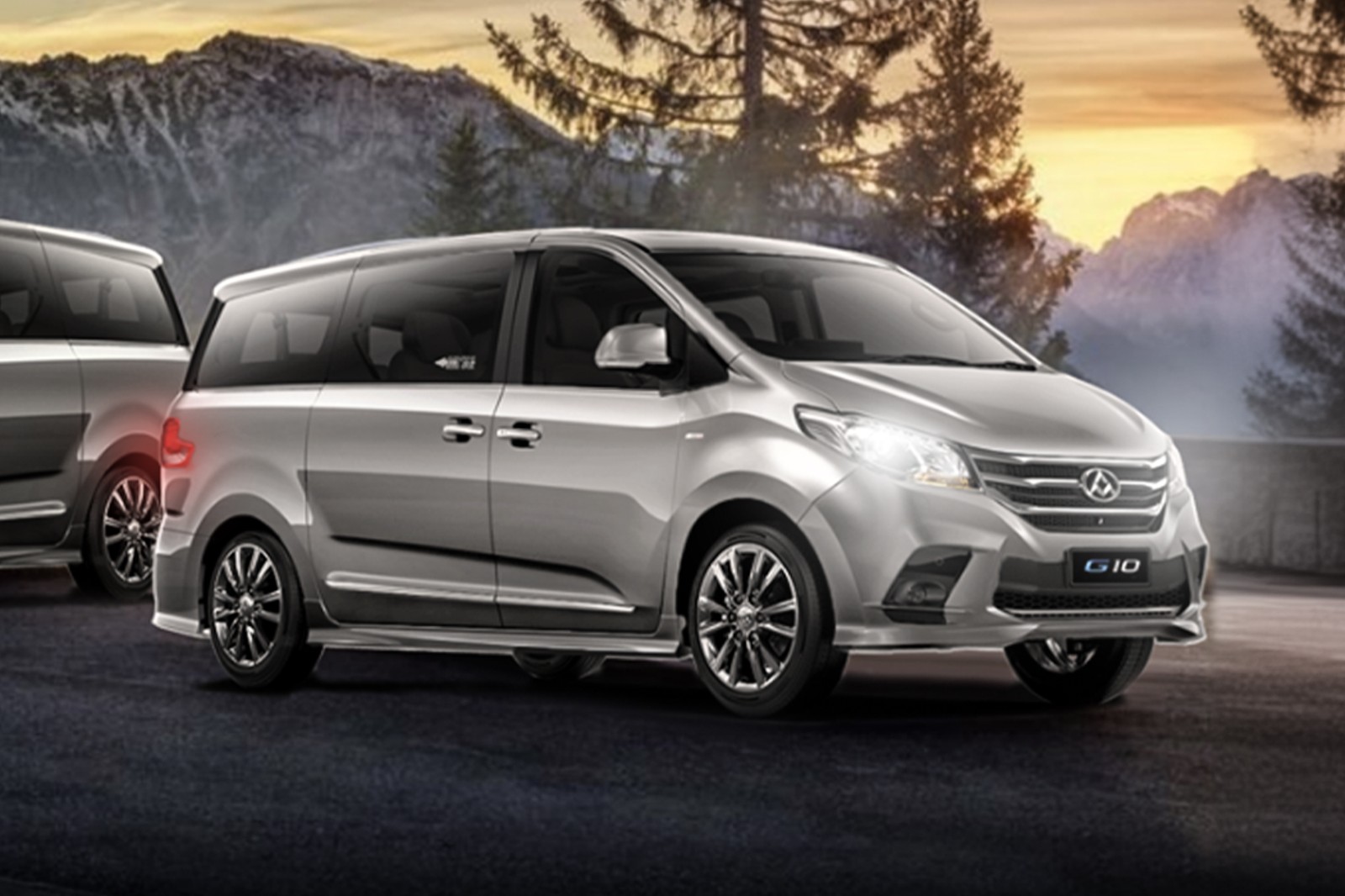
Approaching the 2024 Maxus G10, the first impression is its typical MPV grand presence. The car’s dimensions reach 5168mm×1980mm×1928mm, with a wheelbase of 3198mm, surpassing most competitors in its class and laying the foundation for its spacious interior. The front design is simple, with Xenon headlights connected by chrome strips, and daytime running lights come as standard, providing decent recognizability when illuminated. The front fog lights are embedded in the lower bumper, ensuring practicality. The body’s side lines are straight without overly complex designs, and the 18-inch wheels provide a balanced proportion with the body. The rear doors adopt a sliding design, which makes it convenient for rear passengers to get in and out. At the rear, the LED taillight assembly has a boxy shape that matches the overall styling of the vehicle. Rear fog lights and reversing radar are standard, reflecting attention to practical details.
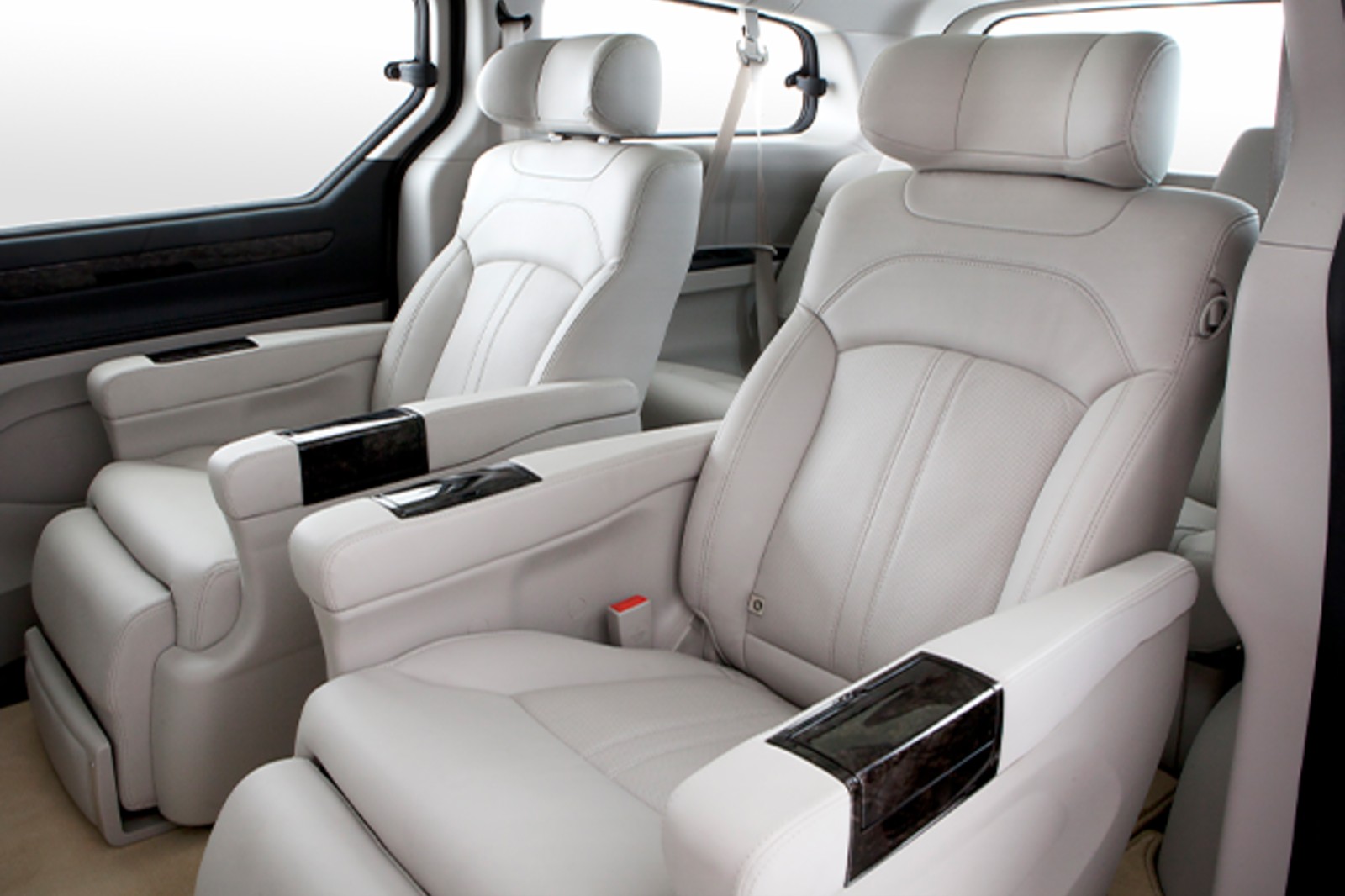
Sit inside, and you are greeted with a simple and practical interior design. The dashboard mainly features black tones, complemented by a few silver trim pieces. The 15-inch high-resolution smart touchscreen is the highlight of the interior. This screen size is rare among MPVs in its class. Its operation is relatively smooth and covers basic navigation, multimedia, and vehicle settings. A multifunction steering wheel is standard, with cruise control (ACC) and volume buttons integrated on the left side, while phone and menu toggle buttons are on the right. The layout of the buttons is logical, enabling easy blind operation. The front seats are manually adjustable; while not as convenient as electric adjustments, their range is wide enough to accommodate most driving postures. The seat cushioning is on the softer side, offering decent comfort for long journeys. The rear air conditioning system can be controlled independently, with outlets located on the roof, allowing quick temperature adjustments in the rear. The 7-seater layout adopts a 2+2+3 configuration. The second row features two independent seats with ample legroom, while the third row can accommodate three adults without feeling overly cramped, though the headroom could feel slightly limited. In terms of storage space, door panels, the central armrest box, and front cup holders all have considerable capacity. Folding down the third-row seats can expand the trunk space significantly, meeting the luggage-storing needs of long family trips.
Starting the vehicle, the power output of the 2.0T turbocharged engine feels direct. It delivers a maximum horsepower of 224PS and a peak torque of 345N·m, paired with a 6-speed automatic transmission. These specifications are at an upper-mid range level among 2.0T models in its class. During daily driving, the torque output in the low-speed range is sufficient, providing quick starts. The accelerator response isn’t overly aggressive but remains adequately linear, suitable for urban driving such as following and overtaking other vehicles. When switched to sports mode, the transmission’s shift logic becomes more active, holding the revs above 3000rpm for a more pronounced push-back effect during acceleration, instilling greater confidence during highway overtaking. The steering wheel feels relatively light, with minimal play, making everyday driving comfortable. However, high-speed stability could still be improved. The combination of the front McPherson independent suspension and rear five-link independent suspension filters minor bumps effectively on city roads, and the car body experiences minimal shaking. However, when crossing speed bumps or larger potholes, the rear seats might feel slightly bumpier. Overall, the suspension tuning leans towards comfort. As for fuel consumption, we tested it with an even mix of city congestion and highway conditions, yielding an average fuel consumption of about 10.5L per 100km. Considering the vehicle's weight of 2.17 tons, this performance falls within an acceptable range.
The soundproofing performance is commendable, as wind noise and tire noise are both well-controlled at high speeds, ensuring they do not interfere with normal conversations among passengers in the car. Engine noise can be heard inside the cabin at high RPMs but the volume is not high. The ACC adaptive cruise control system performs steadily, maintaining a safe distance from the car ahead with smooth acceleration and deceleration, making it suitable for reducing driver fatigue on long-distance drives. In terms of safety features, it comes standard with ABS anti-lock braking, vehicle stability control, front airbags, and ISO FIX child seat anchors. The basic safety features are complete, but with only two airbags, it is not advantageous compared to competitor models in the same class.
Overall, the core advantages of the 2024 Maxus G10 lie in its spacious interior, large-sized central control screen, and relatively balanced power performance. Compared to competitors in the same class like the Toyota Innova or Kia Carnival, it offers a lower price and richer configurations, especially with the inclusion of the 15-inch central control screen and ACC cruise control, which meet the needs of young families for smart features. However, it still has room for improvement in terms of brand recognition and the number of airbags. This car is more suitable for consumers who prioritize spacious practicality, have a budget of 150,000 to 160,000 MYR, and need to balance family travel with occasional business use. If you are looking for a vehicle with ample space, high configurations, and adequate power, and you don’t place too much emphasis on brand reputation, the 2024 Maxus G10 would be a worthwhile choice to consider.
Maxus G10 Loan Calculator
More Maxus Reviews
/Exterior/001.jpg)
Cars With Similar Price And Features

2024 Toyota HIACE SLWB is a popular MPV that combines a spacious 10-seat interior, practical diesel power, and commercial attributes, providing a reliable choice for group travel and business scenarios.
12
Rank in MPV
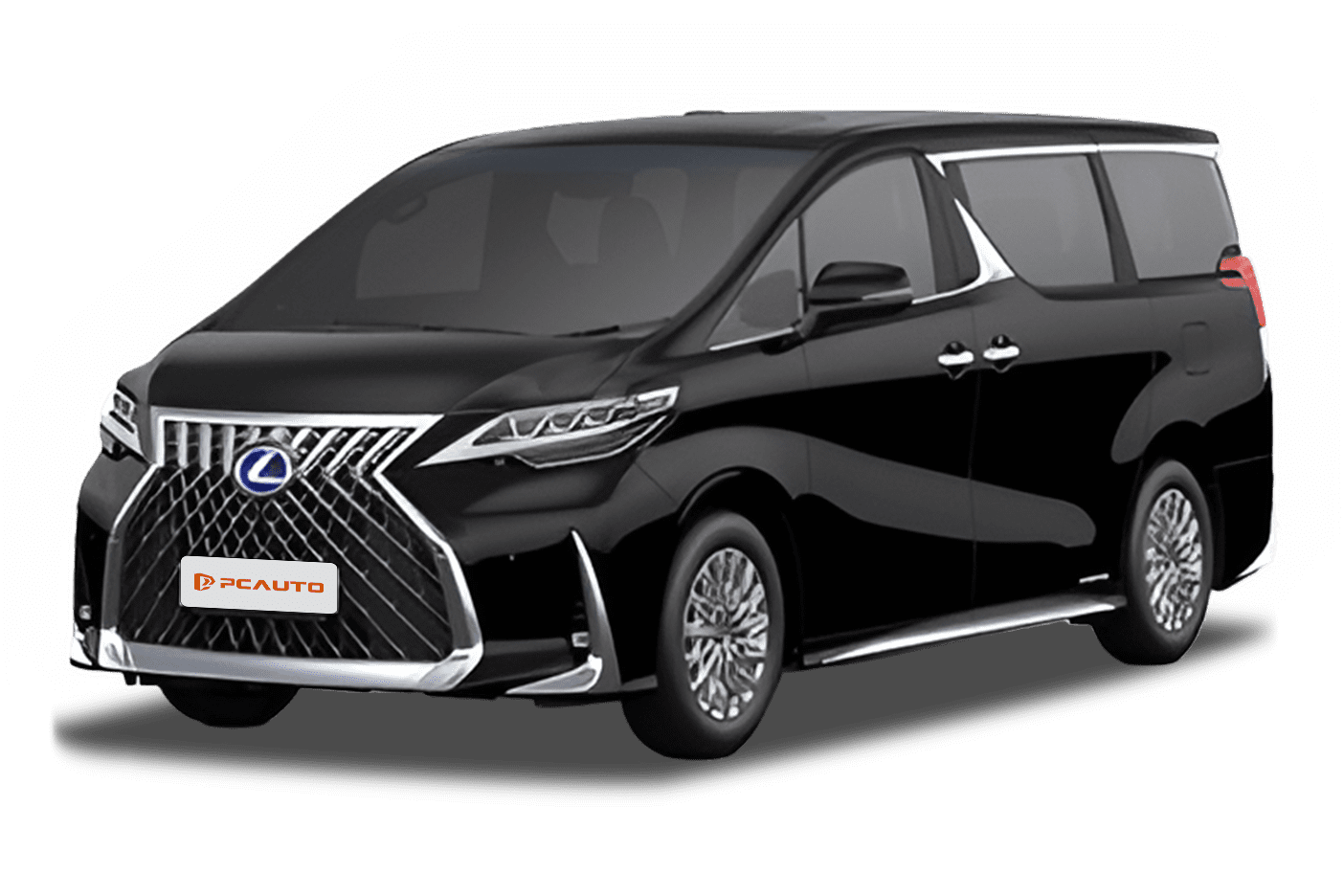
2024 Lexus LM Alphard (7-seater LM350h) is a luxurious MPV that balances household and business use, with practical three-row space, rich safety features, and economical fuel consumption as its core selling points.