

2024 Mercedes-Benz GLB 200 Progressive Line Review

 Share
Share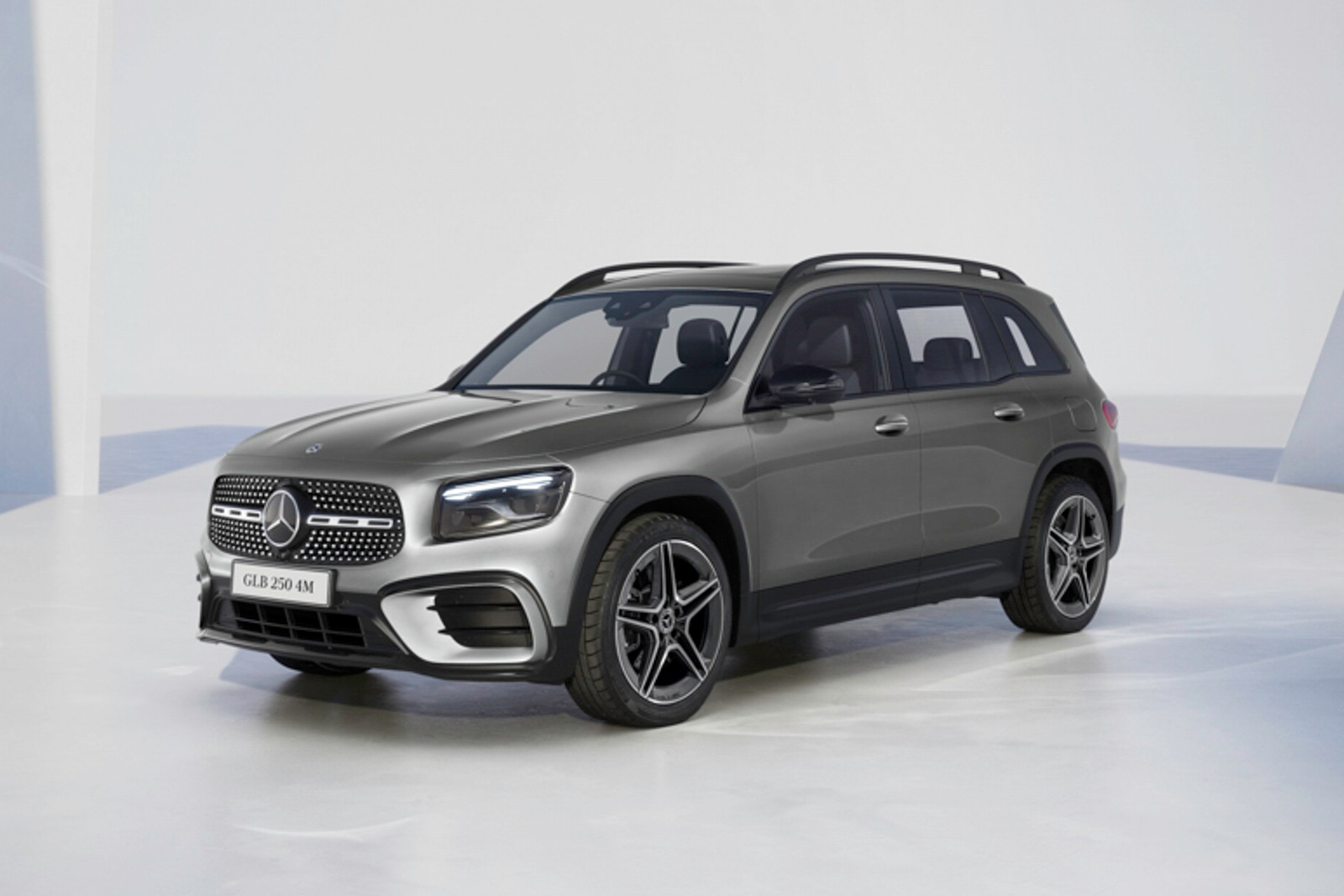
 Segment
 Body Type
 Capacity(L)
 Engine Power(PS)
 Engine Torque(Nm)
 Transmission
In Malaysia's C-Segment SUV market, 7-seater models have always been a popular choice for family users—they must not only meet the flexibility of daily commuting but also accommodate weekend outings with children or elderly family members. The 2024 Mercedes-Benz GLB 200 Progressive Line, as a luxury representative in this segment, has undergone a subtle facelift without significant exterior changes but with optimized configuration details. Its core selling point remains the combination of "luxury brand + 7-seater layout." The purpose of our test drive is to verify whether it can truly balance luxury, practicality, and driving experience in everyday use, rather than merely relying on brand premiums to attract customers.
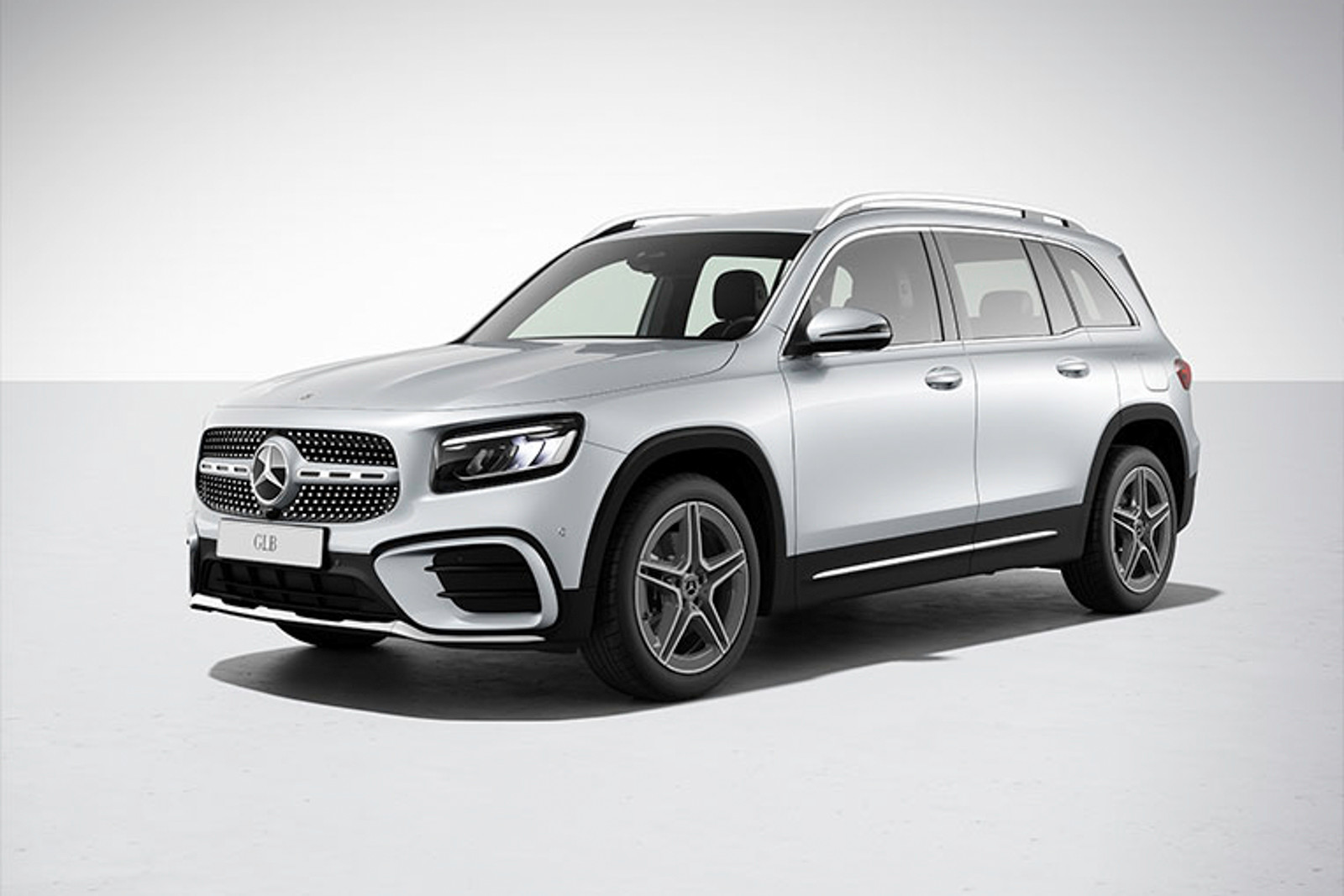
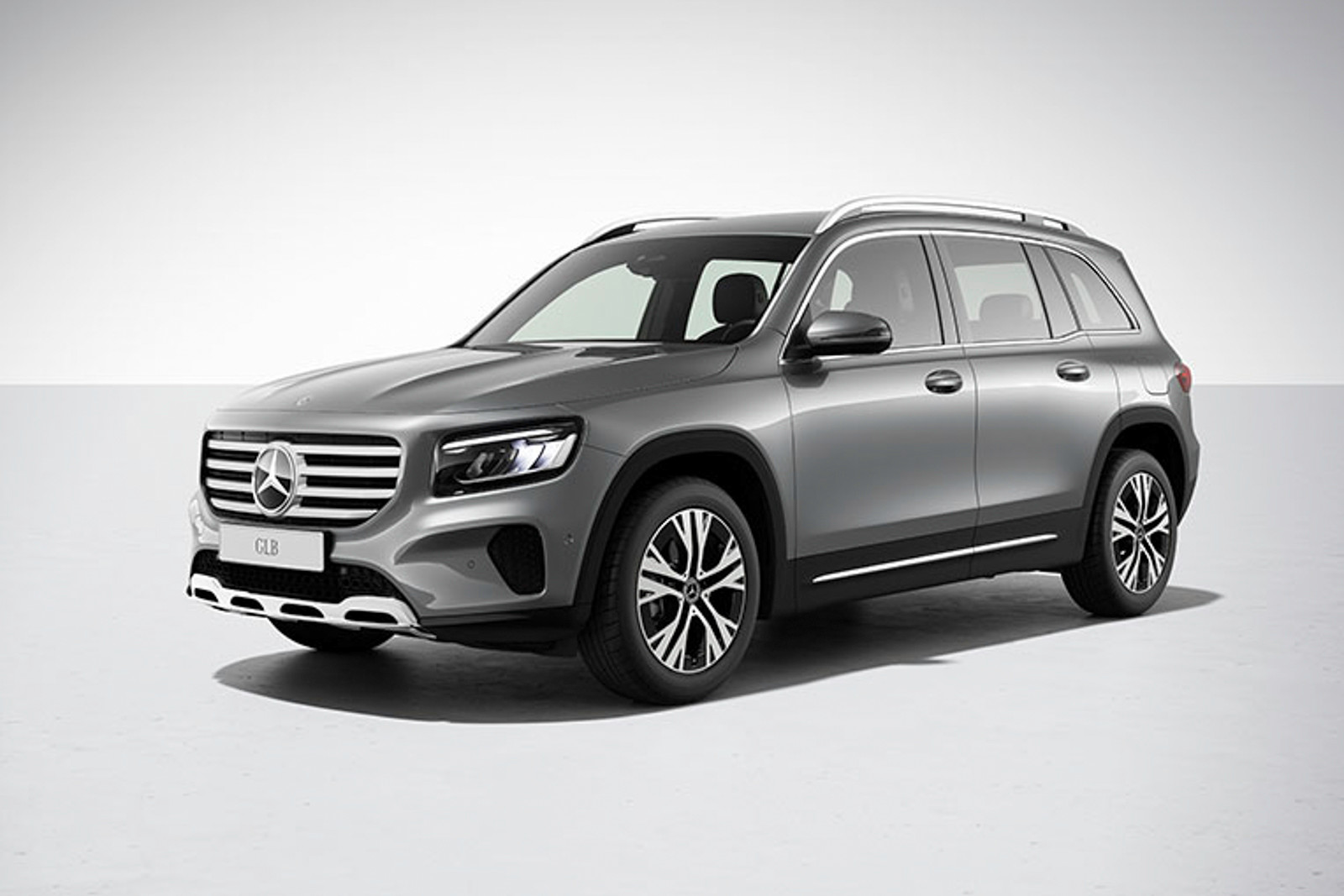
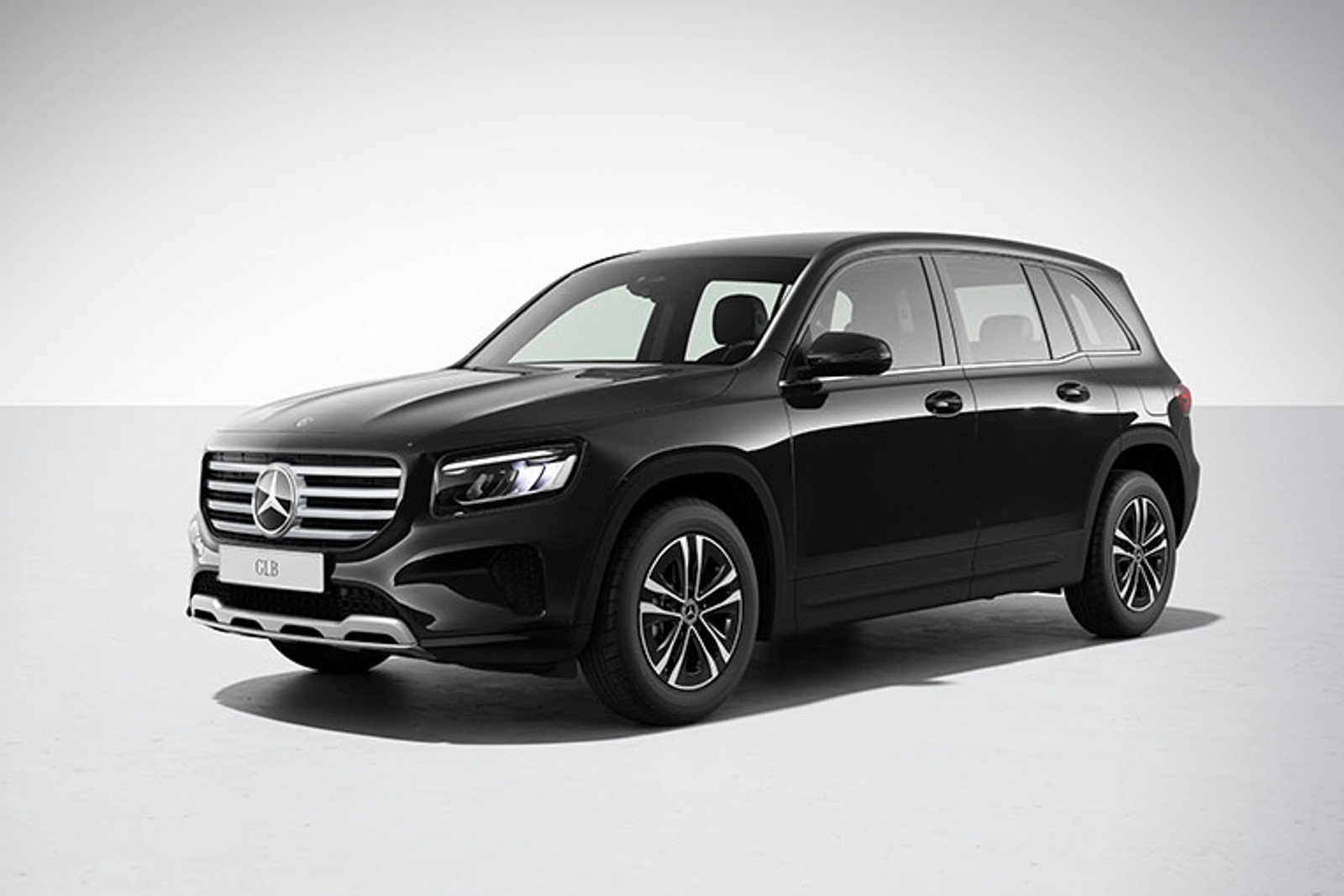
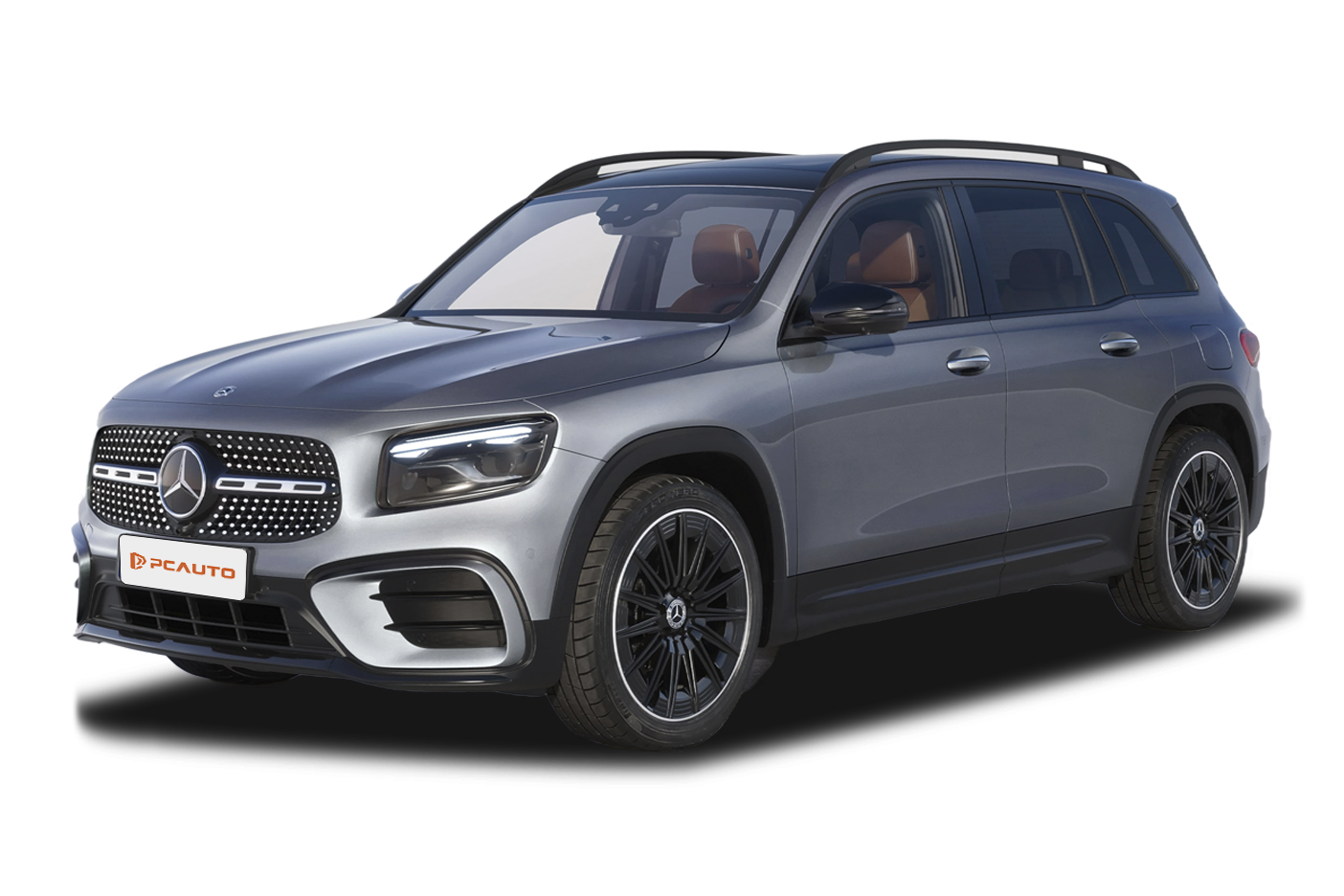
Starting with the exterior, the GLB 200 Progressive Line retains the tough style of Mercedes-Benz's SUV family. The overall silhouette is boxy, with minimal streamlined design, which helps maximize interior space. The front features the classic star grille, paired with sharp LED headlights on both sides. The daytime running lights within the headlight units adopt a three-pointed star design, providing high recognizability. A silver skid plate is added to the lower front bumper, giving a touch of off-road flair, though it's more decorative than functional. The side profile features straight lines, with a waistline extending from the front to the rear, preventing the side from looking plain. The 18-inch multi-spoke wheels are appropriately sized, complementing the vehicle's proportions without appearing undersized. At the rear, the LED taillights are arranged horizontally and illuminate in an "L" shape, echoing the design of the headlights. The rear bumper also includes a silver skid plate, with reflective strips on both sides to improve visibility at night. Overall, the exterior of the GLB falls into the "enduringly stylish" category; its luxury is evident but not ostentatious, aligning well with the aesthetic preferences of family users.
Stepping into the cabin, Mercedes' sense of luxury is immediately apparent. The dashboard is wrapped in soft-touch materials, complemented by metallic trim and piano black panels, offering a refined tactile experience. The air conditioning vents feature the iconic circular design with silver trim, and their rotation has a premium damping feel. The center console is equipped with a 10.25-inch touch-sensitive MBUX multimedia system, boasting high resolution and smooth operation. It supports voice control (just say "Hi, Mercedes" to activate), and commonly used functions like navigation and music are easy to locate. The instrument cluster is also a 10.25-inch fully digital display with a clear interface. It allows for different theme customization and displays vehicle status, navigation, and other information. In terms of configuration, the front seats are power-adjustable, with memory functions for the driver's seat, and the passenger seat is also power-adjustable—a rare feature in cars of this class. The rear seats are 40:20:40 split-foldable and can slide forward or backward, while the third-row seats are 50:50 split-foldable, offering great flexibility. Dual-zone automatic climate control comes standard, with independent vents for the rear, ensuring passenger comfort. Commonly used features like keyless entry, push-button start, and power-folding side mirrors are all included.
Space is one of GLB's core advantages. The vehicle dimensions are 4634mm × 1834mm × 1663mm, with a wheelbase of 2829mm, placing it at the upper level among C-Segment SUVs. With the front seats adjusted to a comfortable position, a passenger standing 180 cm tall will have a headroom of one fist and two fingers, and abundant legroom. The second-row seats are adjustable, offering up to two fists of legroom when slid all the way back, with one fist of headroom. Even when slid fully forward, there is still one fist of legroom, ensuring it's not too cramped. The third-row seats are better suited for children or smaller adults, fine for short trips but potentially a bit cramped for long journeys, though sufficient for emergency use. In terms of storage space, the rear cargo area offers 570 liters of capacity in 7-seater mode, enough for two 20-inch suitcases. Folding down the third row significantly increases the capacity, enough to store a stroller or folding bike. With the second row also folded down, the space is almost truck-like. There are plenty of storage compartments within the cabin—the door panels can hold two water bottles, the center armrest box is spacious, and there is even a wireless charging pad located under the center console. Attention to detail is very thorough.
In terms of power, the GLB 200 is equipped with a 1.3T turbocharged engine, delivering a maximum power of 120kW (165PS) and a maximum torque of 270N·m, paired with a 7-speed DCT transmission. The official 0-100km/h acceleration time is 9.3 seconds, with a top speed of 207km/h. During actual driving, the power response is quite active at the start; even a light press on the accelerator quickly produces power output, making daily city commuting, following traffic, or starting off very easy. For mid-range acceleration (such as overtaking from 80km/h to 120km/h), pressing the accelerator deeply will cause the transmission to downshift, providing an obvious power burst and giving confidence for overtaking. The transmission has a clear shifting logic, with smooth upshifts and nearly imperceptible jolts. In sport mode, the throttle response becomes more sensitive, the shifting point is delayed, and the power delivery is more direct, although the economy mode is sufficient for daily use. Regarding fuel consumption, during this test drive, mostly in urban conditions with occasional highway driving, the displayed fuel consumption was around 7.2L/100km, slightly higher than the official figure of 6.1L/100km. Considering urban traffic congestion, this fuel consumption is still acceptable.
For handling and chassis performance, the GLB adopts a combination of front MacPherson strut independent suspension and rear multi-link independent suspension with a comfort-oriented tuning. The steering wheel has moderate weight and precise pointing, with no slack, making daily driving very easy. At high speeds, the steering wheel becomes heavier, adding stability. When passing speed bumps or bumpy roads, the suspension absorbs vibrations well, without transmitting significant bumps inside the cabin. When cornering, the body roll is well-controlled, ensuring passenger comfort. Regarding braking, the pedal feels linear, with sufficient brake force, and the vehicle remains stable during emergency braking with no noticeable deviation. Noise control is also excellent; during city driving, tire noise and wind noise are barely noticeable. At high speeds, wind noise slightly increases but remains within an acceptable range, not affecting passenger conversations.
To sum up, the core highlights of the 2024 Mercedes-Benz GLB 200 Progressive Line are clear: the premium brand endorsement, flexible 7-seater space, rich configurations, and balanced driving experience. Compared to competitors in the same class (such as the BMW X1 and Audi Q3 Sportback), the 7-seater layout of the GLB is a unique advantage, and the configurations are more comprehensive (e.g., independent rear air conditioning, driver seat memory function). Although the power specifications are not particularly outstanding, they are entirely sufficient for daily use. This car is most suitable for families that value luxury and practicality—those looking for the prestige of the Mercedes-Benz brand, a spacious SUV to accommodate the whole family, and occasionally transport some cargo. If you are such a consumer, the GLB 200 Progressive Line is worth considering. It is not a "performance car" but definitely a "practical and luxurious family SUV."
Mercedes-Benz GLB Car Compare
Mercedes-Benz GLB Loan Calculator
More Mercedes-Benz Reviews
Cars With Similar Price And Features
8
Rank in SUV
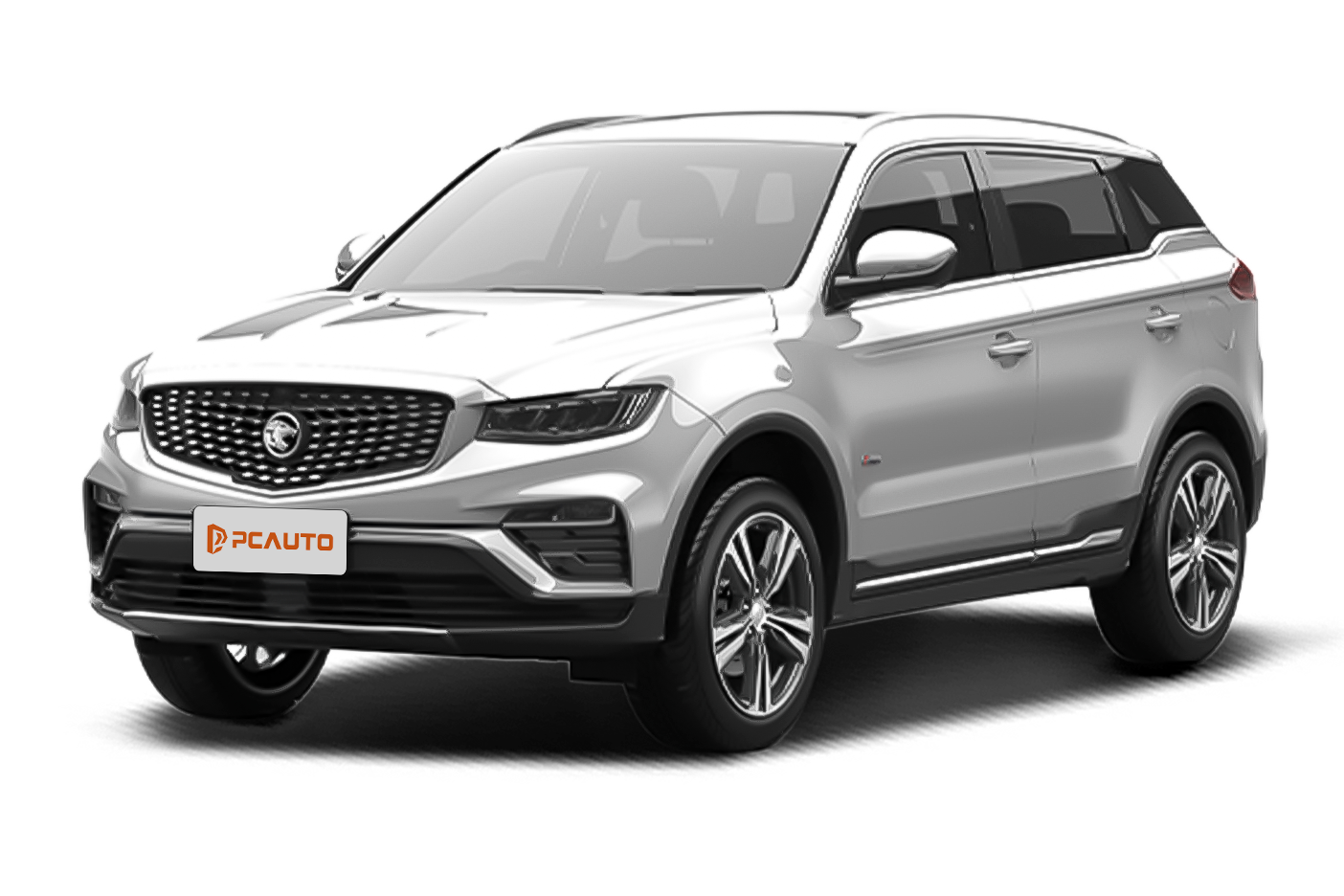
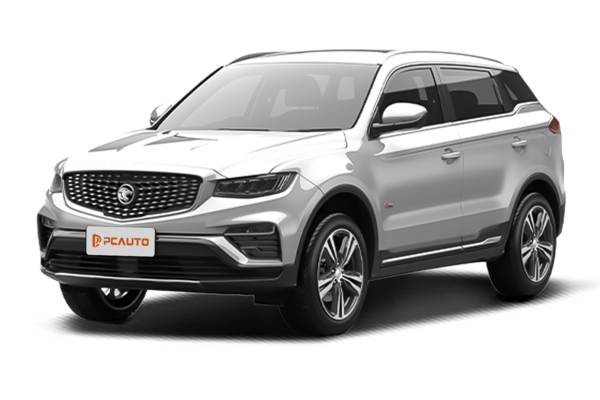
2026 Proton X70 1.5 TGDi Executive focuses on upgrading to a four-cylinder engine, practical configurations, and affordable pricing. It balances family commute practicality with value for money, making it a sensible choice among similarly priced C-segment SUVs.
10
Rank in SUV
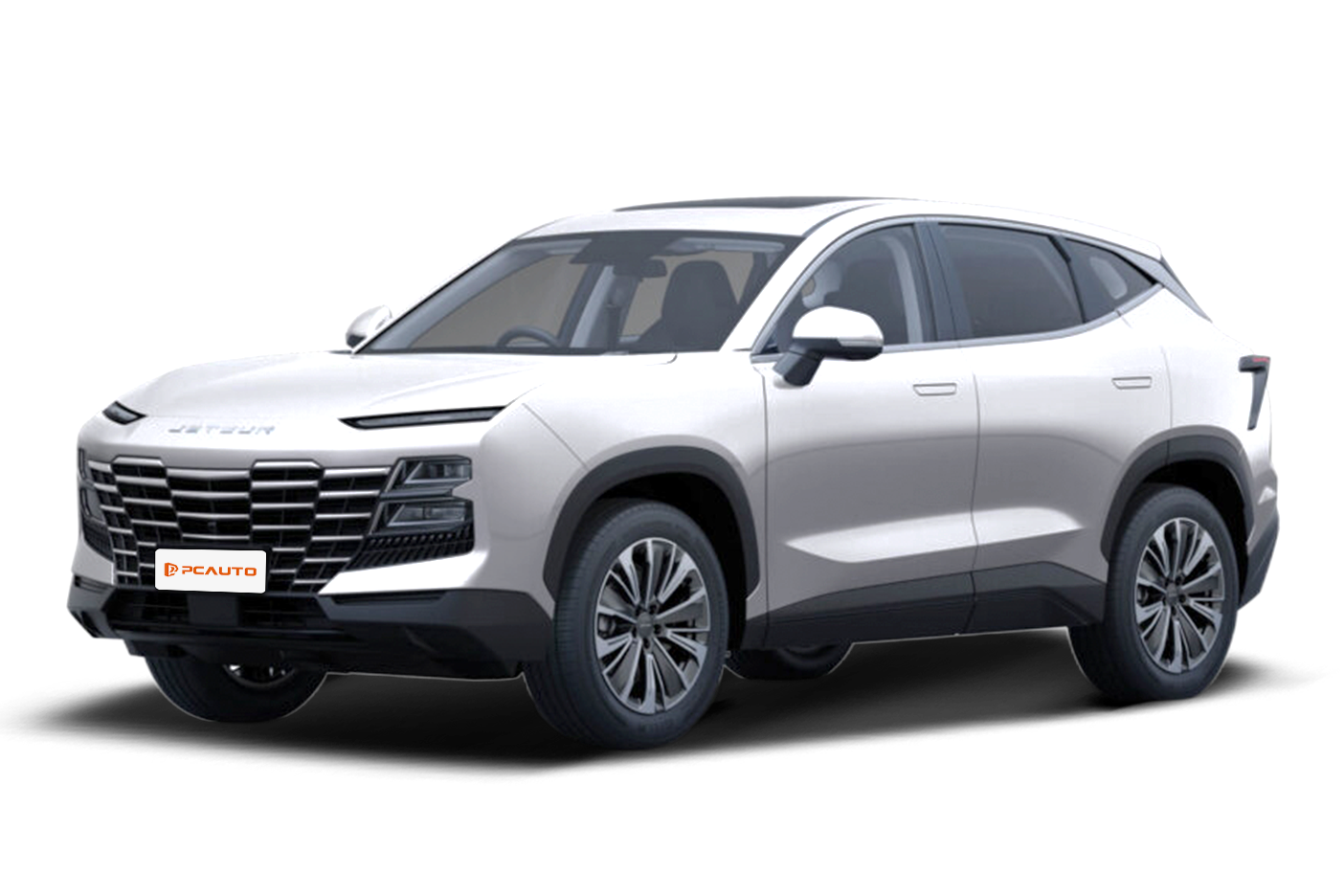
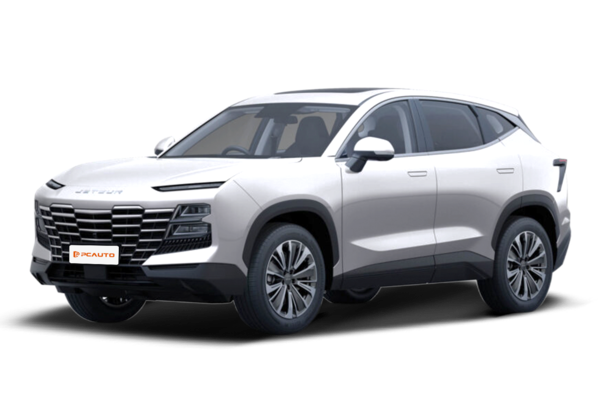
Jetour Dashing 1.5 TCI Comfort 2025 features a 2720mm long wheelbase and a 10.25-inch dual screen as its core, focusing on balanced cost performance to meet family practical needs.
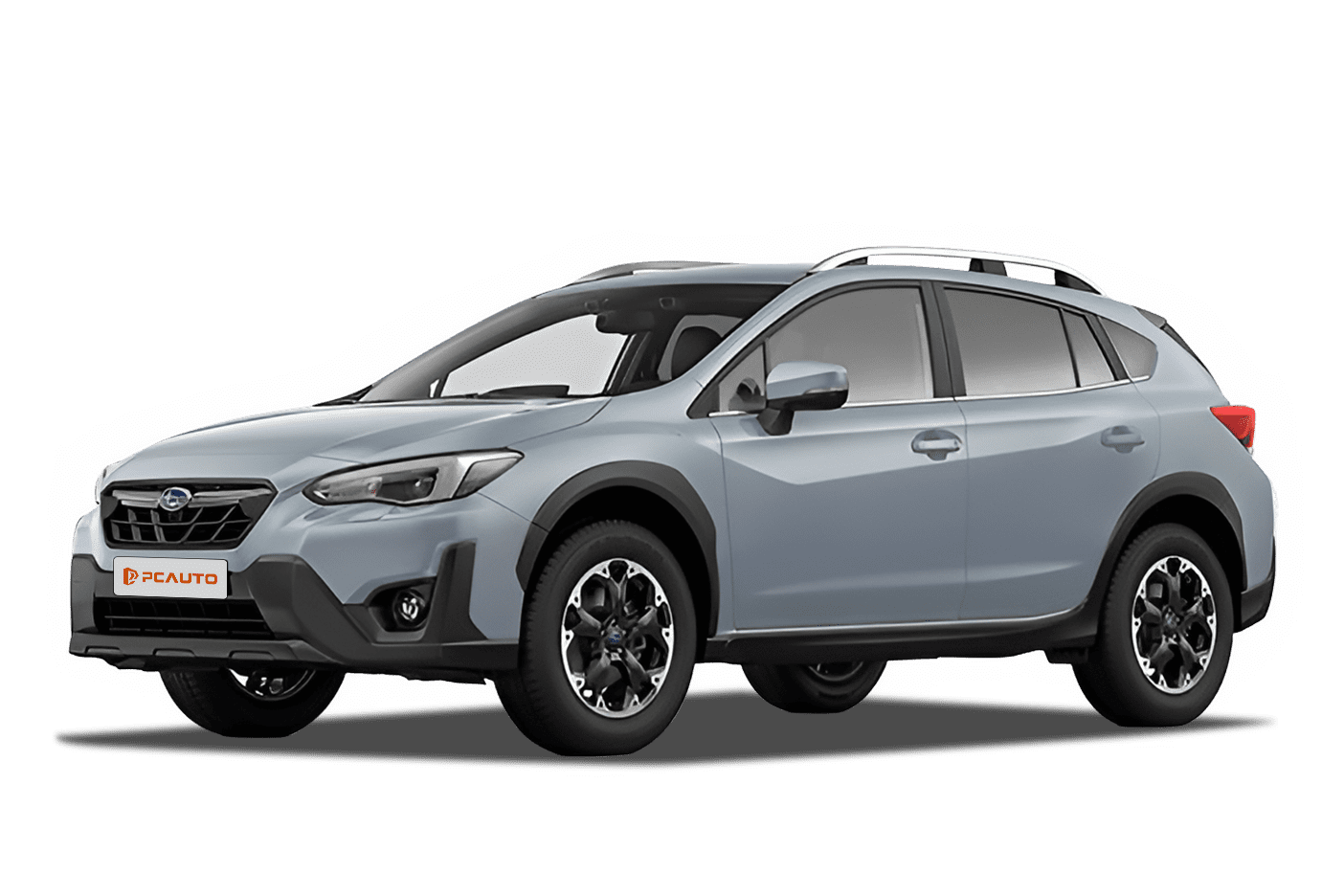
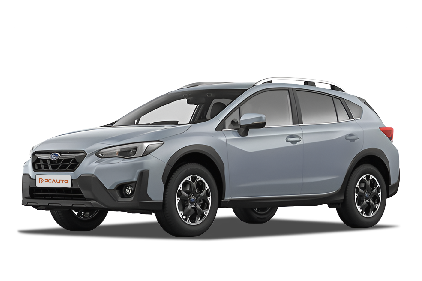
The 2021 Subaru XV 2.0i is a model targeting the C-segment crossover market, equipped with standard all-wheel drive and high safety features, balancing off-road capability and handling, with practical space.

2021 Hyundai Kona 2.0 Standard, as a high-value entry-level compact SUV, retains essential safety and practical features with an affordable price, meeting the daily commuting and loading needs of families.