

2024 Nissan Kicks e-Power VL Review

 Share
Share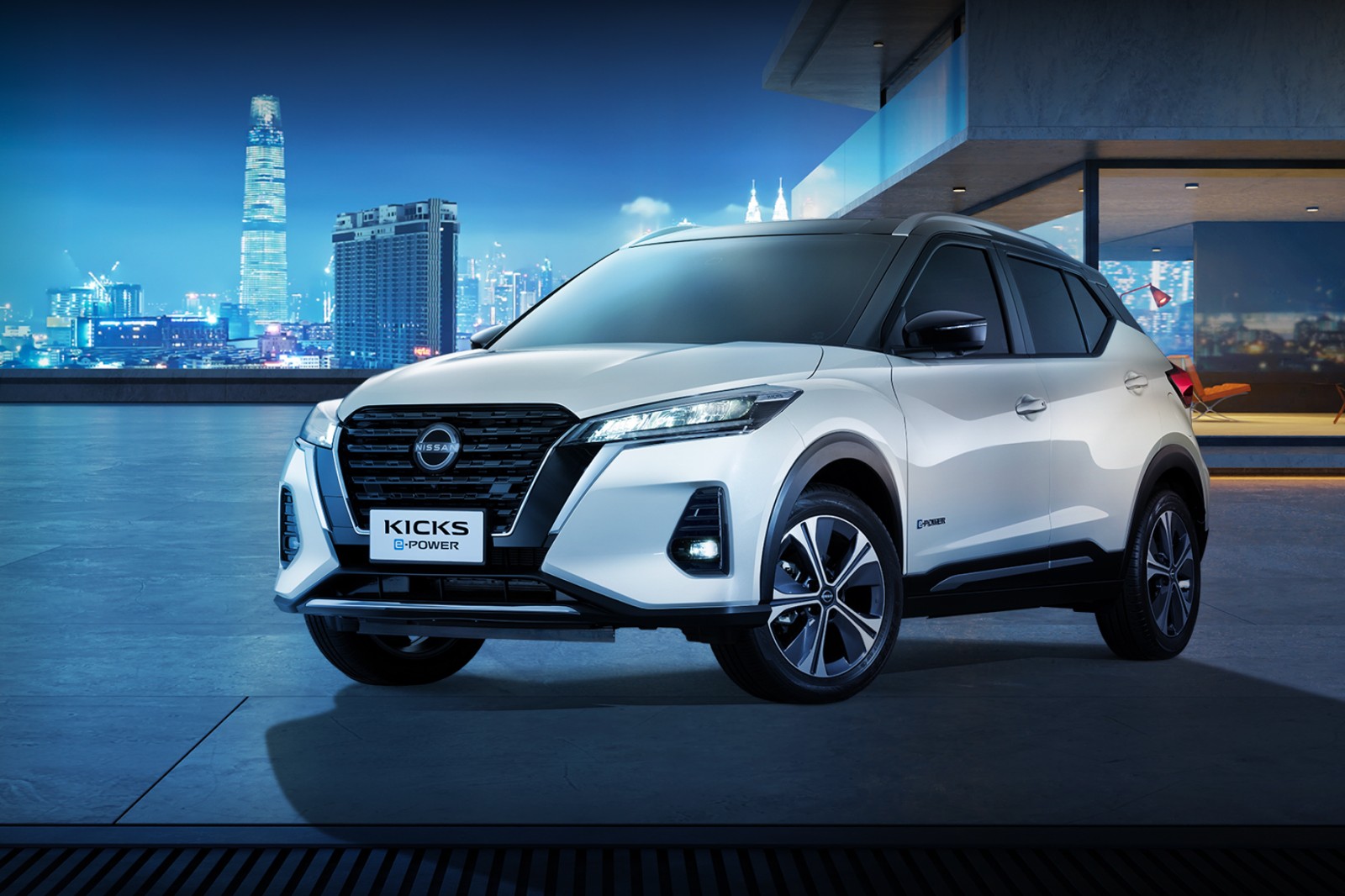

 Segment
 Body Type
 Capacity(L)
 Engine Power(PS)
 Engine Torque(Nm)
 Transmission
The C-Segment SUV market has been heating up in recent years locally. Consumers demand both daily commuting economy and adequate space and configurations. The 2024 Nissan Kicks e-Power VL aims to meet these needs. Its key selling points are straightforward—the low fuel consumption brought by the e-Power hybrid system and the smoothness of electric motor drive. At the same time, it is fully equipped while maintaining a price of RM 113,800. In this test drive, we focus on verifying: How does this hybrid system actually perform? Are the configurations truly practical? Can its overall performance stand out in the same class?
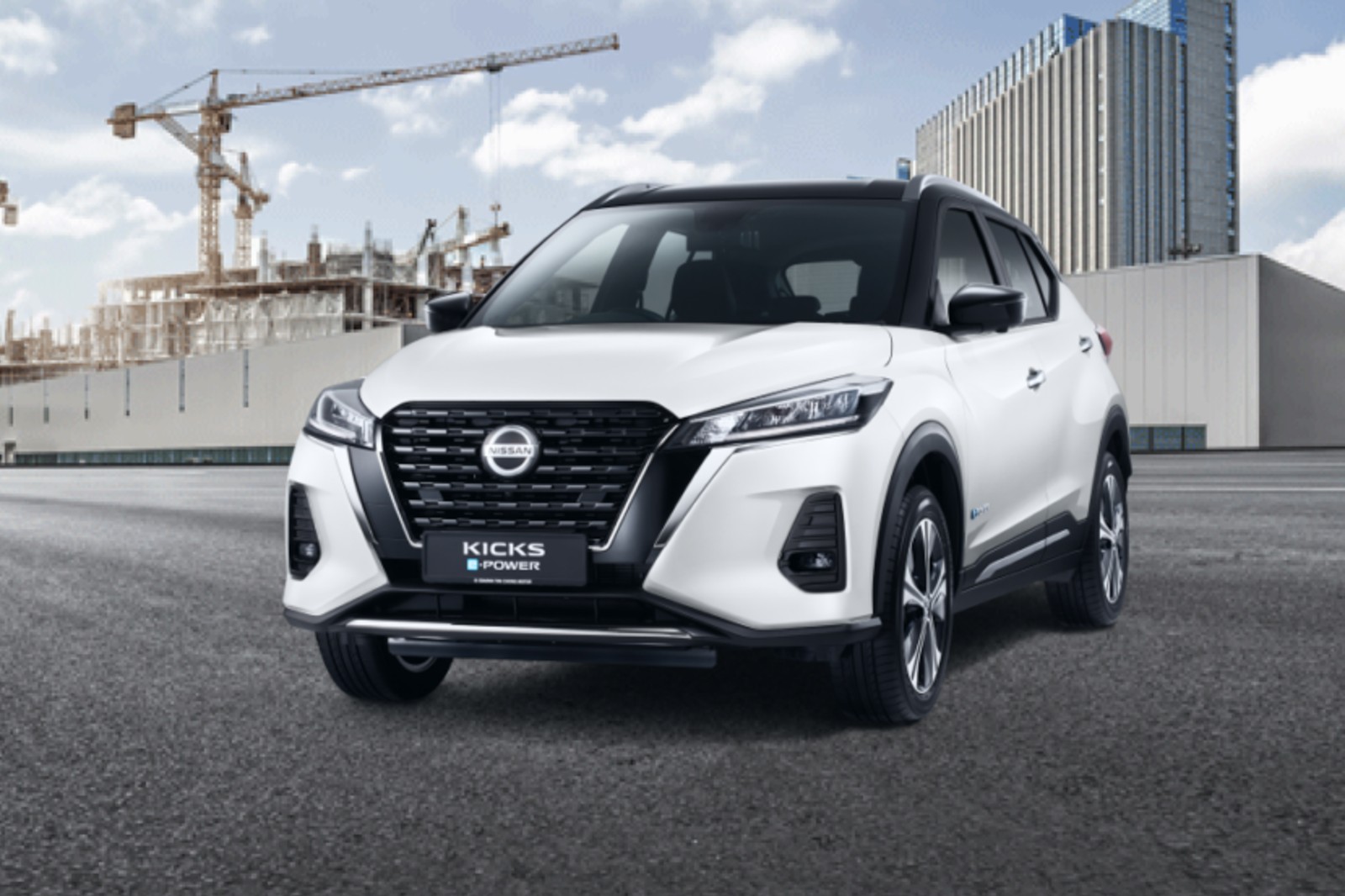
In terms of appearance, the Kicks e-Power VL follows a youthful design route. The overall lines are compact but not cramped. The front face features a large V-Motion grille accented with chrome trim, which offers good recognition; the sharp-shaped LED headlights on both sides connect to the grille, visually broadening the width. A side waistline stretches from the front fender to the rear, paired with 17-inch multi-spoke rims to add a sporty feel. The indented design on the lower part of the doors prevents the side view from seeming too monotonous. At the rear, the LED taillights adopt a through-type design, connected in the middle by a black trim panel, with a clear lighting effect at night; the lower part of the rear bumper is decorated with a silver skid plate, emphasizing its SUV positioning. The overall design avoids overly exaggerated elements. It’s more of a timeless design that works well for daily commuting or occasional trips.
Stepping into the cabin, the interior style is simple and practical. The dashboard is covered in soft-touch materials, paired with silver trims and piano black panels, giving it a texture that is above average for its price range. The instrument panel is a 7-inch full-color TFT semi-digital display with clear information, capable of showing the hybrid system's working status, fuel consumption, and other key data. The 8-inch central control screen is positioned at the top of the dashboard, supports touch operation, and has relatively smooth response, although its functions are not particularly rich. Basic Bluetooth and USB connectivity are available. In terms of configuration, the front row features automatic air conditioning with a pleasant tactile feel for the knobs and buttons, making operation intuitive. The seats are manually adjustable, with fairly thick cushioning that offers decent support, ensuring comfort even during long rides. The rear space matches the standards of a C-Segment SUV. With a 175cm-tall passenger seated, there’s about two fists of legroom and one fist of headroom remaining. The slightly raised center floor does not significantly affect temporary seating for the middle passenger. Regarding storage, the front door panels can hold two bottles of water, while the central armrest box and glove compartment offer adequate capacity. The rear also has cup holders and air conditioning vents. The trunk's standard capacity is average, but folding down the rear seats (60:40 split) expands the space, making it convenient for storing a stroller or luggage.
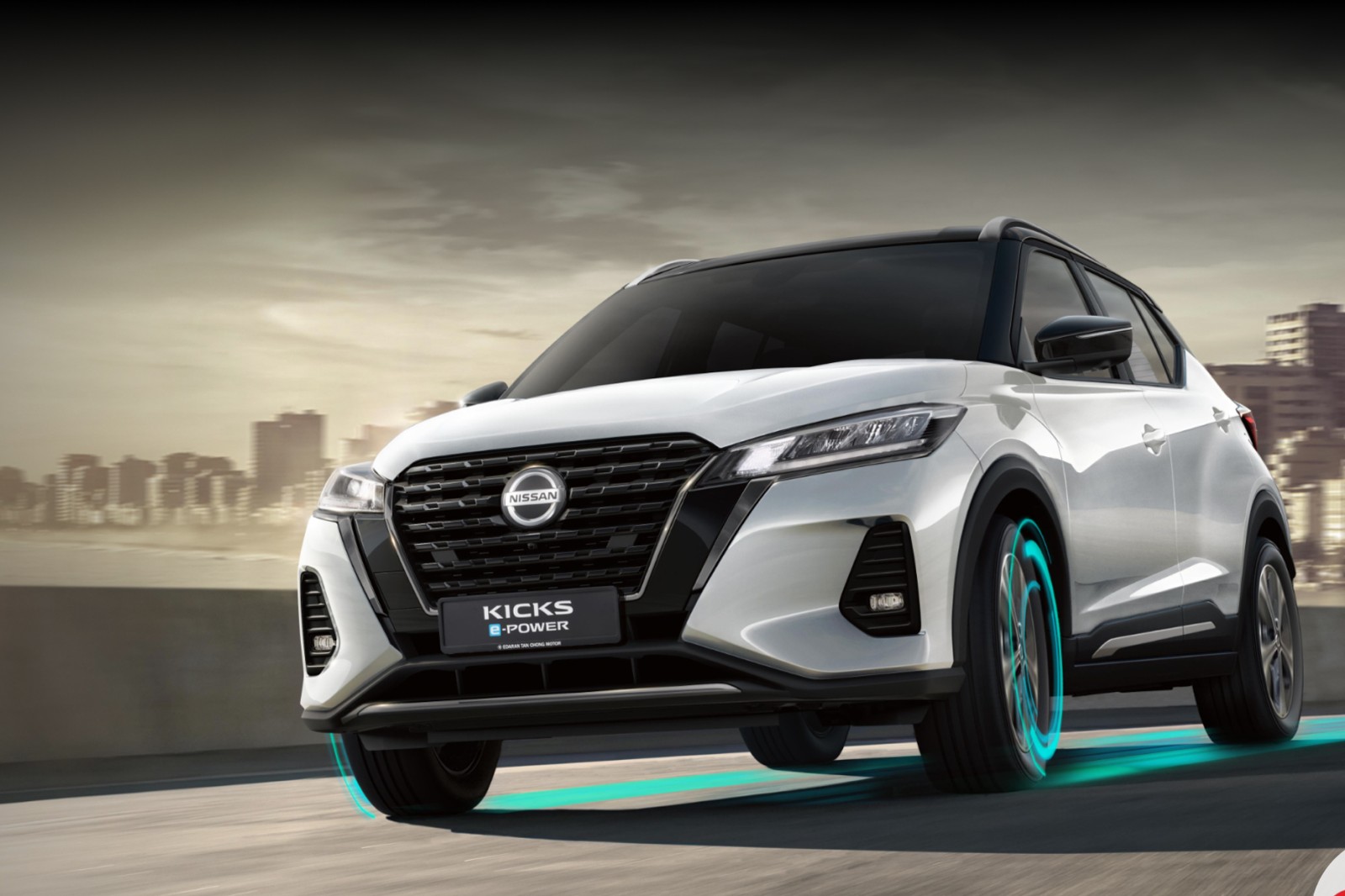
In terms of power, the logic of this e-Power hybrid system differs from traditional hybrids—the engine does not directly drive the wheels but is instead responsible for generating electricity, while the wheels are solely driven by the electric motor. As for specifications, the 1.2L naturally aspirated engine delivers a maximum output of 82PS, the electric motor offers a maximum output of 129PS, and the system's combined torque is 280N·m. In real-world driving, the electric motor alone drives the vehicle during startup and at low speeds, providing immediate power response. A light touch on the accelerator delivers notable acceleration, making it easy to follow traffic or start overtaking in urban areas. At medium to high speeds (80-120km/h), though not as forceful as at lower speeds, the power reserve is still adequate. Pressing the accelerator deeply enables the motor to swiftly deliver torque, making overtaking relatively effortless. There are three driving modes to choose from: Eco, Normal, and Sport. In Sport mode, the throttle response is more sensitive, suitable for scenarios requiring rapid acceleration. Eco mode, on the other hand, narrows the throttle response focus, prioritizing fuel efficiency.
In terms of handling, the steering wheel has moderate steering effort, with minimal play, making daily driving very easy; the chassis adopts a combination of front MacPherson struts and a rear torsion beam suspension, tuned towards comfort. When going over speed bumps or bumpy roads, the suspension is able to filter out most of the fine vibrations, without giving overly stiff feedback. When cornering, body roll is reasonably controlled and not too excessive, providing sufficient stability for daily commuting. The braking performance is decent, with a moderate pedal travel and linear brake force release, making it very easy to adapt to during everyday use.
The standout feature of this hybrid system is its fuel efficiency, with an official combined fuel consumption of 4.6L/100km. We conducted a test on a combined route of city roads and highways, driving approximately 200km in total, with 60% in the city and 40% on the highway, and the displayed fuel consumption ended up at around 4.8L/100km. This is very close to the official figure, demonstrating excellent fuel economy. In terms of noise control, the electric motor is very quiet during low-speed urban driving, making the cabin relatively quiet. At highway speeds, wind and tire noise become more noticeable but still remain within an acceptable range, not interfering with normal conversations. The seat comfort is quite good, with padding of moderate softness and firmness, making long journeys not too tiring. The rear air conditioning vent caters to rear passengers, which is a practical feature.
Overall, the core strengths of the 2024 Nissan Kicks e-Power VL are evident: the e-Power hybrid system delivers low fuel consumption and a smooth driving experience; the configuration is sufficiently practical (with 7 airbags, active braking, front and rear sensors, and other comprehensive safety features); and the space is adequate for daily family needs. Compared to competitors in the same segment, such as the Honda HR-V or Toyota Corolla Cross, the Kicks e-Power VL stands out with its fuel efficiency advantage and more affordable price, without significant shortcomings in configuration.
It is especially suitable for specific groups: families prioritizing fuel economy for daily urban commutes and occasional family trips; or younger buyers with a budget of around 110,000 yuan looking for a well-equipped, easy-to-drive, and budget-friendly SUV. With its balanced performance and no significant weaknesses, this is a practical choice for a family-oriented SUV.
Nissan Kicks Car Compare

Nissan Kicks Loan Calculator
More Nissan Reviews
Cars With Similar Price And Features
6
Rank in SUV
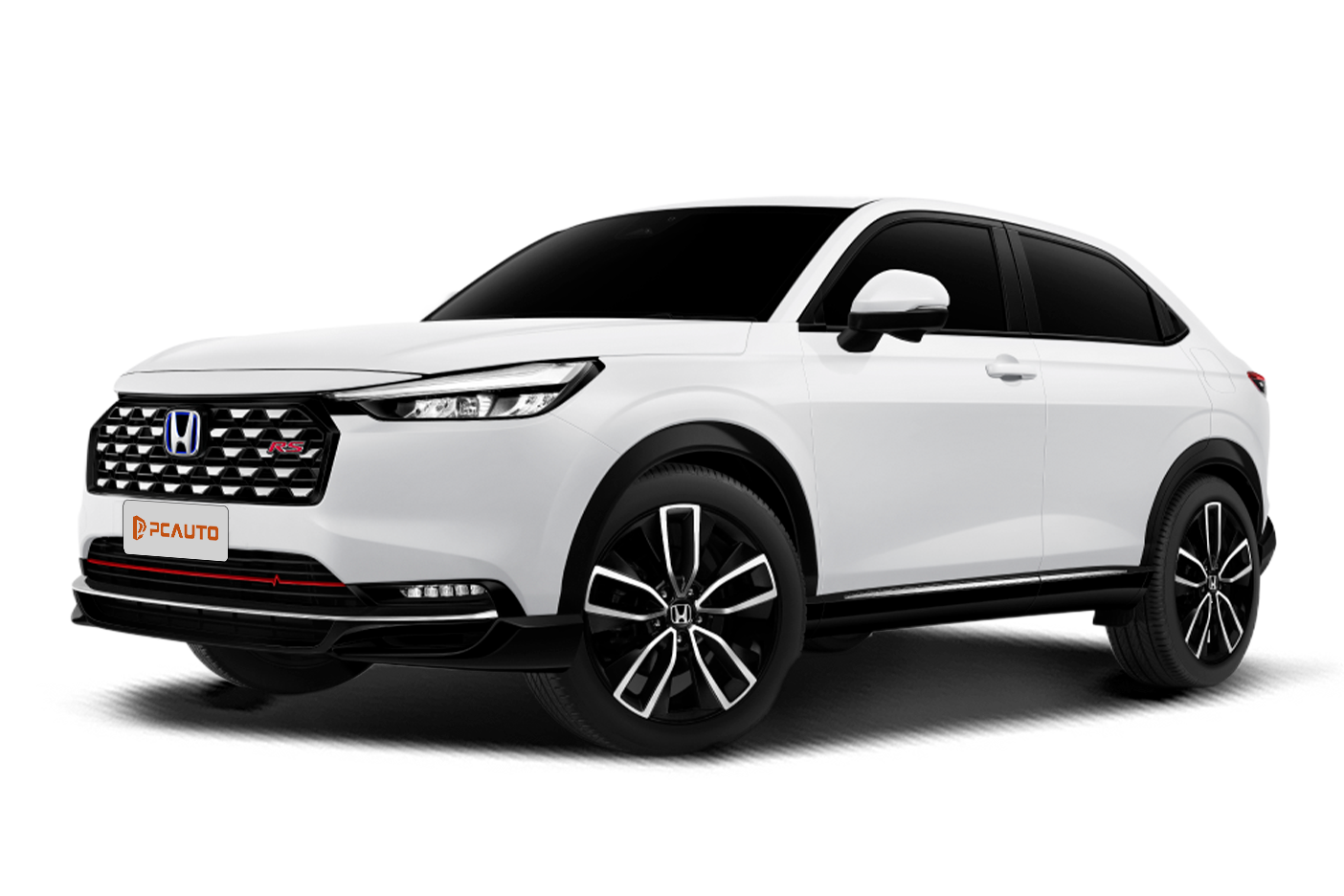
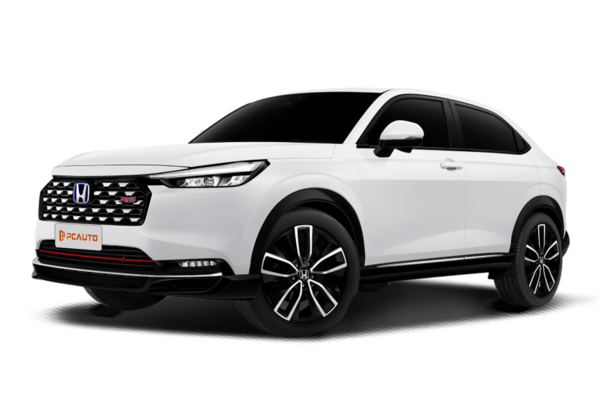
2025 Honda HR-V 1.5L S, as the entry-level model, retains family-friendly space flexibility and practical configurations at an affordable price, balancing smooth urban commuting and daily cost-effectiveness, catering to family needs.

2025 Suzuki Fronx Hybrid is a family-friendly choice in the B-Segment SUV market, balancing L2-level assisted driving, practical space, and hybrid fuel efficiency.
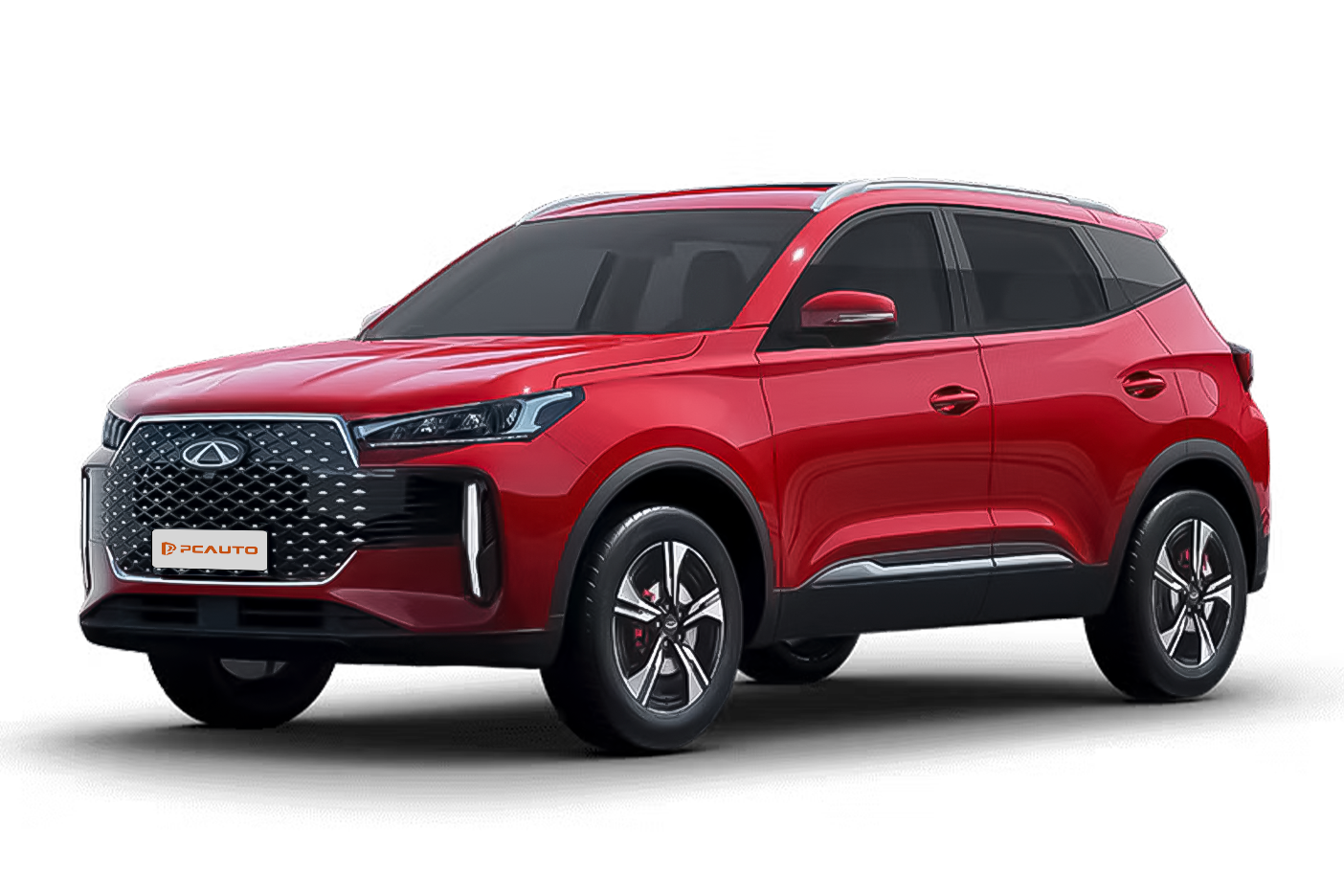
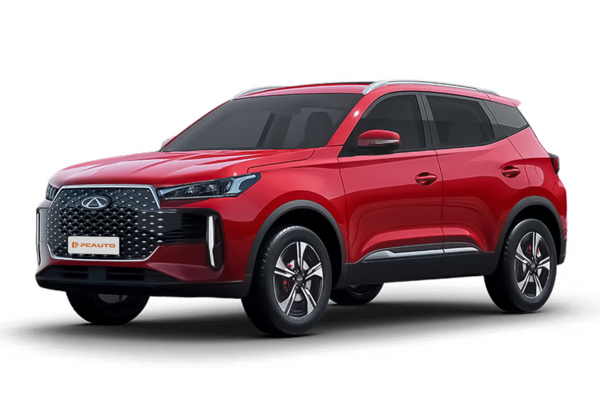
2025 Chery Tiggo Cross Turbo is a B-segment SUV designed for family users, with the core advantages of 1.5T power, rich L2-level driving assistance, and high cost performance.