

2024 Nissan Kicks e-Power VLT Review

 Share
Share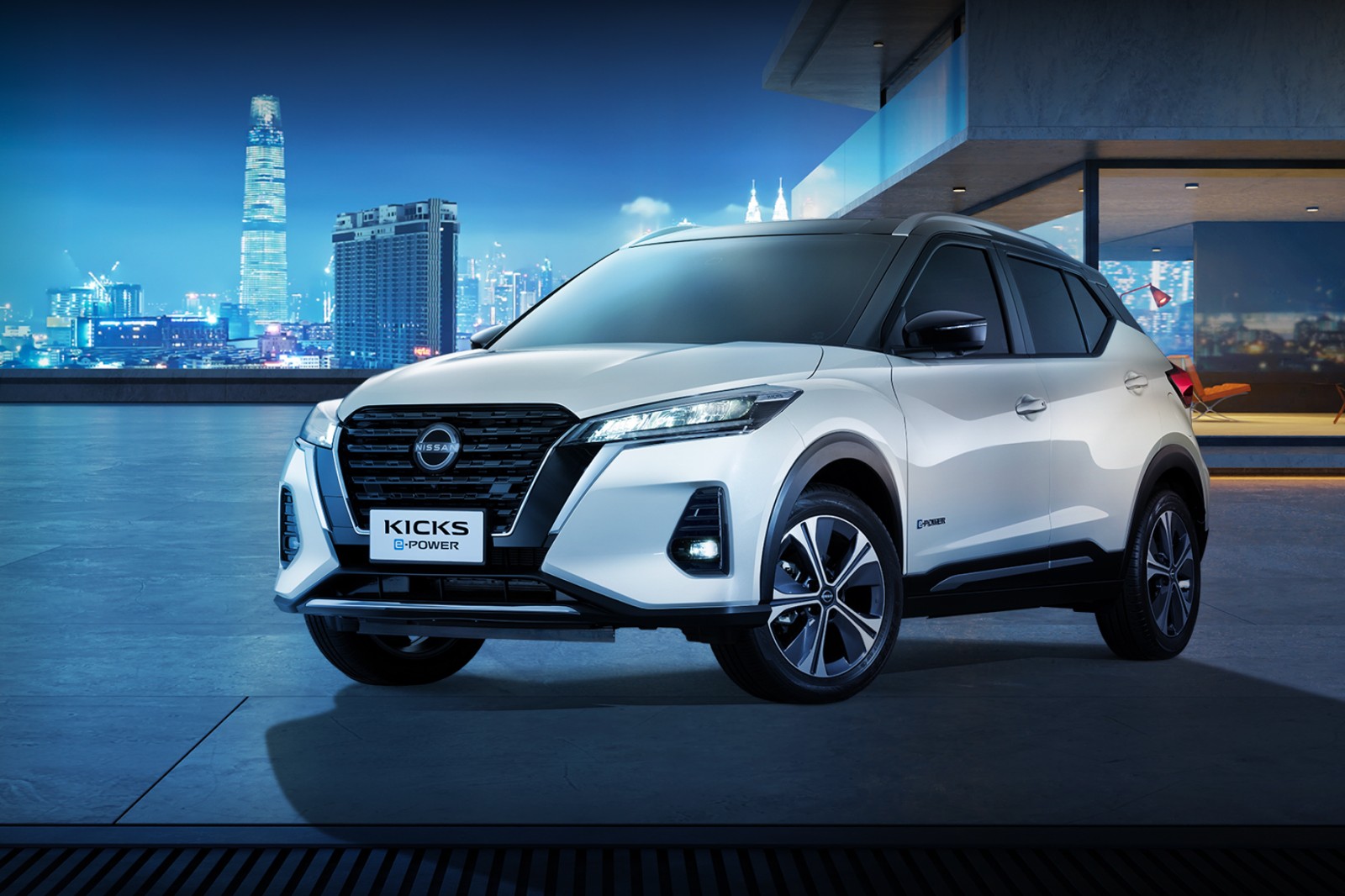

 Segment
 Body Type
 Capacity(L)
 Engine Power(PS)
 Engine Torque(Nm)
 Transmission
In the current Malaysian C-Segment SUV market, consumer demand for fuel efficiency and intelligent configuration continues to grow. Many models are striving to strike a balance between hybrid technology and cost-effectiveness. As a new option in this segment, the 2024 Nissan Kicks e-Power VLT offers unique selling points such as the distinctive e-Power hybrid system (engine generates electricity, motor drives the wheels), class-leading safety features, and an attractive price point of around RM120,000. Can these characteristics captivate practical local users? This test drive will comprehensively evaluate its overall performance covering static design, dynamic performance, and daily usability.
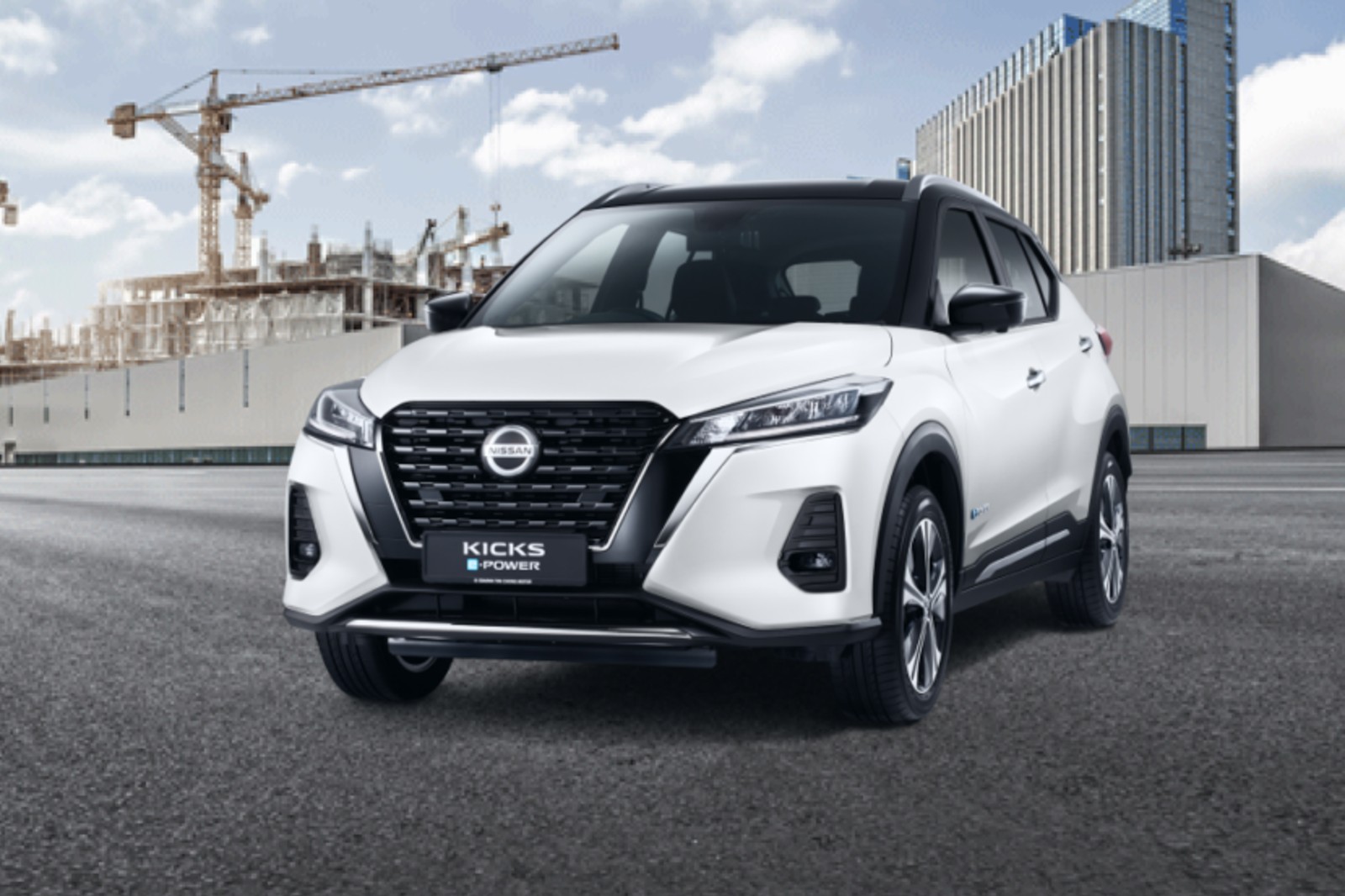
In terms of exterior design, the 2024 Kicks e-Power VLT maintains a youthful style, with compact and dynamic lines. The front features a large V-Motion grille matched with a blacked-out honeycomb pattern, enhancing its recognizability. The sleek LED headlamp clusters on both sides are connected by a chrome strip at the top of the grille, visually widening the front profile. On the side, the 17-inch dual-tone alloy wheels (205/55 R17 specifications) pair well with the floating roof design, and the waistline extending from the fender to the rear enhances the sporty feel. The minimum ground clearance of 170mm also meets SUV passability requirements. At the rear, the continuous LED taillight is a highlight, offering a striking visual effect when illuminated. The silver skid plate below and dual exhaust-style decorative elements (actual exhaust is hidden) add more depth to the rear design.
Inside, the interior is primarily black, with a combination of soft-touch materials and piano black panels on the dashboard, providing a tactile experience in line with this price range. The center console has a simple arrangement, with an 8-inch touchscreen located in the center that supports Apple CarPlay and Android Auto connectivity, ensuring a decent operating smoothness. Below, physical buttons for air conditioning are retained for easier blind operation while driving. In terms of features, the standard 7-inch full-color TFT semi-digital instrument panel displays hybrid information such as battery level and power flow. Other features include front-row automatic air conditioning, a 6-speaker sound system, keyless entry/start, all of which meet expectations. Safety features are a highlight, offering 6 airbags (including a knee airbag), ABS, ESC, as well as standard AEB (Autonomous Emergency Braking), Forward Collision Warning (FCW), Lane Departure Warning (LDW), and Adaptive Cruise Control (ACC) with L2-level driving assistance, which perform outstandingly in its price segment.
As for space, the vehicle's dimensions are 4290mm×1760mm×1605mm, with a wheelbase of 2620mm, positioning it within the mainstream levels of C-Segment SUVs. The front row offers ample space, with a 175cm tall passenger able to adjust the seat while maintaining a fist’s width of headroom; the rear legroom has around two fists’ gap, with one fist of headroom, comfortably catering to daily family use. In terms of storage, the front row features a hidden wireless charging area below the center console, along with cup holders and storage compartments. The door panels can hold two 500ml water bottles. The rear center armrest includes cup holders, and the 60:40 split rear seats can be folded down to expand the trunk space from 423L to a larger capacity, enough to accommodate items like a stroller or luggage. However, the slight hump on the rear floor may cause a bit of discomfort for the middle passenger during long rides.
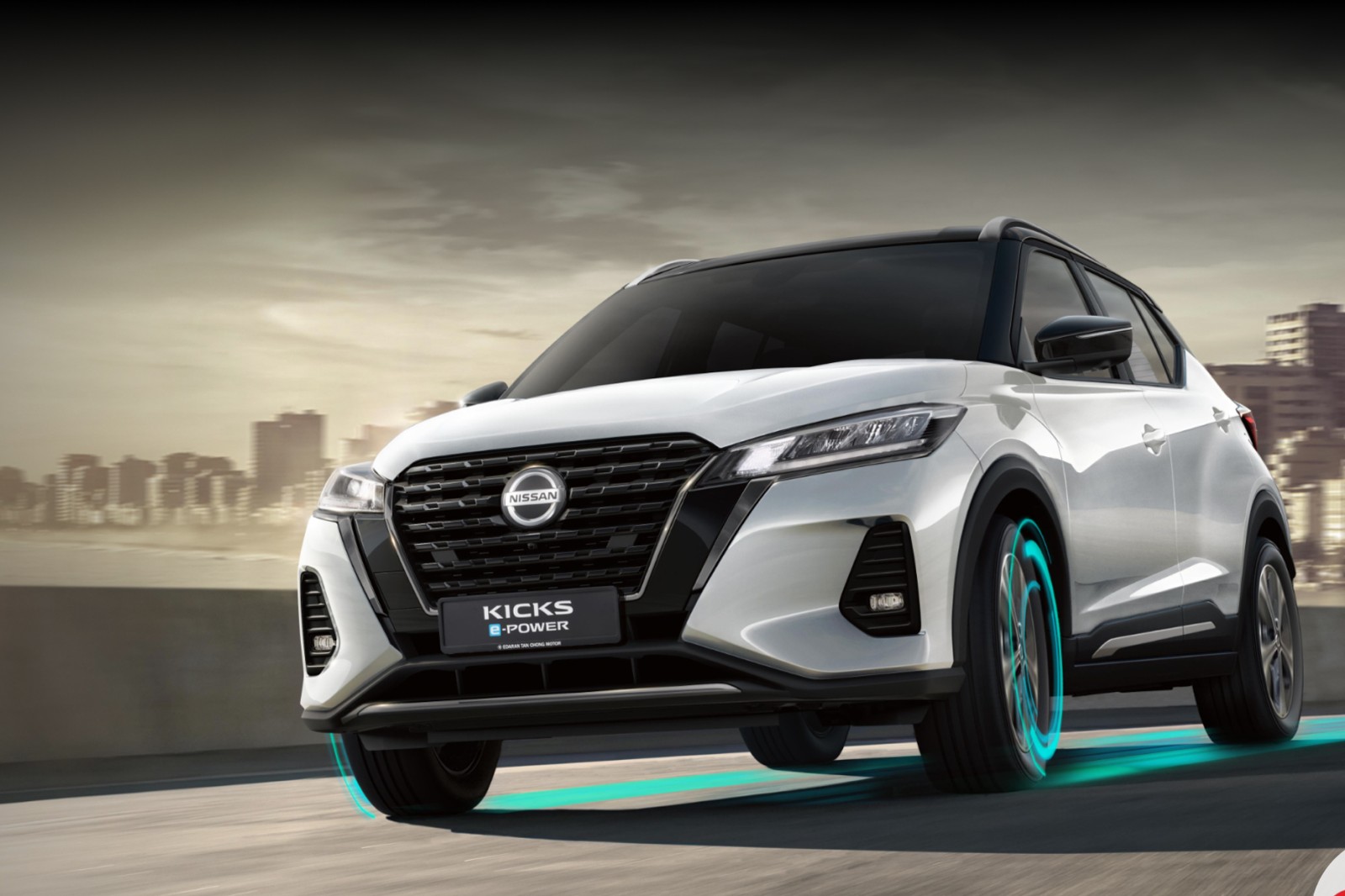
The core of the dynamic experience is the e-Power hybrid system, which consists of a 1.2L three-cylinder naturally aspirated engine (82PS/103N·m) and a front-mounted permanent magnet synchronous motor (129PS/280N·m). The engine is responsible only for generating electricity, and the wheels are entirely driven by the motor. During start-up, the power response is direct, and a light press on the accelerator provides a noticeable push-back feeling. The official 0-100km/h acceleration time is 9.5 seconds, and there is sufficient power reserve for daily overtaking or lane merging. Driving modes include ECO, Normal, and Sport. In ECO mode, the power output is relatively gentle, suitable for city commuting, while in Sport mode, the motor torque is released more aggressively, resulting in a more pronounced acceleration feel.
In terms of handling and chassis, the front MacPherson+rear torsion beam suspension configuration leans towards comfort. It performs well in filtering out speed bumps or minor jolts on urban roads. When taking corners at high speed, body roll is kept within a reasonable range. The steering wheel has minimal play, offering clear directionality. The braking performance is linear, with a moderate pedal travel, providing ample confidence for daily driving. During fuel consumption testing in mixed urban traffic and highway cruising, the actual fuel consumption was about 4.8L/100km, which is not far from the official figure of 4.6L/100km, highlighting its excellent fuel economy. Regarding noise control, the engine is almost non-intrusive at low speeds, with the motor noise being the primary source, which is relatively low in decibels. During highway cruising (110km/h), wind and tire noise increase slightly but do not interfere with normal conversations.
In terms of driving comfort details, the front seats are made of fabric and leather combination materials, providing good support and wrapping, making long drives less tiring. The rear seat angle is reasonable, with a certain degree of recline in the backrest. The energy recovery system has three adjustable levels. At its highest level, releasing the accelerator produces a noticeable drag, reducing the need for braking. At the lowest level, it closely mimics the coasting experience of a fuel-powered vehicle, improving driving smoothness once accustomed. Notably, the battery capacity is only 2.1kWh, with a pure electric range of about 2.5km, mainly for start-up or low-speed short-distance driving. External charging is not required, making it suitable for users without charging facilities.
In summary, the core strengths of the 2024 Nissan Kicks e-Power VLT lie in its unique e-Power hybrid system (low fuel consumption, quick power response), comprehensive safety features (especially Level 2 driving assistance), and a competitive price of RM121,800. Compared to its class rivals like the Honda HR-V or Toyota Corolla Cross Hybrid, the Kicks e-Power offers better safety features and power responsiveness, while being more budget-friendly.
This car is ideal for family users who value fuel economy, safety features, and daily practicality, especially those who frequently commute in cities and are interested in hybrid technology but lack charging facilities. Its compact body is also suitable for urban parking, and the Level 2 driver assistance system reduces fatigue during long-distance driving.
Overall, the 2024 Nissan Kicks e-Power VLT is a well-balanced hybrid SUV. The e-Power system provides the driving experience of an electric vehicle while retaining the refueling convenience of a traditional vehicle. Its rich safety features and practical space further enhance its competitiveness. If you are looking for a family-friendly and cost-effective hybrid SUV, it is worth considering.
Nissan Kicks Car Compare

Nissan Kicks Loan Calculator
More Nissan Reviews
Cars With Similar Price And Features
6
Rank in SUV
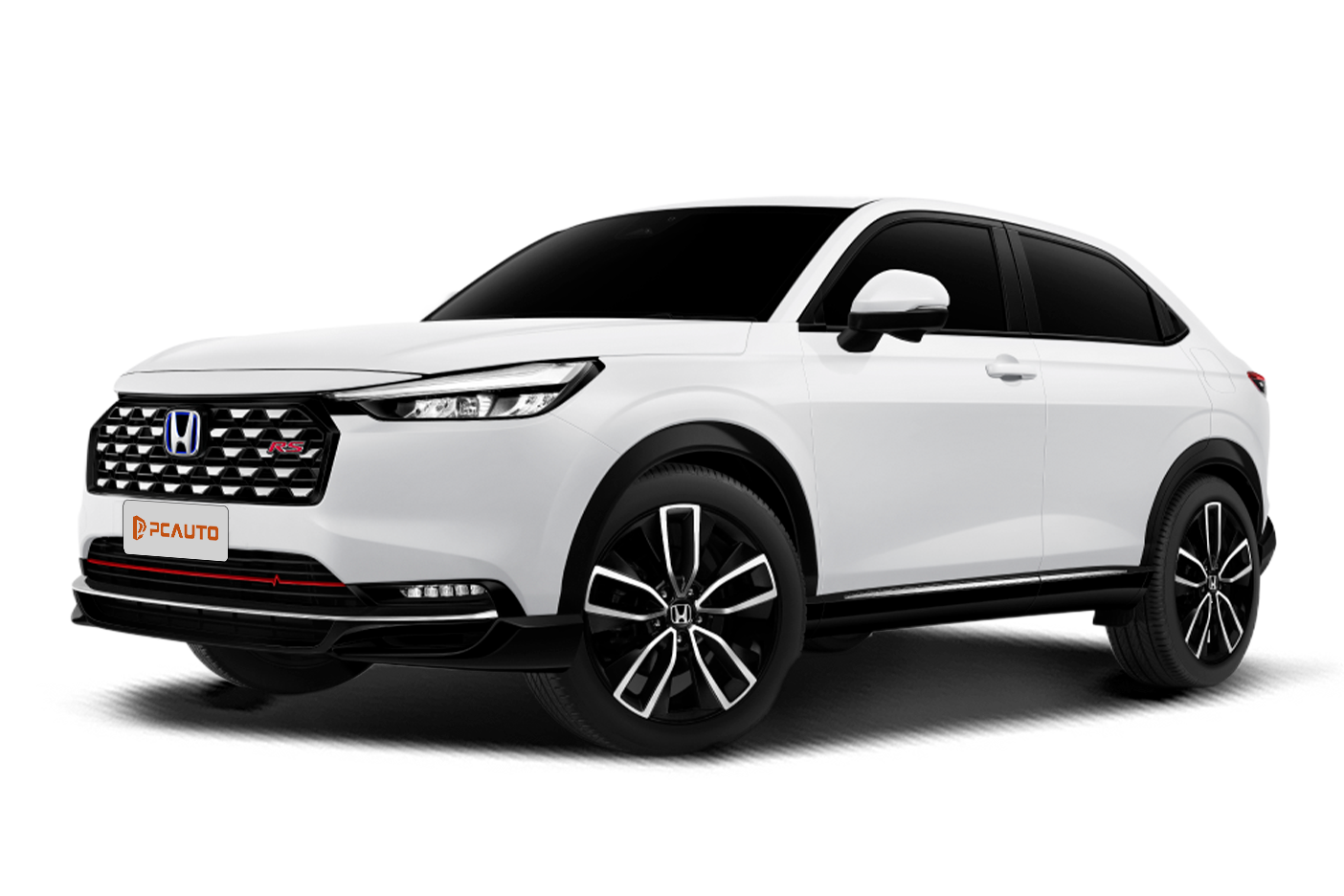
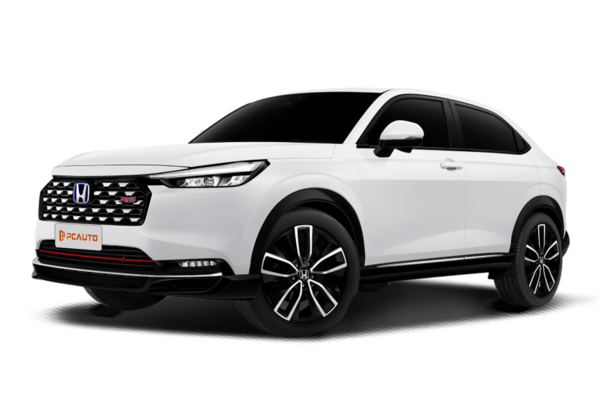
2025 Honda HR-V 1.5L S, as the entry-level model, retains family-friendly space flexibility and practical configurations at an affordable price, balancing smooth urban commuting and daily cost-effectiveness, catering to family needs.

2025 Suzuki Fronx Hybrid is a family-friendly choice in the B-Segment SUV market, balancing L2-level assisted driving, practical space, and hybrid fuel efficiency.
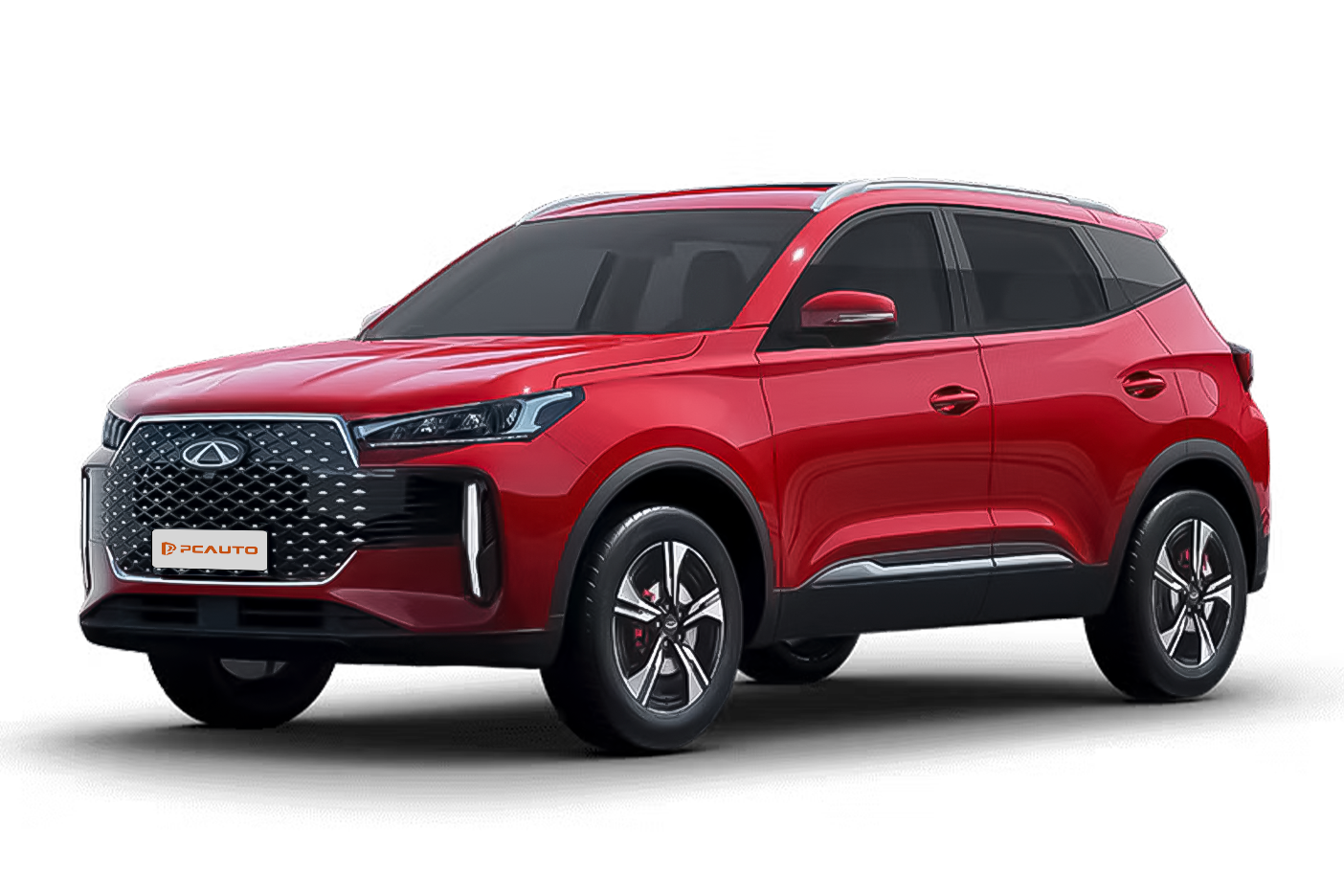
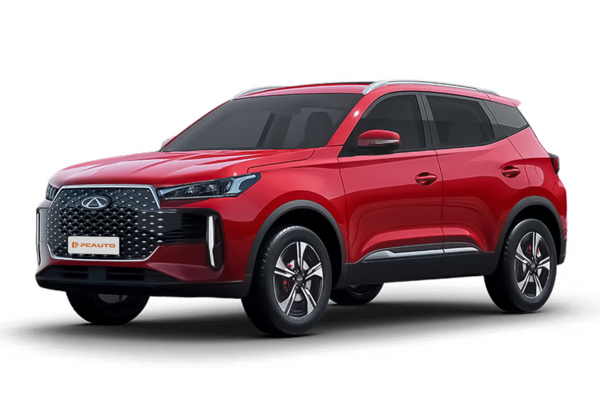
2025 Chery Tiggo Cross Turbo is a B-segment SUV designed for family users, with the core advantages of 1.5T power, rich L2-level driving assistance, and high cost performance.