

2024 Tesla Model 3 Rear-Wheel Drive Review

 Share
Share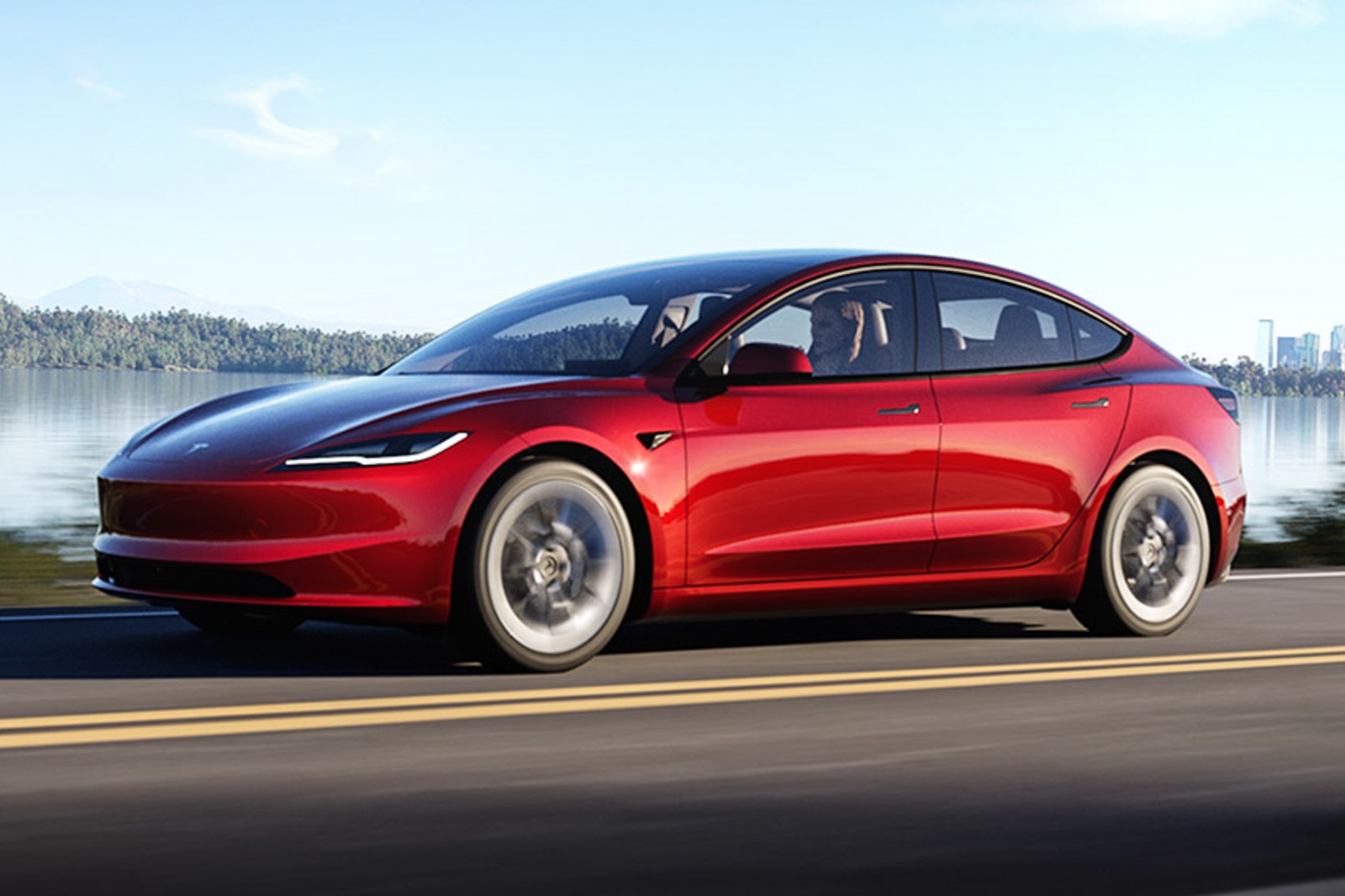
 Segment
 Body Type
 Motor Output(kW)
 Motor Torque(Nm)
 EV Range(km)
 Battery Capacity(kWh)
The competition in the B-class electric vehicle market has become increasingly fierce in recent years. Consumers not only value range practicality but also have higher demands for intelligent features and driving experience. The 2024 Tesla Model 3 Rear-Wheel Drive, as the brand’s core high-volume model, has been updated in terms of range, features, and details. The main goal of this test drive is to verify whether it can maintain its competitiveness in the same class and whether its actual user experience meets the needs of Malaysian users.
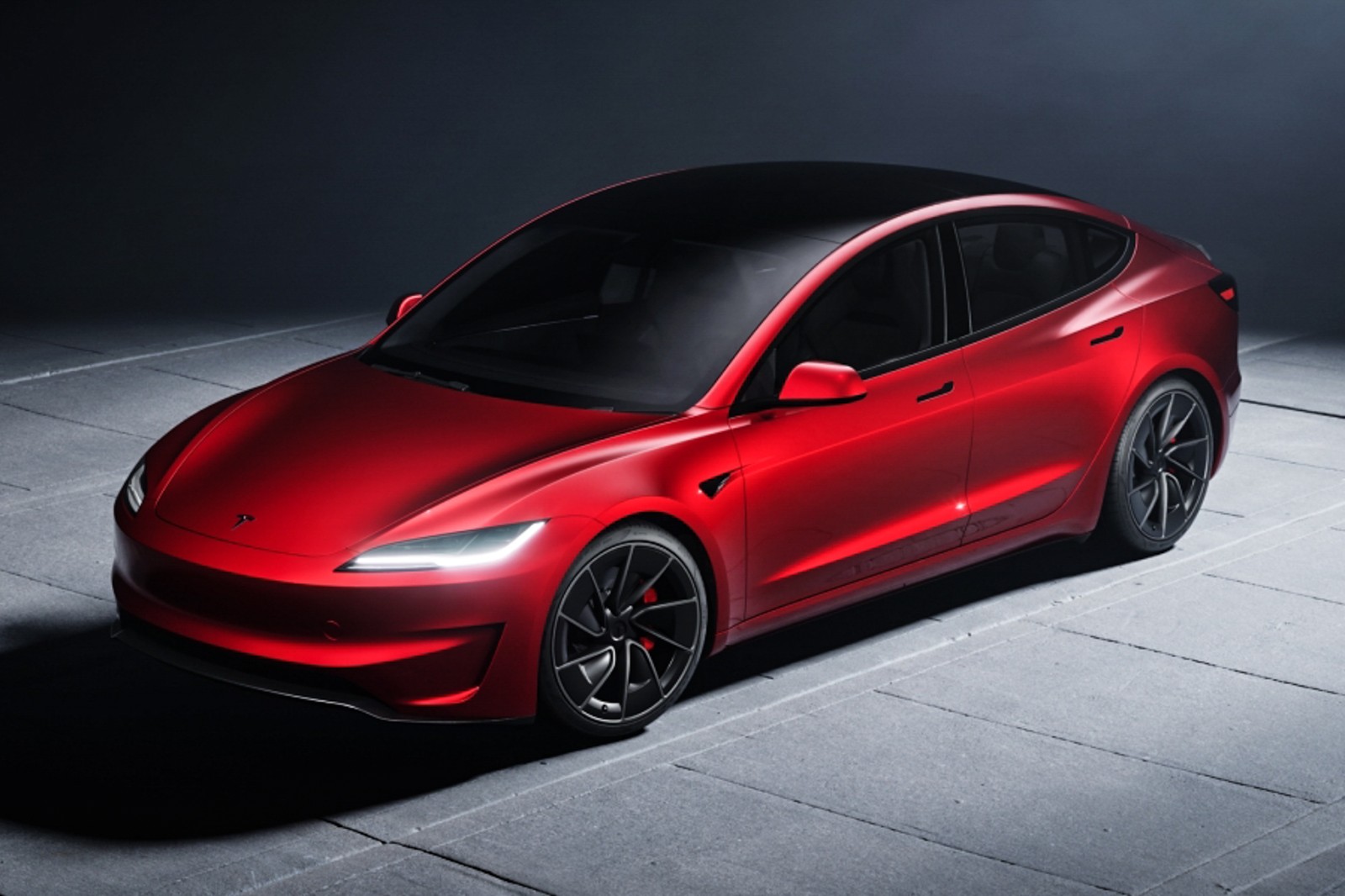
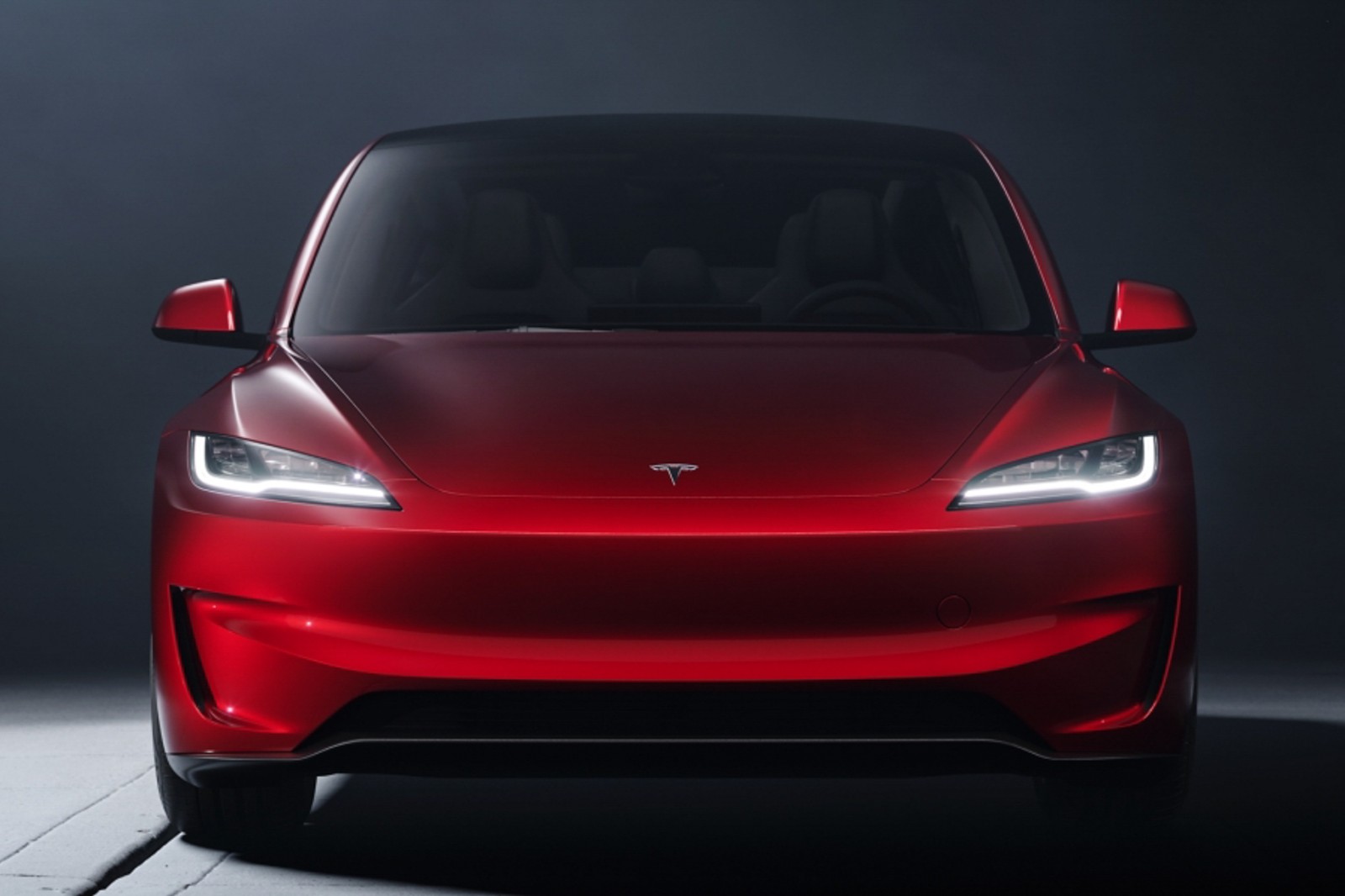
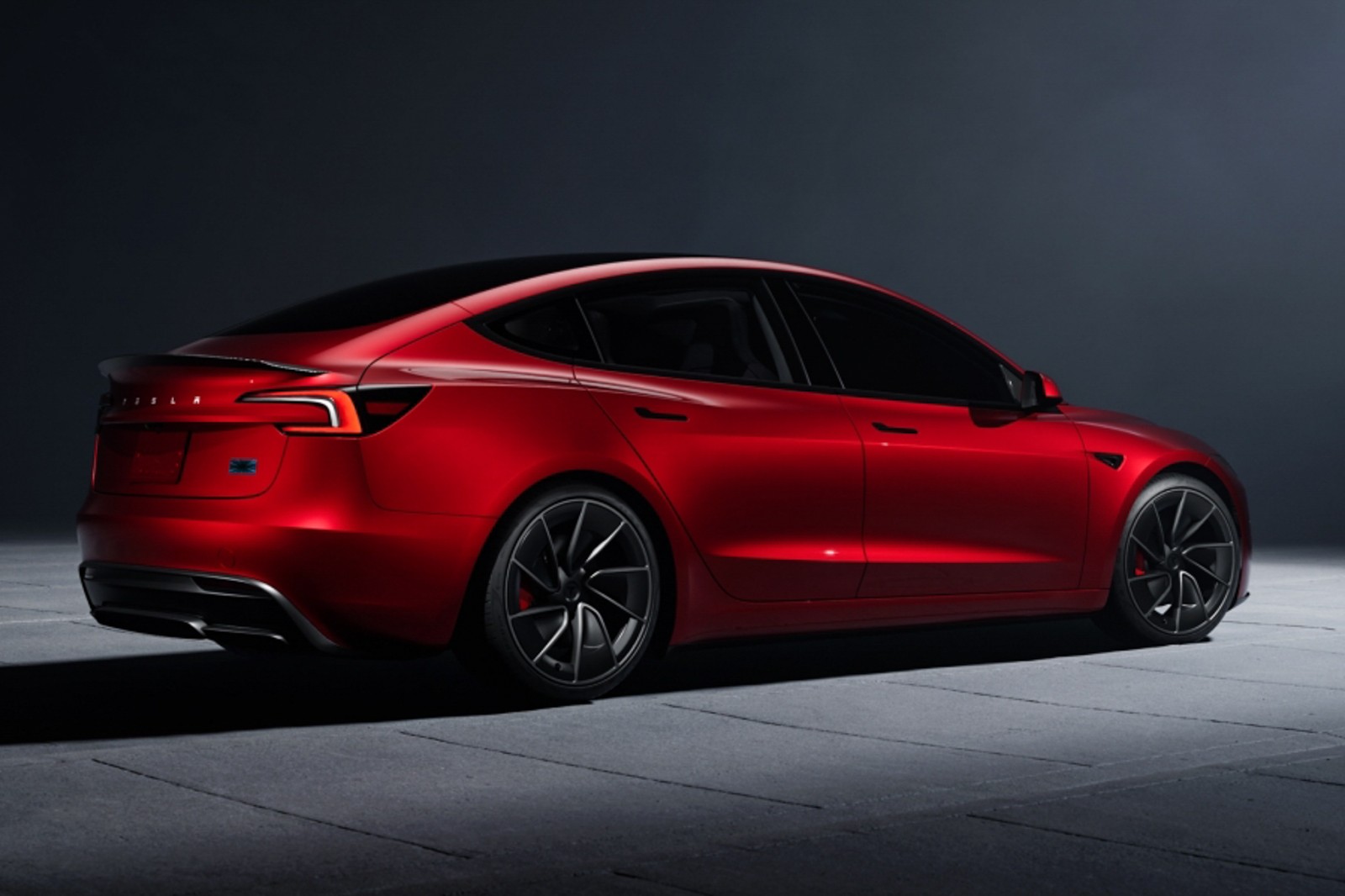
In terms of appearance, the new Model 3 Rear-Wheel Drive continues the brand's simple design language but appears more refined in the details. The front has removed the traditional air intake grille, with a streamlined front bumper paired with slender LED daytime running lights, offering high recognition. The side profile retains the fastback design, with the waistline extending from the front to the rear of the car, paired with 18-inch five-spoke wheels, resulting in a well-balanced overall proportion. The changes at the rear are more noticeable. The taillights adopt a through-type design, providing a simple and stylish visual effect when lit, and the diffuser-style design below the rear bumper enhances the sporty feel. The lighting system comes standard with LEDs across all trims, and the inclusion of automatic headlights and rear fog lights improves everyday convenience.
Sitting inside, the minimalist interior style remains a signature design of the Model 3. The center console has almost no physical buttons, with all functions integrated into the 15.4-inch touch screen, which has a clear operational logic and a relatively fast response. Interior materials primarily consist of soft-touch plastics and fabrics, complemented by some metallic trim, which overall delivers a texture that matches the price range. The front seats support electric adjustment and are equipped with heating and ventilation functions, which are particularly practical in Malaysia's climate. There’s a hidden storage compartment below the central screen that supports wireless charging. The front row also features two USB-C ports, offering convenience. The instrument cluster is fully digital, showing information clearly, while the steering wheel supports manual adjustment. Multi-function buttons can control media, phone, and driving assistance systems.
In terms of space performance, the Model 3 Rear-Wheel Drive has a wheelbase of 2875mm, providing ample rear-seat space. A 175cm tall passenger sitting in the rear has about two fist-lengths of legroom and about one fist length of headroom, ensuring no feeling of claustrophobic discomfort. The rear seats support a 40:20:40 split-folding configuration, and when folded down, the trunk volume can be expanded to 682L, showcasing impressive cargo capacity. The rear row is equipped with air conditioning vents and two USB-C ports, and the middle armrest's cup holder meets daily needs. However, the rear floor's slight protrusion in the middle may cause some discomfort for passengers sitting in the middle for extended periods.
In terms of power, the Model 3 Rear-Wheel Drive is equipped with a permanent magnet synchronous motor, delivering a maximum power of 195kW (265PS) and a maximum torque of 340N·m. The official 0-100km/h acceleration time is 6.1 seconds. During actual driving, the power response is very direct at the start, with noticeable thrust felt with a light press on the accelerator. Mid-to-high-range acceleration is also strong, providing confidence when overtaking. There are two driving modes to choose from: Standard and Sport. In Sport mode, the power output is more aggressive, which suits users who enjoy driving. The regenerative braking system has three levels: low, standard, and high. In the high setting, releasing the accelerator pedal provides a more noticeable drag effect, effectively improving the range. The low setting, on the other hand, feels closer to the driving experience of a fuel-powered car.
In terms of handling, the Model 3's steering wheel is precise, with minimal play and clear directional control. The chassis adopts a front double-wishbone and rear multi-link independent suspension, tuned for sporty performance. The body roll is well controlled during cornering, and the vehicle's stability is commendable. On bumpy roads, the suspension filters out most small vibrations, but rear passengers might experience some bouncing on larger potholes. The braking system performs exceptionally well, with a linear pedal feel and stable braking force delivery, inspiring confidence in daily driving.
Range and energy consumption are the aspects electric vehicle users care about most. The official pure electric range for the rear-wheel-drive Model 3 is 513 km. During our test drive, with equal time spent on city roads and highways, and with the air conditioning and audio system on throughout, the actual range came to about 450 km, achieving nearly 88% of the official figure, which is impressive. As for energy consumption, it was approximately 13 kWh/100 km in city traffic and rose to 16 kWh/100 km on highways. Overall, its energy efficiency is excellent within its class. Regarding charging, using Tesla's Supercharger, it takes about 30 minutes to charge from 10% to 80%. A home charging station requires 6-8 hours for a full charge.
In terms of ride comfort, the Model 3 has commendable soundproofing, keeping wind noise and tire noise at acceptable levels during high-speed driving. The seats provide excellent wrapping and support, ensuring comfort during long drives. The rear seats are equipped with a heating function, which enhances comfort during nighttime or rainy rides. However, as there is no spare tire, it is essential to monitor tire conditions regularly to avoid issues like blowouts during everyday use.
In conclusion, the core strengths of the 2024 Model 3 Rear-Wheel Drive lie in its outstanding performance, relatively long practical range, and rich intelligent features. Compared to competitors like the BYD Han EV and XPeng P7 in the same class, the Model 3 boasts greater brand influence and a sportier driving experience, though it slightly lags behind the Han EV in terms of interior luxury and rear cabin space. This car is ideal for young users who value driving experience, require ample range, and prefer minimalist design, as well as for consumers looking for a vehicle that balances daily commuting with family use.
Overall, the 2024 Tesla Model 3 Rear-Wheel Drive remains a strong competitor in the B-segment electric vehicle market. It offers a well-rounded package of performance, range, and intelligent features. Although its interior and space are not its strongest suits, the overall product performance is still outstanding. If you are looking for an electric vehicle with excellent driving dynamics and reliable range, the Model 3 Rear-Wheel Drive is worth considering.
Tesla Model 3 Loan Calculator
More Tesla Reviews
Cars With Similar Price And Features

8
Rank in Sedan
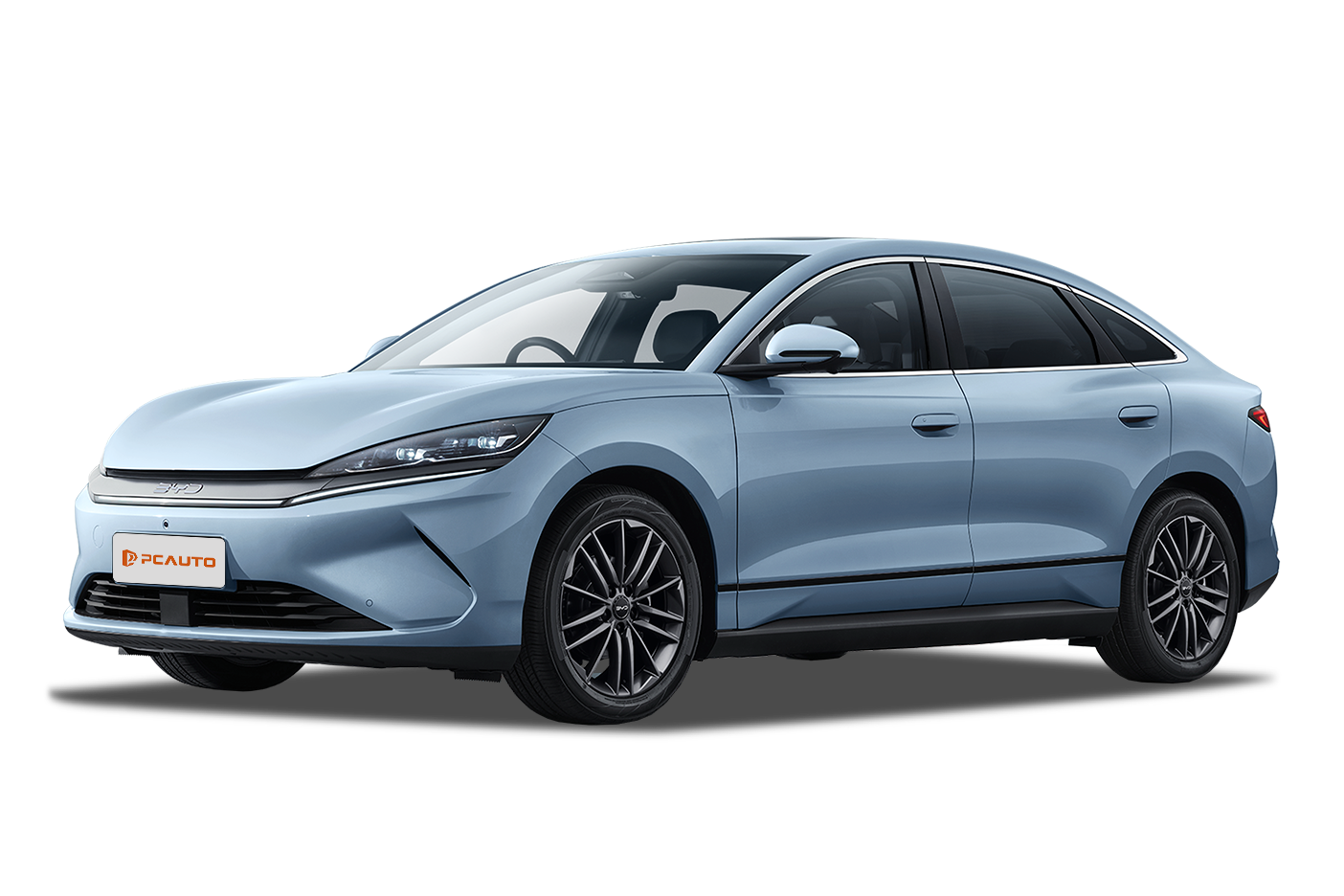
2025 BYD Seal 6 Dynamic, as the entry-level model for a C-class pure electric sedan, offers a long wheelbase with spacious interior, a signature rotating central control screen, and balanced configurations, combining practicality and cost-effectiveness.