

2025 BYD Seal 6 Dynamic Review

 Share
Share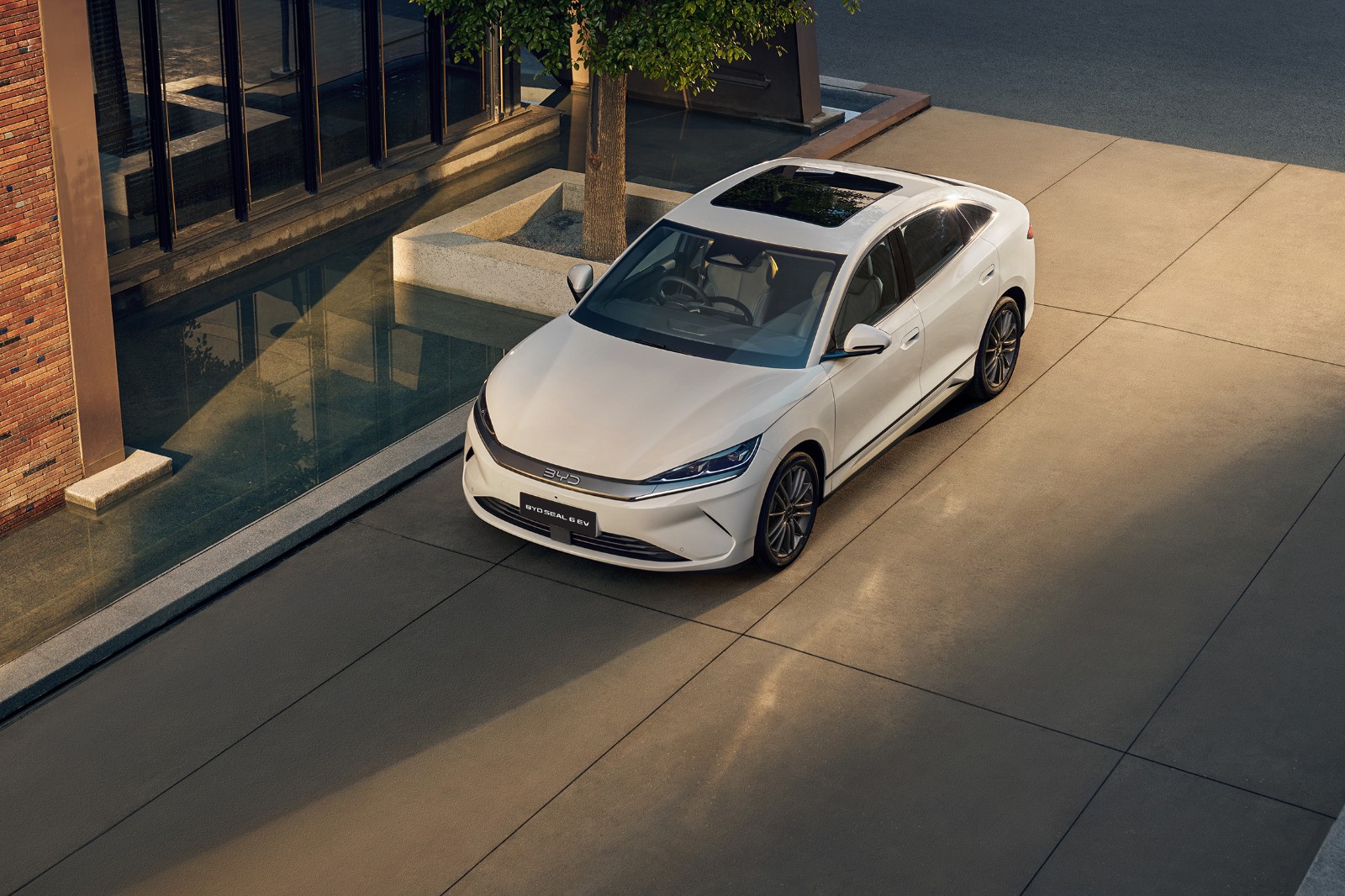
 Segment
 Body Type
 Motor Output(kW)
 Motor Torque(Nm)
 EV Range(km)
 Battery Capacity(kWh)
In the Malaysian C-segment pure electric sedan market, the price range of around MYR 100,000 has always been the core choice for family users and young office workers. It needs to meet daily commuting range requirements while also balancing spatial practicality and smart configurations. The arrival of the 2025 BYD Seal 6 Dynamic happens to cater to these needs: 485 kilometers of official range, standard L2-level assisted driving across all models, and a rotatable 12.8-inch central control screen—these selling points have garnered a lot of attention since its launch. We've got our hands on the actual car this time to see if it lives up to market expectations in terms of static experience, dynamic driving, and daily practicality.
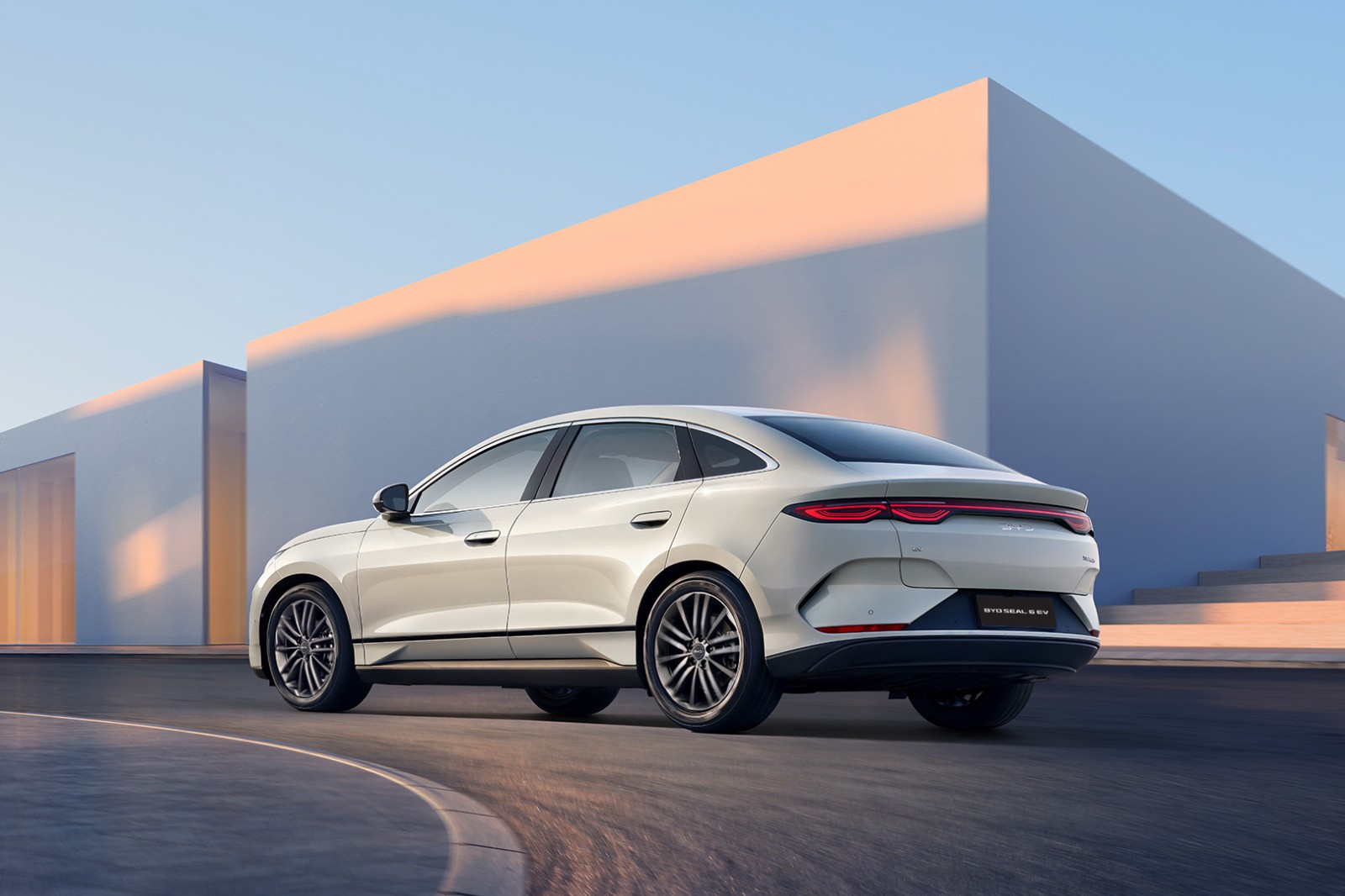
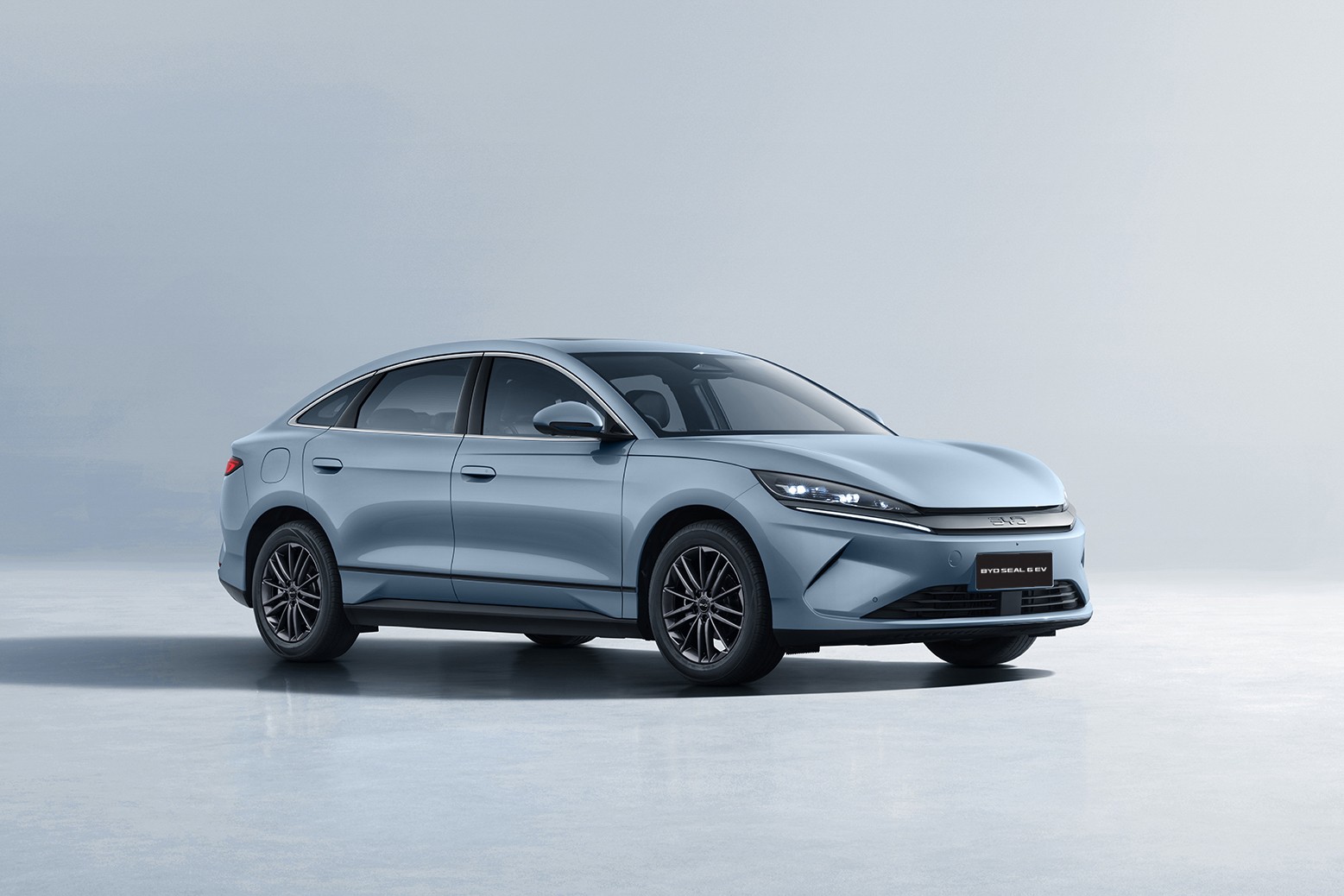
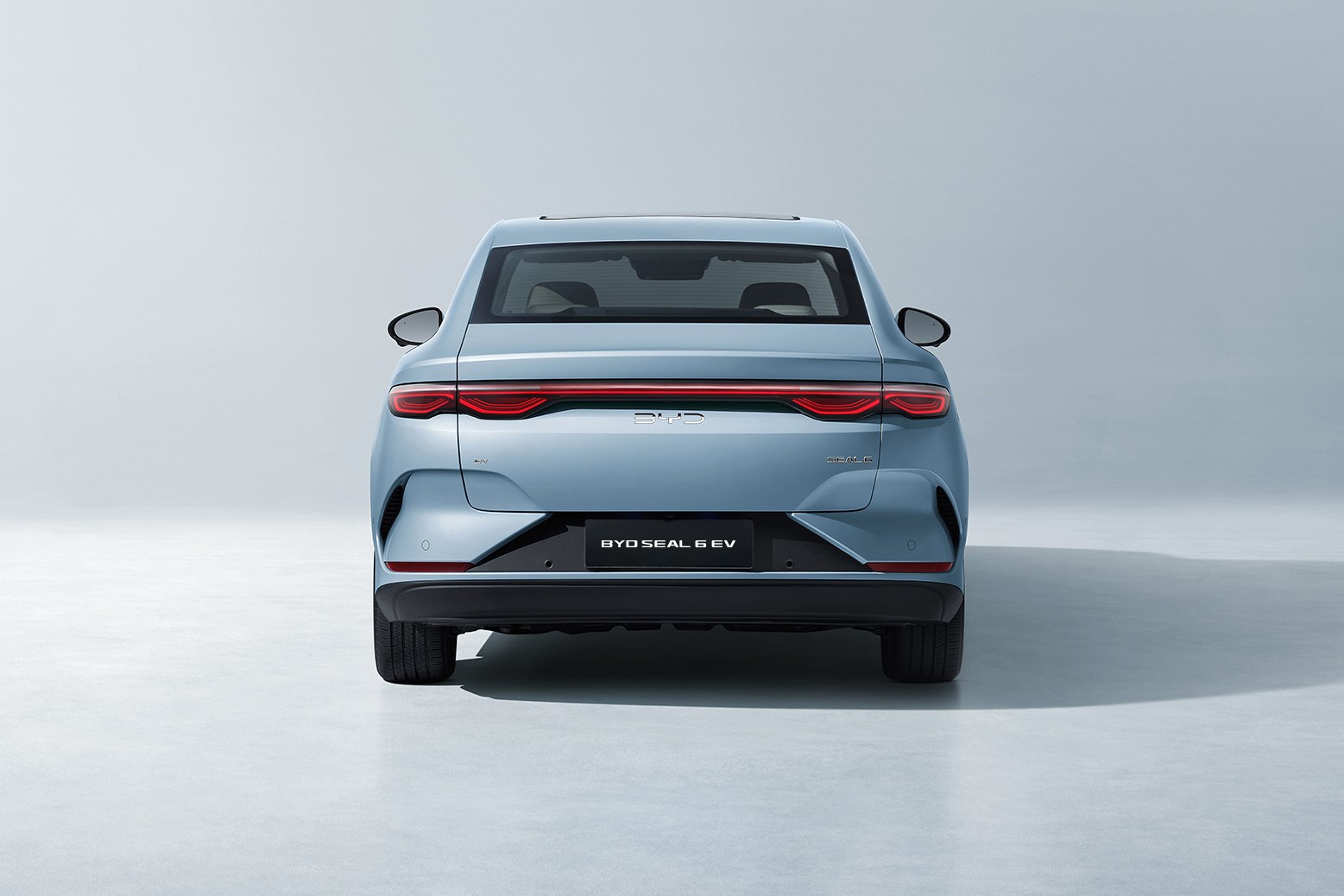
First, looking at its exterior, the Seal 6 Dynamic adopts a simple and sporty design overall. The front features a closed design paired with through-type LED daytime running lights, giving it high recognizability. The trapezoidal air intake grille below adds a bit of layering, preventing it from looking too monotonous. The side profile of the car is sleek, with a waistline extending from the front to the rear, making the car look longer. The 17-inch wheels have a standard design, but paired with 225/55 R17 tires, they ensure stability during everyday driving. The rear design is plump, with through-type LED taillights echoing the front, and lighting up clearly. The diffuser-shaped design below the rear bumper enhances the sporty feel, though it serves more as a decoration. The entire lighting system comes standard with LEDs, including automatic headlights and daytime running lights, which make daily use more convenient.
Sitting inside, the interior style leans towards simplicity and technology. The dashboard is wrapped in soft materials and decorated with silver trim strips, both tactilely and visually far from feeling cheap. The multi-functional steering wheel supports electric adjustment. The left buttons control the driving assistance systems, while the right ones handle multimedia and voice commands, with clear operational logic. The fully digital instrument panel is moderately sized and displays comprehensive information, including range, speed, and driving assistance status, all at a glance. The most noticeable feature is the 12.8-inch rotatable central control screen, which supports adaptive rotation—vertical for watching videos and horizontal for navigation—making it quite practical. The vehicle system's fluidity is acceptable, incorporating frequently used functions like navigation, Bluetooth, and music; however, the number of apps in the app store is relatively limited.
In terms of space, the car measures 4720mm×1860mm×1495mm, with a wheelbase of 2820mm, making it standard for its C-class segment. The front seats have average wrapping but sufficient support. The driver's seat offers six-way electric adjustment, making it easy to find a comfortable driving position. The passenger seat offers four-way manual adjustment, which is adequate for daily use. The rear seating space is a highlight. A passenger of 175cm sitting in the rear has about two fists of legroom remaining, while the headroom—thanks to the panoramic sunroof—also has about one fist of space, so it doesn't feel cramped. The rear is equipped with air conditioning vents and two USB ports, ensuring comfort for rear passengers on long rides. As for storage space, the front central armrest box and glove compartment offer ample volume, and the door panel storage slots can accommodate two bottles of water. The trunk's standard volume isn’t particularly large, but the rear seats support a 60/40 split fold-down, expanding the space for bigger items like a baby stroller or suitcases.
The powertrain of the Seal 6 Dynamic is equipped with a front-mounted permanent magnet synchronous motor, with a maximum power of 95kW (129PS) and a maximum torque of 220N·m. The official 0-100km/h acceleration time is 10.9 seconds. During actual driving, the initial response is very brisk, and the power output remains smooth at low speeds, making it suitable for urban commuting; however, when the speed exceeds 80km/h, the ability to accelerate further becomes somewhat weak, requiring deep throttle inputs for overtaking. There are three driving modes: Eco, Standard, and Sport. The power output in Eco mode is relatively gentle, making it suitable for long highway trips to save energy; in Sport mode, the throttle response is more sensitive, but the overall power improvement is not particularly significant. There are two adjustable levels of energy recovery. In the lower level, it feels similar to a fuel car’s coasting, while the higher level provides stronger drag, but it doesn't affect comfort.
The handling and chassis performance are average. The steering wheel is relatively light, making it easy for female drivers to maneuver, although it has some dead zone, and the directional stability at high speeds is not very precise. The chassis uses a front MacPherson+ rear multi-link independent suspension, tuned towards comfort—when passing speed bumps or uneven roads, the suspension effectively filters out most vibrations, so there is no significant bumpiness. However, during cornering, the body sway is quite pronounced, making it unsuitable for aggressive driving. The brake pedal feel is linear, not overly sensitive in the initial stage, with sufficient stopping power in the latter stage, easy to control for daily driving.
In terms of range and energy consumption, we conducted practical testing: in urban congested conditions, energy consumption was approximately 13kWh/100km; on highways (speed of 100-110km/h), it rose to around 16kWh/100km. The official range is 485km, and the actual comprehensive range is about 400km, achieving a rate of 82%. This is sufficient for daily family use, requiring charging roughly once a week. In fast-charging mode, it takes about 40 minutes to charge from 30% to 80%, while slow charging requires 6-7 hours, making it convenient for overnight home charging.
Regarding driving comfort, the noise control is quite good. During urban low-speed driving, tire noise and motor noise are not obvious; when the speed exceeds 100km/h, wind noise gradually increases, but it remains within an acceptable range. The seat comfort is decent, and long-duration seating does not feel overly fatiguing. Although the panoramic sunroof is fixed, it provides excellent lighting. Combined with the sunshade, it prevents excessive heat during summer. The dual-zone automatic air conditioning has good cooling performance, and the rear air vents provide sufficient airflow to quickly lower the cabin temperature.
To summarize, the 2025 BYD Seal 6 Dynamic offers clear advantages: firstly, it has high cost-performance value—with a price of 100,000 MYR, you get L2-level assisted driving, a rotatable central control screen, and a panoramic sunroof, which is more practical than competitors like the Toyota Corolla Cross EV or Honda e:NP1 at the same price point. Secondly, it has excellent space performance; the rear seat space and trunk expandability are suitable for family users. Thirdly, it has a good range achievement rate, requiring less frequent charging for daily use. However, it does have its drawbacks, such as weak highway acceleration, a limited number of car system apps, and moderate suspension support.
This car is more suitable for families who value practicality and cost-effectiveness, or young office workers who need a car for daily commuting and occasional short trips--it does not have particularly outstanding performance, but its overall performance is fairly balanced and can meet most daily usage scenarios. If you don't need aggressive driving and just want a worry-free and sufficient all-electric sedan, the Seal 6 Dynamic will be a good choice.
BYD Seal 6 Loan Calculator
More BYD Reviews
Cars With Similar Price And Features

14
Rank in Sedan
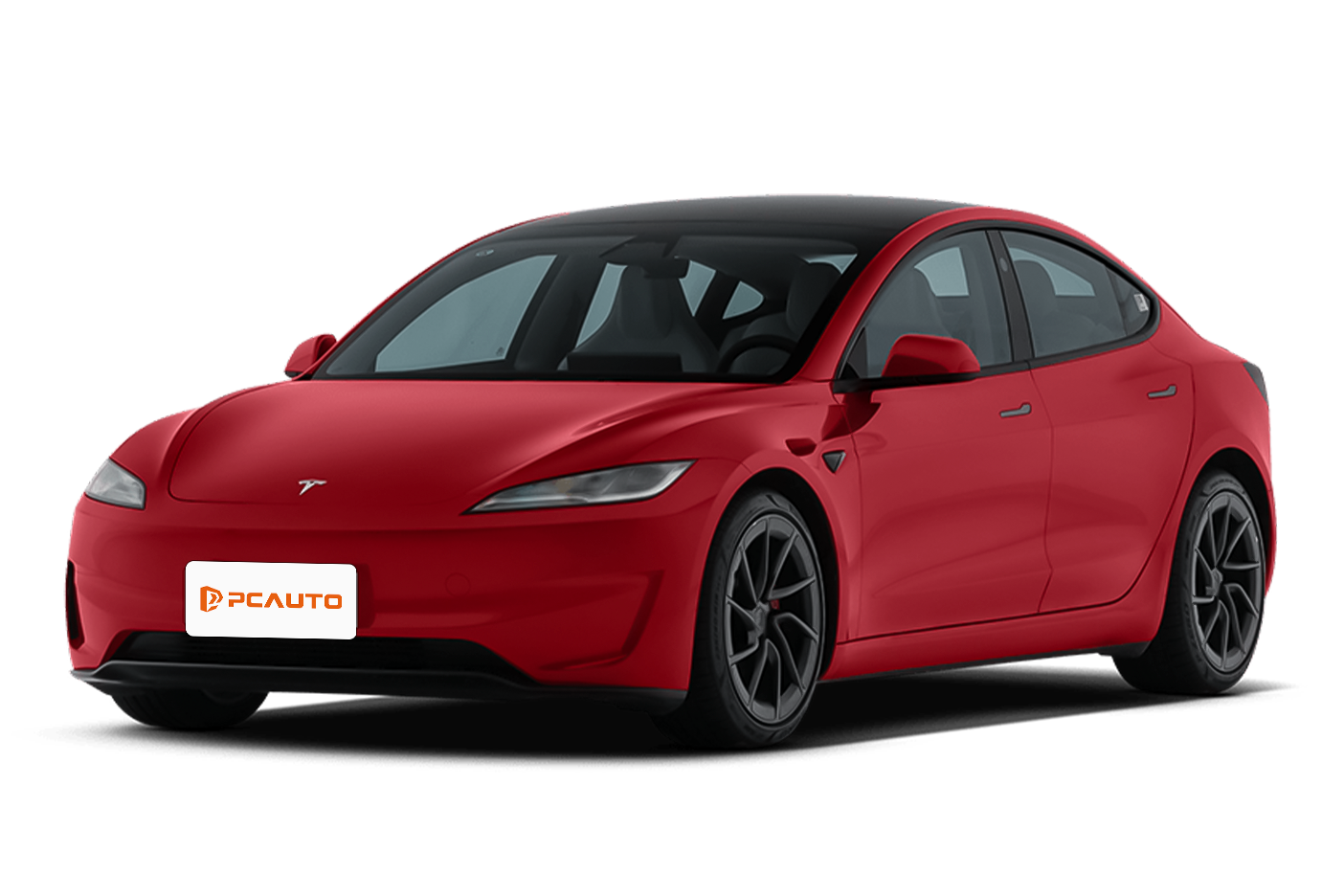
2024 Tesla Model 3 Rear-Wheel Drive price reduced and configurations enhanced, upgraded with ventilated and heated seats, 513km range, agile handling, making it a cost-effective B-segment electric family car.