

Tesla Model 3 Review

 Share
Share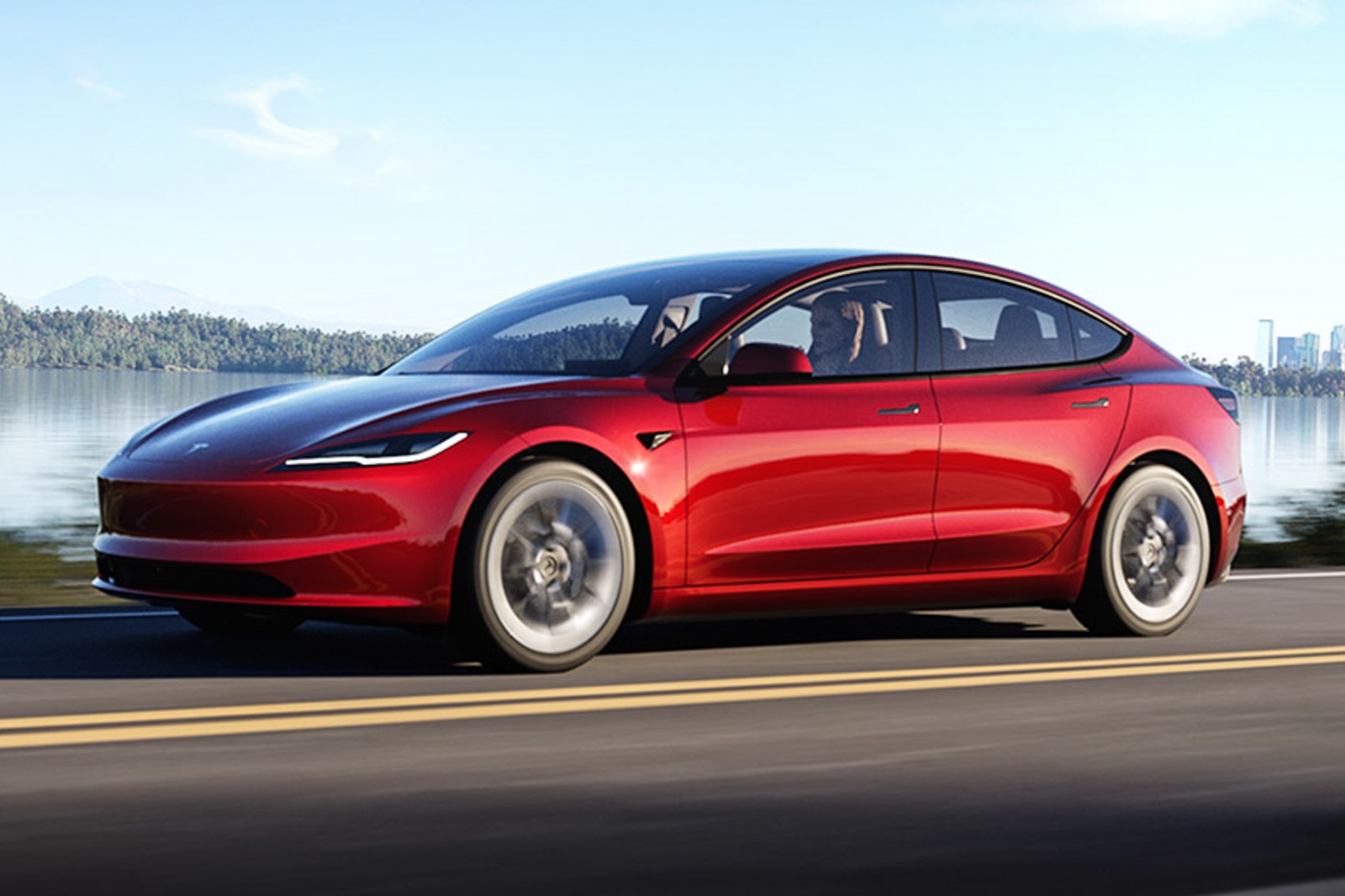
 Segment
 Body Type
 Motor Output(kW)
 Motor Torque(Nm)
 EV Range(km)
 Battery Capacity(kWh)
In recent years, the competition in Malaysia's B-segment electric vehicle market has become increasingly intense. Many brands are striving to strike a balance between cost-effectiveness and features. As a pioneer in the market, Tesla has introduced the 2024 Model 3 Rear-Wheel Drive (hereafter referred to as the 2024 Model 3 RWD) with a starting price of RM181,000, which is RM8,000 less than the similarly-equipped 2023 model. It retains core parameters such as 265 horsepower and an official range of 513 kilometers, while upgrading the seat features. The main focus of this test drive is to see if its product appeal remains intact after the price reduction and whether it can maintain a competitive edge in its class.
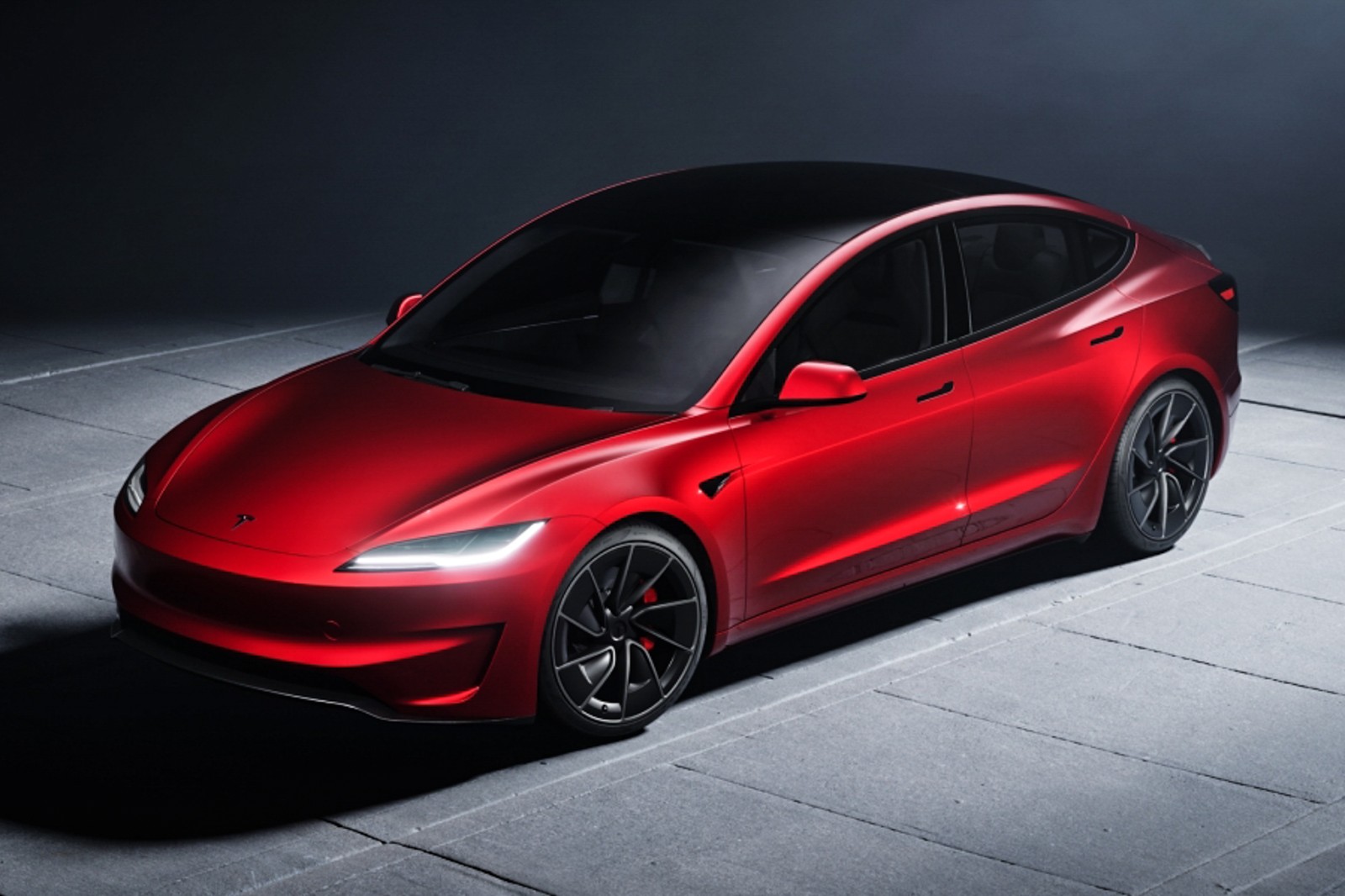
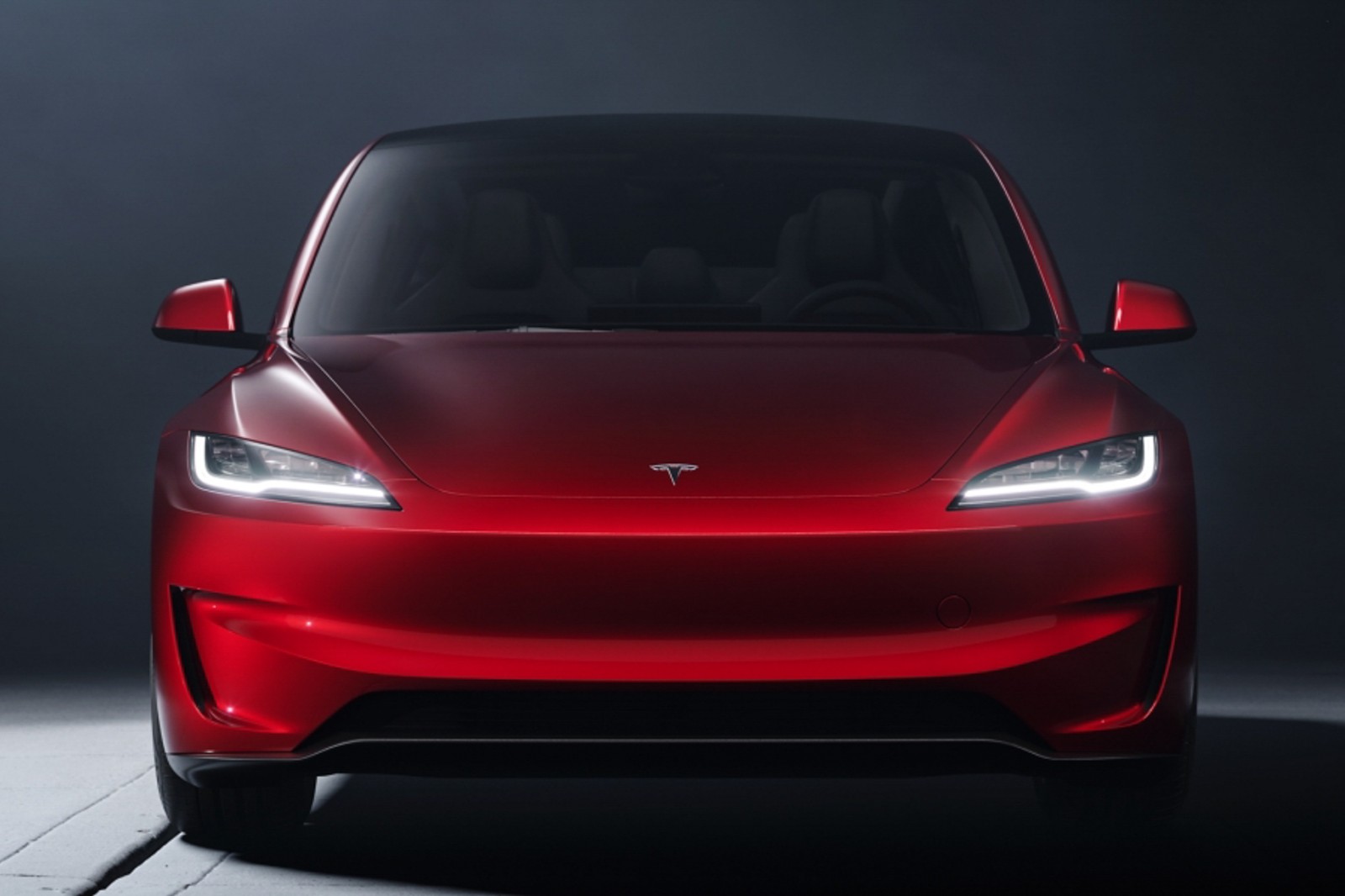
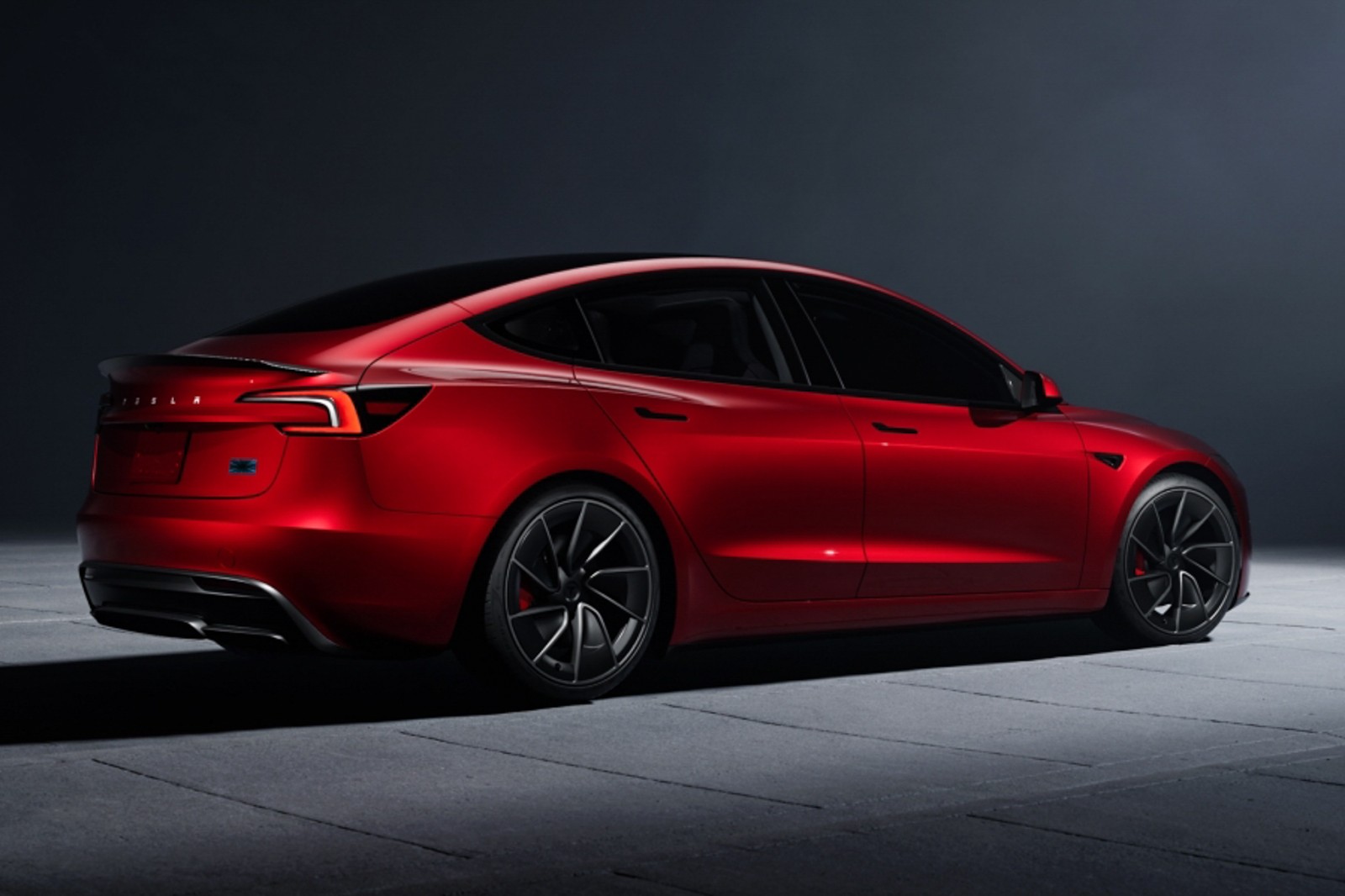
Approaching the 2024 Model 3 RWD, the most noticeable change is in the front design. The previously rounded headlights have been replaced by sharper, slimmer LED light clusters, complemented by a simplified front bumper design for a sleeker look. The side profile of the car remains smooth, with the fastback design maintaining aerodynamic advantages. The 18-inch wheels now come with 255/45R18 tires, wider than the 235-width tires on the 2023 model, which gives it a more stable visual appearance. At the rear, changes are concentrated on the taillights, with a smoked-through LED light bar featuring a Tesla logo in the center for higher recognition when lit. The lighting system comes standard with LEDs across the board. The automatic headlights and daytime running lights respond as expected, and practical features like the rear fog light are retained.
Opening the door, the keyless entry system responds quickly. The interior continues Tesla's signature minimalist design, with the center console having almost no physical buttons – all functions are controlled via a 15.4-inch touchscreen. The screen offers good resolution and smooth operation, with clear access to commonly used functions like air conditioning and navigation. In terms of materials, the center console and the inner side of the door panels are wrapped in soft-touch plastic, paired with a few fabric trims. This offers a slightly improved feel over the older model but still does not qualify as luxurious. The seats are a major area of improvement – both the driver and front passenger seats come with electric adjustment, heating, and ventilation features. Compared to the 2023 model, which only supported heating, the ventilation function is a significant upgrade, especially practical for Malaysia's climate. The rear seats now support a 40:20:40 split-fold design and are also equipped with heating functions, which is an improvement over the previous 60:40 split without heating. In terms of space, the vehicle measures 4,720mm in length, 1,848mm in width, and 1,442mm in height, with a wheelbase of 2,875mm. For a front-row passenger with a height of 175cm, there is a headroom of one fist and two fingers after adjusting the seating posture. Similarly, for a rear-row passenger of the same height, legroom measures two fists, and headroom is one fist, which is adequate for daily family use. In terms of storage capacity, the trunk volume is 682 liters, which can be further expanded by folding down the rear seats. The central armrest box in the front and the door panel storage compartments offer enough space for personal belongings, and the rear also comes with air conditioning vents and power outlets.
Once the vehicle is started, there is no engine noise. Shifting into D gear and lightly pressing the accelerator, the permanent magnet synchronous motor outputs its 265 horsepower and 340Nm torque immediately, making the start very brisk. The official 0-100km/h acceleration time of 6.1 seconds ensures smooth overtaking in the city or merging onto highways. The driving modes include standard and sport options; the sport mode offers a more aggressive power response, while the standard mode leans towards smoothness. The steering wheel has moderate resistance with minimal free play, and it shows precise handling during cornering. The suspension system features a front double-wishbone and rear multi-link independent suspension, which is tuned slightly stiffer than the previous model. It effectively absorbs bumps on city roads, though passengers can feel slight vibrations when crossing speed bumps. On high-speed corners, body roll is well controlled, and the stability is commendable.
Range and power consumption are the points that electric vehicle users care about the most. We tested the car under mixed road conditions: 60% city roads, 40% highways, air conditioning set at 24°C in automatic mode, and regenerative braking set to standard. The official range is 513 km, but in reality, it achieved 428 km, which is about 83% of the claimed range, a fairly average performance. As for power consumption, it was about 13.5 kWh/100 km in urban road conditions and about 16.2 kWh/100 km on highways, overall meeting expectations. Regarding noise control, there was almost no external noise under 60 km/h, but above 80 km/h, tire noise gradually became noticeable. However, this is considered normal among vehicles of the same class. The drag feeling of the regenerative braking can be adjusted through the settings. In the standard mode, releasing the pedal leads to significant deceleration, suitable for drivers accustomed to one-pedal driving, while the light mode offers deceleration more akin to the coasting feel of a fuel-powered car.
To summarize, the core advantages of the 2024 Model 3 RWD are clear: after an 8,000 RM price reduction, its cost-performance ratio is more attractive; the addition of ventilated/heated seats and rear seat heating enhances comfort; and its 513 km range is sufficient to meet the daily needs of most users. Tesla's intelligent driving assistance system (standard features include lane-changing assistance, lane departure warning, automatic emergency braking, etc.) is also more comprehensive than many competing models in the same class. Compared with the BMW i3 eDrive35L (starting price about RM 210,000) or Mercedes EQA 250 (about RM 200,000), it has advantages in price and configuration, but is slightly inferior when it comes to the luxurious feel of the interior.
It is very clear who this car is suitable for: cost-conscious family users with a daily commute of 50-100 km and occasional short trips on weekends, who value intelligent configuration and the smooth driving experience of electric vehicles; it is also suitable for young people pursuing a sense of technology, who appreciate minimalist interiors and Tesla's brand appeal. If you don’t mind the less luxurious interior and need a balanced, practical pure electric car, the 2024 Model 3 RWD is a good choice.
Tesla Model 3 Loan Calculator
More Tesla Reviews
Cars With Similar Price And Features

8
Rank in Sedan
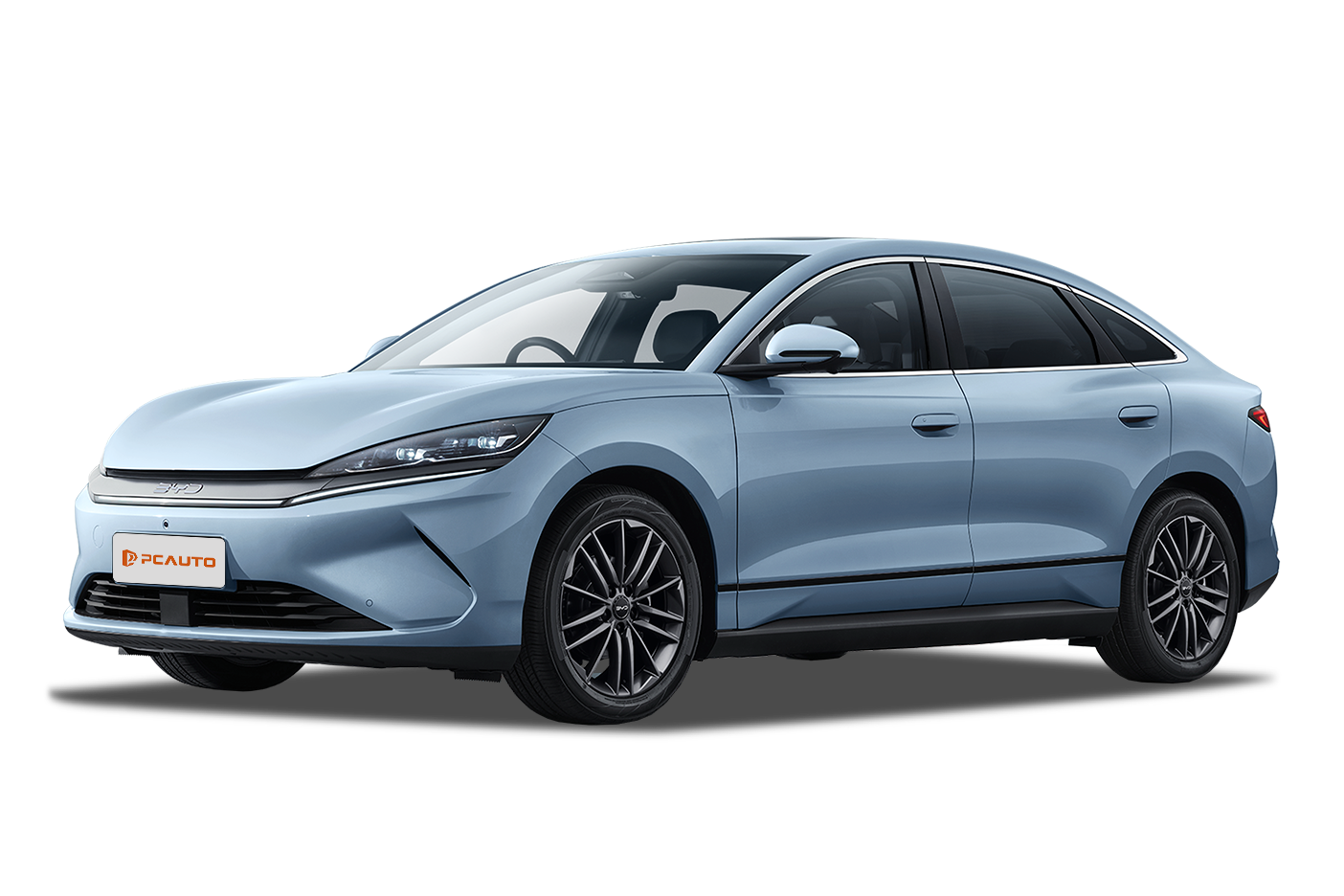
2025 BYD Seal 6 Dynamic, as the entry-level model for a C-class pure electric sedan, offers a long wheelbase with spacious interior, a signature rotating central control screen, and balanced configurations, combining practicality and cost-effectiveness.