

2025 Honda HR-V 1.5L Turbo V Review

 Share
Share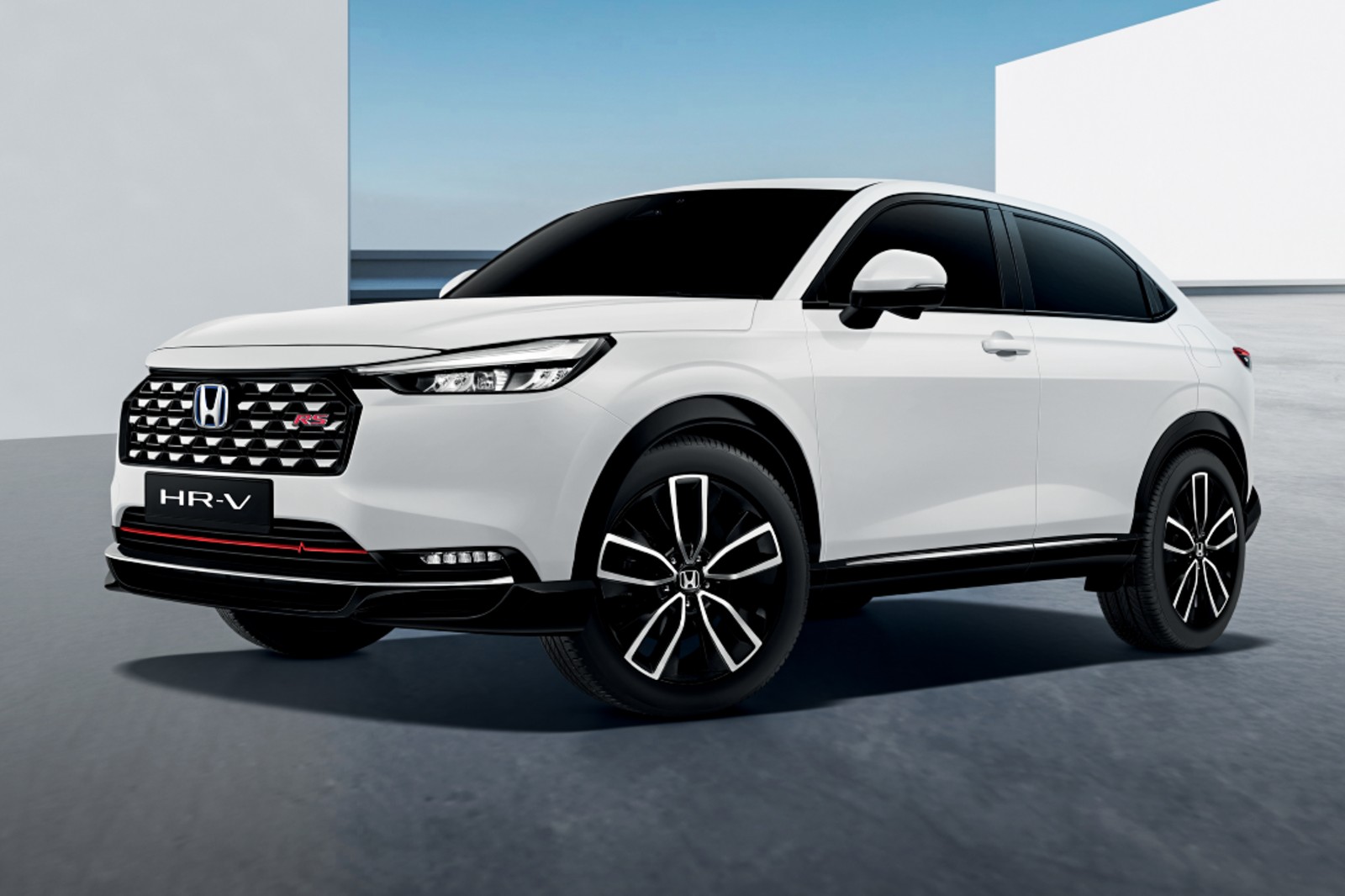
 Segment
 Body Type
 Capacity(L)
 Engine Power(PS)
 Engine Torque(Nm)
 Transmission
In today's highly competitive B-Segment SUV market, consumers want the reliability of joint-venture brands while also expecting uncompromised configurations and sufficiently powerful engines for daily commuting or occasional highway overtaking. As the top-spec variant of the series, the 2025 Honda HR-V 1.5L Turbo V, equipped with a 181PS turbocharged engine, Honda Sensing safety package, and the flexible ULTRA Seat configuration, has attracted significant attention since its launch. In this test drive, we focus on evaluating whether its dynamic performance lives up to its "Turbo" label and examine the practicality of the top-trim features in everyday use.
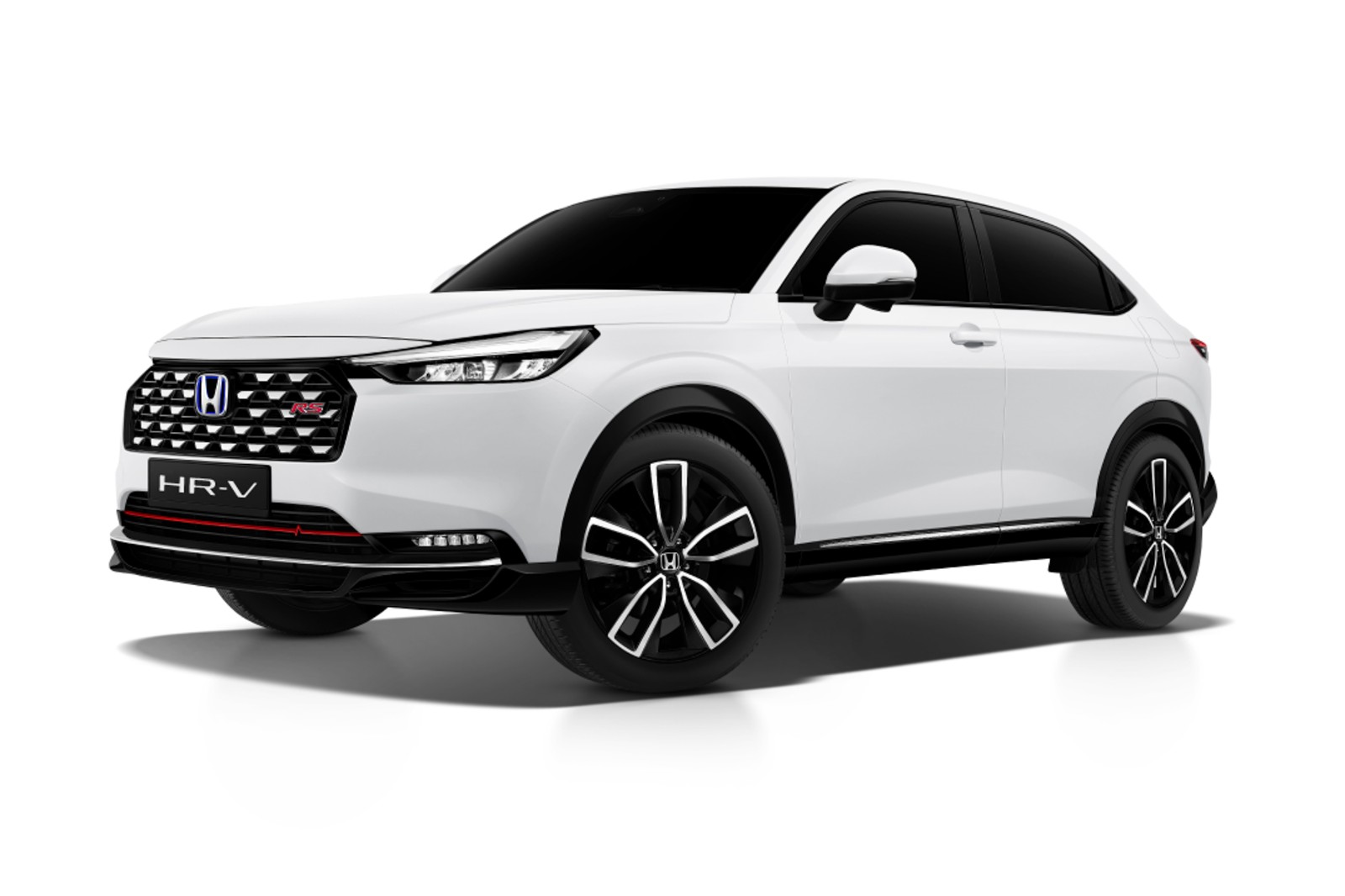
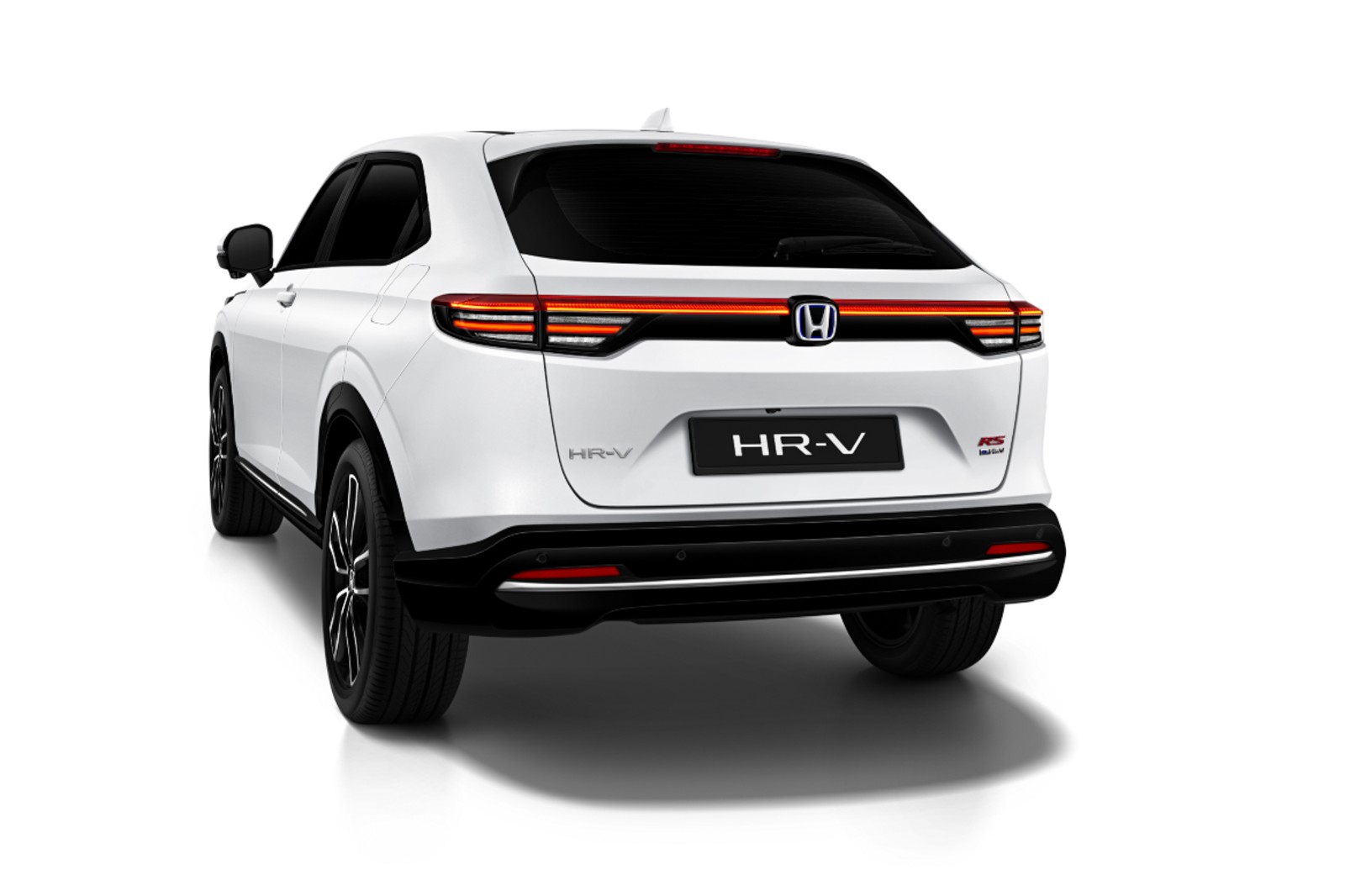
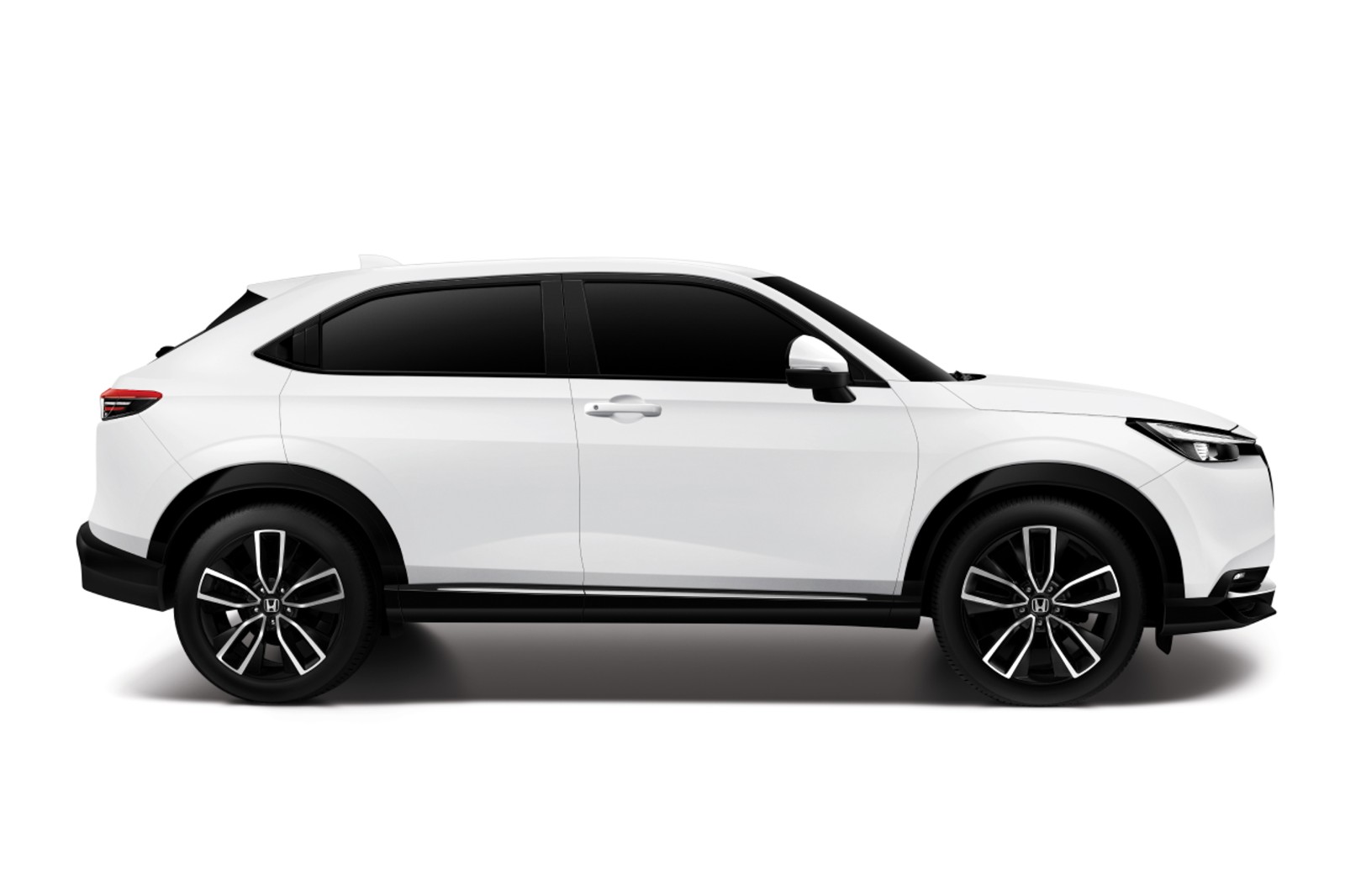
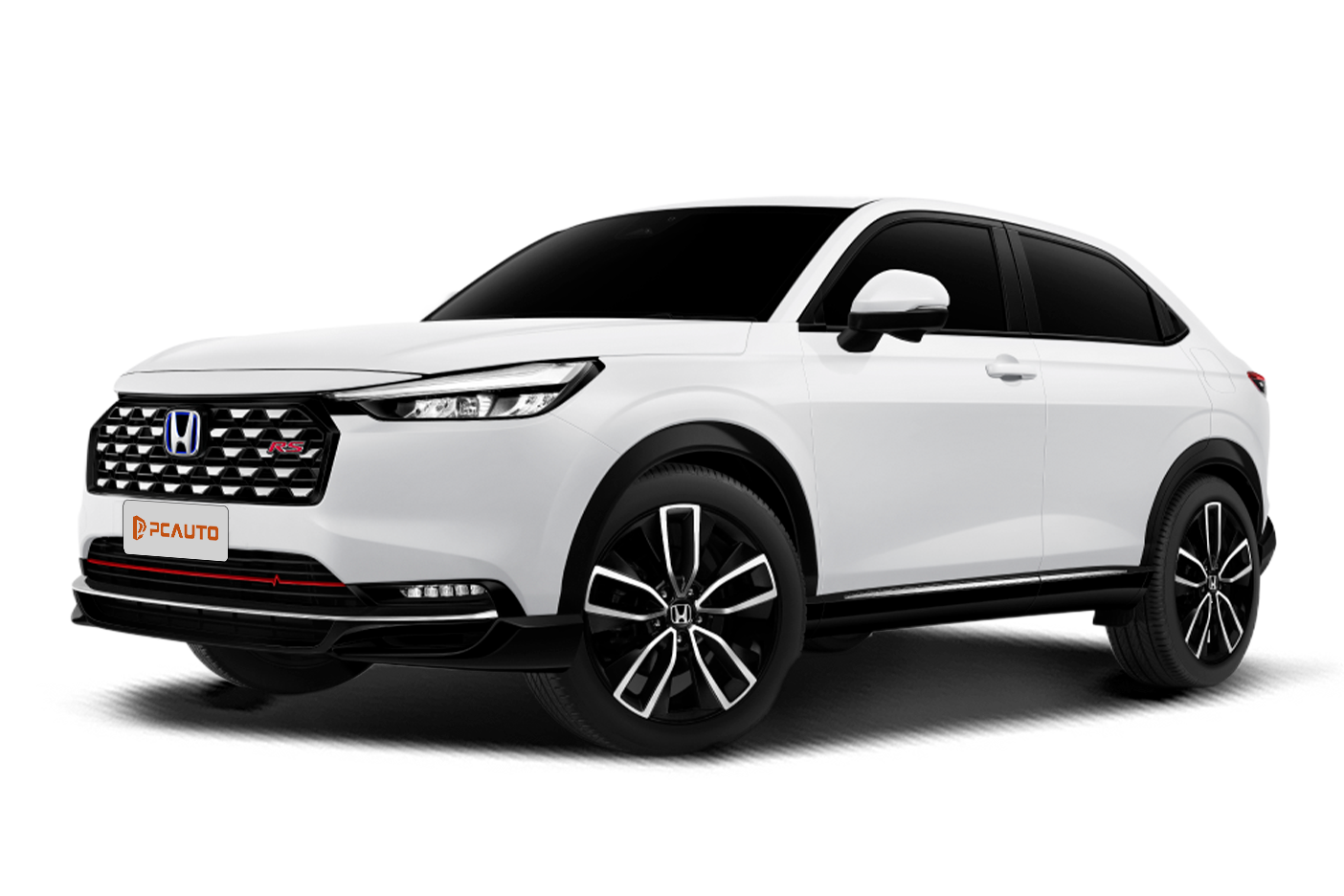
From the exterior, the new HR-V continues Honda's family-oriented robust design style. A large chrome strip connects the LED headlights at the front, enhancing visual width and improving recognition. The side profile has a character line that runs from the fender to the rear, combined with 18-inch multi-spoke wheels, giving it a dynamic appearance. The LED taillights at the rear adopt a cross-sectional design, though the middle section is decorative, with only the two side modules illuminating. The lighting effect at night is quite refined. Front fog lights and daytime running lights are standard, while the addition of auto headlamps and rain-sensing wipers improves everyday convenience.
Stepping inside, the interior design leans toward simplicity and practicality. The dashboard is wrapped in soft-touch materials, accented with silver trim. The overall tactile quality ranks above average in its class. The 7.2-inch TFT instrument panel is clear and provides real-time feedback on fuel consumption, speed, and driving assistance system status. The 8-inch infotainment screen supports Bluetooth connectivity and has a fairly intuitive operating logic, though the lack of support for CarPlay and Android Auto is slightly regrettable. In terms of features, the front seats come with 8-way power adjustments, while the passenger seat is adjusted manually. The rear seats support manual reclining and 60:40 split-fold configurations. The highlight here is Honda's signature ULTRA Seat, which offers various "Magic Seat" configurations. For instance, the rear seats can be flipped upwards to accommodate tall items or folded down to expand trunk space, making it especially family-friendly. Automatic climate control and rear air-conditioning vents are standard, ensuring comfort for both front and rear passengers.
In terms of space, the HR-V has a wheelbase of 2610mm. Front-row seating is quite spacious; a 175cm tall passenger can adjust the seat and still have a fist's worth of headroom remaining. The rear row offers about two fists of legroom and one fist of headroom, providing adequate comfort for three adults without feeling overly cramped. The trunk has a default capacity of 393L, which can be expanded to 1237L by folding down the rear seats, making it no problem to accommodate strollers or suitcases for daily needs. The interior also boasts plenty of storage spaces, with a generously-sized front center console and door pockets. A smartphone can be placed in the wireless charging area under the center console (although the model we tested lacked wireless charging, which is a slight drawback).
In terms of performance, the 1.5L turbocharged engine delivers a maximum power of 133kW (181PS) and a peak torque of 240N·m, paired with a CVT transmission. During actual driving, the car accelerates briskly, and the throttle responds promptly. In normal mode, the engine maintains a speed of around 2000 RPM and provides sufficient power to handle urban roads effortlessly. Switching to sport mode holds the RPM above 3000, providing a more pronounced sense of acceleration. When overtaking, pressing the accelerator deeply prompts the transmission to simulate gear shifts, resulting in smoother power delivery with no noticeable jerkiness. The official 0-100km/h acceleration time is 8.8 seconds, placing it above average among turbocharged vehicles in its class.
In terms of handling and chassis performance, the HR-V uses a front MacPherson independent suspension and a rear torsion beam non-independent suspension, with an overall tuning leaning towards comfort. When driving on urban roads, the suspension can filter out most small bumps, and while the rear suspension may bounce slightly when going over speed bumps or uneven roads, it does not transmit too much vibration into the cabin. The steering feel is relatively light, directional accuracy is good, making it suitable for female drivers or daily commuting; at high speeds, the steering wheel becomes more stable with good stability. However, when cornering quickly, the body leans significantly, as this is an SUV model with a relatively high center of gravity, making it unsuitable for aggressive driving.
On fuel consumption, we drove around 100km in urban road conditions, and the average fuel consumption was 7.2L/100km. On highways, the fuel consumption was about 5.8L/100km. The overall performance meets expectations as it is powered by a turbocharged engine, and the fuel consumption is well-controlled. In terms of driver assistance systems, the Honda Sensing safety suite includes features such as ACC adaptive cruise control, lane departure warning, and forward collision warning. ACC is very convenient on highways, allowing the vehicle to follow traffic automatically, reducing driver fatigue. The lane departure warning system alerts the driver when the vehicle deviates from the lane and slightly corrects the direction, enhancing driving safety.
In terms of ride comfort, the HR-V's seats offer good support with relatively soft padding, making long rides less tiring. For noise control, when driving on urban roads, tire noise and wind noise are relatively low. At high speeds, wind noise increases slightly, but it does not affect communication within the cabin. The energy regeneration system creates a slight drag when releasing the accelerator, but it is not obvious and does not affect the driving experience.
Overall, the core strengths of the 2025 Honda HR-V 1.5L Turbo V lie in its performance, flexible space, and safety features. Compared with competitors in the same class, such as the Toyota Corolla Cross 1.8G and Mazda CX-30 2.0G, the HR-V's turbocharged engine is more powerful, the ULTRA Seat design is more practical, and the Honda Sensing safety suite is more comprehensive. In terms of price, although the RM 137,900 price is slightly higher than the Corolla Cross, it offers more advantages in configuration.
This car is suitable for families who prioritize power, space, and safety features, especially consumers who frequently need to transport family members or carry goods. If you want a B-Segment SUV from a joint venture brand that offers good performance, alongside practicality and safety, then the HR-V 1.5L Turbo V is a great choice.
In summary, the 2025 Honda HR-V 1.5L Turbo V is a well-rounded model with balanced performance in terms of power, space, features, and safety, meeting the needs of family users. Although its interior tech appeal is slightly lacking, the overall practicality and reliability are still commendable.
Honda HR-V Car Compare
Honda HR-V Loan Calculator
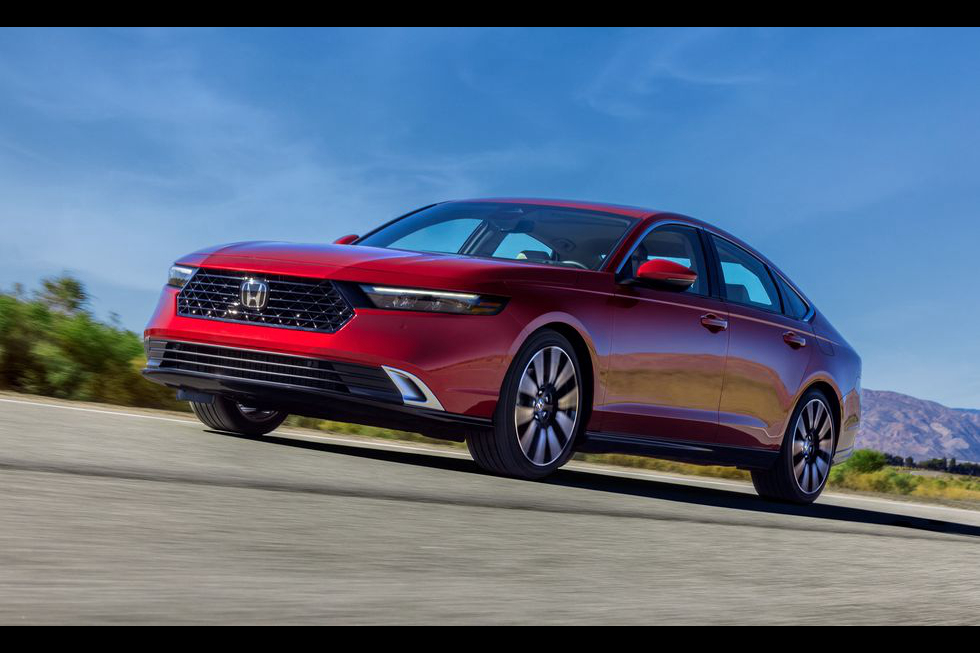
Cars With Similar Price And Features
15
Rank in SUV
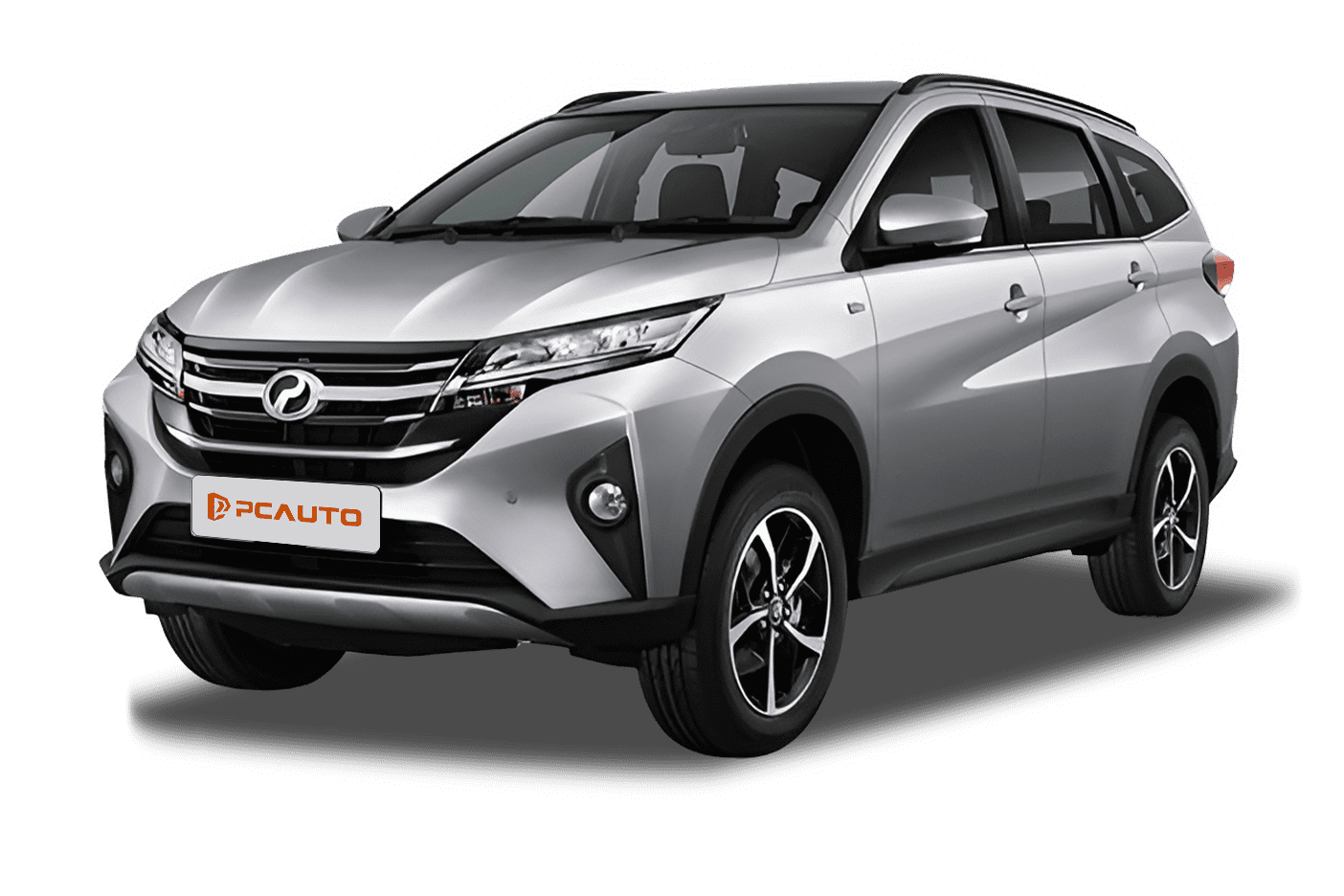
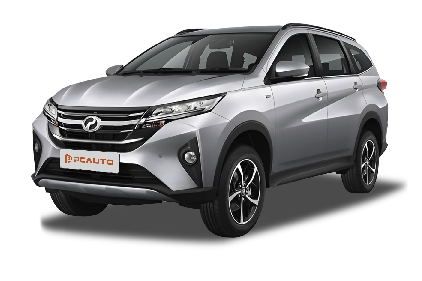
The 2023 Perodua Aruz 1.5L X is a high-value-for-money B-segment 7-seater SUV, offering 6 airbags and active safety systems as standard equipment for under RM63k. It balances practical space and daily commuting needs, making it a pragmatic choice for budget-conscious families.
4
Rank in SUV
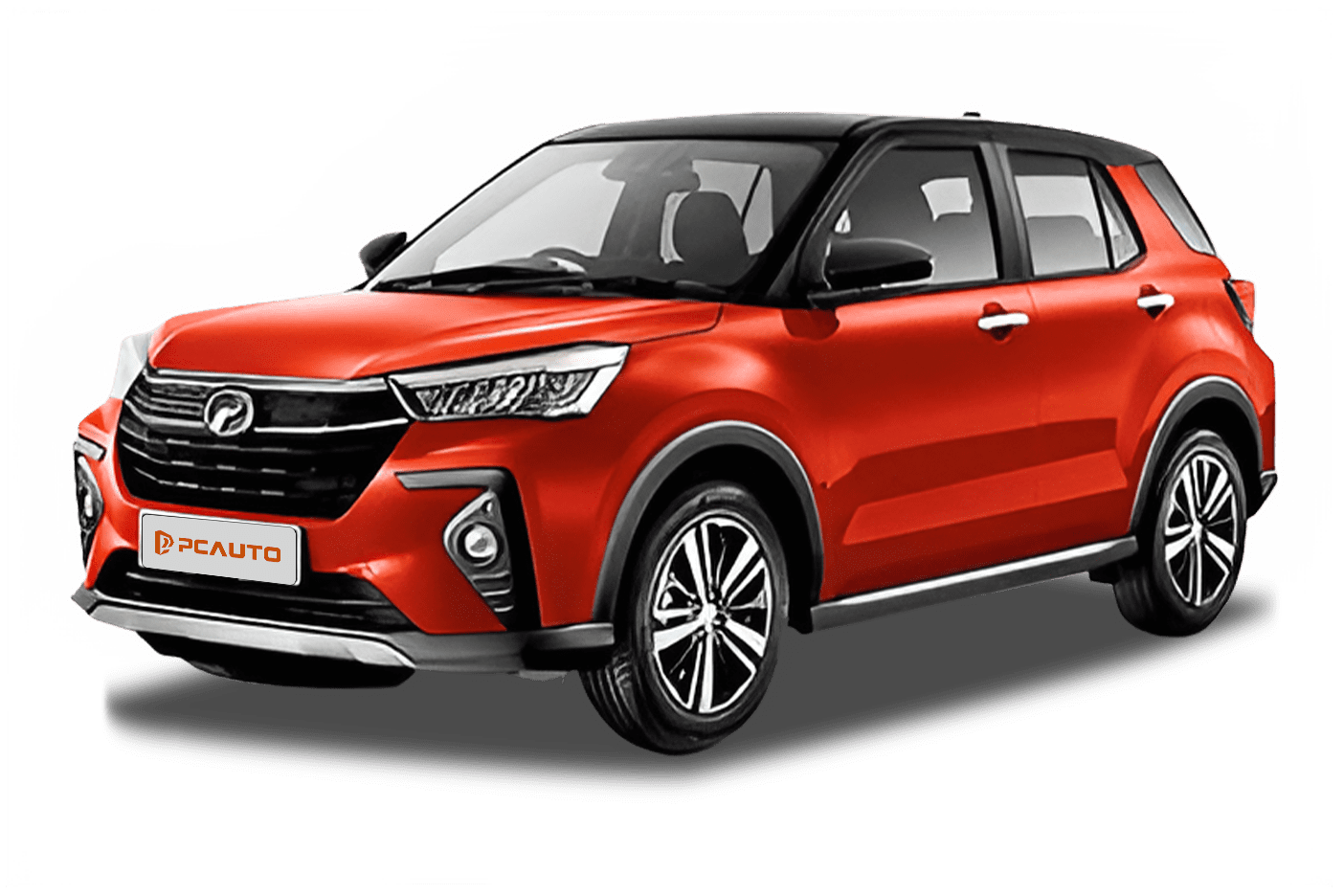
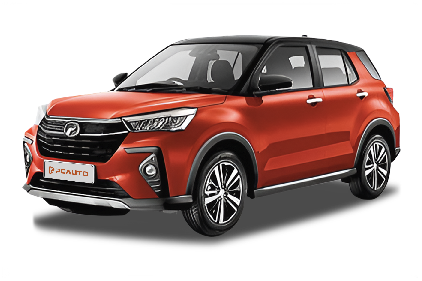
2023 Perodua Ativa 1.0L Turbo X, as a high-value-for-money entry-level B-SUV, meets the commuting and short-distance travel needs of family users with advanced safety features, practical space, and economical fuel consumption.
3
Rank in SUV
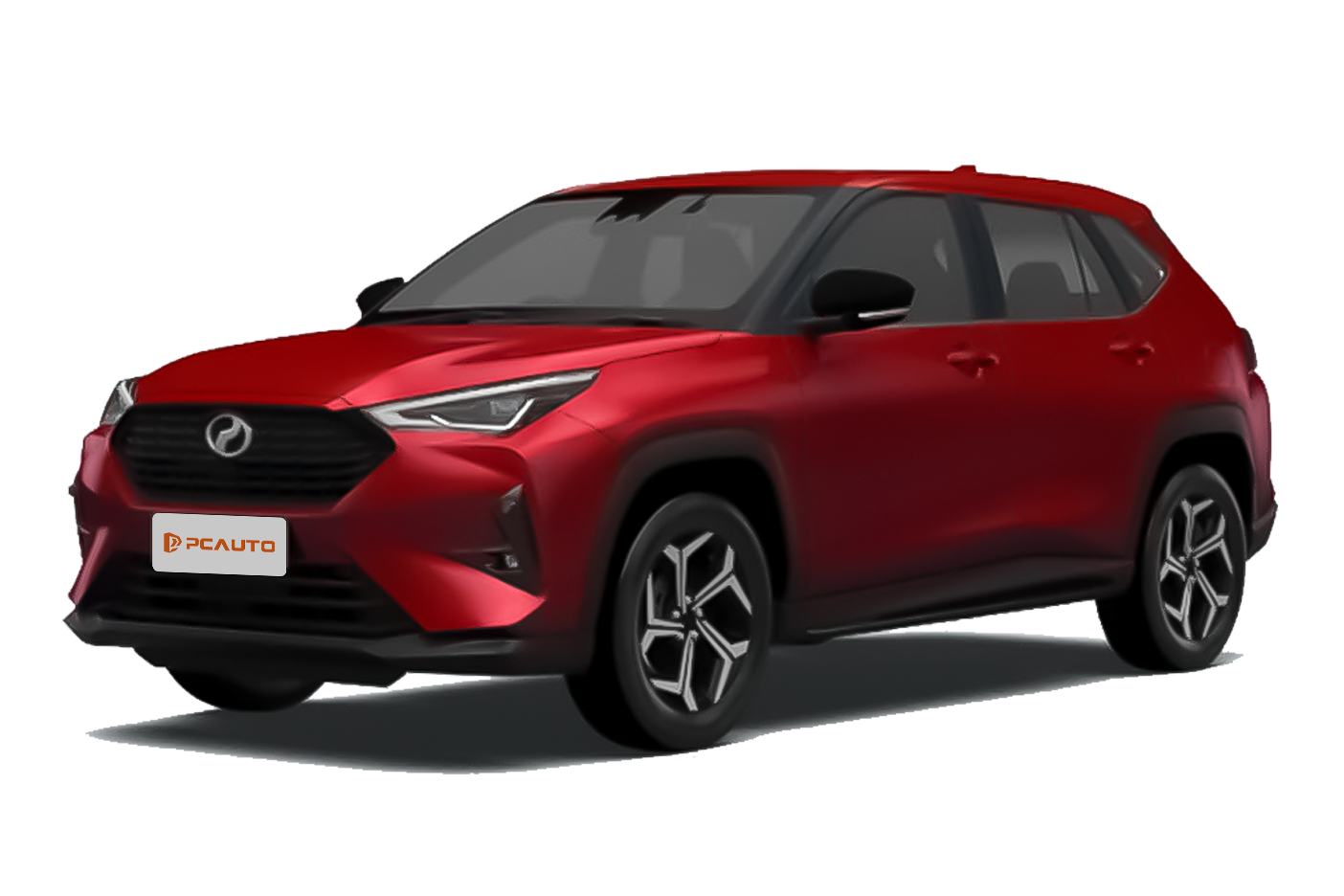
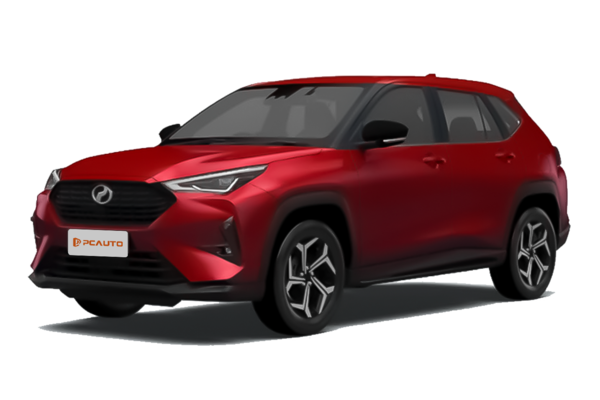
2025 Perodua Traz X, positioned as a B-segment SUV for family users, highlights advanced safety features, 210mm high ground clearance, and practical spaciousness as its main selling points, balancing flexibility and practicality.
2
Rank in SUV
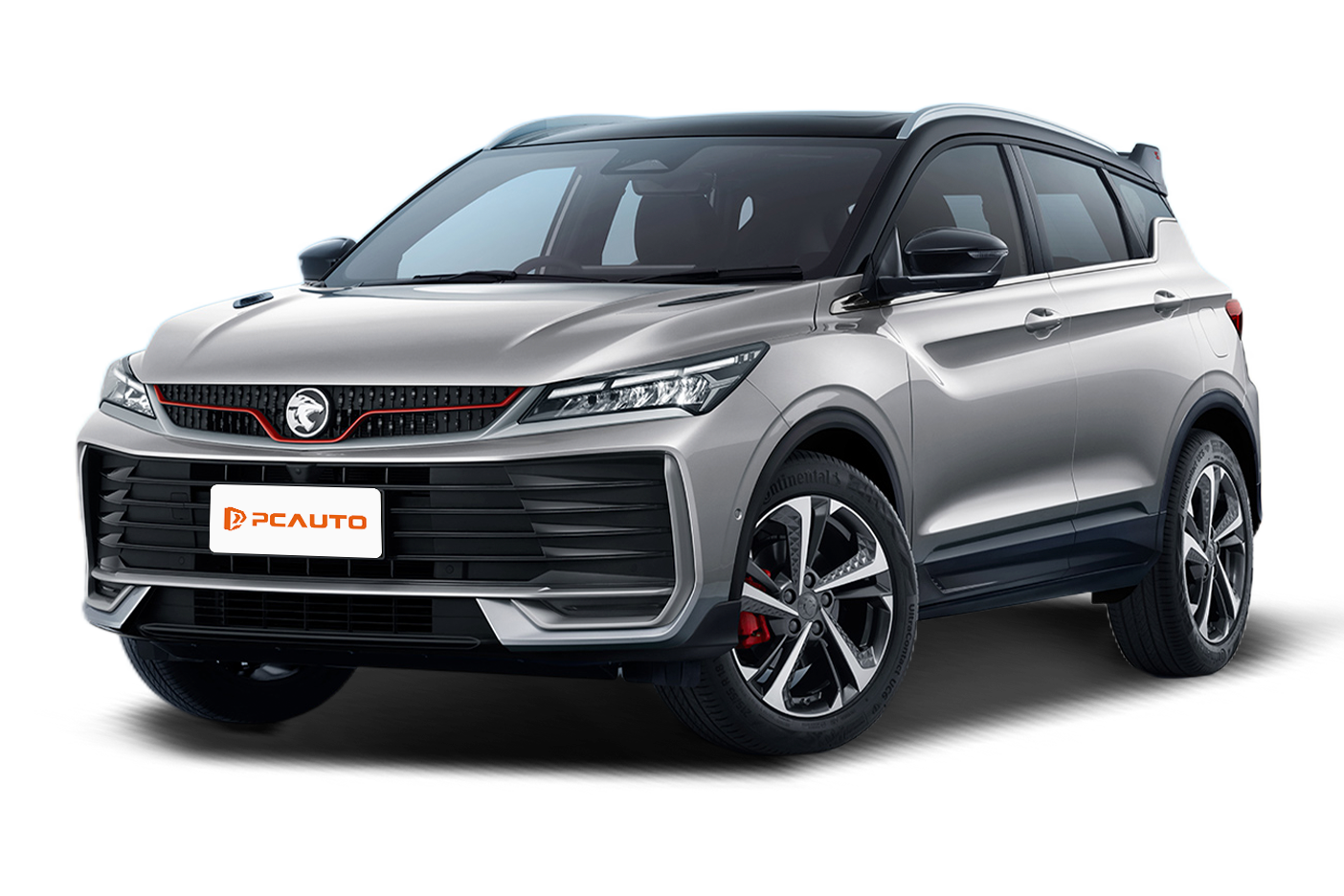
2025 Proton X50 Executive is an upgraded and price-reduced mid-size SUV that combines refined exterior, tech-savvy interior, powerful performance, and practical space, offering exceptional value for money.