

2025 iCaur V23 2WD Review

 Share
Share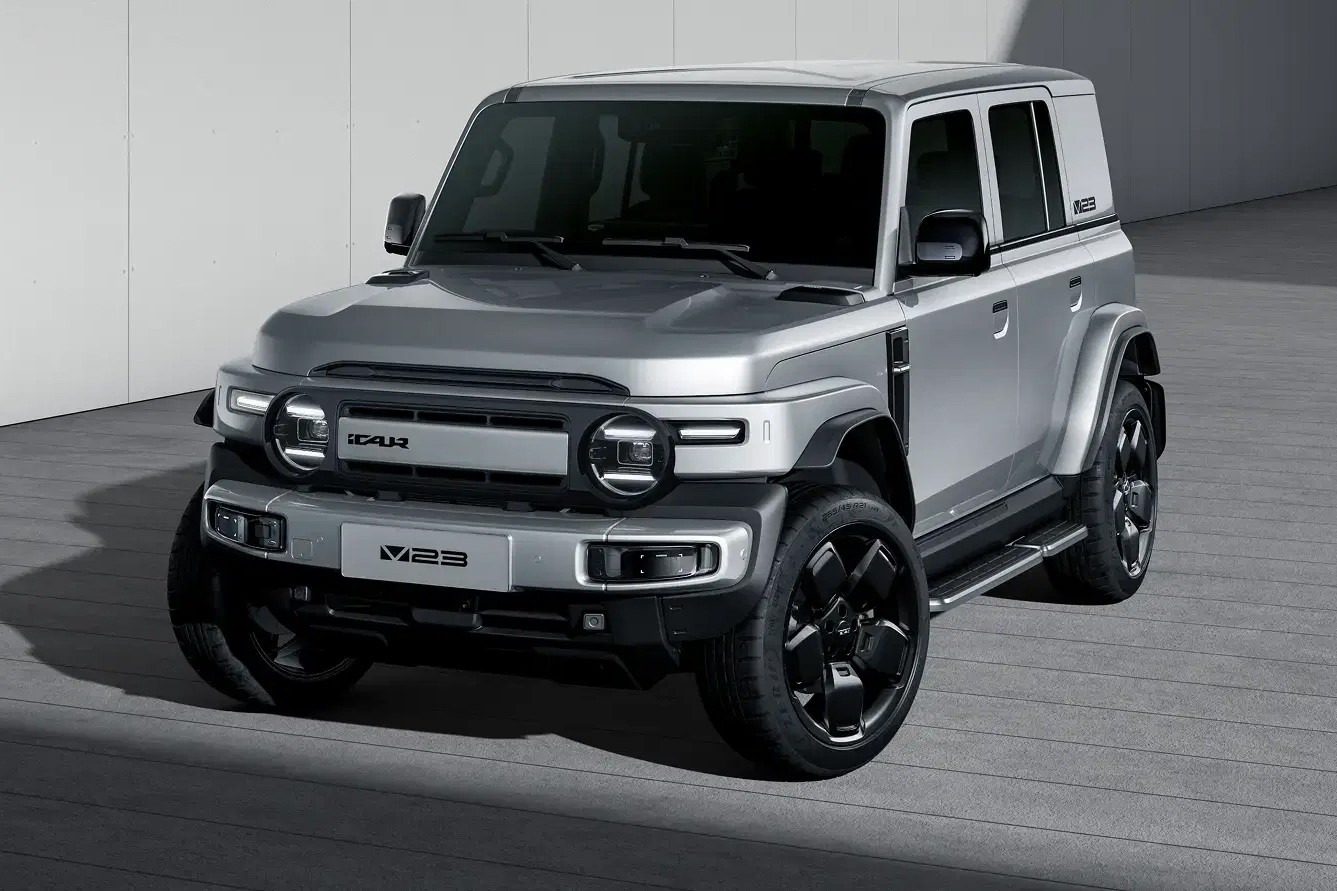

 Segment
 Body Type
 Motor Output(kW)
 Motor Torque(Nm)
 EV Range(km)
 Battery Capacity(kWh)
Recently, the C-Segment electric vehicle market in Malaysia has been heating up, with increasing consumer demand for practicality and intelligent configurations. Many brands are focusing on this niche market. As a newcomer, iCaur has launched the 2025 V23 2WD, directly targeting family users. Its core selling points include a rare 15.4-inch central control screen at this price range, standard Level 2 driver assistance across all models, and an official range of 360 kilometers. These features combined make it highly cost-effective. This time, we got a test drive vehicle to primarily assess its actual space performance, whether its power response is sufficient, and how practical its intelligent features are.
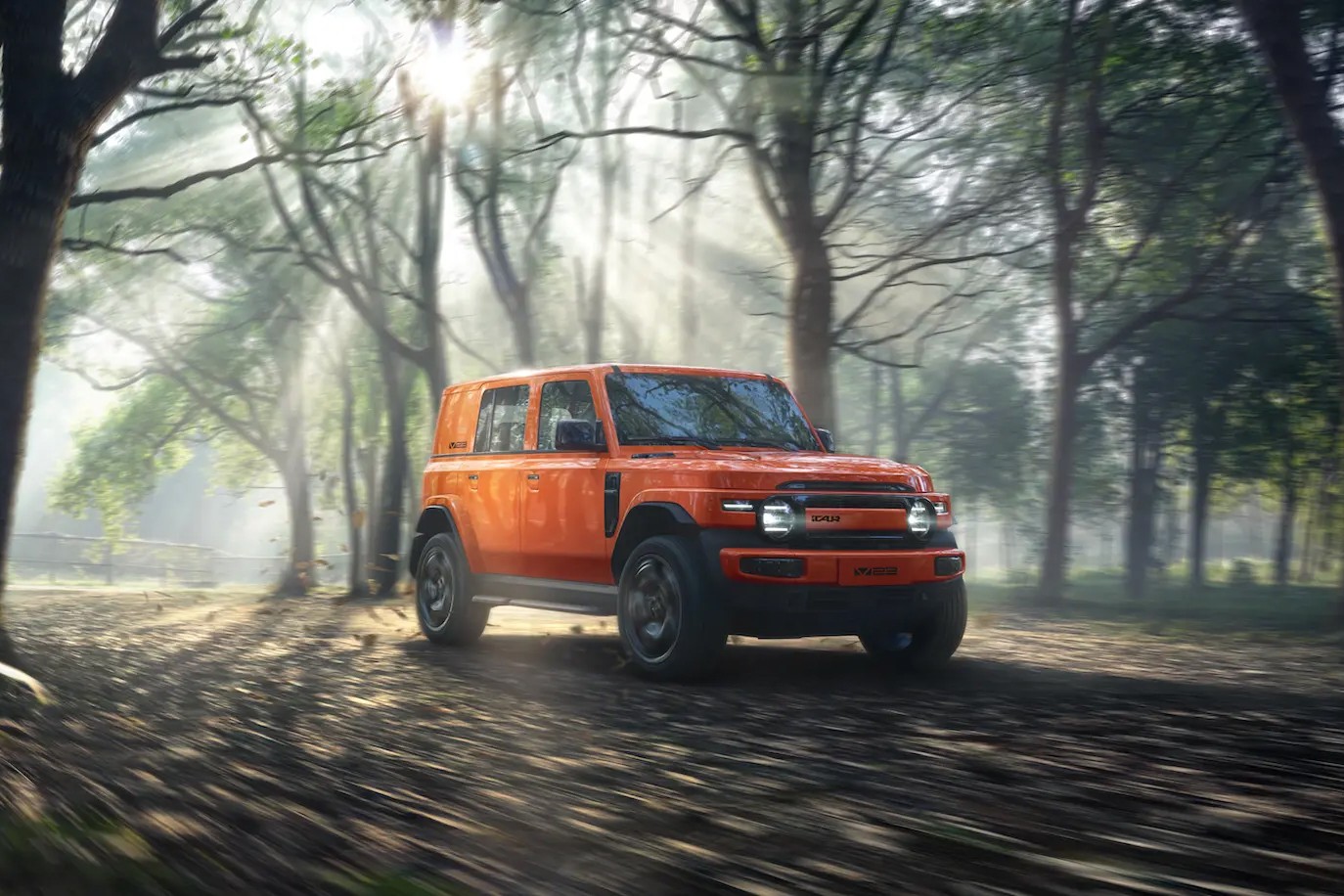
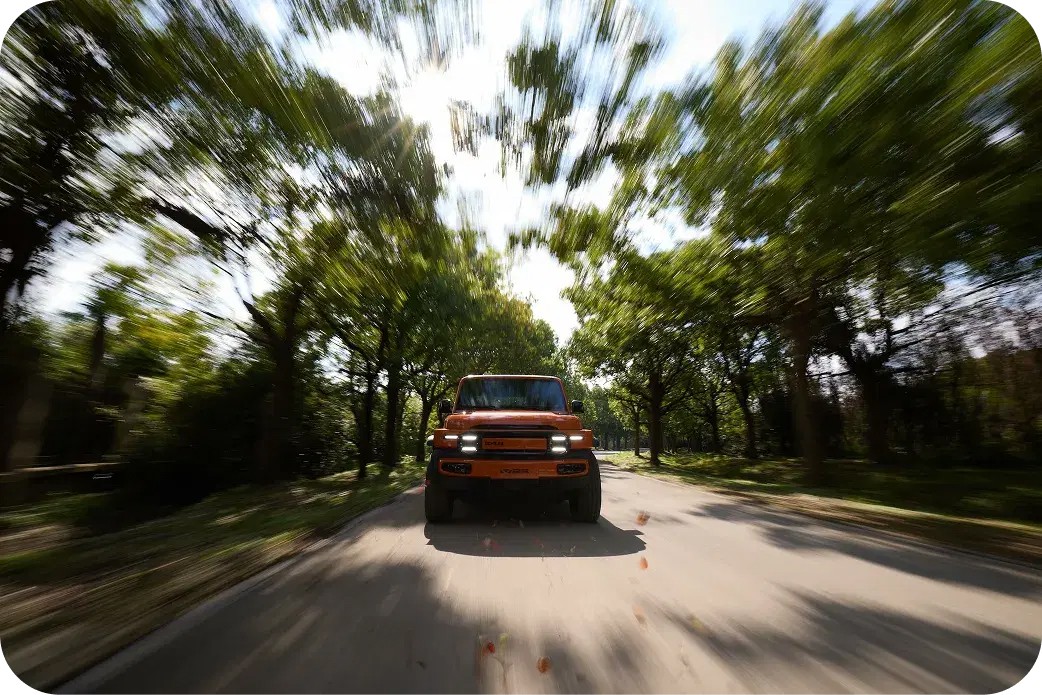
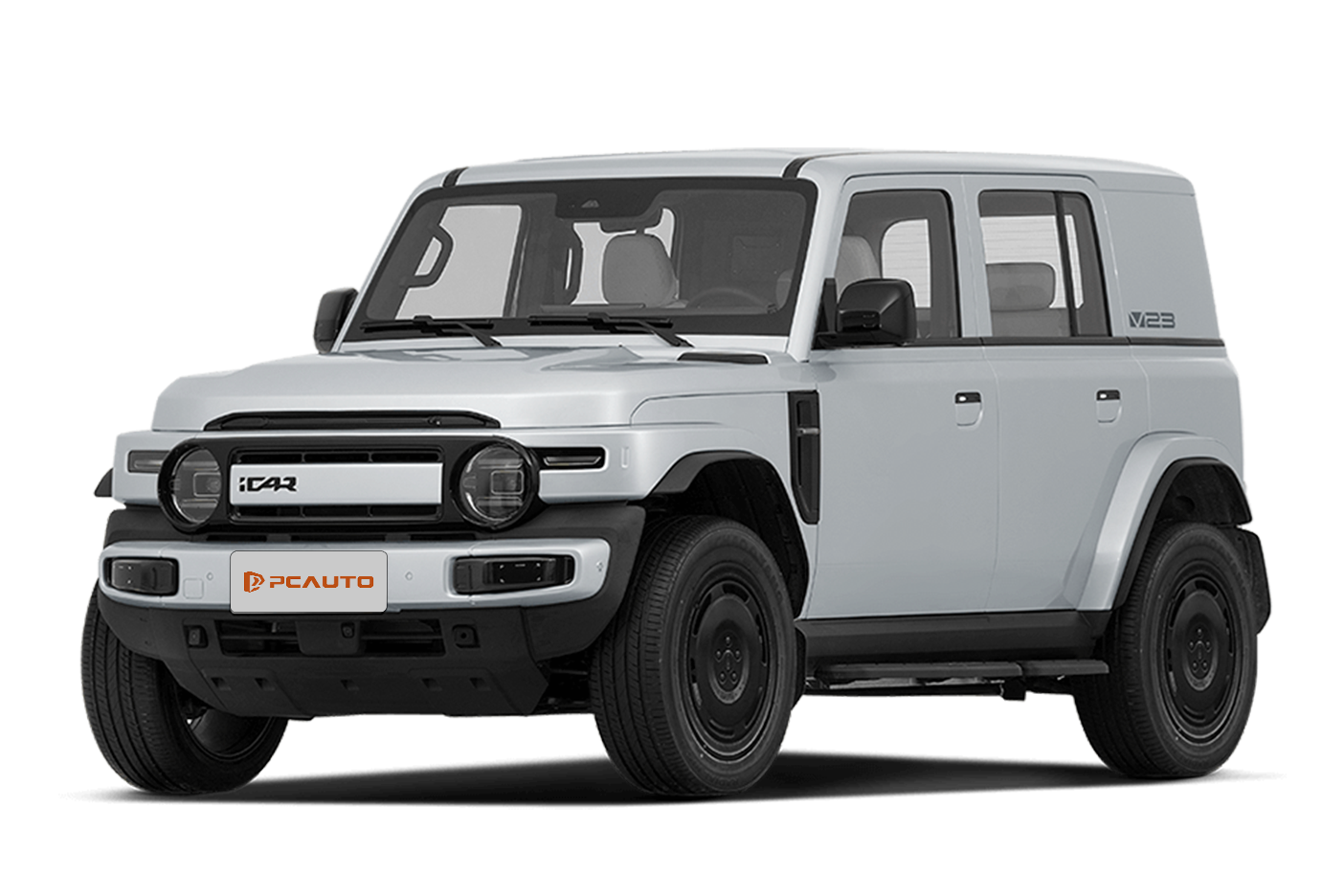
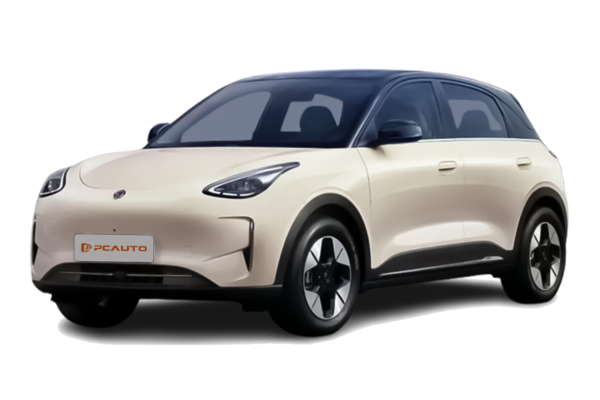
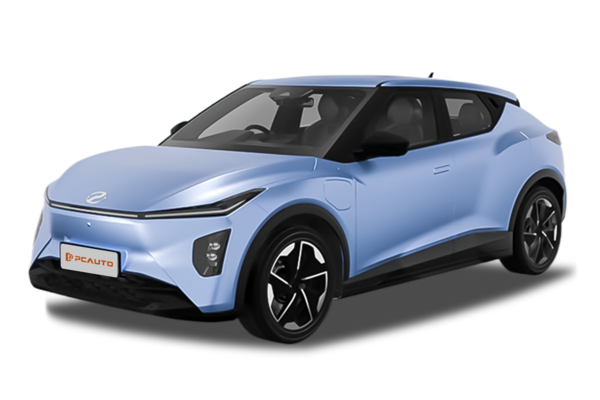
From the exterior, the iCaur V23 2WD follows a minimal and rugged design. The front does not have the traditional grille of fuel vehicles but uses a closed design paired with a full-width LED daytime running light, making it highly recognizable. The LED headlights on both sides are sharp in design and connect naturally with the fog light area on the front bumper, creating a cohesive look. The side of the car features straight lines, with a waistline extending from the front to the rear that is not overly exaggerated but adds a sense of depth. The 19-inch R19 255/55 tires paired with multi-spoke wheels, along with a minimum ground clearance of 205mm, provide the off-road capability of an SUV without making the car appear bulky. At the rear, the LED taillights also adopt a full-width design, echoing the front. A chrome trim below the trunk door enhances its refined feel, though the overall rear design is relatively simple and lacks overly complex elements.
Opening the door, the sense of technology in the interior is immediately apparent. The dashboard's most eye-catching feature is the 15.4-inch Quad HD touchscreen central control screen, which has a high resolution and smooth operation. Below the screen, there are still a small number of physical buttons, mainly for controlling the air conditioning and volume, which are convenient for daily use. The interior materials primarily consist of soft-touch plastic and leather, with the steering wheel and seats made from leather, offering a relatively fine texture. However, the overall texture is considered average for its class. In terms of features, all models come with standard equipment such as a HUD (head-up display), wireless charging, and electric seats for both front and rear rows. The front seats are multi-way adjustable, and the rear row provides independent air conditioning vents and power outlets, showing thoughtful attention to detail. The spatial performance meets the expectations of the C-Segment positioning, with a wheelbase of 2735mm. For a front-row passenger who is 180cm tall with the seat adjusted, there is a fist’s worth of headroom. Passengers of the same height in the rear row have two fists of legroom and one fist of headroom, ensuring no sense of crowding. The trunk has a standard volume of 234L, which can expand to 744L with the rear seats folded down, making it capable of fitting two 28-inch suitcases along with some miscellaneous items. This caters well to daily family use and short trips.
For dynamic driving, the iCaur V23 2WD is equipped with a rear-mounted permanent magnet synchronous motor, delivering a maximum output of 100kW (136PS) and a peak torque of 180N·m. The official 0-100km/h acceleration time is 11 seconds. In actual driving, the power response during startup is very direct; a light touch on the accelerator gives a noticeable pushback, making it easy for city driving, starting, or overtaking. During mid to high speeds (80-120km/h), acceleration force decreases, and more pressure on the accelerator is required to achieve sustained power output, though it remains sufficient for regular highway cruising. There are three driving modes: Economy, Standard, and Sport. In Economy mode, the power output is more restrained, suitable for daily commuting. In Sport mode, the throttle response is more sensitive, offering occasional driving fun.
In terms of handling, the steering wheel adopts electric adjustments, with moderate steering effort and relatively precise pointing, without any noticeable slack; the chassis uses a front MacPherson + rear multi-link independent suspension, tuned for comfort. When passing over speed bumps or bumpy roads, the suspension can filter out most vibrations, avoiding harsh impacts; body roll is well-controlled during high-speed cornering with decent stability. However, as it is an SUV, the support during aggressive driving is not as good as that of sedans. The braking performance is standard, with a moderate brake pedal travel and linear braking force output, which is easy to control during daily driving.
In terms of range, the official pure electric range is 360 km. In our urban road tests, with the air conditioning on and in economy mode, the actual range is about 300-320 km, achieving approximately 85% of the claimed range. During highway cruising (around 100 km/h), the range is about 270-290 km, with power consumption between 16-18 kWh/100 km, which is a standard performance. The energy recovery system offers three adjustable levels. At the lowest level, the recovery force is very weak, providing a gliding feel similar to fuel-powered vehicles. At the highest level, the recovery force is noticeable, and releasing the accelerator results in a strong deceleration sensation, making it suitable for single-pedal driving in congested areas while barely affecting passenger comfort.
In terms of comfort, the noise control inside the car is well-handled. At speeds below 60 km/h, the motor noise is almost imperceptible. At highway speeds of 120 km/h, wind and tire noise become more noticeable but remain within an acceptable range. The seats offer good wrapping and support, making long drives not exhausting; the rear seats are also fairly soft, providing decent comfort for passengers during long journeys.
Regarding safety features, the iCaur V23 2WD performs comprehensively. The entire range comes standard with 6 safety airbags (dual front airbags, front and rear side airbags, front and rear curtain airbags), tire pressure monitoring, electronic stability control, and L2-level driving assistance systems (ACC adaptive cruise control, lane departure warning, active braking, lane change assist, etc.). During actual tests, the ACC adaptive cruise control accurately maintained safe distances from other vehicles, with smooth braking and acceleration. The lane departure warning system responded sensitively, promptly reminding and slightly correcting the direction when the vehicle strayed out of its lane. During city road tests, the active braking system accurately recognized vehicles and pedestrians ahead, effectively avoiding collisions.
In general, the core advantages of the iCaur V23 2WD are its rich configurations (15.4-inch large screen, HUD, front and rear electric seats, L2-level driving assistance), practical space performance, and balanced dynamic driving experience. With a price of RM119,800, its cost-effectiveness stands out among C-segment electric vehicles in the same price range. For instance, compared to other models at a similar price, it offers more comprehensive features and more spacious interiors. It is suitable for families, especially for those needing daily commuting, short trips, and prioritizing space and features. Additionally, young users with a demand for tech configurations can also consider it.
To sum up, although the iCaur V23 2WD does not have particularly outstanding performance in terms of power and range, it is well-rounded in terms of features, space, comfort, and price-performance ratio. If your budget is around RM120,000 and you need an electric vehicle with ample space, rich features, and comfortable driving, the iCaur V23 2WD is worth considering.
iCaur V23 Car Compare
iCaur V23 Loan Calculator
More iCaur Reviews
Cars With Similar Price And Features

1
Rank in SUV
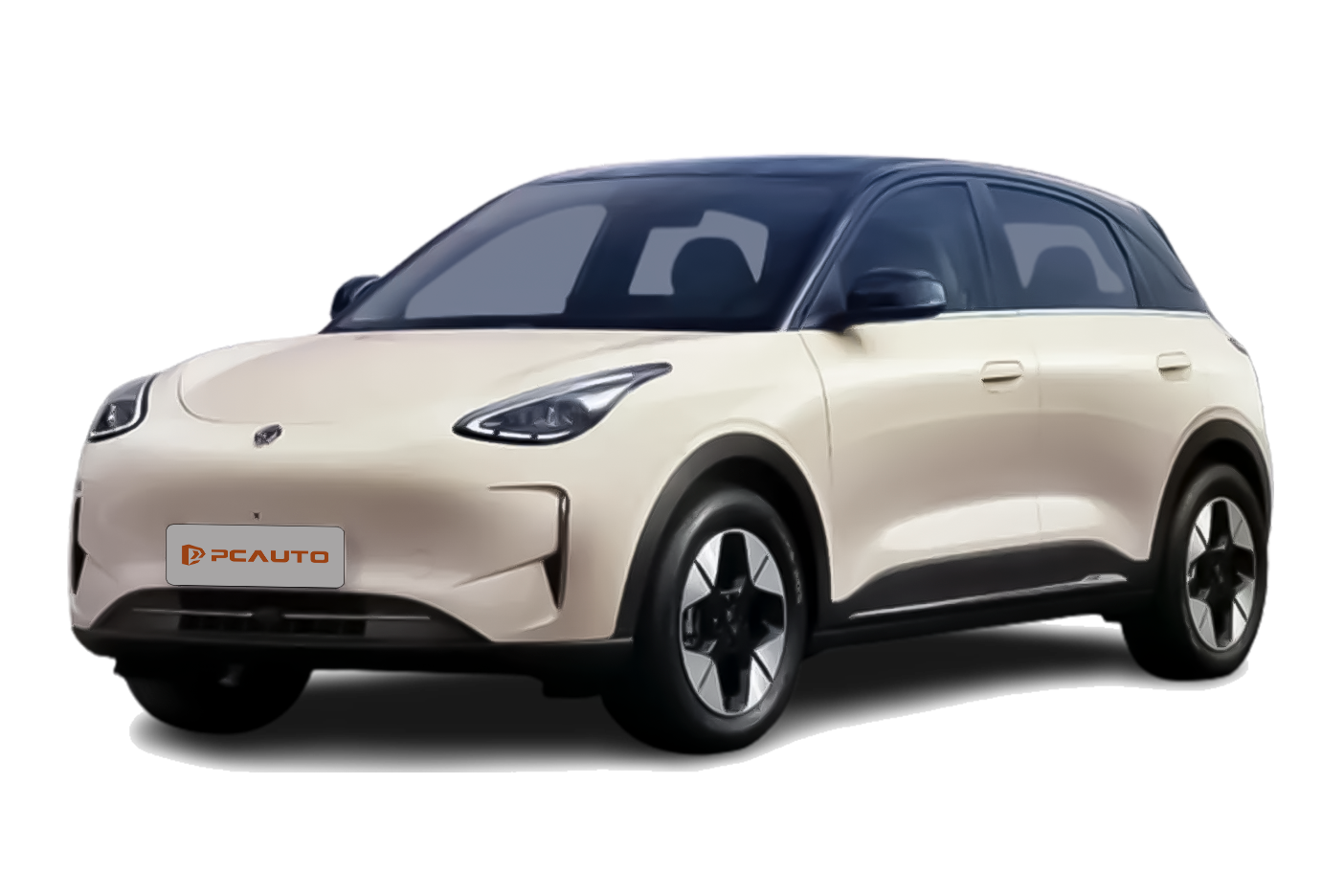
2025 Proton e.Mas 5 Prime is Proton's first entry-level pure electric C-Segment model, priced from 56,800 MYR to target the sub-100,000 MYR market, balancing practical features with commuting range.
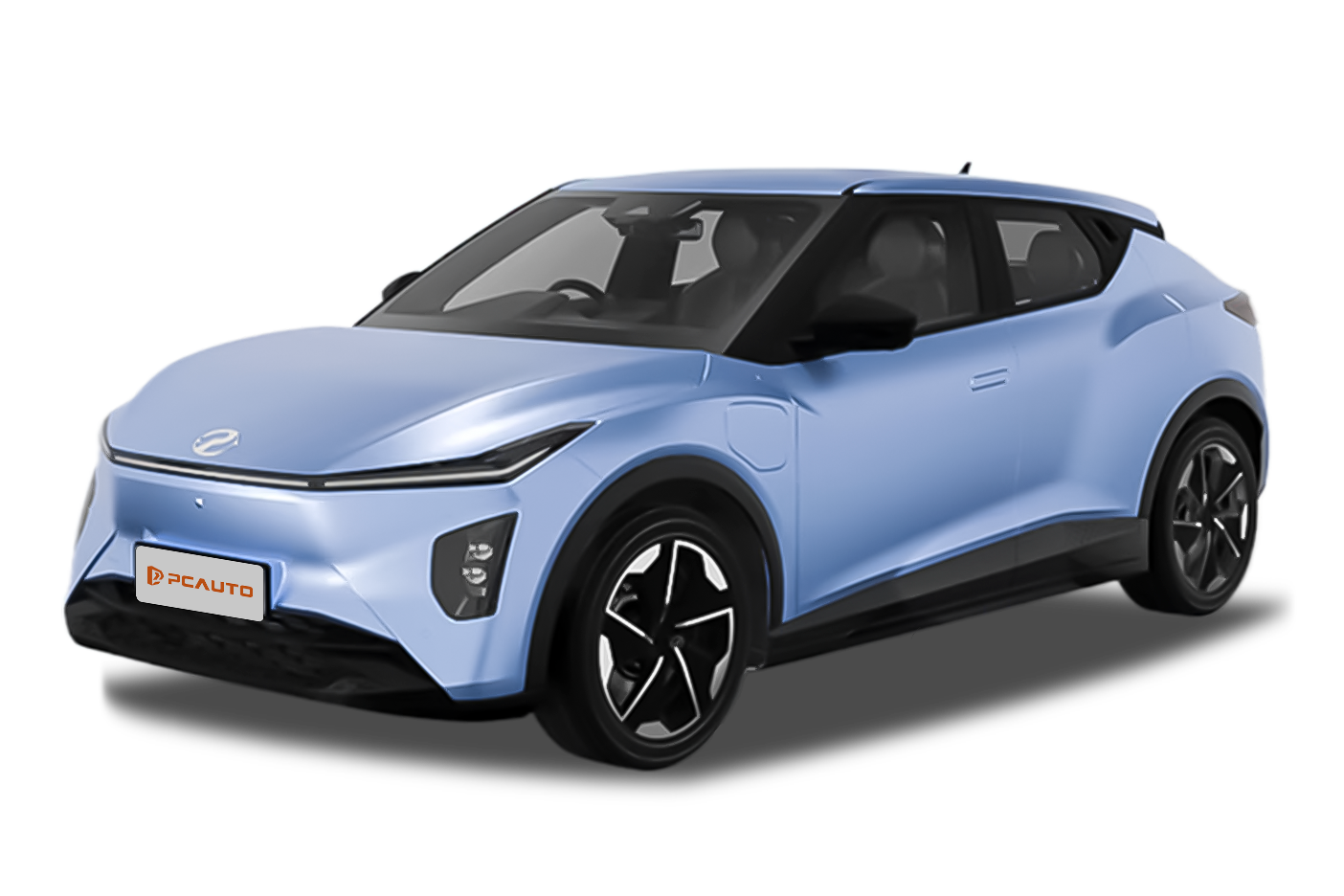
The 2025 Perodua QV-E is an affordably priced, practically ranged class-C pure electric vehicle, precisely tailored for family users and young commuters with its high safety features, spacious interior, and agile driving dynamics.
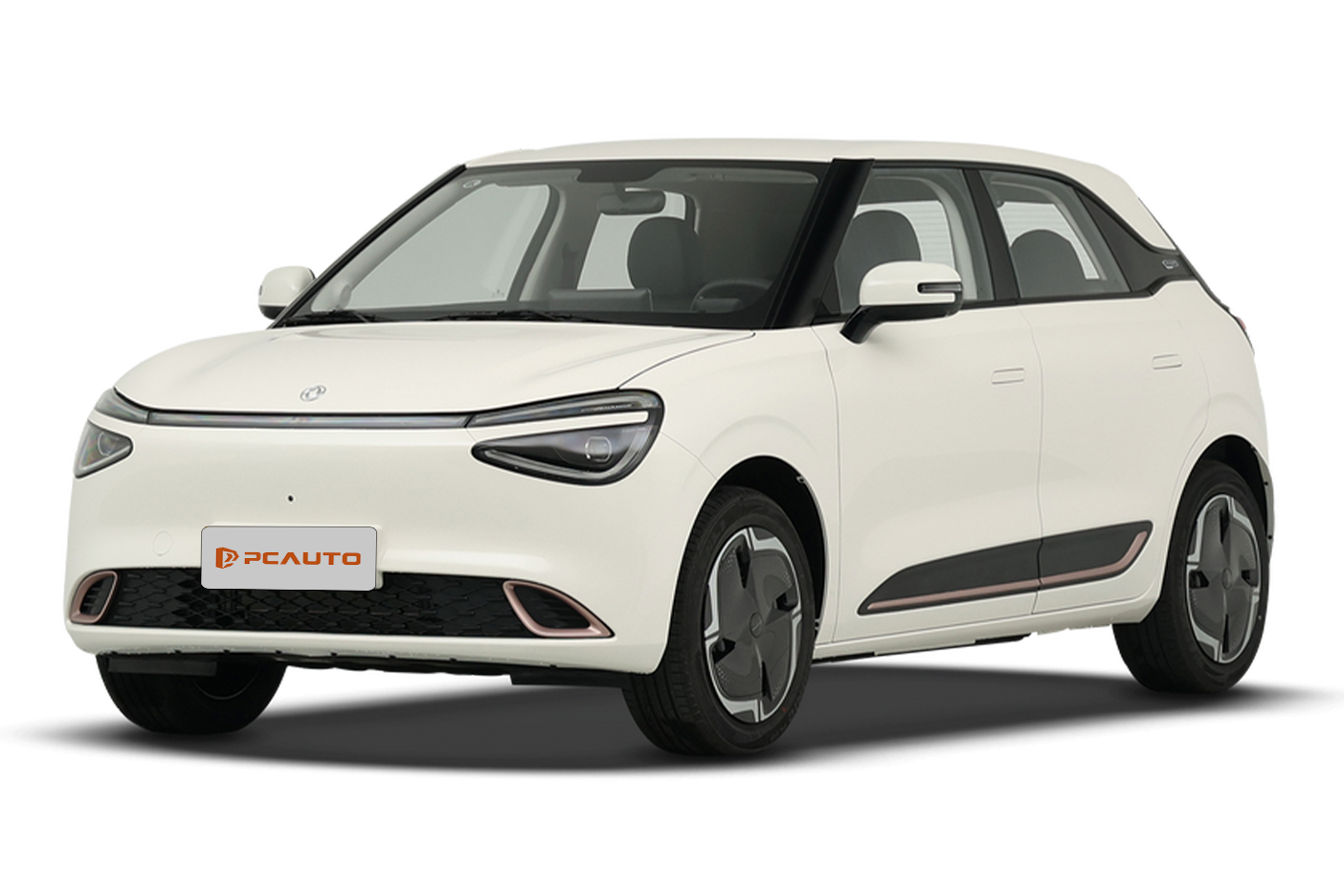
2024 DFSK Box E2 is a household pure electric vehicle in Malaysia priced at around 100,000 Ringgit, featuring a 330 km range, 12.8-inch large screen, and practical space as its main selling points, catering to both commuting and family needs.
30
Rank in SUV
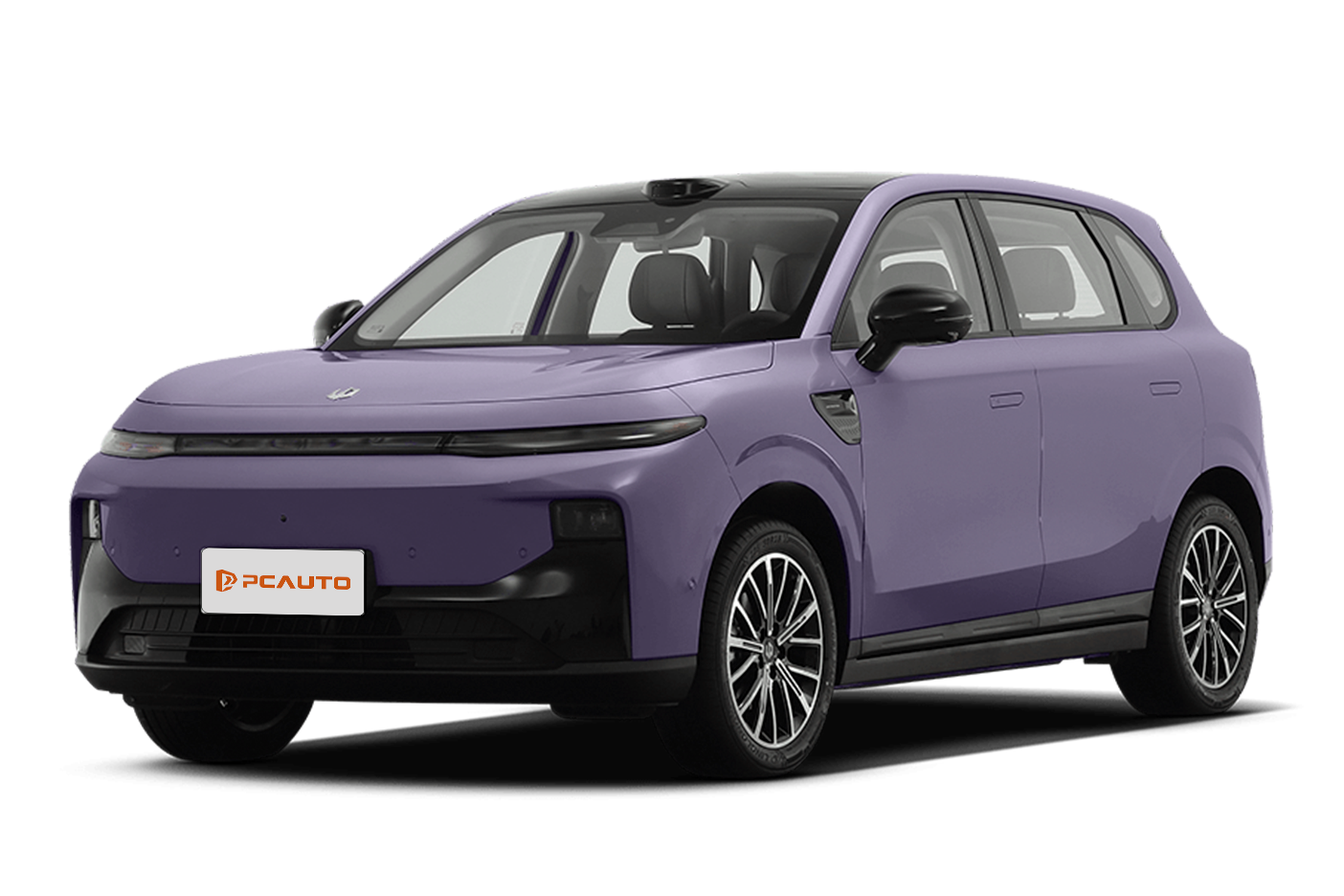
2025 Leapmotor B10 LIFE is a 100,000-level pure electric C-class SUV, equipped with standard L2 assisted driving and other practical features. It offers spacious interior and solid range, making it a go-to choice for family users.