

Perodua QV-E Review

 Share
Share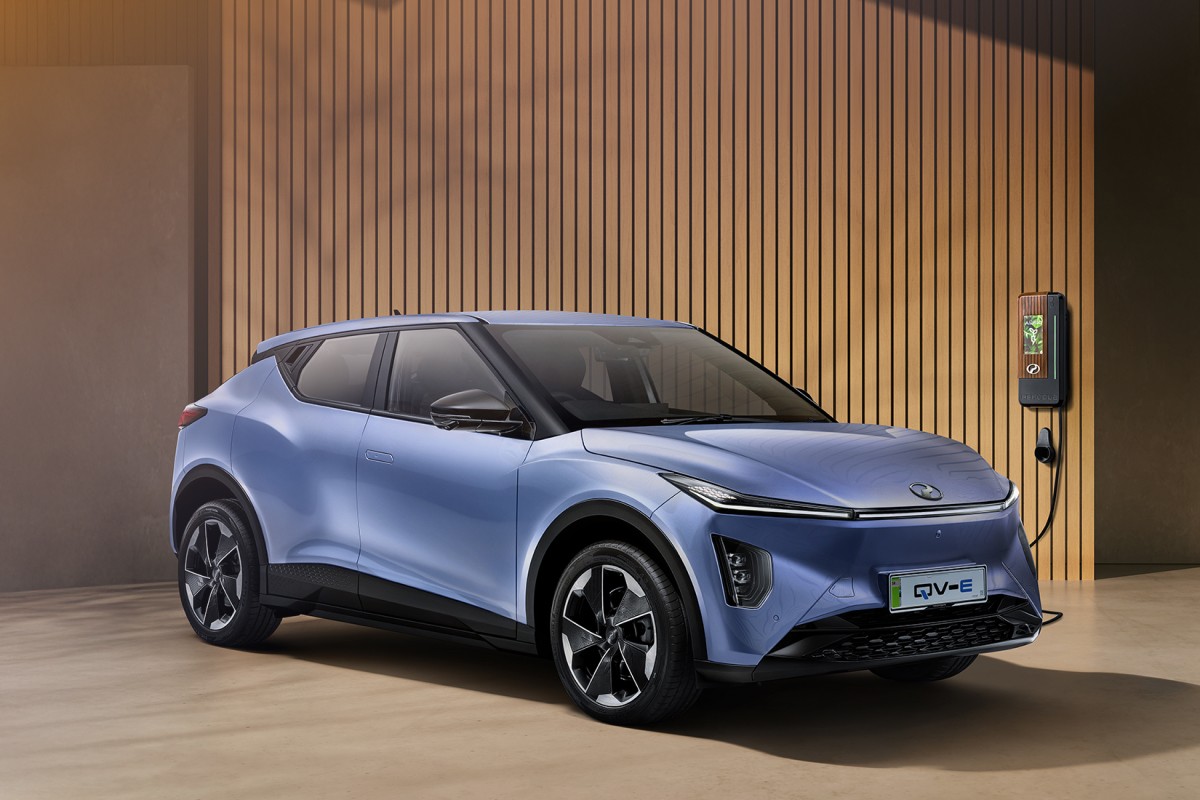
 Segment
 Body Type
 Motor Output(kW)
 Motor Torque(Nm)
 EV Range(km)
 Battery Capacity(kWh)
As competition in Malaysia's C-segment electric vehicle market heats up, consumers’ demand for fully electric models with high configurations, long range, and affordable pricing is becoming increasingly evident. The Perodua QV-E, launched in December 2025, directly targets family users and young commuters who value cost-effectiveness and practicality with its RM 80,000 price tag, 204PS power output, and an official range of 445km. In this test drive, we focus on verifying whether its dynamic performance matches the data parameters, as well as whether its space and features are truly "sufficient and practical" for daily use.
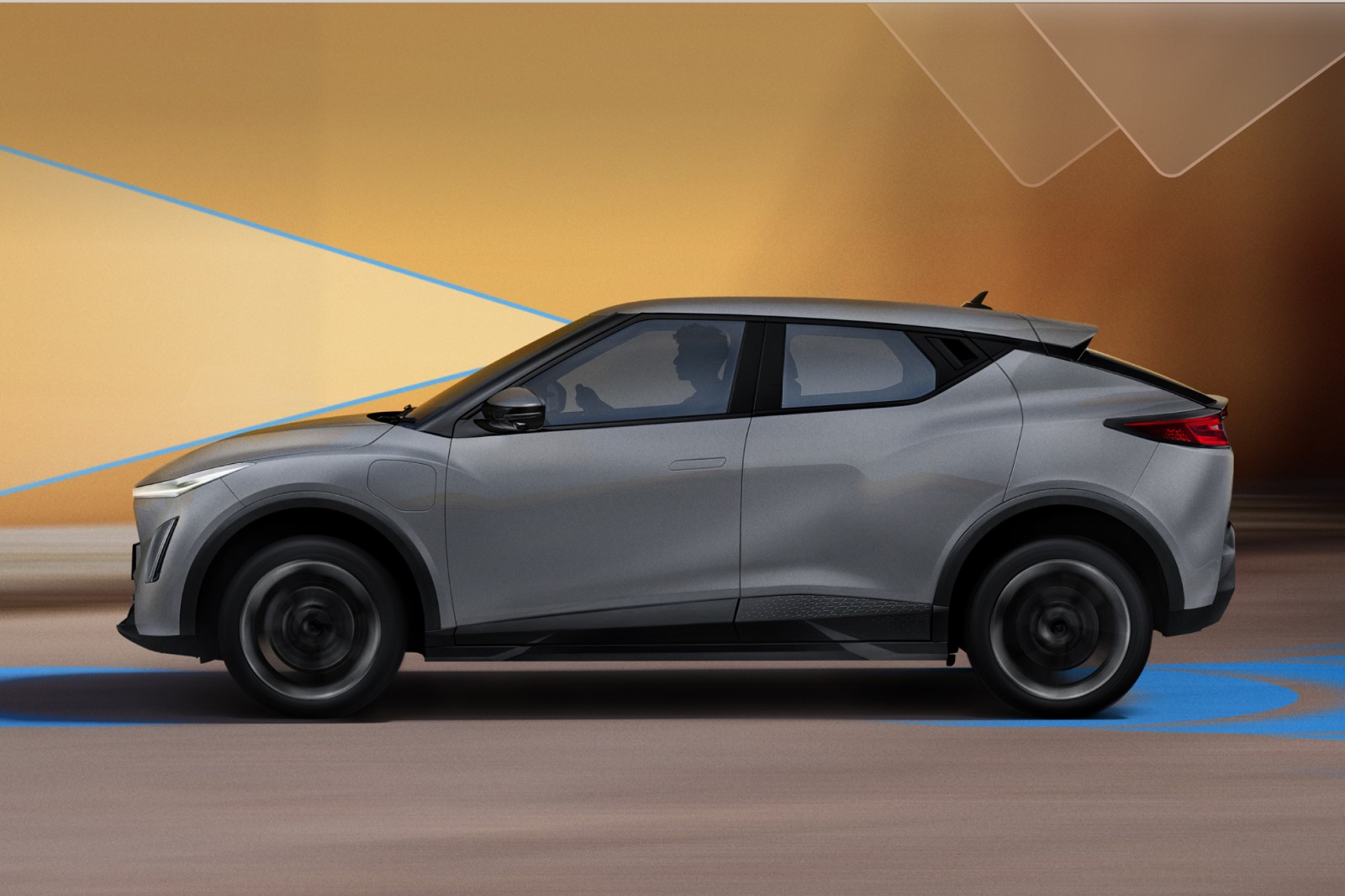
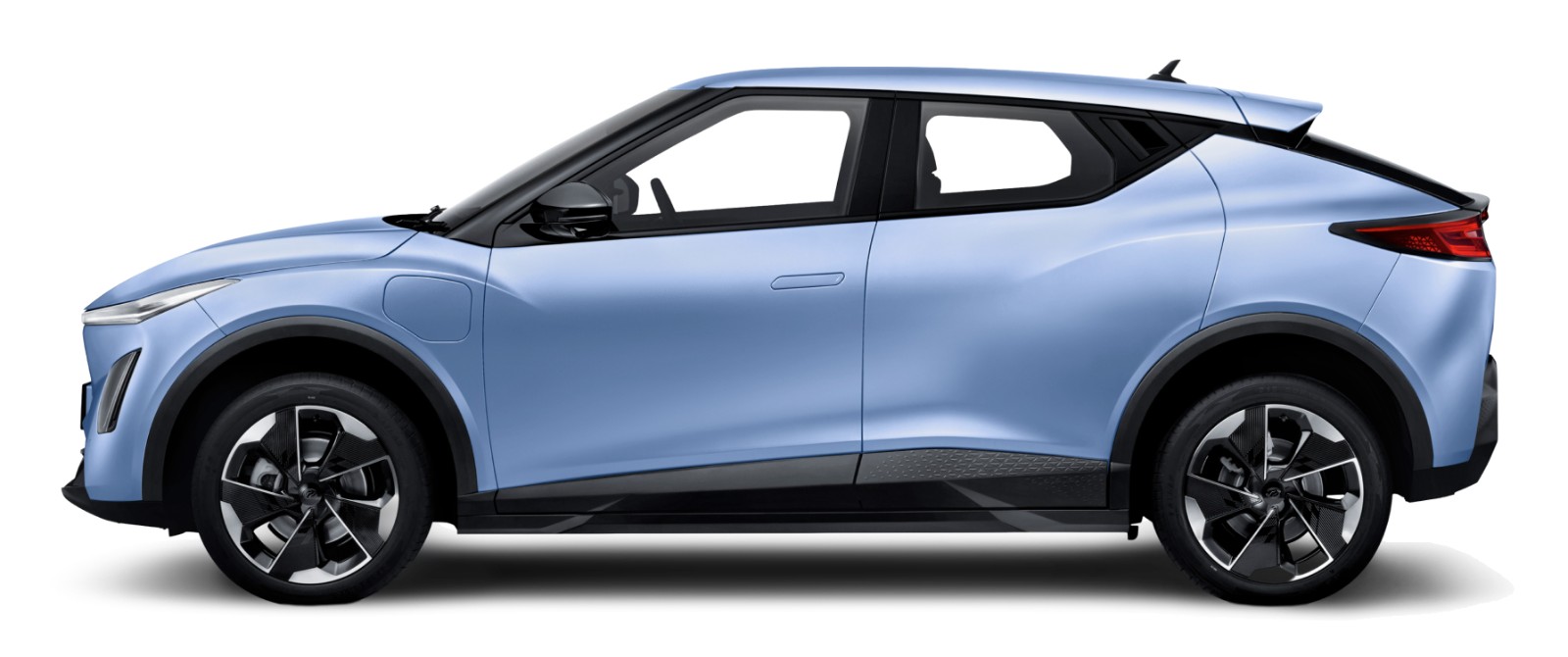
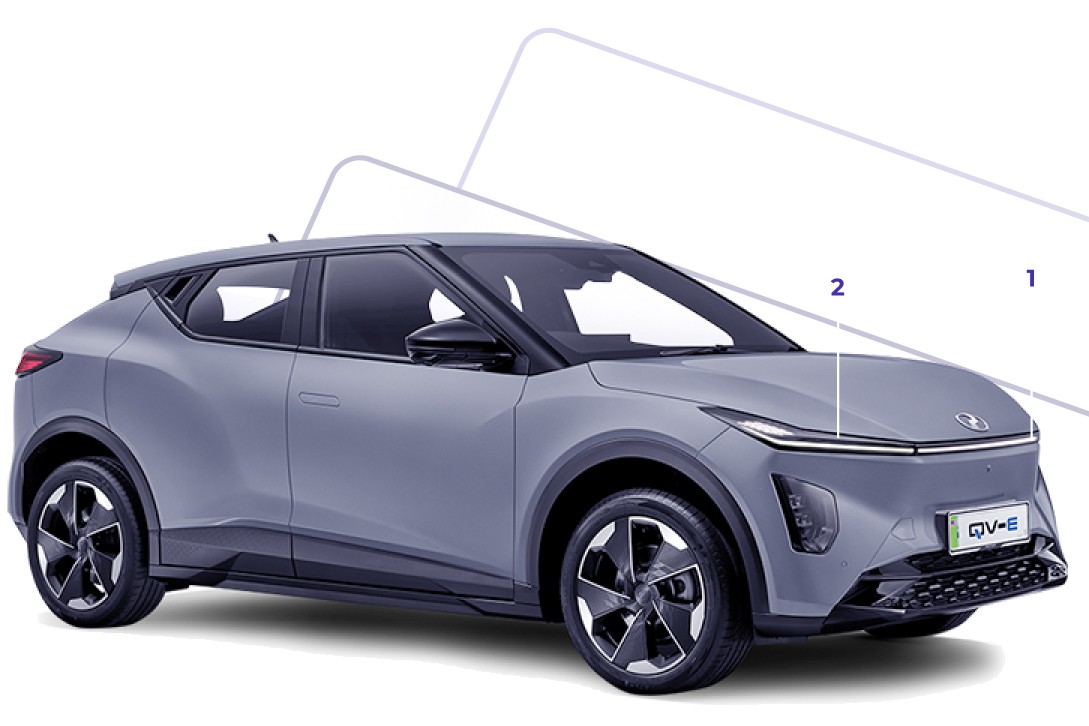
The exterior design of the QV-E adopts a simple and clean style. The overall lines are more streamlined, and the front features a closed grille paired with a through-type LED daytime running light, which is highly recognizable. The waistline on the side extends from the front to the rear, complemented by 215/50 R18 wheels, giving it a compact and dynamic visual appeal. The LED taillights at the rear also use a through-type design, echoing the front, while the diffuser-like element below the rear bumper adds a touch of sportiness. The entire lighting system is LED equipped, and standard features include automatic headlights and front and rear fog lights, ensuring adequate illumination and convenience for daily use.
Sitting inside, the interior is dominated by dark tones, with the dashboard wrapped in soft materials that feel fairly refined to the touch. The 10.25-inch full digital instrument cluster and 10.25-inch center control screen are integrated, offering a simple and intuitive layout with a satisfactory smoothness in operation. The multifunction steering wheel supports electric adjustment, while the HUD head-up display system clearly shows information such as speed and navigation, reducing the need to look down while driving. In terms of features, keyless entry, one-button start, and automatic air conditioning are standard. The driver's seat supports 6-way electric adjustment, while the rear seats can fold down in a 60:40 split, providing adequate flexibility. Safety features are a highlight, with six airbags, lane departure warning, active braking, and ACC adaptive cruise control all as standard, making its overall safety specifications outstanding in its price range.
The space performance matches its C-segment positioning. The vehicle measures 4170mm in length, 1800mm in width, and 1502mm in height, with a wheelbase of 2680mm. The front row seating is spacious, with a 175cm tall passenger having more than a fist of headroom and legroom. The rear seats are similarly practical, offering roughly two fists of legroom and one fist of headroom for two adult passengers. The nearly flat floor does not hinder the comfort of a third occupant. The trunk has a capacity of 320L, which can accommodate two 20-inch suitcases comfortably, and folding the rear seats allows for additional storage space. Design details such as the front central armrest box and door storage pockets are also reasonably laid out, providing space for phones, water bottles, and small items.
In terms of power, the QV-E is equipped with a front-mounted permanent magnet synchronous motor, delivering a maximum power of 150kW (204PS) and a peak torque of 285N·m. The power response is swift at takeoff, and a light press on the accelerator provides a noticeable push-back feel. The official 0-100km/h acceleration time is 7.5 seconds, and during actual tests, acceleration was more aggressive in sport mode, making overtaking more confident. There are three driving modes to choose from: Eco, Normal, and Sport. In Eco mode, the power output is slightly muted but offers better range, whereas Normal mode balances power and energy consumption, making it optimal for daily commuting.
The handling and chassis performance are geared towards comfort. The combination of MacPherson strut front suspension and torsion beam rear suspension effectively absorbs small bumps on urban roads. However, when encountering speed bumps or larger potholes, rear passengers might feel slight bouncing. The steering wheel has moderate weight and is relatively precise in terms of directionality. The body roll during cornering is kept within a reasonable range. Overall, the driving experience is stable, making it suitable for daily family use.
In terms of range, the official figure is 445km. During our city road test, with the air conditioning on throughout and half the time in Eco mode and the other half in Standard mode, the achieved range rate was about 85%, translating to an actual driving range of approximately 378km. This performance is considered above average in its class. The energy consumption performance is standard; in urban conditions, it consumes about 14kWh per 100km, while on highways, the consumption rises to 17kWh, which aligns with its vehicle weight and power level. The braking system performs steadily, with a braking distance of approximately 38 meters from 100km/h to a stop. The brake pedal feels linear without abrupt forward dip issues.
As for driving comfort, the noise control in the cabin is well-executed. At speeds below 60km/h, motor noise is almost indiscernible. At highway speeds of 100km/h, wind noise and tire noise increase but remain within an acceptable range. The energy recovery system offers two adjustable levels: in the low setting, there is almost no noticeable drag, resembling the driving experience of a fuel car; in the high setting, the drag is more pronounced, which can reduce the need for frequent braking to some extent. The seats have moderate cushioning, providing comfort even during long periods of sitting. The presence of rear air conditioning vents and power outlets (despite these not being mentioned in the configuration list, a USB port was found during actual use) further enhances the comfort for rear seat passengers.
In summary, the core advantage of the Perodua QV-E is clear: at a price of RM 80,000, you can get 204PS of power, a 445km driving range, and a full suite of safety and technology features, making it nearly unmatched in terms of cost-effectiveness among C-segment electric cars in the same price range. Compared to other vehicles in its class, it offers more comprehensive features, stronger power, and yet a lower price. However, its rear suspension uses a torsion beam, which means high-speed cornering support is not as good as independent suspension. Additionally, the trunk space is not particularly large.
This car is more suitable for users who prioritize cost-performance and practicality—for instance, office workers with a daily commute distance of less than 50km, or families requiring a spacious and well-equipped vehicle for routine outings. Its range is sufficient to cover a week's worth of daily commuting, its features meet most usage needs, and its safety performance is reassuring.
Overall, the Perodua QV-E is an "all-around" pure electric vehicle that offers more than expected features and power at an affordable price. It is a standout option in the Malaysian C-segment electric vehicle market and is worth serious consideration.
Perodua QV-E Car Compare
Perodua QV-E Loan Calculator
More Perodua Reviews
/Exterior/01.jpg)
Cars With Similar Price And Features

1
Rank in SUV
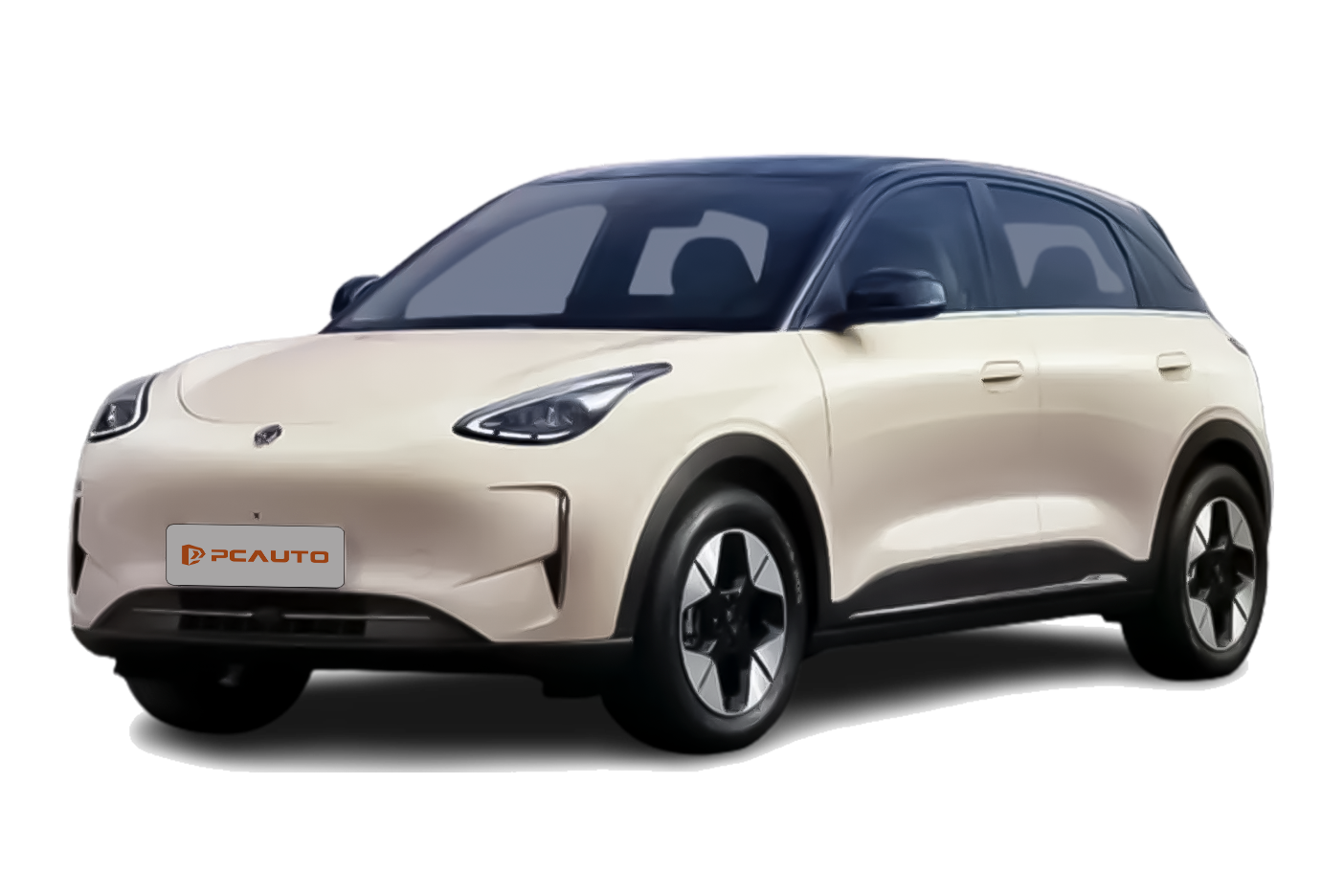
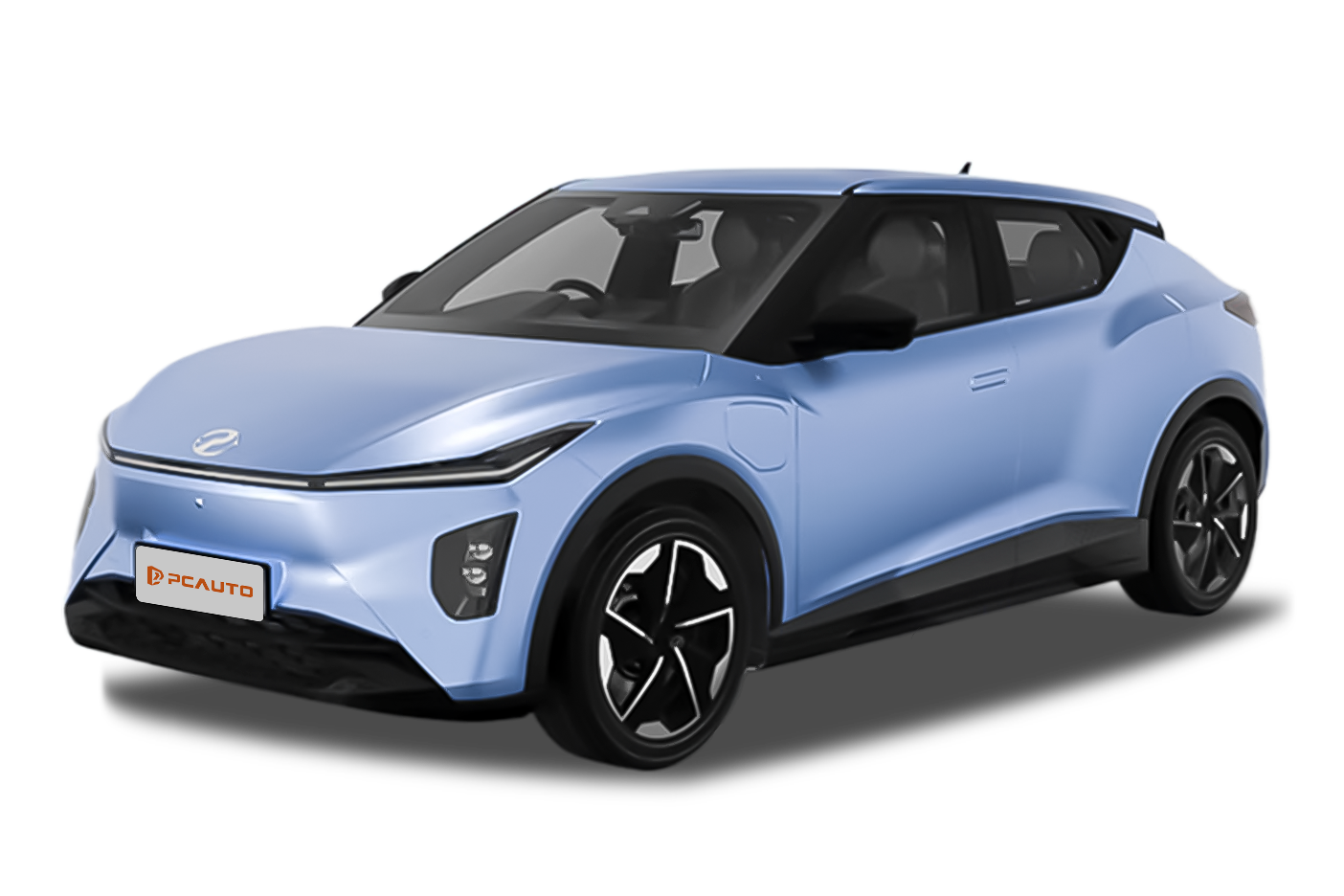
2025 Proton e.Mas 5 Prime is Proton's first entry-level pure electric C-Segment model, priced from 56,800 MYR to target the sub-100,000 MYR market, balancing practical features with commuting range.
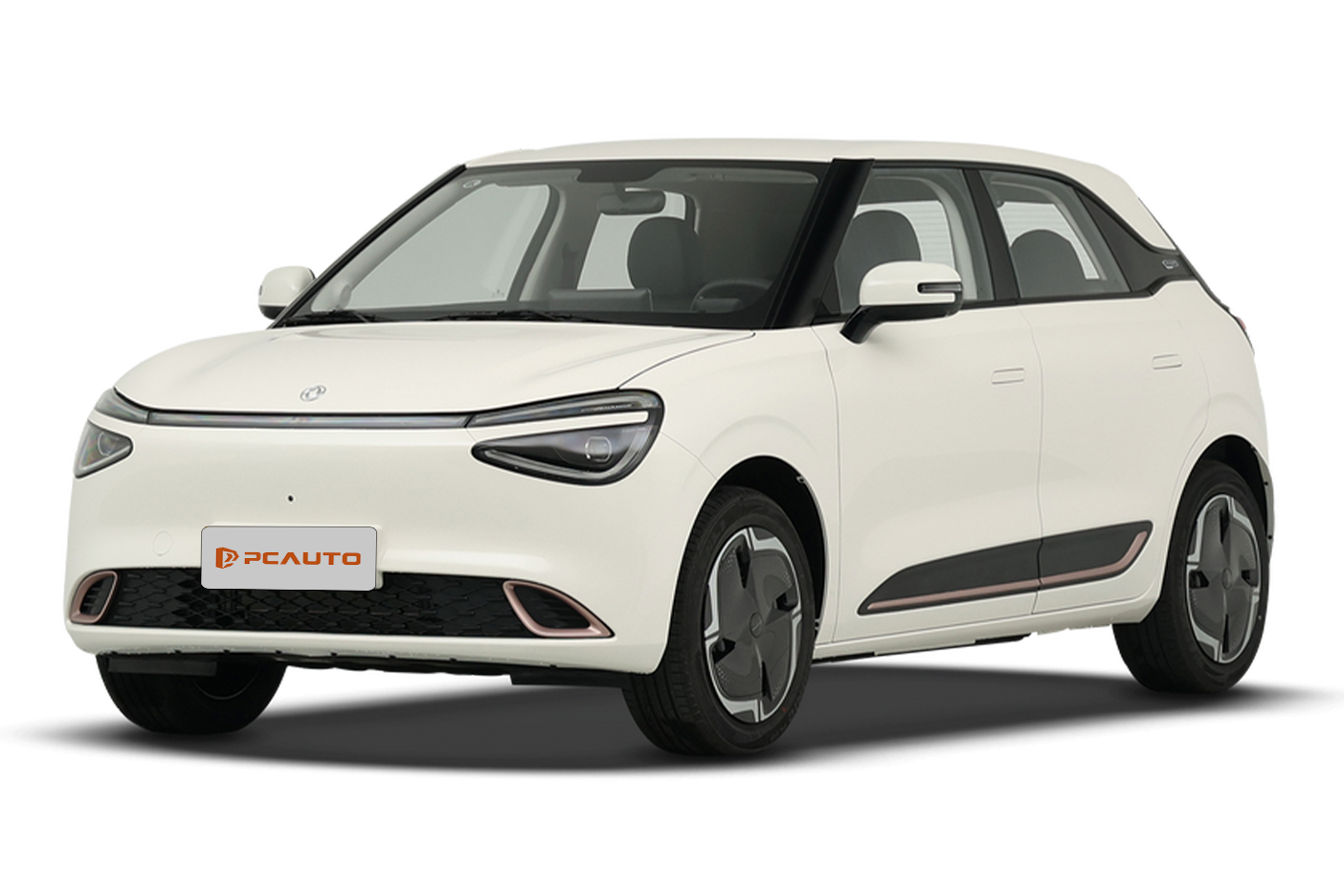
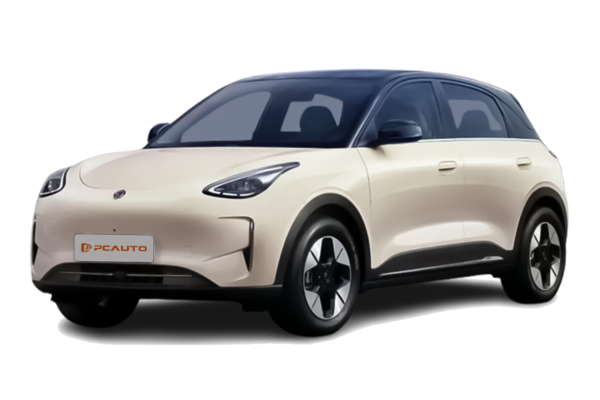
2024 DFSK Box E2 is a household pure electric vehicle in Malaysia priced at around 100,000 Ringgit, featuring a 330 km range, 12.8-inch large screen, and practical space as its main selling points, catering to both commuting and family needs.
30
Rank in SUV
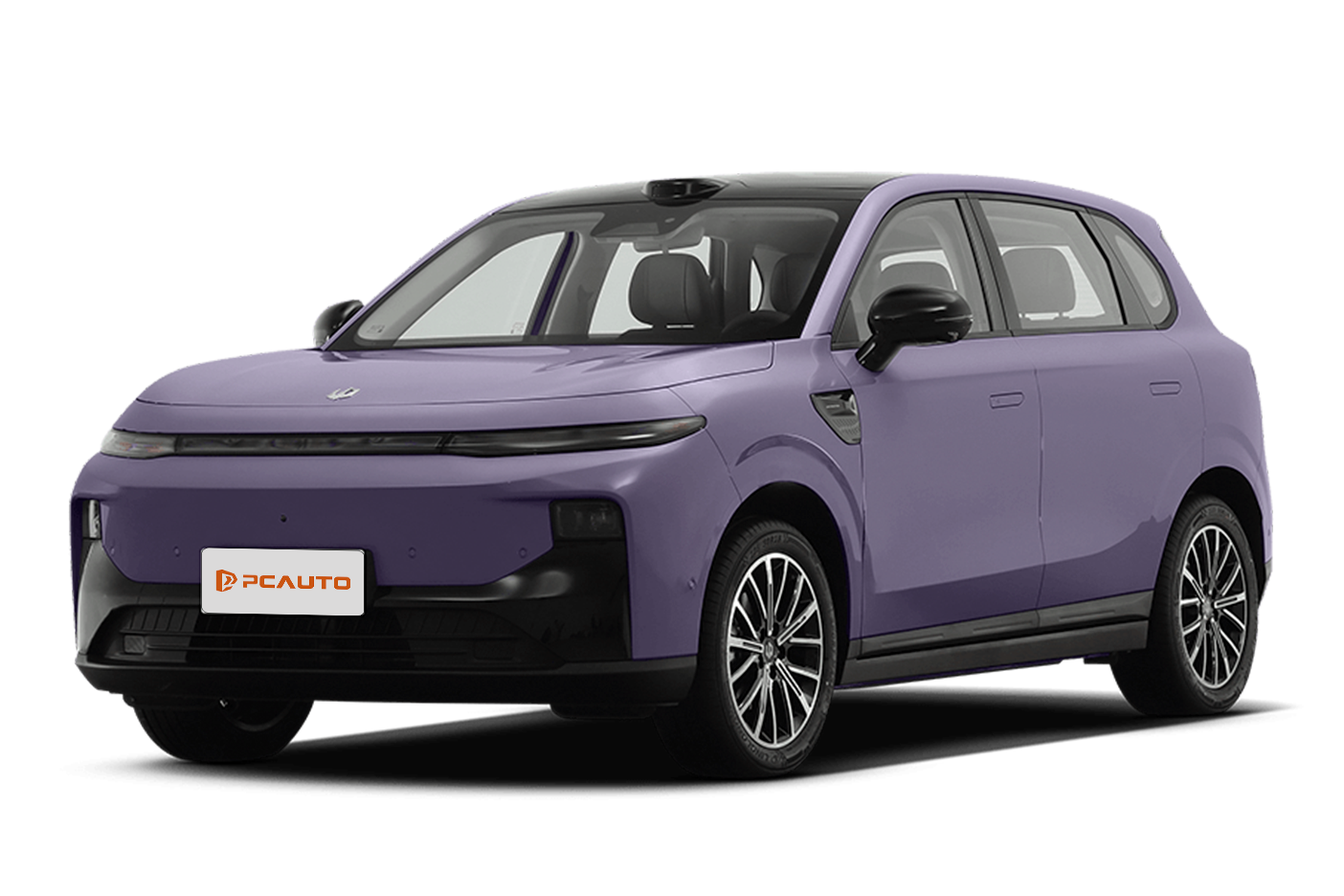
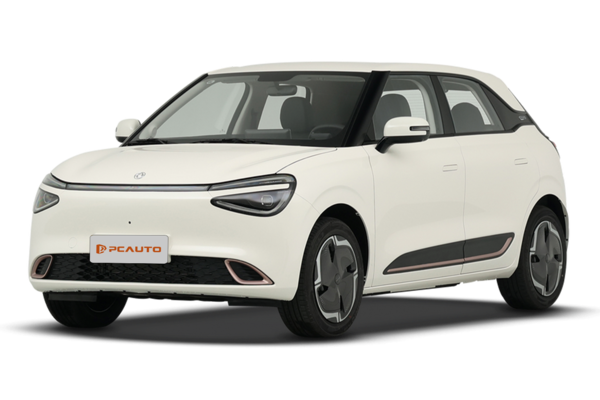
2025 Leapmotor B10 LIFE is a 100,000-level pure electric C-class SUV, equipped with standard L2 assisted driving and other practical features. It offers spacious interior and solid range, making it a go-to choice for family users.
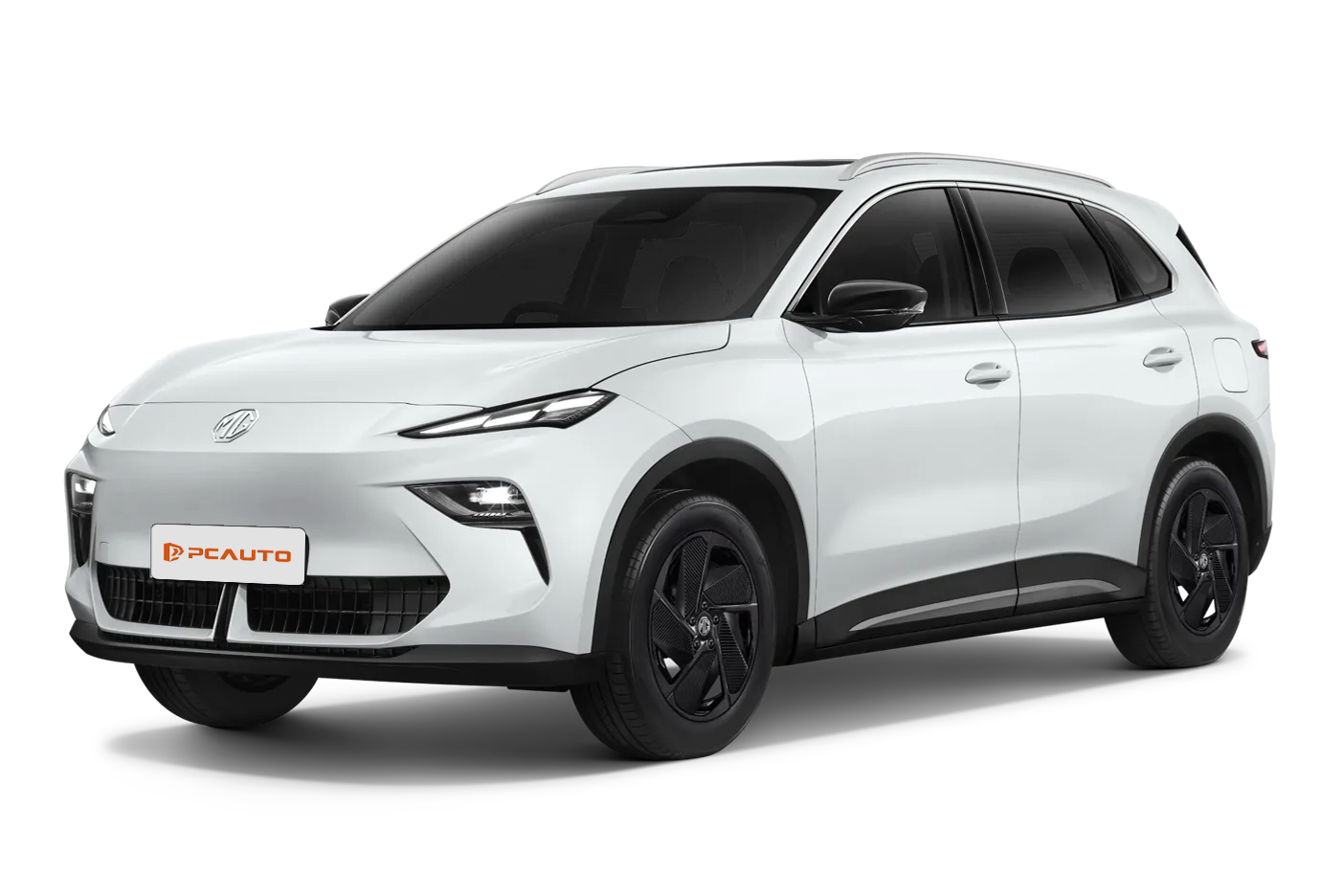
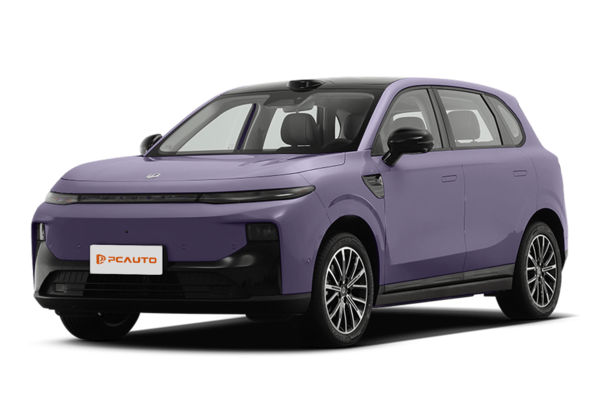
2025 MG S5 EV COM, as the entry-level model of Malaysia's C-Class all-electric SUV, offers high value for money with L2 assisted driving, long range, and practical features, meeting the needs of young families and commuters.