

2025 Lamborghini Temerario Review

 Share
Share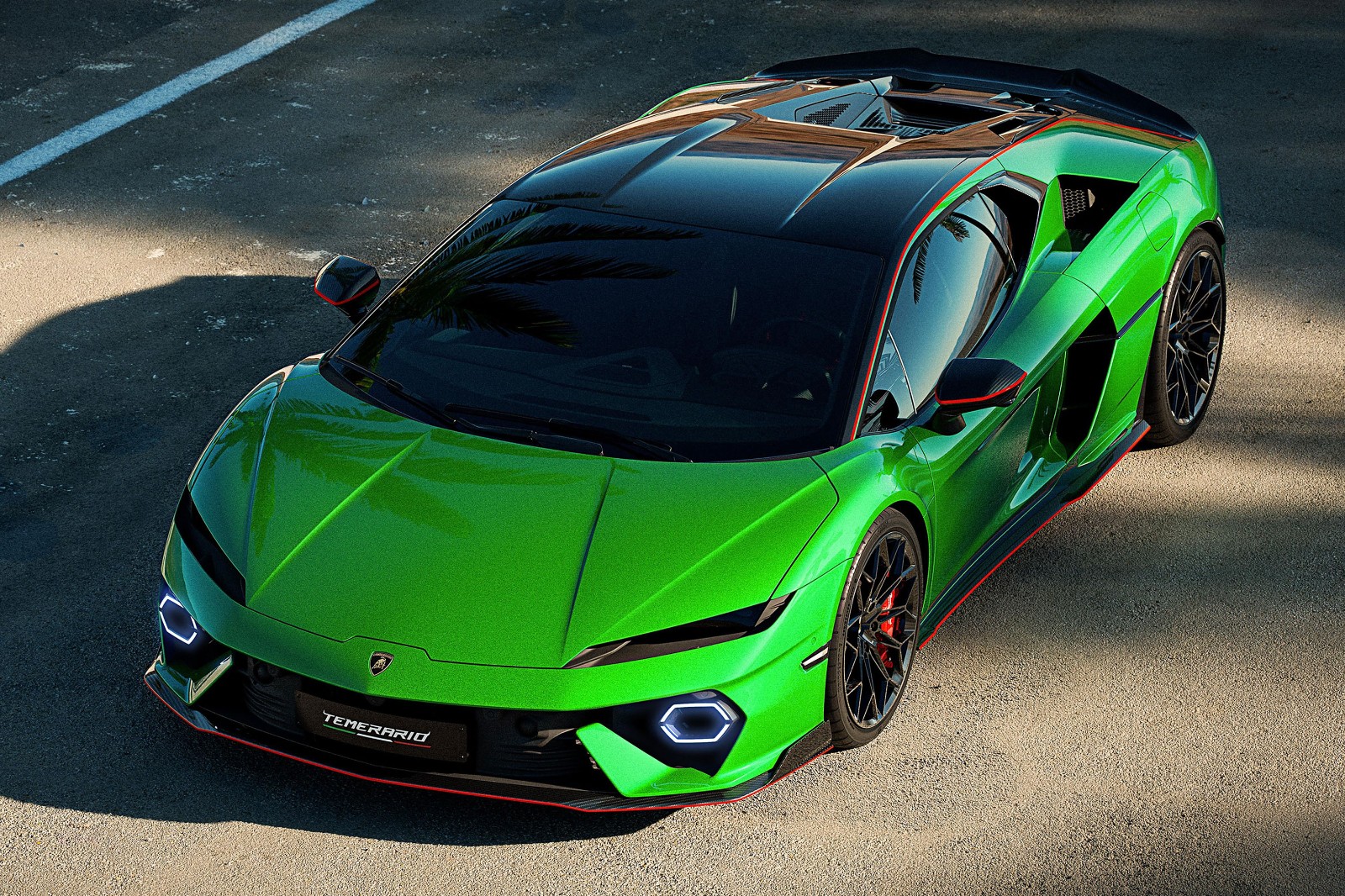
 Segment
 Body Type
 Capacity(L)
 Combined System Output(PS)
 EV Range(km)
 Driven Wheels
In recent years, Malaysia's supercar market has gradually transitioned toward hybridization. Consumers wish to retain the driving passion of fuel-powered cars while balancing policy adaptability and flexibility for daily use. As Lamborghini's first plug-in hybrid supercar, Temerario's core selling points are clear: a powerful performance boasting 920 horsepower, Lamborghini's iconic design language, and the multi-scenario adaptability brought by the PHEV architecture. The primary objective of this test drive is to verify whether it can maintain the performance DNA of a supercar while balancing the practicality of daily driving, providing Malaysian consumers with a clear reference choice.
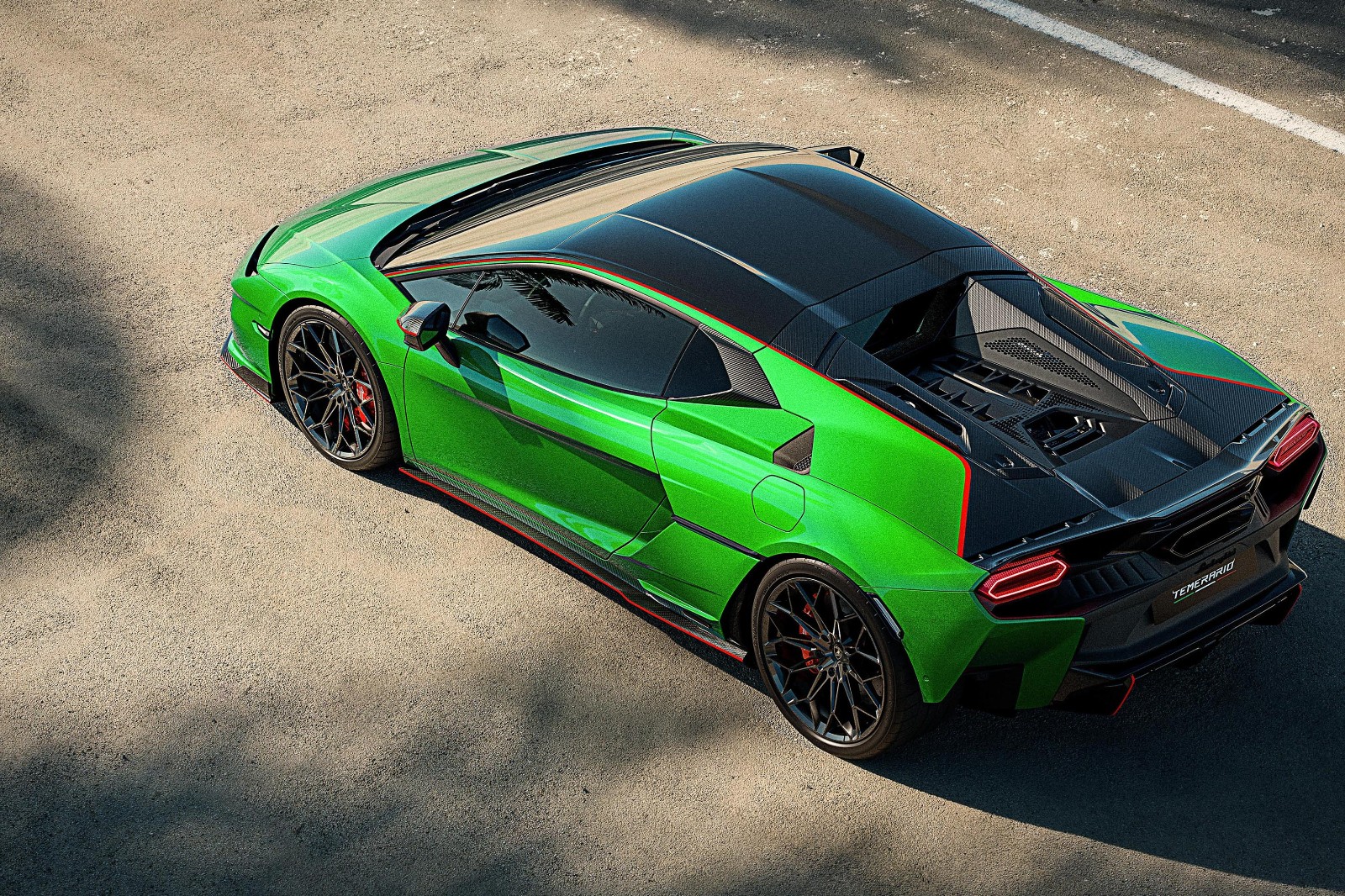
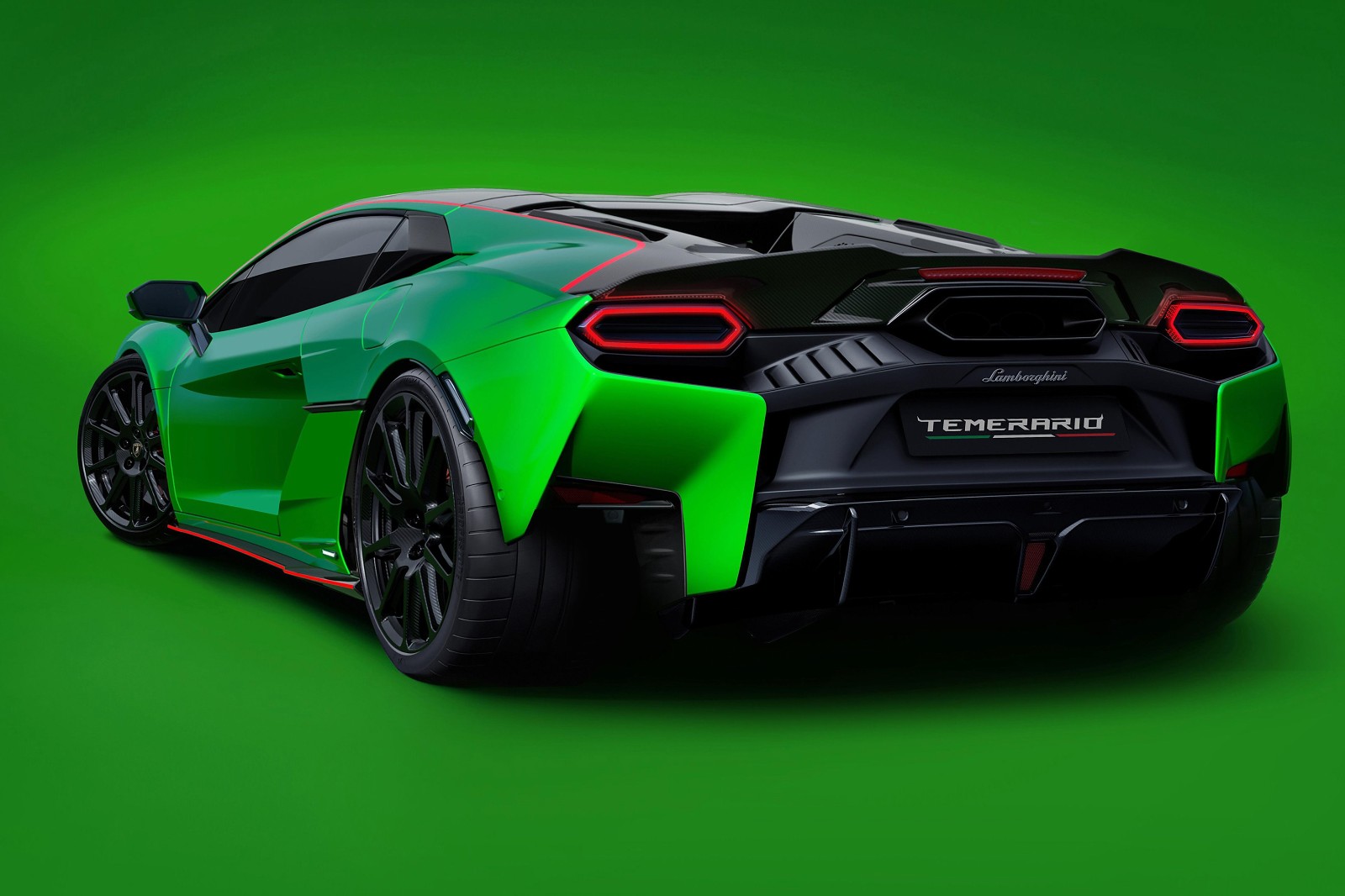
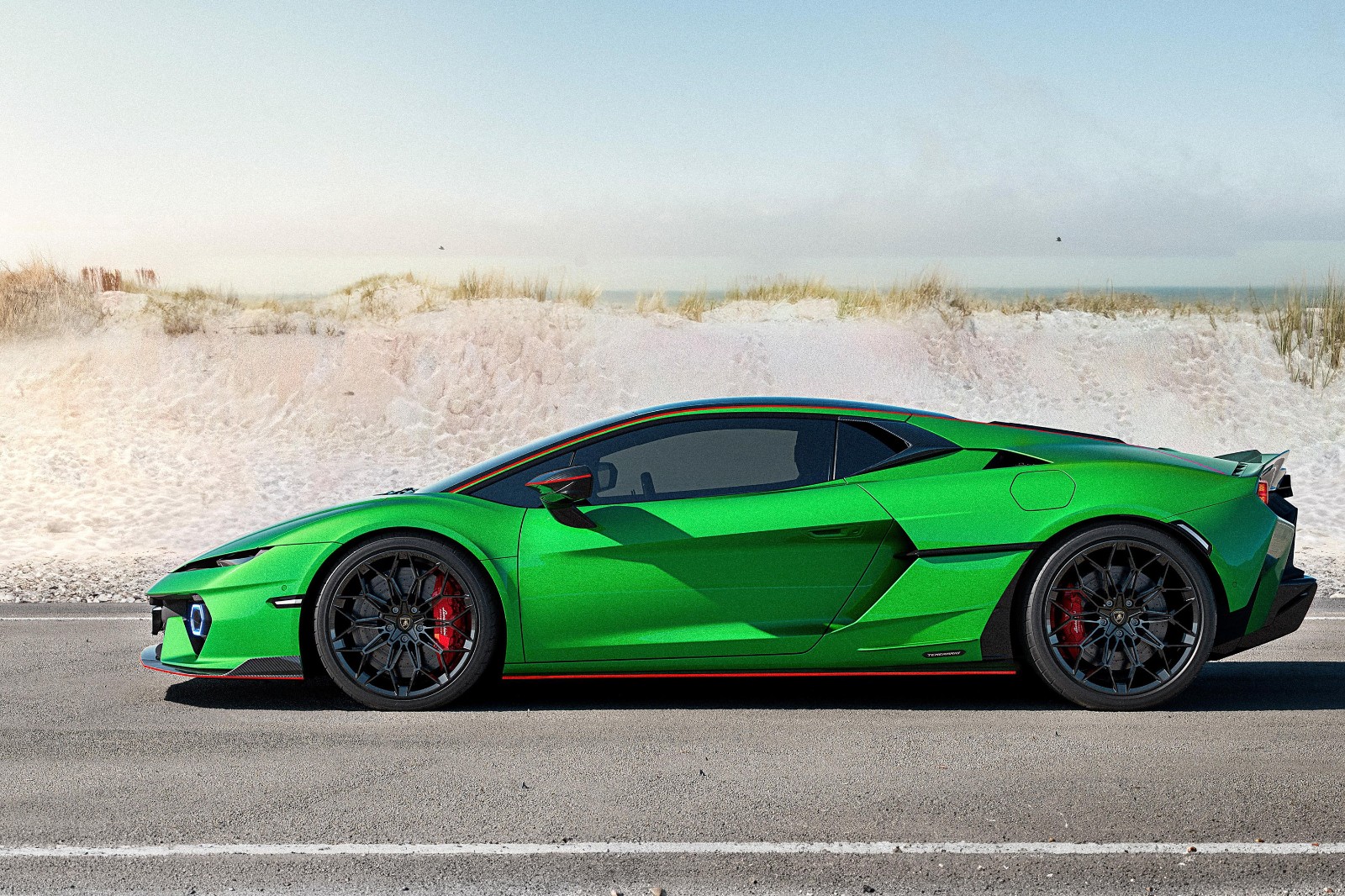
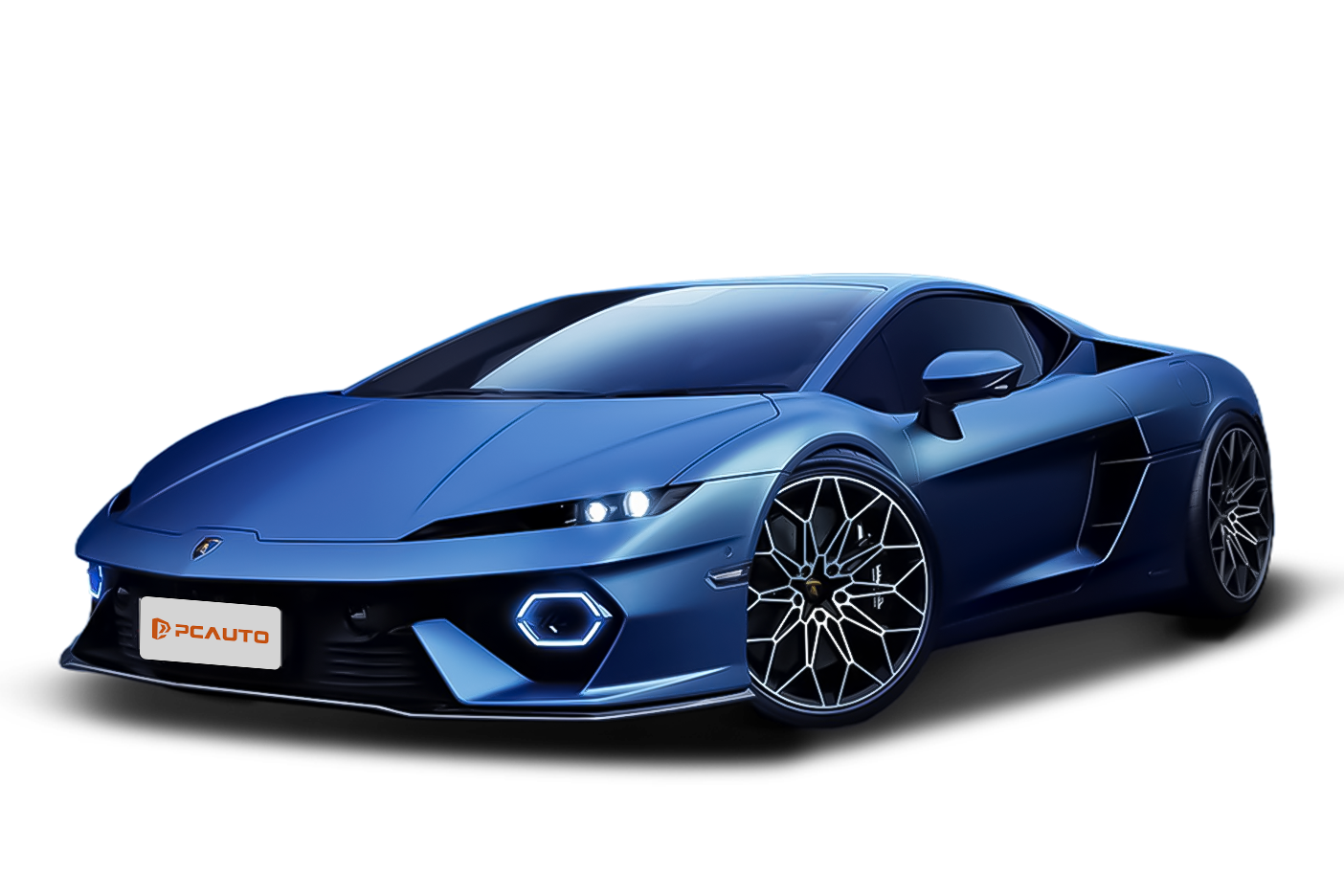
At first glance, Temerario reflects Lamborghini’s distinct family identity. The overall silhouette continues the brand's classic wedge-shaped design, with the front end featuring blacked-out Y-shaped LED daytime running lights complemented by a large front diffuser, creating a highly aggressive visual impact. The side profile showcases smooth lines, with 20-inch front wheels paired with 21-inch rear wheels and wide tires measuring 255/35 ZR20 at the front and 325/35 ZR21 at the rear, further enhancing the sporty stance. At the rear, the main design highlight is the full-width LED tail light, which also incorporates Y-shaped elements mirroring the front; the lower diffuser and quad exhaust pipes immediately emphasize its performance orientation. The lighting system employs LED light sources throughout, offering exceptional recognition when illuminated, especially during nighttime driving.
Sitting inside, the interior style of the Temerario is simple yet full of a sense of combativeness. The center console is driver-centric, with most of the physical buttons integrated into the 8.4-inch vertical touchscreen, which has a clear operational logic. As for materials, the seats and inner door panels are wrapped in Alcantara, offering a delicate touch; the central console area is adorned with carbon-fiber trims, enhancing the overall sporty atmosphere. Core configurations include a 12.3-inch fully digital instrument cluster, which displays rich information and can switch between power output, range, and other data in real-time. The HUD head-up display can project essential information such as speed and navigation to minimize driver distraction. The seats support electric adjustment, and the front headrests are embroidered with the Lamborghini logo, showcasing luxury in the details.
Regarding spatial performance, as a two-door, two-seater supercar, Temerario has body dimensions of 4706mm×2246mm×1201mm with a wheelbase of 2658mm. The front-row seating space is ample, with a 180cm tall occupant experiencing about a fist's worth of headroom and legroom, avoiding any sense of confinement. For storage capacity, there is a small compartment under the center console where a phone or wallet can be placed; the glove box space is average but sufficient for essential items. The capacity of the rear trunk has not been officially specified. However, a practical test shows it can accommodate a 20-inch carry-on suitcase, adequate for short trips. The front row is equipped with automatic air conditioning that supports separate zone controls, and the air conditioning vents are designed to echo the vehicle's body lines. The interior also features multiple USB ports for convenient daily charging.
In terms of power parameters, the Temerario is equipped with a 4.0T V8 twin-turbocharged engine and a PHEV system with three electric motors, achieving a combined system output of 920 horsepower and a total torque of 730 N·m, paired with an 8-speed automatic transmission. In actual driving, switching to Sport mode delivers exceptionally fast acceleration, achieving 0-100 km/h in just 2.7 seconds with a strong push-back sensation. Mid-to-high-speed acceleration remains powerful, and pressing the accelerator deeply provides instant feedback when overtaking. The distinctions between the three driving modes are clear: Comfort mode features smooth power delivery and suits daily commutes; Sport mode offers heightened throttle sensitivity and more aggressive shift logic; Track mode fully unleashes performance, keeping the transmission in low gear and ready to pounce at a moment's notice.
In terms of handling, the Temerario adopts a front and rear double-wishbone independent suspension. The chassis is tuned for a firm feel while maintaining a certain flexibility. When facing bumpy roads, the suspension quickly filters out minor vibrations, and the body doesn't bounce significantly. During cornering, the support is very strong, body roll is well-controlled, and combined with the precise steering wheel, it gives the driver sufficient confidence. The braking system uses front and rear ceramic ventilated discs, with sensitive braking response. When pressing the brake pedal, the braking force is released linearly, and the vehicle maintains good stability during high-speed braking. In specialized tests, its official pure electric range is marked at 3.5 km, and in actual urban road conditions, it can reach about 3 km. The energy consumption performance is average, while the 3.8kWh battery fast charge takes only 0.5 hours, showing a fast replenishment speed. As for fuel consumption, the measured average under comprehensive conditions is about 10L/100km, which offers a clear advantage compared to fuel-powered supercars in the same class.
The details of driving and riding comfort are well-executed. Noise control inside the cabin is excellent, and tire and wind noise are hardly noticeable during daily commutes at speeds below 60km/h. At high speeds, wind noise slightly increases but remains within an acceptable range. The seats offer strong encapsulation, with adequate support for the waist and legs, ensuring comfort even during long drives. The energy recovery system has two adjustable levels. In the low mode, it provides a gliding experience similar to fuel-powered vehicles with no obvious drag feeling. The high-mode recovery strength is moderate, making it suitable for congested urban road conditions.
In summary, the core highlights of Temerario stand out: an extreme performance with 920 combined horsepower, Lamborghini's iconic design, a PHEV architecture that balances performance and daily use, as well as practical features such as the Sonus Faber sound system and 360-degree panoramic imaging. Compared to the Ferrari 296 GTB in the same class, Temerario offers better pricing (approximately 1.35 million MYR in the Malaysian market, lower than the starting price of the 296 GTB) while delivering more comprehensive configurations, such as standard HUD head-up display and Sonus Faber sound system. Overall, it retains the performance genes of a supercar while reducing the cost of daily use through the PHEV system, making it suitable for a wide range of scenarios — ideal for supercar enthusiasts who pursue extreme driving experiences, as well as young luxury car owners who need to balance daily commuting.
The launch of the Temerario fills the gap for Lamborghini in the hybrid supercar segment. It is not a model solely focused on track performance but a versatile choice that balances performance, design, and practicality. If you want to own a Lamborghini supercar while ensuring it meets daily commuting needs, Temerario would be an excellent choice.
Lamborghini Temerario Car Compare
Lamborghini Temerario Loan Calculator
More Lamborghini Reviews
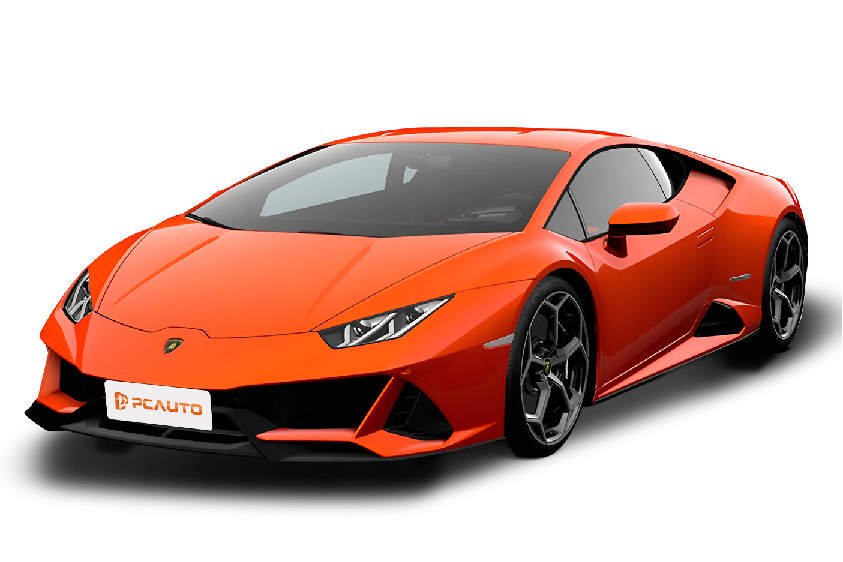
Cars With Similar Price And Features

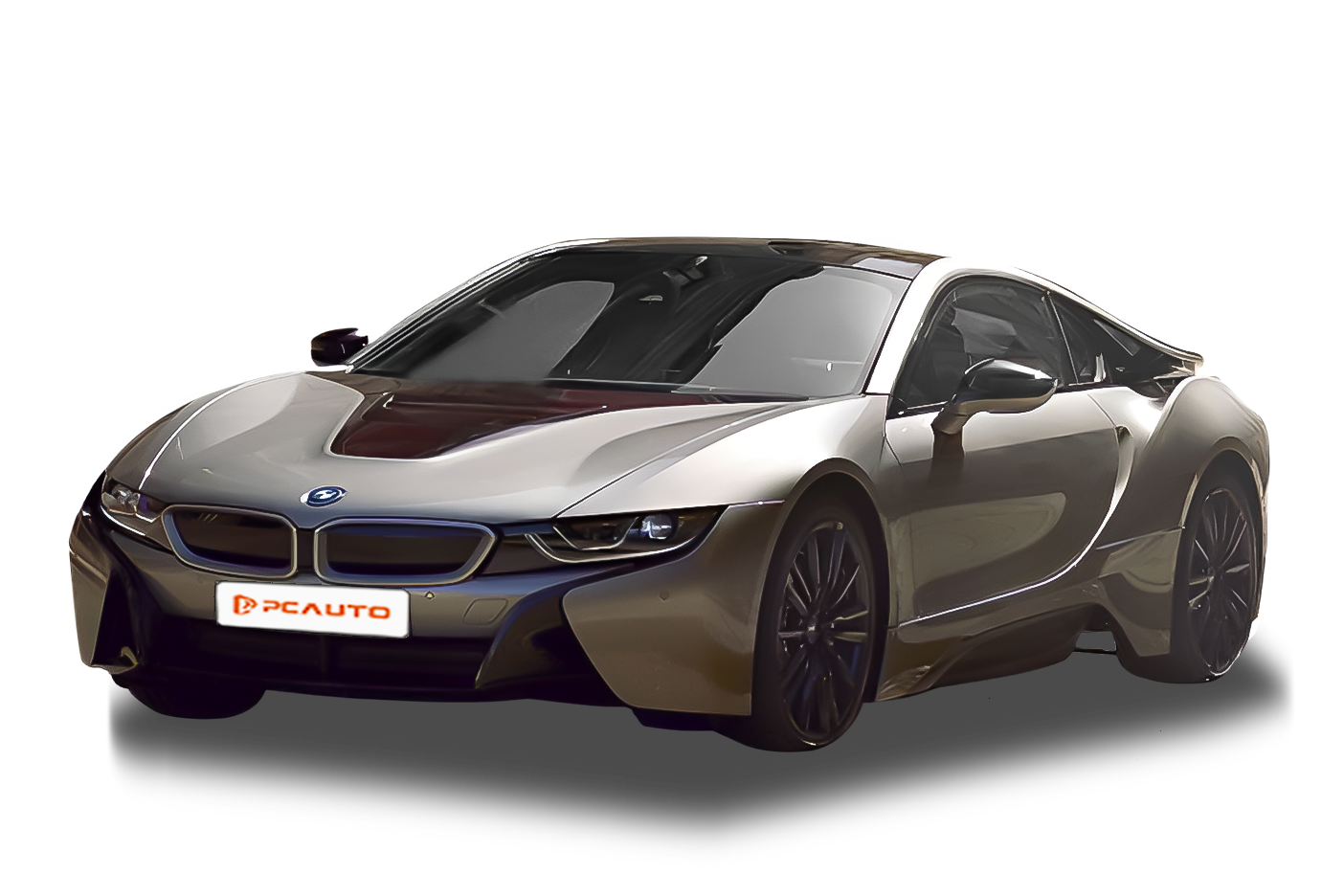
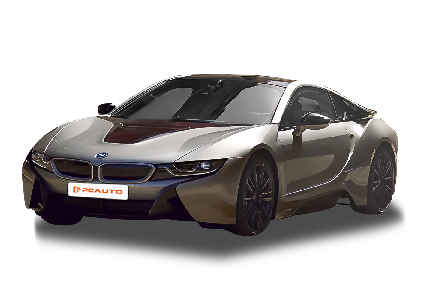
2019 BMW i8 Coupe eDrive is a luxury sports car with futuristic design and plug-in hybrid performance, meeting personalized and eco-friendly travel needs with technological features and agile handling.
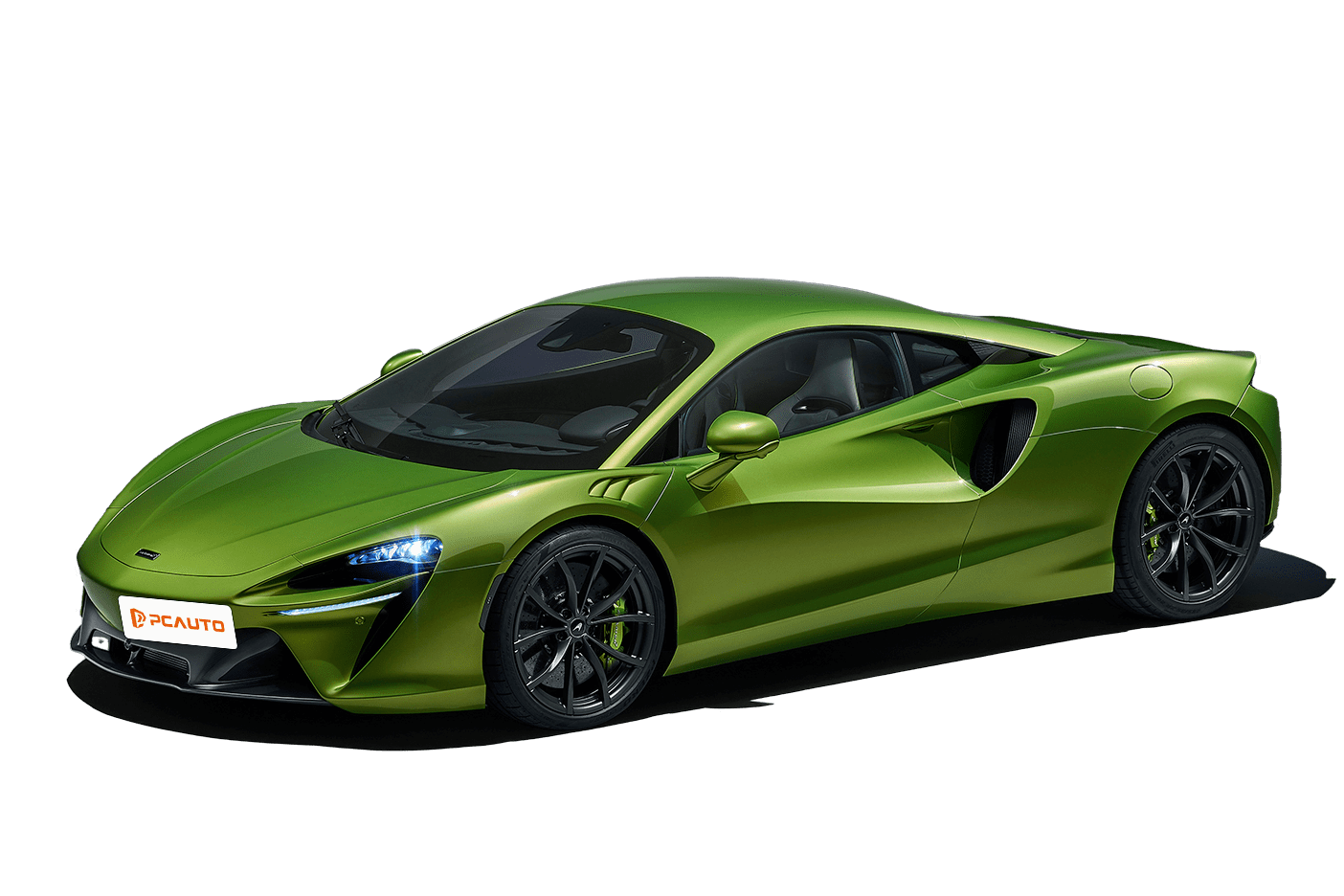
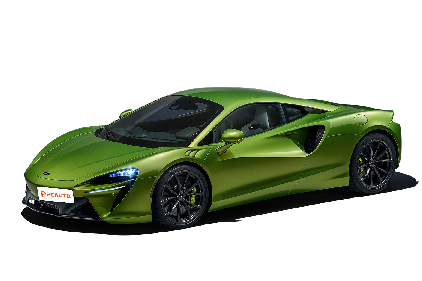
2024 McLaren Artura Spider is a convertible supercar that combines 700PS hybrid performance with daily practicality, featuring a hardtop convertible that is easy to operate, excellent handling, and fuel-efficient.

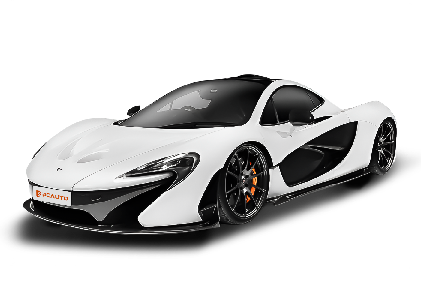
2023 McLaren P1 3.8L V8, as a representative of hybrid supercars, combines 916PS total horsepower, 2.8-second 0-100 km/h performance, handling pleasure, and daily practicality, making it an ideal choice for performance enthusiasts.