

2025 MG S5 EV COM Review

 Share
Share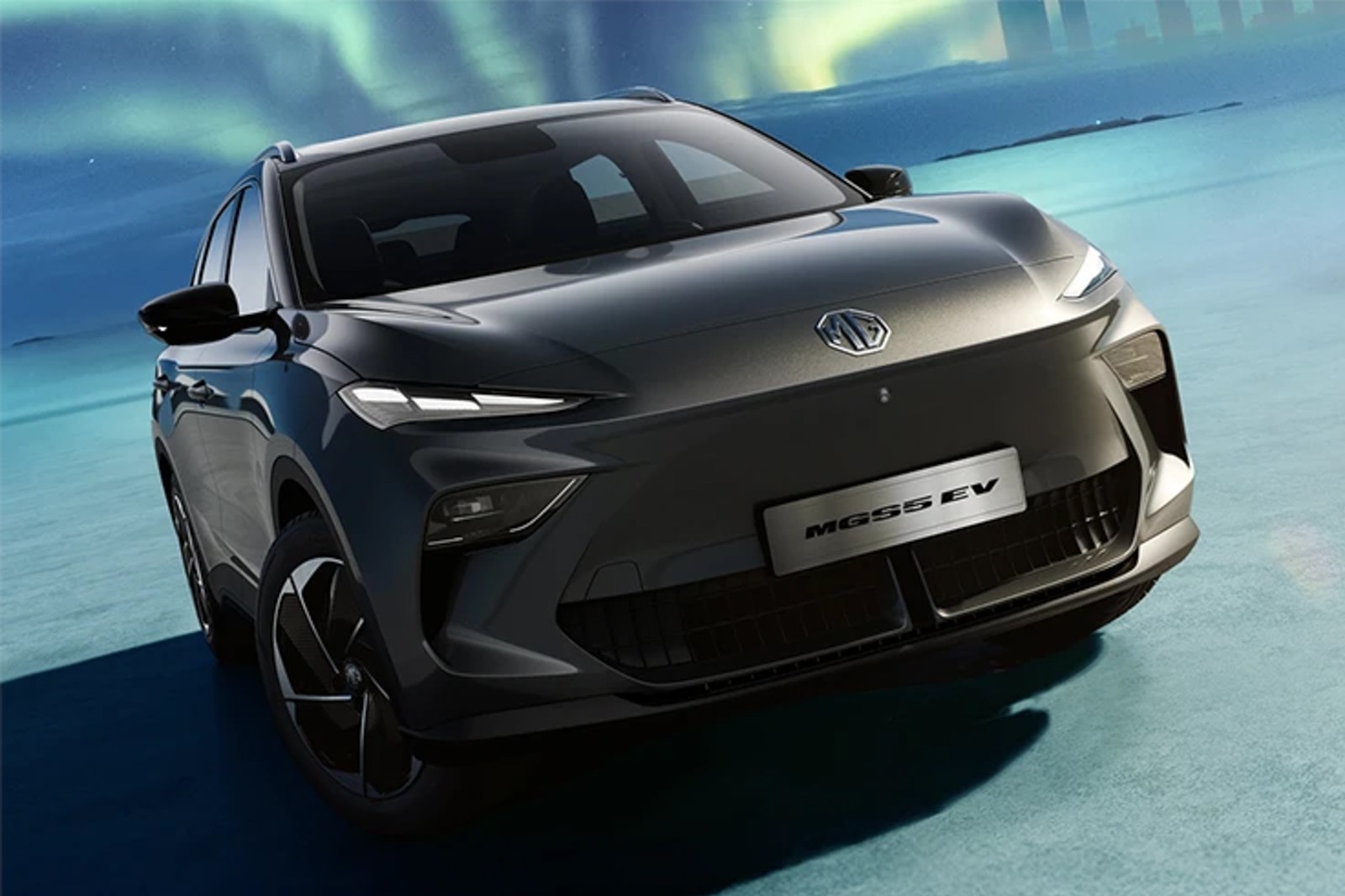
 Segment
 Body Type
 Motor Output(kW)
 Motor Torque(Nm)
 EV Range(km)
 Battery Capacity(kWh)
As Malaysia's new energy market continues to heat up, the competition among C-segment pure electric sedans has become increasingly fierce. Consumers want sufficient range, practical features, and a reasonable price. The 2025 MG S5 EV COM targets this demand with its pricing of over 110,000 MYR, paired with rear-wheel drive, seven airbags, and L2-level driver assistance. Since its launch, it has attracted the attention of many family users. This time, we got the actual car to test whether its static experience suits daily use, if its dynamic performance meets family needs, and whether its range and features live up to the claims.
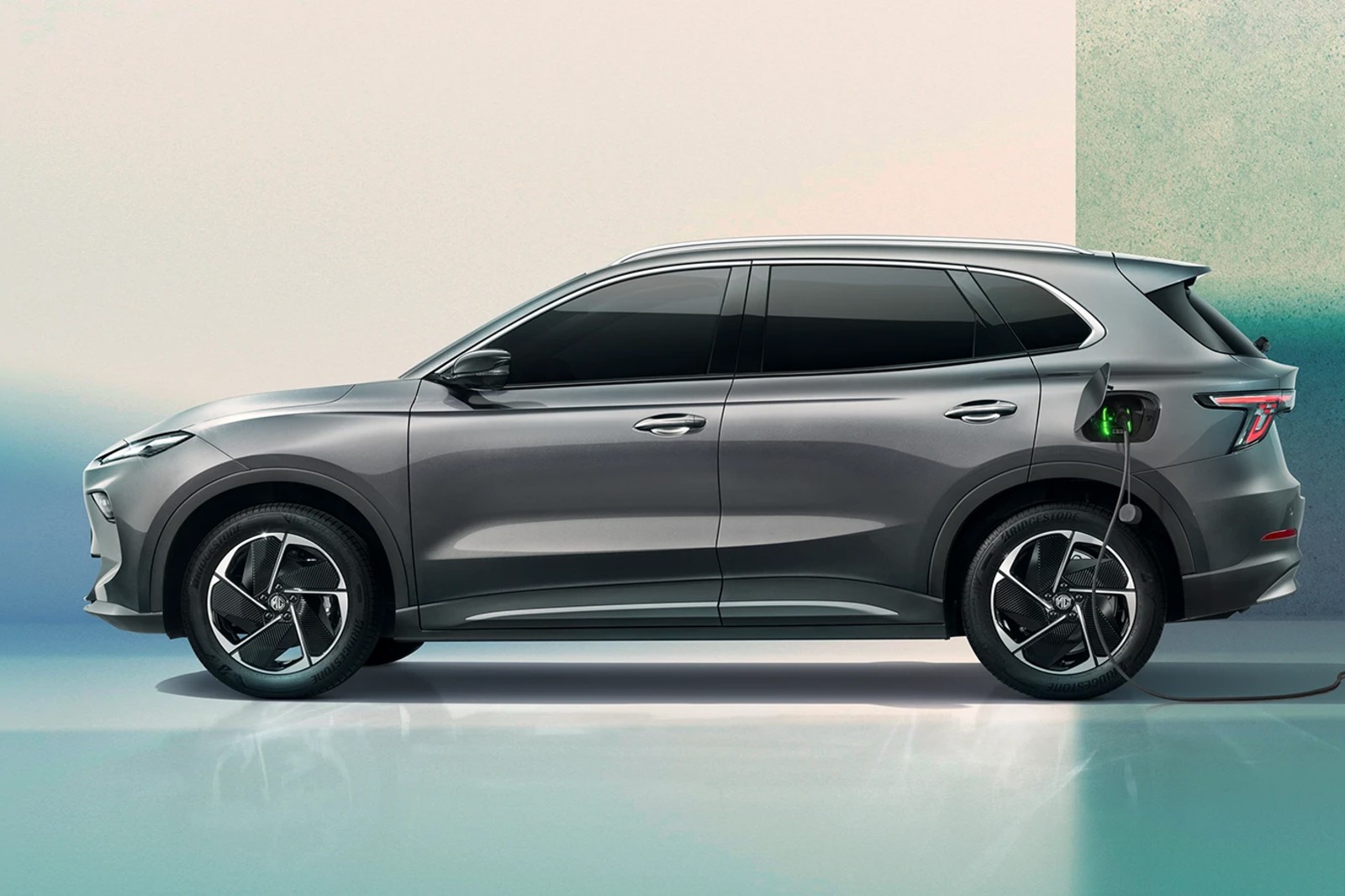
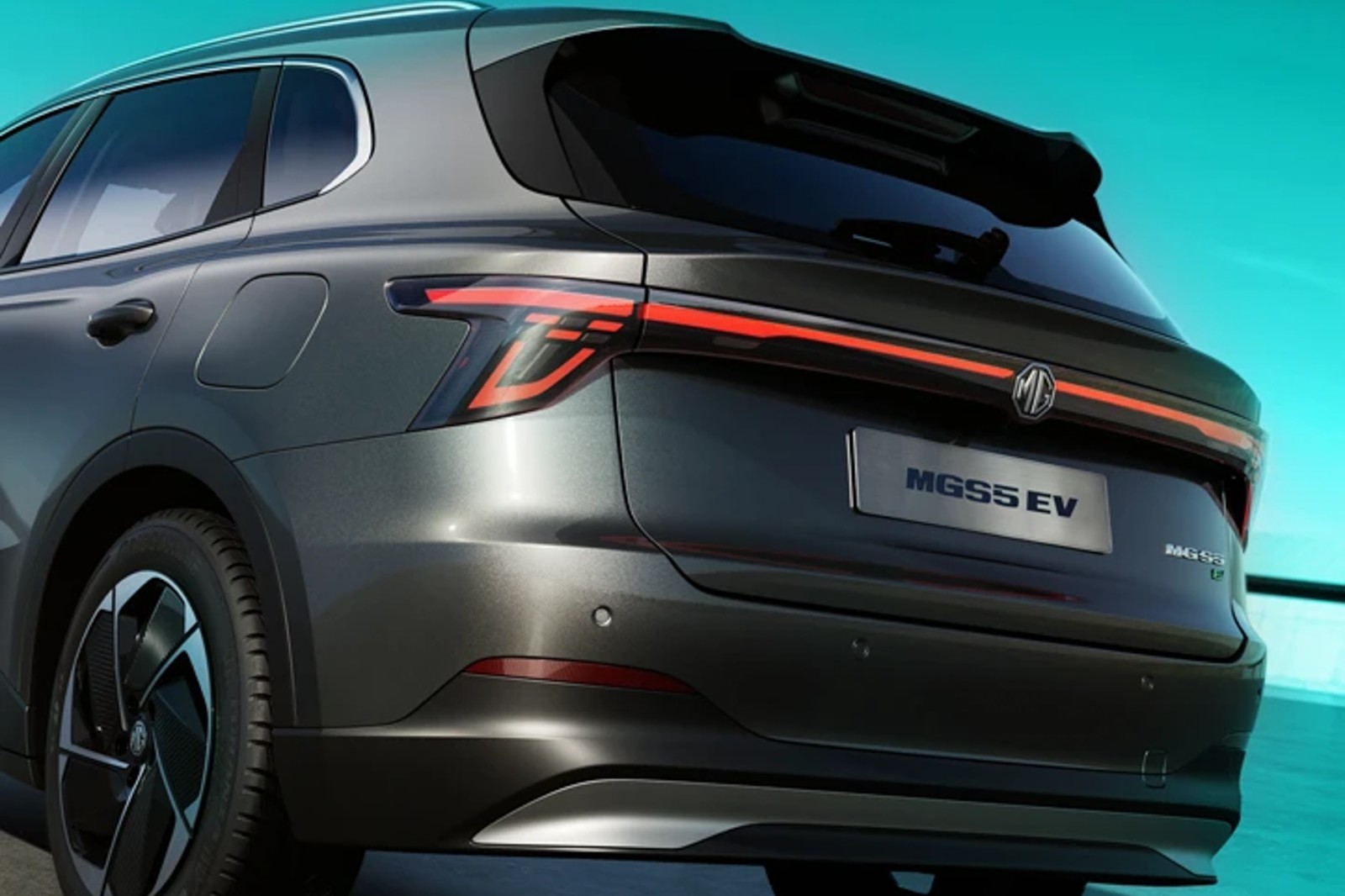
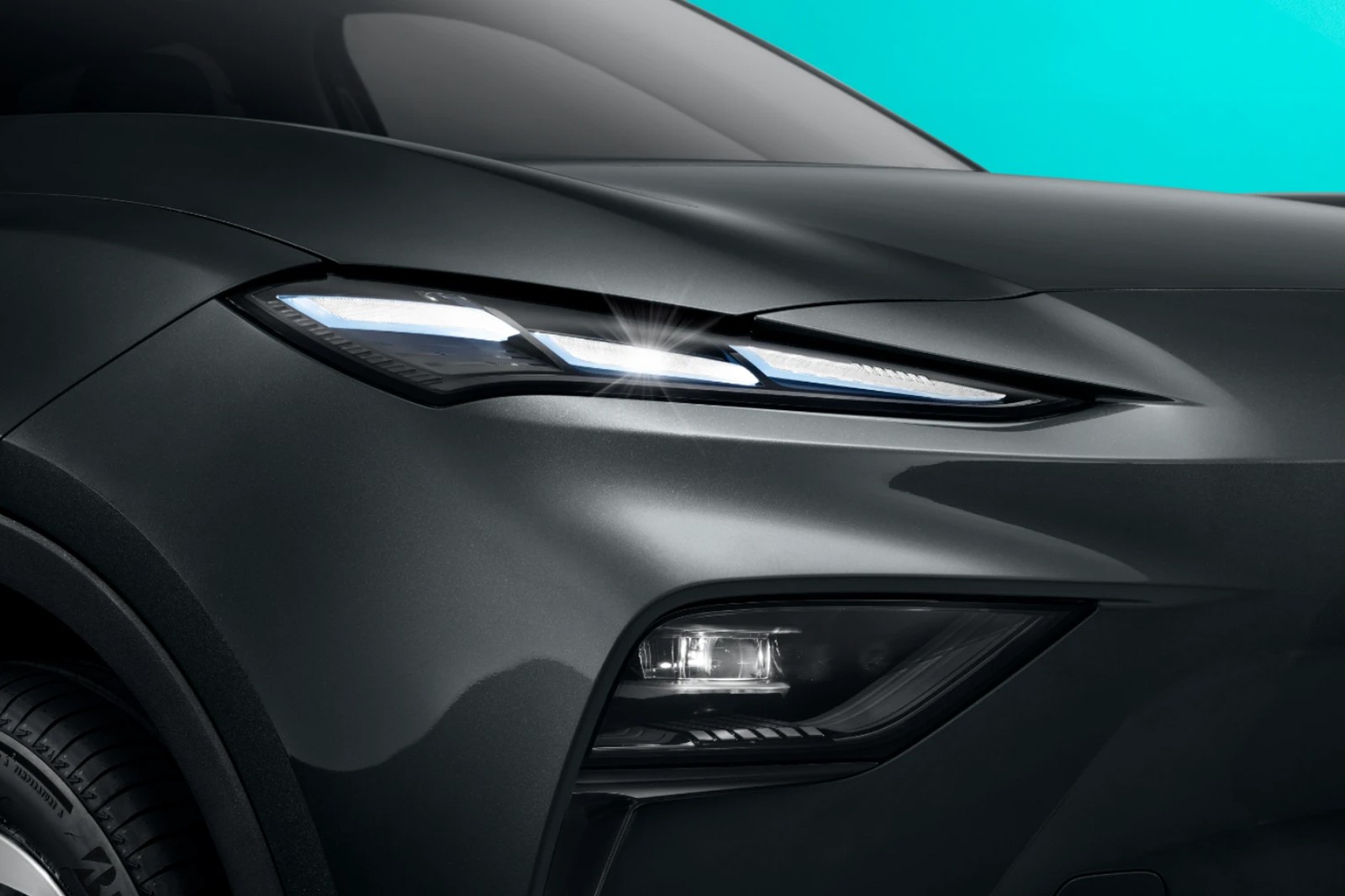
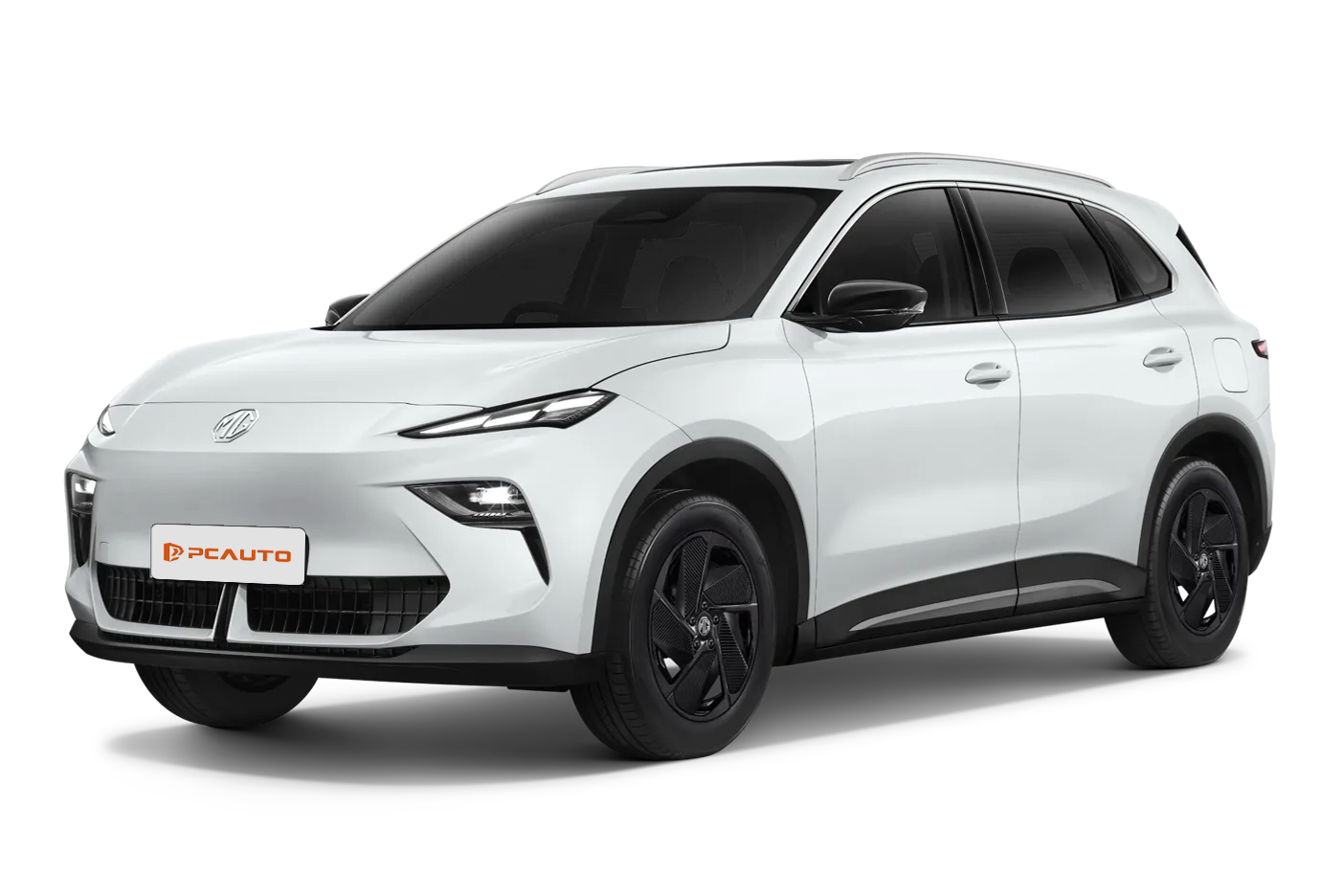
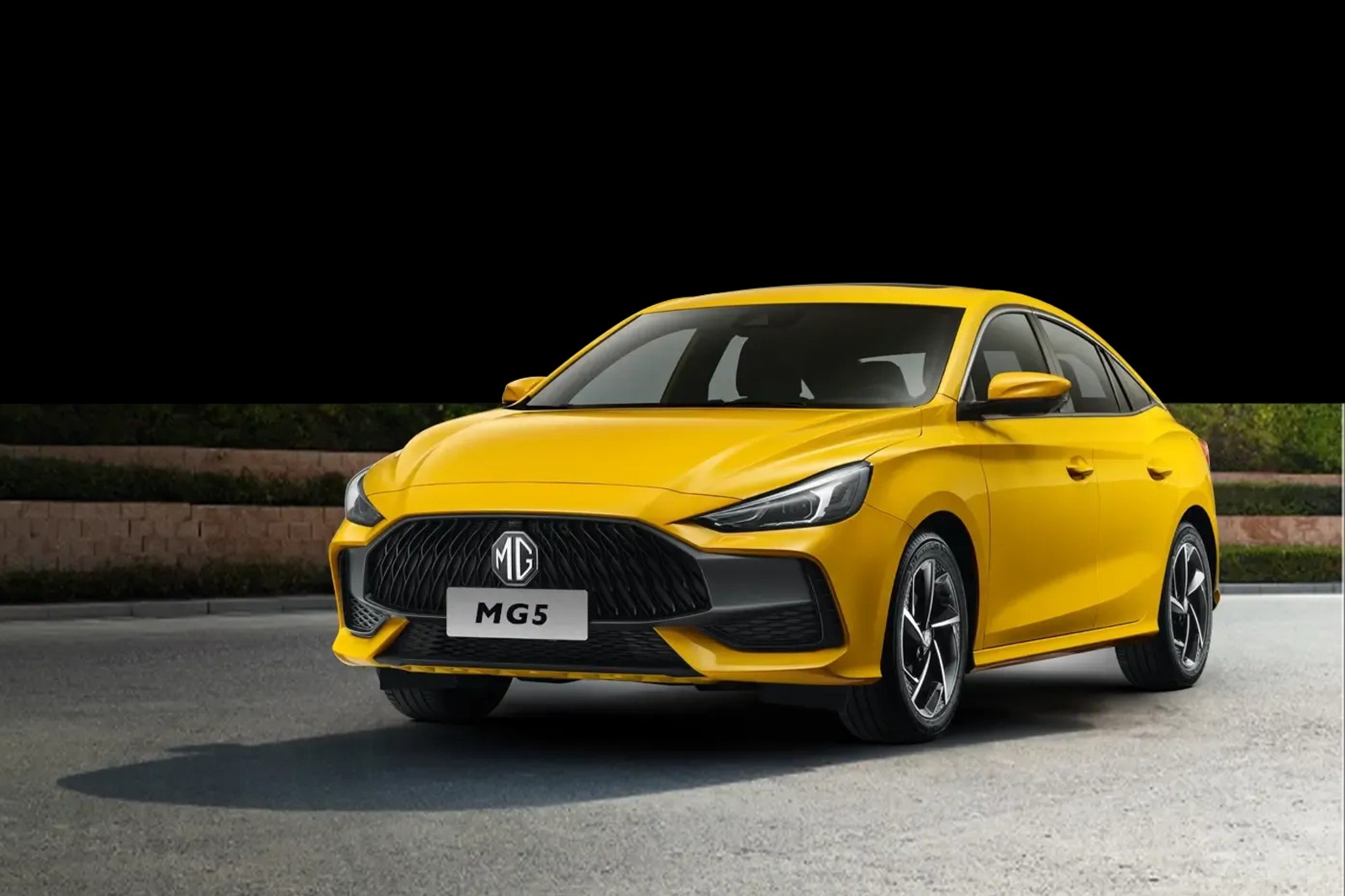
From a distance, the overall design of the MG S5 EV COM leans towards a simple and sporty style, without too many complex lines. The front features a closed grille typical of electric vehicles, with MG's chrome-plated logo embedded in the middle. Below, there is a blacked-out trapezoidal air intake, complemented by sharp LED daytime running lights on both sides, which give it decent recognition. The side profile has smooth lines, with a waistline extending from the front fender to the rear that isn’t overly exaggerated but adds a bit of layering. The 17-inch wheels have a conventional design, and the tires have a moderate thickness, appearing more focused on comfort. The rear design is fairly simple, with LED taillights adopting a through-type design, providing good visual width when lit up. The lower diffuser decoration is mainly for adding a sporty feel but provides little practical function. Overall, the design isn’t overly flashy, offering an enduring look suitable for daily commuting.
Stepping inside, the interior layout is primarily practical. The dashboard adopts a T-shaped design, with most areas made of hard plastic materials, but the surface has a textured treatment that prevents it from looking cheap. The 12.8-inch center screen is the visual focal point, boasting good resolution and smooth performance. It supports Bluetooth, CarPlay, and Android Auto, making daily operation very convenient. The steering wheel is a multifunctional design; the left side controls cruise control, and the right side adjusts multimedia settings. The button feedback is crisp, but the adjustment of the steering wheel is manual for both tilt and telescopic settings. The instrument cluster is a 10.25-inch fully digital display, showing basic information like range, speed, and navigation. The interface layout is straightforward, allowing drivers to glance and quickly see the details. The seats are made of fabric, with the front driver seat supporting six-way manual adjustment and the passenger seat offering four-way manual adjustment. The seats have average support, but the cushioning is reasonably soft, ensuring comfort during long journeys. The rear seat space performs well—the 2730mm wheelbase allows a passenger of 175cm height to sit with about two fists of legroom and one fist of headroom remaining. The middle floor is almost flat, making it comfortable to seat three passengers at the back. The rear also features air conditioning vents and two USB ports, adding to the practicality. The trunk offers a capacity of 453L, which can easily fit two 28-inch suitcases. The rear seatbacks can fold down 60:40, accommodating larger items when needed.
Starting the car, shifting to Drive, and lightly pressing the accelerator gives an immediate sense of agility due to the rear-wheel drive. This car is equipped with a permanent magnet synchronous motor delivering a maximum power of 125 kW and a maximum torque of 250 N·m, which are average figures in its class. The power response is very immediate when starting; there is no delay like with fuel cars. It’s easy to follow or overtake in urban areas. However, after exceeding 80km/h, the acceleration becomes weaker, and you need to press the accelerator harder and wait a moment for the power to deliver when overtaking on the highway. There are three driving modes: Economy, Normal, and Sport. In Economy mode, the power output is more restrained, making it suitable for daily commuting. In Sport mode, the throttle sensitivity increases, and the torque delivery becomes more direct, allowing for an occasional experience of acceleration. The steering wheel is relatively light, making it easy for women to handle without feeling tired, and the steering is fairly precise with minimal dead zones. The chassis uses a front MacPherson and rear multi-link independent suspension, tuned more toward comfort. When passing speed bumps or uneven roads, most bumps are filtered out, avoiding a hard-feeling ride. However, body roll is average during cornering; after all, it’s a family car, so higher expectations might be unreasonable. Regarding noise control, tire and wind noise are not obvious when driving at low speeds in the city. After surpassing 100km/h, wind noise gradually increases but remains within an acceptable range, not disturbing conversations inside the car.
In terms of range, the official claim is 340km. During our test run, with half the journey in the city and the other half on highways, using air conditioning in economy mode, the actual range was approximately 290km, achieving about 85% of the claimed range. This performance is fairly average. For charging, using a home charging pile (7kW) to charge from 30% to 80% takes about 3 hours. As for fast charging, the official data is not provided, but it is estimated that it can charge to 80% in about half an hour. The braking performance is good, with linear feedback from the brake pedal. During emergency braking, the vehicle remains stable with no noticeable nose-dive effect. The L2-level assisted driving function is very practical. The ACC adaptive cruise control can follow the car ahead automatically on highways, while lane departure warning and automatic emergency braking provide critical support in key moments, enhancing overall driving safety.
Overall, the core advantage of the MG S5 EV COM is its value for money. For a price of just above RM110,000, you can get a rear-wheel-drive electric sedan, 7 airbags, L2-level assisted driving, spacious interior, and practical features. This level of offering is relatively rare in the same class. Compared to competitors such as the BYD Qin PLUS EV or the GAC Aion S, its configurations and space are comparable, but it holds an edge in pricing. However, it also has its weaknesses, such as average interior materials, weaker high-speed acceleration, and a below-average range achievement rate.
This car is suitable for budget-conscious family users who prioritize practicality. Its spacious interior can meet daily household needs; the fully equipped features provide good convenience and safety; and the rear-wheel-drive layout delivers a more agile driving experience compared to front-wheel drive. If your daily commute is within 50km and you can install a home charging pile, this car can fully meet your needs.
In summary, the MG S5 EV COM is a pragmatic household electric sedan. It does not focus on flashy design but spends money where it matters most — space, safety, and practical features are all well-delivered. For consumers looking for an economical, reliable, and user-friendly electric vehicle, it is a choice worth considering.
MG S5 EV Car Compare
MG S5 EV Loan Calculator
More MG Reviews
Cars With Similar Price And Features

1
Rank in SUV
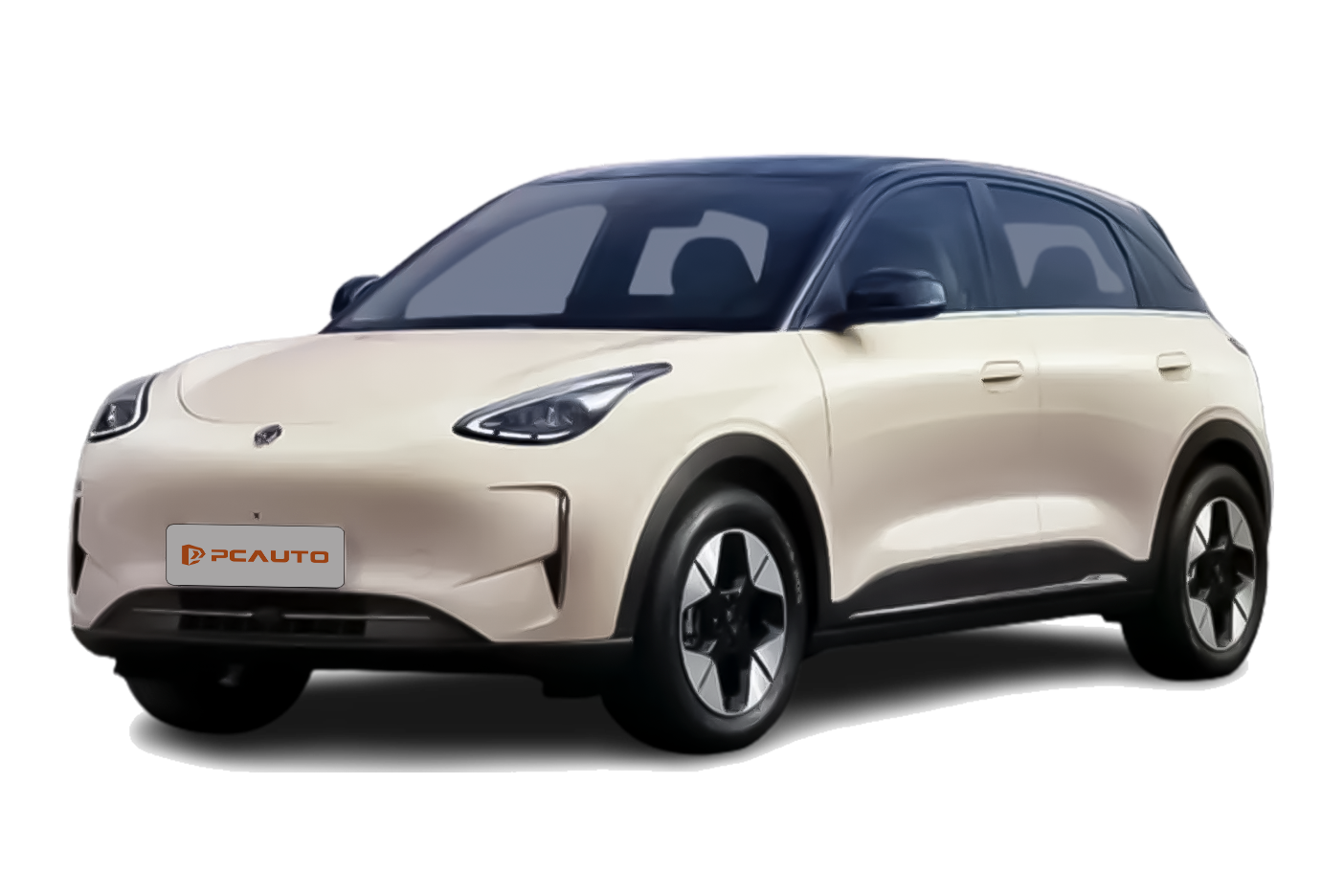
2025 Proton e.Mas 5 Prime is Proton's first entry-level pure electric C-Segment model, priced from 56,800 MYR to target the sub-100,000 MYR market, balancing practical features with commuting range.
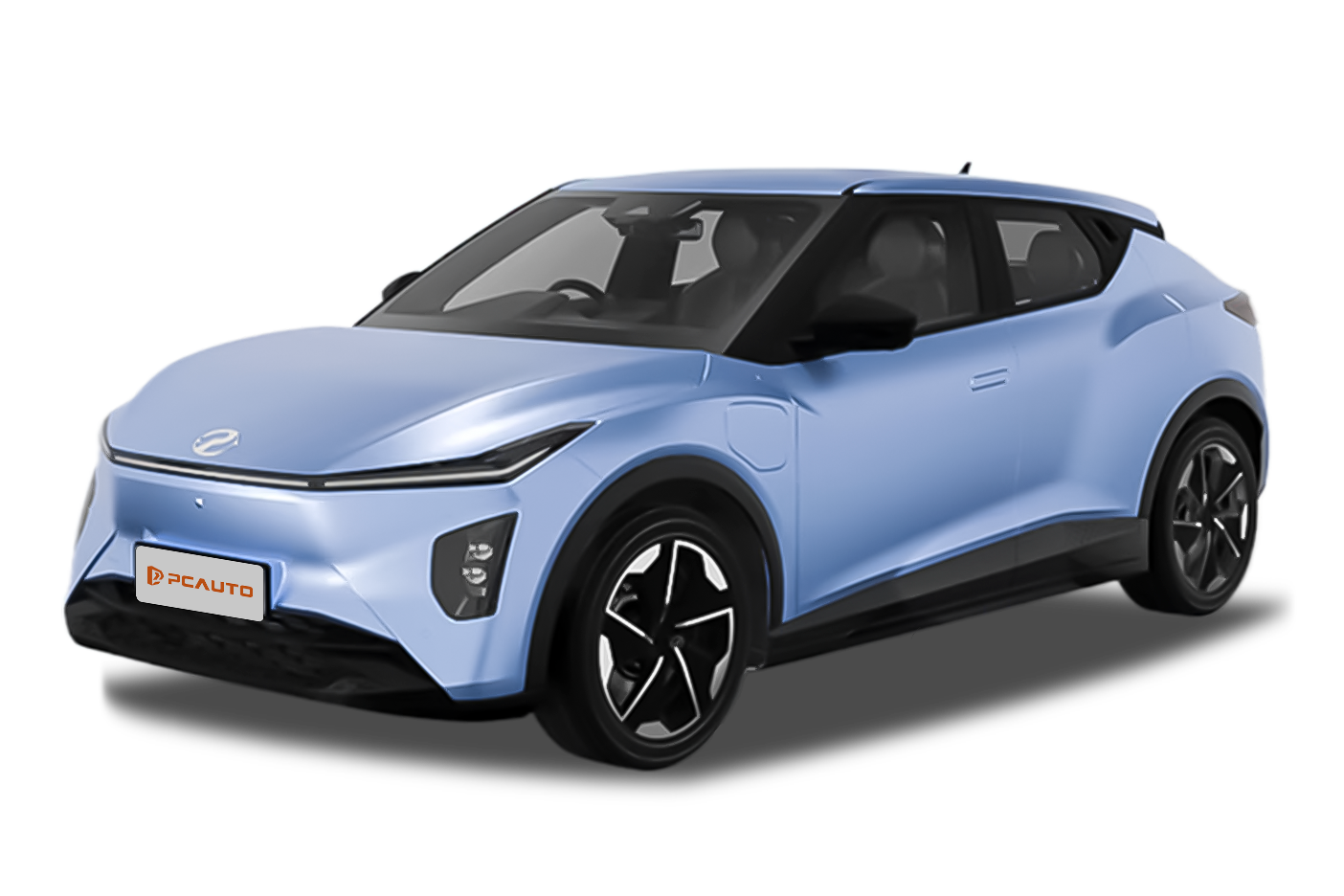
The 2025 Perodua QV-E is an affordably priced, practically ranged class-C pure electric vehicle, precisely tailored for family users and young commuters with its high safety features, spacious interior, and agile driving dynamics.
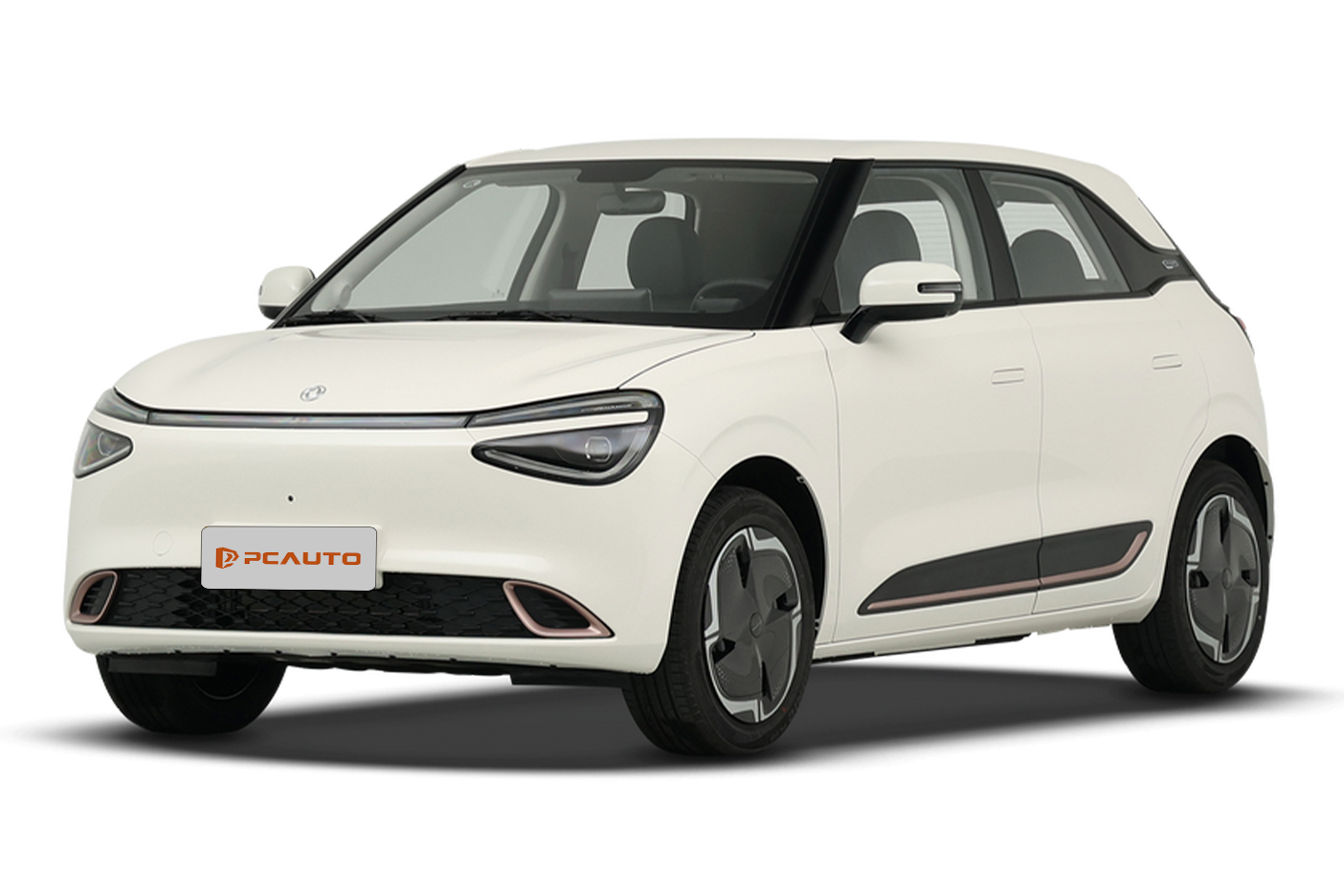
2024 DFSK Box E2 is a household pure electric vehicle in Malaysia priced at around 100,000 Ringgit, featuring a 330 km range, 12.8-inch large screen, and practical space as its main selling points, catering to both commuting and family needs.
30
Rank in SUV
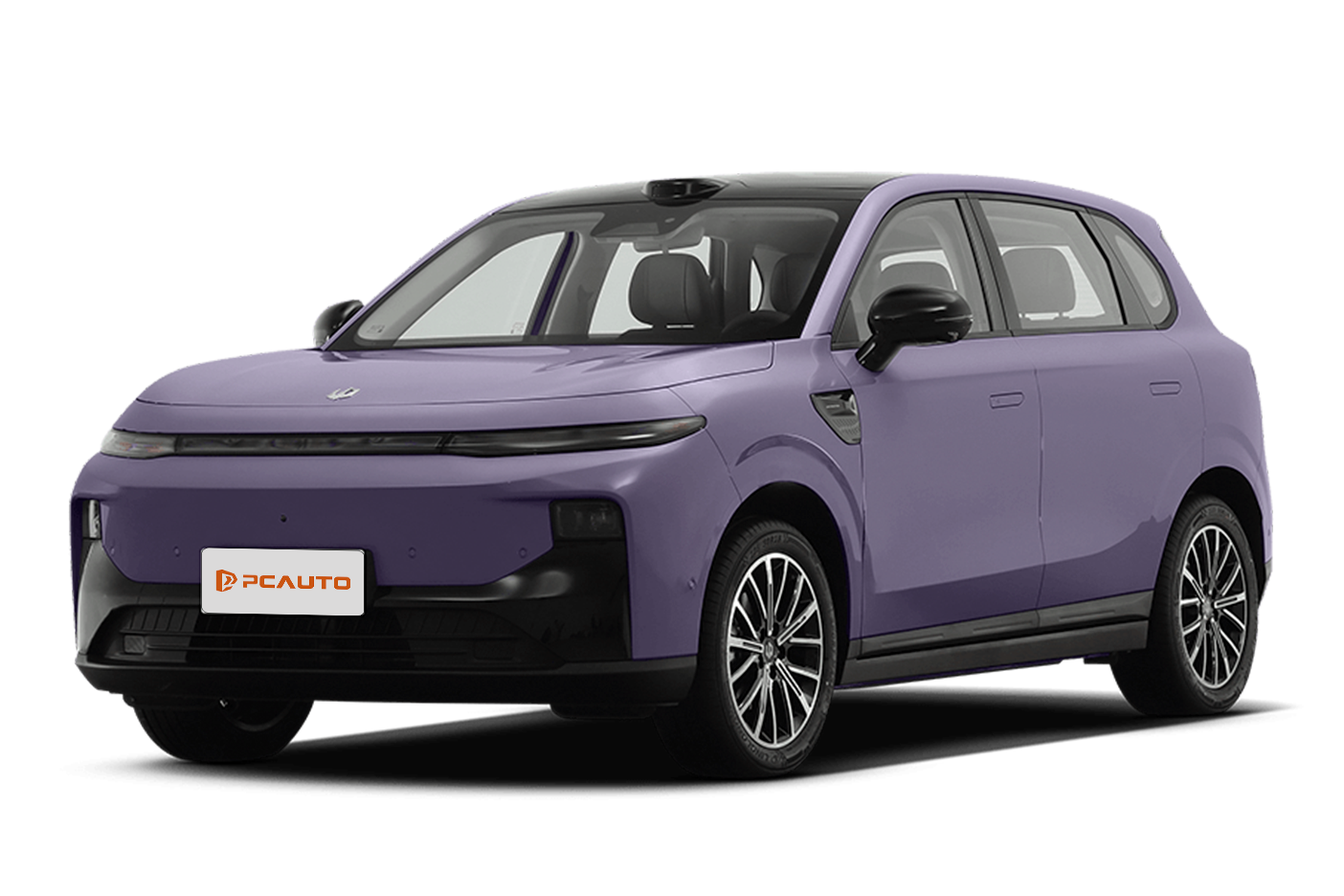
2025 Leapmotor B10 LIFE is a 100,000-level pure electric C-class SUV, equipped with standard L2 assisted driving and other practical features. It offers spacious interior and solid range, making it a go-to choice for family users.