
Aston Martin DBX 2022 Review

 Share
Share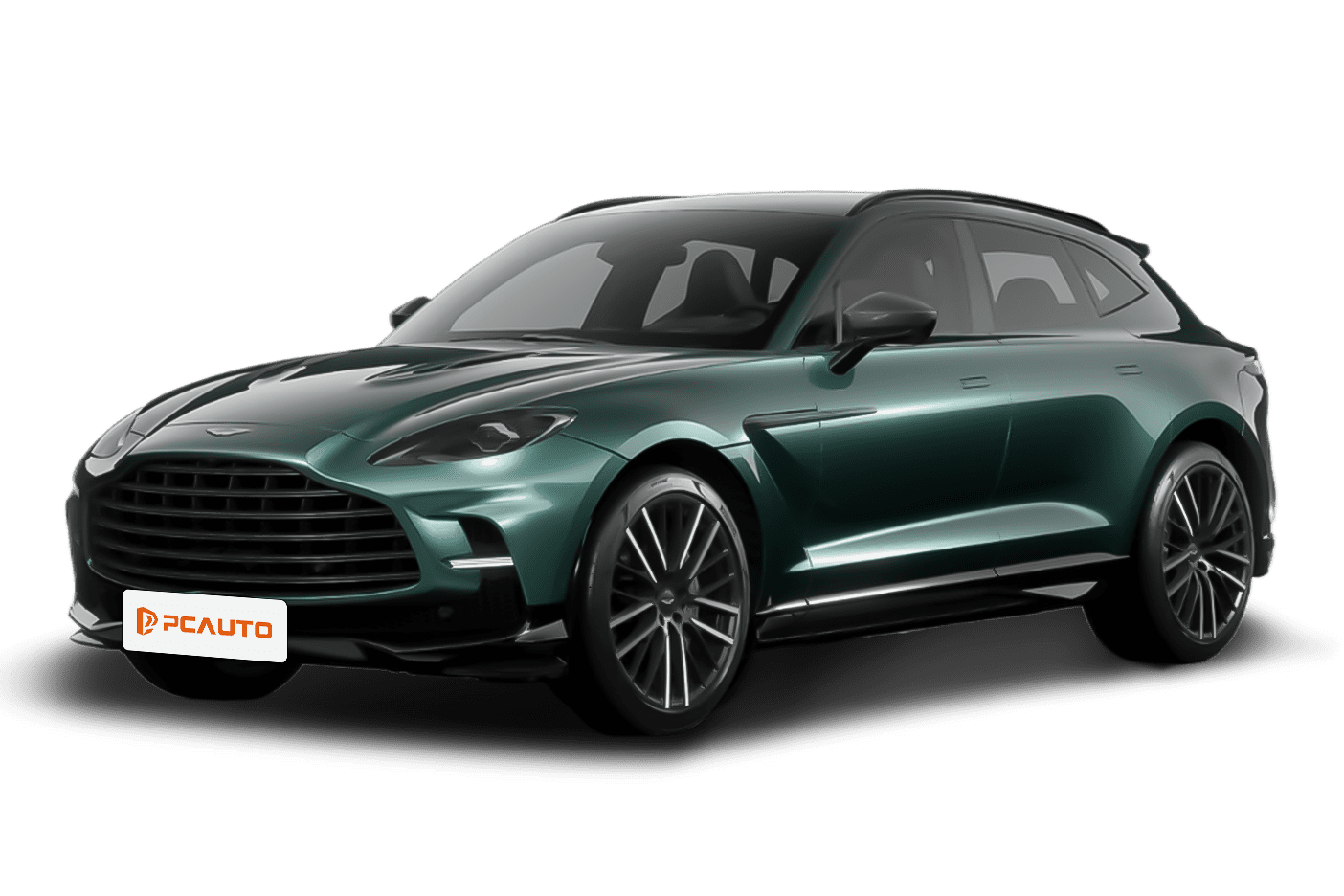
 Segment
 Body Type
 Engine Power(PS)
 Transmission
 Driven Wheels
 Capacity(L)
In the luxury mid-to-large SUV market, many consumers want both the practicality of an SUV and the performance experience of a supercar—this demand for "having the best of both worlds" is precisely the backdrop for the birth of the Aston Martin DBX 707. As the performance flagship of the DBX series, it squeezes 707 horsepower out of its twin-turbo V8 engine, with an official 0-100km/h acceleration time of just 3.3 seconds, effectively raising the performance bar for luxury SUVs to a new level. This time, we got our hands on the actual car to see whether this 'suit-clad brute' only looks good on paper or whether it can actually balance daily driving with extreme performance.
The exterior of the DBX 707 retains Aston Martin's classic elegant lines, but you can sense its performance-oriented design in every detail. The front grille is larger than the standard DBX, with a black honeycomb pattern within, complemented by exaggerated air intakes on either side below, giving it an aggressive visual impact. The side profile features a waistline stretching from the front fender to the rear, with 22-inch large wheels paired with 285/40 R22 wide tires, giving the vehicle balanced proportions and hinting at its impressive performance. The rear sees the most noticeable changes: a larger rear spoiler and quad round exhaust pipes replacing the hidden design of the regular version. The roaring exhaust note grabs the attention of bystanders instantly when the car starts up. The lighting system is fully LED, with standard automatic headlights and daytime running lights. They offer high recognition when illuminated at night, aligning with the positioning of a luxury brand.
Step inside, and Aston Martin's sense of luxury is still very much present. The interior is wrapped in a substantial amount of leather, with soft-touch materials used on commonly touched areas like the center console and door panels, providing a delicate feel. The center console layout is not overly complicated, with a 10.25-inch touchscreen positioned at the top, offering a straightforward operational logic without too many superfluous features. The instrument cluster is a 12.3-inch fully digital display, featuring a simple interface that clearly shows core information such as RPM, speed, and fuel consumption. A head-up display (HUD) is also standard, so essential data can be seen without having to look down while driving. The seats can be adjusted electrically in 12 directions, and the front seats are well-contoured with excellent lumbar support, ensuring comfort even during long drives. The rear seats can be folded down in a 60:40 split, offering about two fists' worth of legroom for a 175cm passenger, making it suitable for daily family use or cargo transport. The in-car configuration is also very comprehensive: three-zone automatic climate control, front seat heating, a panoramic sunroof, and rain-sensing wipers are all standard. Even rear seat passengers are well taken care of with independent climate control and USB ports.
In terms of power, the DBX 707 is equipped with a 4.0T twin-turbo V8 engine that delivers a maximum horsepower of 707 hp and a peak torque of 900 N·m. It is paired with a 9-speed automatic transmission and an all-wheel-drive system. In normal mode, the power delivery is relatively tame; the throttle response is not overly aggressive, and gear shifts are very smooth, making it feel completely like a regular luxury SUV, perfect for daily commuting without feeling tiring. However, once switched to Sport+ mode, the car's personality changes instantly: the throttle becomes more sensitive, requiring just a light touch to feel a strong sense of acceleration. The 0-100km/h acceleration time of 3.3 seconds is no exaggeration. During overtaking maneuvers, the gearbox delivers swift downshifts, providing power on demand. You can even hear the exhaust backfire, making for an impressive and enjoyable driving experience.
The handling also exceeds expectations for a mid-to-large SUV. The steering wheel feels slightly heavy but is precise with no play, and you can clearly feel the dynamics of the front end when cornering. The chassis is equipped with a front double wishbone and rear multi-link independent suspension, tuned distinctly for sportiness. When passing speed bumps or bumpy roads, the suspension quickly filters out vibrations without excessive bouncing. When cornering at high speed, body roll is well controlled, and the 2.2-ton weight does not make the car feel cumbersome but rather very stable. The all-wheel-drive system performs well on slippery roads, with almost no slippage during takeoff, ensuring stability for everyday driving.
We also tested the fuel consumption. In urban conditions, it's about 15-16L/100km, while on highways, it can drop to 10-11L/100km. Considering its performance, this fuel consumption is within a reasonable range. Braking performance is also excellent, with a braking distance of approximately 35 meters from 100-0km/h. The feel of the brake pedal is linear, providing ample confidence.
In terms of driving comfort, the DBX 707 strikes a balanced approach. Although the suspension is tuned for sportiness, it doesn’t feel overly stiff during daily driving. The road feel is clear but not jarring. The cabin insulation is excellent, with wind noise and tire noise well controlled at 120km/h highway speeds. Only when the throttle is deeply pressed does the engine roar into the cabin—and it is not an unrefined noise but a tuned, pleasing sound. The seats also add to the comfort, with sufficiently soft padding in the rear seats, ensuring long trips do not feel tiring.
Overall, the core strengths of the DBX 707 are quite evident: first is its performance—707 horsepower and a 3.3-second acceleration time make it nearly unmatched among luxury mid-to-large SUVs; second is its luxury—Aston Martin’s brand appeal and interior craftsmanship perfectly align with the positioning of a luxury brand; and third is its practicality—5-seater layout, foldable rear seats, and ample storage space make it suitable for everyday family use. Compared to peers like the Bentley Bentayga Speed or Porsche Cayenne Turbo S, the DBX 707 delivers stronger performance but comes at a relatively lower price, offering considerable value for money.
This vehicle best suits two types of people: one is consumers who love performance but don’t want to give up the practicality of an SUV—they may already own a supercar but need a car that can be used for daily commuting, carrying family members, and occasionally hitting the track for fun; the other is buyers seeking individuality in a luxury car—compared to the more common BBA or Bentley, Aston Martin has higher brand recognition, and the DBX 707’s design is more distinctive.
In conclusion, the DBX 707 is not a “balanced” SUV but an “extreme” SUV—it pushes performance to the pinnacle of luxury SUVs while retaining Aston Martin’s hallmark luxury and practicality. If you're looking for a luxury SUV that can be both a daily driver and a track-day marvel, the DBX 707 is definitely an unmissable choice.
Aston Martin DBX Car Compare
Aston Martin DBX Loan Calculator
More Aston Martin Reviews
Cars With Similar Price And Features

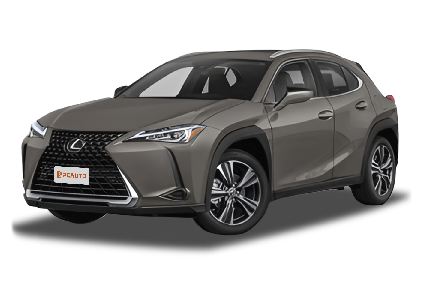
The 2020 Lexus UX 200 Luxury is an executive-class SUV that combines luxurious quality with urban practicality. With balanced features, smooth power, and reliable warranty, it appeals to families and young users who value quality.
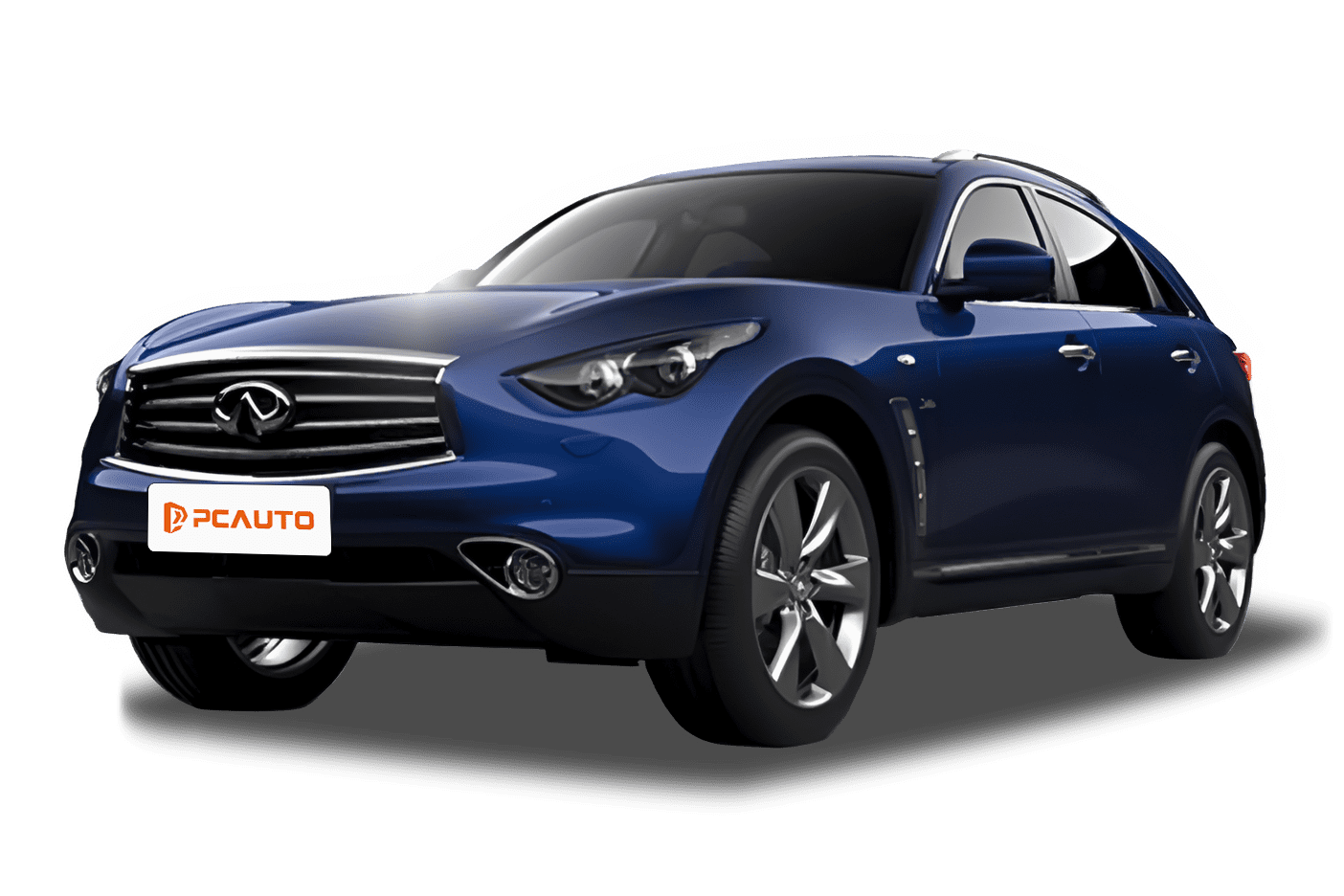
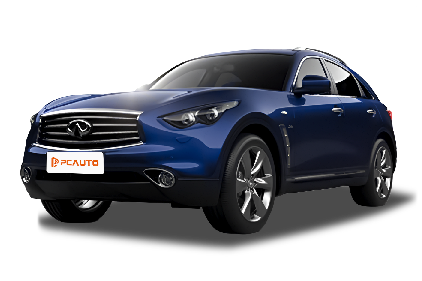
2017 Infiniti QX70 3.7 GT is a luxurious mid-size SUV that combines the dynamic design of a coupe-style SUV, 324PS V6 power, and practical configurations, meeting the balanced needs of family use and driving pleasure.

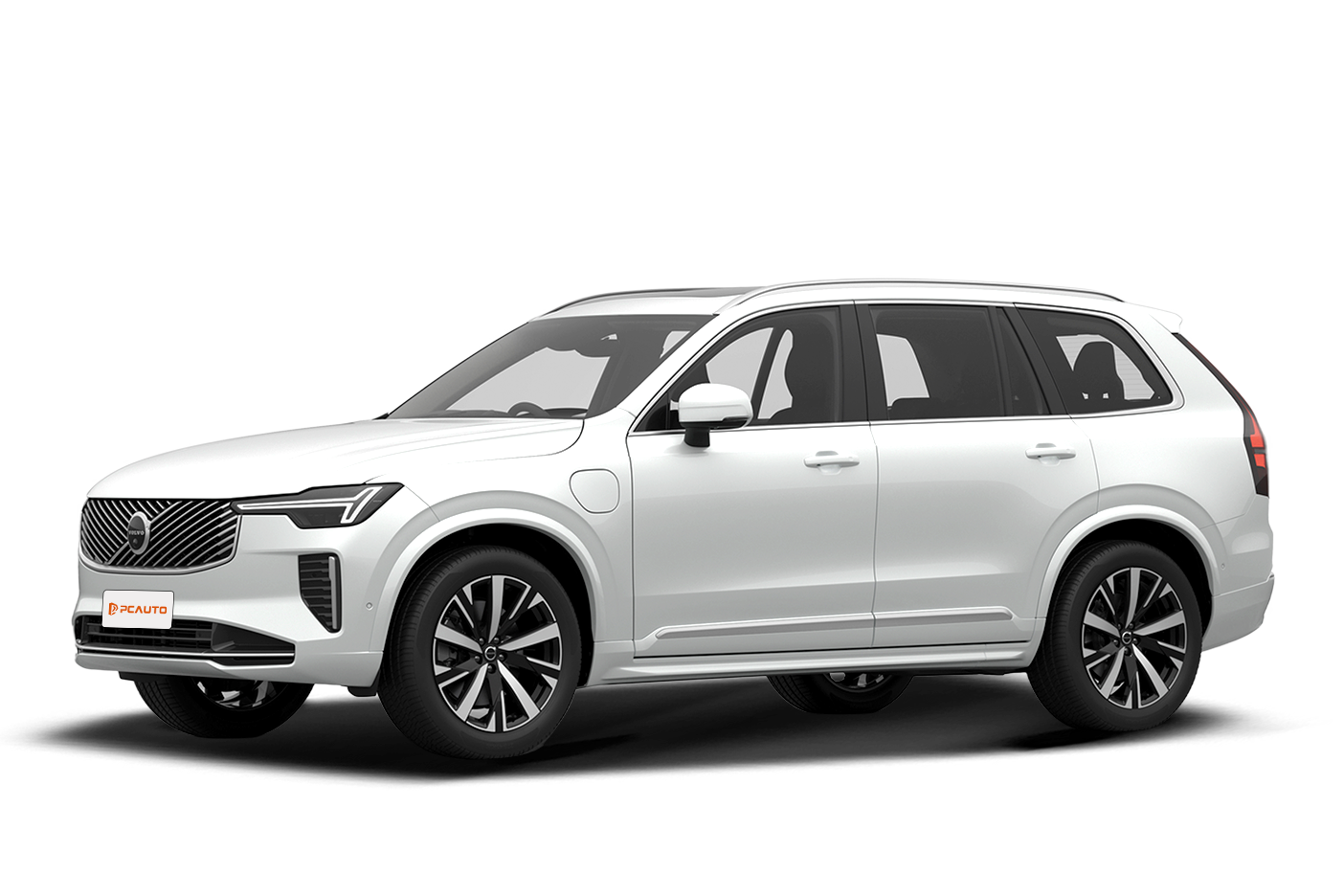
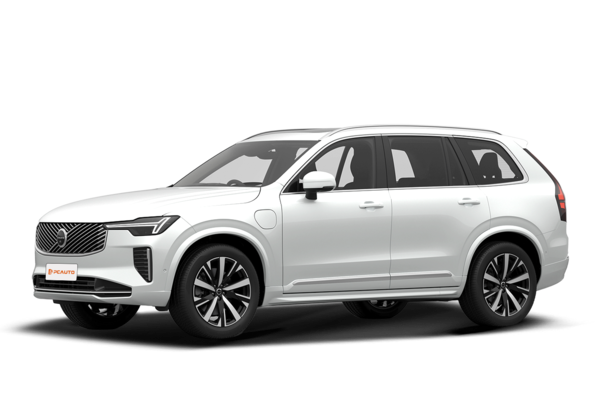
2025 Volvo XC90 Ultra B5, as an Executive-level luxury 7-seat SUV, optimizes fuel efficiency with a mild hybrid system, enhances comfort with air suspension across the range, coupled with an intelligent cockpit, balancing space and safety, showcasing outstanding capability.
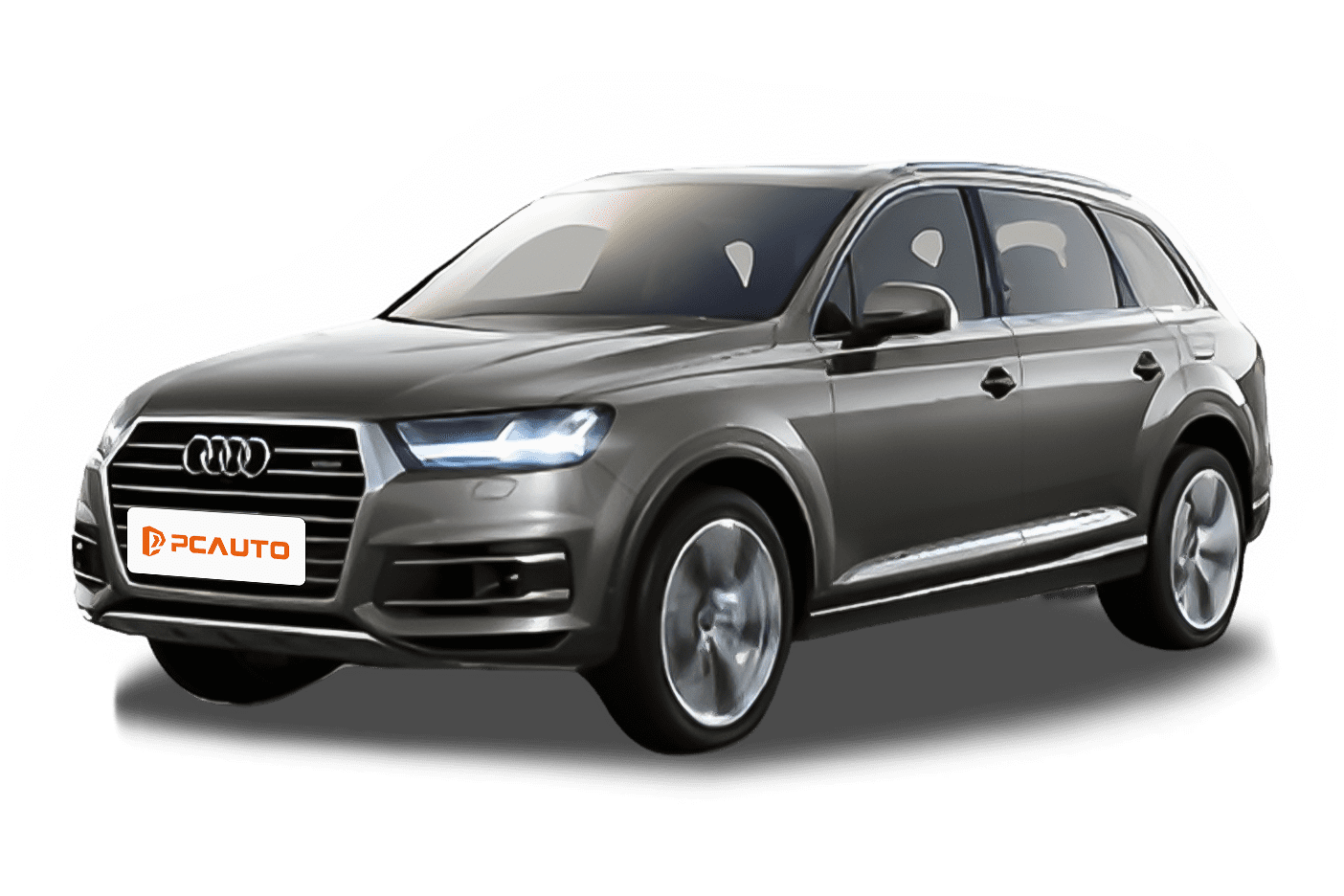
2025 Audi Q7 S line 3.0 TFSI, with its high cost-effectiveness, sporty appearance, luxurious interior, powerful performance, and flexible space, becomes a strong contender in the luxury mid-to-large SUV market.