

Audi A6 2001 Review

 Share
Share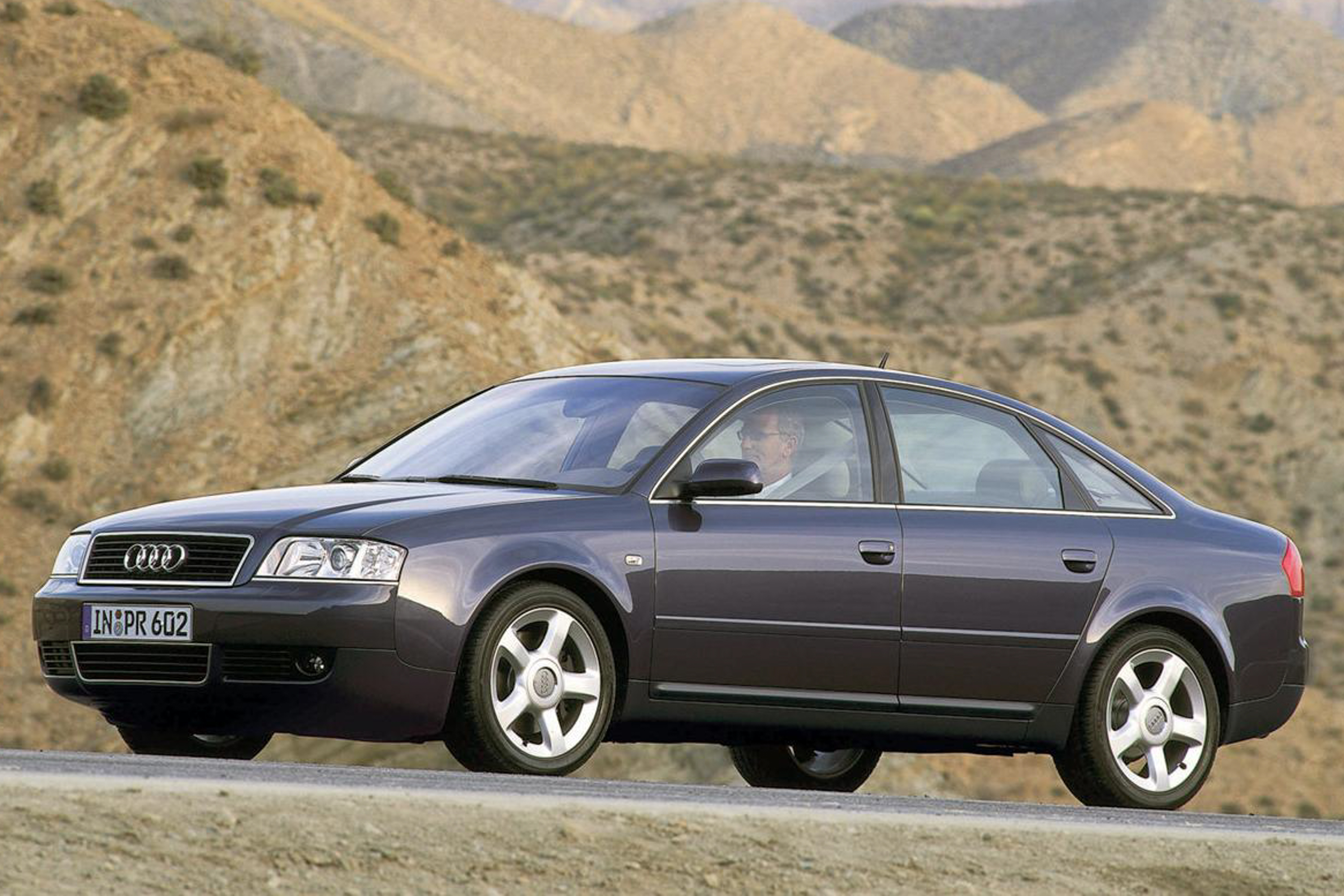
 Body Type
 Segment
 Capacity(L)
 Engine Power(PS)
 Engine Torque(Nm)
 Transmission
The mid-size luxury sedan market in Malaysia has always been dominated by German brands. The 2001 Audi A6 public, as a mainstay model in this segment, attracted many consumers who value quality with its steady design and balanced performance. The main goal of this test drive is to analyze whether the static experience and dynamic performance of this car are in line with its positioning and its competitiveness in the same class.
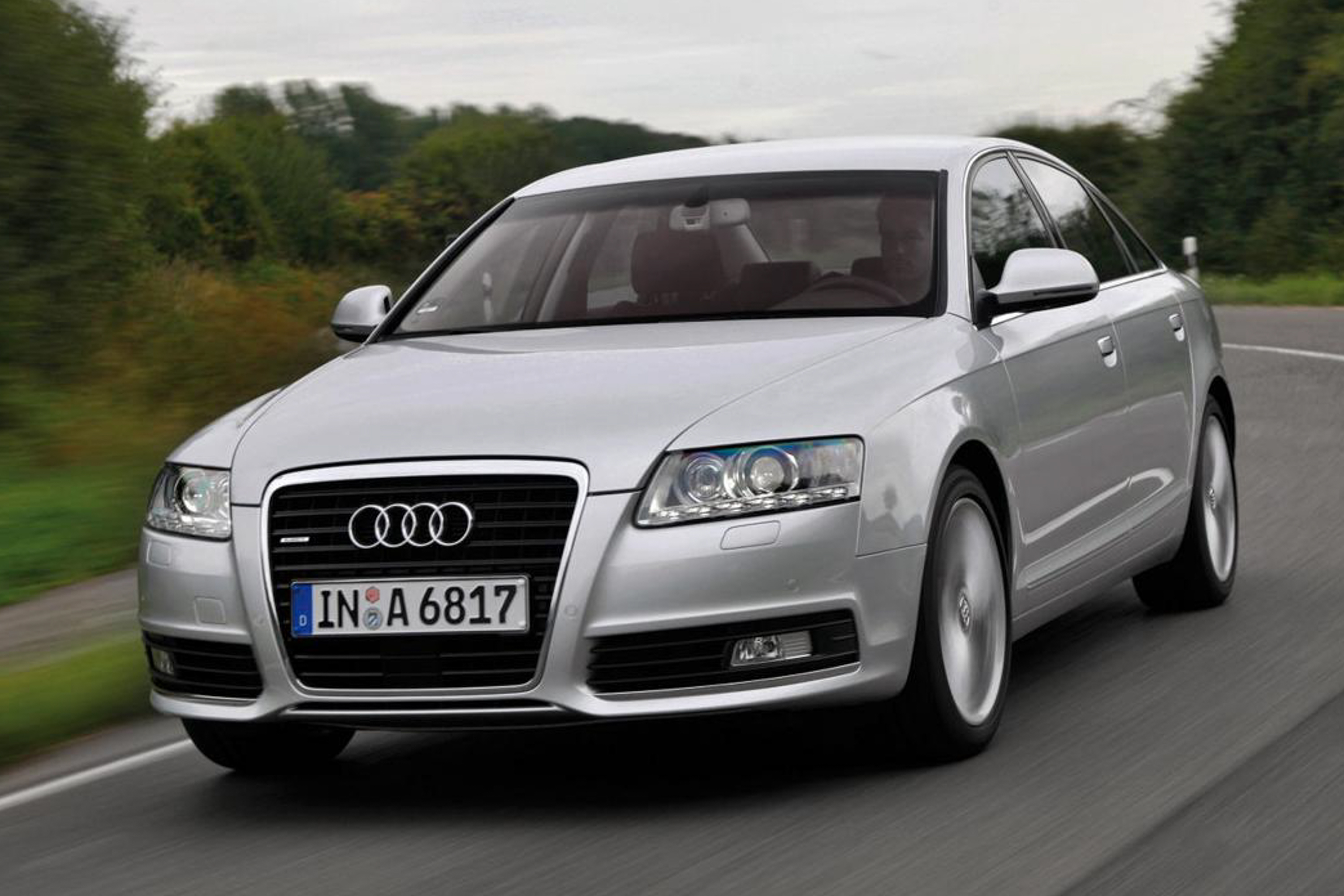
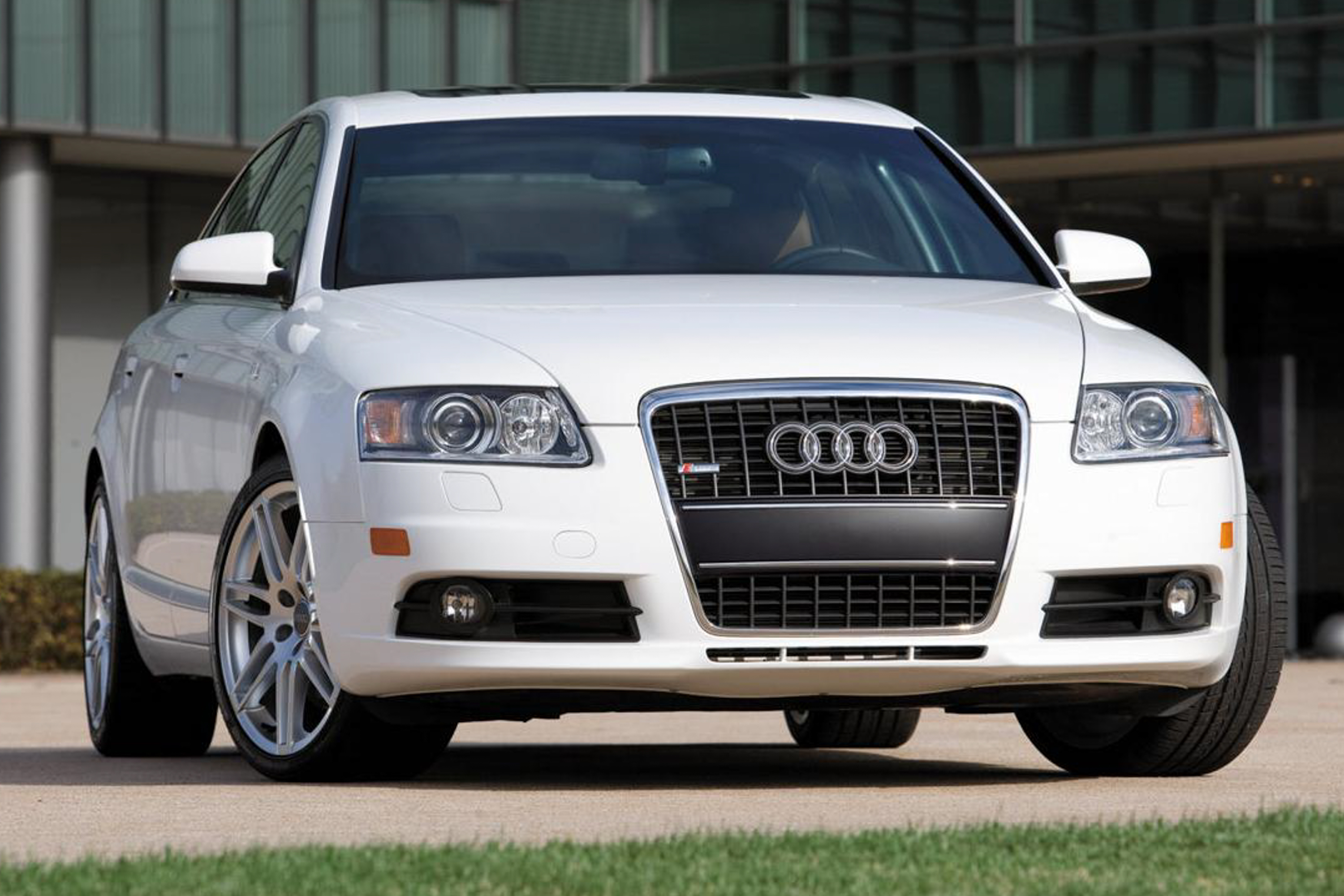
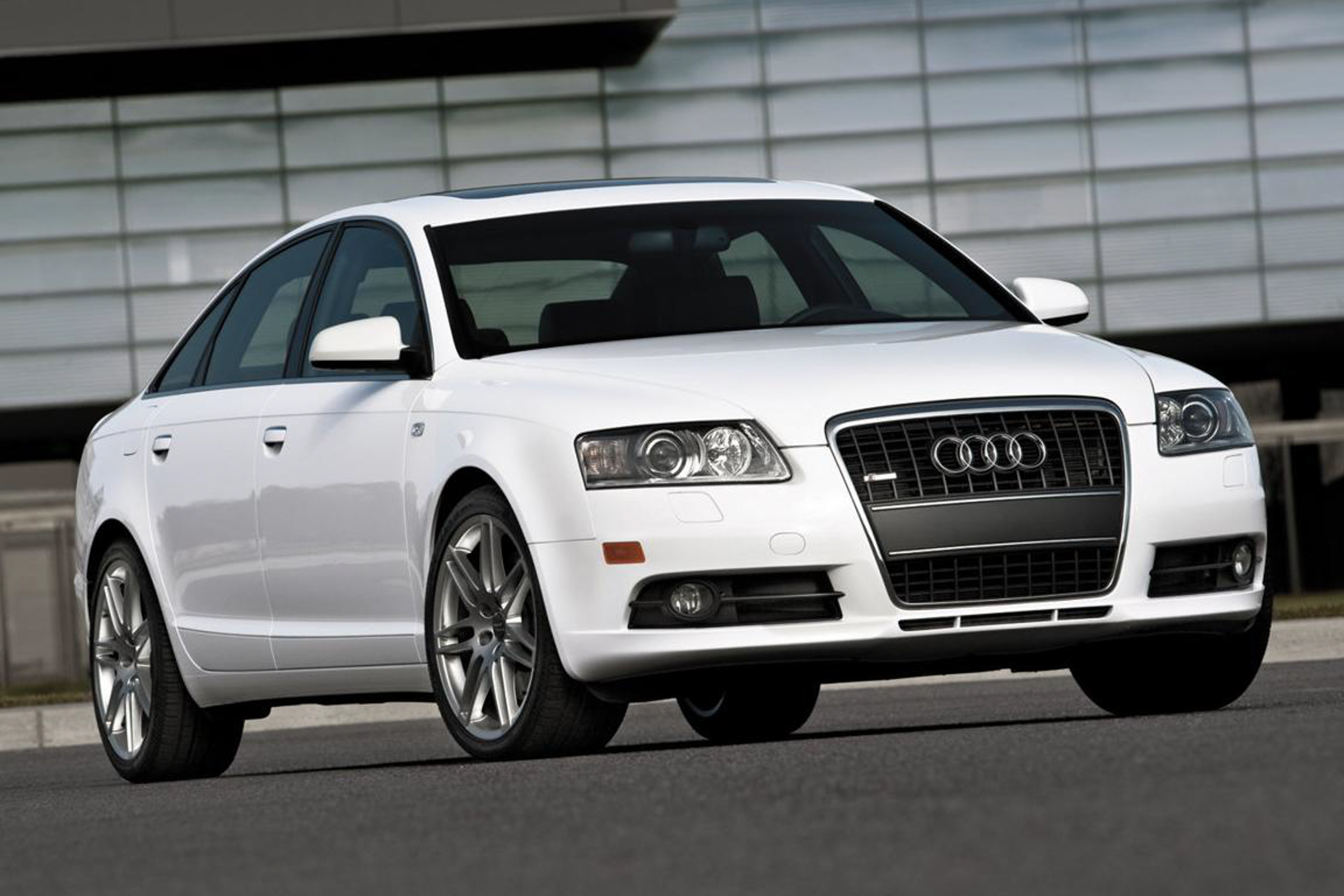
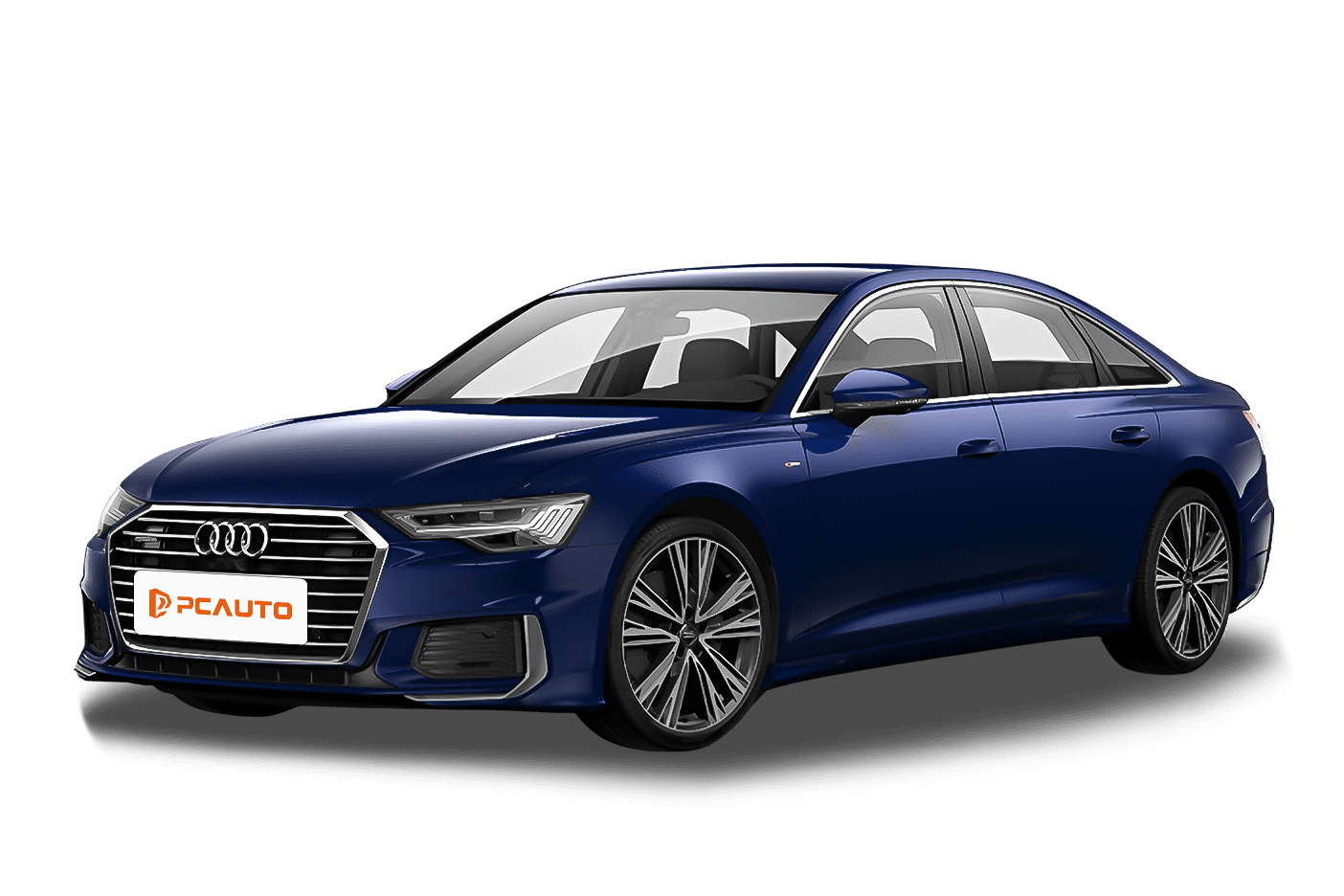
First, let's look at the exterior. The overall style follows a low-key and steady route, without overly aggressive lines. The front hexagonal grille was Audi's family design at the time, paired with horizontal chrome strips, giving it a noticeable identity. The side profile has smooth lines, with a waistline extending from the fender to the rear, making the body appear elongated. The advantage of the 2750mm wheelbase is immediately apparent in the side proportions. The rear design is simple, with horizontally laid taillights that echo the front design, and twin exhaust outlets on both sides add a touch of sportiness. As for the lighting system, the front headlights use halogen light sources. While not LED, this was a standard configuration for same-class models at the time and sufficient for daily use.
Sitting inside the car, the materials and craftsmanship of the interior reflect the standards of a luxury brand. The dashboard uses a two-tone color scheme with a dark upper section and a light lower section. The top is wrapped in soft materials, and the middle section is adorned with wood grain panels, offering a pleasant touch. The dashboard layout is clear, with well-defined functional zones, making it easy to use. The 10.1-inch central control screen is a technological highlight in the car, equipped with the MMI infotainment system that supports Bluetooth connectivity and CarPlay. Its operational smoothness is commendable among older models. The seats are made of genuine leather, with the front seats offering electric adjustment and lumbar support. They provide good wrapping and support, ensuring long drives won’t cause fatigue. The rear seats are equally comfortable, and although the rear middle floor has a slight bump, it doesn't affect the legroom for middle passengers.
In terms of space, the vehicle dimensions are 4886×1810×1475mm, with a wheelbase of 2750mm. Rear legroom can reach about two fists, and headroom has about one fist, making it comfortable for passengers up to 180cm tall in both the front and rear rows. Regarding storage space, the front door panels have storage compartments that can hold two 500ml water bottles, while the central armrest box also provides ample space for small items. The trunk boasts a standard capacity of 460L, which can be expanded to 980L by folding down the rear seats. This setup is perfectly adequate for regular family outings or short trips. The rear also features independent air conditioning vents and USB charging ports, ensuring high practicality.
As for the powertrain, this test drive features the 2.0T turbocharged engine version, generating a maximum output of 190 horsepower and a peak torque of 320N·m, paired with a 7-speed dual-clutch transmission. From the data, this power combination ranks slightly above average in its class. During actual driving, the response during startup is quite lively. A light press on the accelerator results in noticeable power output, and the turbocharger engages relatively early, with maximum torque available at around 1500 rpm. Mid-range acceleration performance is solid, and when overtaking, stepping harder on the accelerator prompts the transmission to downshift quickly. The power delivery keeps up promptly, with no noticeable lag. When switched to sport mode, the power response becomes even more sensitive, and the transmission's shift logic becomes more aggressive, making it suitable for users who occasionally seek driving thrills.
In terms of handling, the steering is precise, with minimal slack and clear directional accuracy, giving the driver enough confidence when cornering. The chassis uses a front MacPherson and rear multi-link independent suspension, tuned more towards comfort but retaining a certain level of support. When going over speed bumps or uneven roads, the suspension filters out most of the fine vibrations, and the body does not experience noticeable jolts; during cornering, the suspension also effectively suppresses body roll, preventing passengers from feeling too much sway. The braking system performs consistently, delivering linear braking force that responds well to input, providing a strong sense of security.
As for fuel consumption, after comprehensive testing on urban and highway roads, the combined fuel consumption is approximately 7.5L per 100 kilometers, which is considered excellent among 2.0T models in the same class. Regarding noise control, wind and tire noise during high-speed driving are relatively low, and the interior sound insulation is good, maintaining a quiet driving environment.
During dynamic evaluation, fuel consumption testing is essential, so here's an additional note: in urban congested traffic conditions, the fuel consumption is about 9L/100km, while during highway cruising, it can go down to 6L/100km. This performance is very friendly for family users and helps effectively reduce long-term usage costs. Additionally, during braking performance tests, the 100-0km/h braking distance is approximately 38 meters, which is an excellent result among vehicles of the same class at that time. The stability and reliability of the braking system are reassuring.
In terms of ride comfort, noise control is well-executed. At low speeds, engine noise is almost inaudible, and at high speeds, wind and tire noise are within a reasonable range. Seat comfort has been mentioned before, but to add, the rear seats are padded softly, with a well-angled backrest, making long-distance travel less tiring. Gear shifting of the transmission is smooth; in most scenarios, shifts occur without any jerks. Only during low-speed crawling is there occasional slight jerking, but it does not affect daily use.
To summarize, the core advantage of the 2001 Audi A6 public is its balanced performance: understated and composed in appearance while maintaining a sense of quality, combining luxuriousness and technological flair in the interior, spacious and practical, sufficient power for daily use with economical fuel consumption, and handling and comfort that meet the needs of most users. Compared to its peers like the BMW 5 Series and Mercedes-Benz E-Class, the Audi A6 public has an edge in cost-performance ratio and technological features. For instance, the smoothness and practicality of the MMI system outperformed the BMW iDrive and Mercedes-Benz COMAND systems of the time.
Overall, this car is suitable for family users who value balanced performance or for young people seeking luxury and comfort without being overly ostentatious. It has no significant shortcomings, and its various aspects perform quite evenly. It is an excellent choice for daily commuting and family use as a mid-size luxury sedan. If you are looking for a cost-effective, practical, and luxurious sedan, the 2001 Audi A6 public is worth considering.
Audi A6 Car Compare

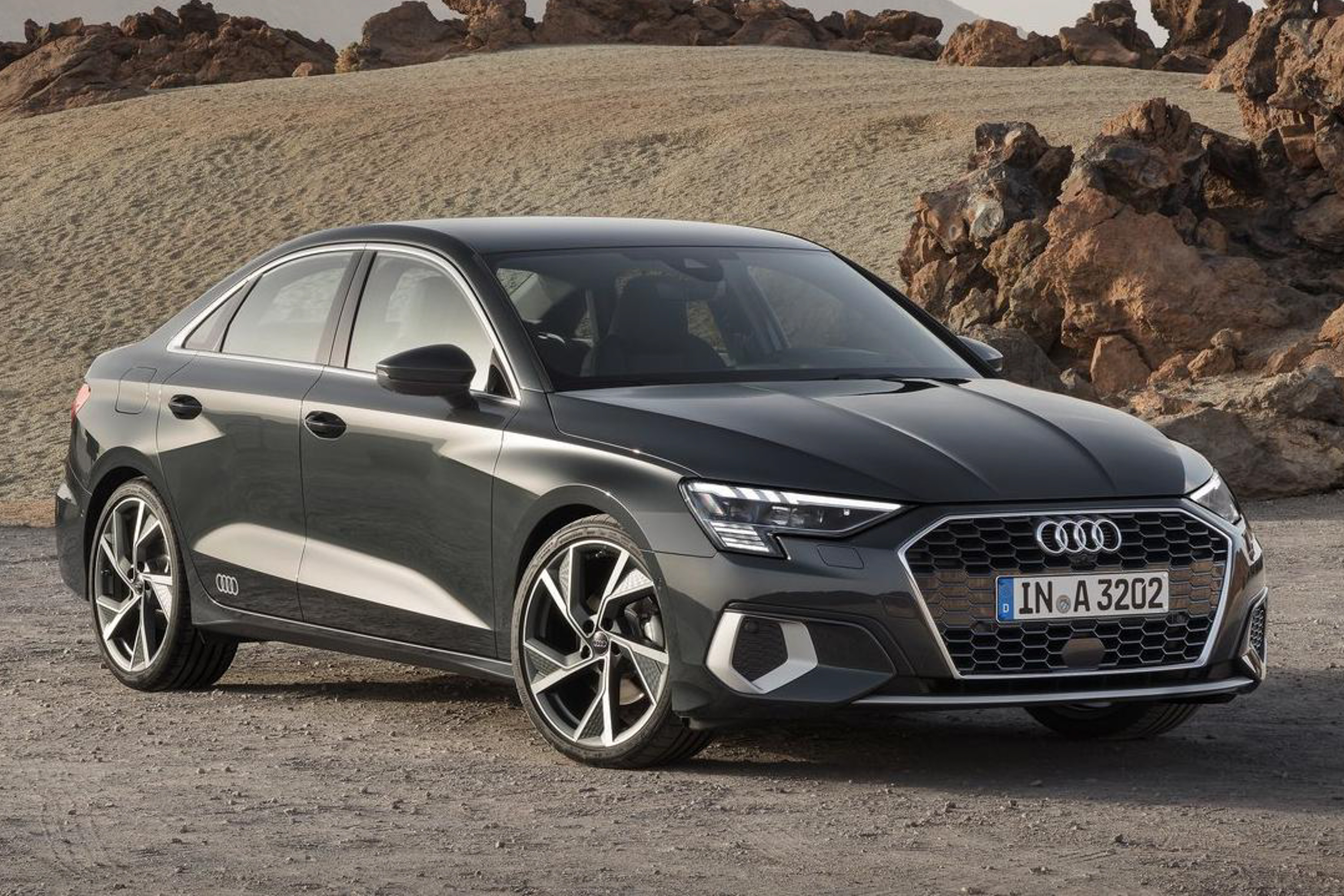
Cars With Similar Price And Features
12
Rank in Sedan
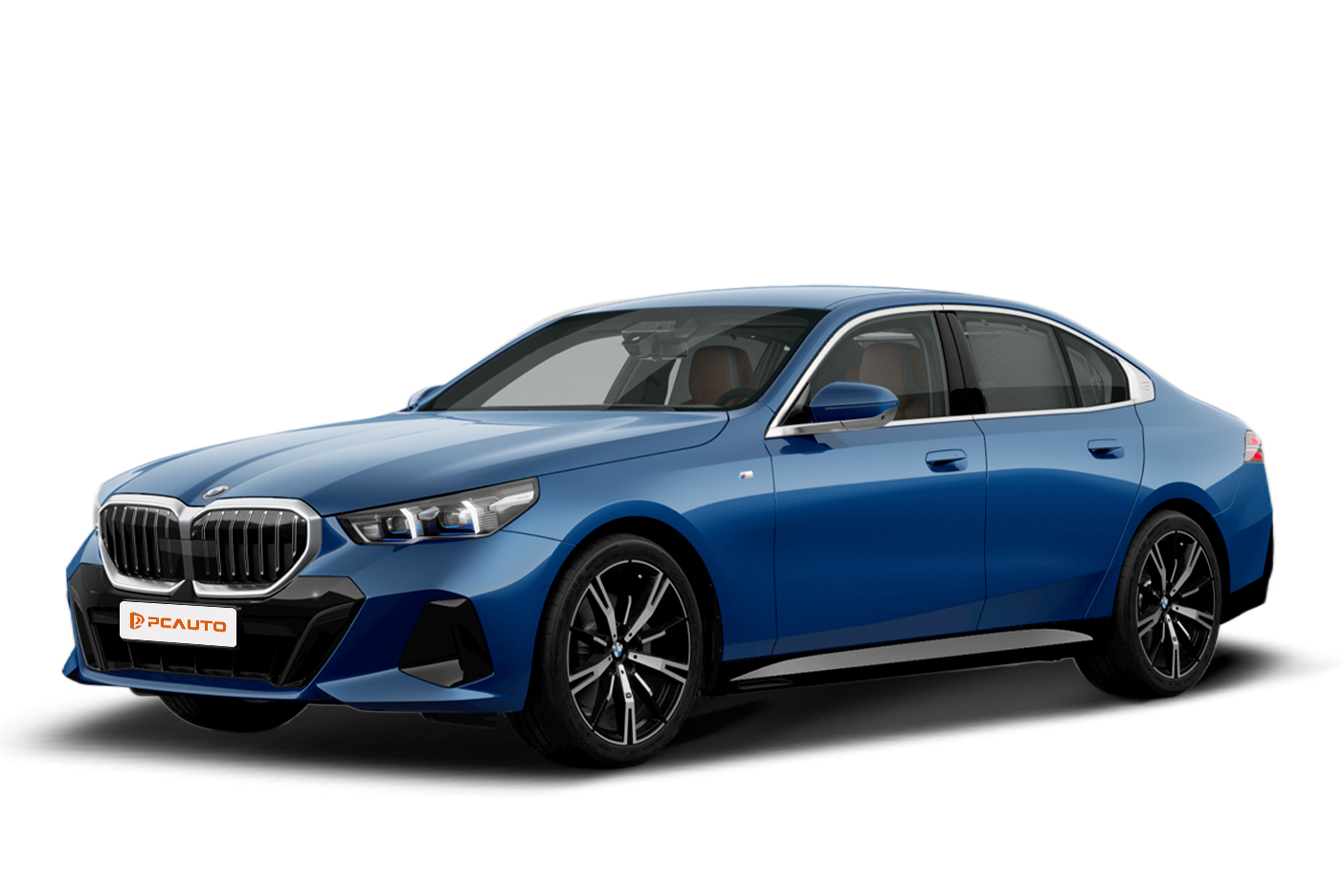
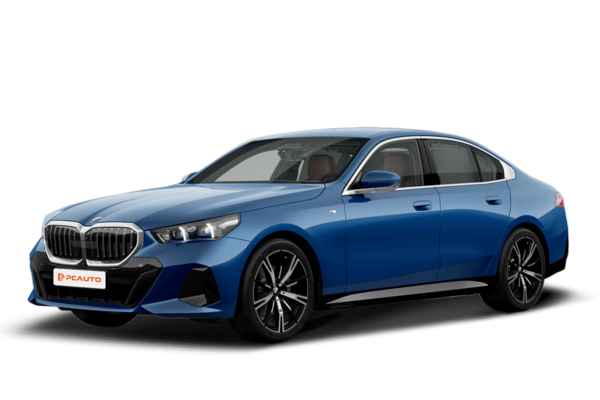
2025 BMW 5 Series 530i M Sport combines executive stability with youthful vitality through the M Sport package, featuring a powerful 2.0T mild hybrid system, enhanced by connected screen technology, balancing luxury, practicality, and driving pleasure.
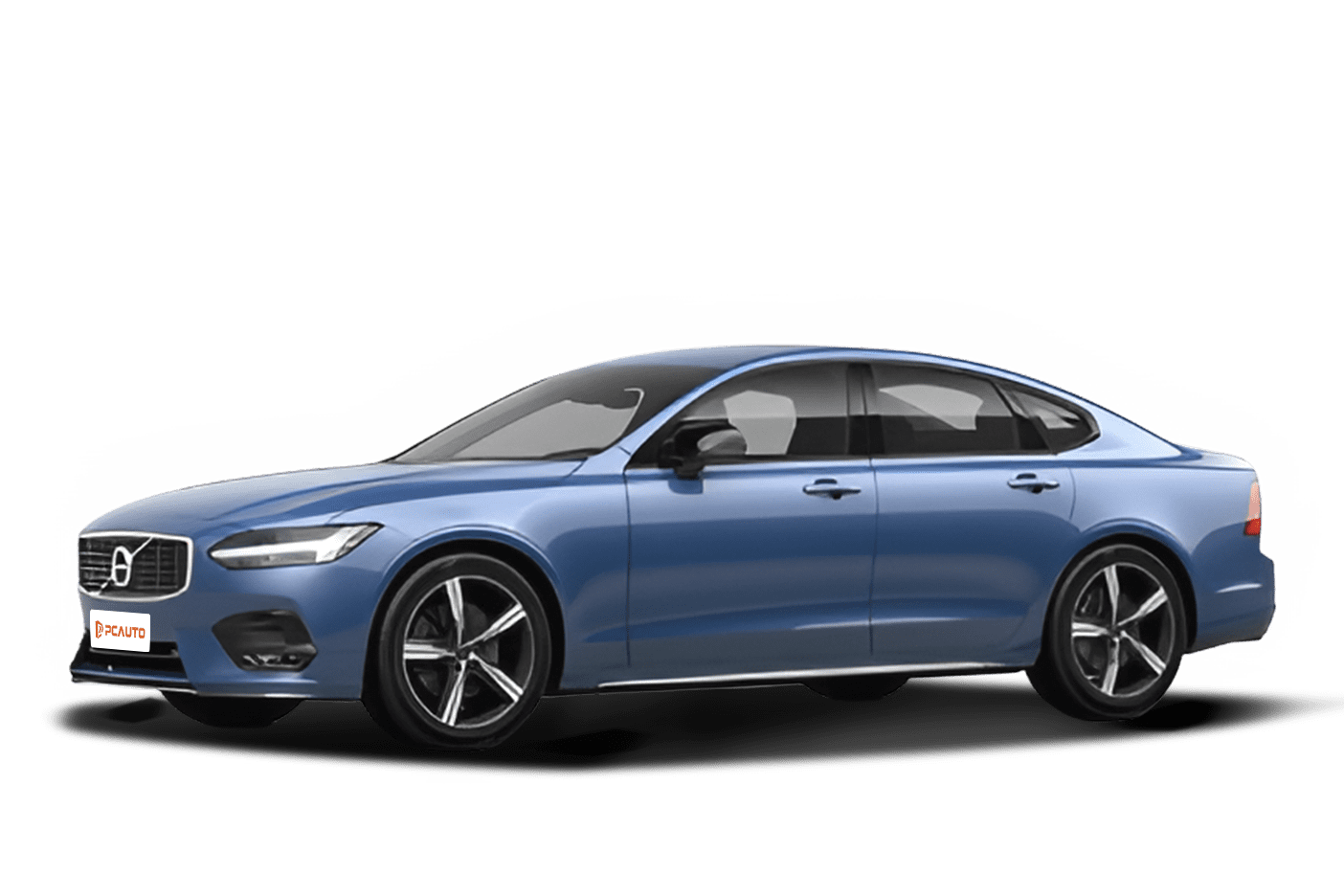
2021 Volvo S90 T5 Momentum is a mid-to-high-end sedan that combines safety DNA, family-friendly features, and executive-level comfort. It offers practical space, smooth power delivery, and is suitable for families and business users who value quality.

15
Rank in Sedan
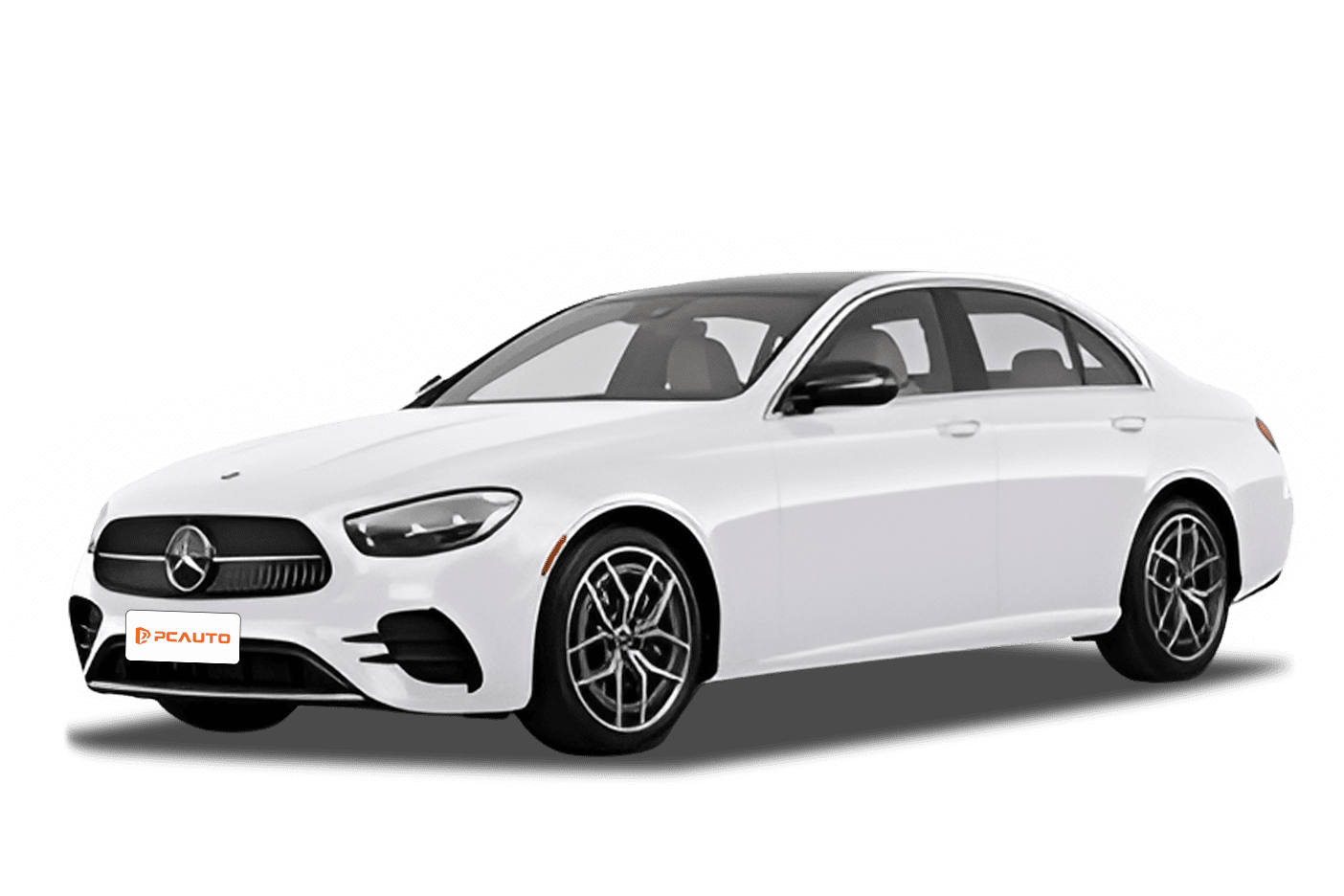
2024 Mercedes-Benz E-Class E200, as a luxury executive sedan, upgrades its mild-hybrid system to balance power and fuel efficiency, enhances intelligent configurations, offers practical space, and highlights a comfortable driving experience.
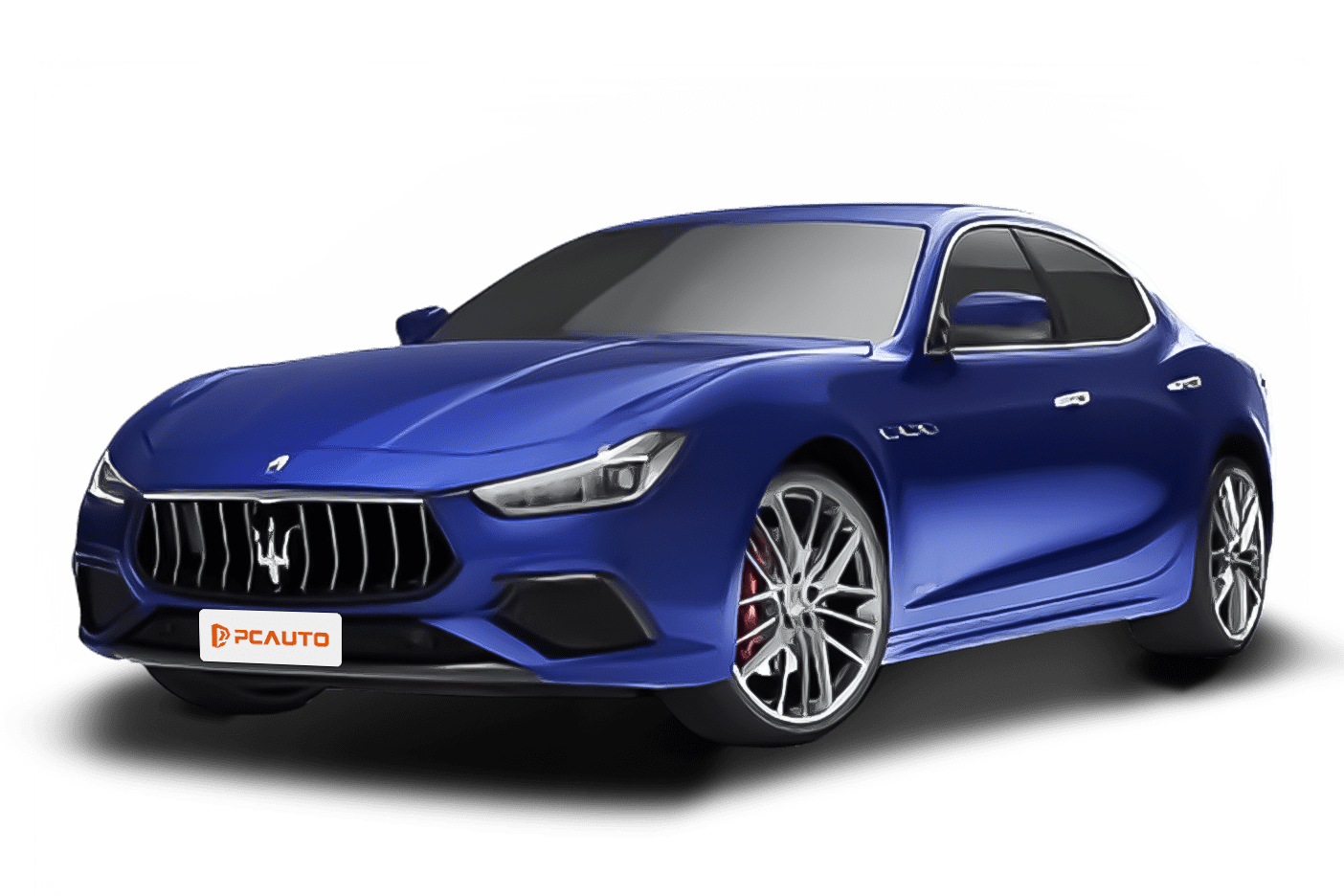
2022 Maserati Ghibli Hybrid is a model that combines luxurious executive appeal with efficient hybrid economy, retaining the brand's classic design and driving pleasure, and is more budget-friendly.