

Maserati Ghibli Review

 Share
Share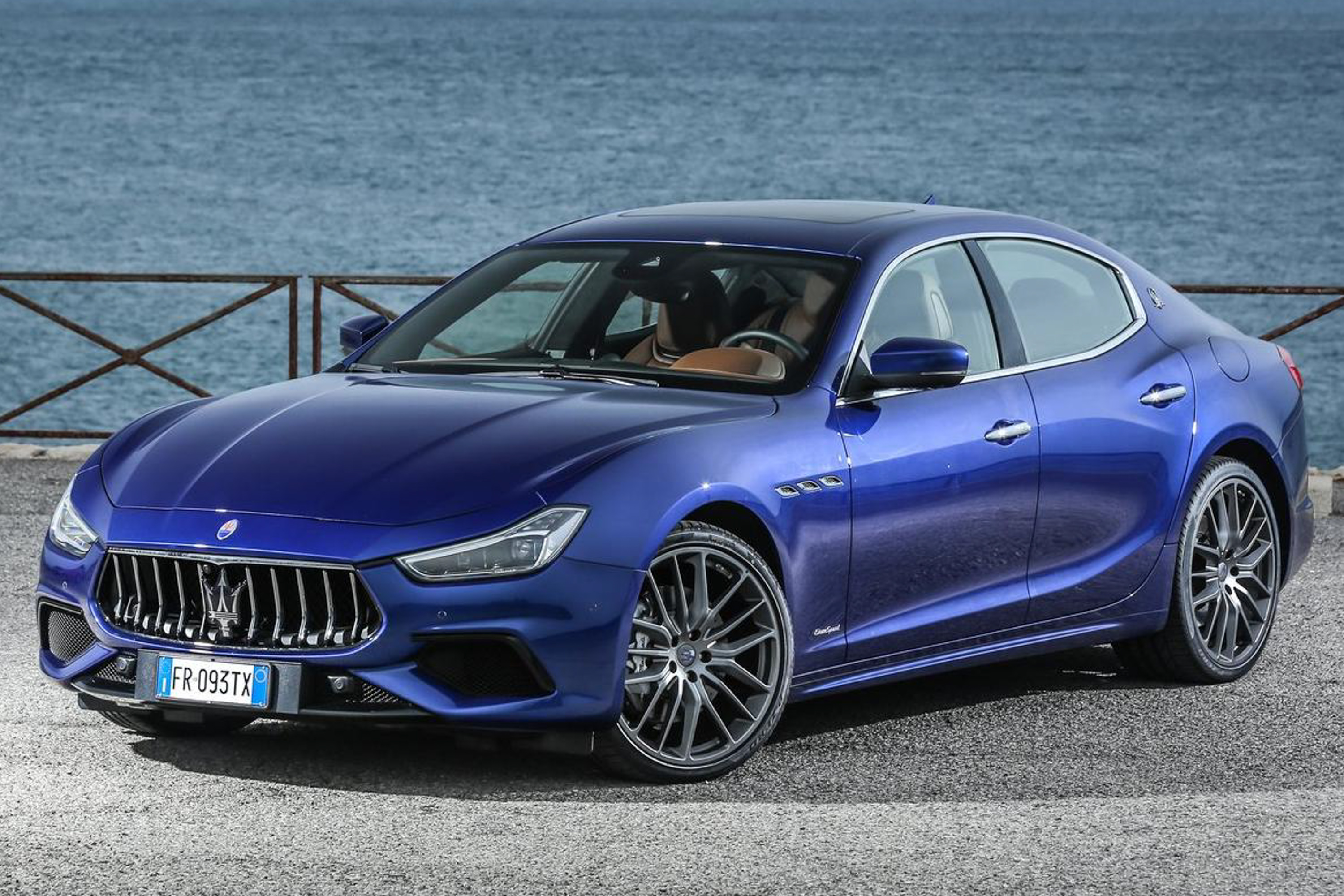
 Segment
 Body Type
 Capacity(L)
 Engine Power(PS)
 Transmission
 Driven Wheels
The luxury executive sedan market has been gradually transforming towards efficiency in recent years. Consumers not only want to retain the sense of identity brought by the brand but also start valuing the economics of everyday use. The 2022 Maserati Ghibli Hybrid was launched to meet such demand. It replaces the old 3.0T V6 engine with a 2.0T hybrid system, with its price dropping directly to the 420,000 Malaysian Ringgit range, while still retaining Maserati's iconic design and driving quality. The main purpose of this test drive is to verify whether this hybrid system can truly meet the executive-level users' demand for "balance" without compromising the luxury experience.
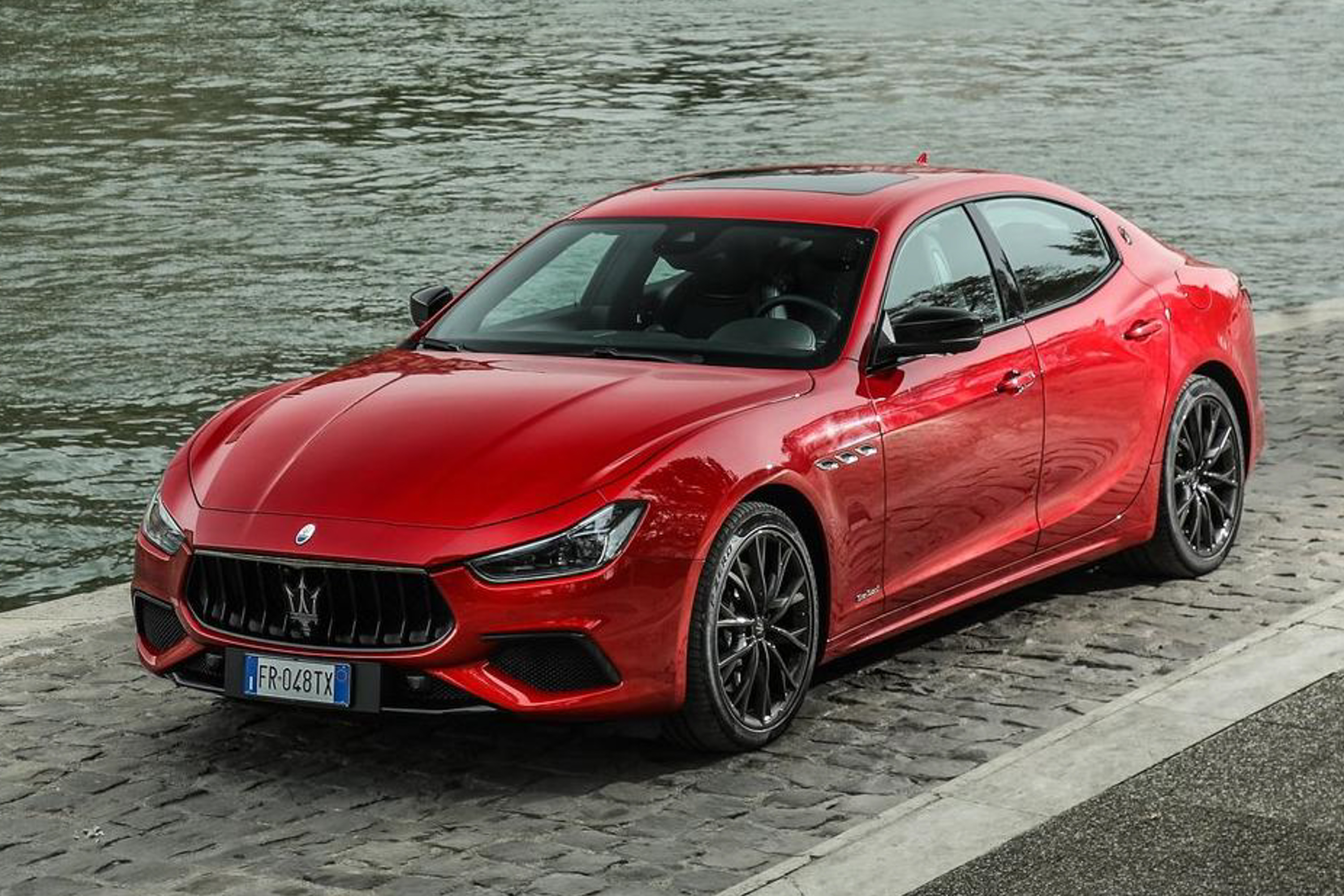
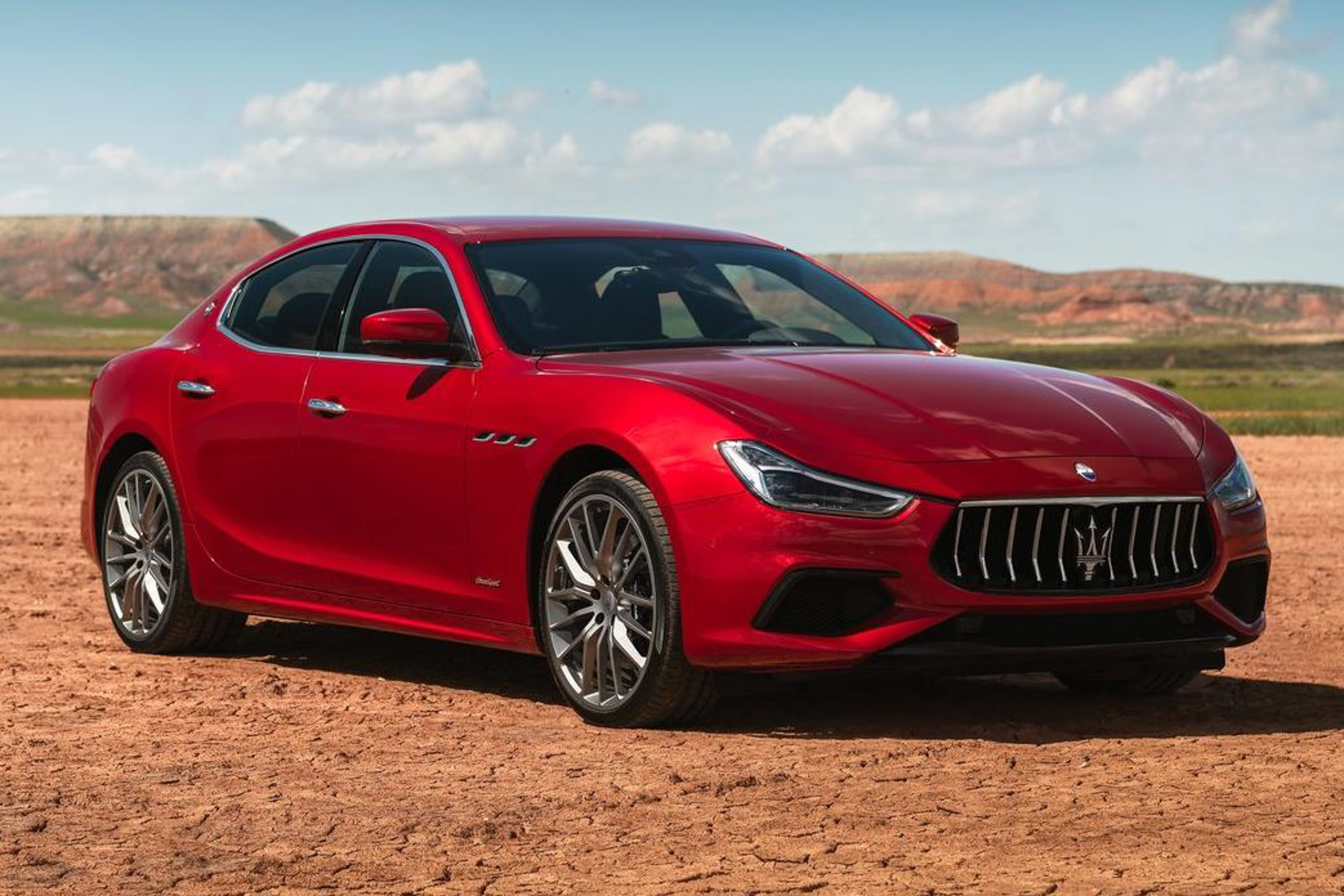
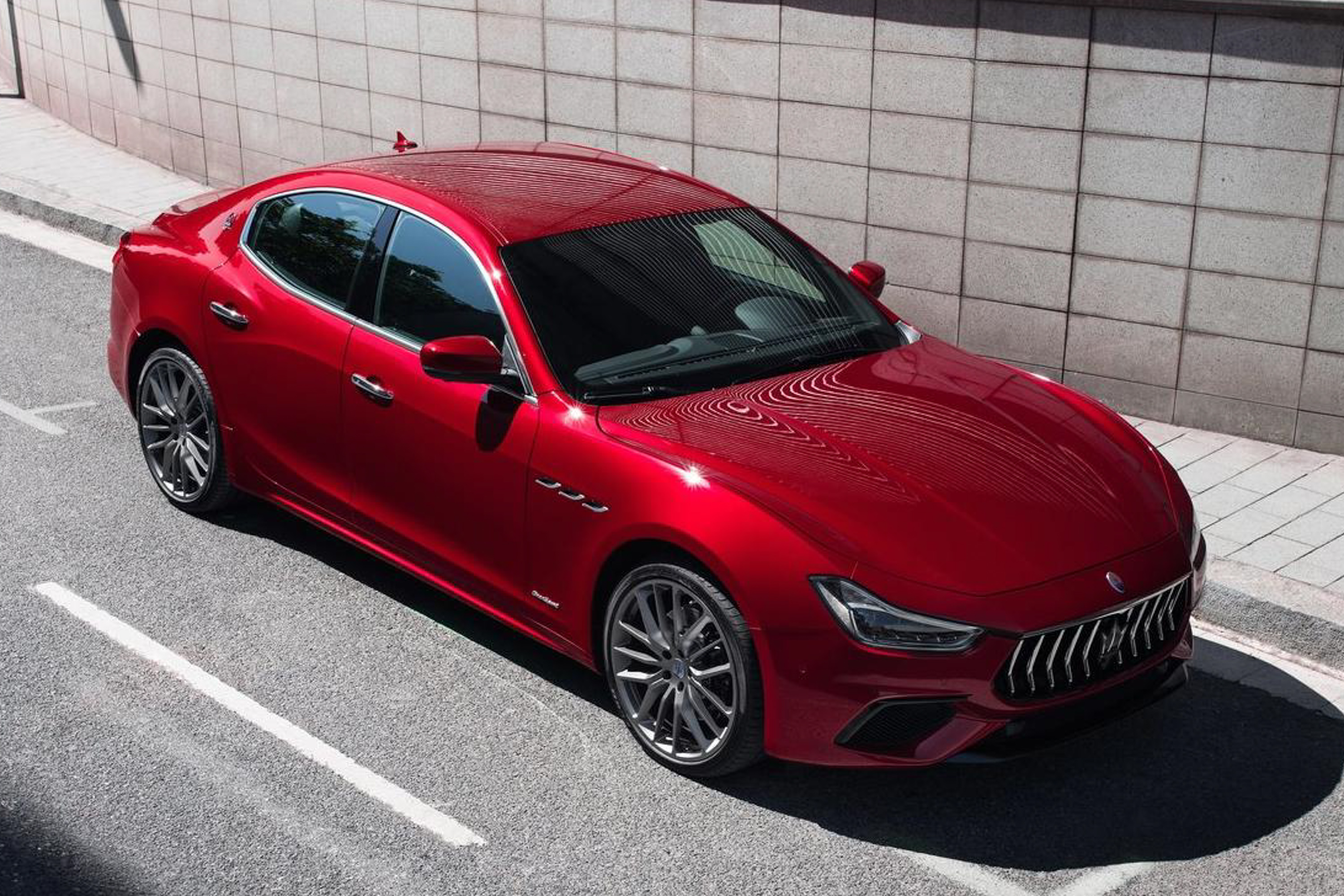
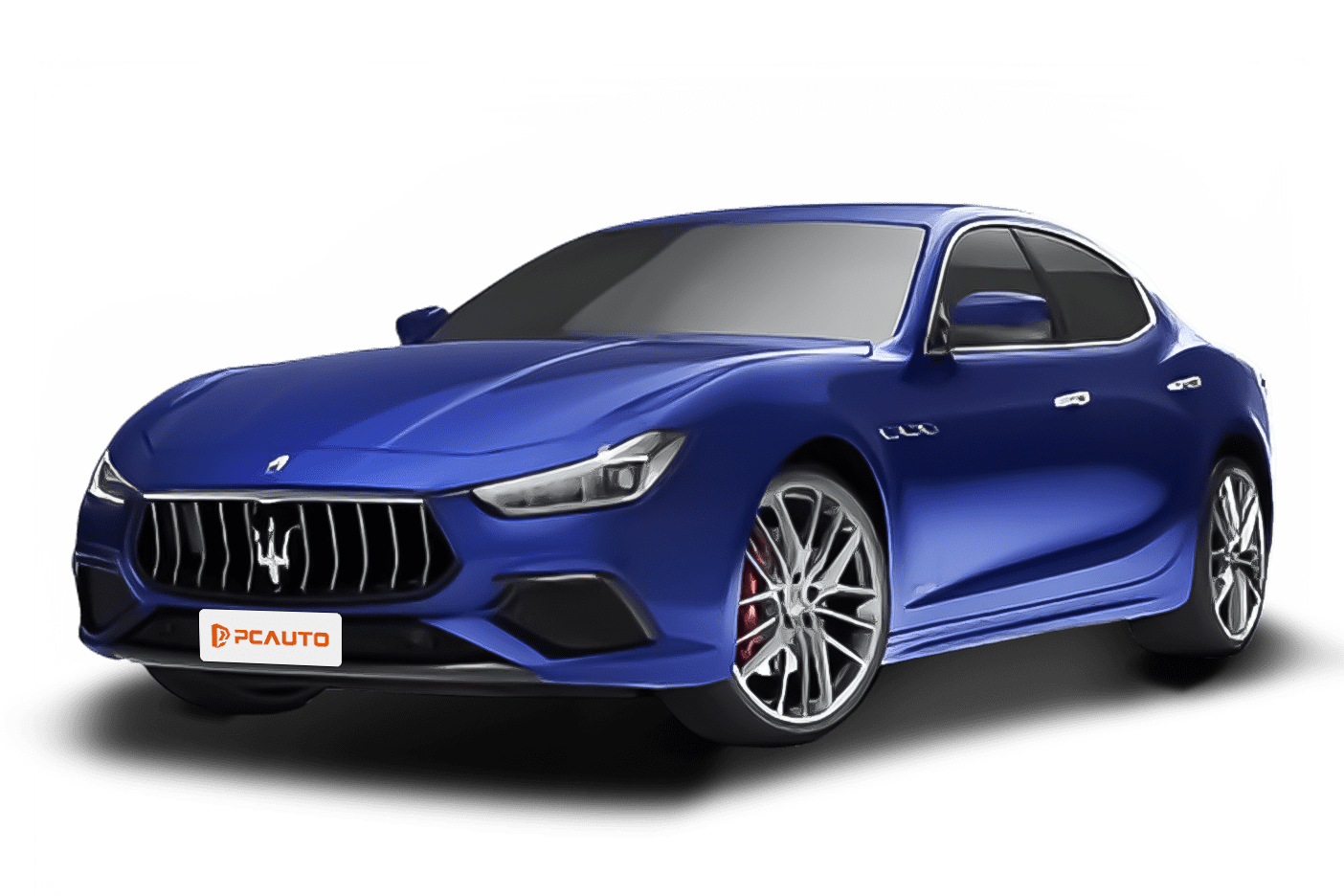
From the exterior, the 2022 Ghibli Hybrid continues the signature coupe sedan stance of the family. Its 4,974mm length paired with a 2,998mm wheelbase gives the car graceful and powerful sidelines. The most striking feature at the front is the trident emblem and the vertical grille design, with blue accents added to the air intakes on both sides of the lower bumper—serving as exclusive identifiers of hybrid models. This design choice is neither obtrusive nor does it detract from the identity of the car. The headlights use a combination of LED and xenon lights, and the daytime running lights feature a blade-like design, offering high recognizability when lit. The rear showcases a dual exhaust layout that maintains a sporty aesthetic, while the taillights retain Maserati's signature boomerang shape, providing clear visibility when illuminated at night. The overall design avoids overly aggressive changes, maintaining the steadiness of a luxury executive car while subtly conveying the technological edge of a hybrid model through its details.
Stepping inside, the first impression is the quintessential Maserati luxury ambiance. The dashboard is covered in soft leather, while the door panels and seats use fine genuine leather materials, providing a solid sense of quality wherever you touch. The central console is centered around an 8.4-inch touchscreen, which responds smoothly and supports basic multimedia and navigation functions. Below the screen, some physical buttons are retained for convenient operation while driving. The steering wheel features a three-spoke design, with an appropriate size and paddle shifters, offering a solid grip. In terms of seat configurations, the front seats are 8-way power-adjustable with lumbar support, while the rear seats have a central armrest and three headrests, ensuring decent comfort for long-distance rides. Regarding space performance, the 2,998mm wheelbase provides ample legroom in the rear; a 175cm-tall passenger can sit with about two fist-wide space between the knees and the front seat. The trunk offers a capacity of 500 liters, making it perfectly adequate for carrying several suitcases or golf bags, positioning its practicality at a medium to upper level among executive sedans.
The test drive was on the base version of the Ghibli Hybrid, powered by a 2.0T turbocharged engine combined with a 48V mild-hybrid system, delivering a maximum horsepower of 330PS with a peak torque available from 1,500 to 4,000rpm. During actual driving, the mild-hybrid system assists the engine at the start, providing a quick and responsive acceleration with no turbo lag. When stepping hard on the accelerator, the engine delivers a discernible thrust after 3,000rpm, with an official 0-100km/h acceleration of 5.7 seconds, placing it among the top performers in its class of hybrid models. The transmission is an 8-speed automatic gearbox with clear shifting logic. In standard mode, gear shifts are smooth, while in sport mode, the shifting speed increases significantly. When combined with the paddle shifters, it can provide a certain level of driving enjoyment. In terms of the chassis, the front double-wishbone independent suspension leans towards a sporty tune. Body roll is well controlled during cornering, the steering is precise, and the road feel is clear. However, when going over speed bumps or uneven surfaces, the suspension does transmit some minor vibrations, which, while not affecting overall comfort, does make it apparent that the car is more inclined towards driving performance rather than pure softness.
Fuel consumption performance is one of the key highlights of this test drive. The official combined fuel consumption is 7.5L/100km. During the actual test drive, running 30km in city traffic resulted in a fuel consumption of about 9.2L; running 50km on the highway reduced it to 6.8L. On average, it came to 8.1L/100km, achieving approximately 95% of the official figure. Compared to the previous 3.0T model's fuel consumption of around 12L, the improvement in efficiency is significant. In terms of noise control, wind and tire noise are not noticeable at a highway speed of 120km/h, and the engine sounds robust at high RPMs without being overly noisy. The seats offer good support, and the back and waist won’t feel sore during long drives, making the overall ride comfort align well with the luxury executive car positioning.
Compared to vehicles in the same class, the advantages of the 2022 Ghibli Hybrid are clear: its price is nearly 200,000 MYR lower than the previous 3.0T model, while still retaining Maserati's brand premium and design quality. The power performance is similar to the base 3.0T model, but fuel consumption is reduced by about 30%, making daily running costs lower. However, it has minor drawbacks, such as the smart technology of the central control screen not being as advanced as those in some new energy vehicles, and the suspension tuning being on the firmer side, which may not be ideal for users seeking ultimate comfort. Overall, this car is more suitable for those who want the prestige of a luxury brand while valuing daily cost efficiency — such as middle-level corporate managers aged 35-45 or owners who need to balance business and family usage.
In summary, the 2022 Maserati Ghibli Hybrid is a "balanced" luxury executive sedan. It manages to maintain the brand's premium image and driving pleasure without compromising due to its hybrid system, while the efficient powertrain lowers operating costs. If you have a budget of 400,000-500,000 MYR and are looking for a car that’s both prestigious and practical, the Ghibli Hybrid is a worthwhile choice to consider.
Maserati Ghibli Car Compare

Maserati Ghibli Loan Calculator
More Maserati Reviews
Cars With Similar Price And Features
12
Rank in Sedan
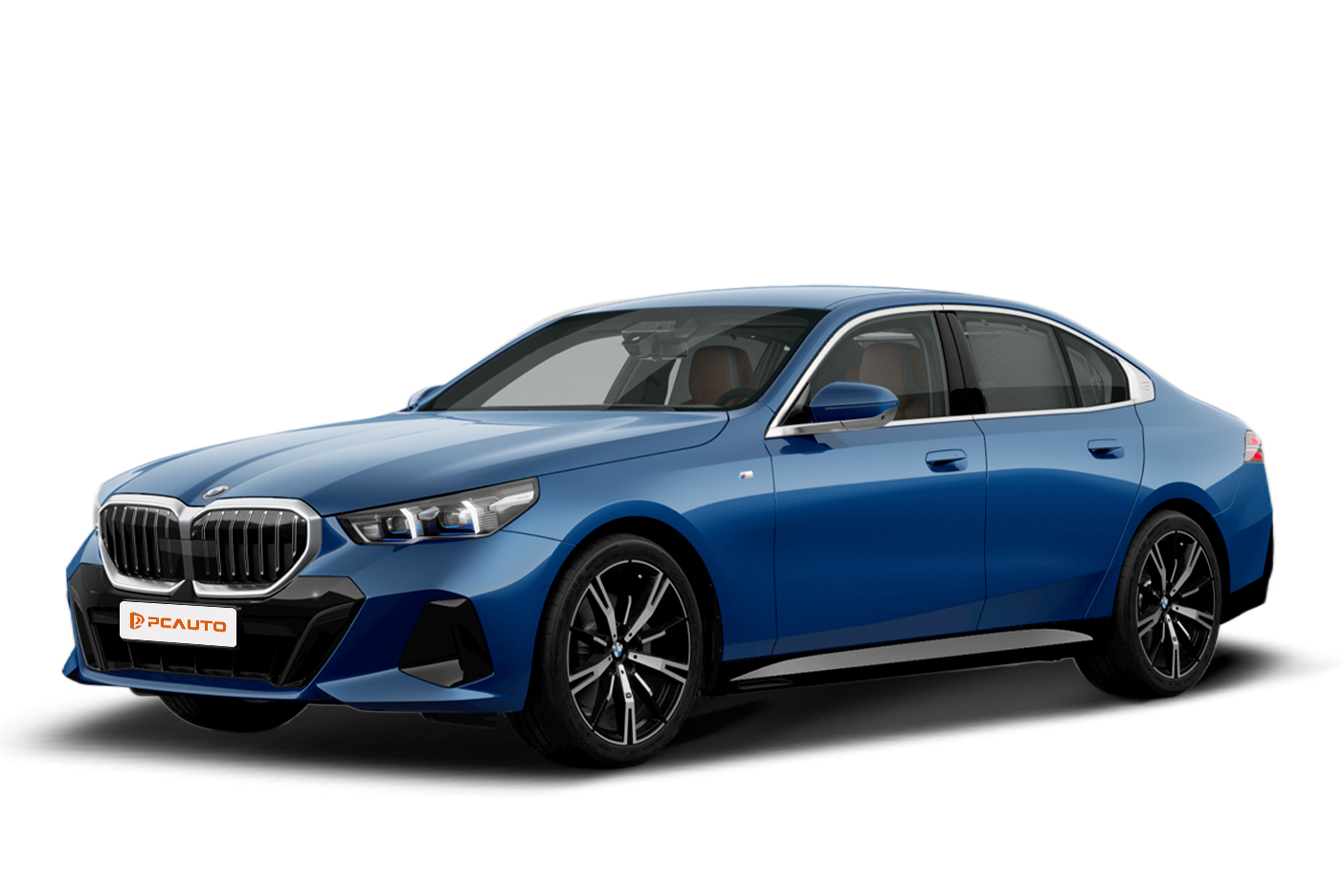
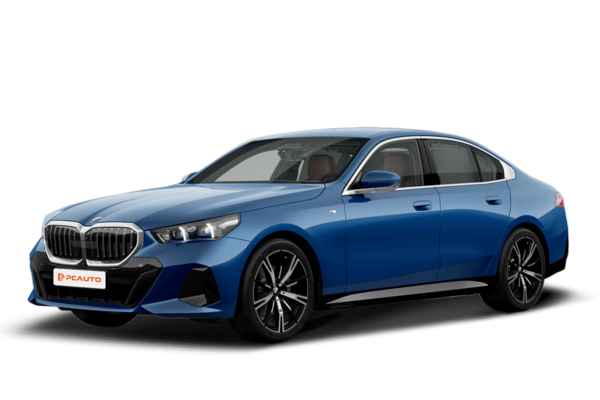
2025 BMW 5 Series 530i M Sport combines executive stability with youthful vitality through the M Sport package, featuring a powerful 2.0T mild hybrid system, enhanced by connected screen technology, balancing luxury, practicality, and driving pleasure.
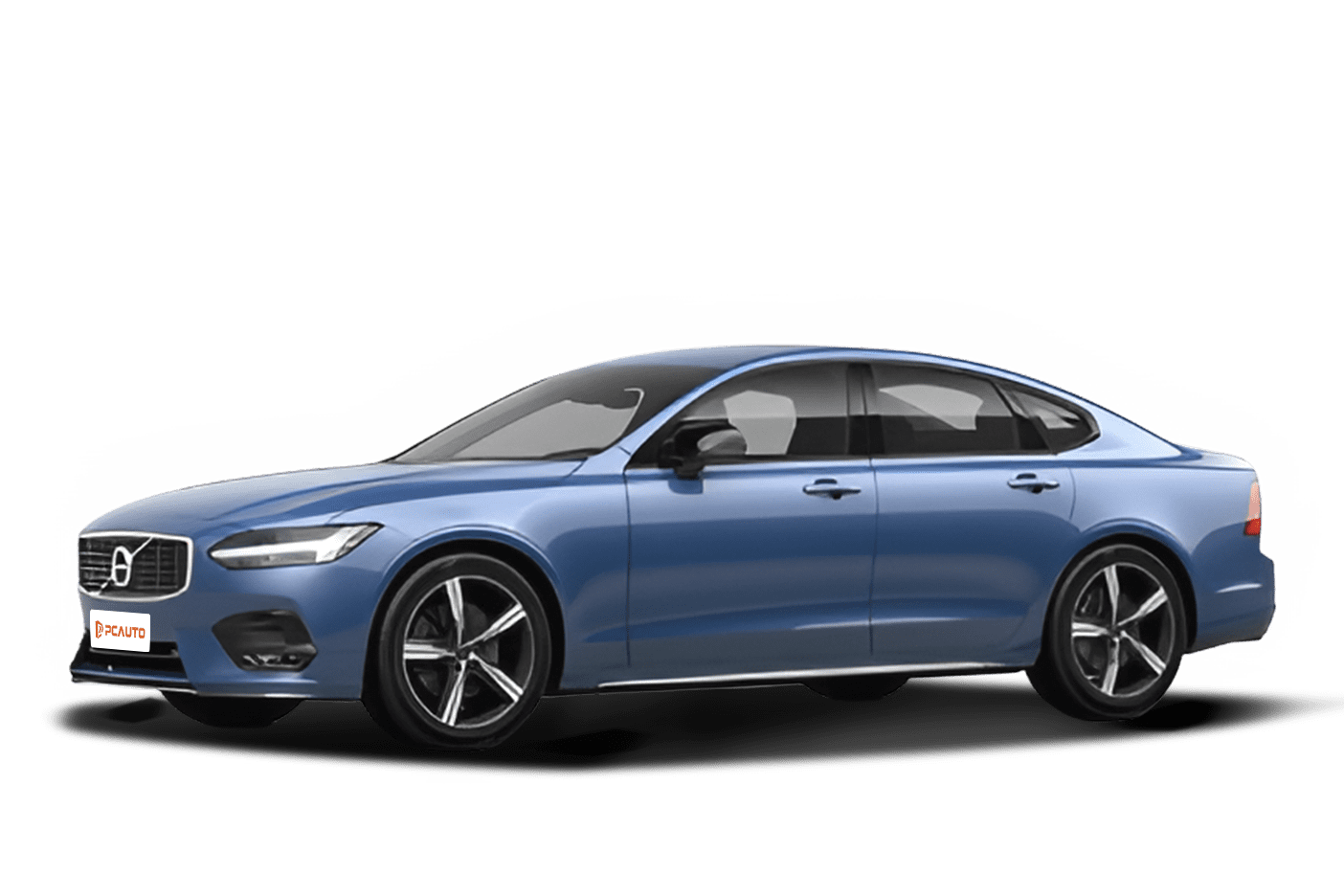
2021 Volvo S90 T5 Momentum is a mid-to-high-end sedan that combines safety DNA, family-friendly features, and executive-level comfort. It offers practical space, smooth power delivery, and is suitable for families and business users who value quality.

15
Rank in Sedan
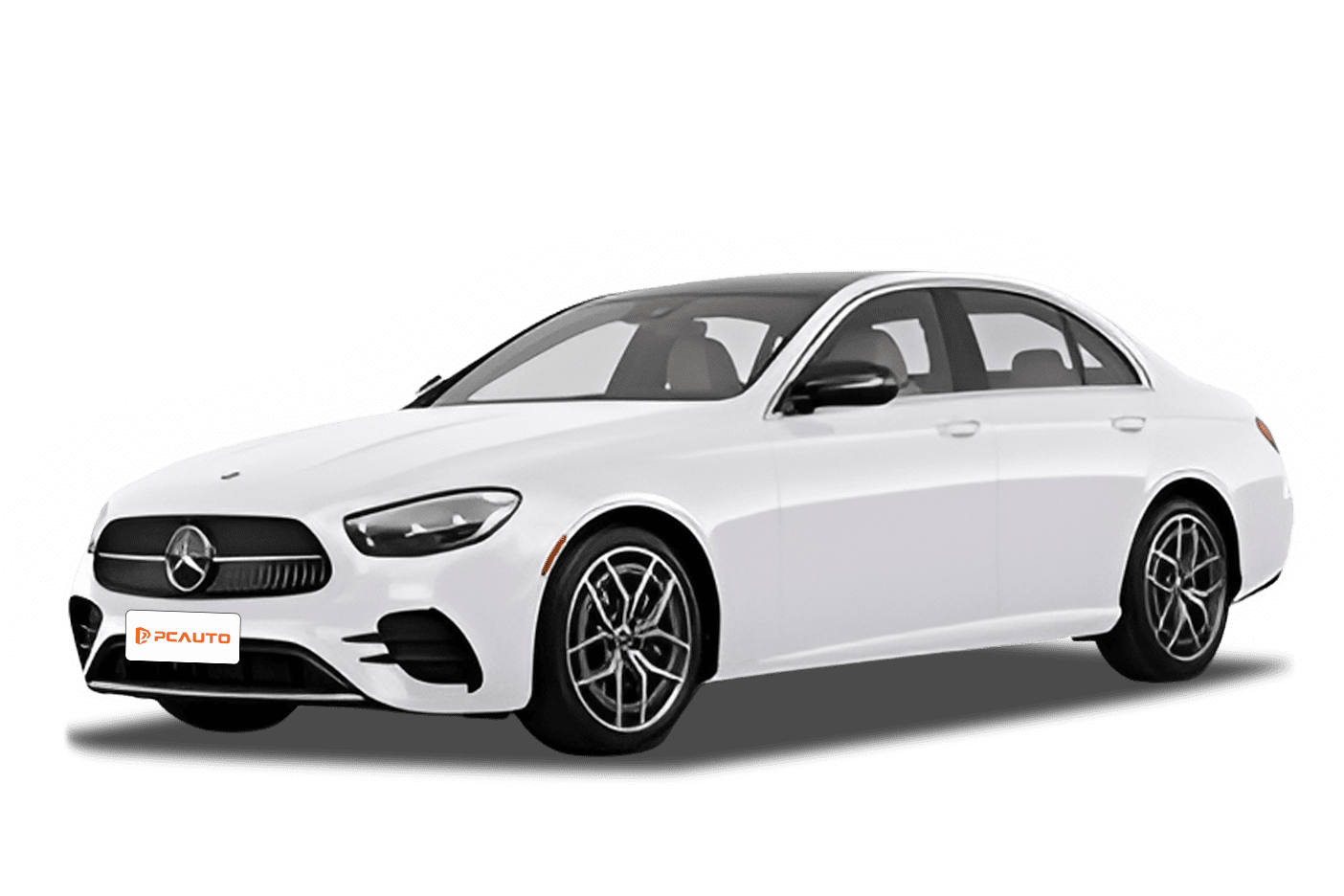
2024 Mercedes-Benz E-Class E200, as a luxury executive sedan, upgrades its mild-hybrid system to balance power and fuel efficiency, enhances intelligent configurations, offers practical space, and highlights a comfortable driving experience.
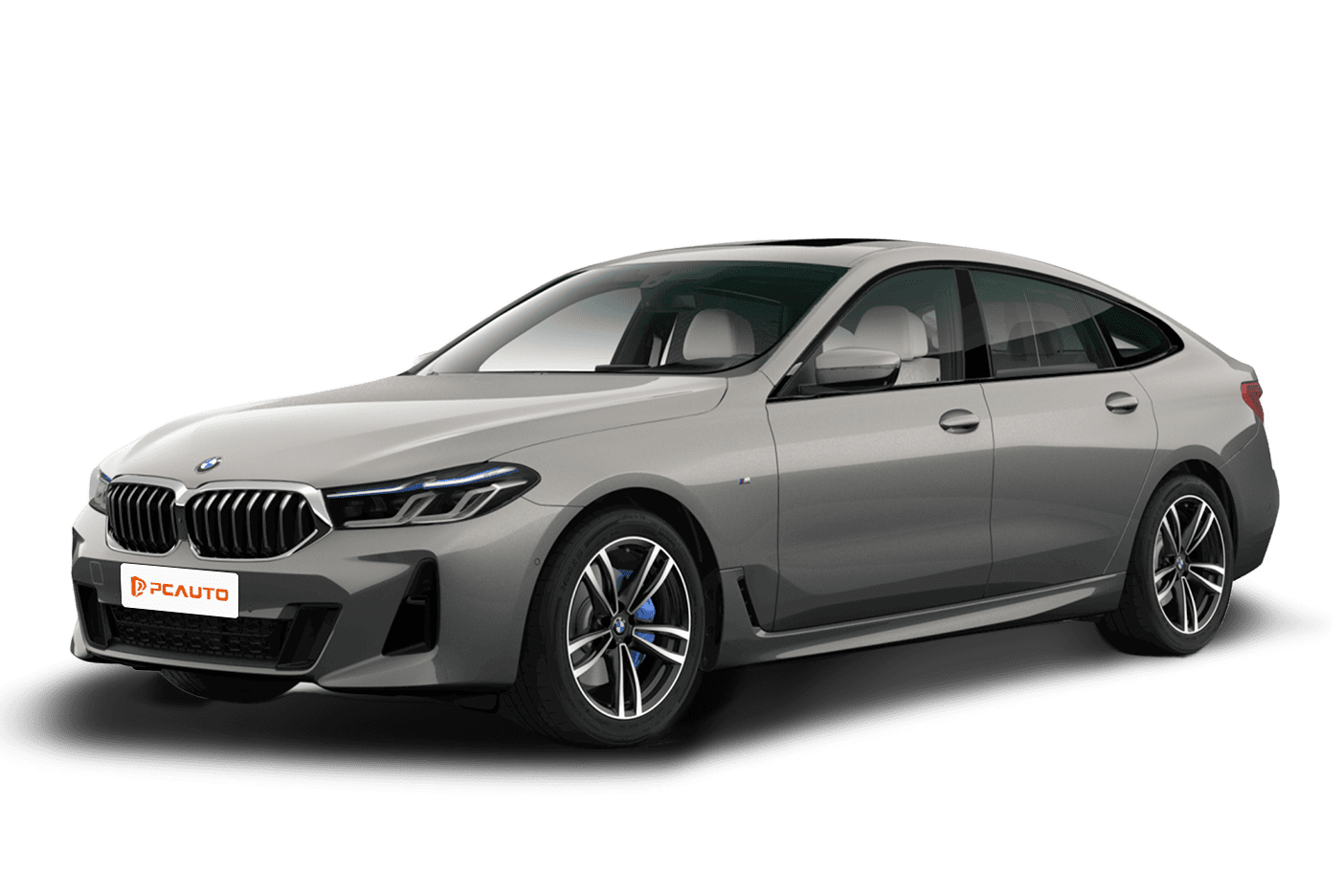
2021 BMW 6 Series GT 630i M Sport is a luxurious coupe that balances business respectability and family practicality, combining a fastback design, dual-screen technology, spacious interior, and 2.0T engine to blend sportiness with comfort.