

Audi A7 Sportback 2011 Review

 Share
Share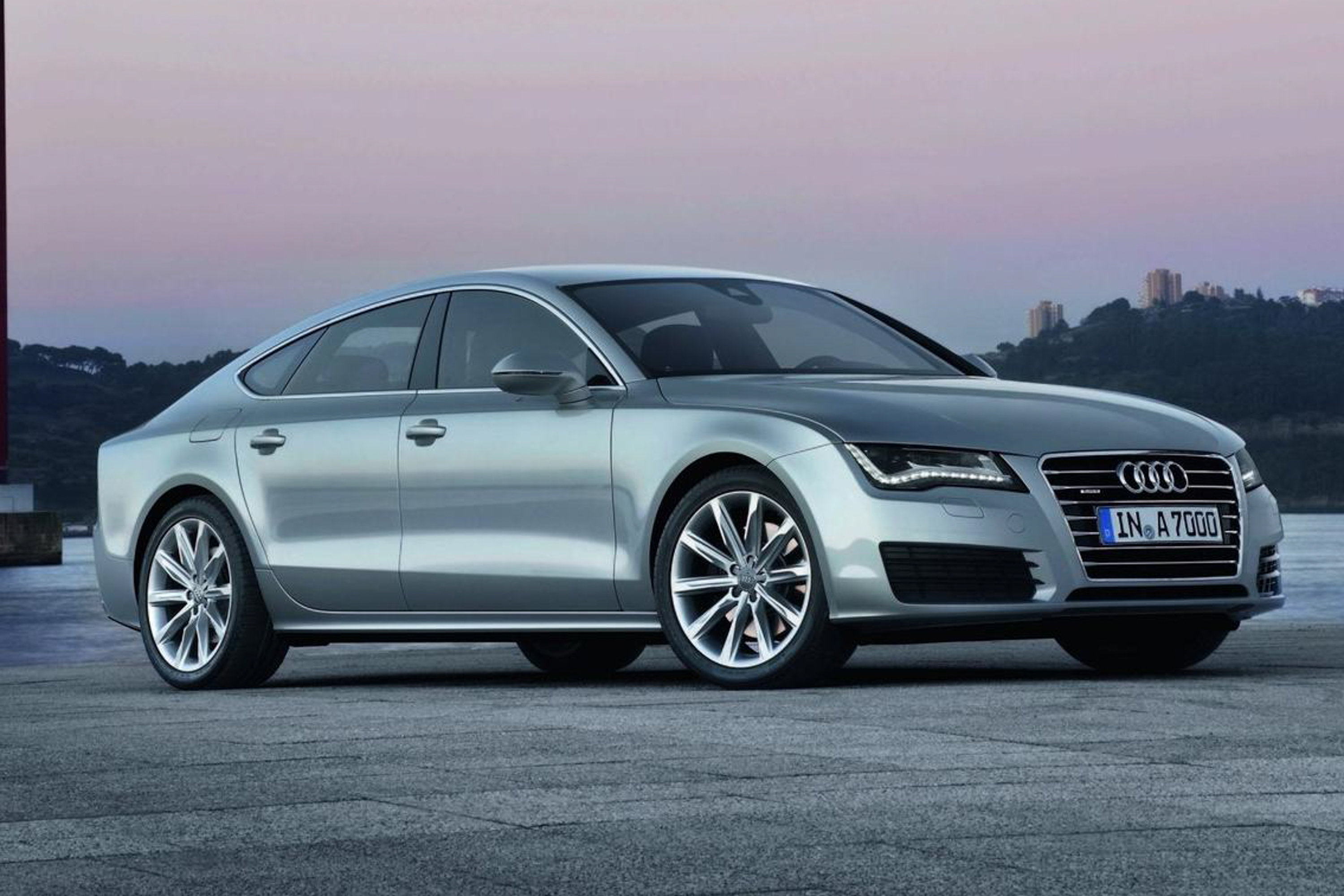
 Body Type
 Segment
 Capacity(L)
 Engine Power(PS)
 Engine Torque(Nm)
 Transmission
The mid-size luxury coupe market has always been a focus of attention for consumers, especially for those looking to balance aesthetics and practicality. These users are constantly searching for a model that is uniquely designed yet does not compromise on everyday usability. The 2011 Audi A7 Sportback public, as Audi's first four-door coupe model, uses the "Sportback" fastback design as its core selling point, which retains the sporty posture of a coupe while offering the practicality of a hatchback. This design was highly distinctive in the luxury midsize car market at the time. This test drive will focus on its design, space, and driving performance to see if this decade-old model can still meet today's demand for a "balance of aesthetics and practicality."
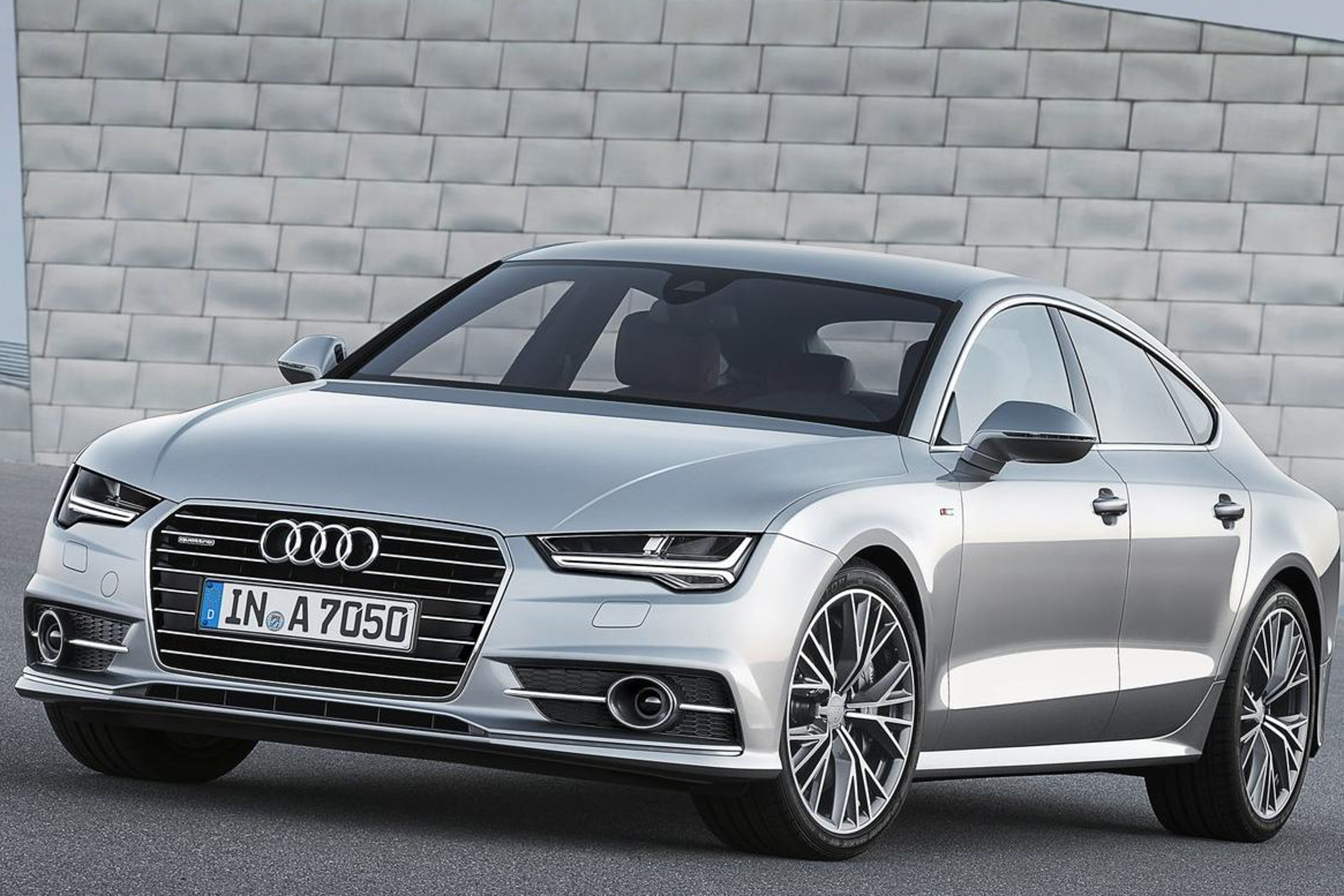
From the exterior, the overall style of the 2011 A7 Sportback public leans towards a combination of elegance and sportiness. The front features Audi's iconic hexagonal grille, complemented by horizontally arranged chrome strips and sharp LED daytime running lights on both sides (a rare feature among competitors at the time), giving it a high level of recognition. The side profile is sleek, with the fastback design extending seamlessly from the A-pillar to the rear, avoiding the abrupt transitions of traditional sedans. The 19-inch multi-spoke alloy wheels further enhance its sporty appeal. At the rear, the LED taillights are horizontally arranged, echoing the design of the front, while the chrome trim below the liftback-style trunk enhances its refined look. The overall design still appears timeless even ten years later.
Inside the cabin, the interior design follows the theme of "simple luxury." The center console features a layered design, with the upper layer wrapped in soft materials and the lower part adorned with metal trim, giving it a refined touch that aligns with a luxury car's expectations. The center control area is equipped with an 8-inch LCD screen supporting Bluetooth connectivity and navigation (a mainstream feature at the time), with a clear operational logic. Below that, the physical buttons are neatly arranged, with the climate control area featuring an independent display screen for convenience. The seats are wrapped in genuine leather, with the front seats offering power adjustments and lumbar support. The seats provide a moderate level of bolstering, ensuring driving comfort even on long journeys.
In terms of space, the dimensions are 4969mm×1911mm×1420mm, with a wheelbase of 2914mm, placing it in the midsize car category. The front row offers ample space, with a 180cm tall passenger sitting comfortably with about one fist of headroom remaining. The rear row provides two fists of legroom, while the headroom is slightly restricted due to the fastback design (about four fingers), but it poses no issues for everyday family use. In terms of storage capacity, the liftback-style trunk opens at a wide angle, offering a standard trunk volume of 535L, which can be expanded to 1390L when the rear seats are folded down, easily accommodating strollers or luggage for long trips. Additionally, the interior storage compartments are abundant, including a front center armrest box and door storage slots, which can hold personal items, offering strong practicality.
The powertrain is equipped with a 2.8L V6 naturally aspirated engine, delivering a maximum power of 150kW (204PS) and peak torque of 280N·m, paired with a 7-speed S tronic dual-clutch transmission. During actual driving, the power output is smooth in the initial stage, with a linear throttle response and none of the abruptness typical of turbocharged engines. In mid-to-high-speed acceleration (80-120km/h), the power reserves are sufficient, and when overtaking with a firm press on the accelerator, the gearbox shifts quickly with seamless power delivery, meeting the needs of both urban commuting and highway cruising. The driving modes include Comfort, Auto, and Dynamic. Switching to Dynamic mode improves throttle sensitivity and provides a heavier steering feel, catering to users who occasionally seek driving pleasure.
The handling and chassis performance are commendable. The steering is precise with minimal play, light at low speeds, and gradually tightens at high speeds, offering a refined feel. The chassis features a front five-link independent suspension and a rear trapezoidal-link independent suspension, tuned for comfort. It effectively filters out fine vibrations when passing over speed bumps or uneven roads, keeping the body stable; body roll is well-controlled during cornering, without a significant "boat-like" feeling, balancing comfort and handling. The braking system responds quickly, with short braking distances, giving ample confidence to the driver.
In terms of fuel consumption, this test drive covered both urban traffic and highway conditions. Under mixed driving conditions, the fuel consumption was approximately 9.5L/100km (official data states 9.1L/100km), showing decent fuel efficiency among V6 engines of the same displacement. Noise control is on par with luxury car standards; at higher speeds (120 km/h), wind and tire noise slightly permeate the cabin but do not affect conversations inside the car, maintaining overall tranquility.
Overall, the core strength of the 2011 Audi A7 Sportback lies in its "balance between design and practicality": the fastback design enhances visual appeal, while the hatchback design ensures practicality for family use. The interior carries a luxurious feel, and its features were on a mainstream level at the time. The power delivery is smooth, and the chassis tuning is well-balanced. Compared to contemporaries like the BMW 5 Series GT (offering more space but a more conservative design) and the Mercedes-Benz CLS (with an aggressive design but cramped rear seating), the Audi A7 Sportback excelled in combining "dynamic design with practical space".
This car suits two types of users: the first type is family users who value a combination of "style and practicality," appreciating the fastback design for its personalized appeal and the interior space and features for daily commutes and family trips. The second type is young consumers pursuing "low-key luxury," with the Audi brand adding allure. It combines the dynamic appeal of a sports sedan with the refined quality of a luxury car.
In conclusion, the 2011 Audi A7 Sportback is a "well-balanced" luxury sports sedan. Even after ten years on the market, its design, space, and driving performance continue to meet the needs of certain contemporary users, especially those who prioritize the combination of "classic design and practicality" over the latest technology.
Audi A7 Sportback Car Compare

Cars With Similar Price And Features
12
Rank in Sedan
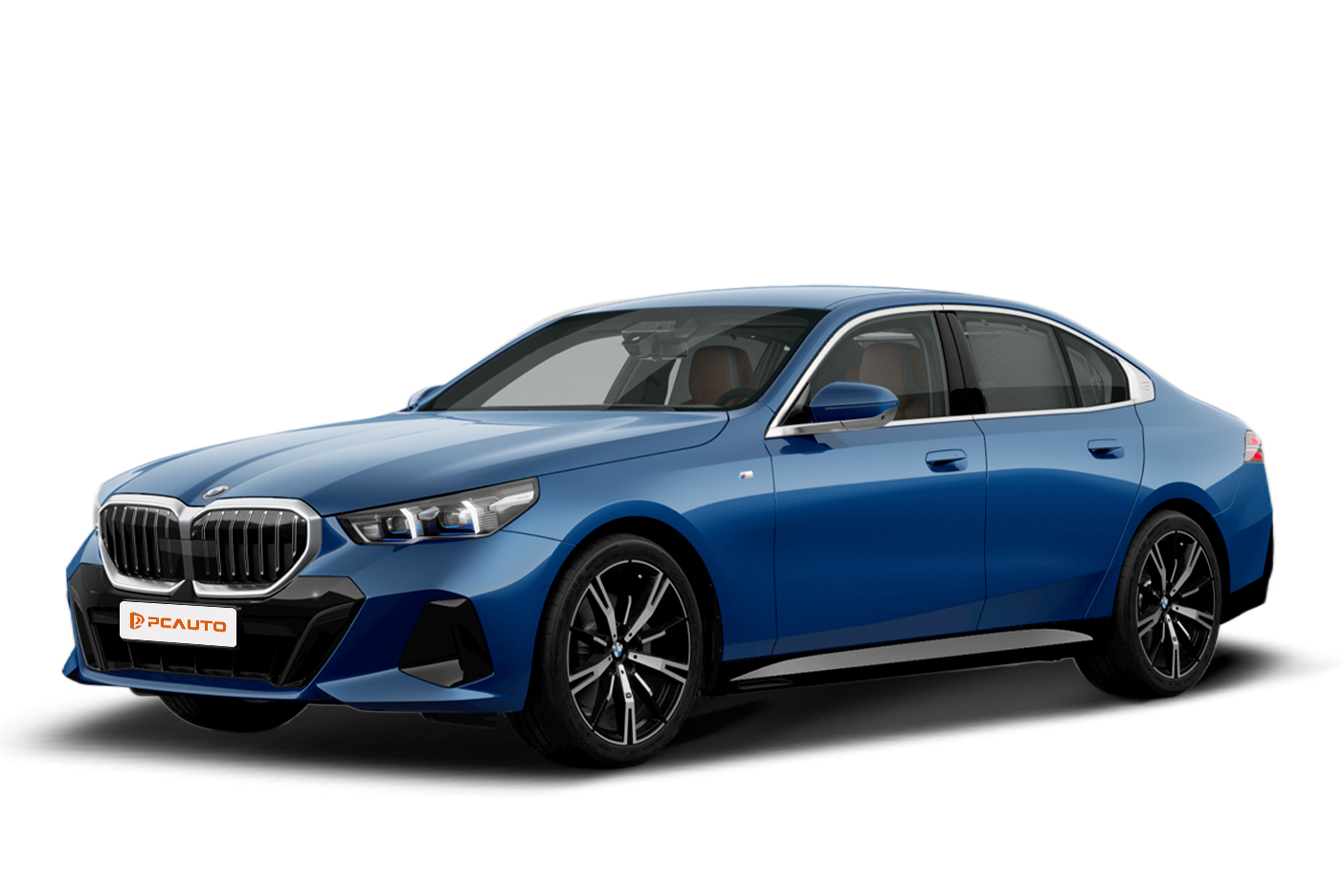
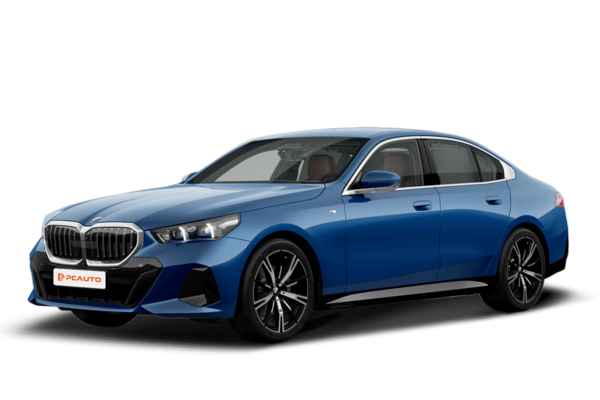
2025 BMW 5 Series 530i M Sport combines executive stability with youthful vitality through the M Sport package, featuring a powerful 2.0T mild hybrid system, enhanced by connected screen technology, balancing luxury, practicality, and driving pleasure.
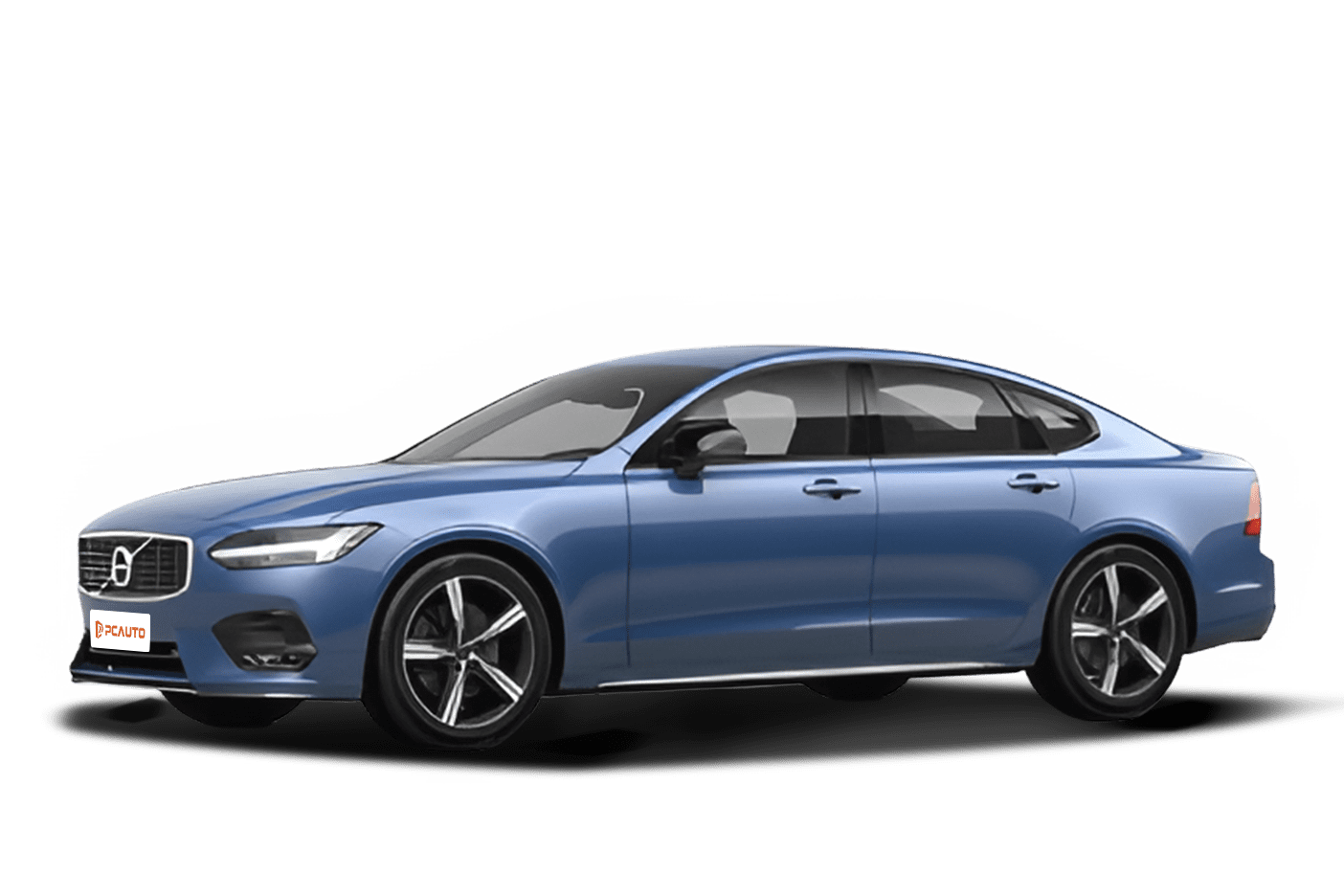
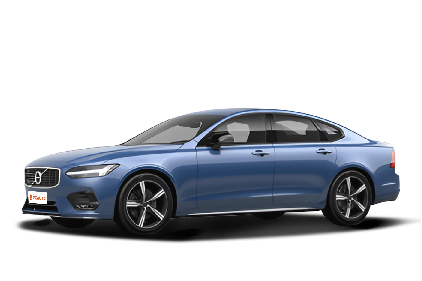
2021 Volvo S90 T5 Momentum is a mid-to-high-end sedan that combines safety DNA, family-friendly features, and executive-level comfort. It offers practical space, smooth power delivery, and is suitable for families and business users who value quality.

15
Rank in Sedan
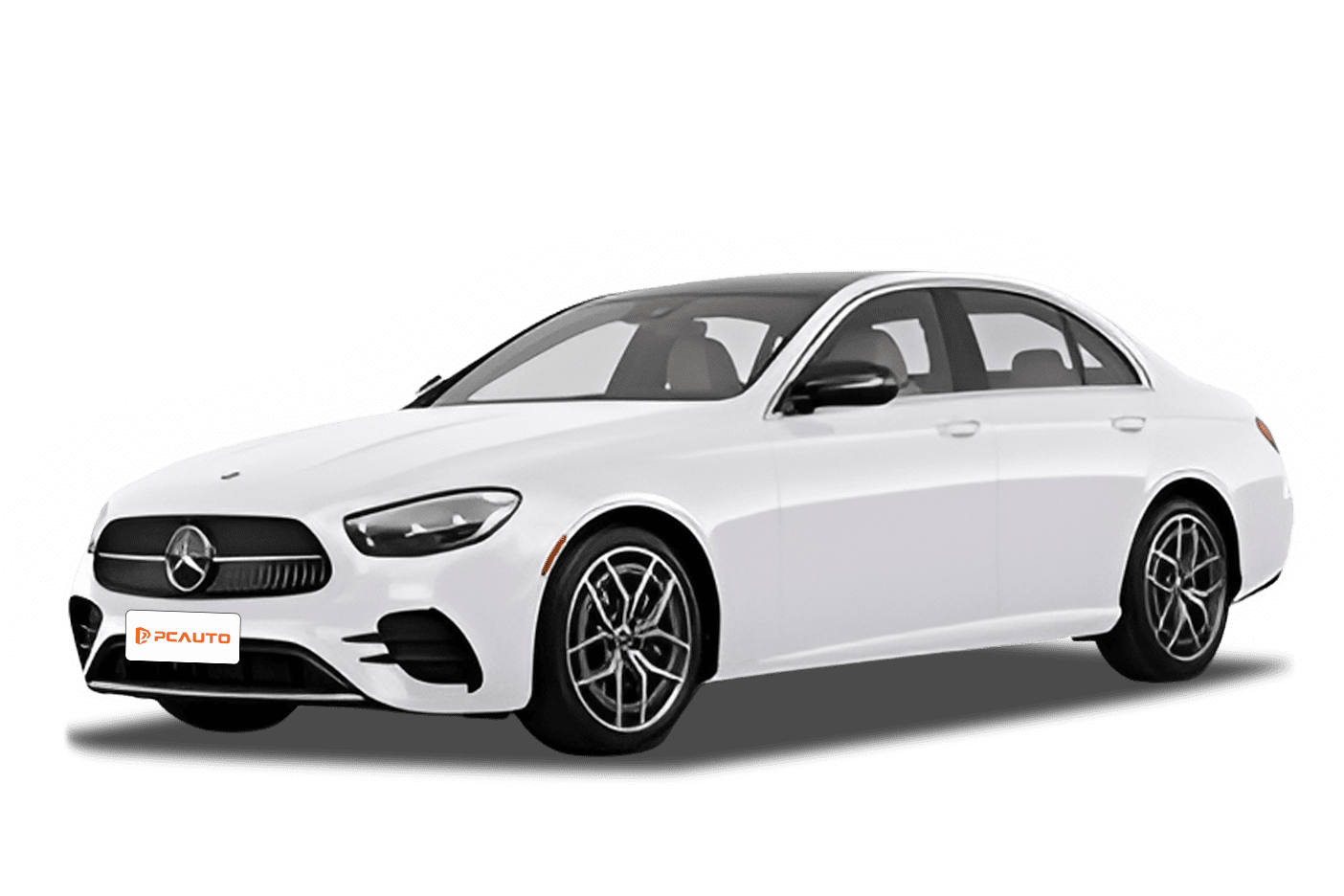
2024 Mercedes-Benz E-Class E200, as a luxury executive sedan, upgrades its mild-hybrid system to balance power and fuel efficiency, enhances intelligent configurations, offers practical space, and highlights a comfortable driving experience.
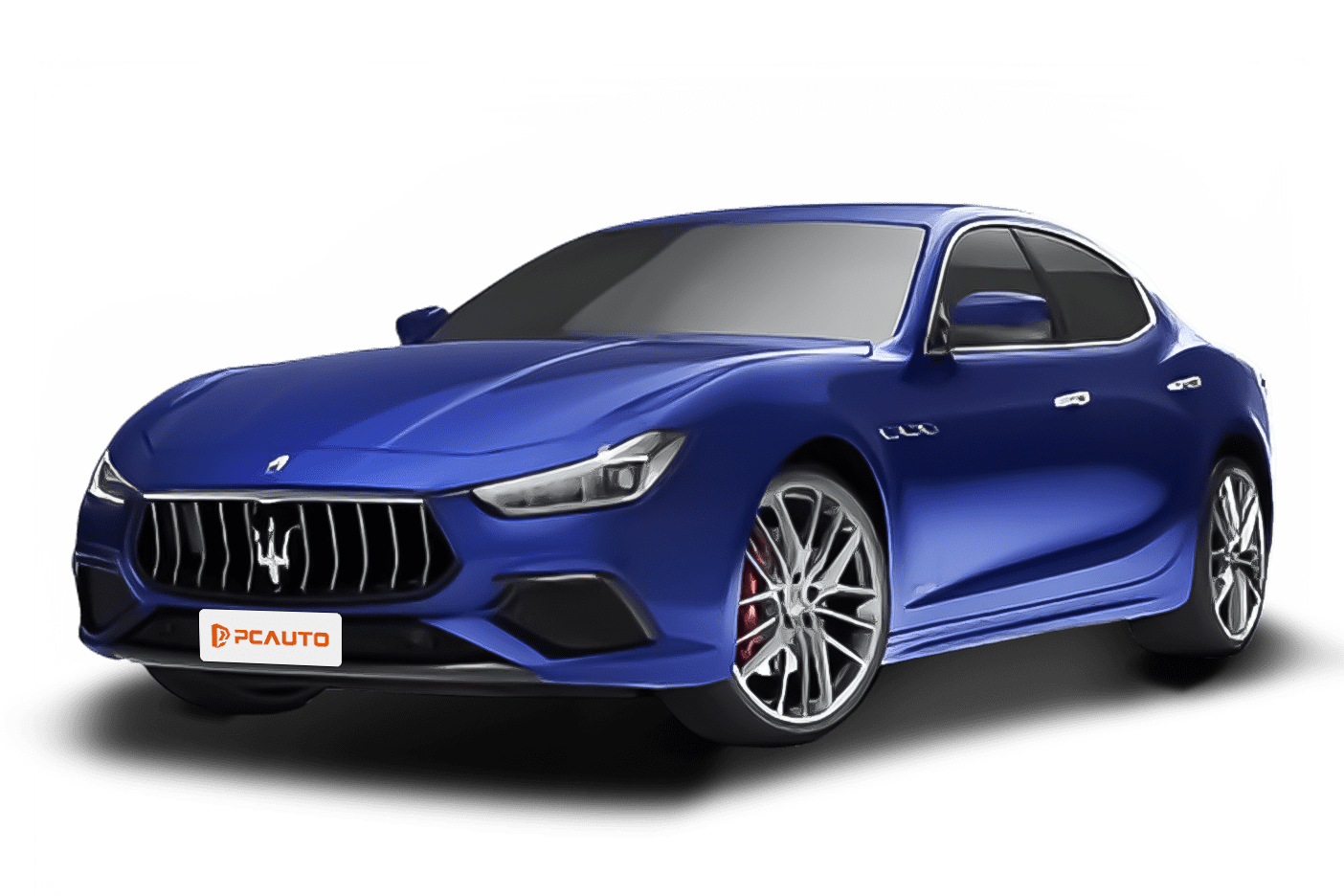
2022 Maserati Ghibli Hybrid is a model that combines luxurious executive appeal with efficient hybrid economy, retaining the brand's classic design and driving pleasure, and is more budget-friendly.