

Audi A7 Sportback 2017 Review

 Share
Share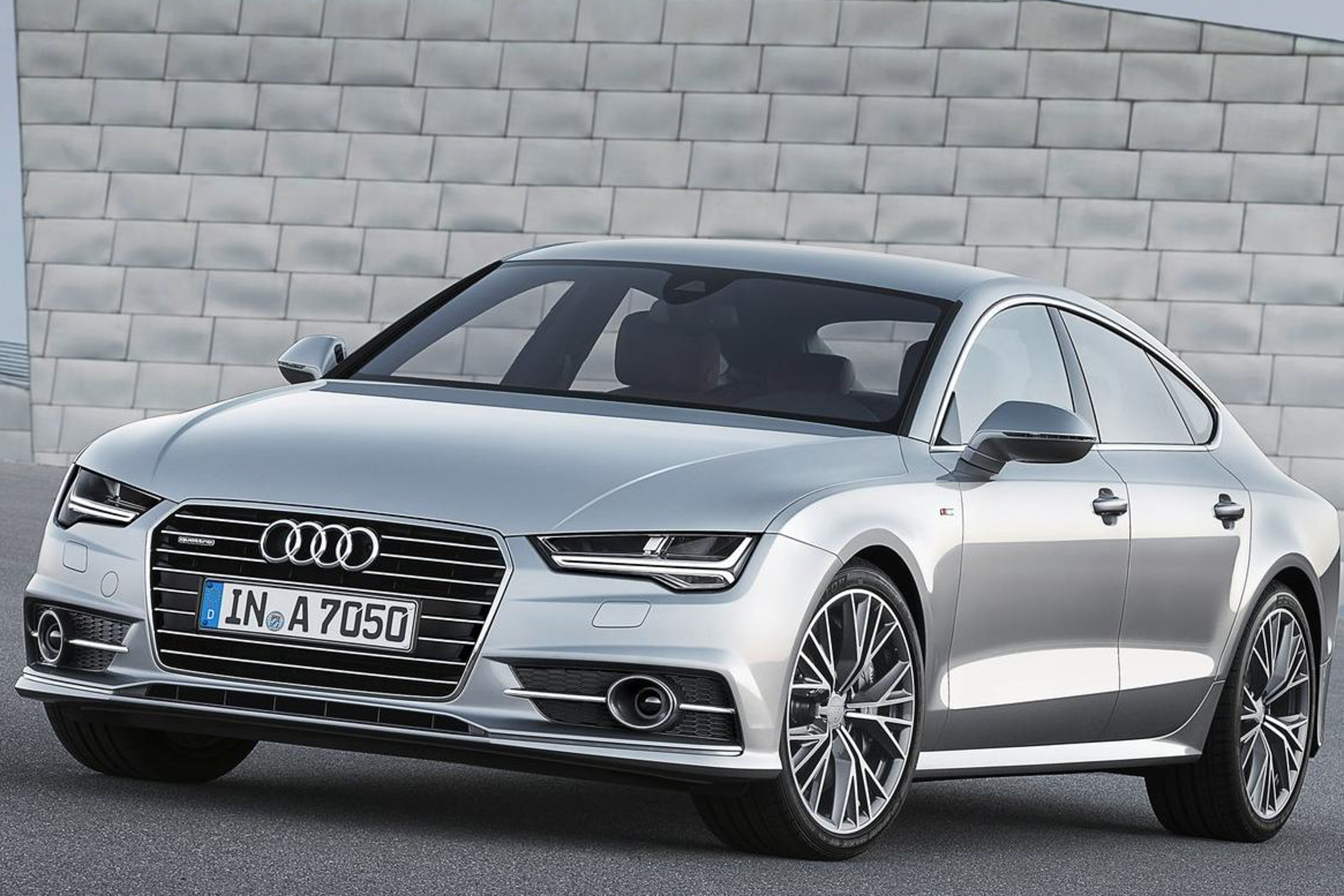
 Segment
 Body Type
 Capacity(L)
 Engine Power(PS)
 Transmission
 Driven Wheels
The executive-class coupe market has always been a key battleground for luxury brands. Consumers value elegant design while also expecting high performance and advanced configurations—the 2017 Audi A7 Sportback 2.0 TFSI quattro is one of the representative models in this segment. With its coupe styling and all-wheel-drive system as core selling points, it also balances daily practicality. In this test drive, we focus on three questions: Is the space adequate given the coupe design? How does the 2.0T all-wheel-drive system perform? Does the configuration match the luxury positioning?
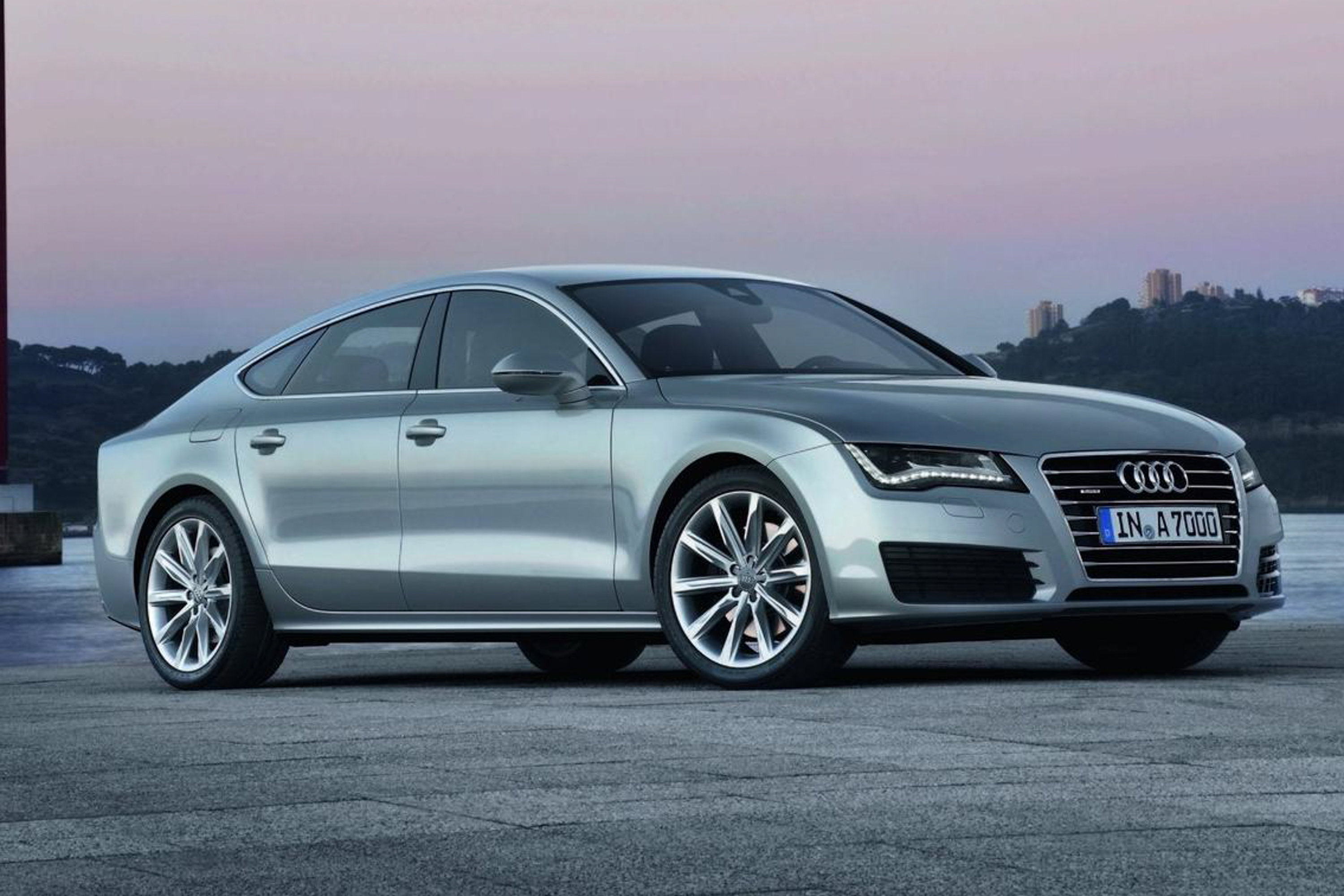
From a distance, the sleek coupe profile of the 2017 A7 Sportback is the most striking feature, with an overall design line that extends from the A-pillar to the rear of the car, free of unnecessary folds, maintaining a sense of elegance. The front features Audi's signature hexagonal grille with horizontal chrome trim inside, complemented by LED headlights on both sides, which are highly recognizable. The headlights not only have an automatic feature but also integrate daytime running lights, creating a clear visual effect when illuminated. The side profile of the car has a waistline running from the fender to the taillights, paired with 19-inch wheels (with front and rear tire specifications of 255/40 R19), giving it a sleek look. The rear design is relatively simple; the LED tail lights feature a smoked finish, seamlessly connecting to the coupe's lines, and the rear fog lights and parking sensors offer convenience for daily use.
Sitting inside, the interior layout is driver-oriented, with the center console tilted toward the driver, making it very convenient to operate. In terms of materials, the upper part of the center console and the inner sides of the door panels are wrapped in soft-touch materials, paired with metal trim, achieving a basic sense of luxury. The instrument cluster is a traditional backlit analog display that is clear but lacks the technological feel of a fully digital display. The multifunctional steering wheel, equipped with paddle shifters, supports manual adjustment and provides a good grip for steering. In terms of features, the front seats are electrically adjustable and have a memory function, offering good support for the lumbar and leg areas; the rear seats can be folded down in a 60:40 split, and the trunk capacity is 530 liters, which can be expanded to accommodate more storage space — easily fitting a baby stroller or suitcase for daily use. The air conditioning system is a dual-zone automatic climate control, with independent vents for the rear seats, enabling comfortable temperature settings for both front and rear passengers. Additionally, features like keyless entry/start, a 220V power outlet, and sunshades are all standard, adding to its practicality.
In terms of space, the vehicle dimensions are 4969mm × 1911mm × 1420mm, with a wheelbase of 2914mm, which is at the mainstream level for the executive class. The front row provides ample space, with a 180cm passenger leaving a fist's space above the head after adjusting the seat. The rear legroom allows for around two fists of space, and although headroom is slightly tight due to the coupe design, it does not touch the head during a normal sitting posture, making it suitable for short trips for adults. Regarding storage space, the door pockets can hold two bottles of water, there is a storage compartment under the center console, and the depth of the front center armrest is sufficient, making it convenient to store daily small items.
For performance, the 2.0T turbocharged engine delivers a maximum horsepower of 255PS and a maximum torque of 370N·m (available at 1600rpm), paired with a 7-speed dual-clutch transmission and quattro all-wheel-drive system. The official 0-100km/h acceleration time is 6.7 seconds. During actual driving, the power response at startup is very brisk, with no noticeable turbo lag. Mid-to-high-range acceleration is confident, and when overtaking, a deep press on the accelerator delivers quick gear changes and a strong sense of pushback. The all-wheel-drive system enhances the vehicle's stability on slippery roads, and even during sudden accelerations, no slipping occurs.
In terms of handling, the steering wheel offers good precision with very little play, and you can clearly feel the road feedback when cornering. The front double-wishbone and rear multi-link independent suspension setup is tuned towards sportiness without compromising comfort. It effectively absorbs most bumps when passing over speed bumps and controls body roll well during cornering. Fuel consumption performance is average: the official combined fuel consumption is 6.8L/100km, while in actual congested urban conditions, it's about 8-9L, and on highways, it can drop to around 6L. For a 2.0T all-wheel-drive model, this is within an acceptable range.
In terms of ride comfort, the vehicle's noise control is quite good. At high speeds, both wind noise and tire noise are within an acceptable range and won’t interfere with conversations inside the car. The seat padding is neither too soft nor too hard, allowing for long-term comfort during extended rides. The engine start-stop technology operates smoothly without significant jolts. However, as a 2017 model, it is not equipped with a fully digital instrument panel, which makes it slightly less tech-forward compared to newer models. Nonetheless, the basic configurations can meet daily needs.
Overall, the core advantage of the 2017 A7 Sportback 2.0 TFSI quattro lies in its "balance." Its coupe-like design combines aesthetics with practicality, the 2.0T all-wheel-drive provides sufficient power, and the configurations align with its luxury positioning. Compared to competitors like the BMW 6 Series Gran Coupe or the Mercedes-Benz CLS, its quattro all-wheel-drive system stands out as a highlight, and the price is relatively affordable (RM 457,493). It is well-suited for individuals seeking a coupe-like design but also needing a family-friendly car—such as middle-class families aged 30-45, or professionals pursuing individuality without sacrificing practicality. If you don’t mind the absence of a fully digital instrument panel and value the stability of the all-wheel-drive system, this vehicle is worth considering.
Audi A7 Sportback Car Compare

Audi A7 Sportback Loan Calculator
More Audi Reviews
Cars With Similar Price And Features
12
Rank in Sedan
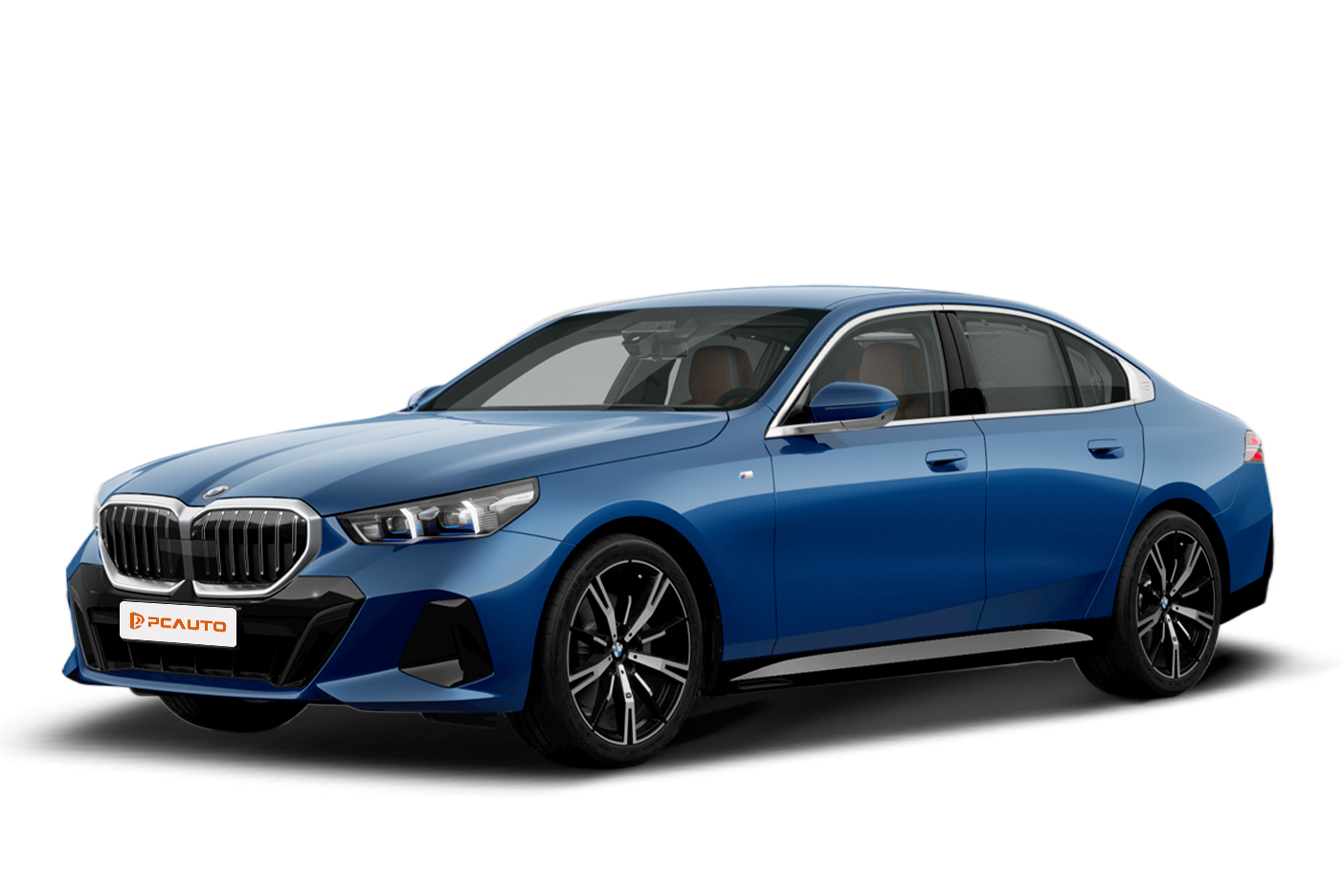
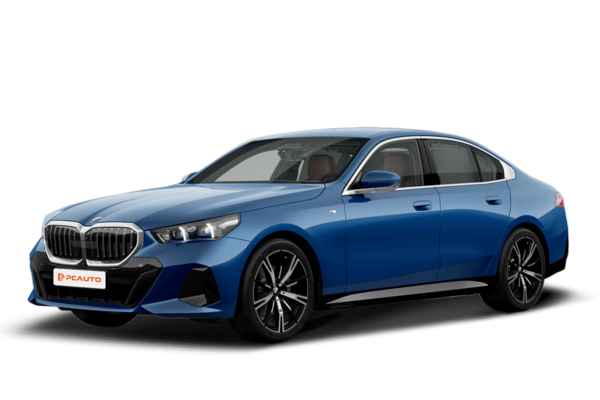
2025 BMW 5 Series 530i M Sport combines executive stability with youthful vitality through the M Sport package, featuring a powerful 2.0T mild hybrid system, enhanced by connected screen technology, balancing luxury, practicality, and driving pleasure.
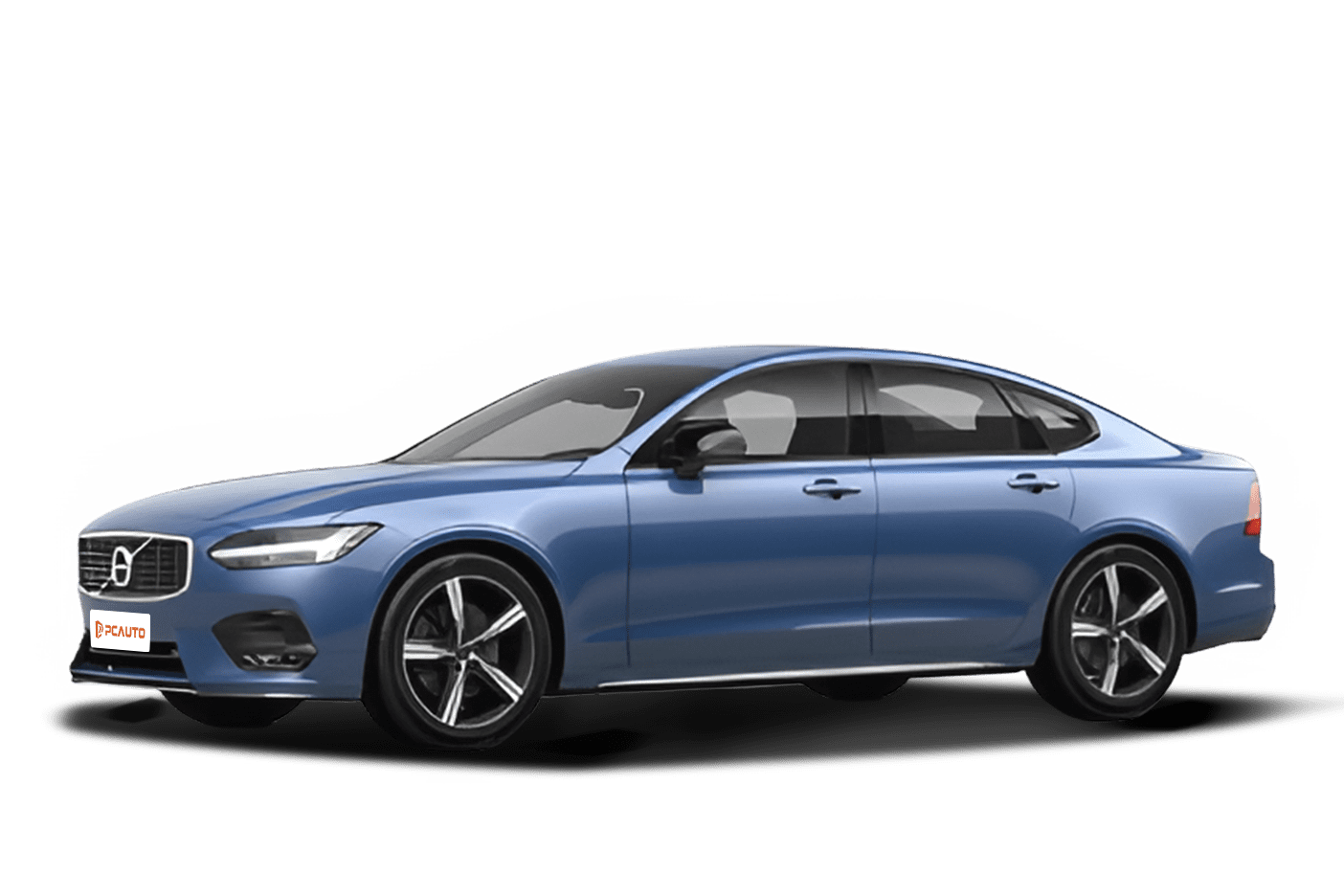
2021 Volvo S90 T5 Momentum is a mid-to-high-end sedan that combines safety DNA, family-friendly features, and executive-level comfort. It offers practical space, smooth power delivery, and is suitable for families and business users who value quality.

15
Rank in Sedan
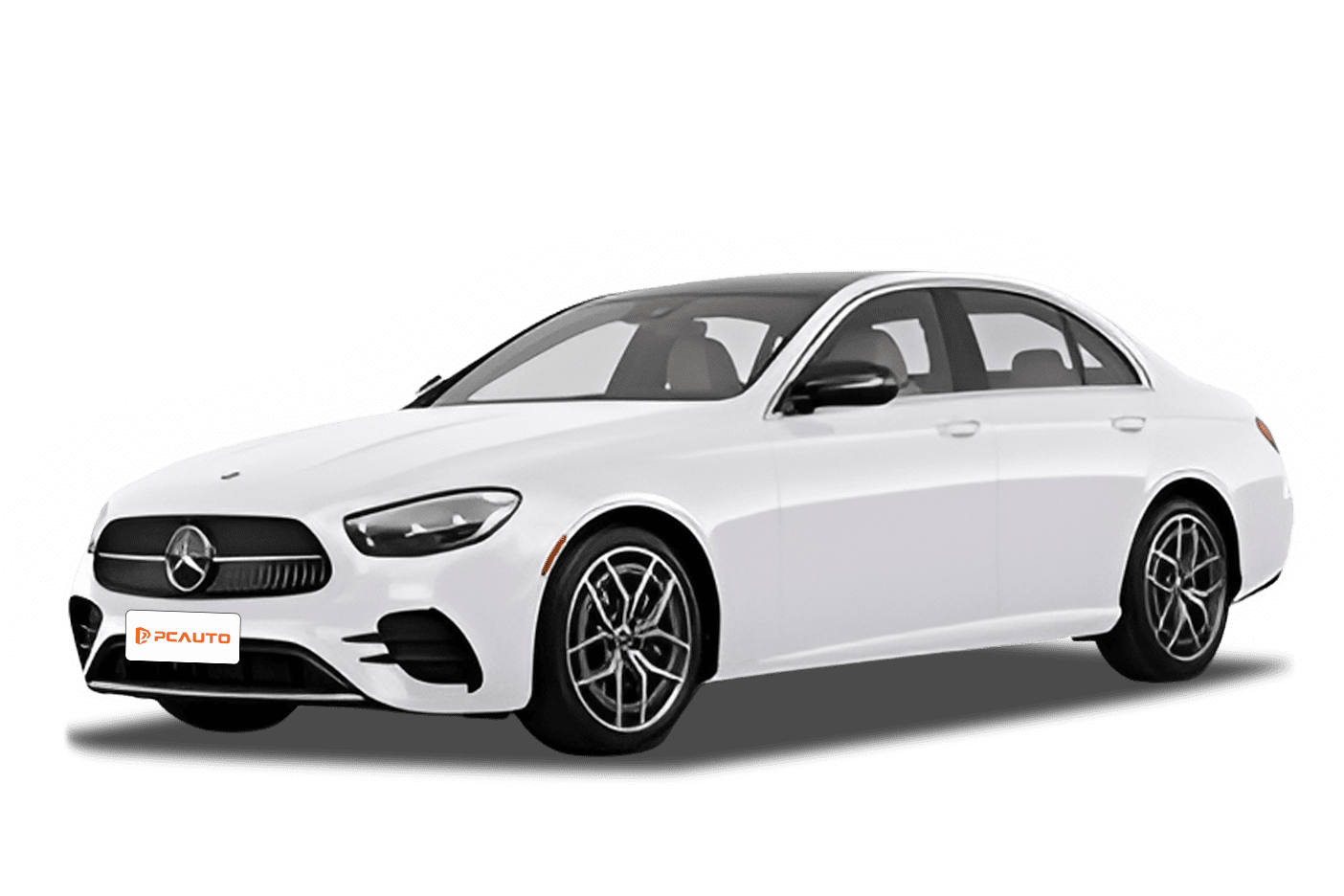
2024 Mercedes-Benz E-Class E200, as a luxury executive sedan, upgrades its mild-hybrid system to balance power and fuel efficiency, enhances intelligent configurations, offers practical space, and highlights a comfortable driving experience.
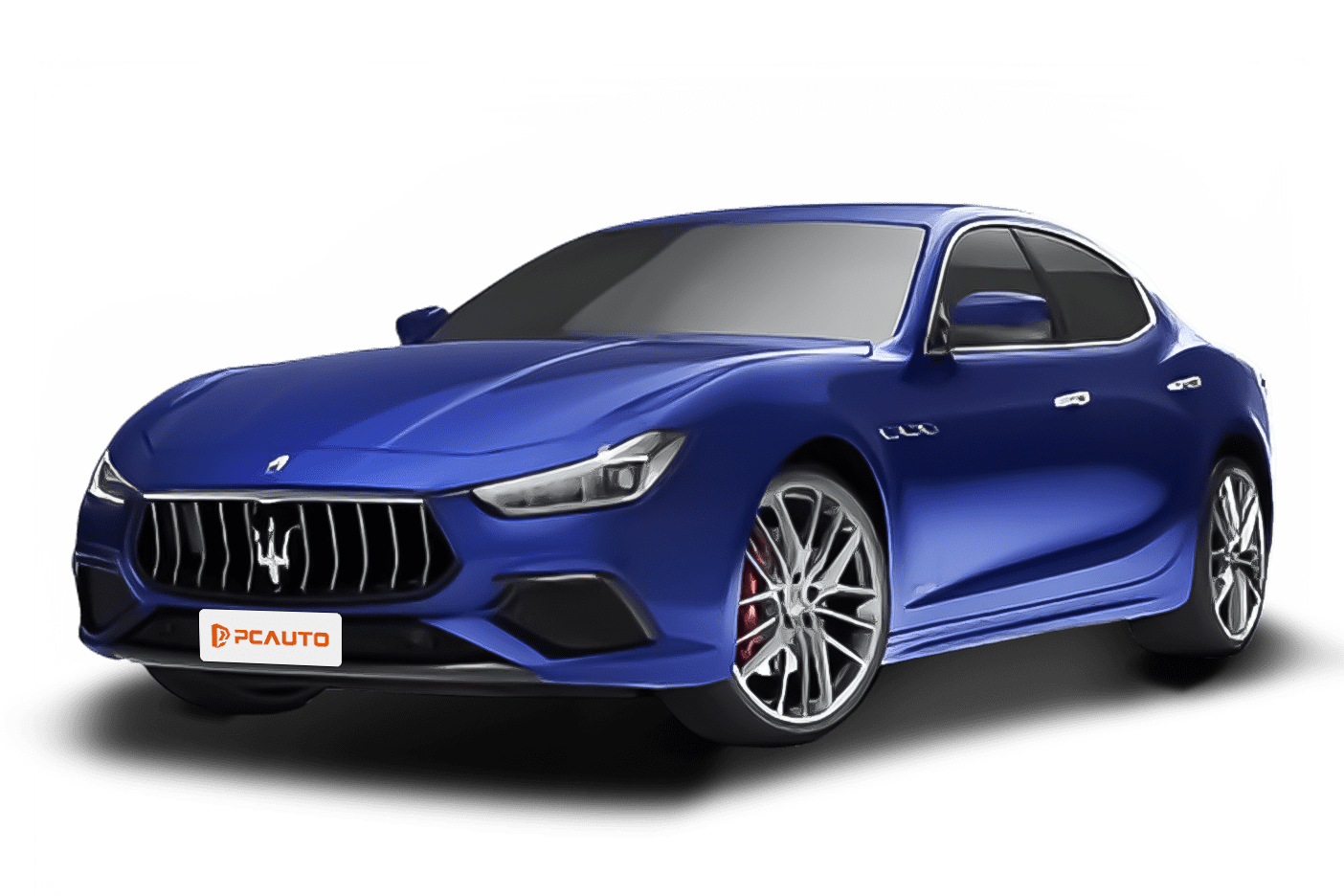
2022 Maserati Ghibli Hybrid is a model that combines luxurious executive appeal with efficient hybrid economy, retaining the brand's classic design and driving pleasure, and is more budget-friendly.