

Audi Q3 2012 Review

 Share
Share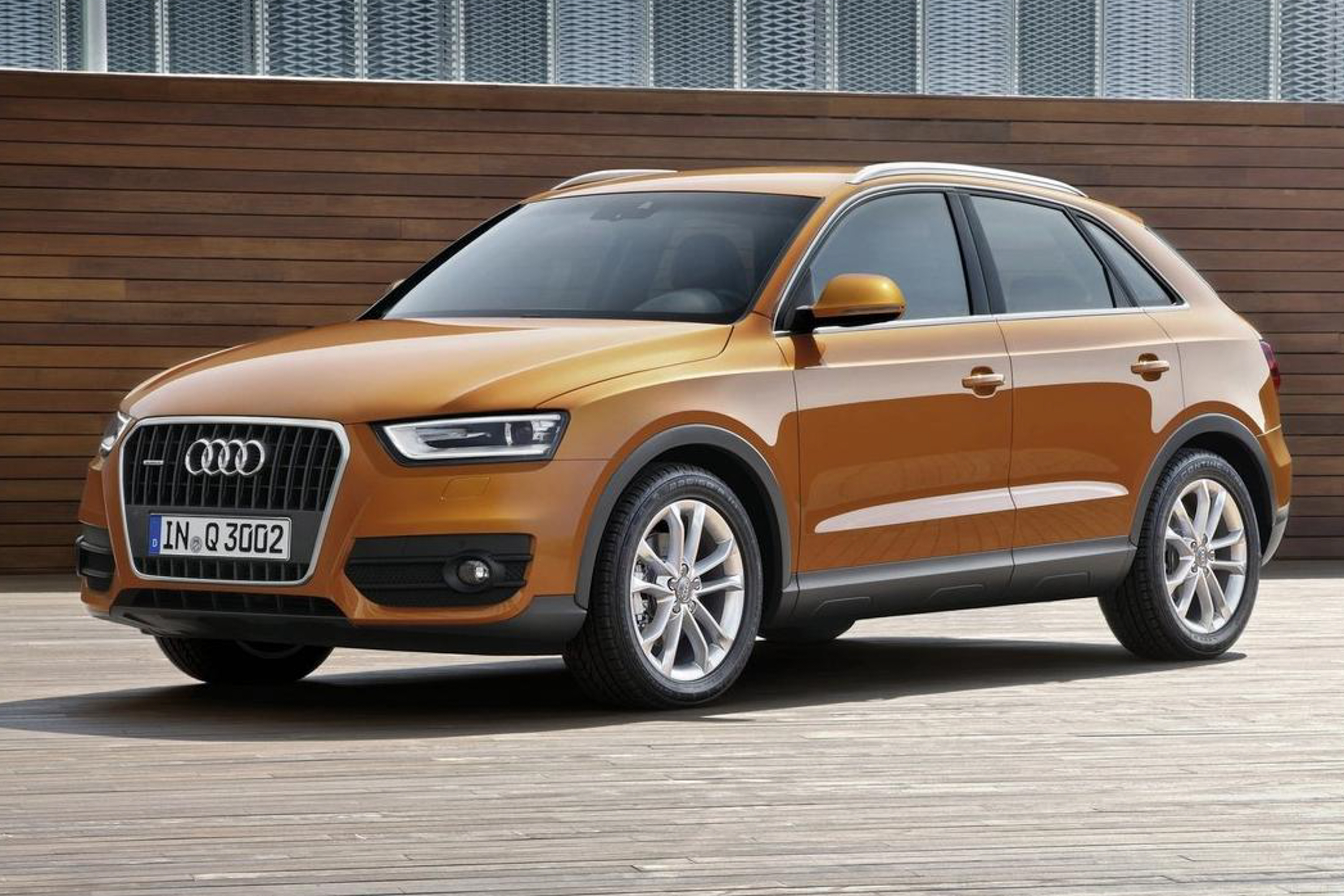
 Body Type
 Segment
 Capacity(L)
 Engine Power(PS)
 Engine Torque(Nm)
 Transmission
Recently, when browsing the local automotive forum, I found that many users were discussing entry-level options for luxury compact SUVs—the 2012 Audi Q3 public is precisely a popular candidate in this segment. As a representative of a luxury brand tapping into niche markets, it needs to both maintain Audi's brand image and meet the space and practicality needs of family users. This time, we got a test car, and the core purpose is to see if it truly delivers "luxury and practicality" in terms of static quality and dynamic performance and whether it can stand firm among competitors in the same price range.
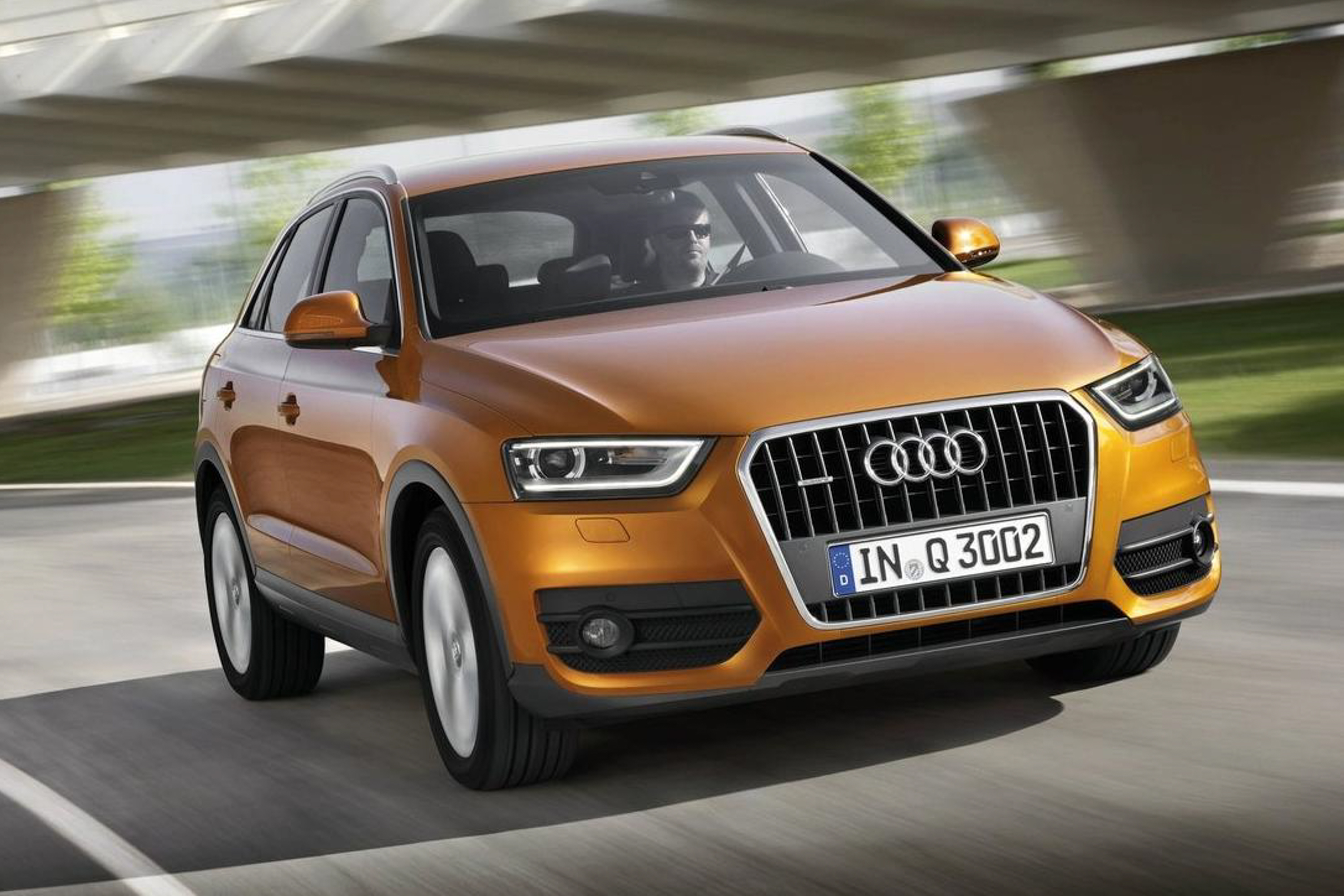
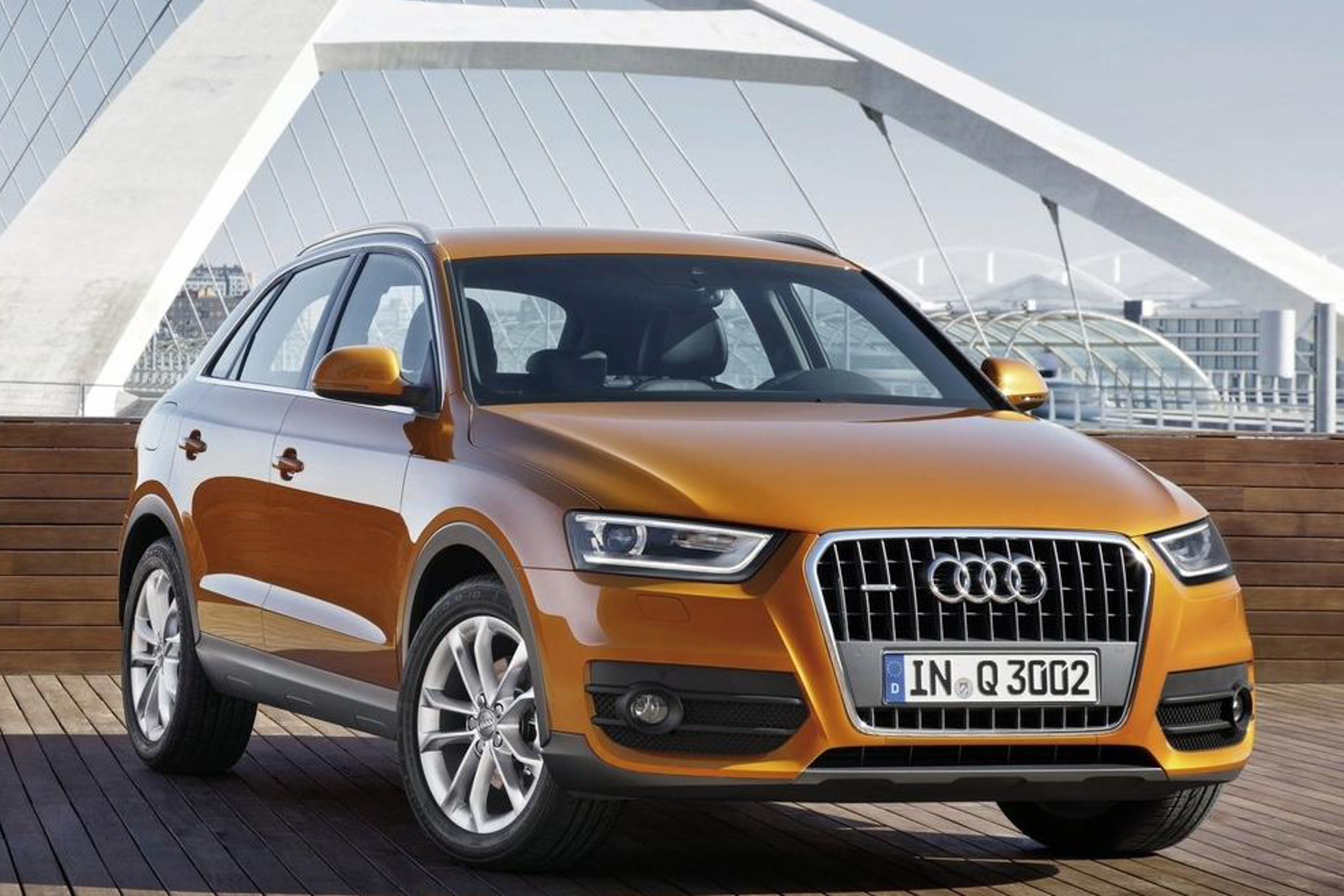
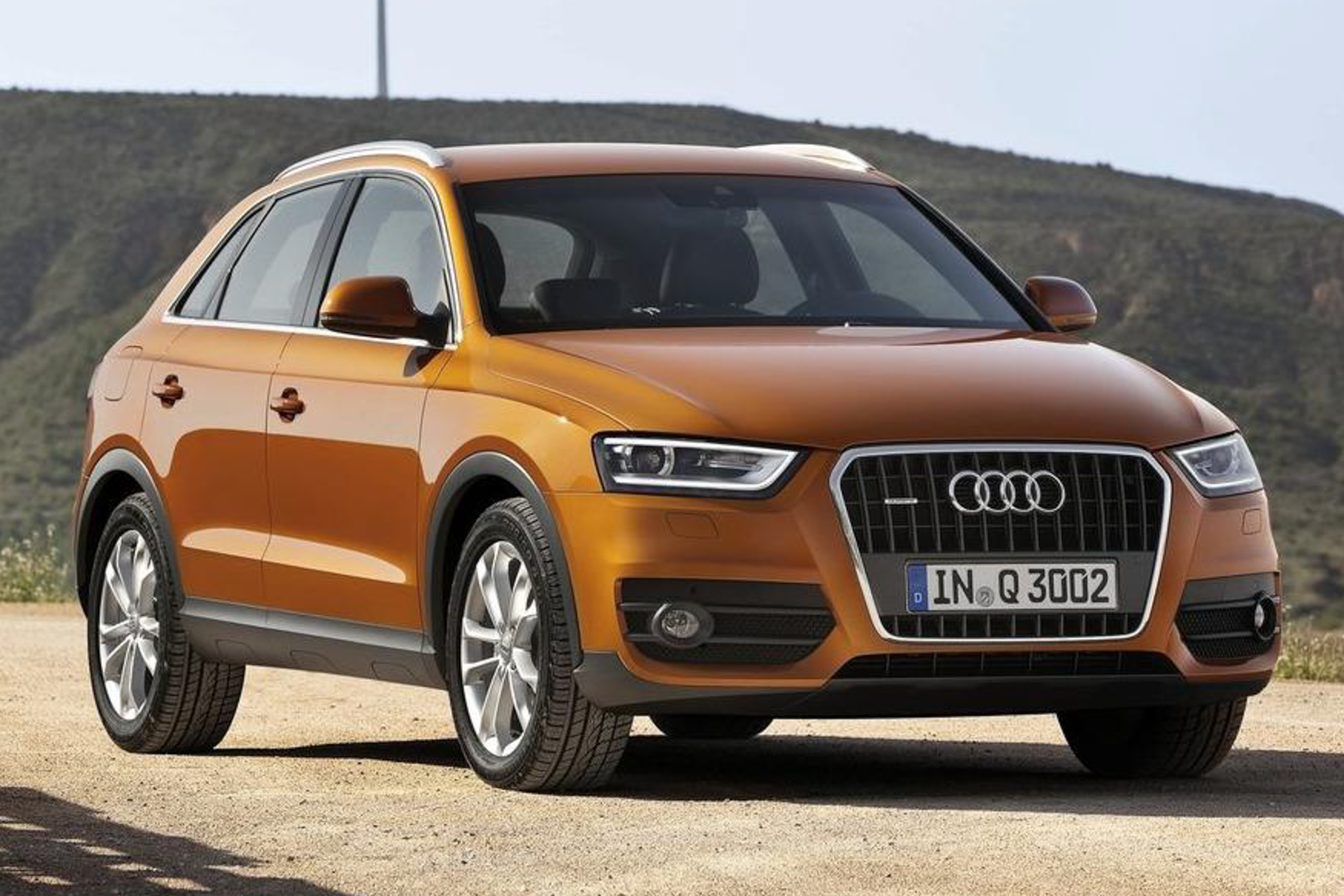
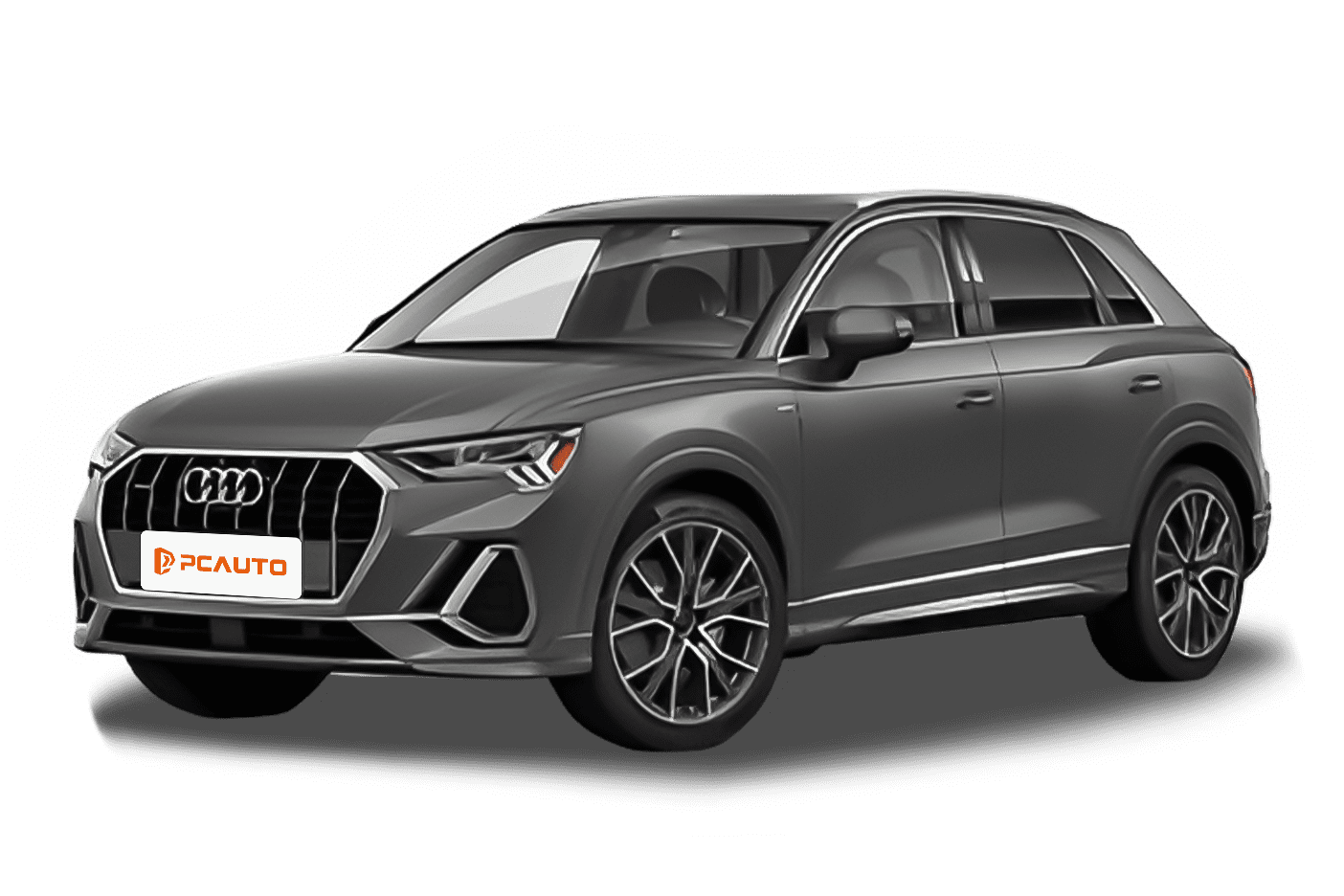
From a distance, the overall design of the 2012 Q3 public is typical of Audi's style, with clean and crisp lines. The front end features the family-style hexagonal grille, paired with sturdy chrome accents, giving it high recognizability; the sharp design of the headlights stands out, with standard halogen lighting and optional xenon lights for top trims, creating a more refined visual effect when illuminated. The side profile has balanced proportions, with a waistline running from the front fender to the rear, complemented by 17-inch alloy wheels, which give it a concise look. The rear design is simple, with LED taillights that illuminate in a strip pattern, offering good night-time recognizability; the silver skid plate on the rear bumper and dual exhaust outlets add a touch of sportiness. Overall, the design is not overly exaggerated, but the details are handled well, aligning with the refinement expected of a luxury brand.
Sitting inside, the interior quality is noticeably better than that of similarly priced SUV models from regular brands. The dashboard is wrapped in soft-touch materials and accented with silver trims, giving it a delicate feel to the touch. The center console is clearly laid out, with a 6.5-inch display on top that supports Bluetooth and Aux-in, offering simple and user-friendly operations. Below is the air conditioning control panel, with well-designed physical buttons that are easy to operate without looking. The seats are a combination of leather and fabric materials, and the front seats support manual adjustments with adequate lumbar support, ensuring comfort during long rides. In terms of features, it comes standard with automatic air conditioning, cruise control, and a multifunction steering wheel, covering all the daily essentials and maximizing practicality.
The space performance meets the expectations of a compact SUV, with dimensions of 4385mm×1831mm×1608mm and a wheelbase of 2603mm. After the front row is adjusted to a comfortable driving position, a 175cm-tall passenger still has a fist’s worth of headroom; the rear offers two fists of legroom and one fist of headroom, and the slightly raised center floor does not compromise the middle passenger’s comfort. Regarding storage space, the front door panels can each hold two water bottles, and the center armrest and glove box provide ample capacity. The trunk offers a standard volume of 460L, which expands to 1365L when the rear seats are folded down, enough for strollers or large suitcases. Additionally, the rear seats are equipped with air vents and USB ports to meet the needs of rear passengers.
In terms of power, the test car comes equipped with a 1.4T turbocharged engine, delivering a maximum power of 92kW and maximum torque of 200N·m, paired with a 7-speed dual-clutch transmission. During daily driving, the vehicle responds quickly on startup, providing ample torque at low RPMs for smooth driving in city traffic or overtaking. When the RPM exceeds 1500, the turbo kicks in noticeably, offering stronger acceleration. Switching to Sport Mode delays gear shifts, making power delivery more direct, suitable for occasional spirited driving. Fuel consumption is commendable, achieving around 7.5L per 100km under congested city conditions and approximately 6L per 100km during highway cruising, meeting the fuel efficiency expectations of a family car.
Handling performance leans towards comfort, with a light steering effort and precise direction, so women won't find it strenuous to drive. The suspension system consists of front MacPherson struts and rear multi-link independent suspension, tuned on the softer side. It absorbs most vibrations when going over speed bumps or bumpy roads, making the rear passengers feel comfortable; during cornering, body roll is controlled within a reasonable range, with no wobbling sensation and decent stability. The brake pedal feedback is linear, the braking force is released evenly, and the vehicle remains composed during emergency braking, giving the driver enough confidence.
Noise control is well-managed. At 60km/h in urban areas, wind noise and tire noise are hardly noticeable; at 120km/h on highways, wind noise slightly increases but does not hinder conversations inside the car. The seat comfort is good, with soft padding and moderate support that ensures you won't feel back pain after long drives.
Overall, the core advantage of the 2012 Audi Q3 public lies in its balance—refined exterior, high-quality interior, practical space, adequate features, and a balance between power and fuel efficiency that fits family use. Compared to similarly priced BMW X1 and Mercedes-Benz GLA models, it offers a more affordable price and practical features, making it stand out in terms of value for money. It's suitable for those who value brand appeal but also need a well-rounded family SUV, like young professionals or families of three. If you're looking for a luxury compact SUV without compromising practicality, the 2012 Q3 public is worth considering.
Audi Q3 Car Compare
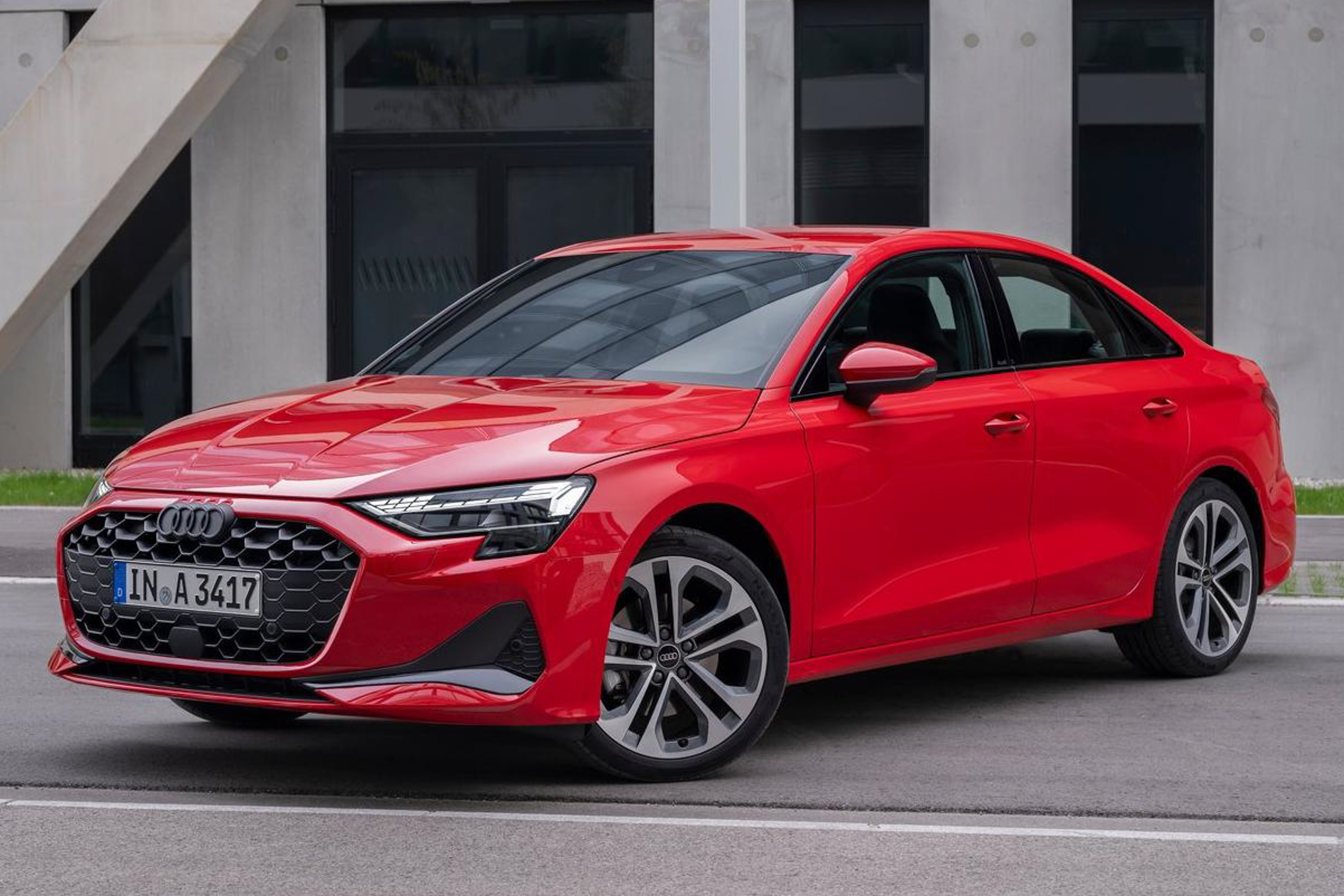
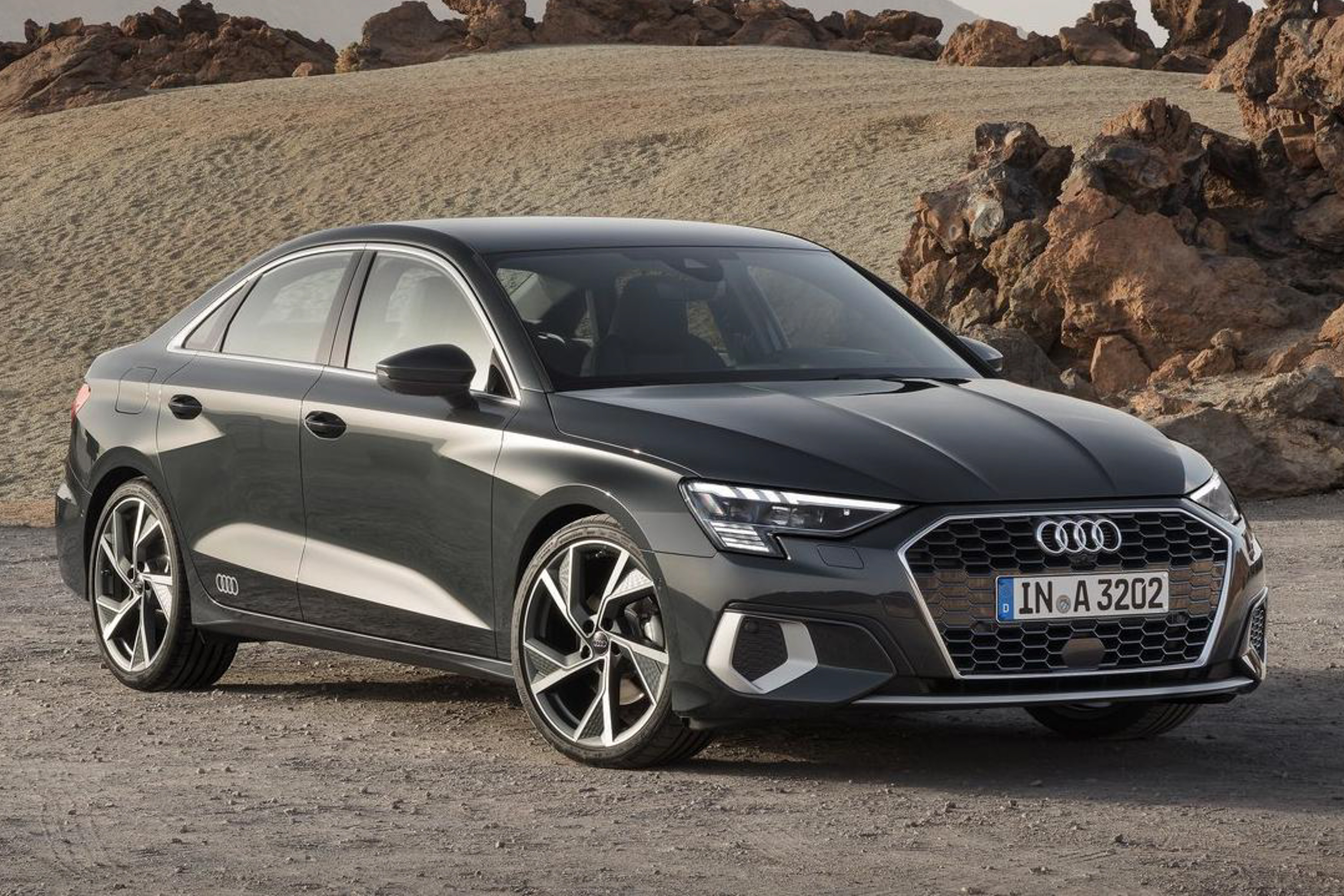
Cars With Similar Price And Features
8
Rank in SUV
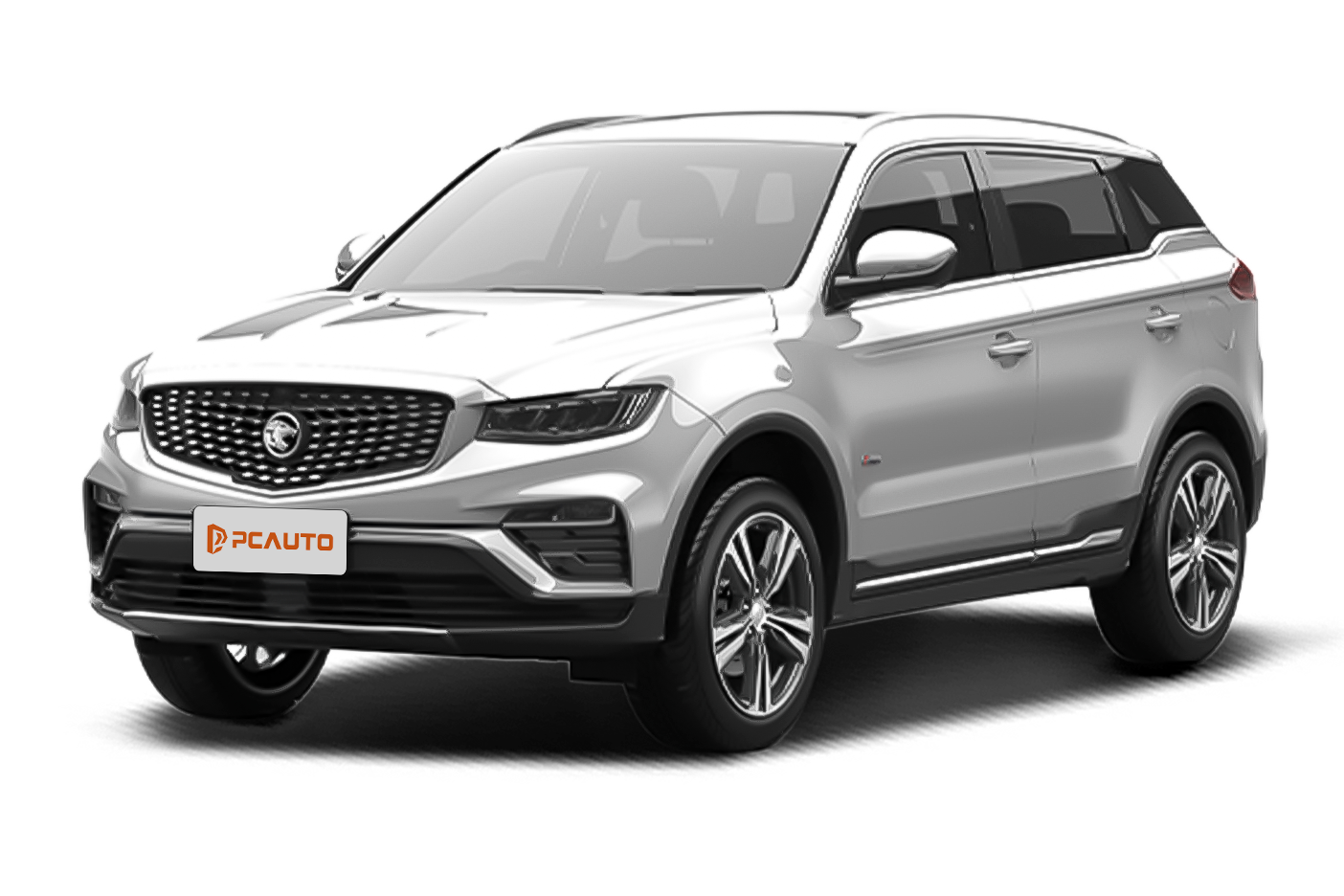
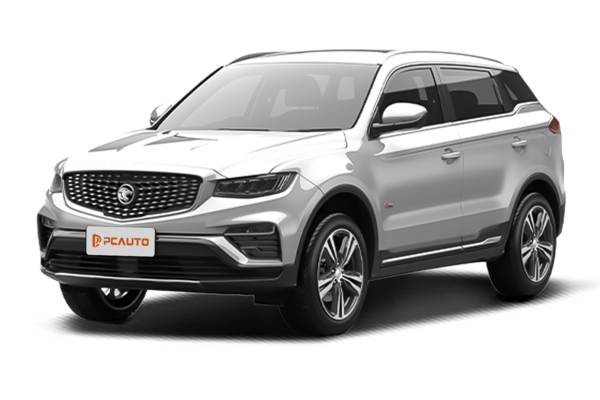
2026 Proton X70 1.5 TGDi Executive focuses on upgrading to a four-cylinder engine, practical configurations, and affordable pricing. It balances family commute practicality with value for money, making it a sensible choice among similarly priced C-segment SUVs.
10
Rank in SUV
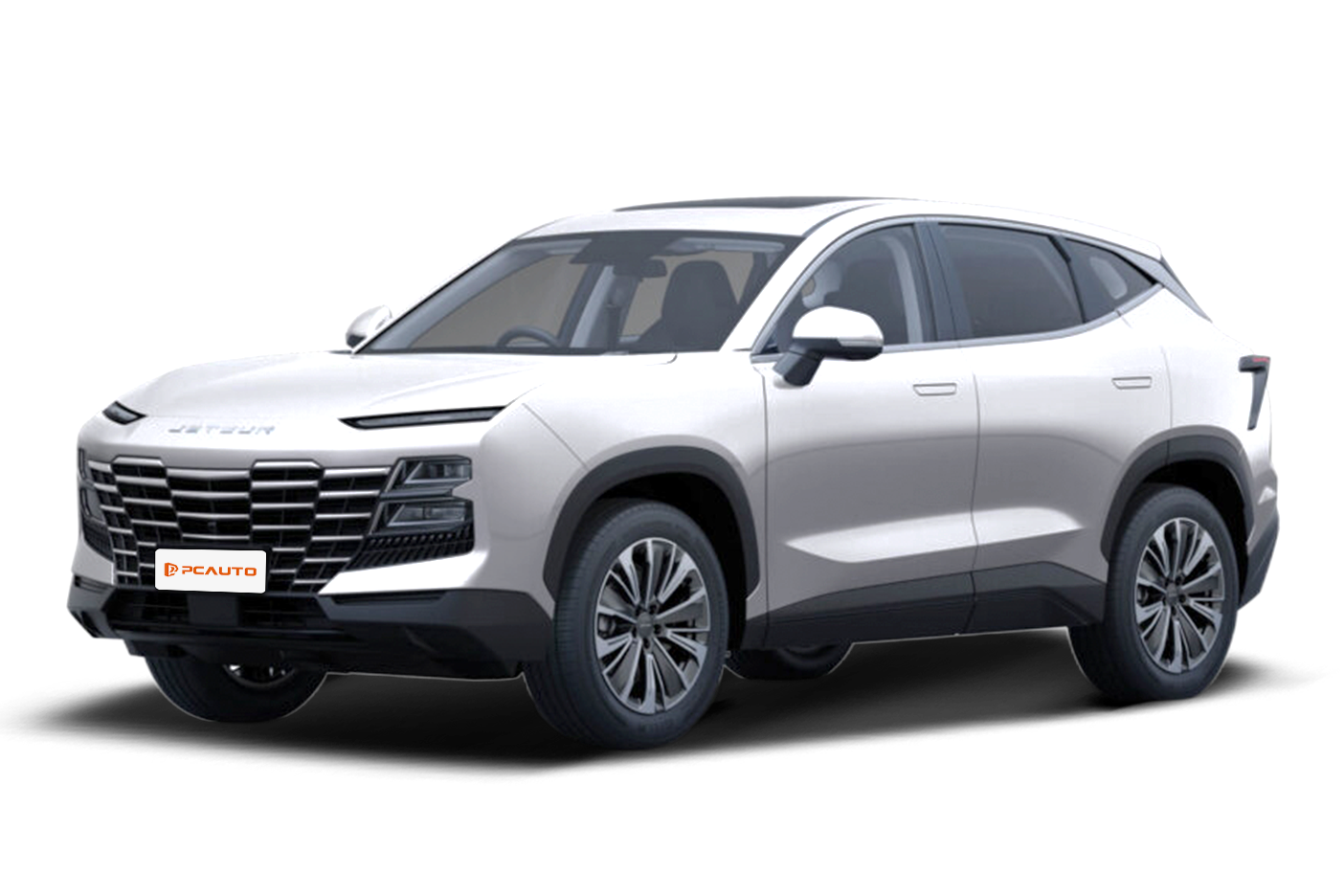
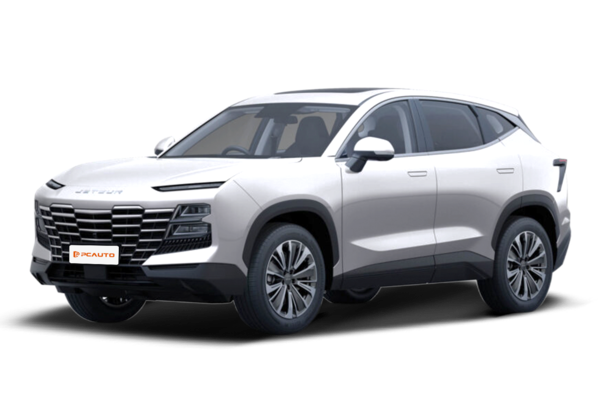
Jetour Dashing 1.5 TCI Comfort 2025 features a 2720mm long wheelbase and a 10.25-inch dual screen as its core, focusing on balanced cost performance to meet family practical needs.
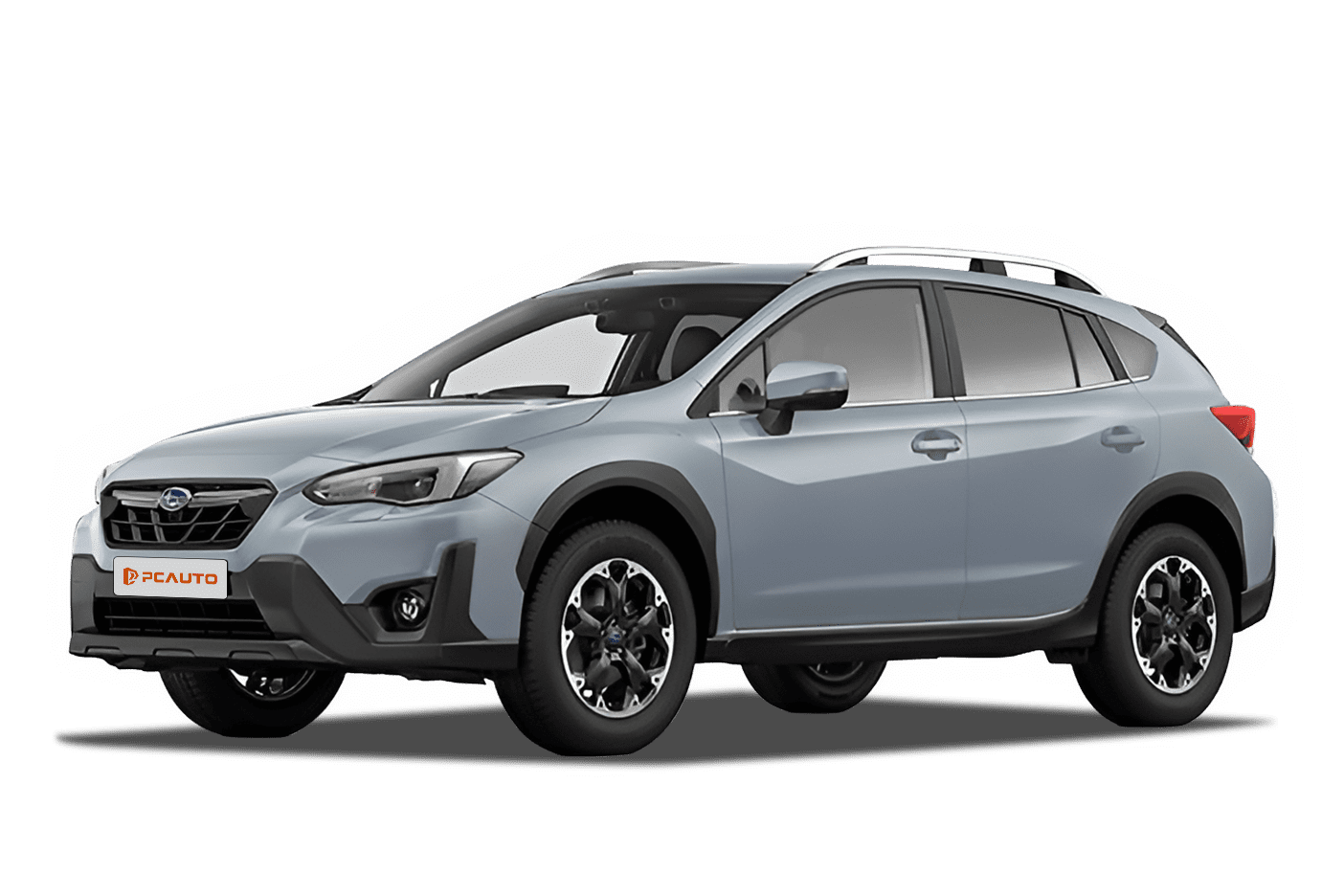
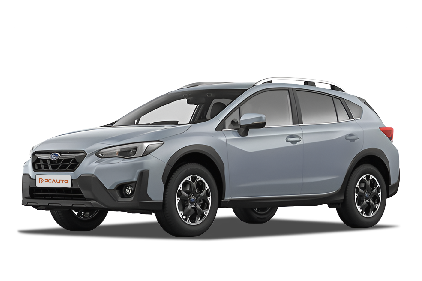
The 2021 Subaru XV 2.0i is a model targeting the C-segment crossover market, equipped with standard all-wheel drive and high safety features, balancing off-road capability and handling, with practical space.

2021 Hyundai Kona 2.0 Standard, as a high-value entry-level compact SUV, retains essential safety and practical features with an affordable price, meeting the daily commuting and loading needs of families.