

Audi Q3 2020 Review

 Share
Share
 Segment
 Body Type
 Capacity(L)
 Engine Power(PS)
 Transmission
 Driven Wheels
Nowadays, the competition in Malaysia's C-Segment SUV market is becoming increasingly intense. Many family users desire the quality of luxury brands while placing importance on practicality and fuel efficiency for daily driving—the 2020 Audi Q3 advanced 1.4 TFSI S was designed to meet such needs. It not only carries Audi's signature design language but is also equipped with practical features such as a 10.1-inch touchscreen and electrically adjustable seats. The official combined fuel consumption is only 7.2L/100km, balancing fuel efficiency and luxury. In this test drive, we focus on evaluating whether its static quality and dynamic performance match its RM 304,890 price and whether it can meet the core needs of family users.
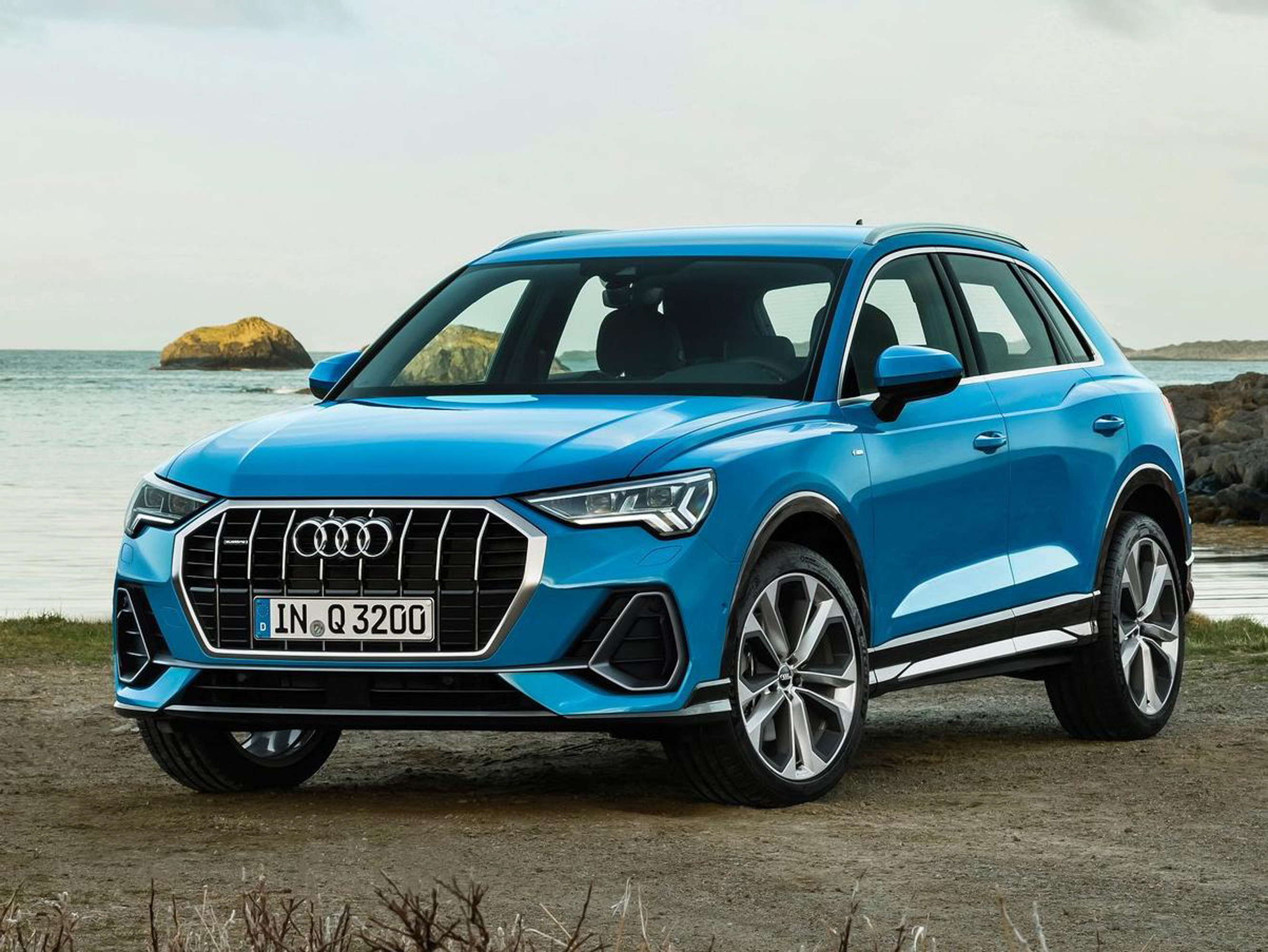
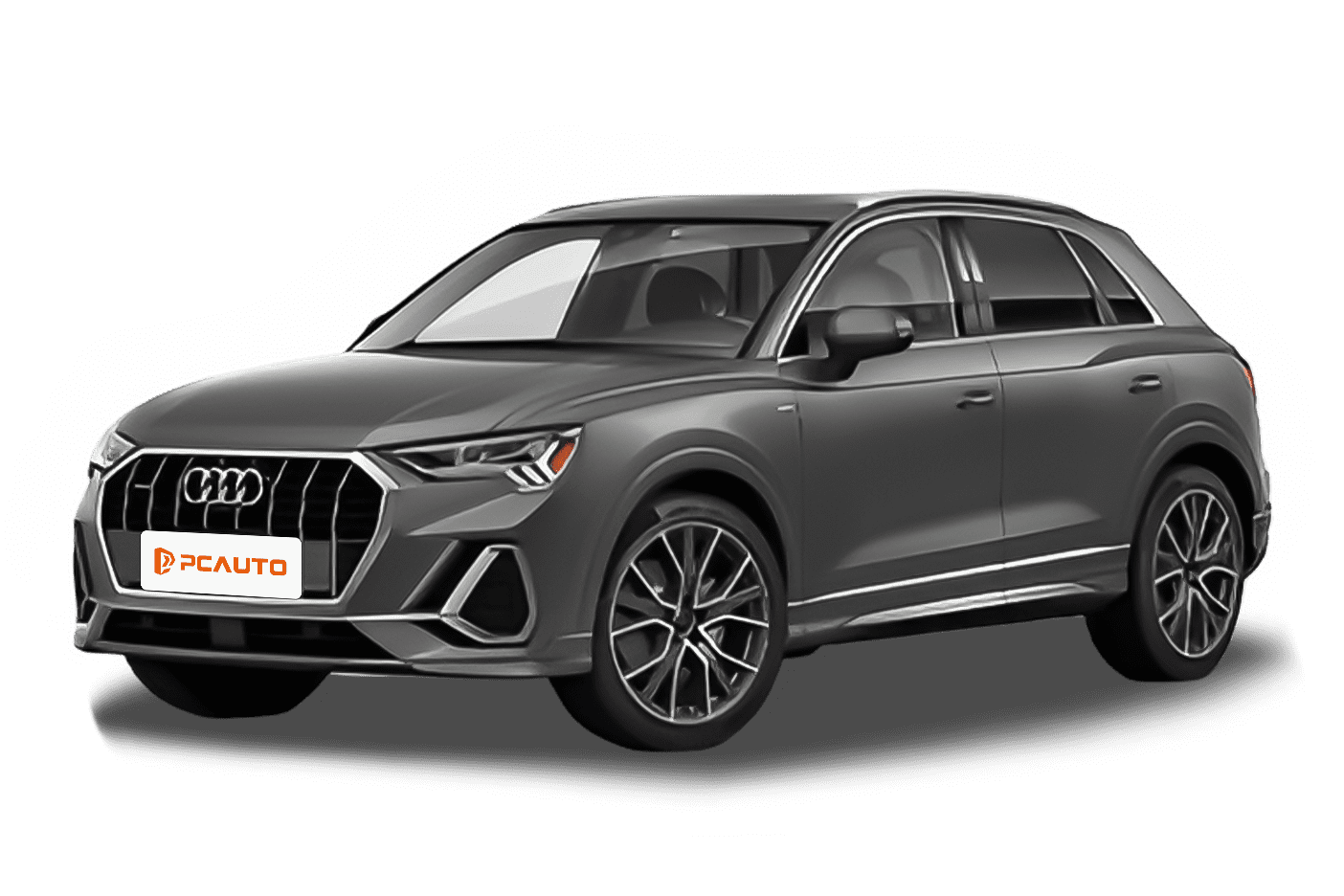
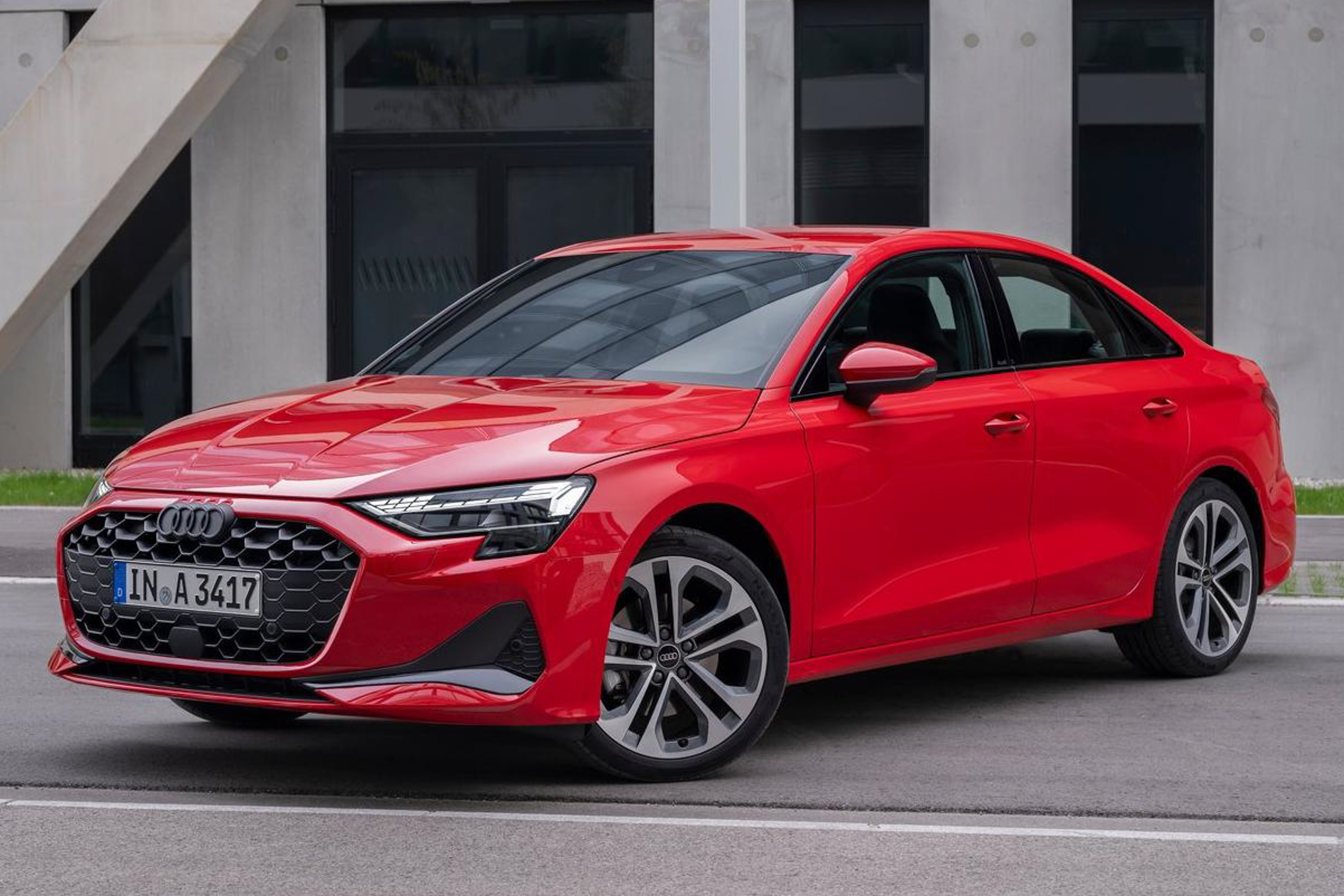
In terms of exterior, this Q3 maintains Audi's usual sense of refinement. The front features a hexagonal single-frame grille with a black honeycomb design inside, paired with sharply contoured LED headlights on both sides, offering high recognition; the daytime running lights feature Audi's iconic segmented design, which looks striking when illuminated. The side profile has smooth lines extending from the front to the rear, with an 18-inch wheel design making the 4484mm body length appear compact and dynamic. At the rear, the LED taillights adopt a smoked finish to echo the front, while the silver skid plate under the rear bumper adds to the SUV's rugged character. The overall design avoids overly exaggerated elements, resulting in a visually appealing look that aligns with the positioning of a luxury brand.
Sitting inside, the interior materials and layout reflect Audi's meticulous attention to detail. The dashboard is wrapped with soft-touch materials and accented with silver trim, providing excellent texture; the multifunctional steering wheel features paddle shifters and offers a comfortable grip. The center console is dominated by a 10.1-inch touchscreen with smooth responsiveness and support for common multimedia functions. As for the seats, both the driver and front passenger seats come with electric adjustments, and the leather seats offer moderate support and cushioning, making long rides less tiring. The rear seats can be folded in a 40:20:40 split, and when folded, the trunk capacity can expand from 530L, easily accommodating strollers and suitcases. In terms of spatial performance, the 2680mm wheelbase ensures ample legroom in the rear row, with about two fists of space leftover for a 175cm tall passenger. The front storage compartments are well-designed, with the center armrest and door pockets capable of holding several small items, maximizing practicality.
For performance, the 1.4T turbocharged engine delivers a maximum of 150PS, with peak torque available between 1500-3500rpm, paired with a 7-speed DCT transmission. During daily driving, the car feels light at start, and the output of torque at low RPMs is sufficient for urban road conditions; during acceleration, the gear shifts are smooth with almost no noticeable jerkiness. When switched to sports mode, the throttle response becomes more sensitive, and stepping on the accelerator deeply during overtaking offers a noticeable push-back sensation. The official 0-100km/h acceleration time is 8.9 seconds, which is more than sufficient for a family SUV. In terms of the chassis, the combination of a front double-wishbone and rear multi-link independent suspension leans toward comfort without losing rigidity. Passing over speed bumps or rough roads, the suspension absorbs most of the vibrations, ensuring passengers inside won’t feel overly jostled; when cornering, the vehicle controls body roll well, and the precise steering gives drivers ample confidence.
In terms of fuel consumption, during this test drive, we mainly drove on city roads with occasional highway trips. The measured fuel consumption was about 7.8L/100km, which is not far from the official figure of 7.2L. Considering the vehicle's weight of 1.5 tons, this performance is excellent. Noise control is also commendable, as wind and tire noise are not noticeable during highway driving, and conversations inside the car do not require deliberate raising of voices. In addition, the vehicle is equipped with dual-zone automatic air conditioning, and there are air vents in the rear, ensuring everyone's comfort during family trips.
Overall, the Audi Q3 advanced 1.4 TFSI S has very clear core advantages: the quality of a luxury brand, practical space, economical fuel consumption, and rich features. Compared with competitors in the same class like the BMW X1 or Mercedes-Benz GLA, it offers a more affordable price without compromising on features — for example, power-adjustable seats and a 10.1-inch large screen are standard. Its target audience is clear: users who value brand quality, need space for their family, and do not want to compromise on fuel efficiency. If you are a 30 to 40-year-old family user with a budget of around 300,000 RMB and want a well-rounded luxury SUV, this Q3 is worth considering.
Audi Q3 Car Compare
Audi Q3 Loan Calculator
Cars With Similar Price And Features
8
Rank in SUV
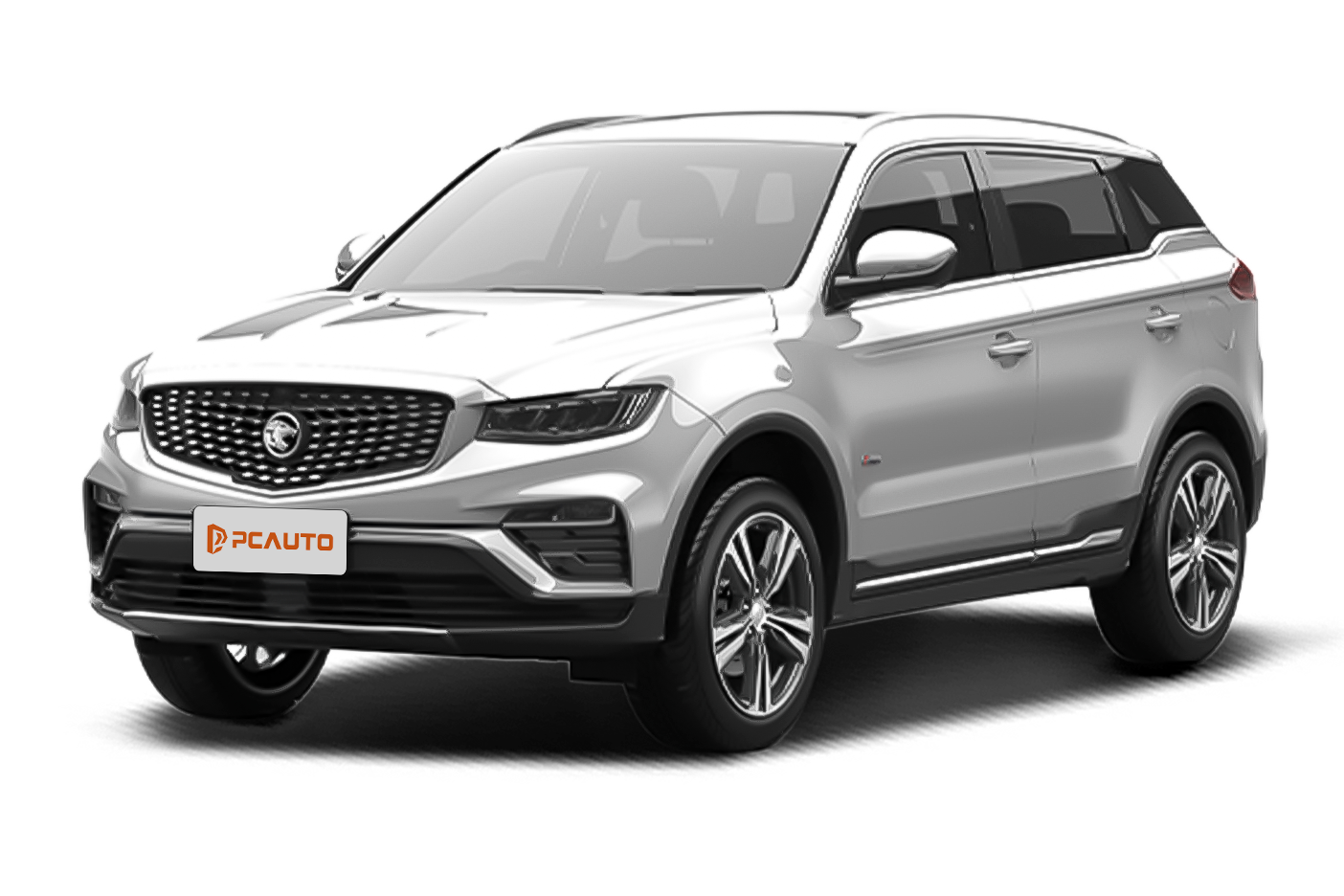
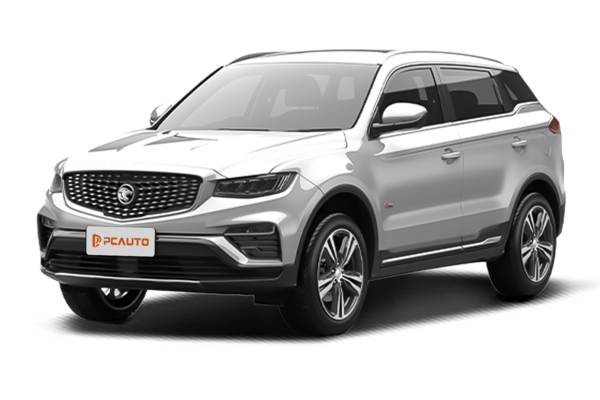
2026 Proton X70 1.5 TGDi Executive focuses on upgrading to a four-cylinder engine, practical configurations, and affordable pricing. It balances family commute practicality with value for money, making it a sensible choice among similarly priced C-segment SUVs.
10
Rank in SUV
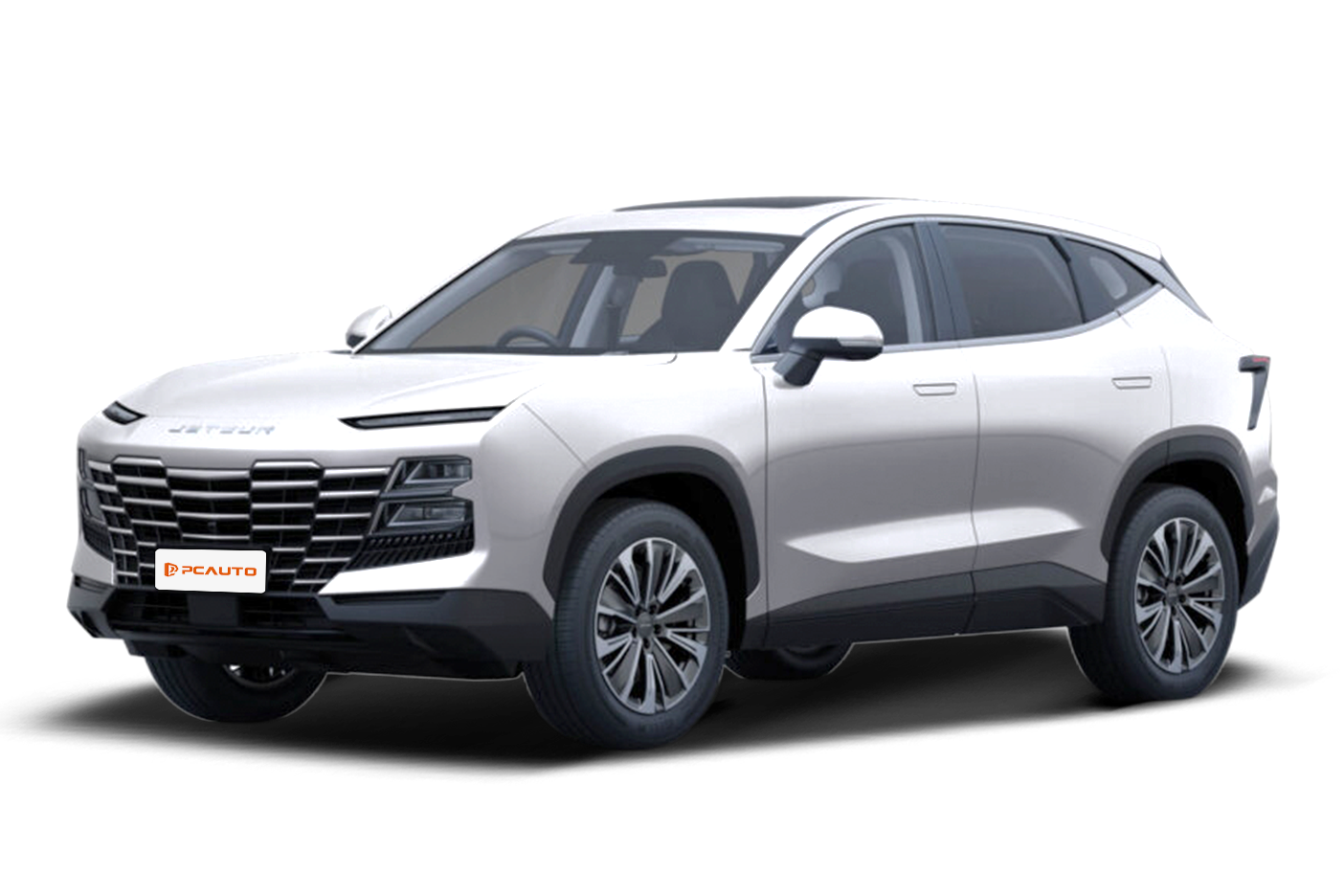
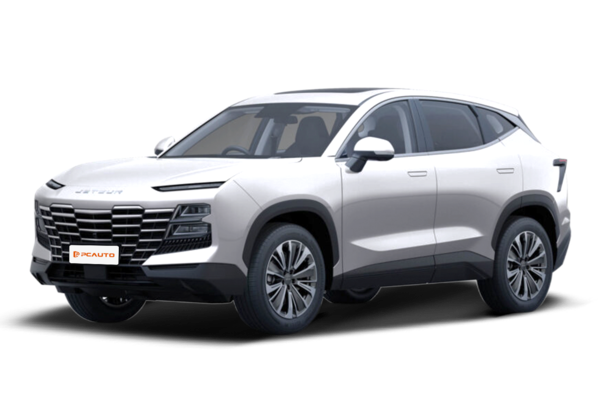
Jetour Dashing 1.5 TCI Comfort 2025 features a 2720mm long wheelbase and a 10.25-inch dual screen as its core, focusing on balanced cost performance to meet family practical needs.
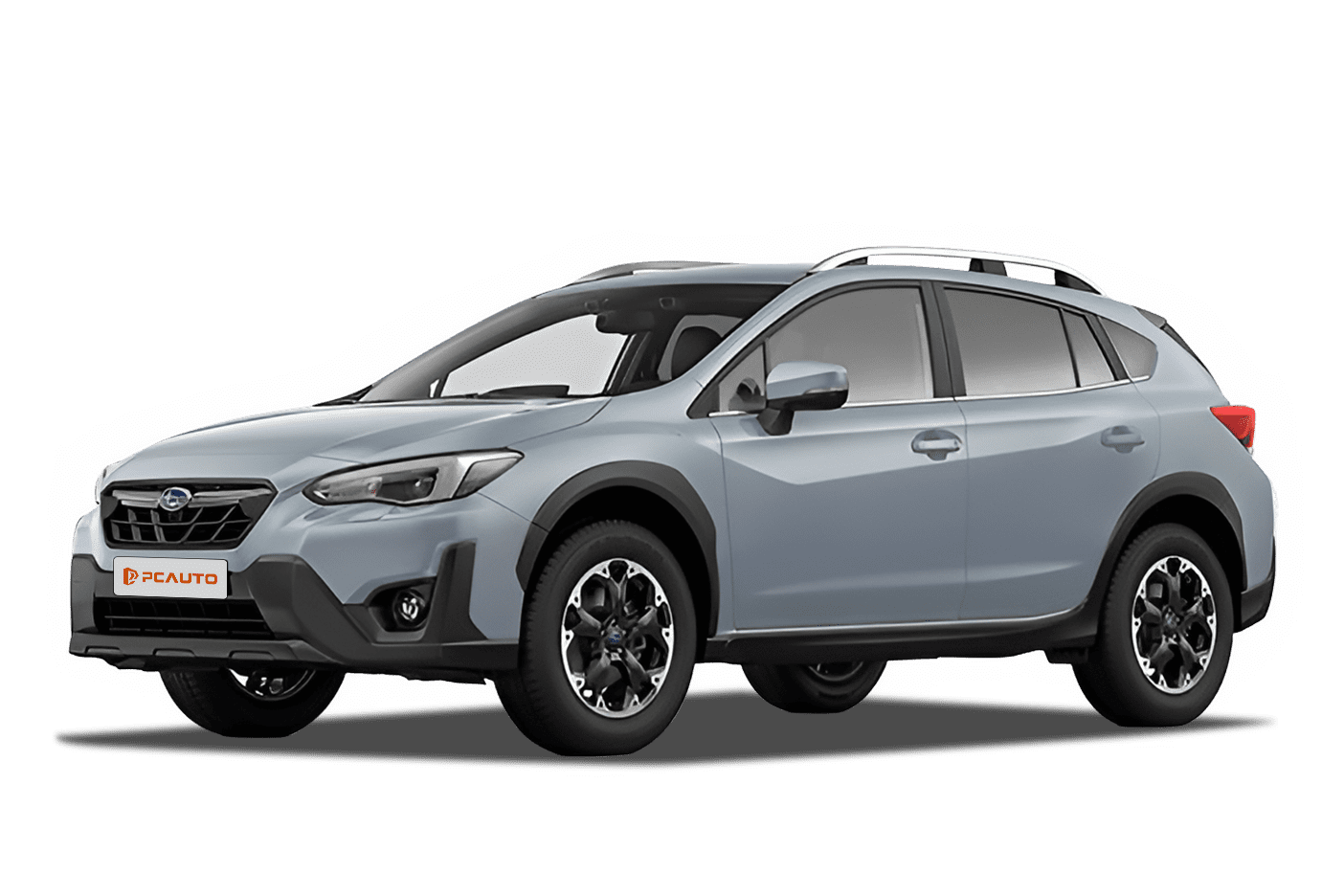
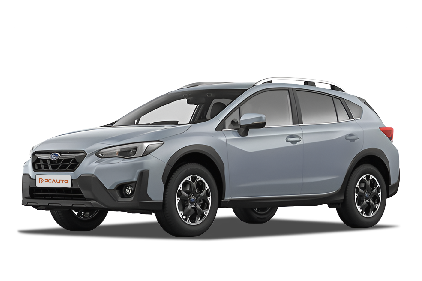
The 2021 Subaru XV 2.0i is a model targeting the C-segment crossover market, equipped with standard all-wheel drive and high safety features, balancing off-road capability and handling, with practical space.

2021 Hyundai Kona 2.0 Standard, as a high-value entry-level compact SUV, retains essential safety and practical features with an affordable price, meeting the daily commuting and loading needs of families.