

Audi Q3 2023 Review

 Share
Share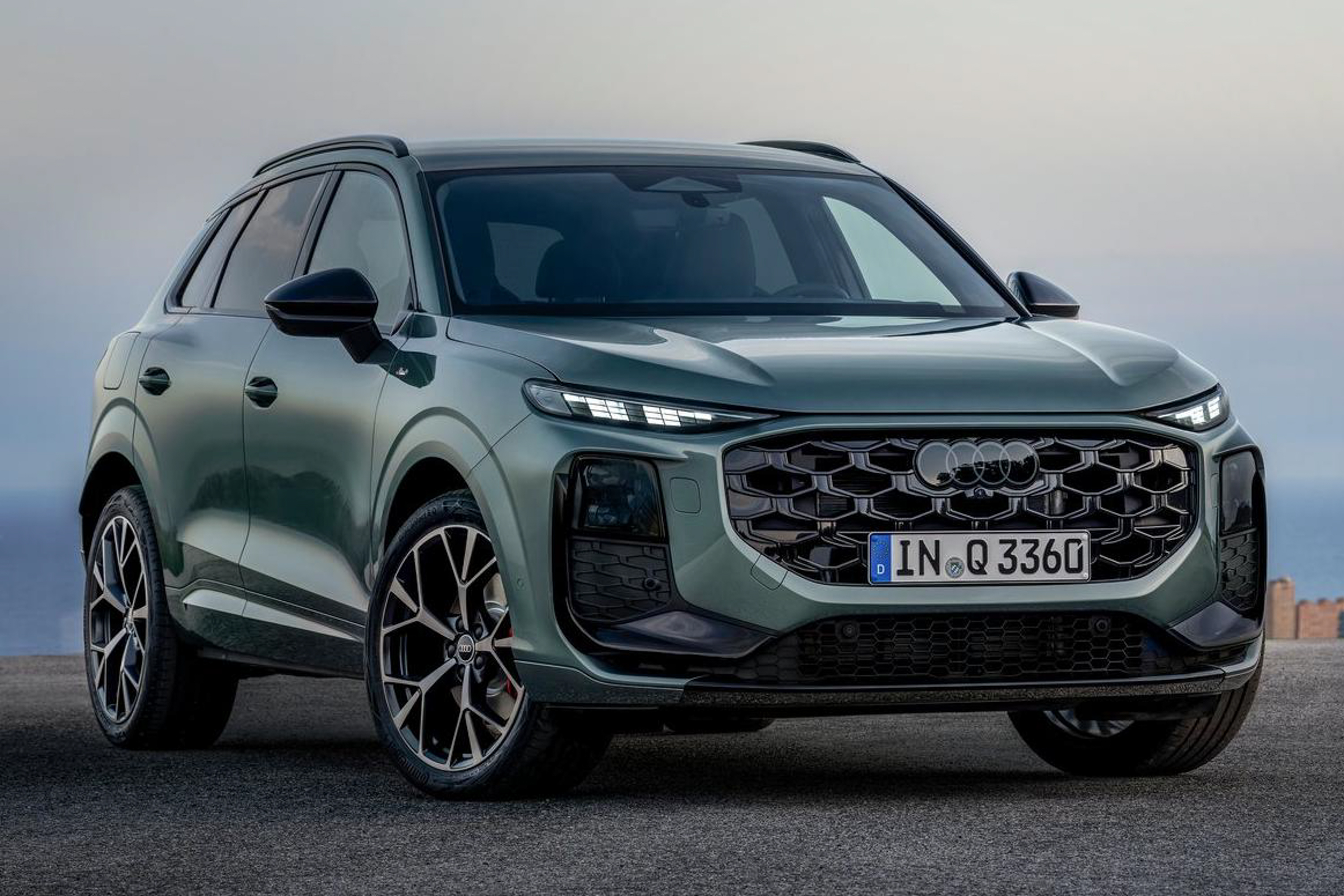
 Segment
 Body Type
 Capacity(L)
 Engine Power(PS)
 Engine Torque(Nm)
 Transmission
Malaysia's C-SUV market has always been a battleground for practical everyday use and stylish sophistication. Consumers value both commuting practicality and the refined feeling brought by a brand. This time, we tested the 2023 Audi Q3 Upcoming, which is aimed at C-SUV users seeking a balance between practicality and brand aesthetics. As a mid-cycle facelift model, its core selling points focus on updated design details, optimized smart configurations, and slight power adjustments. Our test this time aims to find out if these changes can help it hold its ground in a market teeming with contenders.
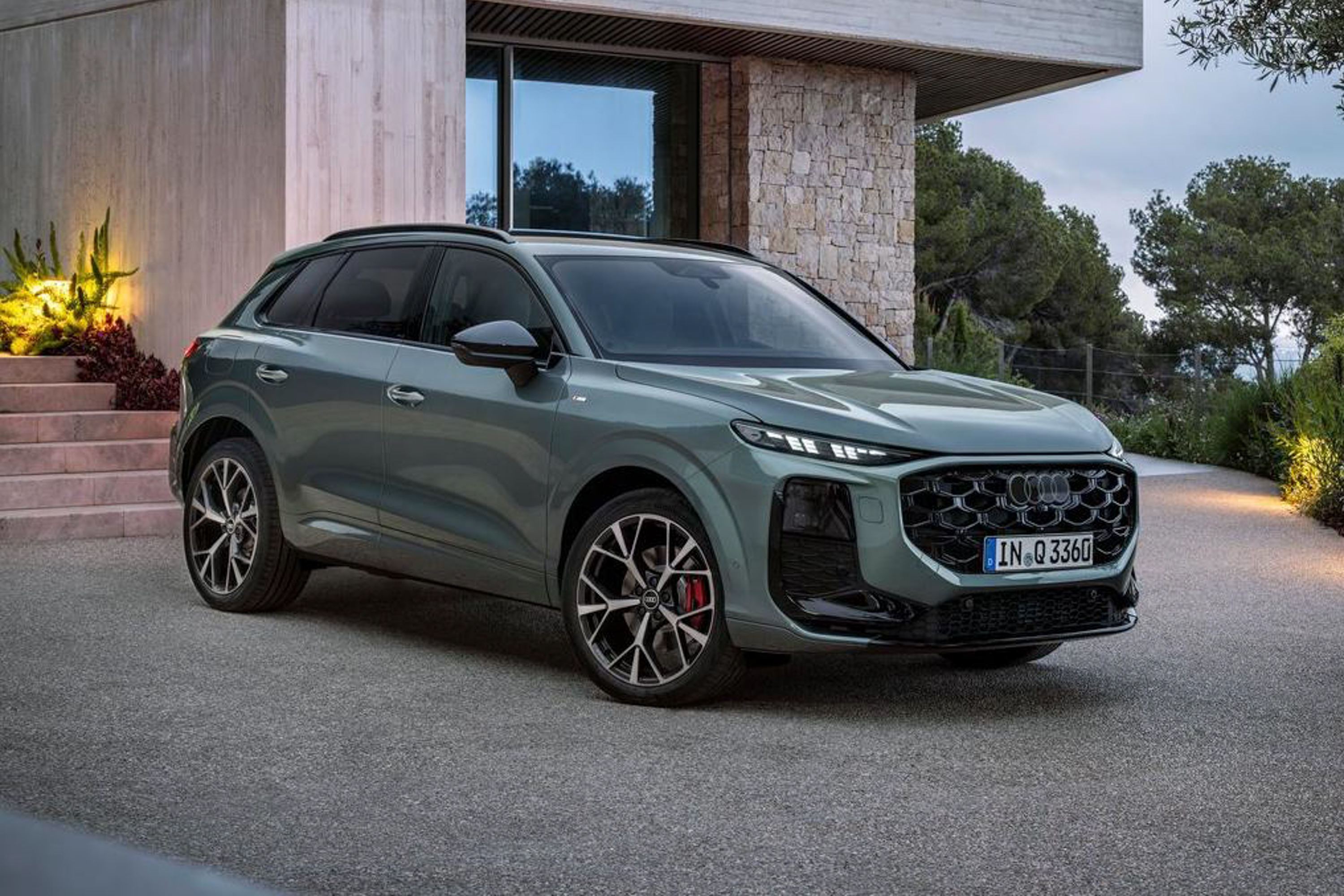
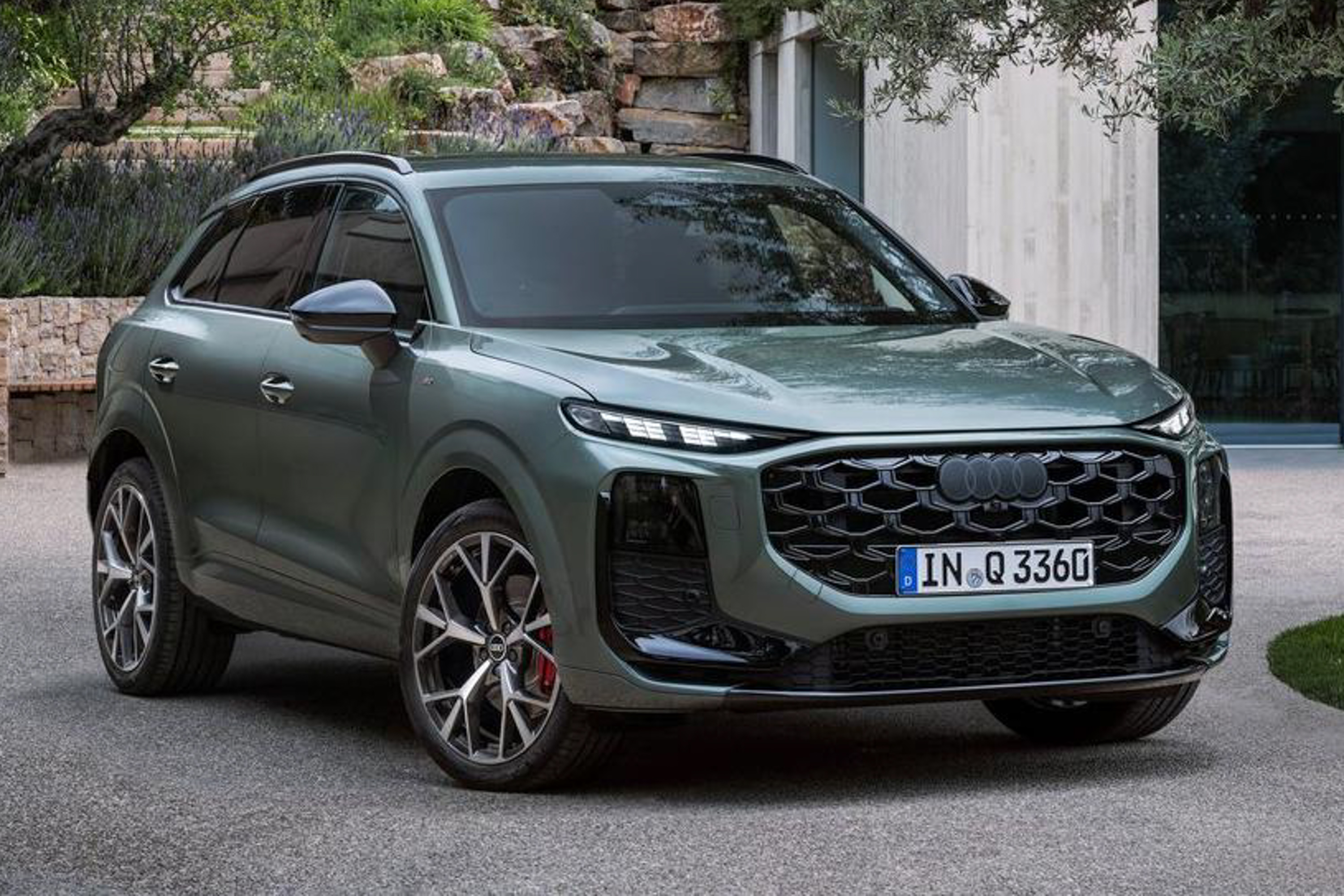
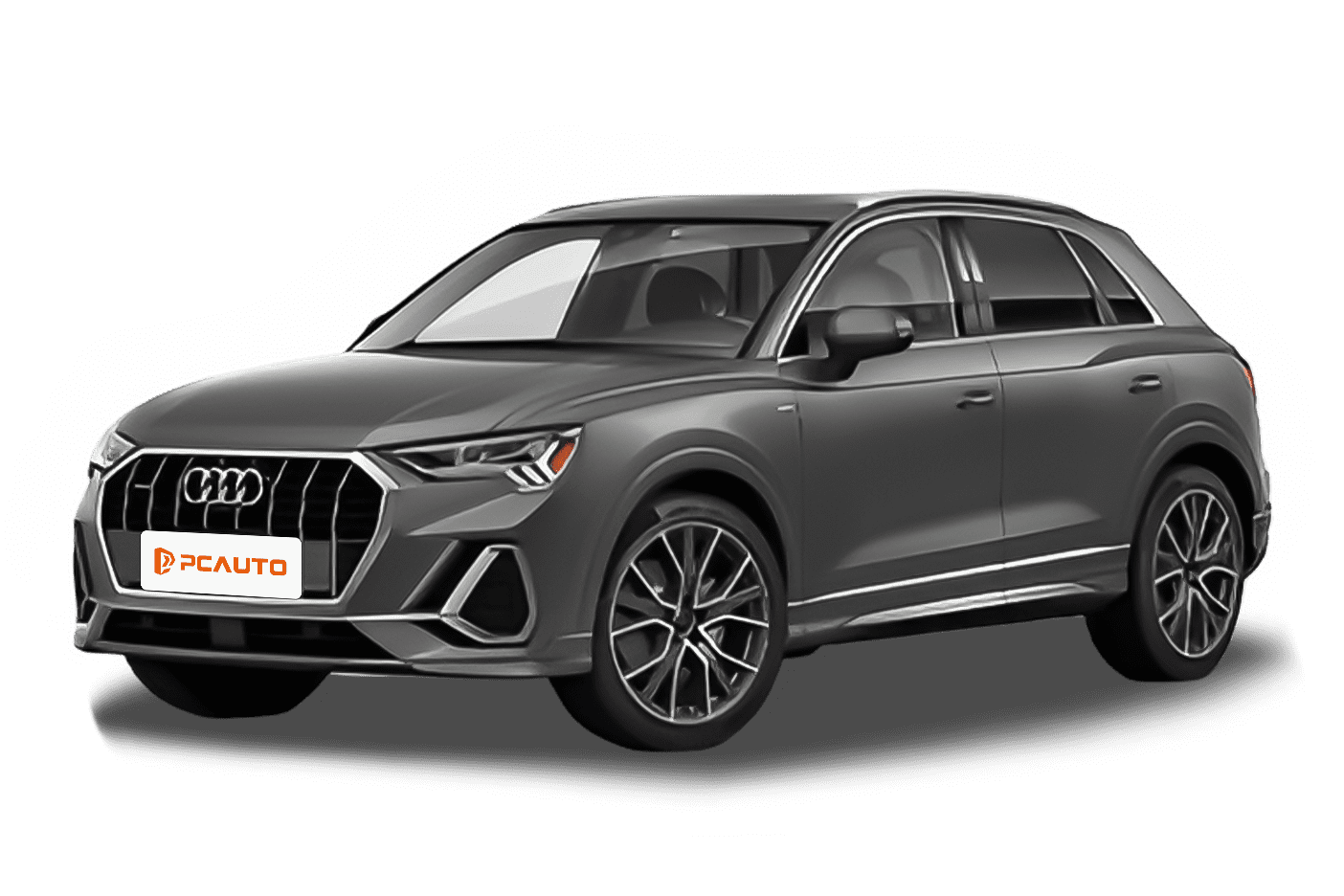
Let's start with the exterior. The most noticeable change in the facelifted Q3 is the front design. The internal bars of the octagonal grille have been replaced with thicker horizontal chrome strips, complemented by sharper LED headlight units on both sides. The overall front end has improved significantly in terms of recognition and stability. The side profile retains the classic SUV silhouette, with a waistline running from the fender to the rear. Matte plastic cladding is added to the side skirts and wheel arches, keeping the SUV's rugged appeal. The test car this time was equipped with 19-inch multi-spoke wheels paired with 235/50 R19 tires, further enhancing its visual presence. Changes at the rear mainly focus on the taillights, which now feature a segmented LED light strip design that echoes the front headlights when illuminated. The dual exhaust outlets on the lower part of the rear bumper are also finished with chrome accents, adding a touch of refinement compared to the previous model.
Stepping inside, the overall interior layout doesn't differ much from the previous model, but the materials are significantly upgraded. Most of the dashboard is wrapped in soft-touch materials, offering a pleasant tactile feel. The door panels now feature leather wrapping and stitched accents, enhancing the sense of luxury. The 10.1-inch central screen adopts a floating design and is equipped with the latest MMI system, which supports wireless CarPlay and Android Auto. Its operating smoothness has improved significantly compared to the previous model. The instrument cluster remains a 12.3-inch fully digital display, providing abundant information and allowing customization with different theme modes. In terms of features, the test car this time comes equipped with heated front seats, auto parking, 360-degree panoramic cameras, and Level 2 driver assistance systems, making daily use very convenient.
Space performance has always been a traditional advantage of the Q3. The body dimensions are 4495mm×1848mm×1584mm, with a wheelbase of 2680mm, positioning its wheelbase in the middle when compared to competitors like the BMW X1 and Mercedes-Benz GLA. When the front seats are adjusted to a suitable position, a 175cm tall passenger still has a headroom of a fist and two fingers. The rear space is even more surprising; a passenger of the same height can have two fists of legroom and a fist of headroom. The middle floor hump is not too high, making it feasible for short trips with three passengers in the rear. Regarding storage space, the front center armrest box and door storage compartments are quite spacious. The rear seats support a 40/60 split-folding design, expanding the trunk capacity from 530L to 1525L when folded down. This makes it easy to fit a baby stroller or a large suitcase. Additionally, there is a hidden storage compartment beneath the trunk floor where you can store small items.
In terms of power, this test drive was with the 1.4T turbocharged engine version, which produces a maximum power of 150 horsepower and a peak torque of 250 Nm, paired with a 7-speed dual-clutch transmission. Driving modes include Eco, Comfort, Auto, and Dynamic. In daily driving, the Comfort mode provides a relatively brisk start, and the throttle response feels smooth and linear, making it easy for urban driving and overtaking. When switched to Dynamic mode, the transmission’s shifting logic becomes more aggressive, maintaining the RPM above 2000, and the acceleration feels more responsive, offering greater confidence for highway overtaking. However, in low-speed congested traffic, the dual-clutch transmission does exhibit slight jerking, which is a common drawback of dual-clutch systems, though it is not particularly severe.
In terms of handling, the Q3's performance meets expectations. The steering wheel's resistance is moderate and the directionality is precise. There is minimal play when cornering, and the car follows through well. The suspension is tuned for comfort, effectively absorbing most bumps and potholes on city roads, ensuring occupants don't feel significant jolts inside. However, during quick cornering, the suspension's support is slightly lacking, leading to minor body roll, though it's within controllable limits. The brake pedal offers a linear feel, and the braking power is evenly distributed, making everyday driving easy to manage.
In our fuel consumption test, we drove an equal distance on both urban and highway roads, with the air conditioning on, and achieved an average fuel consumption of approximately 7.2L per 100km in comfort mode. This performance is quite average among fuel-powered SUVs of this class. Using the economy mode, the fuel consumption could be further reduced. In terms of noise control, the Q3 performs well—below 60km/h in city conditions, almost no noticeable noise is heard inside the cabin. At 120km/h on highways, there is some wind and tire noise, but it's not significant enough to affect normal conversations.
Overall, the 2023 Audi Q3 Upcoming's facelift can be considered fairly successful. Building on the space advantages of the previous model, it has upgraded exterior details and interior materials, along with smarter configurations that cater to current user needs. Compared to the BMW X1 of the same class, it has an advantage in interior quality and features; and compared to the Mercedes-Benz GLA, it offers more practicality in terms of space. However, its drawbacks include slight gearshift jolts at low speed and average suspension support, but these don't diminish its core competitiveness as a family SUV.
This car is most suitable for families who value brand refinement and seek balanced performance. It not only offers the luxury feel of an Audi but also provides sufficient space and practical features to meet the needs of daily use or occasional short road trips. If your budget is around 300,000 MYR and you're looking for a compact luxury SUV, the Q3 Upcoming is worth considering.
All in all, the 2023 Audi Q3 Upcoming is a model without significant shortcomings. Its updates address user pain points, improving areas such as space, features, and quality. Although the price has not been announced yet, judging by the pricing of the previous model, it should remain within a competitive range. For those in the market for a luxury compact SUV, this is a practical choice.
Audi Q3 Car Compare
Cars With Similar Price And Features
8
Rank in SUV
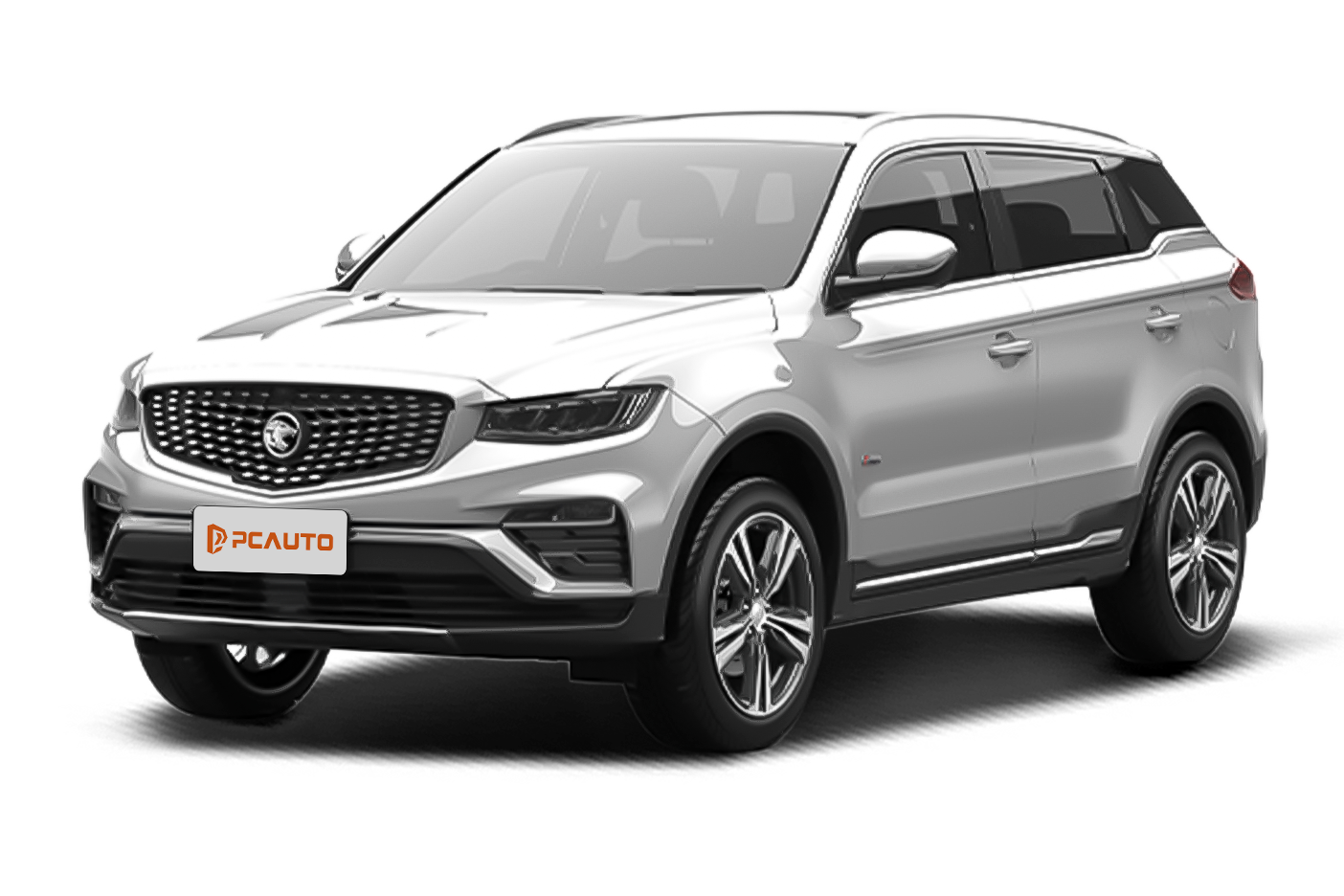
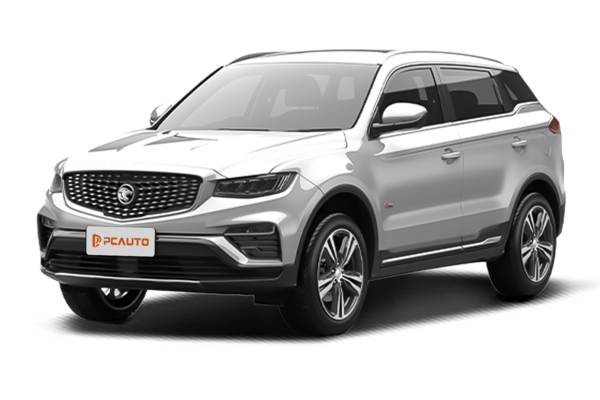
2026 Proton X70 1.5 TGDi Executive focuses on upgrading to a four-cylinder engine, practical configurations, and affordable pricing. It balances family commute practicality with value for money, making it a sensible choice among similarly priced C-segment SUVs.
10
Rank in SUV
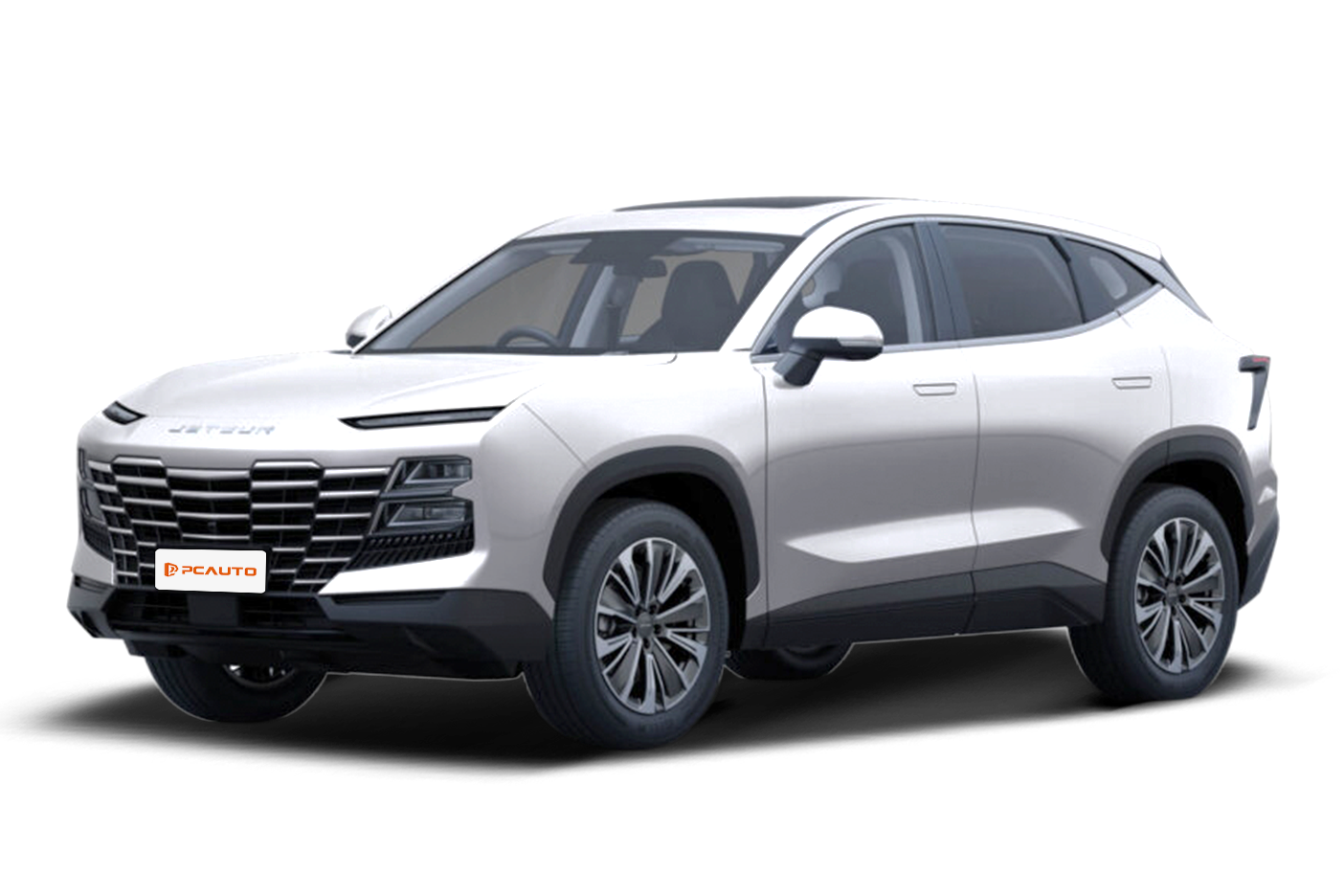
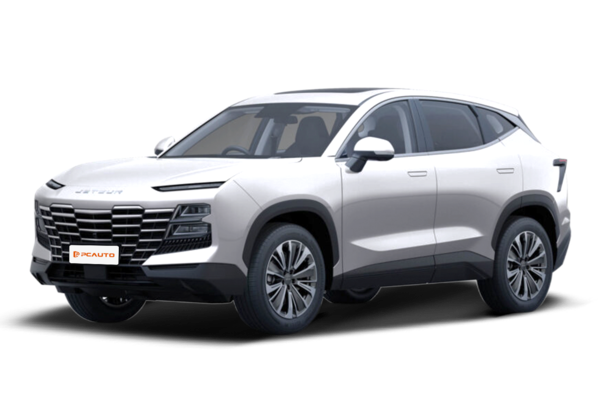
Jetour Dashing 1.5 TCI Comfort 2025 features a 2720mm long wheelbase and a 10.25-inch dual screen as its core, focusing on balanced cost performance to meet family practical needs.
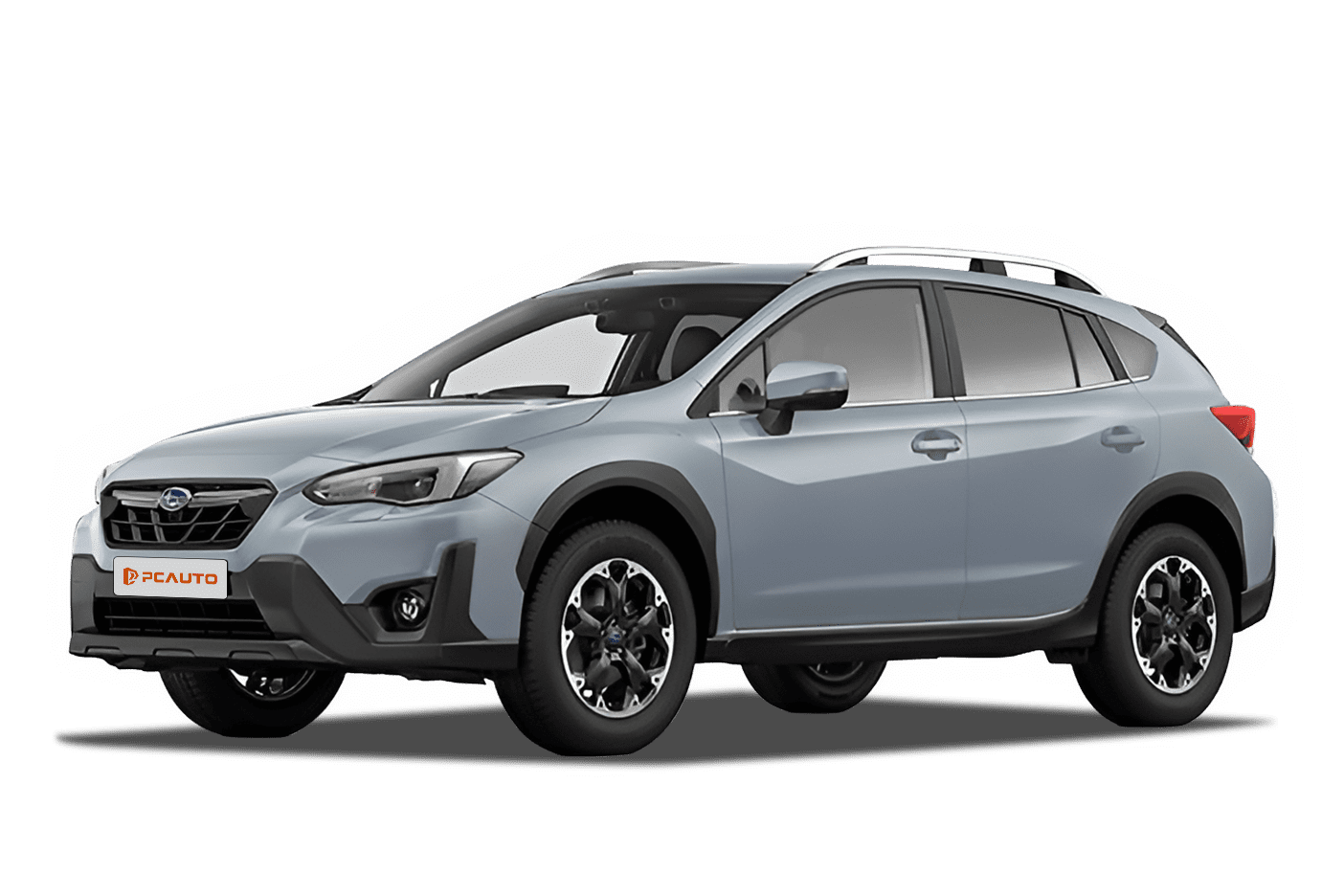
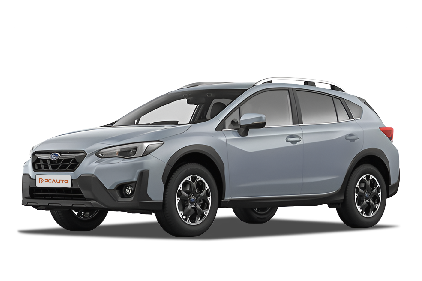
The 2021 Subaru XV 2.0i is a model targeting the C-segment crossover market, equipped with standard all-wheel drive and high safety features, balancing off-road capability and handling, with practical space.

2021 Hyundai Kona 2.0 Standard, as a high-value entry-level compact SUV, retains essential safety and practical features with an affordable price, meeting the daily commuting and loading needs of families.