

Audi Q3 Sportback 2025 Review

 Share
Share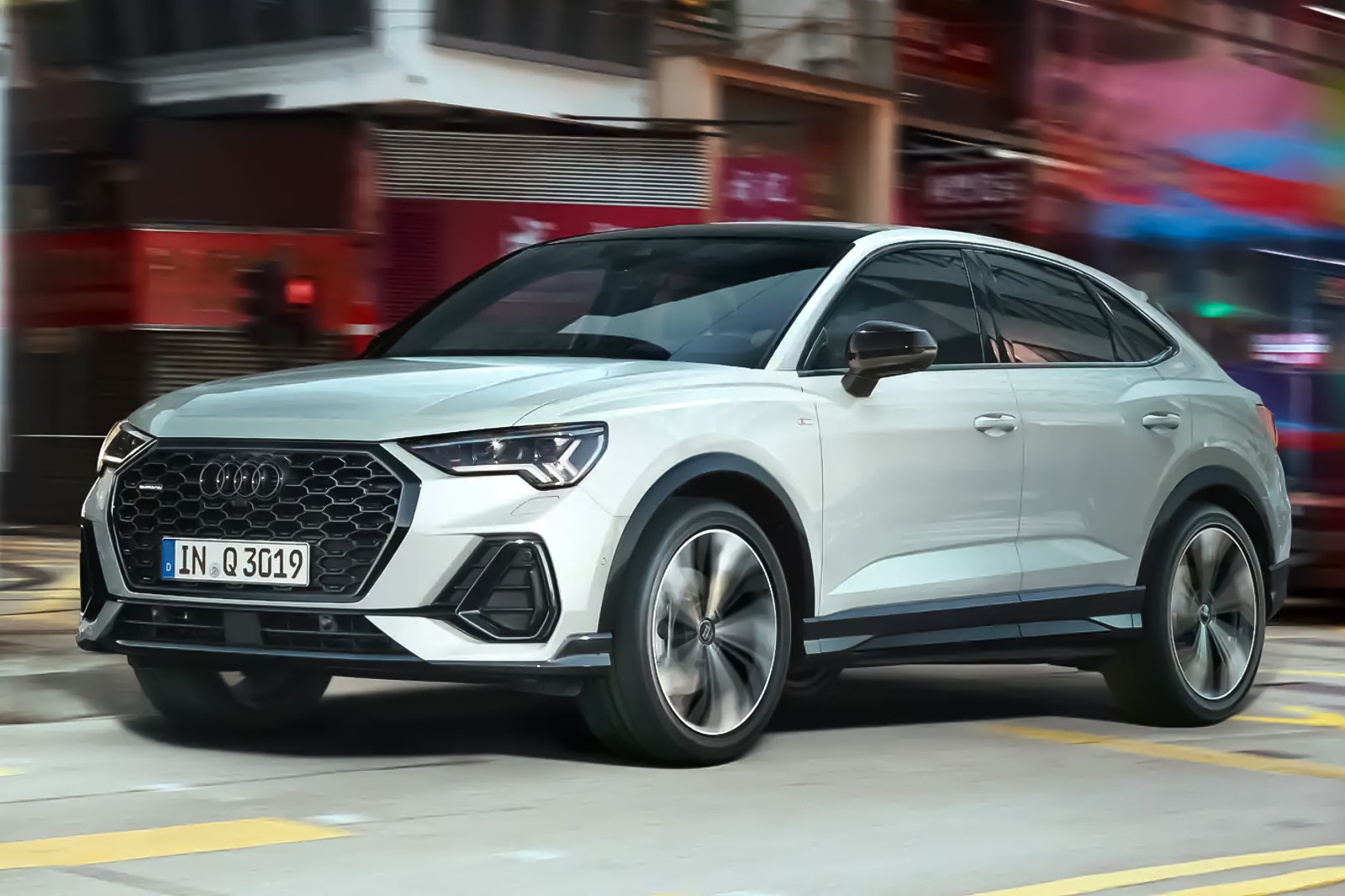
 Segment
 Body Type
 Capacity(L)
 Engine Power(PS)
 Engine Torque(Nm)
 Transmission
The C-class SUV market has always been a popular choice among family users and young buyers locally, as it needs to meet the practicality of daily commuting while also considering driving pleasure and sense of design. The 2025 Audi Q3 Sportback S line 2.0 TFSI quattro, as one of the representative models in this segment, continues the coupe-like design of the Sportback in this update, while maintaining the consistent standards of German cars in terms of configuration and power tuning. Our main purpose for this test drive is to see whether its actual performance on local roads matches its price and to identify its outstanding advantages compared to competitors in the same class.
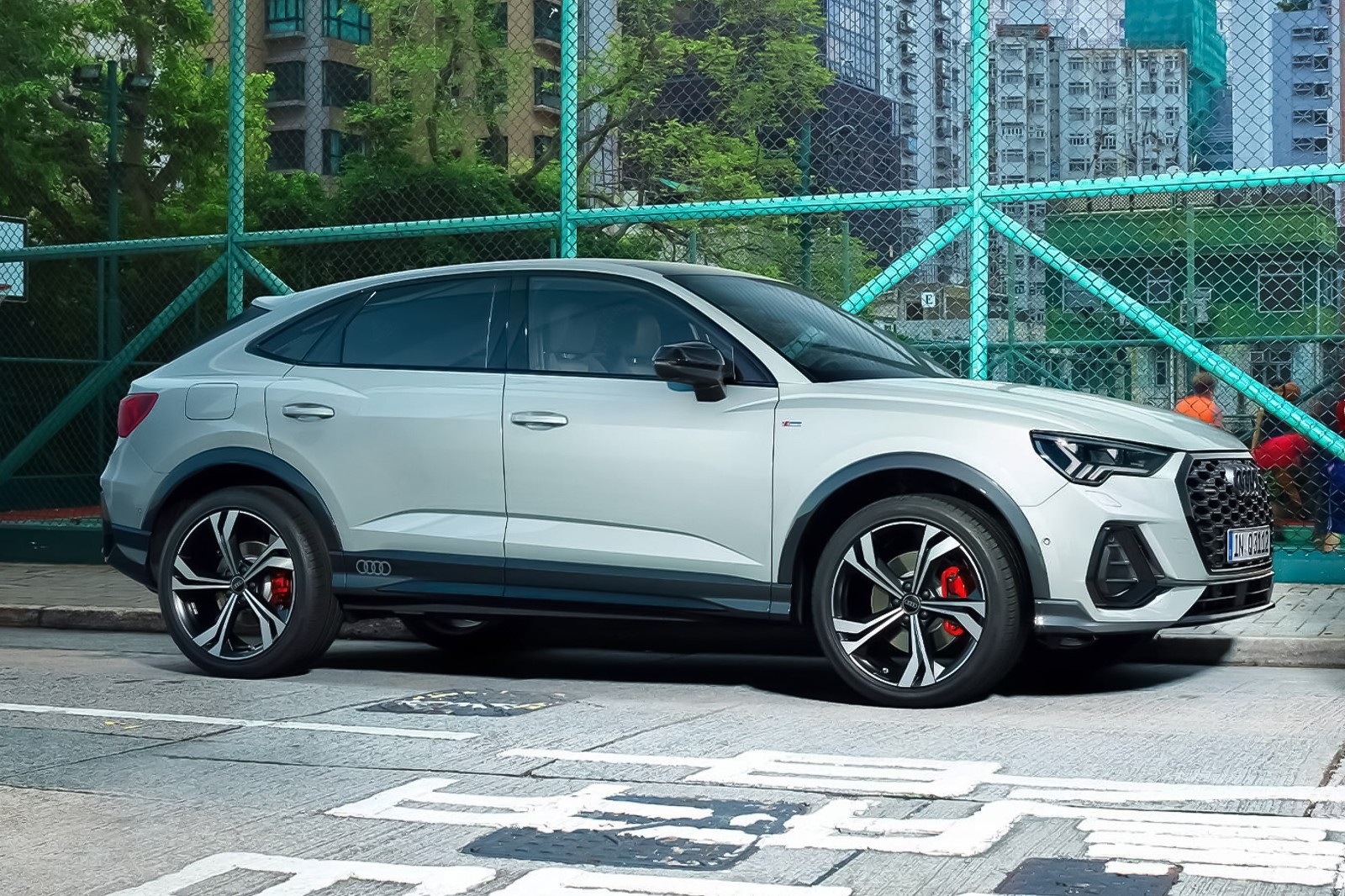
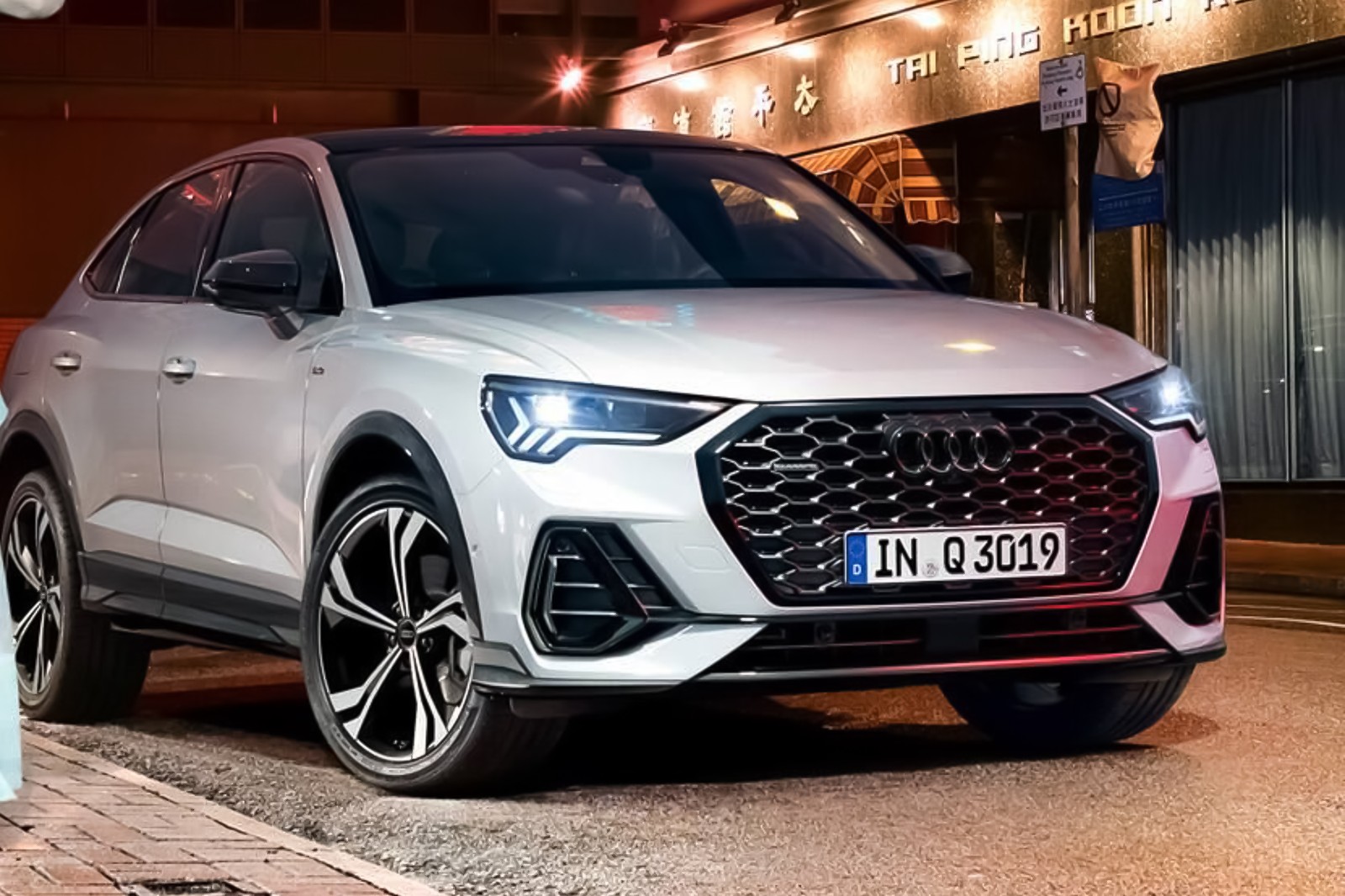
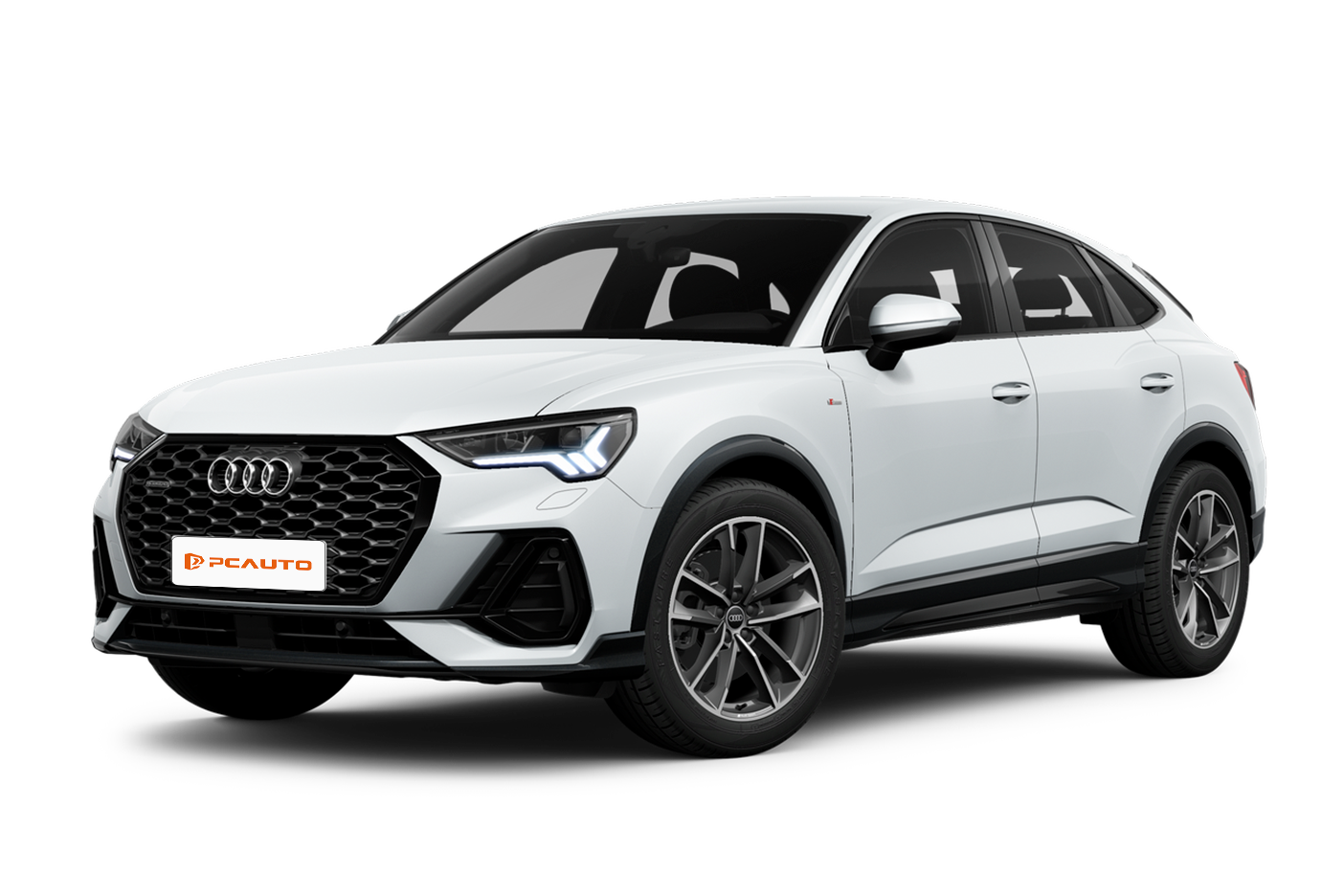
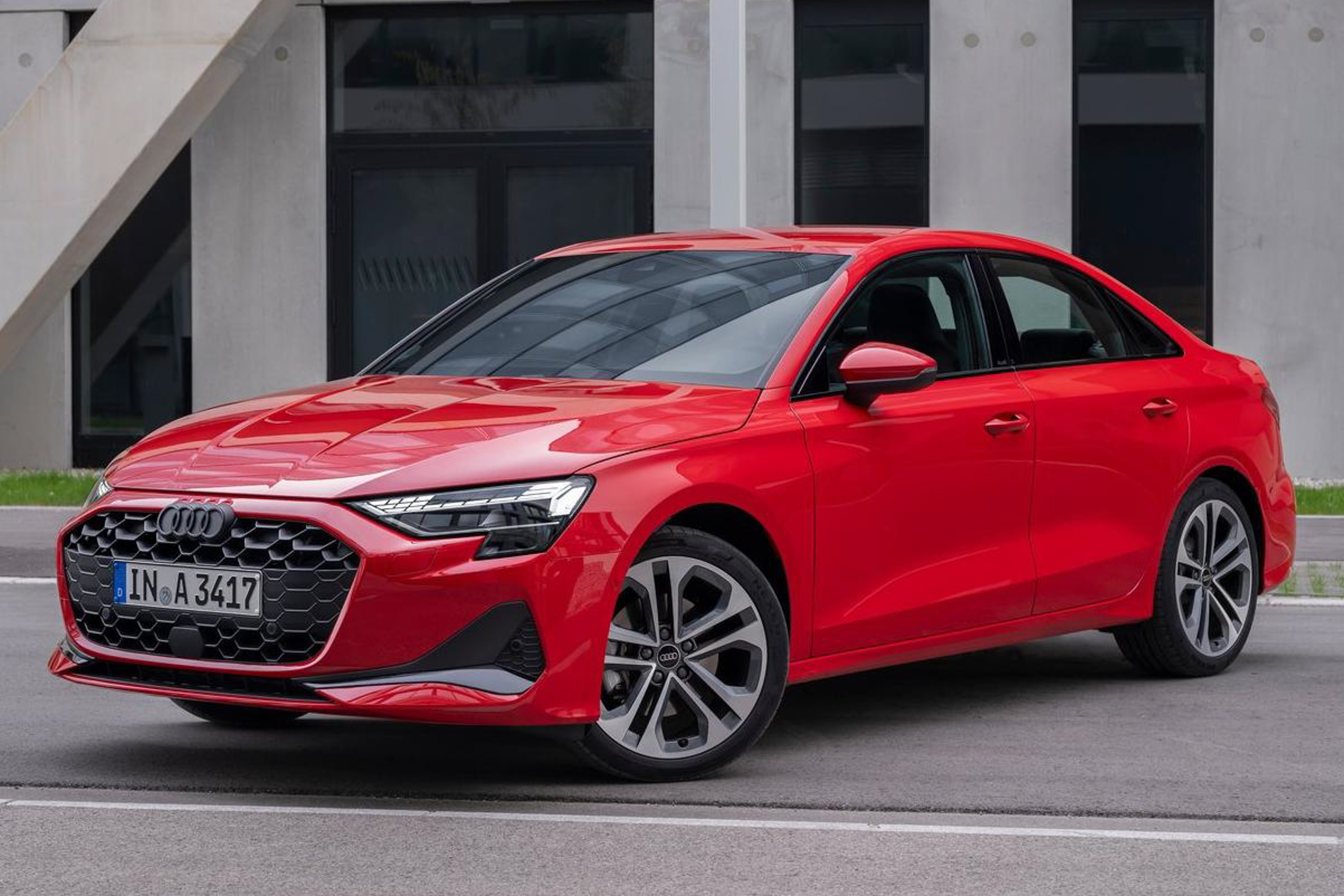
From the exterior, the overall style of this car leans towards sportiness. The front adopts Audi's iconic octagonal grille, paired with the S line exclusive honeycomb mesh for high recognizability. The body lines extend from the front fender to the rear, and the coupe-like design makes the side profile look more streamlined than traditional SUVs, avoiding any bulky appearance. The rear LED taillights adopt a through-type design, providing clear lighting effects when illuminated, and the diffuser-style rear bumper further enhances its sporty attributes. Both front and rear lighting systems use LEDs, with automatic headlights and daytime running lights as standard, making daily use convenient.
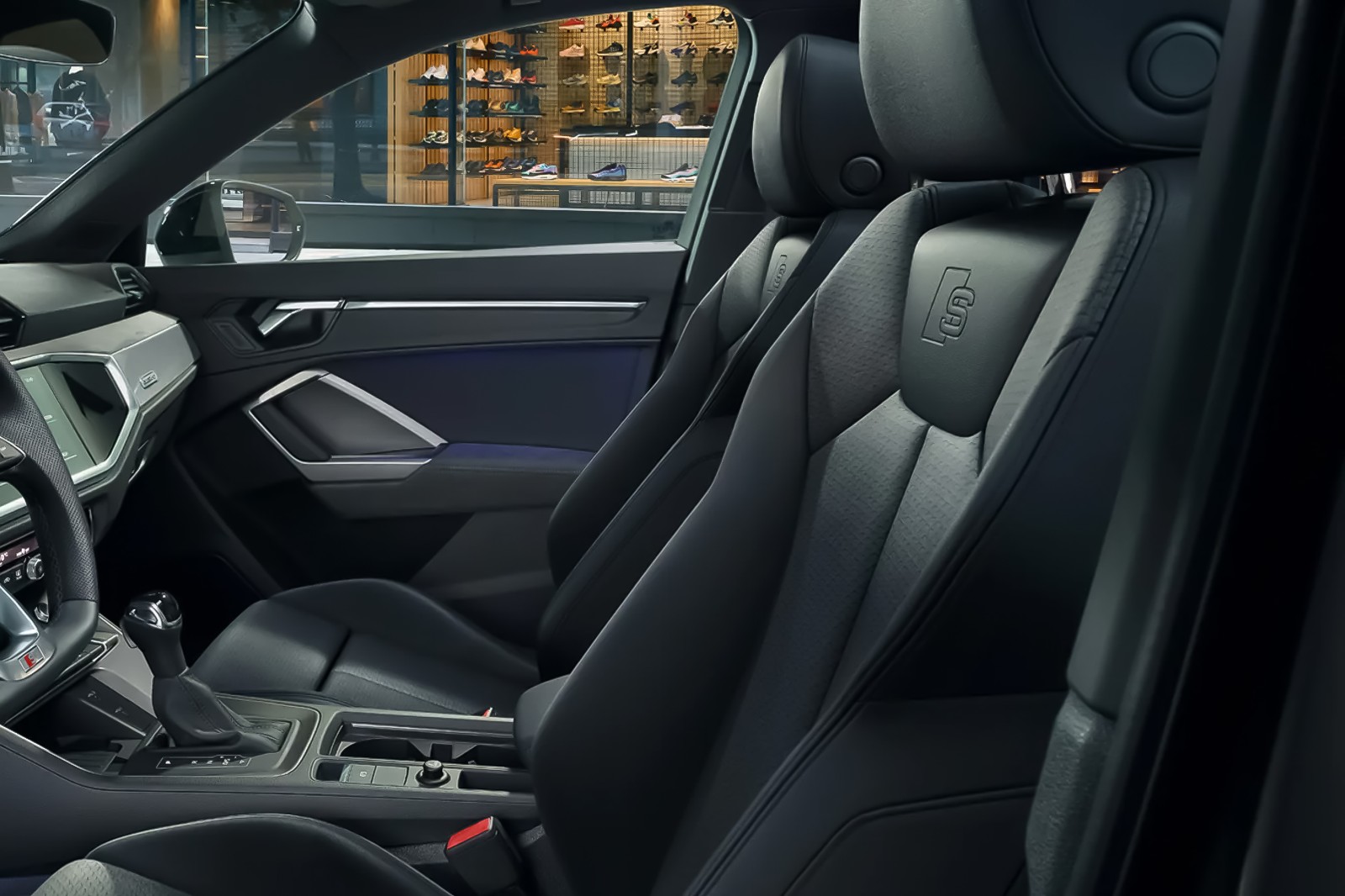
Inside the car, the interior layout is mainly minimalist, with the center console tilted towards the driver for convenient operation. In terms of materials, the door panels and the upper part of the center console are wrapped in soft-touch materials, providing a good tactile feel. The S line model adds aluminum trims, enhancing the sense of refinement. The 10.1-inch MMI central control screen serves as the visual centerpiece, offering decent interface smoothness and supporting basic multimedia and navigation functions. The seat configuration is adequate, with electric adjustment for both front driver and passenger seats, and the rear seats support a 40:20:40 split-folding design for sufficient flexibility. In terms of space performance, the vehicle has a wheelbase of 2680mm, providing spacious seating in the front row, with ample headroom and legroom for a 180cm tall passenger. The rear legroom is about two fist-widths, though the coupe design slightly restricts headroom, but adult passengers can still sit comfortably. The trunk has a capacity of 530 liters, which can be expanded further by folding down the rear seats, meeting storage needs for family trips.
In terms of power, this car is equipped with a 2.0T turbocharged engine, delivering a maximum power of 132kW (180PS) and a maximum torque of 320N·m. It is paired with a 7-speed AT transmission and quattro all-wheel-drive system. The official 0-100 km/h acceleration time is 7.8 seconds. During actual driving, the power response at the start is not particularly aggressive, but beyond 1400rpm, the torque release is quite linear, and mid-range acceleration during overtaking feels very solid. There are three driving modes available: Eco, Comfort, and Sport. When switched to Sport mode, the throttle sensitivity improves, and the shift timing is delayed, providing a more direct power output experience.
The handling reflects the tuning style of German cars, with precise steering and minimal free play. At low speeds, the steering wheel feels light, while at high speeds, it becomes heavier, instilling confidence. The chassis features a front MacPherson strut and rear multi-link independent suspension, tuned on the firmer side. During cornering, the car exhibits good roll control and strong stability. When handling common road bumps or potholes locally, the suspension can filter out most minor vibrations, although larger undulations still transmit noticeable jolts to the cabin, which is typical for a sporty setup. Regarding fuel consumption, the official combined fuel consumption is 8.1L/100km. During our test drive, mostly on urban roads with occasional highway driving, the actual fuel consumption was around 9.2L/100km, meeting expectations for a 2.0T model.
In terms of driving comfort, the seats provide good support, making long-distance travel less tiring. However, the seat padding is relatively firm, which may require some adaptation. Noise control performs well, with wind and tire noise at an acceptable level during high-speed driving, and engine noise becoming noticeable only during rapid acceleration. The quattro all-wheel-drive system performs commendably on slippery roads, distributing power between the front and rear wheels when cornering to enhance grip, making it suitable for the local rainy climate.
Overall, the main advantages of the 2025 Audi Q3 Sportback S line 2.0 TFSI quattro lie in its sporty design, balanced power and handling, and comprehensive safety features—6 airbags, lane change assist, lane departure warning, etc., all come as standard. Compared to competitors like the BMW X1 or Mercedes-Benz GLA in the same class, its all-wheel-drive system is a bonus. However, its interior lacks a strong sense of technological sophistication, the functions of the central control screen are relatively basic, and its price is higher than some Japanese competitors.
This car is more suitable for users who value driving quality and brand appeal, such as young couples who need to balance family travel with occasional driving pleasure, or professionals who prefer the reliable performance of German cars. If your budget is around 340,000 yuan and you're looking for a C-class SUV with a design that isn't dull, solid handling, and sufficient features, it will be a worthy option to consider.
Audi Q3 Sportback Car Compare
Audi Q3 Sportback Loan Calculator
More Audi Reviews
Cars With Similar Price And Features
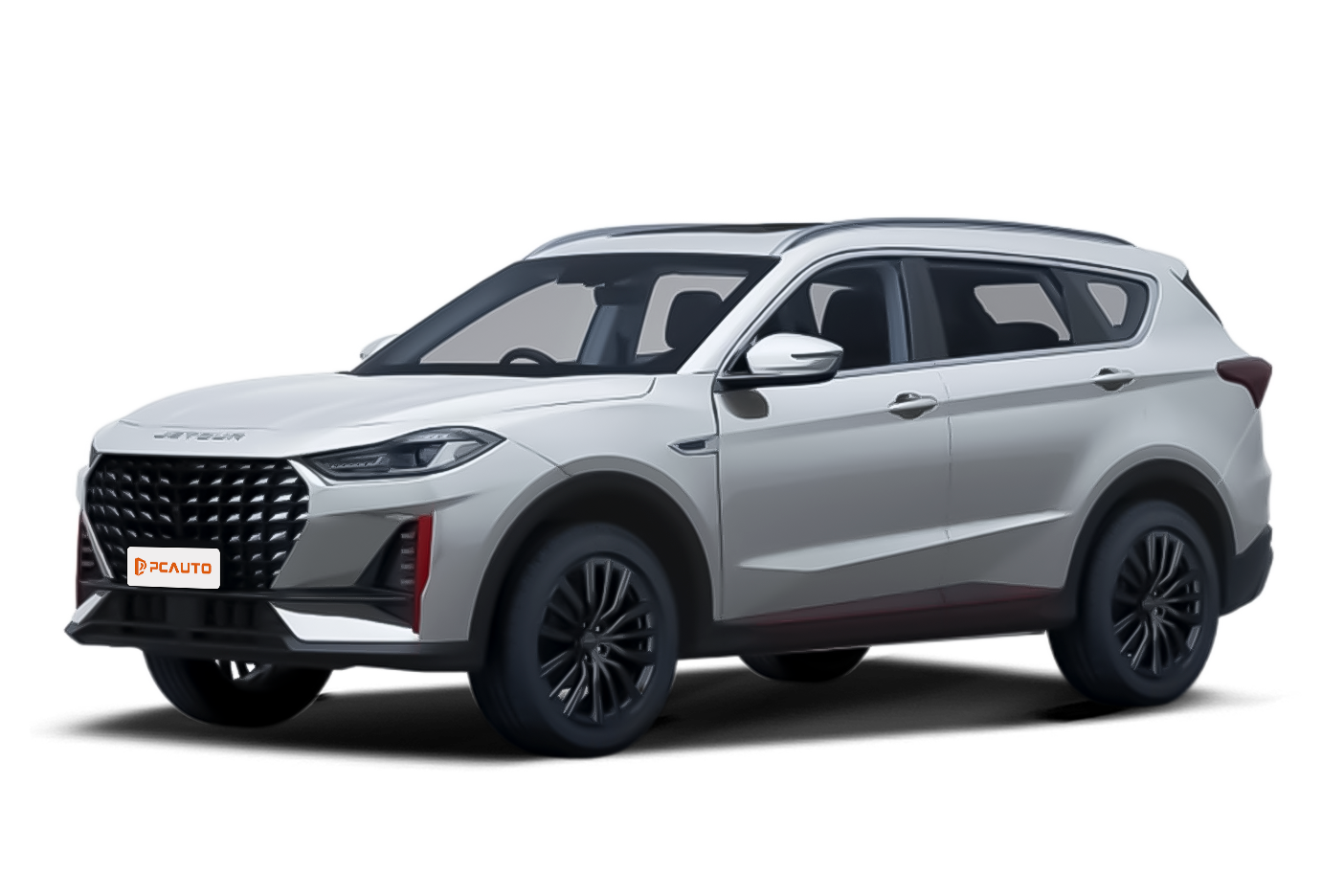
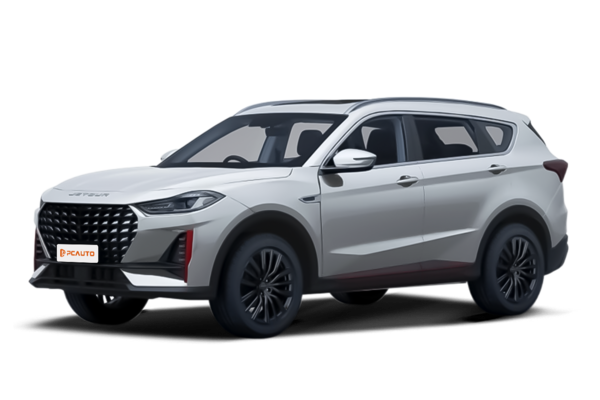
2025 Jetour VT 9 Comfort is a highly cost-effective 7-seater family SUV, featuring practical space, rich configurations, and balanced power, precisely meeting the needs of family short-distance travel.

11
Rank in SUV
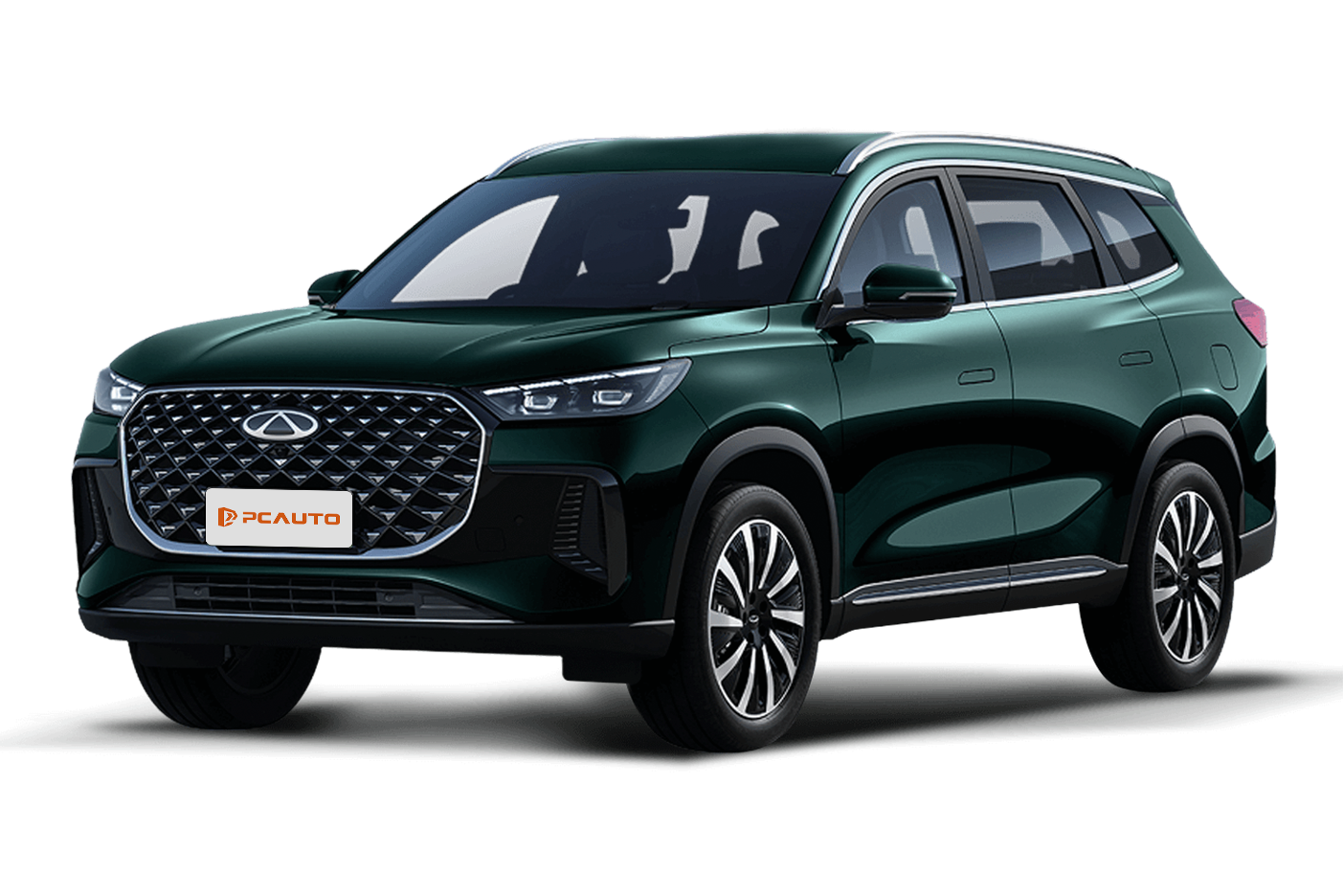
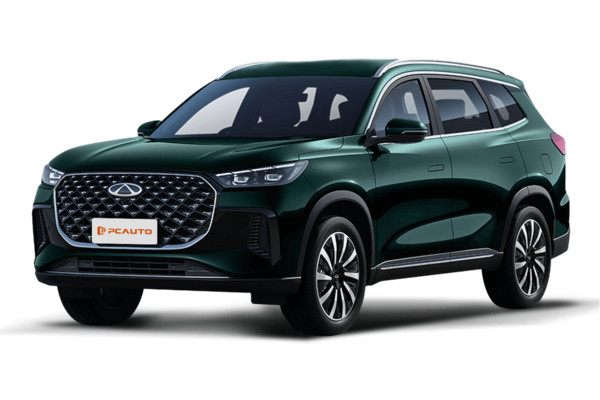
2026 Chery Tiggo 8 is a D-Segment SUV aimed at family users, offering superior configurations, practical space, and smooth power at a high cost-performance ratio, meeting both commuting and light off-road needs.
16
Rank in SUV

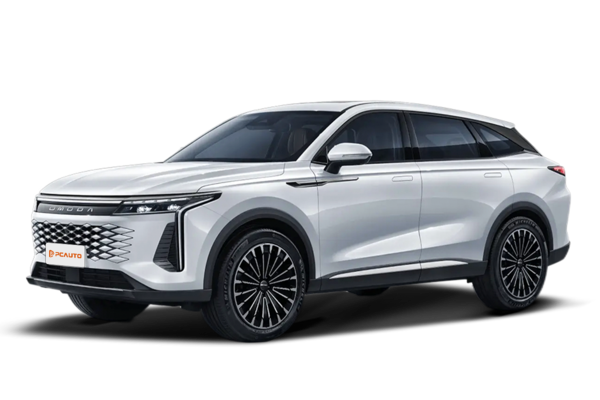
2024 Chery OMODA C9 2WD with 2.0T+8AT powertrain, L2 level assistance, and dual 12.3-inch screens, breaking the stalemate in the D-Segment market and becoming a high-value disruptor.
29
Rank in SUV
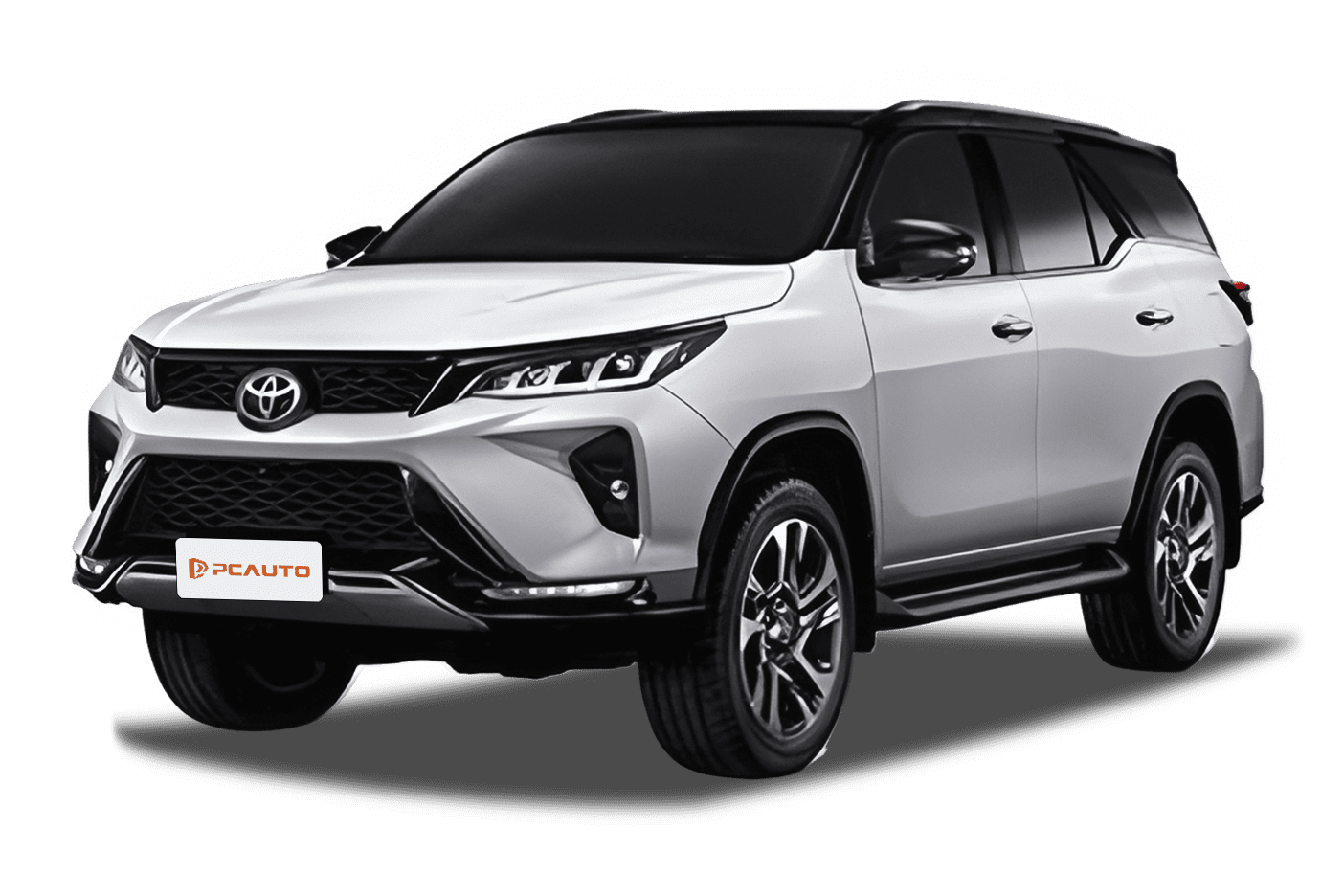
2021 Toyota Fortuner 2.7 SRZ AT 4x4 is a 7-seat SUV that balances family comfort and mild off-road capabilities, with smooth gasoline power and a practical 4x4 system, offering low maintenance requirements suitable for various family scenarios.