

Audi RS3 2024 Review

 Share
Share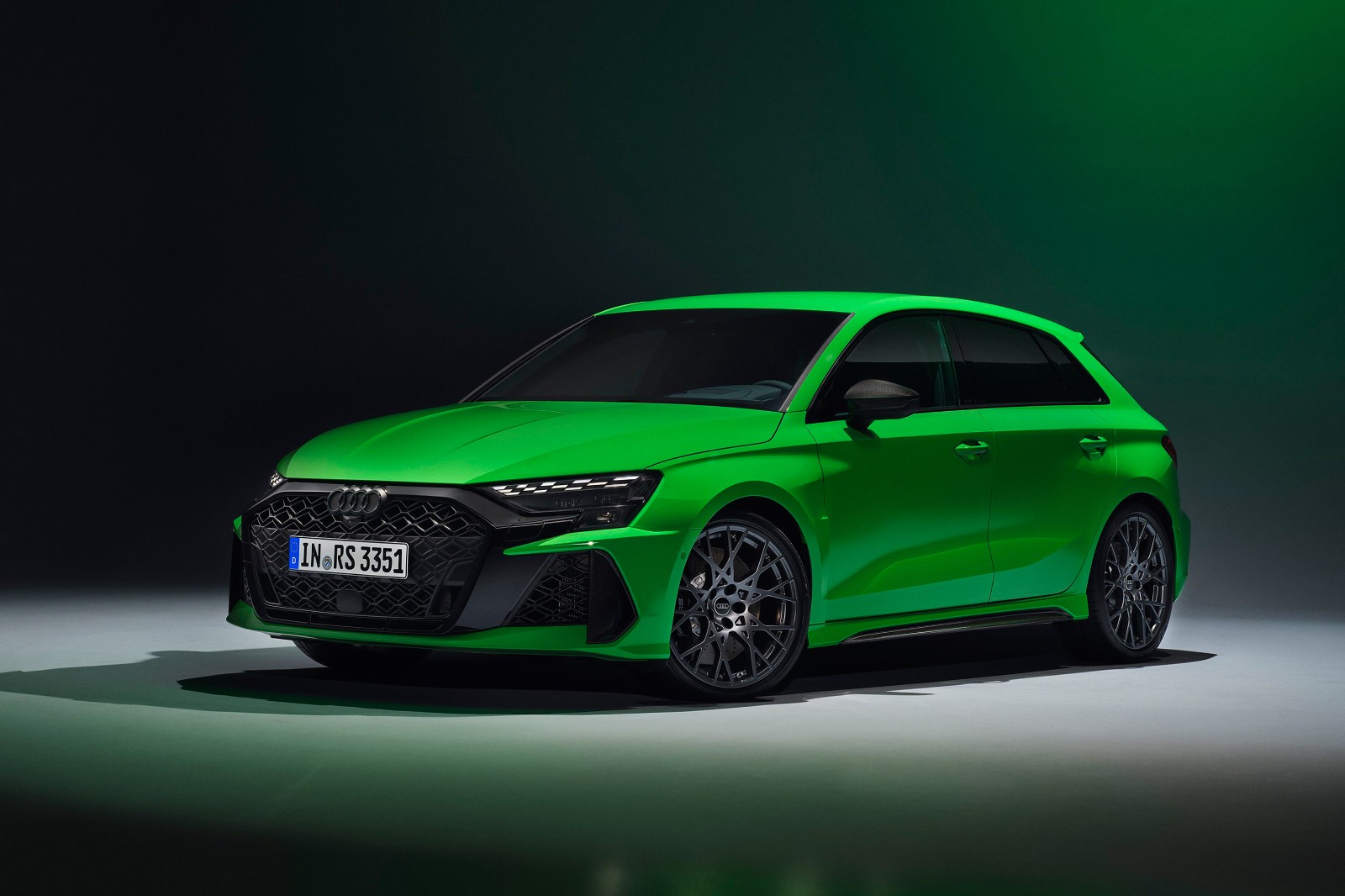
 Segment
 Body Type
 Engine Power(PS)
 Engine Torque(Nm)
 Capacity(L)
 Transmission
In recent years, the local demand for the luxury compact performance car market has been growing. Many consumers are looking for the practicality of daily commuting while also pursuing exhilarating driving pleasure. The Audi RS3 Sportback, set to be introduced on August 20, 2024, aims squarely at this core segment. As the entry-level performance car in the RS family, it is equipped with a signature 2.5T five-cylinder engine, boasting an official 0-100 km/h acceleration time of just 3.8 seconds and a top speed of up to 290 km/h. These figures are enough to spark the curiosity of performance car enthusiasts. The main purpose of this test drive is to verify the actual performance of this car beyond the data: Is it comfortable for daily driving? Can its track potential be realized? Is its practicality up to standard?
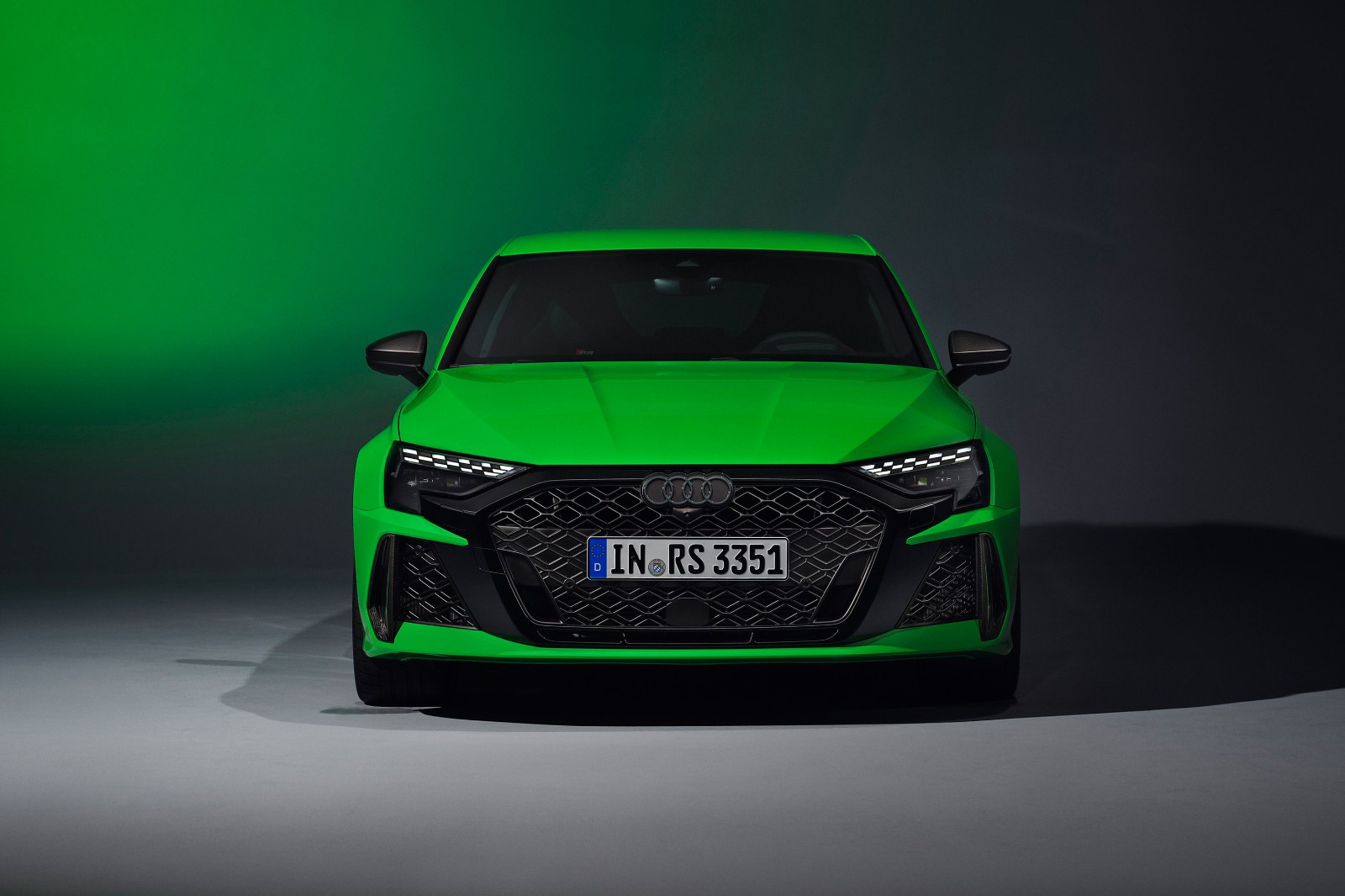
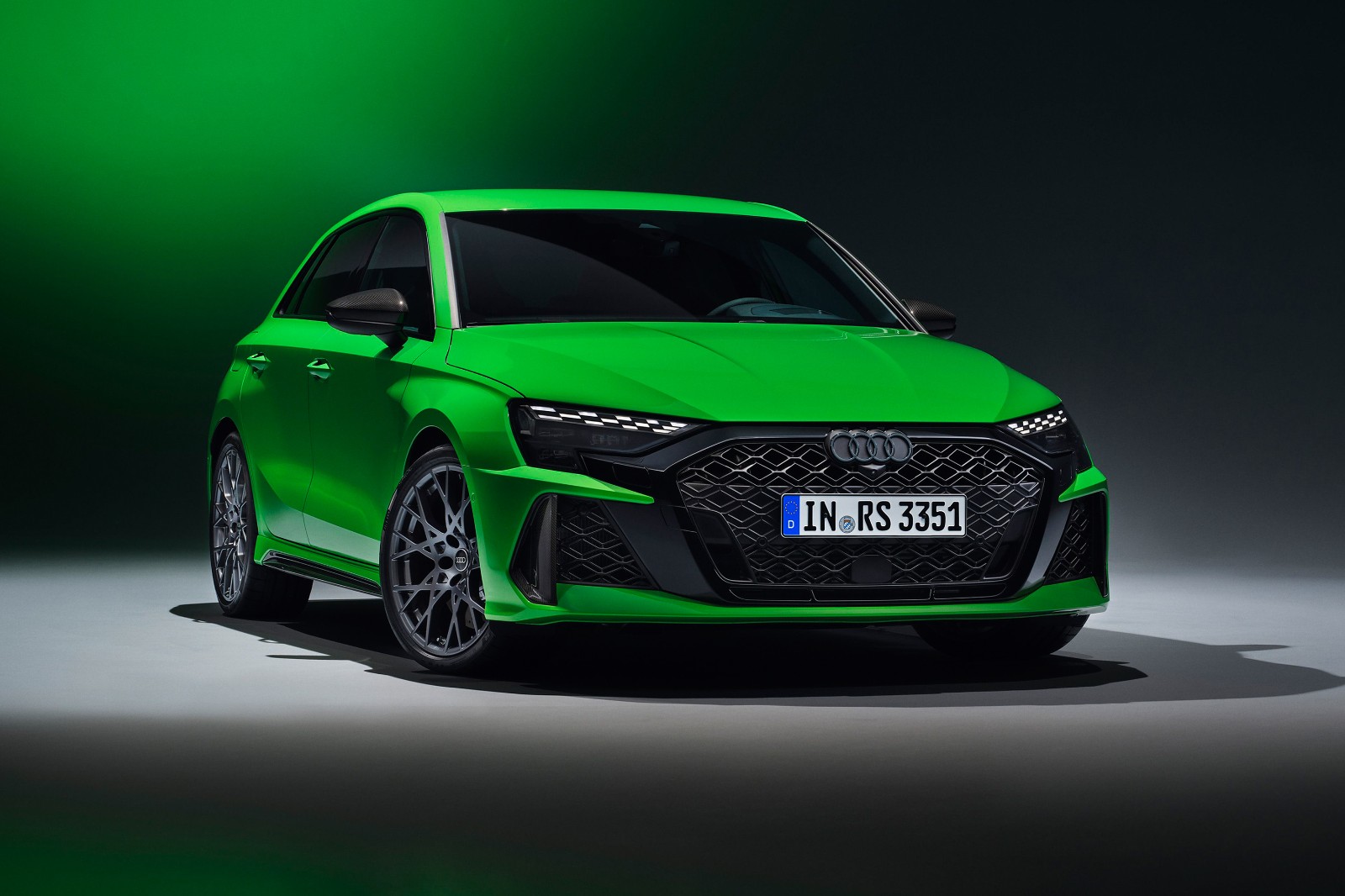
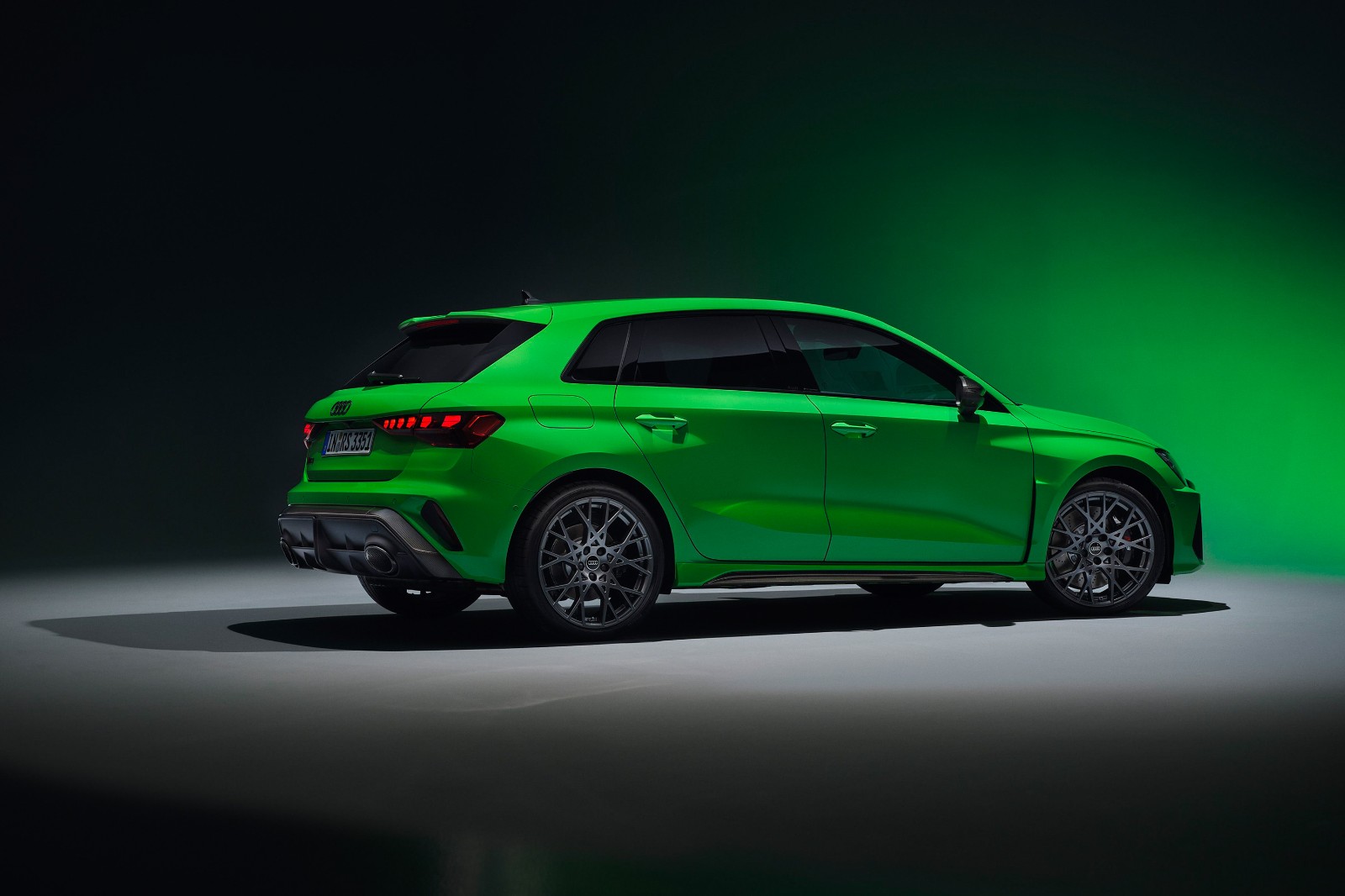
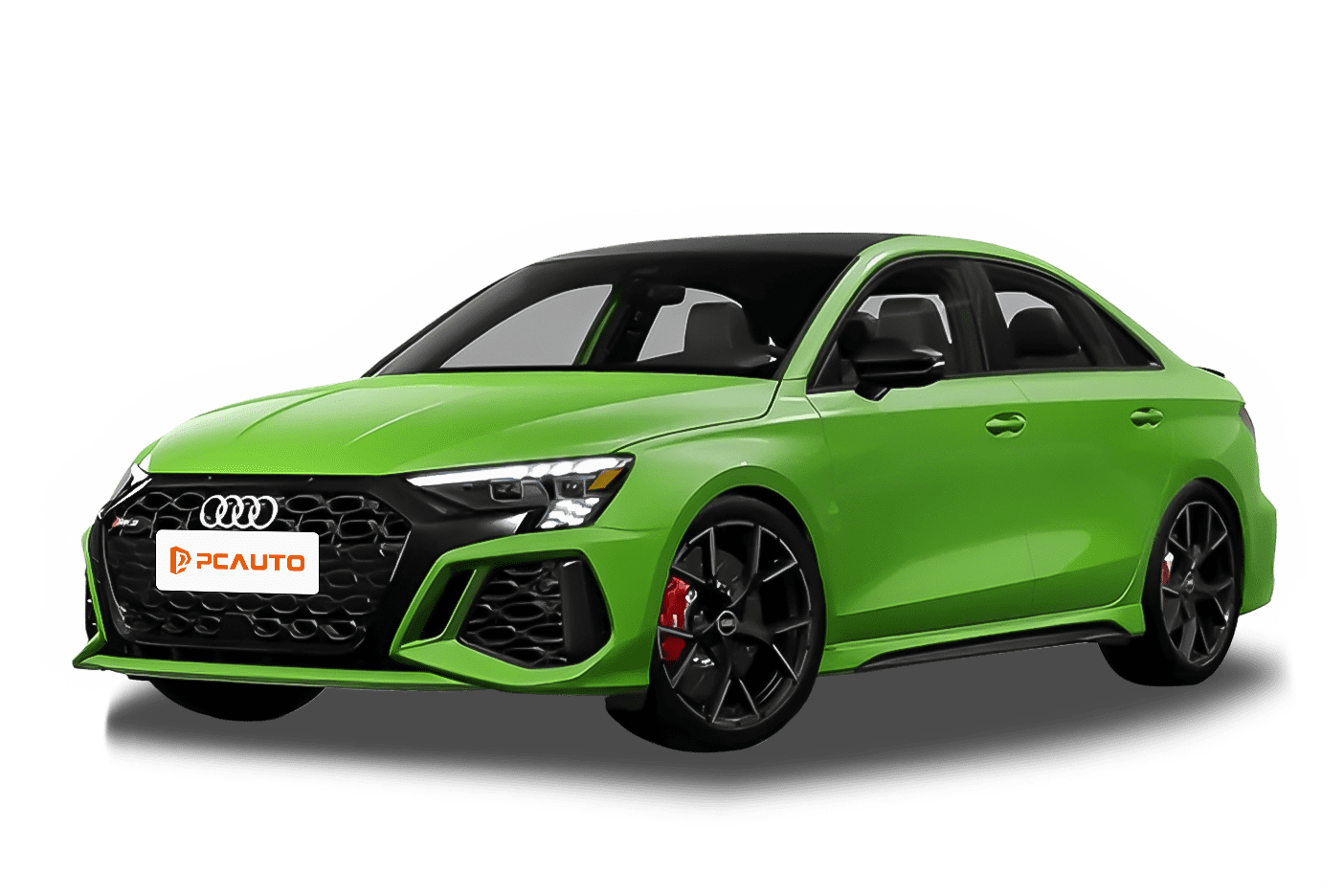
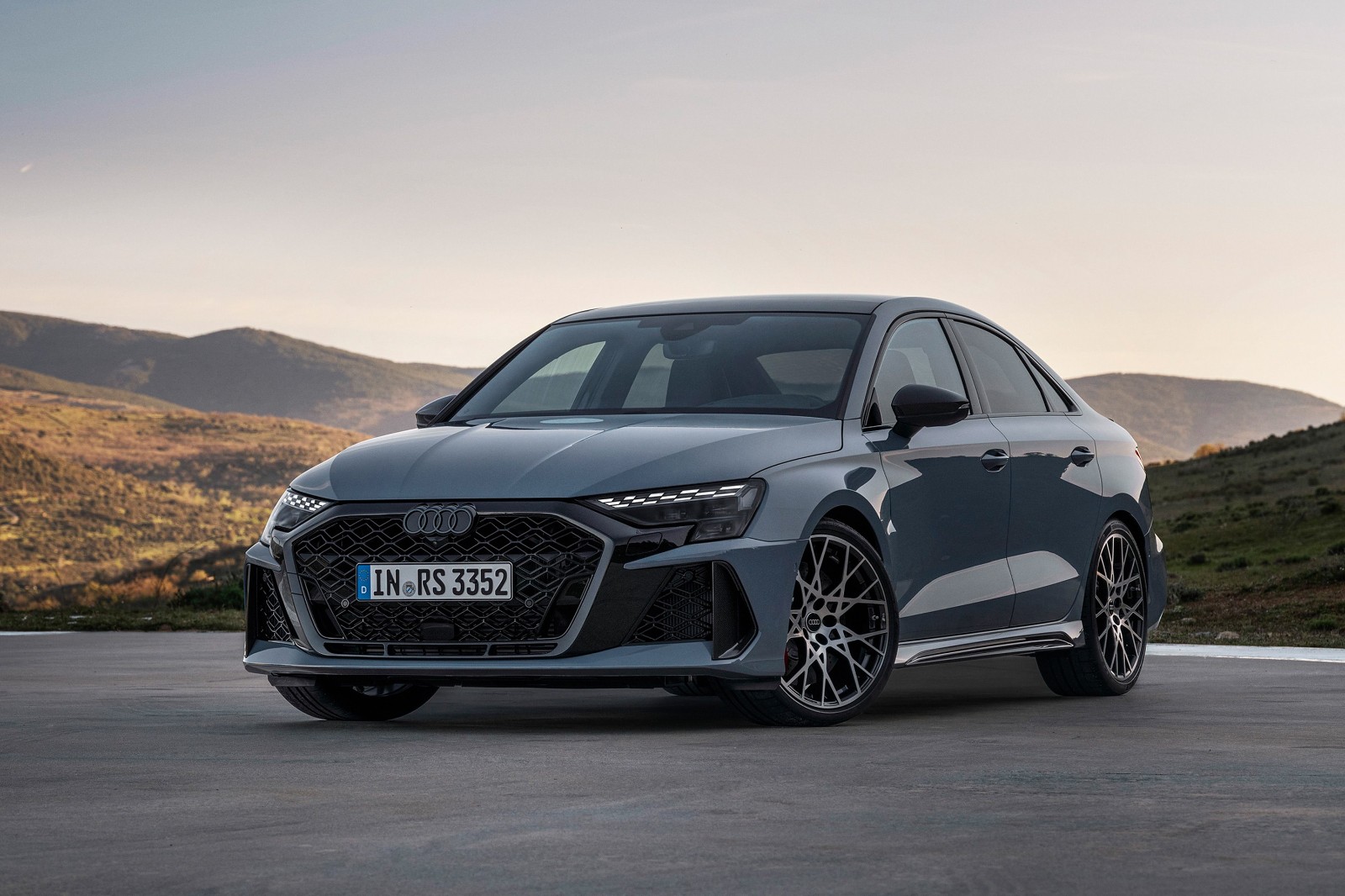
The exterior of the RS3 Sportback continues the aggressive styling of the Audi RS series, with compact and muscular lines overall. The front end features a large honeycomb grille flanked by sharp air intakes, creating a strong visual impact. Matte aluminum trim exclusive to the RS lineup accents the grille edge and front lip, offering excellent recognizability. On the sides, the 19-inch five-spoke sporty wheels paired with red brake calipers further emphasize its performance attributes. The roofline slightly slopes down from the B-pillar, preserving the coupe-style silhouette typical of Sportback models while maintaining the agile proportions of a compact car. The rear design is clean and powerful, with the dual oval exhaust outlets, a hallmark of RS models, paired with a small spoiler that improves aerodynamics while underscoring its performance identity. In terms of lighting, the standard matrix LED headlights support dynamic turn signals, and their flowing effect when illuminated at night adds a sense of technology.
Inside the car, the interior styling of the RS3 Sportback strikes a balance between a sporty feel and a sense of luxury. The dashboard uses soft-touch materials combined with Alcantara suede inserts and carbon fiber trims, providing tactile and visual quality that matches the positioning of a luxury performance car. The center console layout is clear, featuring a 10.1-inch touchscreen that integrates the MMI intelligent system and supports wireless CarPlay/Android Auto. Its smooth operation and responsiveness are commendable. Below the screen, some physical buttons are retained for convenient blind operation while driving. The seats are one of the highlights of the interior. The RS-exclusive sporty bucket seats are wrapped in Nappa leather with excellent lateral support. The shoulder and lumbar area hug the body tightly during spirited driving, while the seats also come equipped with a heating function to balance everyday comfort. Additionally, the flat-bottom multifunction steering wheel features an RS-exclusive badge, has a firm grip, and the metal paddle shifters behind it offer crisp shifting feedback.
In terms of body dimensions, although the exact wheelbase of the RS3 Sportback has not been disclosed, the actual space performance aligns with its compact car positioning. The front row offers ample seating room, with a passenger of 180 cm tall still having a fist worth of headroom after adjusting the seat. The rear seating space is relatively compact; a passenger of the same height would have about two fingers of legroom, with headroom being slightly restricted, making it more suitable for short trips. The storage capabilities are decent, with sufficient room in the front center armrest compartment and door storage bins for everyday items. The trunk offers a default capacity of 335L, which can be expanded to 1,145L by folding down the rear seats, meeting the luggage needs for weekend getaways. In terms of comfort features, the rear row includes independent air conditioning vents and USB-C charging ports, demonstrating thoughtful attention to detail.
The powertrain is the core strength of the RS3 Sportback, equipped with a 2.5T inline-five turbocharged engine, delivering a maximum power of 294kW (400PS) and a peak torque of 500N·m, paired with a 7-speed dual-clutch transmission and a quattro all-wheel-drive system. When switching to Comfort mode during daily driving, the power delivery is relatively smooth, and the throttle response is not overly sensitive, so urban commuting does not feel tiring. After pressing the accelerator hard, the turbo kicks in quickly, and the mid-to-late-stage acceleration remains strong, giving full confidence during overtaking. When switched to Sport+ mode, the engine roars with a deeper tone, the transmission shifts more aggressively with gear changes as fast as 0.2 seconds, and the official 0-100km/h acceleration time of 3.8 seconds can be fully achieved, with a continuous and robust thrust sensation.
In terms of handling, the RS3 Sportback's steering is precise with minimal slack, and it clearly transmits road feedback during aggressive driving. The suspension system adopts adaptive damping shock absorbers; in Comfort mode, it filters out most road bumps, making daily driving not feel overly stiff. In Sport mode, the suspension becomes noticeably firmer, significantly enhancing support, and the body roll is well controlled during cornering, with excellent vehicle follow-through. This test also included a stretch of track experience; in consecutive corners, the quattro all-wheel-drive system leans towards front-wheel drive in its power distribution logic but transfers more power to the rear wheels during rapid acceleration out of corners, ensuring vehicle stability and grip.
As for fuel consumption, for a performance car, the RS3 Sportback's fuel consumption is not particularly high: about 10-12L/100km in urban congested areas, which can drop to 7-8L/100km during highway cruising, meeting the expectations for a 2.5T engine. Noise control performs well, with tire and wind noise well suppressed during daily driving. Only during aggressive driving does the engine roar enter the cabin through the exhaust system, creating a sporty atmosphere.
In summary, the core highlights of the RS3 Sportback are clear: the iconic five-cylinder engine delivers strong and linear power output, the quattro all-wheel-drive system ensures handling stability, and the luxurious interior and daily comfort have not been compromised. Compared to competitors such as the BMW M240i or Mercedes-AMG A45 in the same class, the RS3 Sportback's advantage lies in its more balanced performance—it offers near track-level performance while meeting the comfort needs for daily commuting. In contrast, the BMW M240i leans more towards rear-wheel-drive excitement, while the Mercedes-AMG A45's tuning is more aggressive, slightly compromising comfort in daily driving.
The target audience for this car is also very clear: first, performance car enthusiasts, as the unique roar of the five-cylinder engine and its 3.8-second acceleration capability are enough to fulfill their driving desires. Second, consumers seeking an "all-in-one" car—comfortable for daily commuting, capable of occasional track runs, and suitable for short trips with the family—can find their needs met with the RS3 Sportback. Lastly, users who emphasize brand and details will appreciate Audi's luxurious feel and the exclusive identifiers of the RS series, fulfilling a certain level of identity recognition needs.
Overall, the Audi RS3 Sportback is a "well-rounded" performance car—it is not the purest track machine, nor the most comfortable family car, but it strikes an excellent balance between performance, comfort, and practicality. If you are looking for a luxury performance car that can serve as a daily driver while unleashing passion on weekends, the RS3 Sportback will be a choice worth waiting for.
Audi RS3 Car Compare
More Audi Reviews
Cars With Similar Price And Features

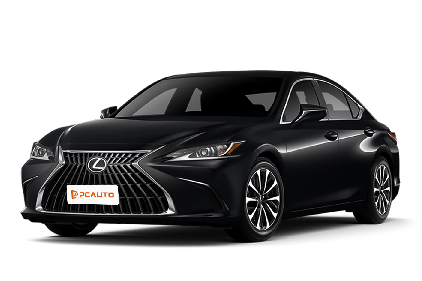
2024 Lexus ES as a practical choice in the luxury mid-size sedan market, with a balanced and comfortable driving experience, rich safety features, and a reliable brand reputation, precisely catering to the needs of family users and young elites.

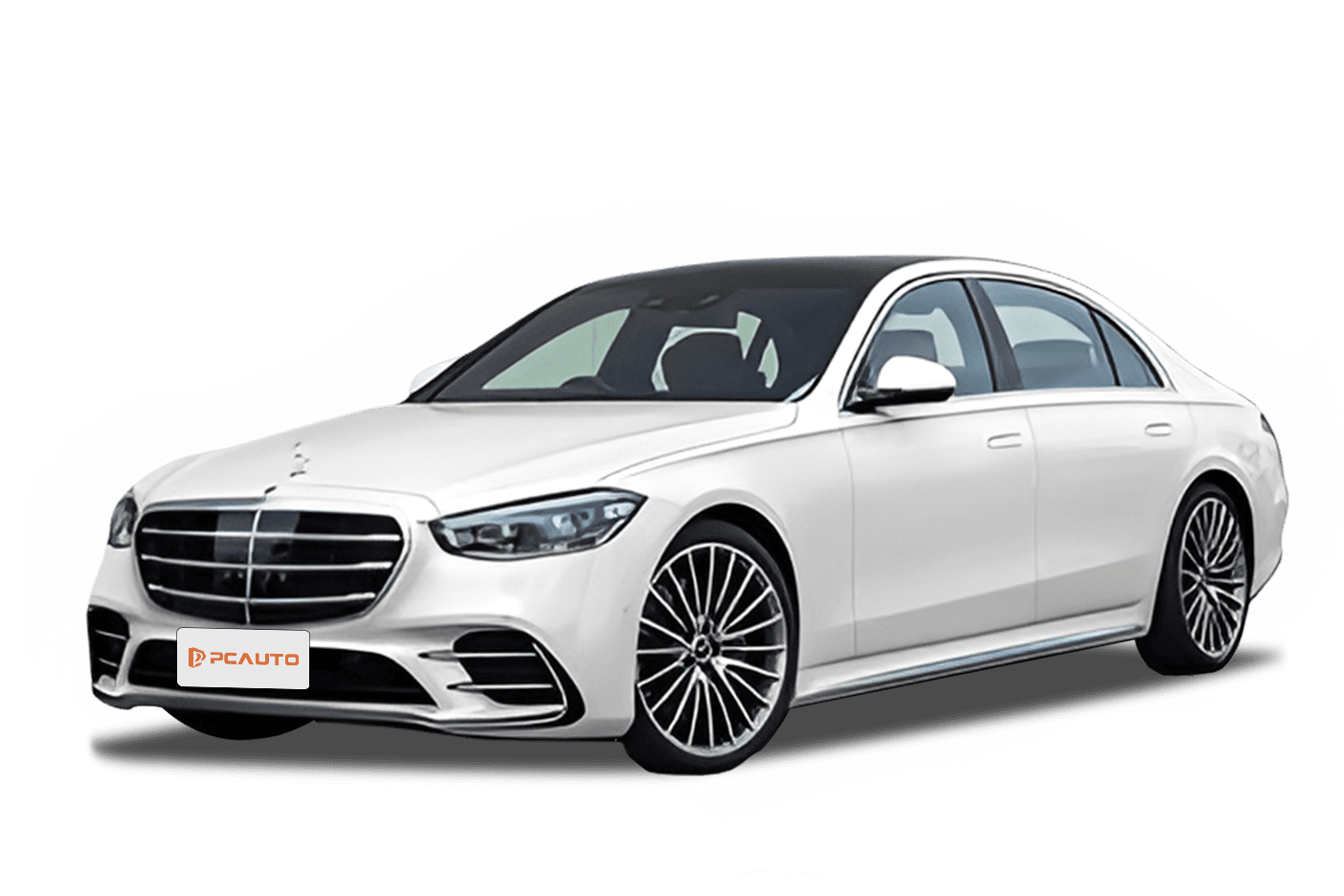
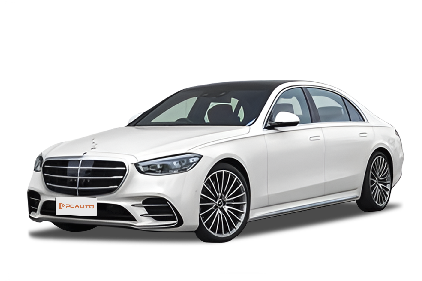
2022 Mercedes-Benz S-Class S 580 e, as the flagship plug-in hybrid model, offers a luxurious rear-seat experience with its extended wheelbase, a practical 100km pure electric range, and advanced intelligent features, balancing luxury and the practicality of new energy.

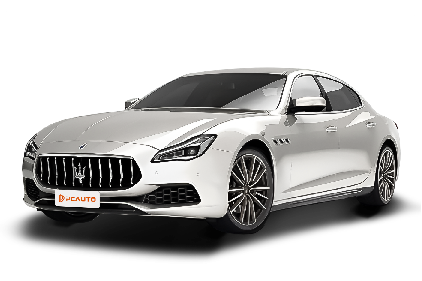
2019 Maserati Quattroporte GranSport is a luxury sedan that combines Italian sporty design with executive-level space. With a powerful 3.0T engine and precise handling, it balances the needs of passionate driving and business travel.
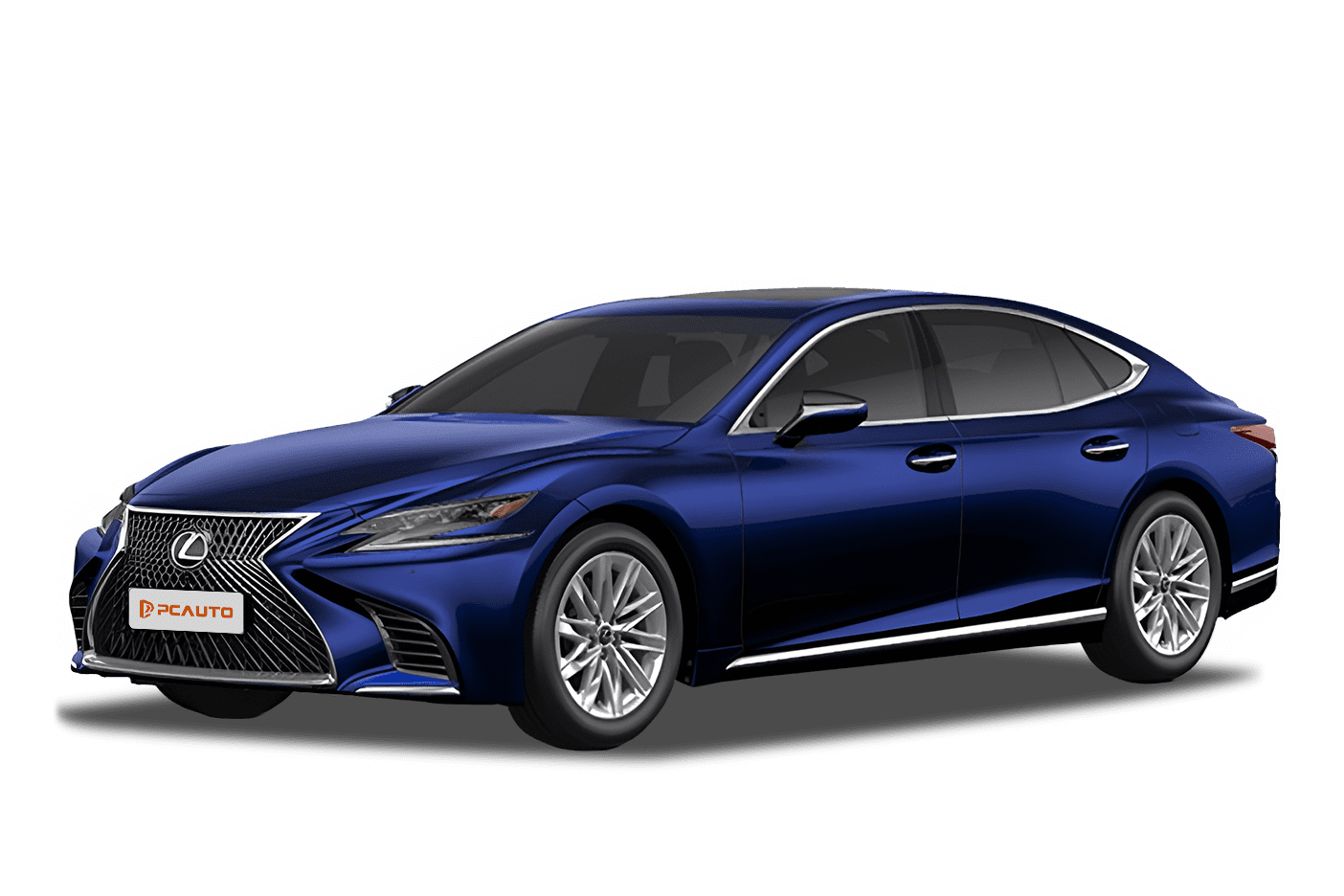
2021 Lexus LS 500 Luxury built with the concept of Oriental luxury, 28-way power-adjustable massage seats + 3.4T powerful performance, high cost-effectiveness competing with German counterparts.