

BMW 1 Series Review

 Share
Share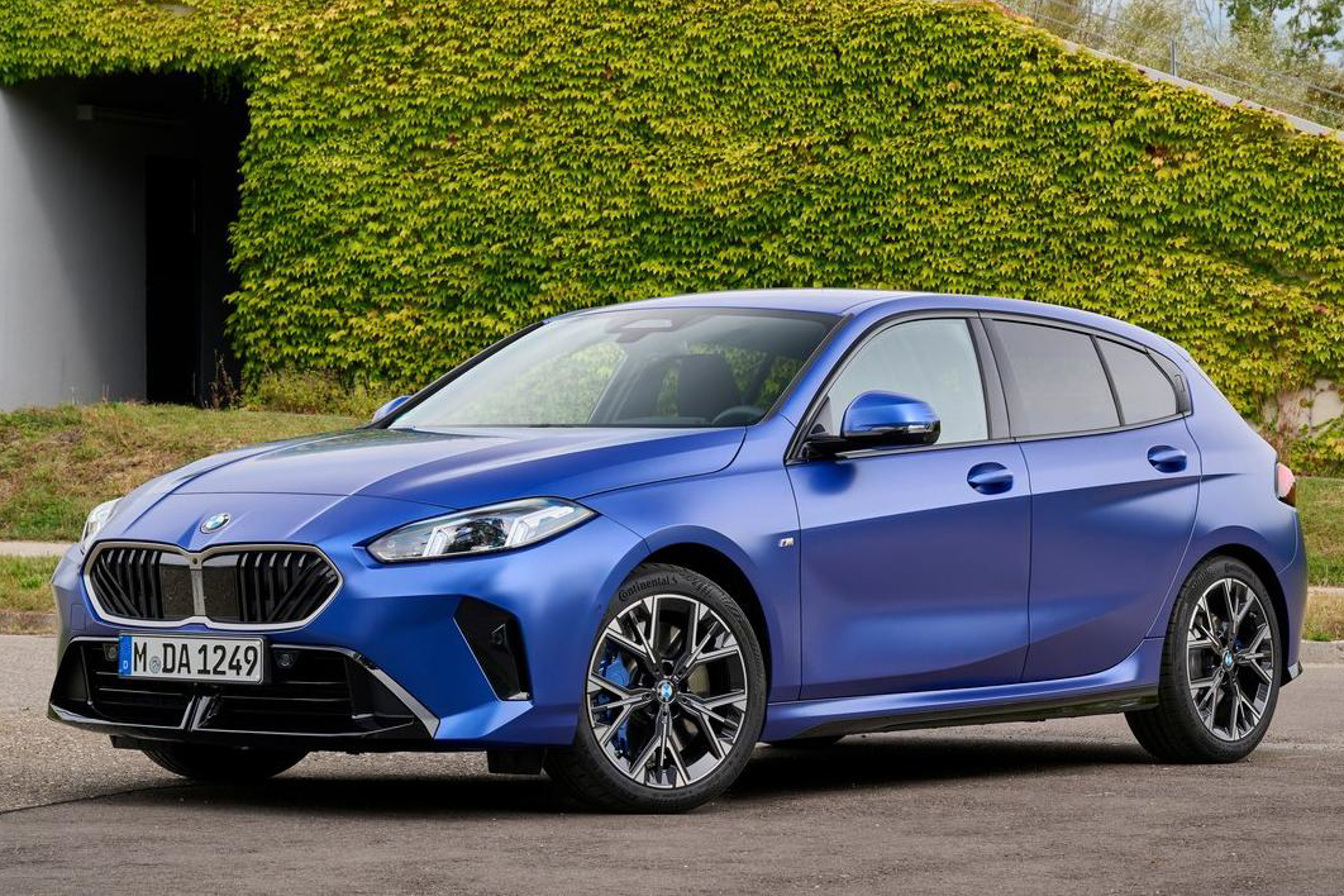
 Segment
 Body Type
 Capacity(L)
 Engine Power(PS)
 Transmission
 Driven Wheels
In Malaysia's C-segment sedan market, models that balance driving pleasure and daily practicality have always been the focus of consumer attention—after all, most families need both the flexibility for urban commutes and the performance and space for weekend getaways. The upcoming 2025 BMW 1 Series public, as a new member of the brand's compact car lineup, is highly likely to continue the sporty DNA of the family while enhancing intelligent features and spatial performance, based on currently revealed information. By referencing the core data and design logic of the same platform's existing models, we analyze the overall performance of this new car in advance to help potential buyers predict whether it can meet local demands.
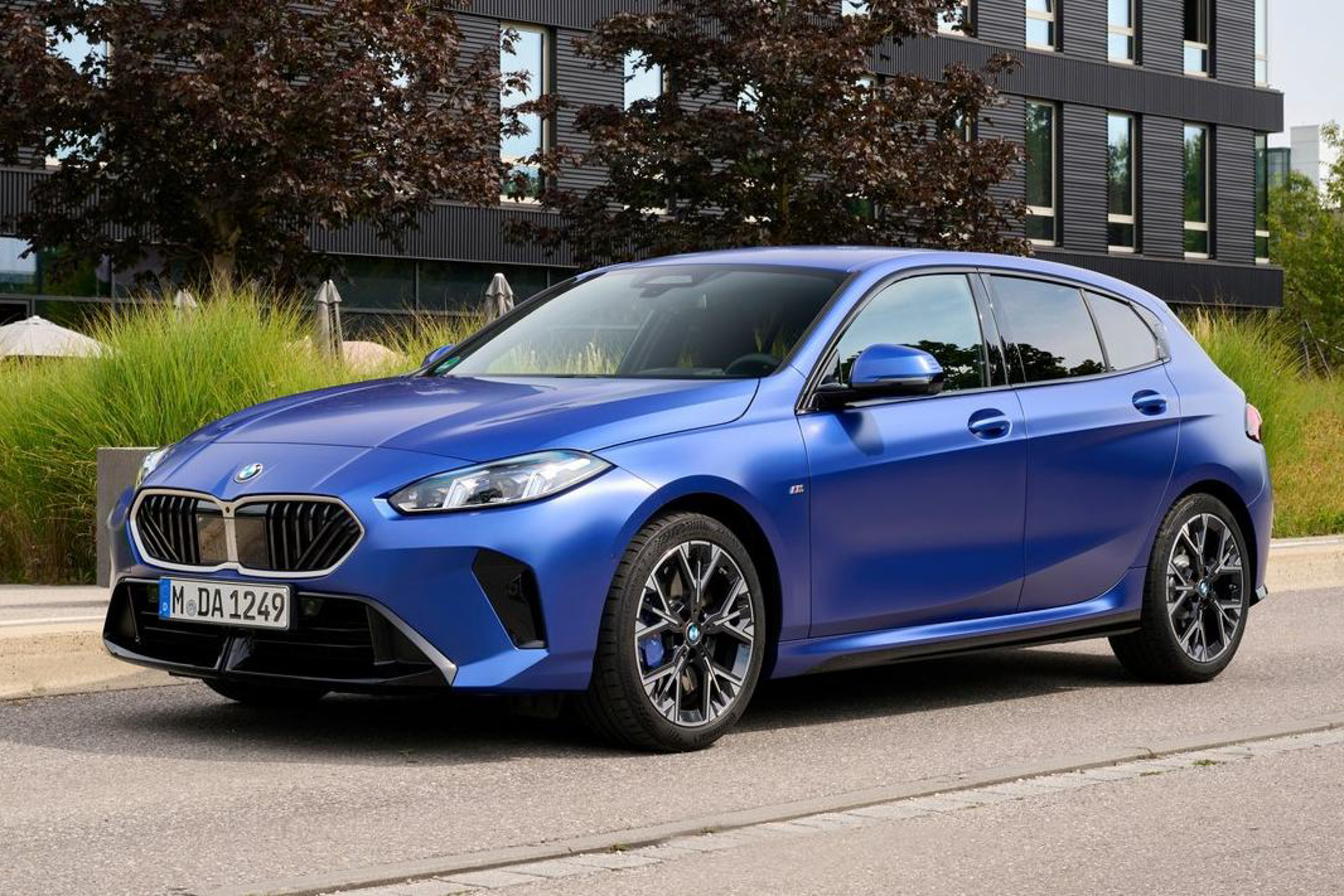
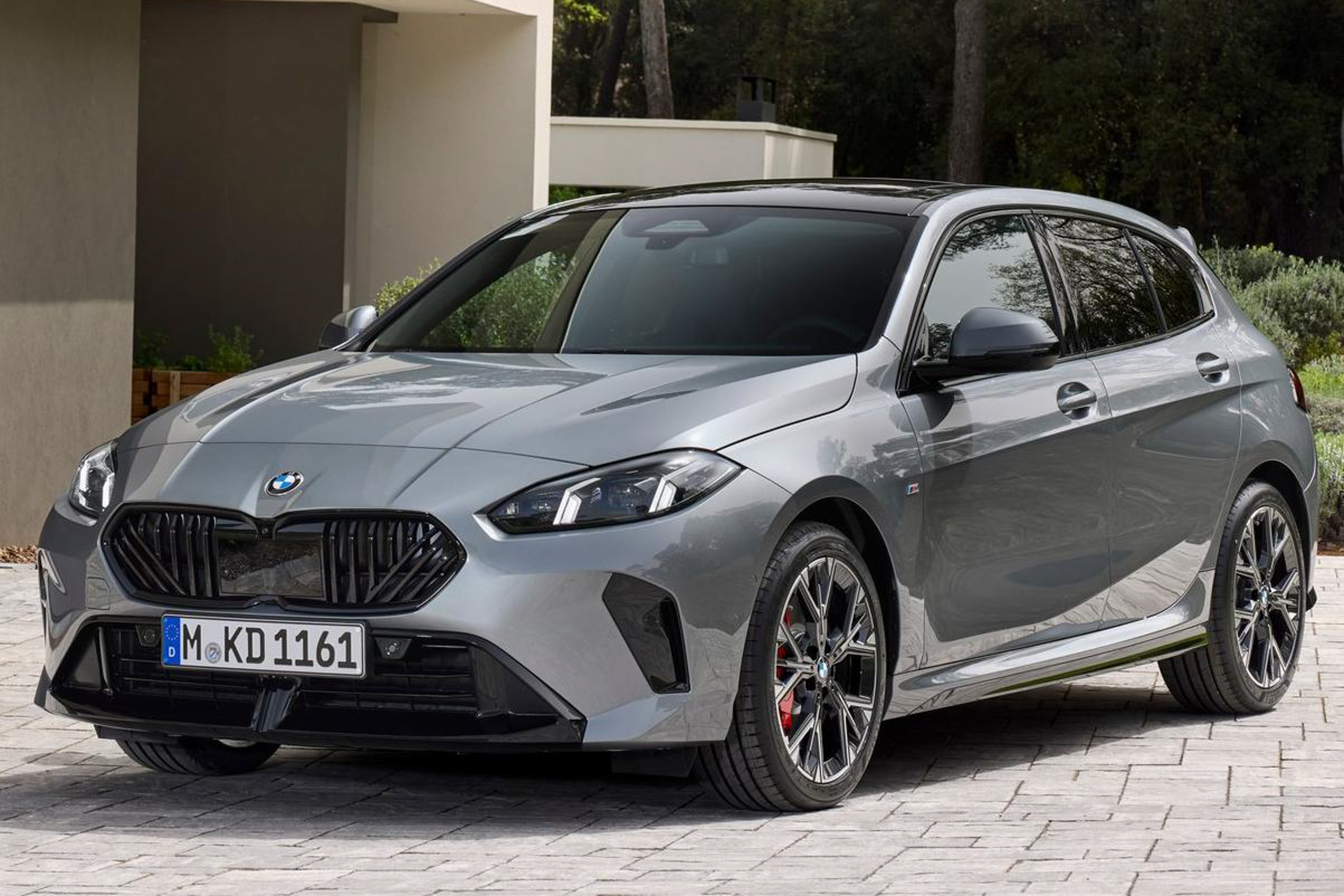
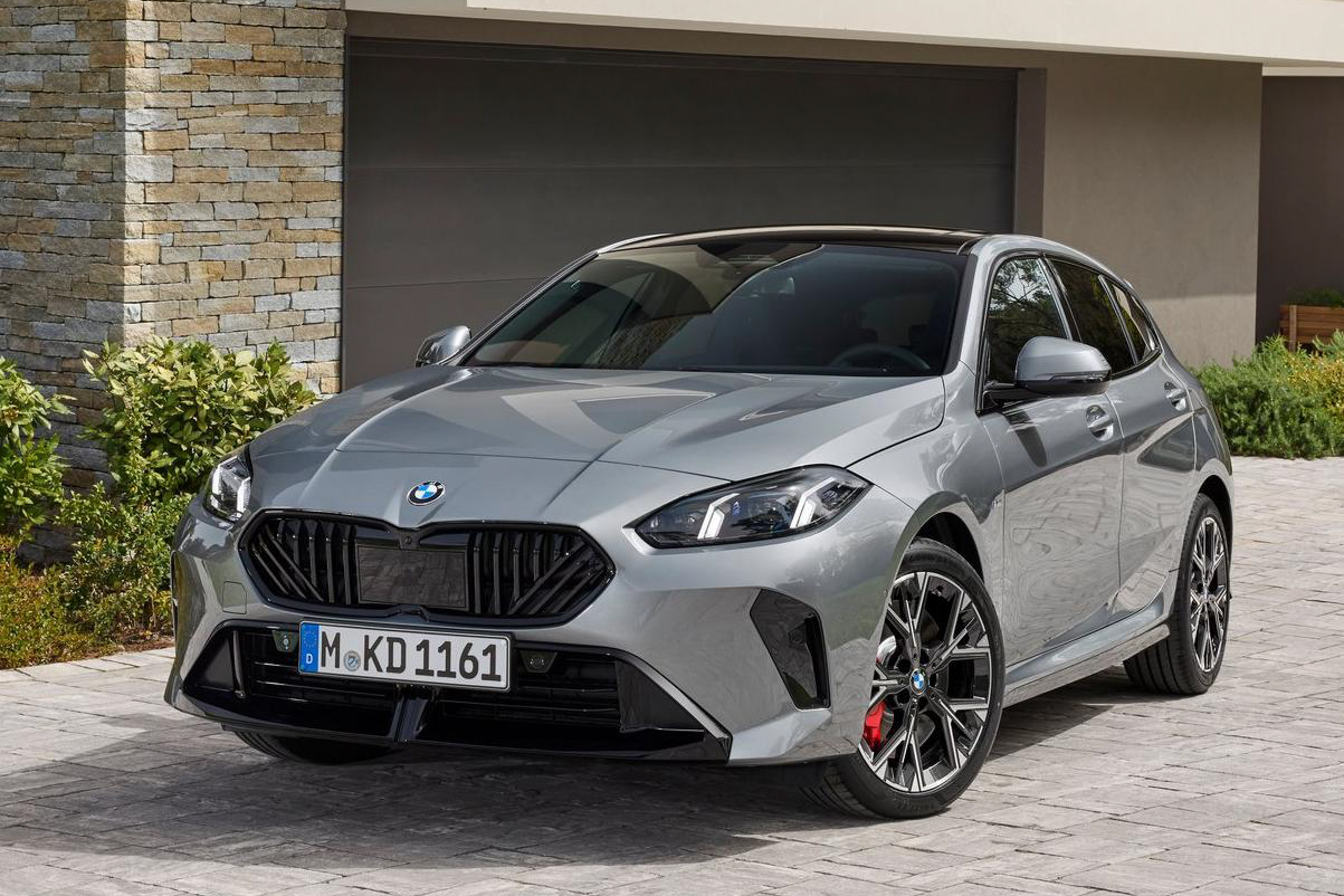
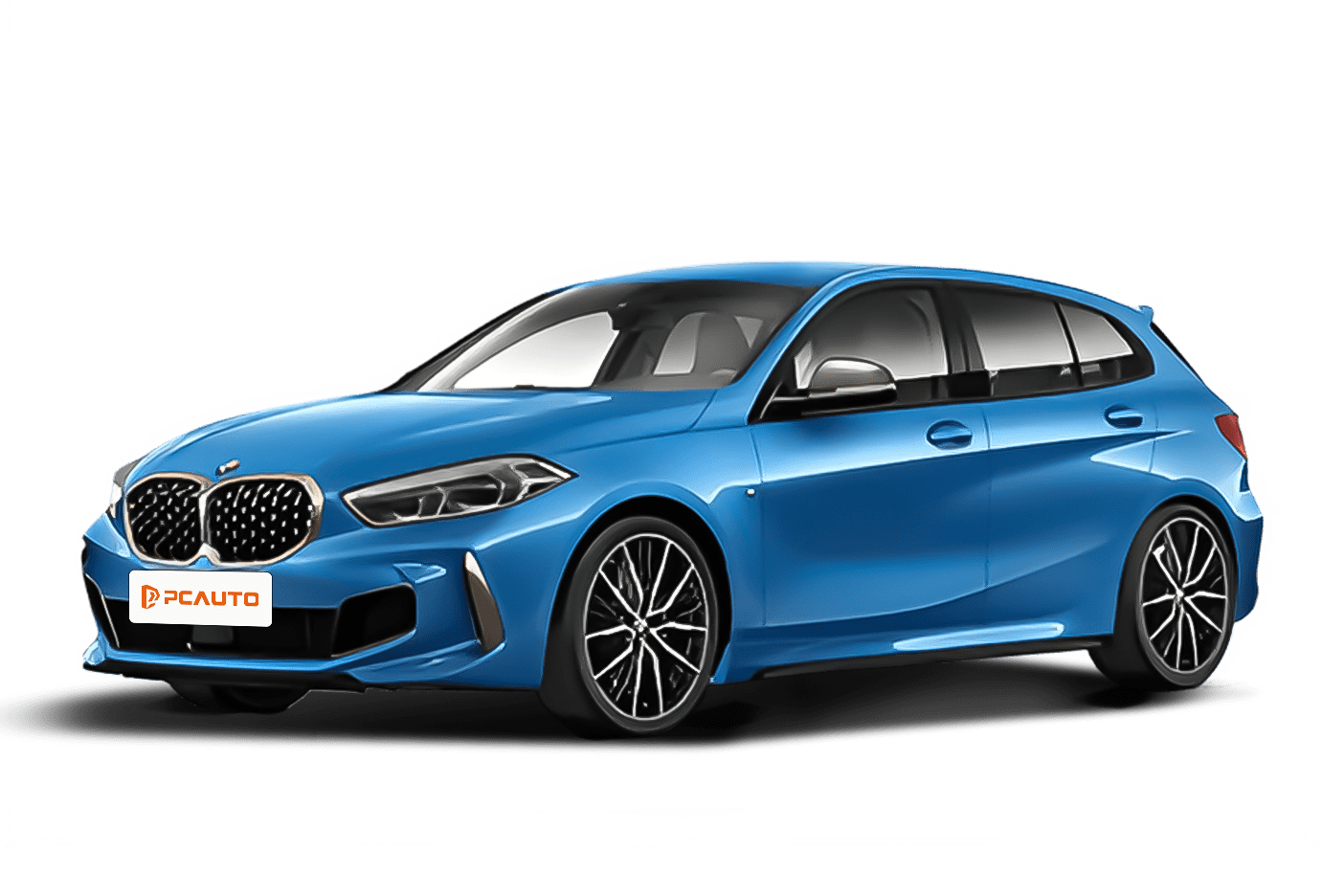
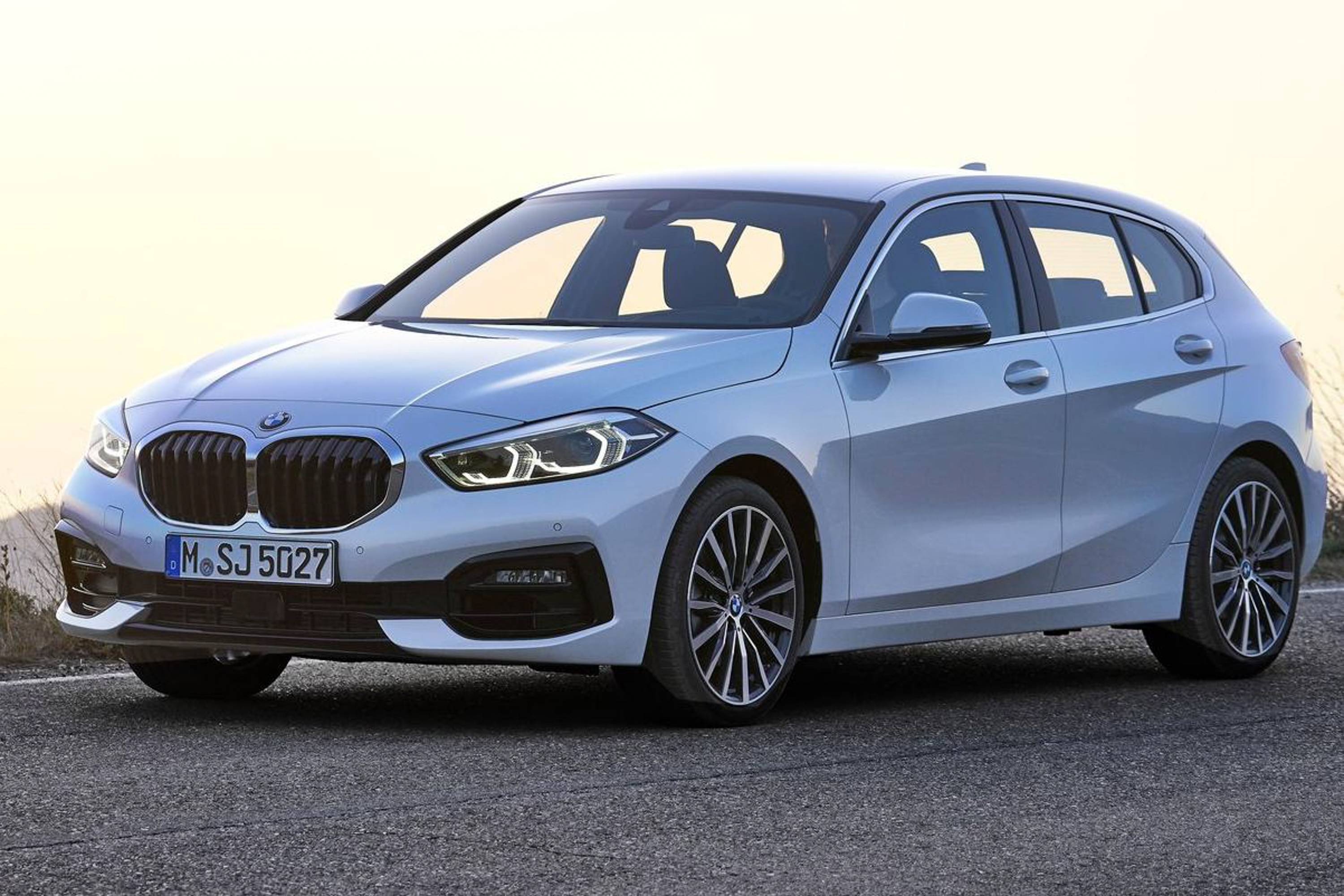
In terms of exterior design, the 2025 model is expected to continue BMW's iconic double kidney grille, but with slight adjustments to its size to enhance the sporty feel, paired with sharp LED headlight units (following the design language of the 2020 M135i model), ensuring the front maintains the high recognition standard of the family. The side of the car exhibits sleek lines, with the waistline extending from the front fender to the rear. Paired with 18- or 19-inch alloy wheels (specific specifications to be confirmed), the overall stance is low and sporty, aligning with the positioning of a compact sports sedan. At the rear, the LED taillights are expected to feature a smoked treatment, with a dual-exit exhaust layout (for fuel-powered versions) or a hidden design (if a hybrid version is added), further emphasizing its sporty attributes. In terms of details, the body kit may integrate more aerodynamic designs to enhance visual layering while optimizing aerodynamics.
Inside the car, the dashboard layout is expected to tilt towards the driver, continuing BMW's driver-centric design philosophy. Interior materials are likely to focus on quality, with soft-touch materials covering the upper part of the dashboard and leather wrapping on the inside of the door panels (referencing the higher trims of previous models). For core configurations, a 10.25-inch touchscreen infotainment screen (same as the 2020 model) equipped with the iDrive system will support Apple CarPlay and Android Auto connectivity; a fully digital instrument cluster is highly likely to be standard, providing a more intuitive display of driving information. For seats, the front row is expected to offer electric adjustment functions (including lumbar support), while the rear seats are likely to feature a 40:20:40 split-folding design to flexibly extend storage space. Regarding storage, the front armrest compartment will be of moderate size, and the door panel storage slots can accommodate large water bottles, meeting everyday usage needs.
The spatial performance conforms to the C-segment positioning, with the car's dimensions expected to closely match those of the 2020 M135i (4319/1799/1434mm) and a wheelbase of 2670mm. Front-row seating space is adequate, with a 175cm-tall passenger having a fist's space above the head after adjusting the seat; rear legroom is about two fists, with one fist of headroom, meeting the daily travel needs of families. Trunk capacity is predicted to remain at 380L (same as the previous model), and folding down the rear seats can expand it to a larger volume to accommodate strollers or camping gear. Comfort features, such as dual-zone automatic air conditioning, will be standard, and the rear row will include air conditioning vents and USB charging ports to enhance the passenger experience.
In terms of power, if the fuel-powered layout is continued, it is expected to be equipped with a 2.0T turbocharged four-cylinder engine (referencing the 2020 M135i's 306PS horsepower and 450N·m torque), paired with an 8-speed automatic transmission. Official 0–100 km/h acceleration is likely to remain around 4.8 seconds, delivering rapid power response, with strong throttle response during overtaking providing a noticeable push-back sensation. The driving mode selection system (ECO, Comfort, Sport) will offer different power output logics, with ECO mode suitable for urban commutes and Sport mode providing enhanced throttle sensitivity and extended shift points to align with sporty driving needs. If a hybrid version is added, it may feature a 1.5T three-cylinder engine combined with an electric motor, balancing power and fuel consumption.
Handling and chassis performance are BMW's strengths. The front MacPherson+rear multi-link independent suspension (consistent with the previous model) is tuned for sportiness, offering sufficient support. The steering wheel is precise with minimal play, and body roll is well-controlled during cornering, giving the driver plenty of confidence. On urban bumpy roads, the suspension filters out most fine vibrations, while high-speed driving sees excellent chassis stability with no sense of floatiness. The braking system uses ventilated disc brakes at both the front and rear, offering linear stopping power, and the car maintains stable posture during emergency braking.
In terms of fuel consumption, the petrol version is expected to have a combined consumption of 7.5L/100km (the same as the 2020 model). Under city commuting conditions, it may rise to around 9L, while on highways it can drop to 6L, which aligns with the level of other 2.0T models in the same segment. Noise control performs well, with wind and tire noise effectively suppressed during highway driving, allowing in-car conversations to remain unaffected. Engine noise in Sport mode becomes slightly more noticeable but remains within an acceptable range.
Regarding safety features, it is expected to carry forward the high standards of the previous model, with standard configurations including 6 airbags, ABS anti-lock braking system, vehicle stability control, blind-spot monitoring, lane departure warning, and autonomous emergency braking, meeting local safety regulation requirements. The parking assistance system includes front and rear sensors, a reverse camera, and automatic parking, making it easy for beginner drivers to handle.
Overall, the core strengths of the 2025 BMW 1 Series public lie in its balance between sporty handling, rich intelligent configurations, and practical space. Compared to competitors like the Mercedes-Benz A-Class or Audi A3 in the same segment, it stands out in driving enjoyment without falling behind in terms of configuration levels. It is suitable for two types of consumers: first, young individuals who value the driving experience, need the flexibility for daily commutes, and desire driving pleasure on weekends; and second, users with family needs, where the space can meet daily travel demands and the safety features provide ample assurance.
As the updated model in BMW's compact car series, if the 2025 1 Series public can maintain a reasonable pricing (referencing the old M135i's RM 375,800, with the entry-level potentially dropping to around RM 200,000), it will have strong competitiveness in the Malaysian market. It is not an extreme family car but finds a good balance between sportiness and practicality. It is suitable for consumers who pursue brand prestige and driving quality.
BMW 1 Series Car Compare
BMW 1 Series Loan Calculator
More BMW Reviews
Cars With Similar Price And Features
5
Rank in Hatchback
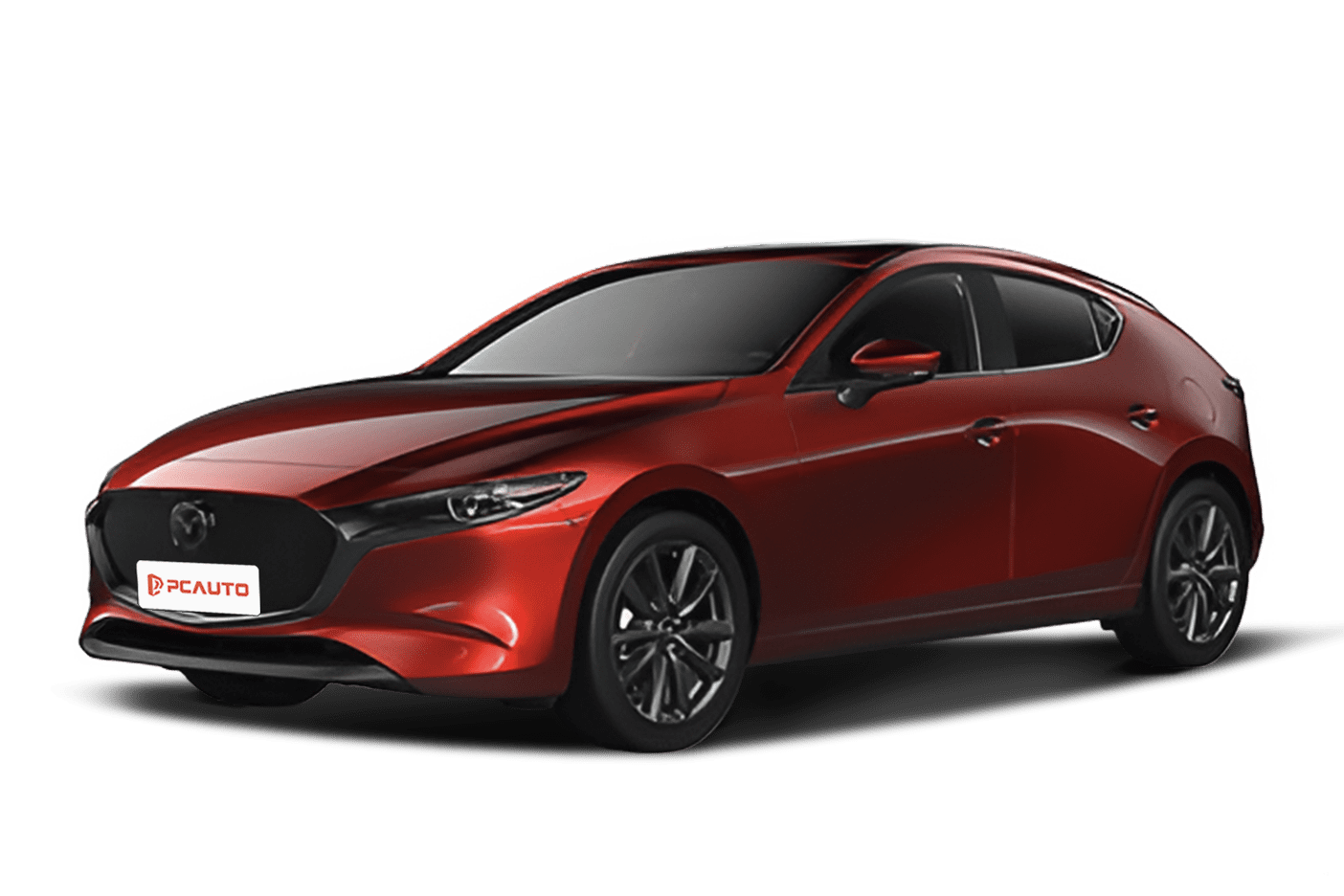
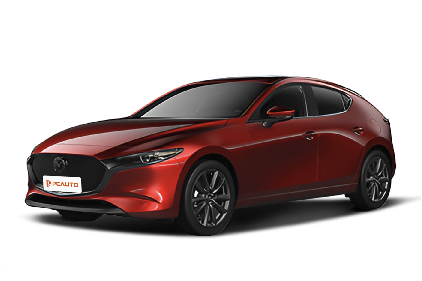
2025 Mazda 3 Hatchback 1.5 L highlights its KODO design, balancing fuel efficiency and practicality. Despite being an entry-level model, it retains core safety features, making it suitable for family users who value design and daily commuting.
6
Rank in Hatchback
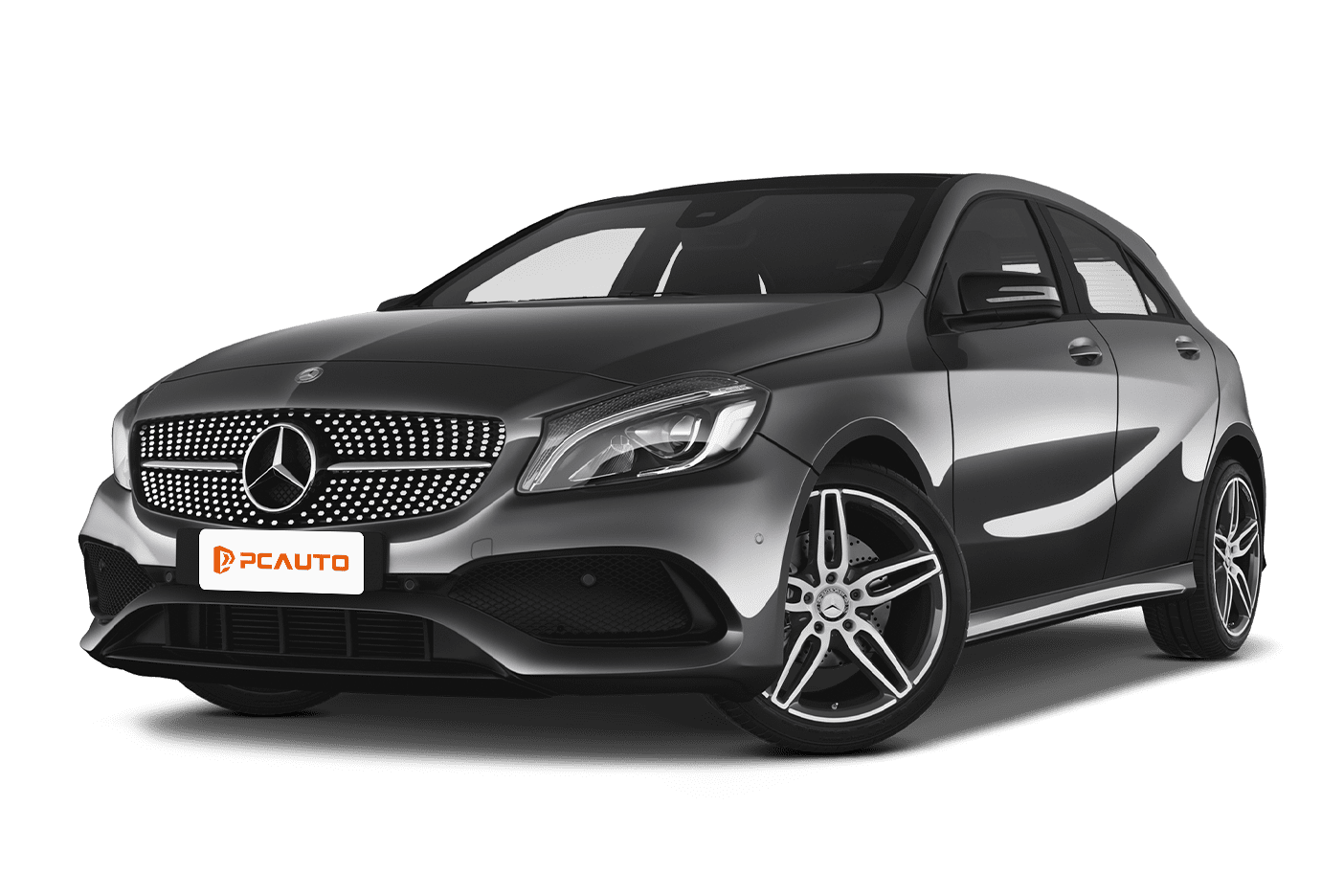
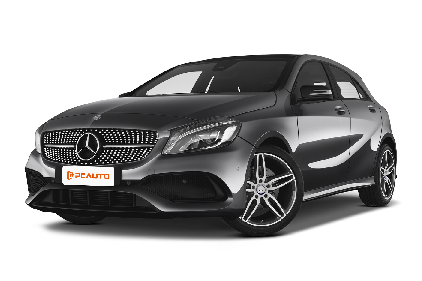
2018 Mercedes-Benz A-Class A200 Progressive Line offers luxurious features such as dual screens at an entry-level price, balanced space, and smooth power, making it a textured choice favored by young families and professionals.

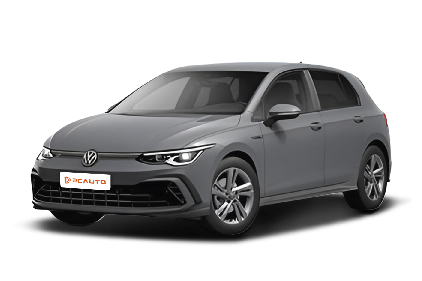
2024 Volkswagen Golf GTI Edition 50, as the anniversary model of the classic performance hatchback, features an upgraded Harman Kardon sound system, a fully digital instrument cluster, and a powerful 2.0T engine, combining driving pleasure with family practicality.