

BMW i3s 2020 Review

 Share
Share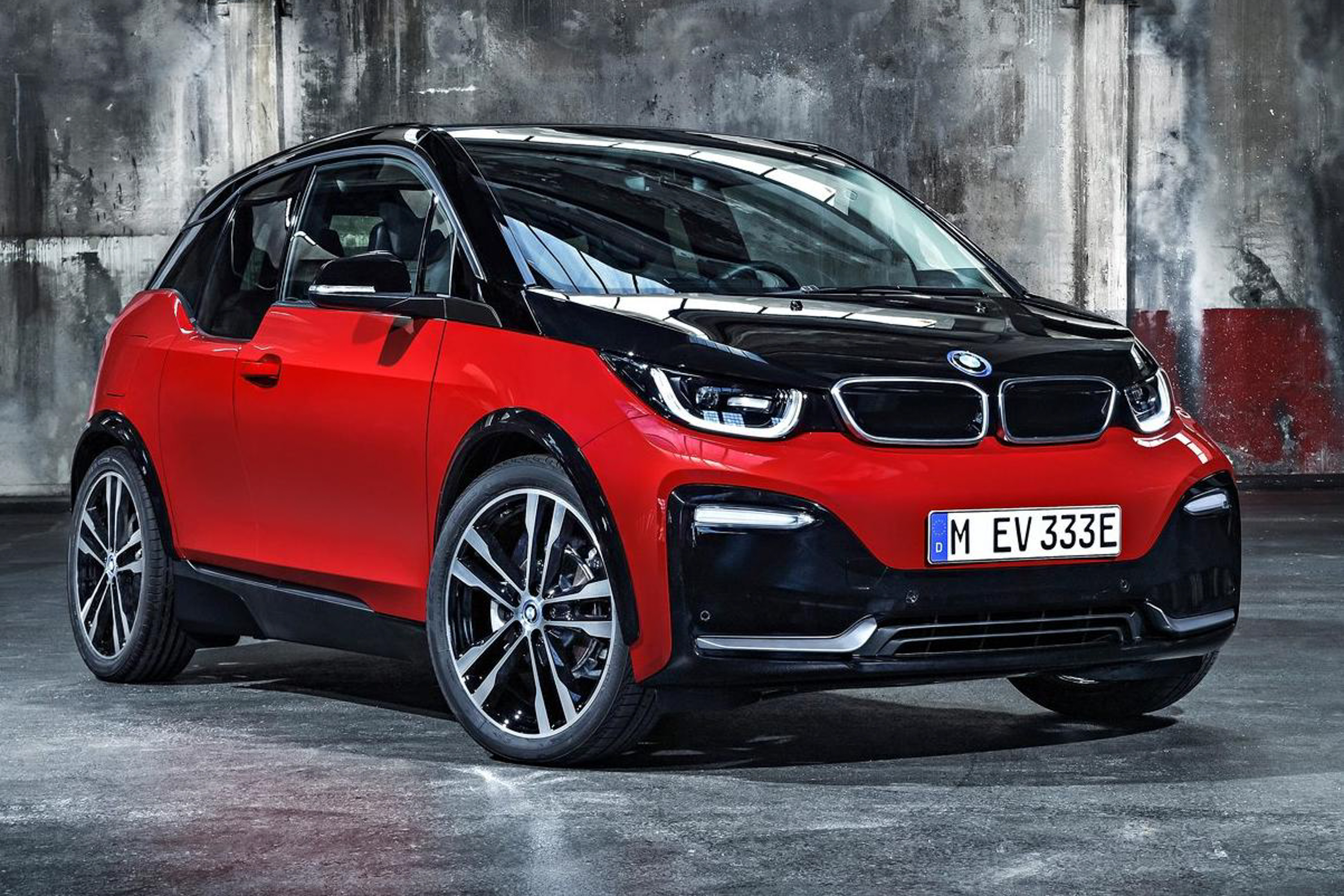
 Segment
 Body Type
 Driven Wheels
 Motor Output(kW)
 Motor Torque(Nm)
 EV Range(km)
In Malaysia's luxury compact EV market, it's not easy to find a vehicle that balances brand appeal, driving pleasure, and everyday practicality. The 2020 BMW i3s, as a pure electric compact representative under the brand, has been a popular choice for users seeking a refined electric experience, thanks to its 187PS power output, rear-wheel-drive layout, and solid configuration list. This time, we got our hands on the actual vehicle to see if it truly lives up to the "luxury compact EV" positioning in terms of static quality, dynamic performance, and daily usability.
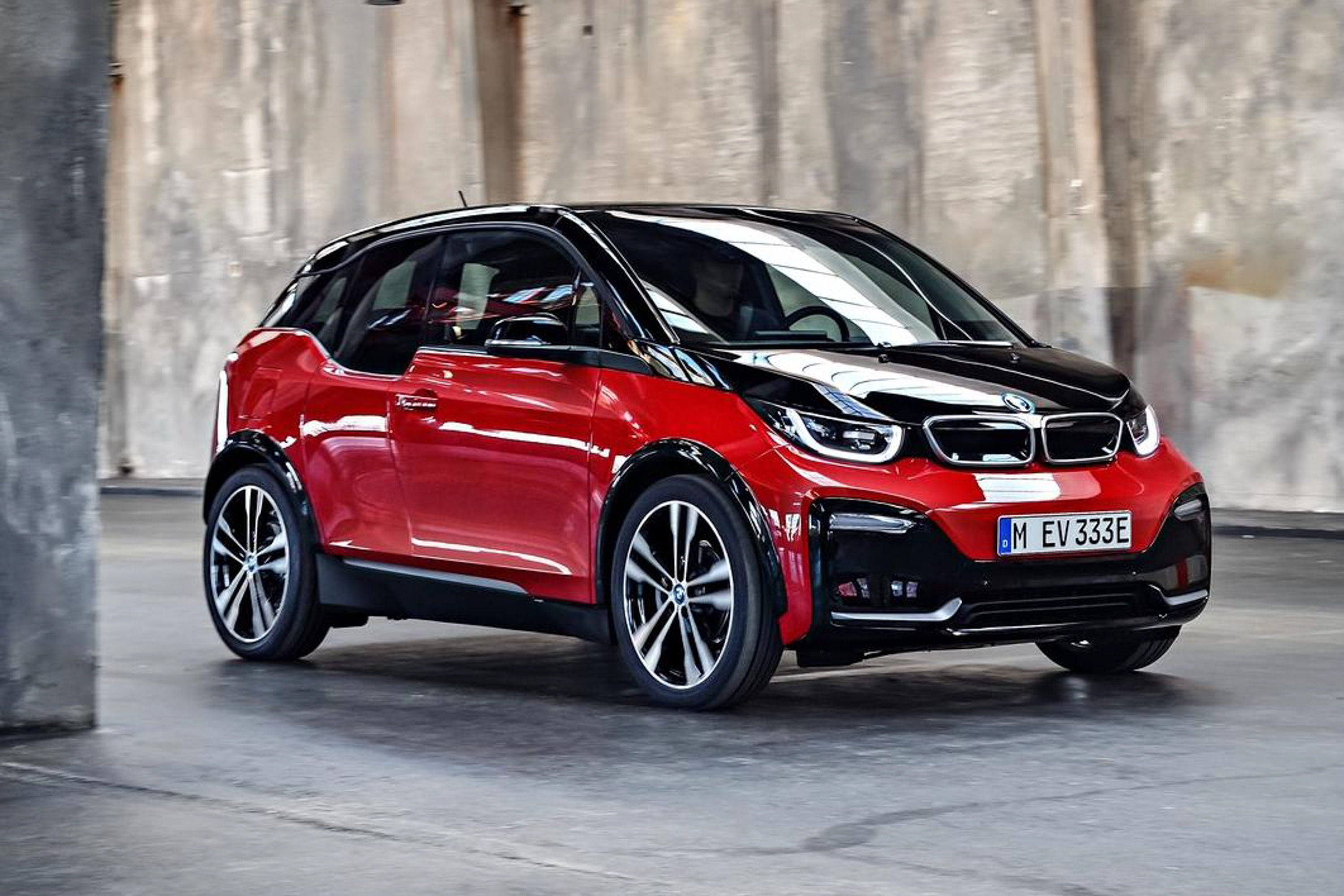
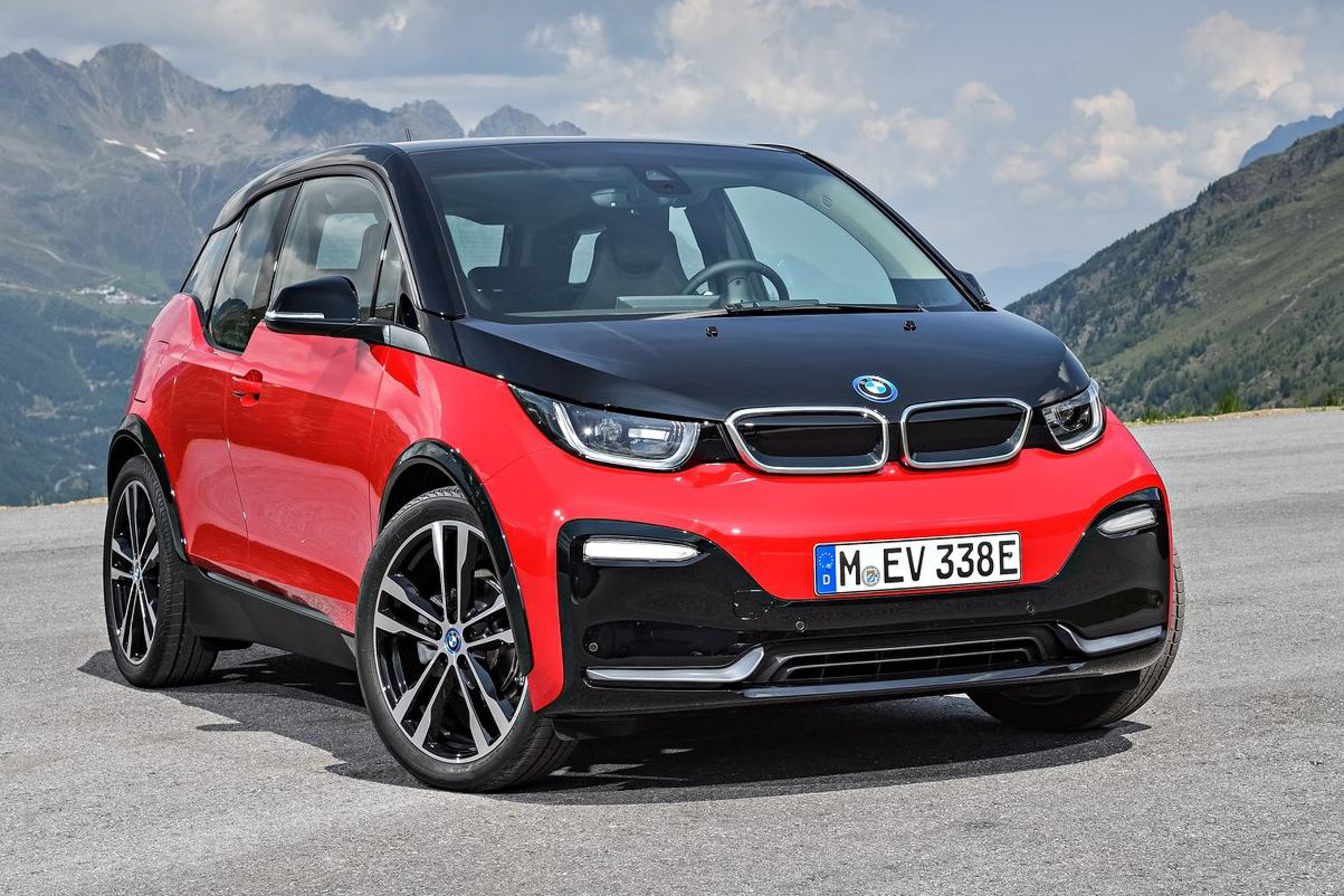
Starting with the exterior, the 2020 i3s continues BMW's unique i-series design language. The overall silhouette is boxy but filled with futuristic details. The front features a closed kidney grille adorned with blue trim along the edges, offering high recognizability. The sharp LED headlamp design, standard LED daytime running lights, automatic headlights, and front fog lights are all included. The side profile is cleanly contoured, with 20-inch large wheels paired with 175/55 R20 front and 195/50 R20 rear wide low-profile tires, enhancing the sporty feel and complementing the rear-wheel-drive layout. The rear design is relatively simple, with LED taillights echoing the front, and a black plastic surround on the lower rear bumper, giving it a compact yet dynamic appearance.
Sitting inside, the interior combines eco-friendly attributes with a luxurious feel seamlessly. The dashboard is made with a lot of sustainable materials, such as panels made from recycled plastics, but they don't feel cheap to the touch. The standard 10.25-inch central screen is moderately sized, and its interface fluidity is up to BMW's usual standards, although it still utilizes an earlier version of the iDrive system, primarily offering basic navigation and Bluetooth connectivity functions. The instrument cluster is fully digital, displaying information clearly and intuitively, such as battery level, range, and power output status in real-time. The multifunction steering wheel feels solid in the hand, with multimedia and phone control buttons conveniently located on the left side.
In terms of space, the body dimensions are 4006mm in length, 1791mm in width, and 1590mm in height, with a wheelbase of 2570mm. As a five-door, four-seater car, the front-row seating space is sufficiently roomy, providing a fist-width of headroom for occupants around 175cm tall. The rear row features a two-seat layout with no middle aisle. The legroom is just enough for passengers around 170cm tall, but headroom is slightly restricted, which may feel a bit cramped on long journeys. The trunk has a capacity of 260 liters, enough to fit two cabin-sized suitcases. The rear seats can be folded in a 50:50 split, providing room for larger items, ensuring decent practicality. Regarding storage details, the space in the central front armrest console and door pockets is not large, but the placement of cup holders and phone slots is well-designed and convenient for daily use.
The power performance is a highlight of the i3s. With a maximum motor power of 187PS and a peak torque of 270Nm (data not specified but standard for i3s), paired with an AT gearbox and rear-wheel drive layout, the acceleration response is immediate at the start. A light press on the accelerator delivers a noticeable push-back feeling, achieving 0-100km/h in 6.9 seconds, which is relatively fast in its class. There are three driving modes to choose from: ECO PRO, COMFORT, and SPORT. In ECO PRO mode, power output is more restrained, making it suitable for daily commutes. In SPORT mode, the throttle sensitivity increases, providing more aggressive acceleration and confidence during overtaking.
In terms of handling, the combination of the MacPherson front suspension and multi-link rear suspension is tuned towards sportiness. The steering wheel is precise with very little play, and body roll is well controlled when cornering, giving a solid sense of confidence. The suspension's absorption of road bumps is not particularly soft, and noticeable vibrations can be felt inside the cabin when passing over speed bumps, but it feels quite resilient overall, aligning with the positioning of a sports car. The chassis feels solid, and the vehicle remains stable at high speeds without any sense of floating.
In terms of range and energy consumption, the i3s has a battery capacity of 33kWh (standard configuration), with an official range of around 280km. In actual tests under urban commuting conditions, energy consumption is approximately 15-17kWh/100km, achieving about 80% of the stated range. Daily commuting usually requires charging once a week, which is generally sufficient. Regarding charging, both fast charging and slow charging are supported. Fast charging can reach 80% in 30 minutes, while slow charging takes about 6 hours, meeting different charging needs.
For driving comfort, the seats are manually adjustable, and both the cushion and backrest provide decent support. However, long drives may cause some discomfort in the lower back. Noise control is well-handled; the electric motor is almost silent at low speeds, while wind and road noise become more noticeable at high speeds but remain within an acceptable range. The energy recovery system offers three levels of adjustment. At the highest level, releasing the accelerator results in a significant drag effect, much like braking, which effectively extends the range. At the lowest level, the feeling is similar to coasting in a fuel-powered car and becomes very intuitive after getting used to it.
In terms of safety features, the i3s comes standard with six airbags, ABS, electronic stability control, automatic emergency braking, and forward collision warning. For parking assistance, it is equipped with front and rear parking sensors and a reversing camera, making it very user-friendly for beginners. For passive safety, the car body uses a large amount of high-strength steel and has excellent crash test results, providing ample protection for passengers.
Compared to rivals in the same segment, such as the Tesla Model 3 Standard Range and Audi Q2L e-tron, the i3s stands out with its unique brand appeal and driving pleasure, although its range and space are slightly less competitive. However, its relatively friendly price of RM 268,824 makes it a strong competitor among luxury compact electric cars, and it comes with fairly comprehensive features. It is suitable for users who value driving quality and brand appeal.
In conclusion, the 2020 BMW i3s is a car with clear strengths and weaknesses. Its powerful performance, precise handling, prestigious brand, and solid features are its highlights, while its limited rear space and average range are its drawbacks. If you're someone who values driving pleasure, aspires to a refined lifestyle, or needs a daily commuter car for city driving, all while having high standards for brand quality, the i3s is a good choice. It's not a car ideal for family trips, but as a first electric car for an individual or a young couple, it's definitely appealing.
BMW i3s Car Compare
BMW i3s Loan Calculator
Cars With Similar Price And Features

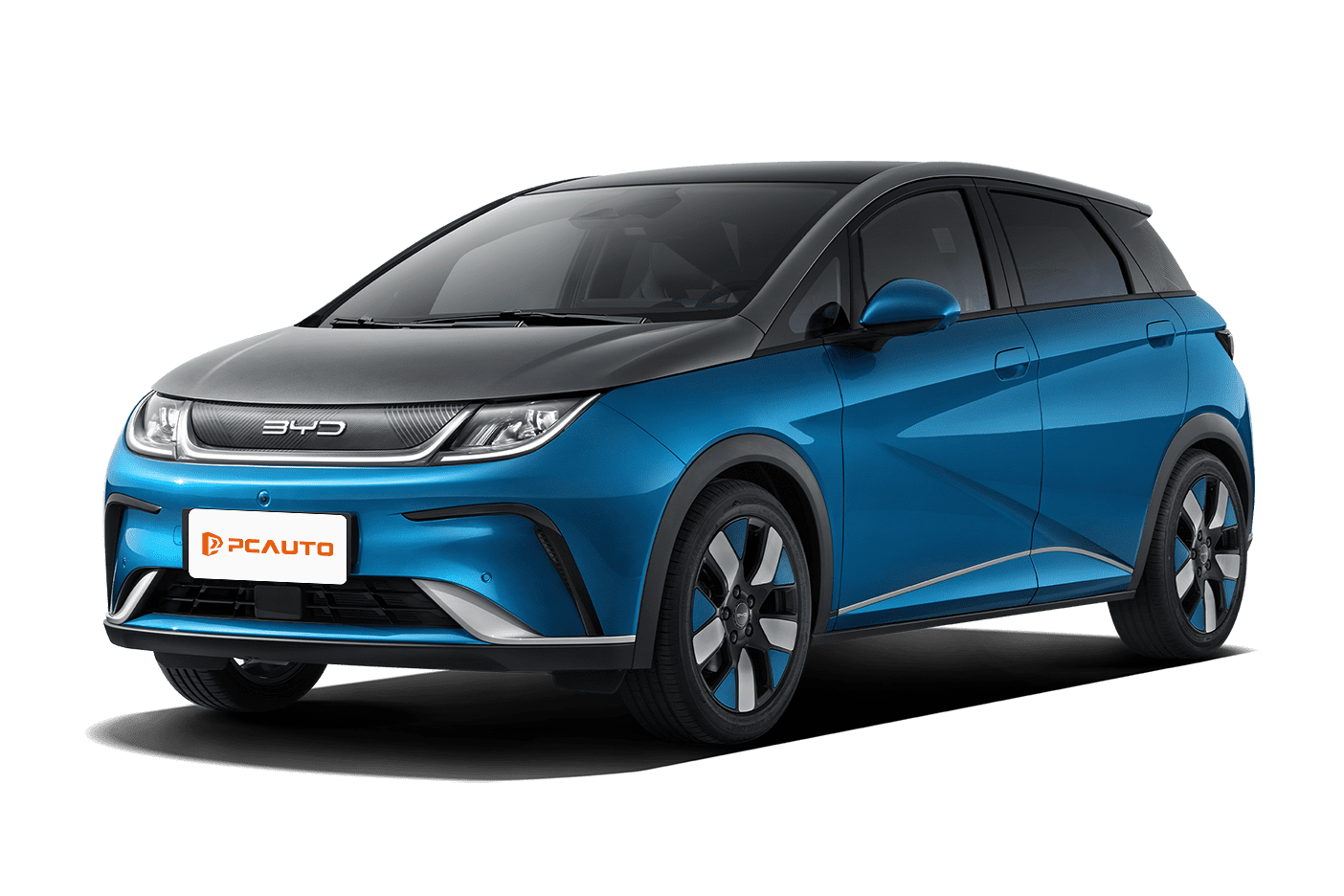
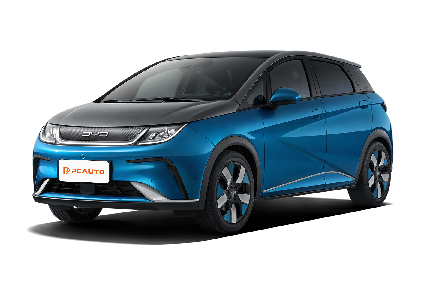
2023 BYD Dolphin Dynamic Standard, as a high-value B-class electric entry-level model, features a 410km range, L2 assisted driving, and a rotatable central control screen, balancing practicality and intelligence, suitable for family commuting.
7
Rank in Hatchback
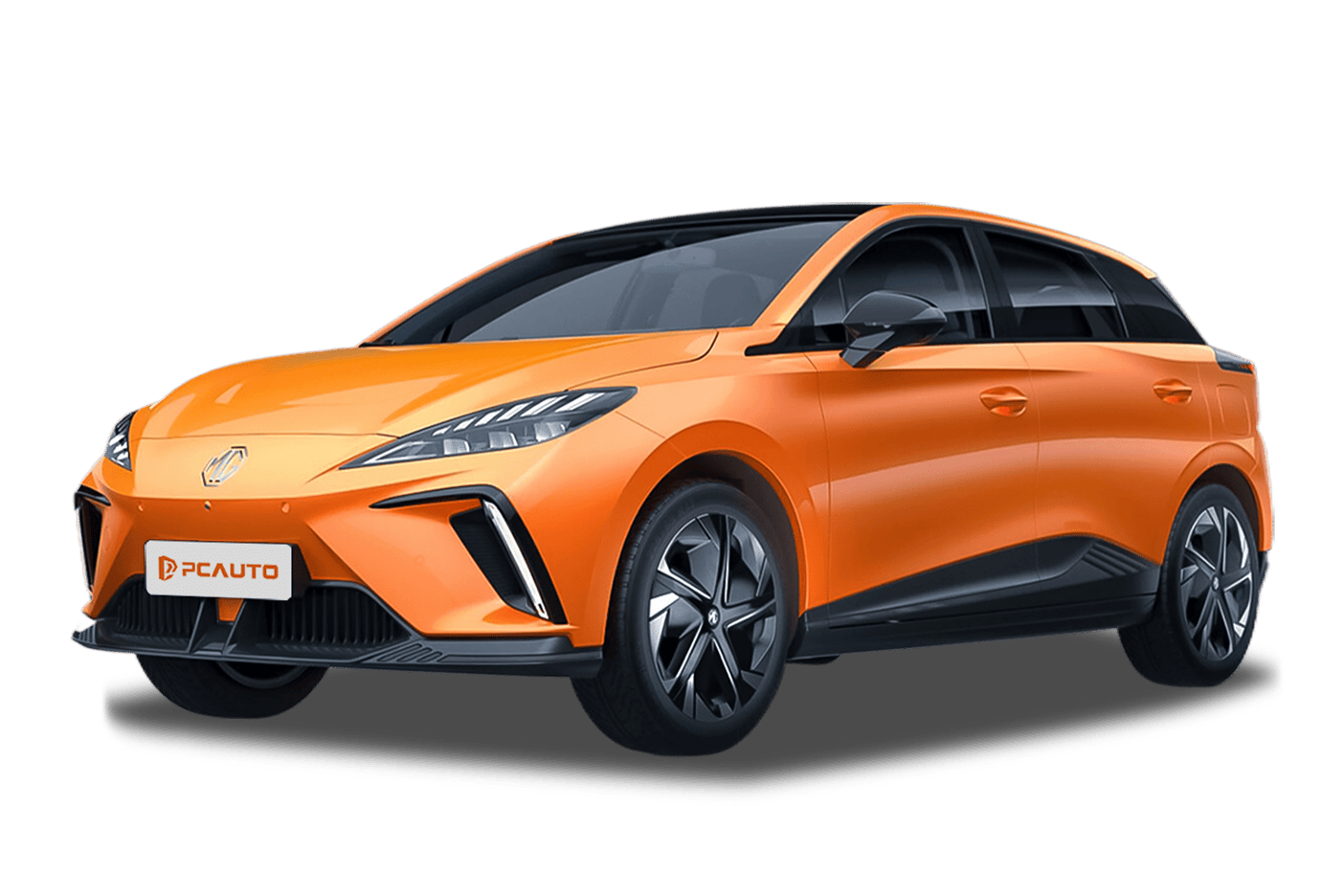
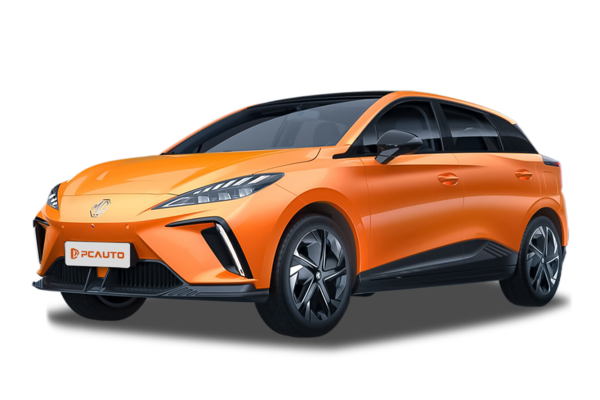
2024 MG4 Standard is a high-value pure electric hatchback, featuring a long wheelbase with spacious interior, comprehensive basic configurations, and rear-wheel-drive driving characteristics, designed to meet the core needs of family commuting.
11
Rank in Hatchback
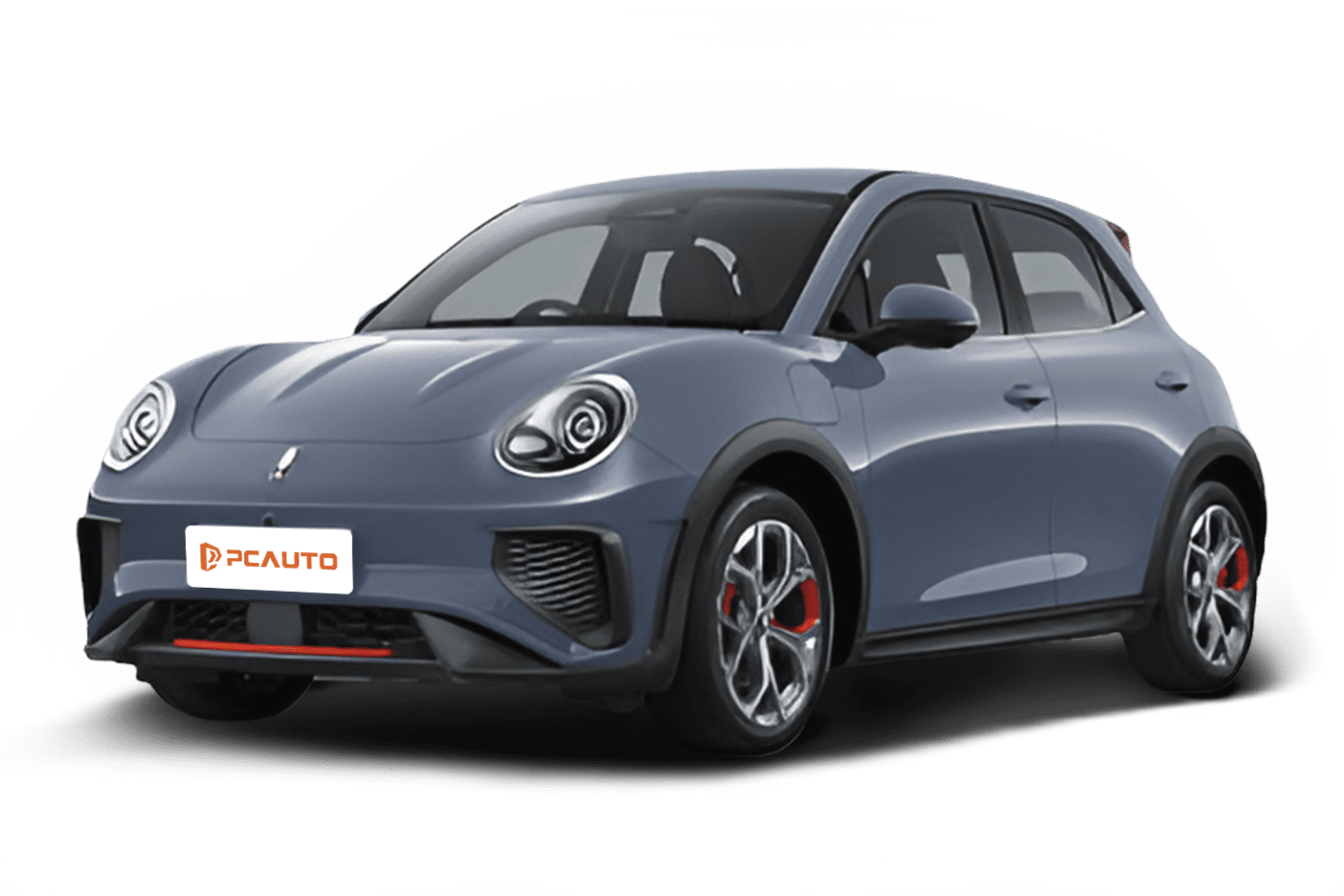
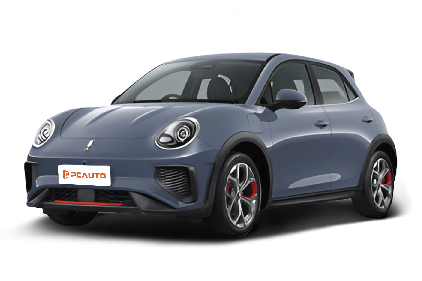
2025 ORA Good Cat Ultra features a retro design for distinctiveness, paired with a 480km range, rich intelligent safety configurations, and practical space, making it a cost-effective B-class electric commuting choice.

2023 Renault Zoe R110 is a B-segment pure electric vehicle, offering class-leading safety features, a comfortable driving experience, and a range of 395km, meeting daily commuting and weekend travel needs.