

Chery Maxime 2.0 CVT Premium (2015) Review

 Share
Share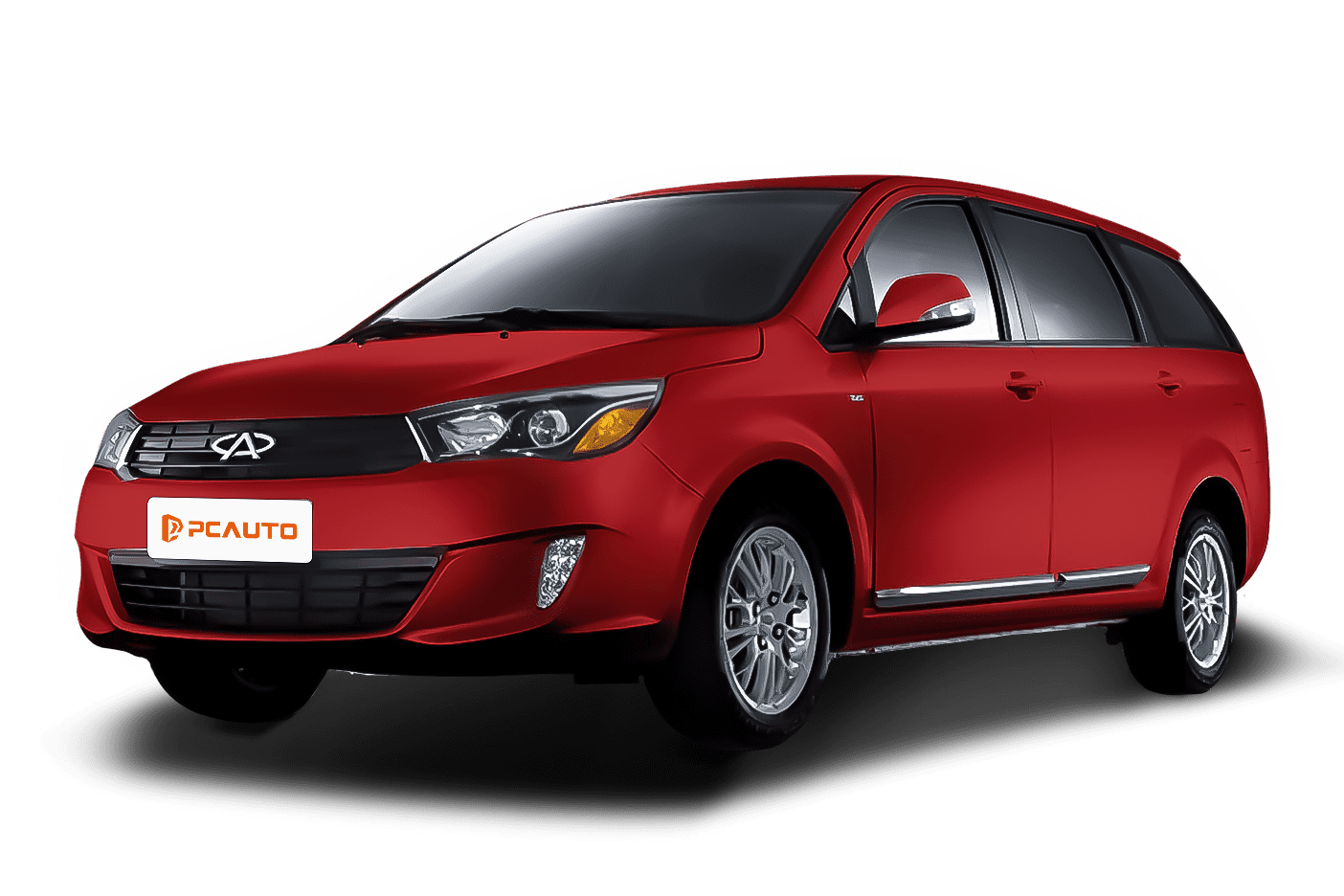
 Segment
 Body Type
 Capacity(L)
 Engine Power(PS)
 Transmission
 Driven Wheels
In Malaysia's C-segment passenger car market, 7-seater models have always been a popular choice for family users—they need to meet daily commuting needs and also cater to weekend outings with kids. The Chery Maxime 2.0 CVT Premium (2015 model), as one of the early entrants in this niche market, emphasizes the combination of spacious interiors and practical features. This time, we got our hands on the actual vehicle, and the main goal is to test whether its space performance can truly meet the needs of a multi-member family, as well as its power and handling during daily use.
The exterior design of the Maxime leans towards a steady, family-oriented style, with overall smooth lines and not too many aggressive design elements. The front features the Chery family-style horizontal grille, paired with halogen+LED combination headlights on both sides. Daytime running lights come as standard, offering decent recognition when illuminated. The side profile of the car showcases straight lines stretching from the front to the rear, ensuring adequate headroom for the rear and third-row seats. At the back, the two tail lamps are connected by a chrome strip, and the rear fog lights are positioned below the bumper. The overall design is conventional, matching the positioning of a family car.
Once inside, the interior features a dark color scheme, with a simple layout for the dashboard. The upper section is made of hard plastic materials, while the lower part has a small amount of soft-touch material, which offers average touch quality but should be reasonably durable. The instrument panel is a backlit mechanical design, offering clear readability. A multi-functional steering wheel comes as standard, with controls for audio and Bluetooth calls located on the left side, providing fairly smooth operation. The central console does not feature a large touchscreen and retains physical buttons and dials; while it may lack a modern tech feel, it is convenient for blind operation. In terms of configuration, the biggest highlight is the 220V/230V power outlet, which is very practical for family users needing to connect external electrical appliances. Keyless entry and start, as well as electrically folding rearview mirrors, are also included, enhancing daily user convenience.
Space is the core advantage of the Maxime. Its body dimensions are 4730mm×1823mm×1590mm, with a wheelbase reaching 2800mm, placing it at the upper level among vehicles in the same 7-seater segment. The front row seats are manually adjustable, offering average wrapping but sufficient support. For passengers around 175cm tall, headroom and legroom are both ample. The second-row seats support a 60:40 split folding design, with around two fist-widths of legroom. The nearly flat floor allows seating for three people without feeling overly crowded. The third-row seats support a 50:50 split folding design, suitable for passengers below 165cm for short trips; however, it might feel cramped for longer journeys. As for storage space, the trunk space in its standard configuration is not very large, but folding down the third-row seats can create a significantly expanded cargo area, enough to accommodate a baby stroller or suitcases. Rear air conditioning comes as standard and allows independent temperature adjustment, ensuring comfort for rear passengers.
As for the powertrain, the Maxime is equipped with a 2.0L naturally aspirated engine, delivering a maximum output of 138PS and a peak torque that comes at 4300rpm. It is paired with a CVT transmission, providing smooth power delivery during daily driving. The initial acceleration is not particularly spirited, but there is a noticeable power release after the rpm surpasses 2000, making city commuting and overtaking generally sufficient. At highway speeds, accelerating further beyond 100km/h will make the power reserves feel somewhat lacking, requiring a heavier throttle input for noticeable acceleration. There are only two driving modes available: Eco and Normal. In Eco mode, the throttle response becomes gentler, suitable for fuel-efficient daily driving.
The handling performance leans towards comfort, with a light steering effort and slightly notable slack, making it suitable for city driving but with average precision. The suspension system consists of a front MacPherson independent suspension, while the rear suspension, though not explicitly specified in data, feels relatively soft in actual performance. It manages to filter out most minor vibrations when driving over speed bumps or bumpy roads, providing good comfort for rear passengers. However, during cornering, the body leans noticeably, requiring controlled speed. In terms of braking, both the front and rear feature ventilated disc brakes. The brake pedal feedback is linear, and the braking distance is at a normal level for vehicles in its class.
In the fuel consumption test, we drove 50km each in urban traffic and highway conditions with the air conditioning on throughout. The final combined fuel consumption was approximately 9.2L/100km, slightly higher than the official 7.7L/100km, primarily due to higher fuel consumption in urban traffic, which reached 10.5L/100km. On the highway, fuel consumption was about 7.8L/100km, which aligns with the performance of the 2.0L naturally aspirated engine.
In terms of driving comfort, the seat padding is relatively firm but offers decent support, so it's not too tiring for long-distance travel. Noise control is average, with wind and tire noise becoming more noticeable at speeds exceeding 80km/h, especially tire noise. The 205/55R16 tires generate quite a bit of noise on rough roads. The 6-speaker audio system offers mediocre sound quality, sufficient for daily radio or music listening needs.
In summary, the core advantages of the Chery Maxime 2.0 CVT Premium (2015 model) lie in its spacious 7-seater configuration, practical features (such as a 220V power outlet and rear air conditioning), and a long warranty of 5 years/150,000 kilometers. Compared to other vehicles in its class, its space performance surpasses some competitors, and its features are more tailored to the needs of family users. However, its shortcomings include its less impressive power and interior quality. This vehicle is suitable for budget-conscious families looking for around 90,000 MYR and prioritizing space practicality, especially those needing to frequently carry 6-7 people for short trips. If you're seeking power and a sense of technology, it may not be the best choice. However, if it's for daily commuting and meeting the travel needs of a large family, the Maxime is a practical choice.
Chery Maxime Loan Calculator
More Chery Reviews
Cars With Similar Price And Features
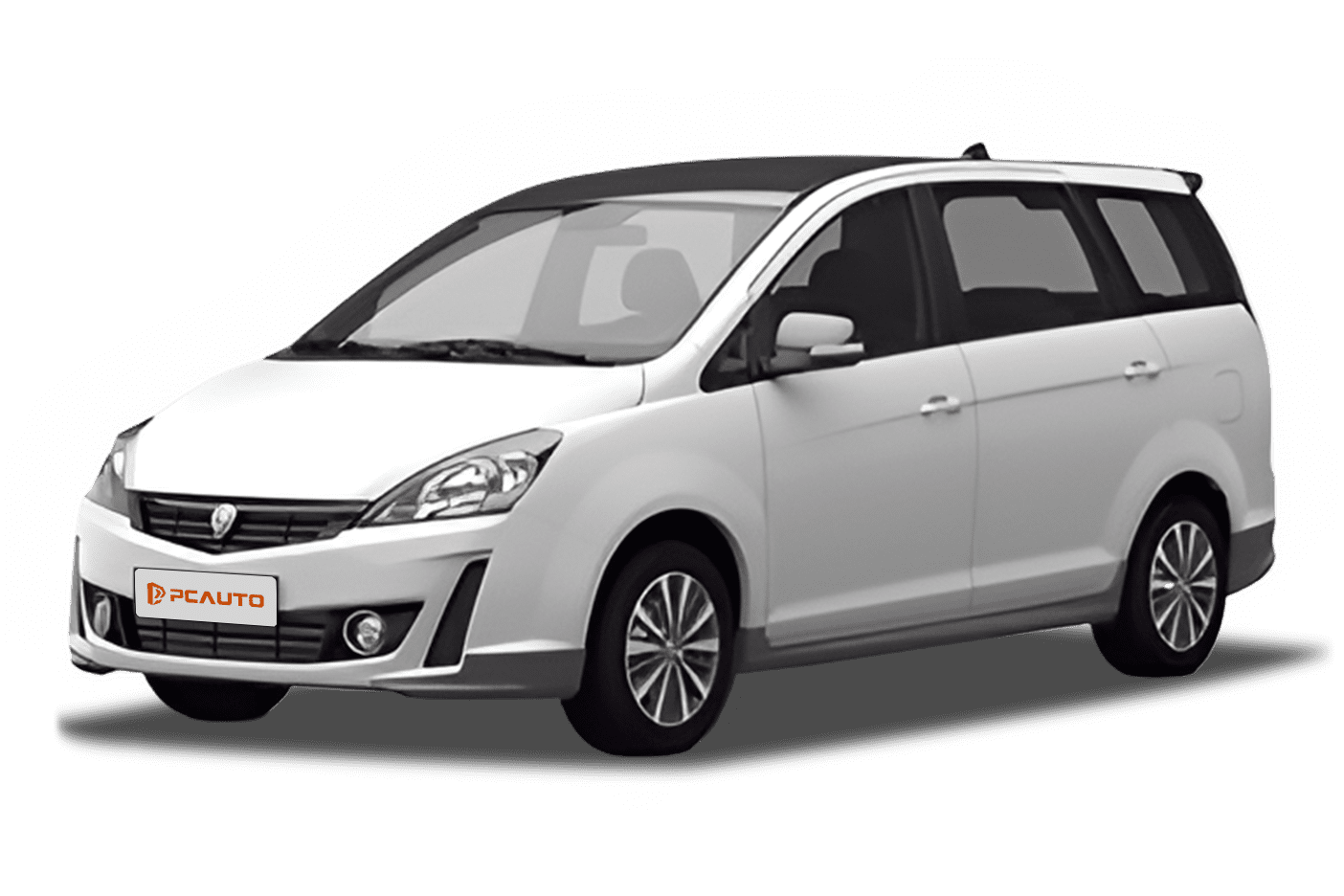
2022 Proton Exora 1.6T Executive CVT is a 7-seater MPV designed for family users, focusing on balanced space practicality, basic configurations, and high cost-effectiveness to meet daily household needs.
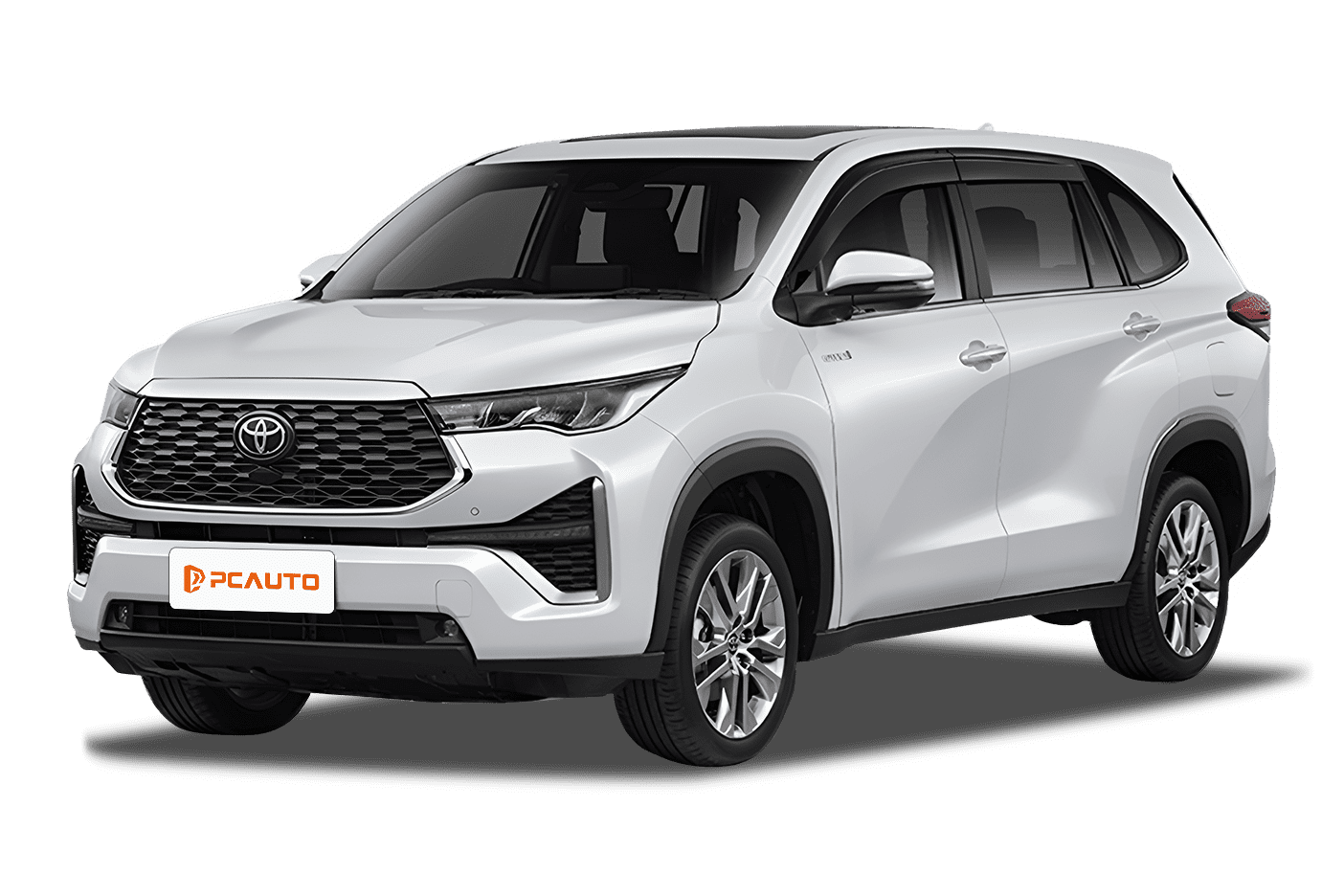
2023 Toyota Innova Zenix 2.0 V (Dynamic Force engine) is a spacious, practical, fuel-efficient, and cost-effective 7-seater family MPV, suitable for family users who value comfort and durability.