

Ferrari 296 2022 Review

 Share
Share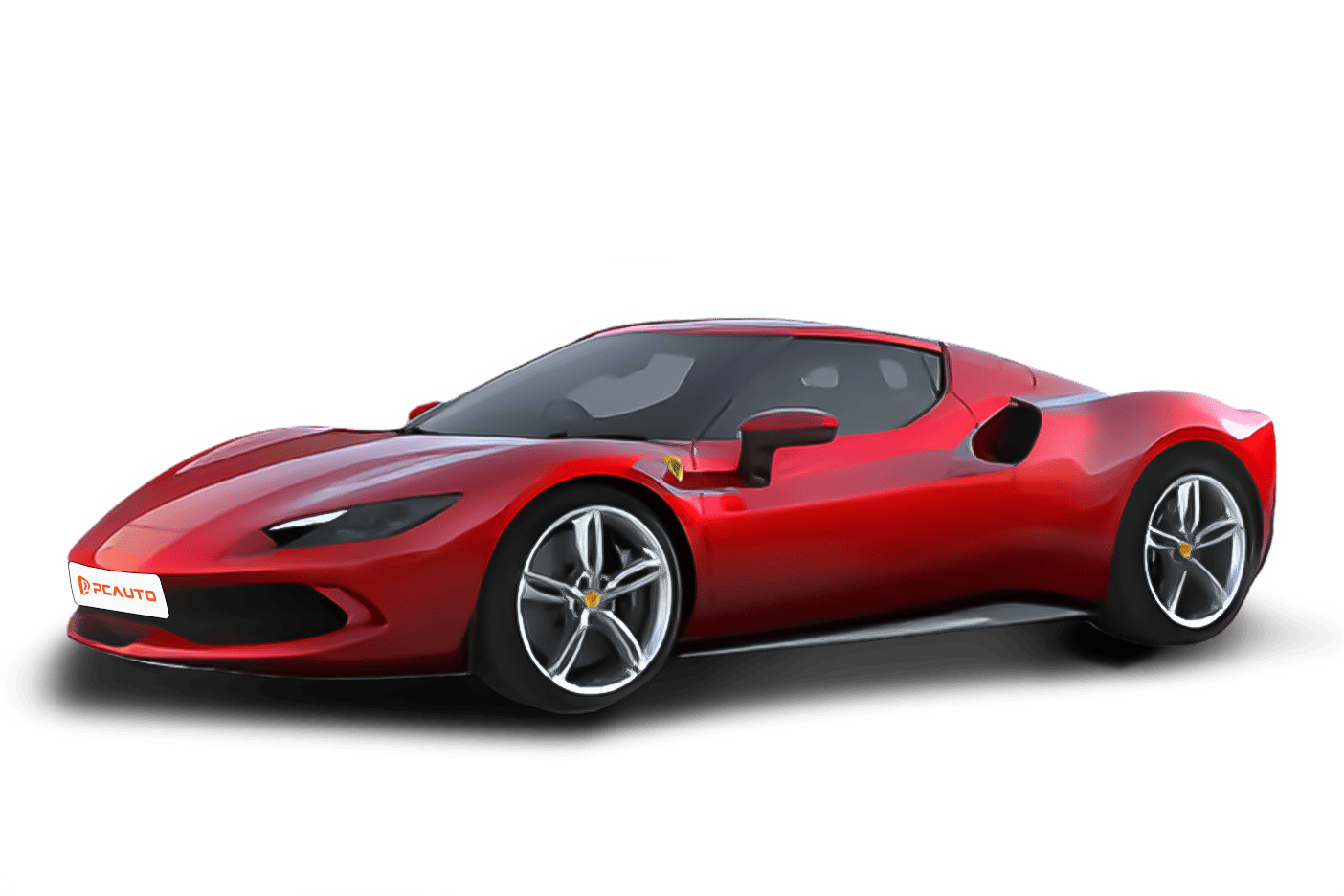
 Segment
 Body Type
 Capacity(L)
 Engine Power(PS)
 Transmission
 Driven Wheels
As the supercar market begins to transition towards hybridization, the Ferrari 296 GTS V6, as a convertible model equipped with a V6 hybrid system under the brand, precisely meets the high-end user demands for performance and driving ritual. It not only continues the core advantage of the 296 series with a comprehensive power output of 830PS but also offers the unique experience of a convertible supercar through its retractable hardtop design. In this test drive, we will focus on two core aspects: whether the dynamic performance remains pure in the convertible state and how practical the hybrid system is in daily use and on the track.
From a distance, the overall silhouette of the 296 GTS is similar to that of the hardtop GTB, with sleek fastback lines extending to the rear, maintaining the classic proportions of Ferrari’s mid-engine supercars. The front features a low shark-nose design, with LED headlights embedded in blackened air intakes on either side, aligning with the active aerodynamic components below the front bumper for high recognition. On the car’s side, the most striking feature is the "aero bridge" aerodynamic channel located above the rear wheel arches, designed to guide airflow through the body and improve high-speed stability. The active rear spoiler automatically deploys at speeds above 150km/h, enhancing downforce with the diffuser; while the taillights adopt Ferrari's iconic dual circular design, contrasting with the minimalist rear bumper. When the soft top button on the center console is pressed, the hardtop structure opens and closes within 14 seconds. The process is smooth and noise-free, and when folded, it occupies only a small space above the trunk, without excessively compromising storage capacity.
Inside, the 296 GTS continues the brand's recent "driver-centric" layout, with all core control buttons concentrated on the steering wheel, including driving mode selection, paddle shifters, suspension adjustments, and other functions. The 16-inch all-digital curved instrument panel can switch display styles according to the driving mode—blue as the primary color in pure electric mode and red in hybrid mode. The central control area features a 7-inch touchscreen supporting CarPlay and Bluetooth connectivity, with a simple and intuitive operation. The seats are made of carbon fiber wrapped in Alcantara fabric, providing excellent lateral support, along with electric adjustment and lumbar support functions, ensuring comfort even during long drives. The interior materials primarily consist of carbon fiber, leather, and Alcantara, while the yellow stitching (optional) echoes the Ferrari logo in the details, striking a perfect balance between luxury and sportiness.
As a two-seater supercar, the seating space of the 296 GTS fully meets the needs of adults, with ample headroom and legroom for passengers up to 180cm tall. In terms of storage capacity, the front trunk can accommodate a 20-inch carry-on suitcase, and the door-side pockets can hold a phone and wallet, which is adequate for short daily trips. A small storage compartment below the center console can also hold keys or other small items.
The powertrain of the 296 GTS consists of a 3.0T V6 twin-turbocharged engine paired with a rear-axle electric motor, delivering a total output of 830PS and a peak torque of 740N·m, matched with an 8-speed DCT dual-clutch transmission. In pure electric mode, the motor alone can drive the vehicle for 25km with a top speed of 135km/h, making it suitable for short urban commutes. In hybrid mode, the engine and motor work together, with the motor providing instant torque during startup, achieving 0-100km/h acceleration in just 2.9 seconds, identical to the hardtop GTB version. When switched to "Race" mode, the engine remains active at all times, and the power response becomes exceptionally sharp. When stepping on the accelerator, the high-pitched and rhythmic roar of the V6 engine (optimized by the active exhaust system) rivals that of traditional V8 models. Even in the convertible state, the engine's roar is clearly audible at speeds below 80km/h, while wind noise gradually increases beyond 100km/h but does not affect normal conversation.
In terms of handling, the 296 GTS is equipped with a front double-wishbone and rear multi-link independent suspension, paired with Ferrari's Dynamic Enhancer (FDE), delivering precise and stable cornering performance. The steering wheel offers moderate resistance with minimal slack, providing direct feedback from the road with every turn. When driving on mountain roads, the suspension effectively filters out minor bumps while maintaining sufficient support, keeping body roll to a minimum during cornering. The braking system uses carbon-ceramic brake discs, offering linear and consistent braking force without thermal fade even after multiple hard stops. As a convertible model, the body rigidity of the 296 GTS has been improved by 5% compared to the GTB, ensuring no body twisting or abnormal noises at high speeds, with overall performance nearly identical to the hardtop version.
In terms of fuel consumption, the official combined fuel consumption is 6.6L/100km. In actual tests, urban congested routes (in hybrid mode) showed a consumption of about 8.2L/100km, while highway cruising (at speeds of 120km/h) reduced consumption to 5.8L/100km, which is excellent for a supercar. In pure electric mode, the actual range is approximately 22km, sufficient for short commutes. The wind noise control with the convertible top down is commendable, and at speeds below 120km/h, wind resistance around the head and shoulders is effectively diverted to the sides of the car, avoiding any noticeable "wind blast" sensation.
Overall, the 296 GTS V6 offers three core advantages: first, a perfect balance between convertible design and performance, maintaining pure driving quality even after the hardtop is retracted; second, the hybrid system accommodates both daily practicality and track performance, with fuel efficiency surpassing that of traditional gasoline-powered supercars in its class; third, the interior's technological features and luxurious feel surpass those of previous models, better aligning with modern user demands. Compared to its competitors, it boasts more power than the McLaren Artura Spider and more brand exclusivity than the Porsche 911 Turbo S Cabriolet.
This car is best suited for two types of users: the first are supercar enthusiasts who value the driving ceremony, as the convertible design offers an unparalleled driving experience on mountain roads or coastal highways; the second are high-end users who need a daily commuter vehicle, as the hybrid system's pure electric mode meets the needs of short city trips without frequent refueling.
In conclusion, the 296 GTS V6 is not just a "convertible supercar," but Ferrari's new interpretation of driving pleasure in the hybrid era—it proves that environmental consciousness and performance are not contradictory, and that convertibles and handling can coexist perfectly.
Ferrari 296 Loan Calculator
More Ferrari Reviews
Cars With Similar Price And Features
2
Rank in Coupe
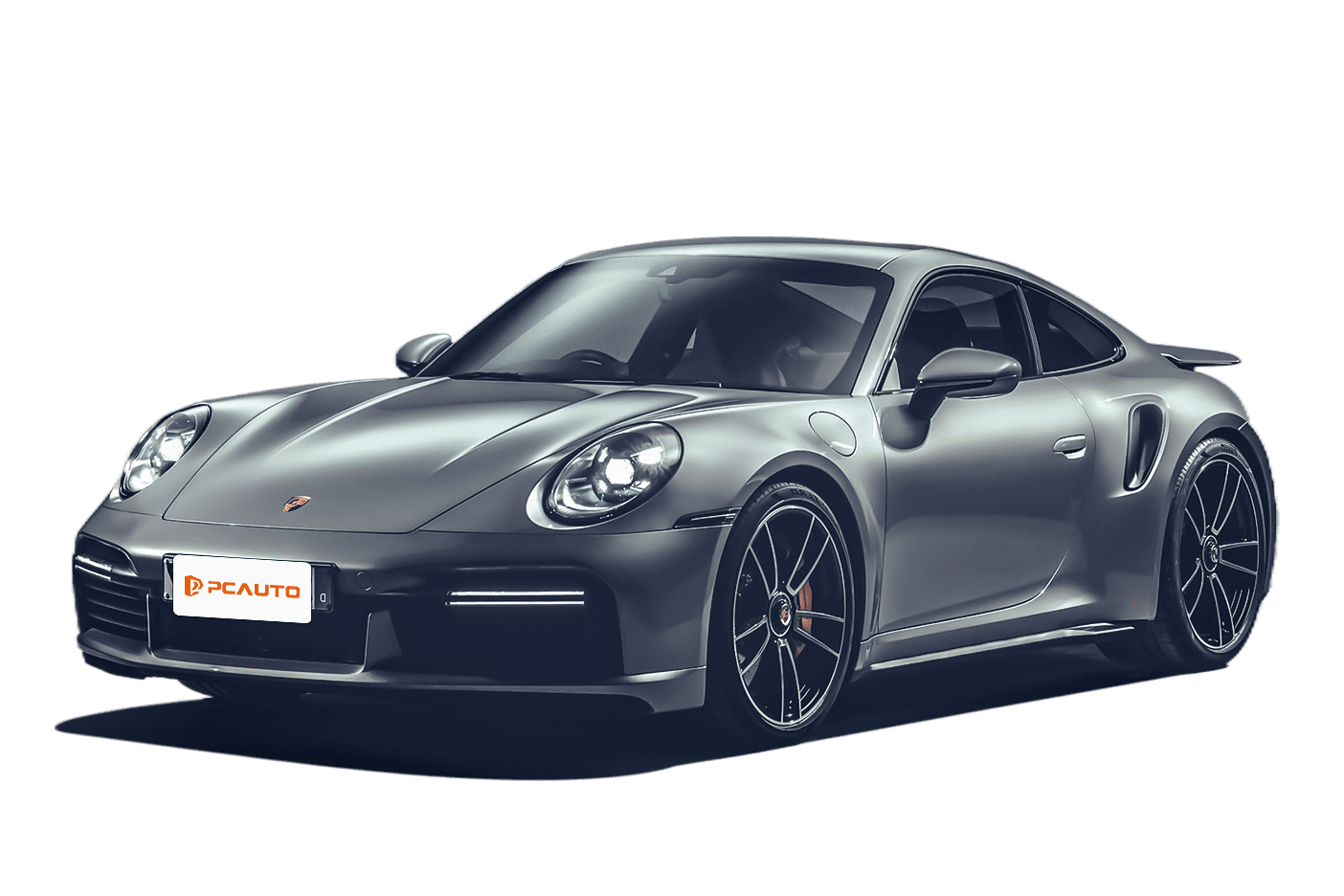
The 2025 Porsche 911 Carrera, as a classic entry-level coupe, features a 0-100 km/h acceleration in 3.9 seconds with its 3.0T+PDK performance, combining practical daily configurations and iconic design to balance track excitement with commuting convenience.
10
Rank in Coupe

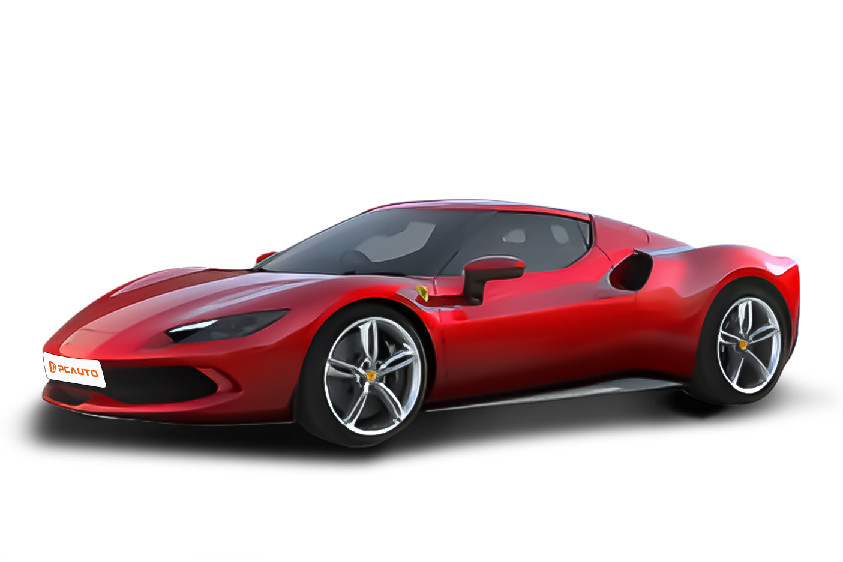
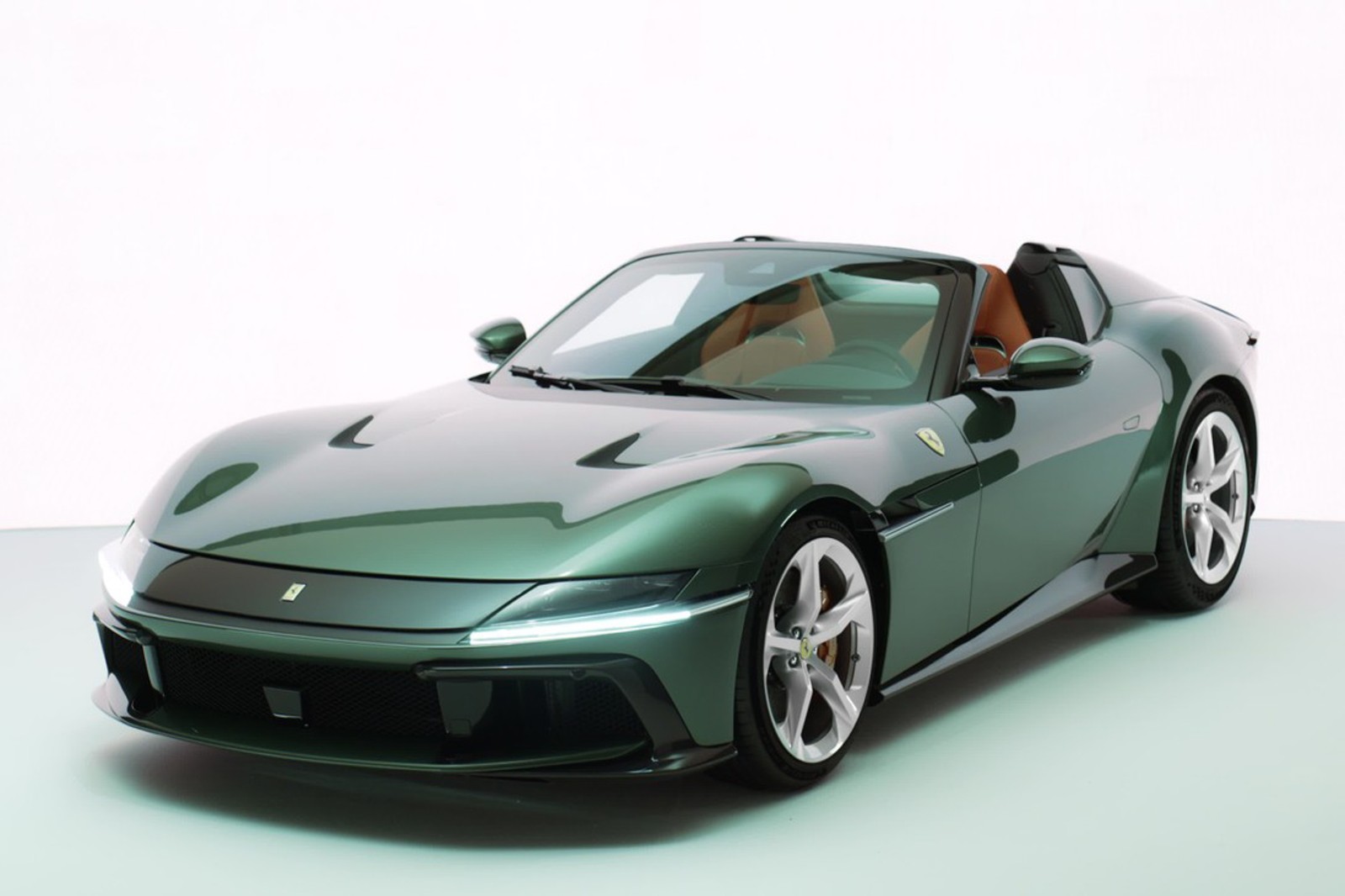
2021 Ferrari SF90 Spider, as the brand's first mass-produced plug-in hybrid convertible supercar, offers a 2.5-second 0-100 km/h acceleration, a 14-second retractable hardtop, and adaptability to multiple scenarios, balancing extreme driving pleasure with practicality.