
Ferrari 12 Cilindri 2024 Review

 Share
Share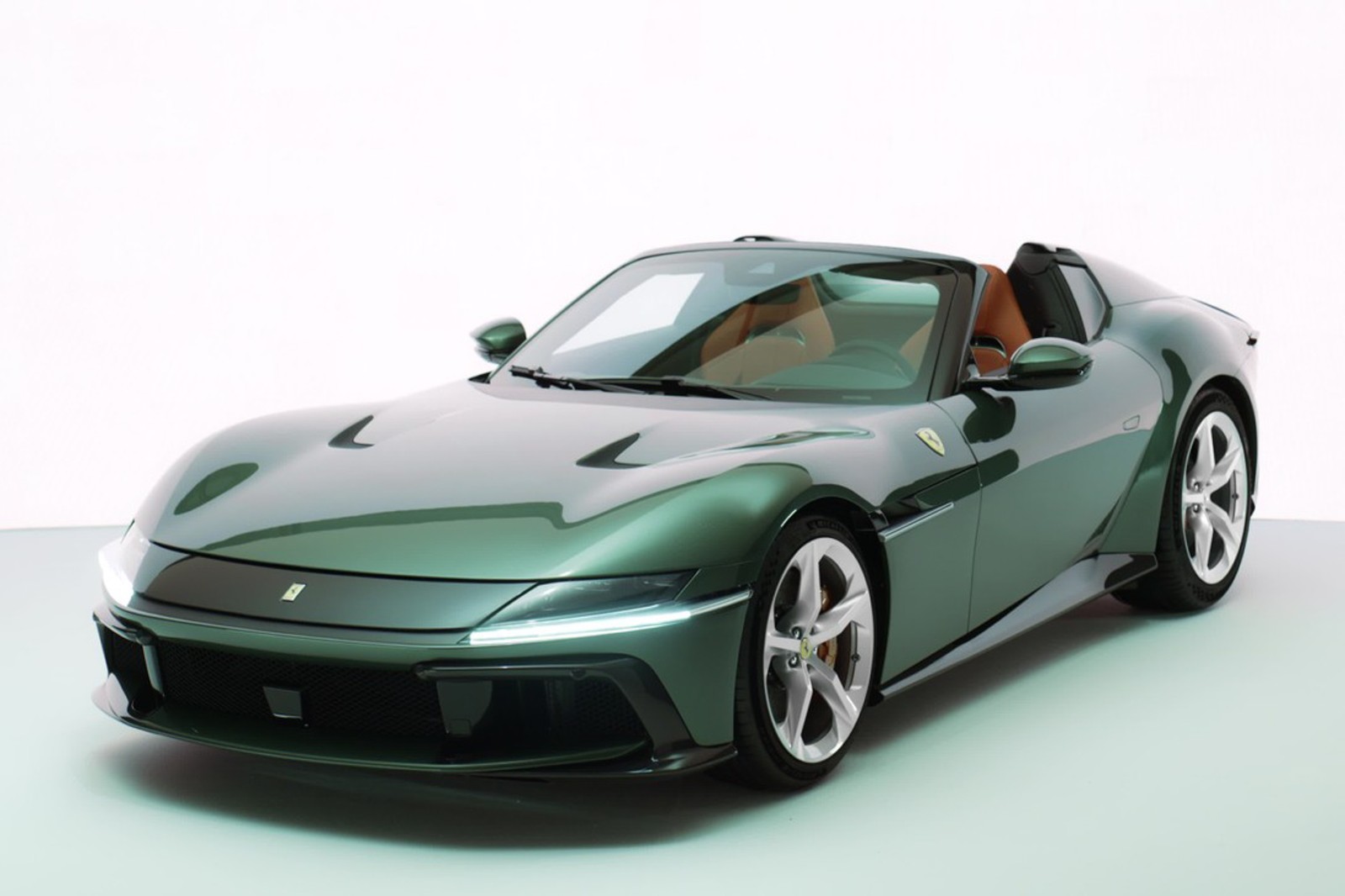
 Segment
 Body Type
 Capacity(L)
 Engine Power(PS)
 Engine Torque(Nm)
 Transmission
The current supercar market is in a transitional period between electrification and traditional large-displacement engines, and models with pure naturally aspirated V12 engines are becoming increasingly rare. The Ferrari 12 Cilindri 2024 takes "adhering to large-displacement naturally aspirated engines" as its core selling point, targeting supercar enthusiasts who are obsessed with the pure driving experience. This review will focus on its static design, dynamic performance, and daily practicality to see how it stands in the modern supercar market.
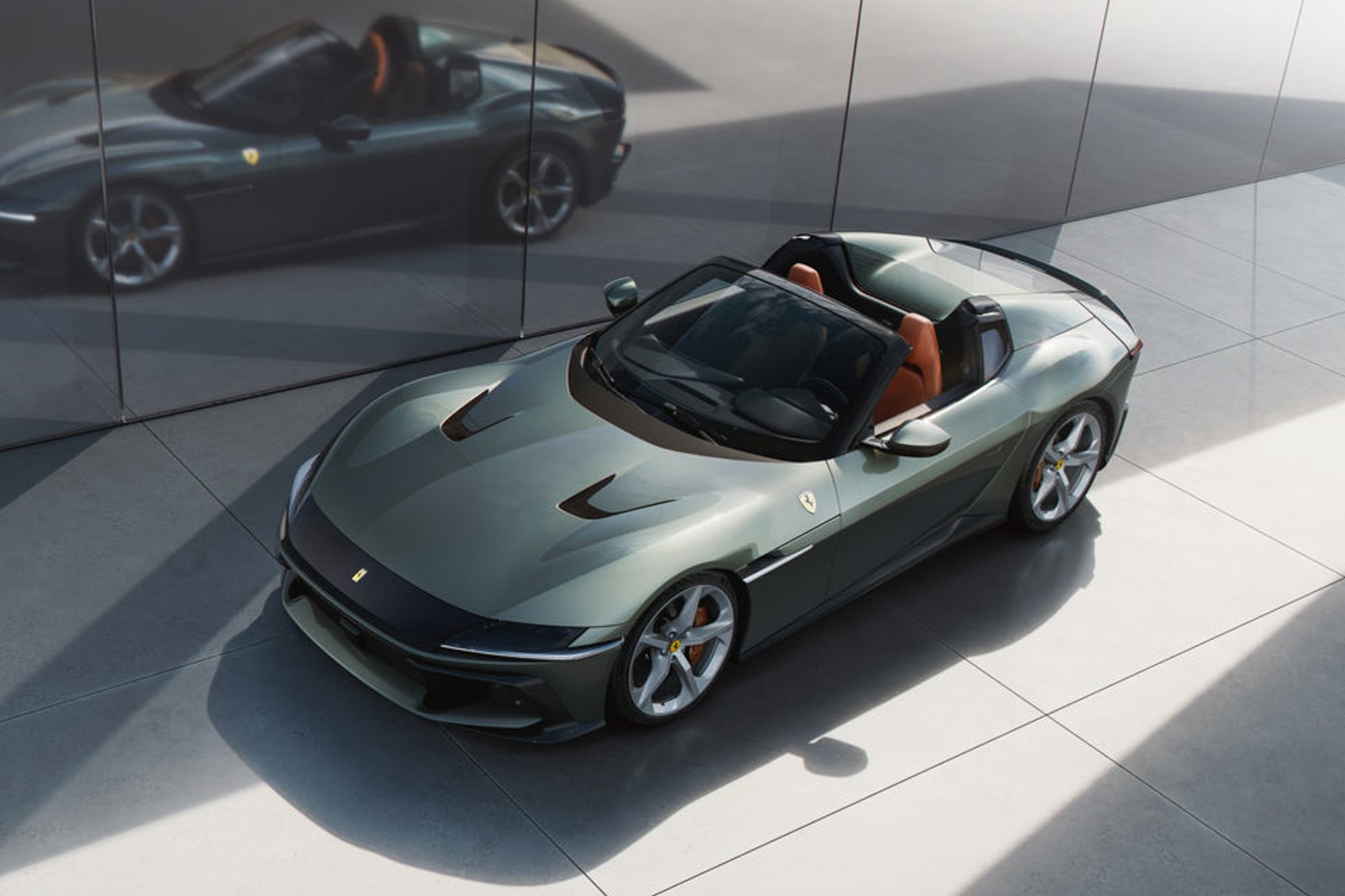
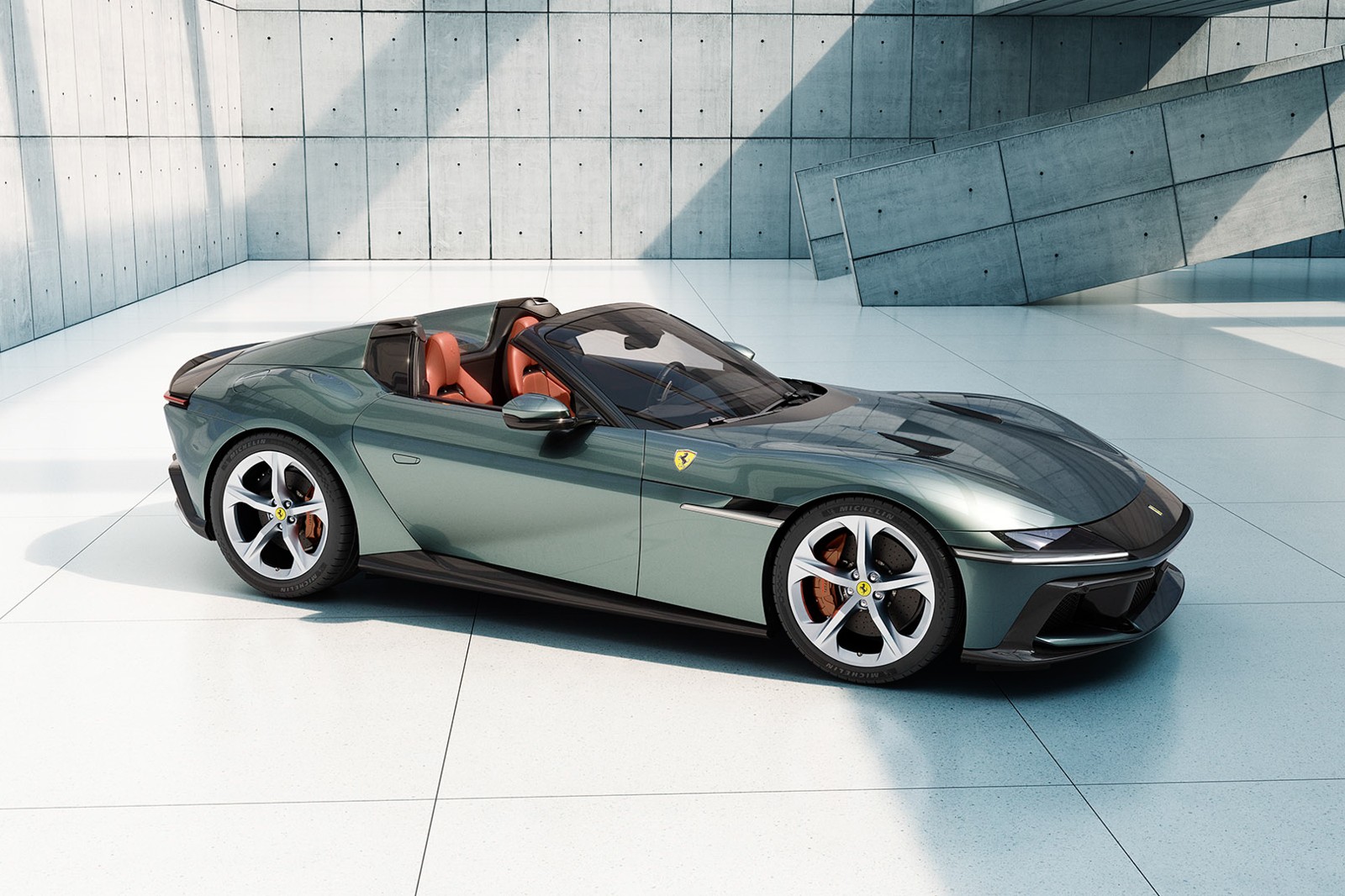
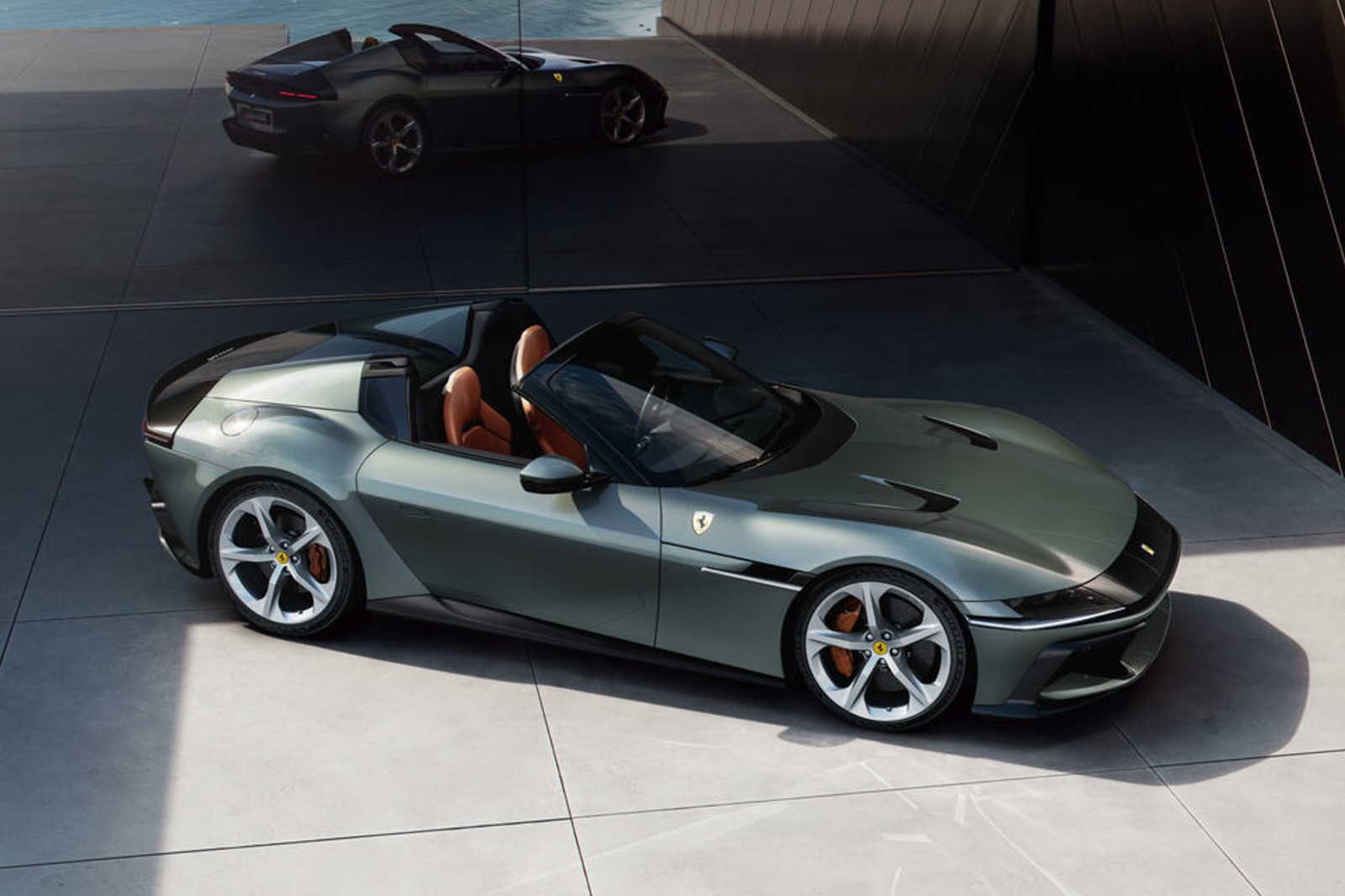
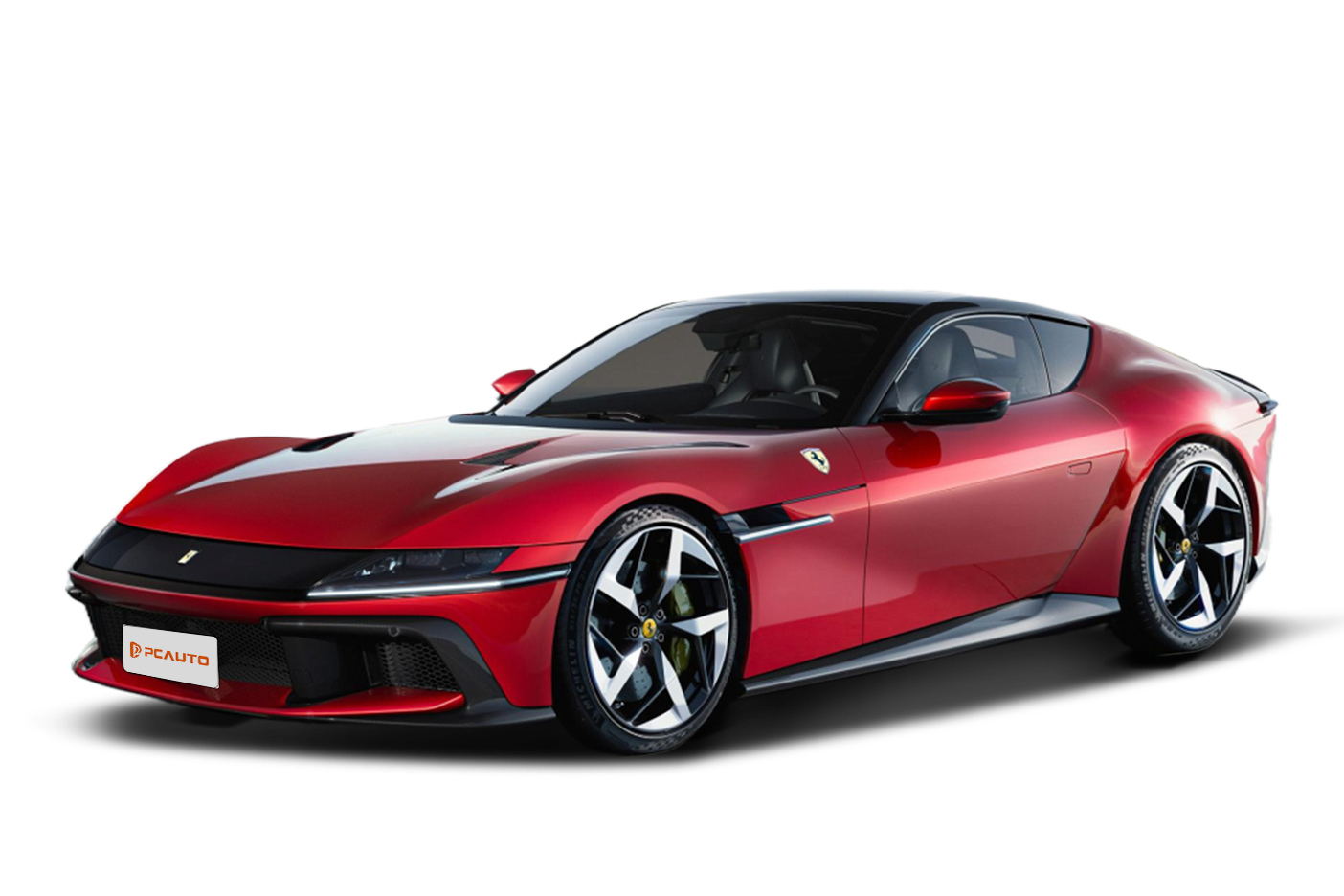
The exterior design of the 12 Cilindri continues Ferrari's classic front-mid engine proportions, with overall smooth and aggressive lines. The front features a low grille, and the sharp-shaped LED headlamp group on both sides, with slim daytime running lights that are highly recognizable. The waistline along the side of the body stretches from the front fender to the rear, complemented by 21-inch multi-spoke rims, creating a strong sense of sportiness. At the rear, the LED taillights are arranged horizontally, corresponding with the rear diffuser and quad exhaust tips, further enhancing its performance sense. The lighting system comes standard with full LED, and the addition of automatic headlights and daytime running lights also improves convenience for daily use.
Inside the car, the interior is driver-focused in layout, with extensive use of Alcantara and carbon fiber materials, ensuring both lightweight construction and a sense of luxury. The 15.6-inch LCD dashboard provides clear display, showing core information such as power output and RPM in real time; the 10.25-inch central touchscreen integrates multimedia, navigation, and other functions, with decent operational fluency. The seats support electric adjustment, offering moderate wrapping and maintaining a certain level of comfort even during long drives. The Burmester 15-speaker sound system delivers excellent sound quality, effectively covering wind noise during high-speed driving. In terms of storage space, the central armrest box and door panel storage compartments have limited capacity, only accommodating small items such as phones and wallets, which is in line with the positioning of a supercar.
The dimensions of the car are 4733mm × 2176mm × 1292mm, with a wheelbase of 2700mm. As a two-door, two-seat supercar, the front-row space is sufficiently spacious, leaving some headroom and legroom for passengers up to 180cm tall. The seat padding is of moderate firmness, and when paired with automatic air conditioning, it provides decent comfort for short daily trips. However, the lack of rear seats means it is only suitable for two occupants, which limits practicality.
In terms of performance, a 6.5L naturally aspirated V12 engine delivers a maximum power of 610kW (830PS) at 9250rpm and a maximum torque of 678N·m at 7250rpm, paired with an 8-speed DCT gearbox. In normal mode, power delivery is linear and starts smoothly. When switched to sport mode, throttle response significantly increases, and the rpm climbs quickly, achieving 0-100km/h acceleration in just 2.9 seconds (hardtop version), with a strong sense of thrust. The gearbox shift logic is clear, with proactive downshifting and quick responses to driver inputs.
In handling, the front double-wishbone and rear multi-link independent suspension are tuned to be stiff, providing direct road feedback. During cornering, body roll control is excellent, while the 275/35 R21 front tires and 315/35 R21 rear tires provide ample grip. Coupled with the rear-wheel-drive layout, the rear dynamics are agile but not overly aggressive, making the car relatively easy to drive. On bumpy roads, the suspension filters out most minor vibrations; however, the impact over speed bumps is noticeable, slightly sacrificing comfort. The brake system uses ceramic ventilated discs, providing strong and linear braking force with no noticeable heat fade, ensuring safety.
In terms of fuel consumption, the official combined consumption is 15.5L/100km. The actual urban road fuel consumption is about 18-20L/100km, and on highways, it is about 12-14L/100km, which is considered normal for a high-displacement V12 engine. Regarding noise control, the engine noise is relatively low at low speeds, while wind noise and tire noise become more noticeable at high speeds, but remain within an acceptable range.
The core advantage of the Ferrari 12 Cilindri lies in its pure V12 naturally aspirated engine and well-balanced handling performance. Compared to models in the same class equipped with turbocharged or hybrid systems, it offers a more linear power output and a unique exhaust sound experience. However, in terms of technological features, it lacks autonomous driving assistance functions, and its central control system is not as advanced as some competitors.
Overall, the 12 Cilindri is suitable for consumers who pursue the driving pleasure of a large-displacement naturally aspirated engine and value brand prestige, especially for those supercar enthusiasts who are not satisfied with turbocharged or electric vehicles. It balances daily short-distance practicality with track performance, making it a vehicle that can both serve as an occasional means of transportation and unleash passion on the track.
As Ferrari's tribute to traditional large-displacement engines, the 12 Cilindri finds its place in the era of electrification with its pure driving experience and classic V12 exhaust sound. It may not be the most technologically advanced supercar, but it is certainly one of the most "soulful" choices.
Ferrari 12 Cilindri Car Compare
Ferrari 12 Cilindri Loan Calculator
More Ferrari Reviews
Cars With Similar Price And Features
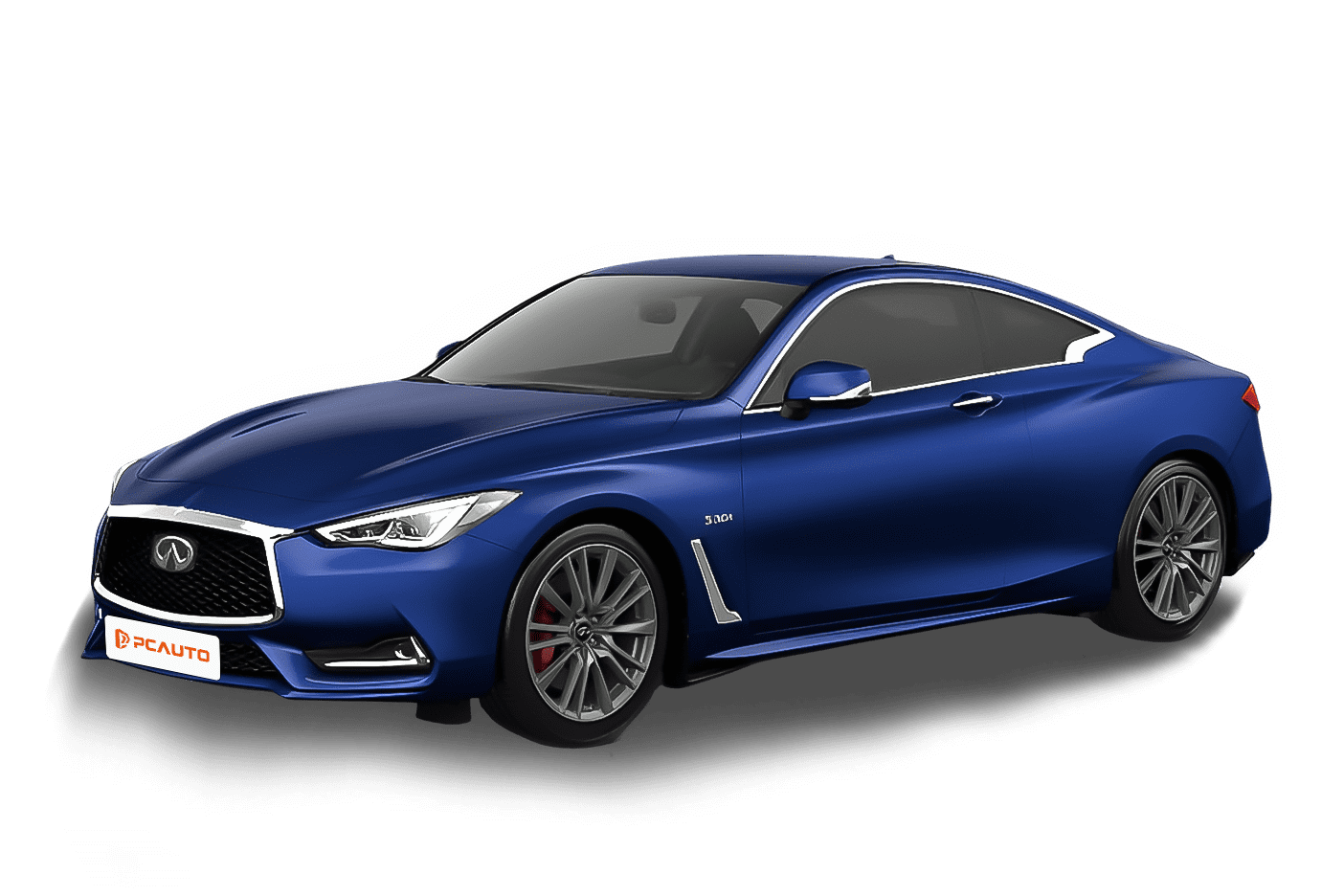
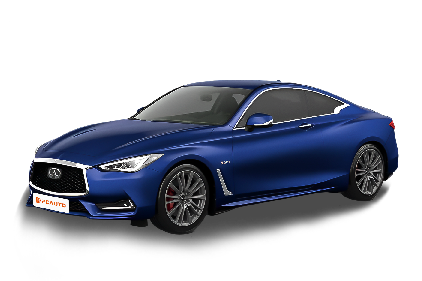
2017 Infiniti Q60 2.0t is a luxury coupe that balances sporty design and daily practicality, featuring a family-style exterior, BOSE audio system, and balanced power as its core selling points.
1
Rank in Coupe
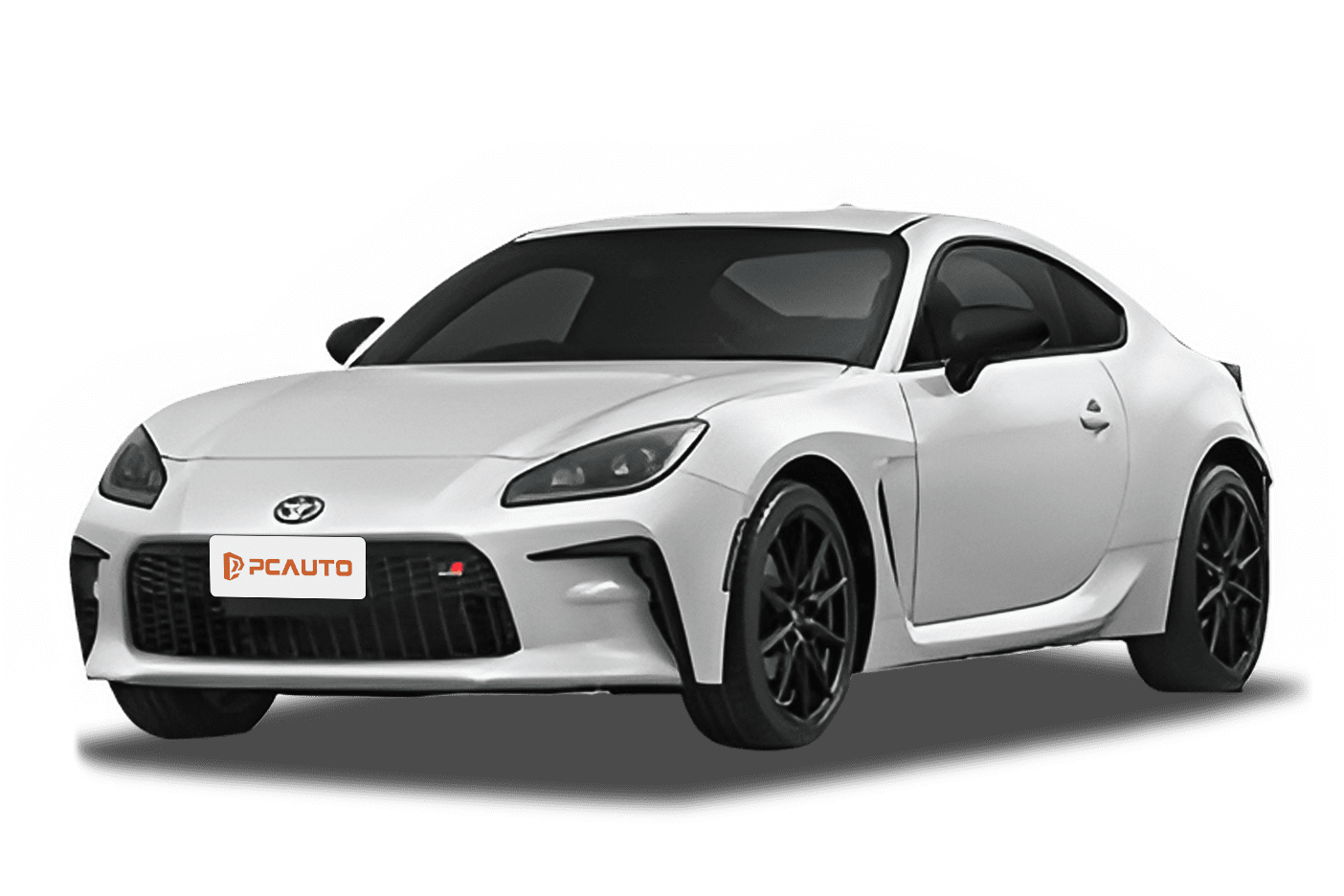
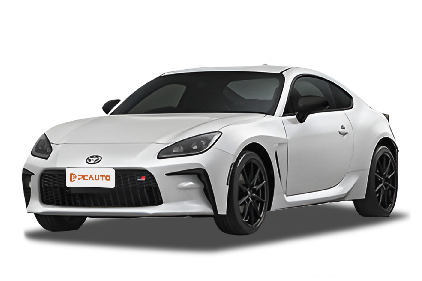
2023 Toyota GR 86 2.4 AT is a rear-wheel-drive sports coupe upgraded with a 2.4L naturally aspirated engine to address low torque issues, balancing daily commuting with pure driving pleasure.
10
Rank in Coupe
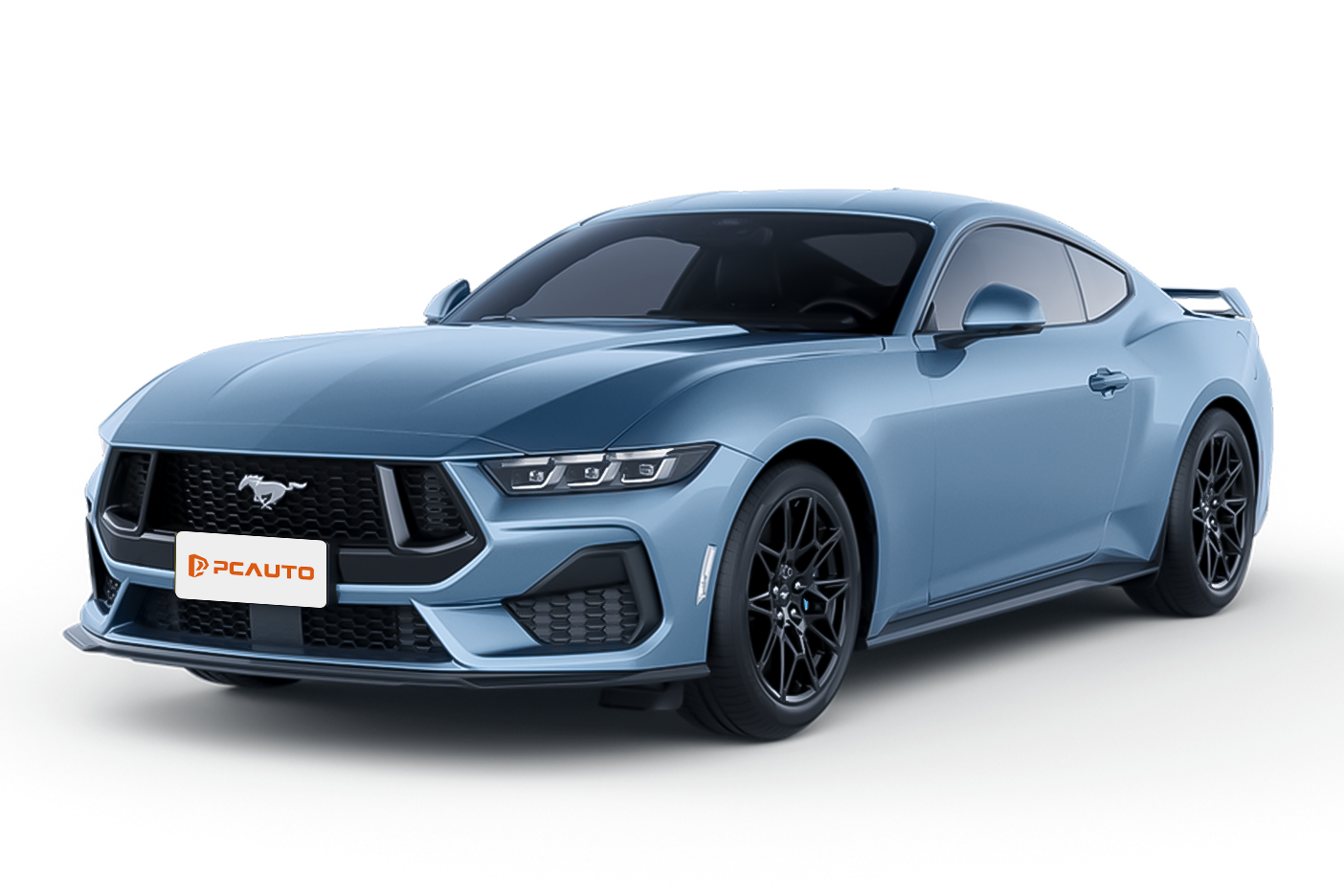
2018 Ford Mustang 2.3 EcoBoost retains the classic muscle car appearance with high cost performance, the 2.3T engine delivers 310PS horsepower, balancing performance and practicality for daily driving.
6
Rank in Coupe
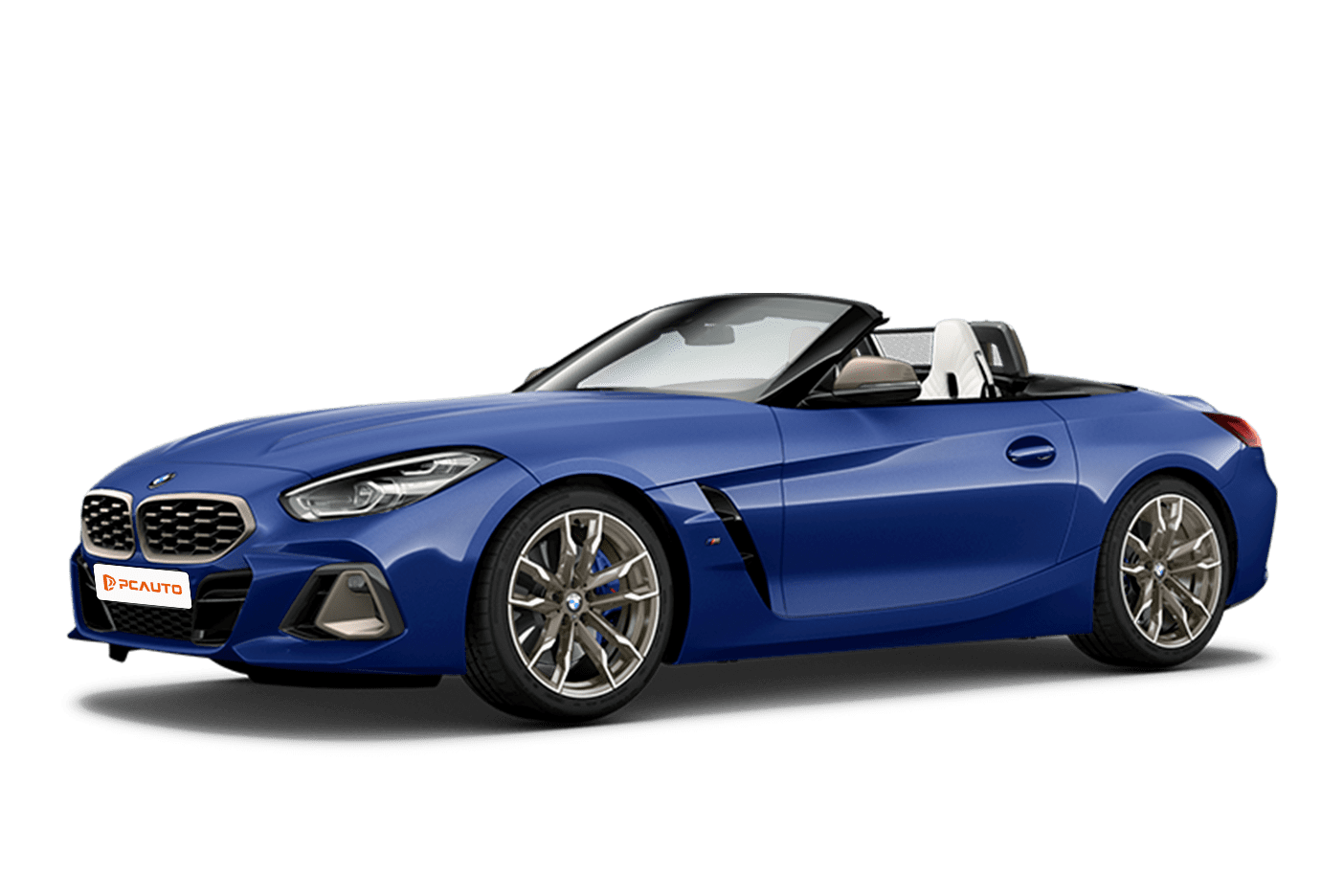
2023 BMW Z4 public, as a classic rear-wheel-drive convertible sports car, balances driving pleasure and daily practicality, with class-leading intelligent features and a compact body precisely meeting the needs of Malaysian users.