
Porsche 911 Review

 Share
Share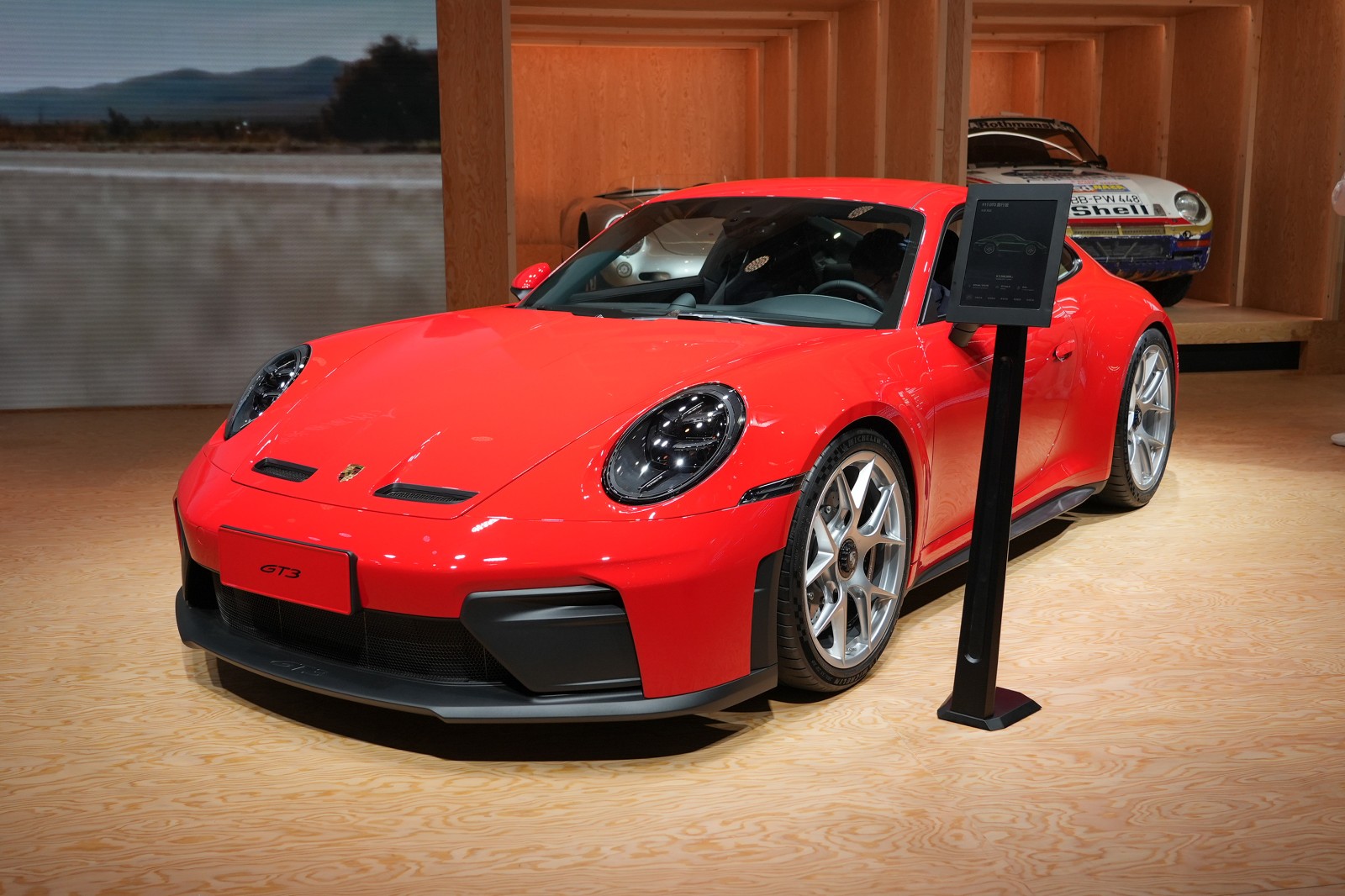
 Segment
 Body Type
 Capacity(L)
 Engine Power(PS)
 Engine Torque(Nm)
 Transmission
In recent years, the sports car market has been consistently shifting towards "performance vehicles suitable for daily use." Consumers desire both track-level power response and the convenience of daily commuting. The 2025 Porsche 911 Carrera caters to this niche market by combining the classic rear-engine, rear-wheel-drive layout with modernized features, attracting considerable attention. As the entry-level coupe model of the 911 series, it is equipped with a 3.0T turbocharged six-cylinder engine, achieving an official 0-100 km/h acceleration time of just 3.9 seconds while retaining Porsche's iconic design language and intelligent tech features. This test drive will focus on verifying its balance between performance and everyday practicality to see if this classic sports car can still meet the dual demands of modern users.
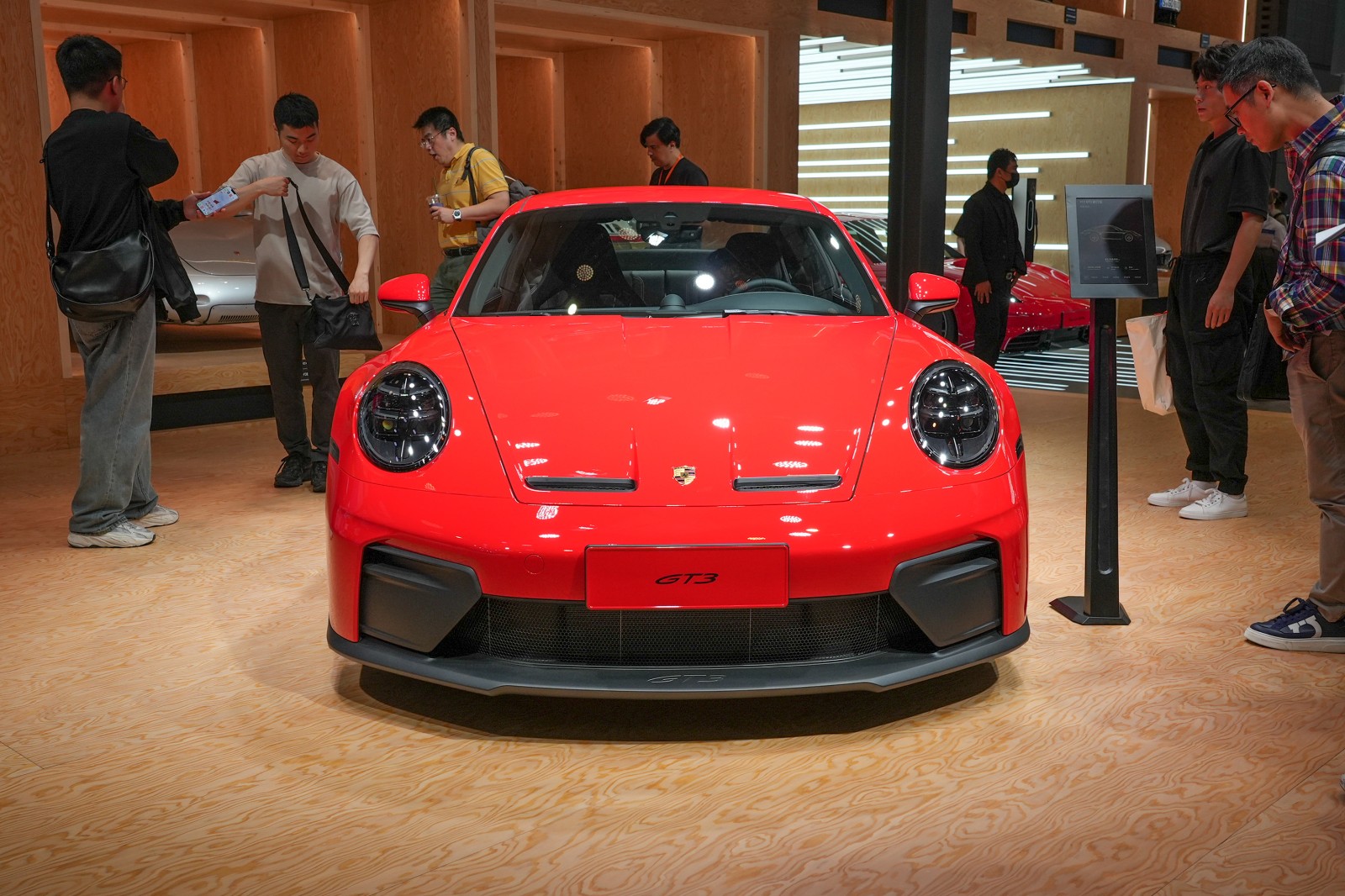
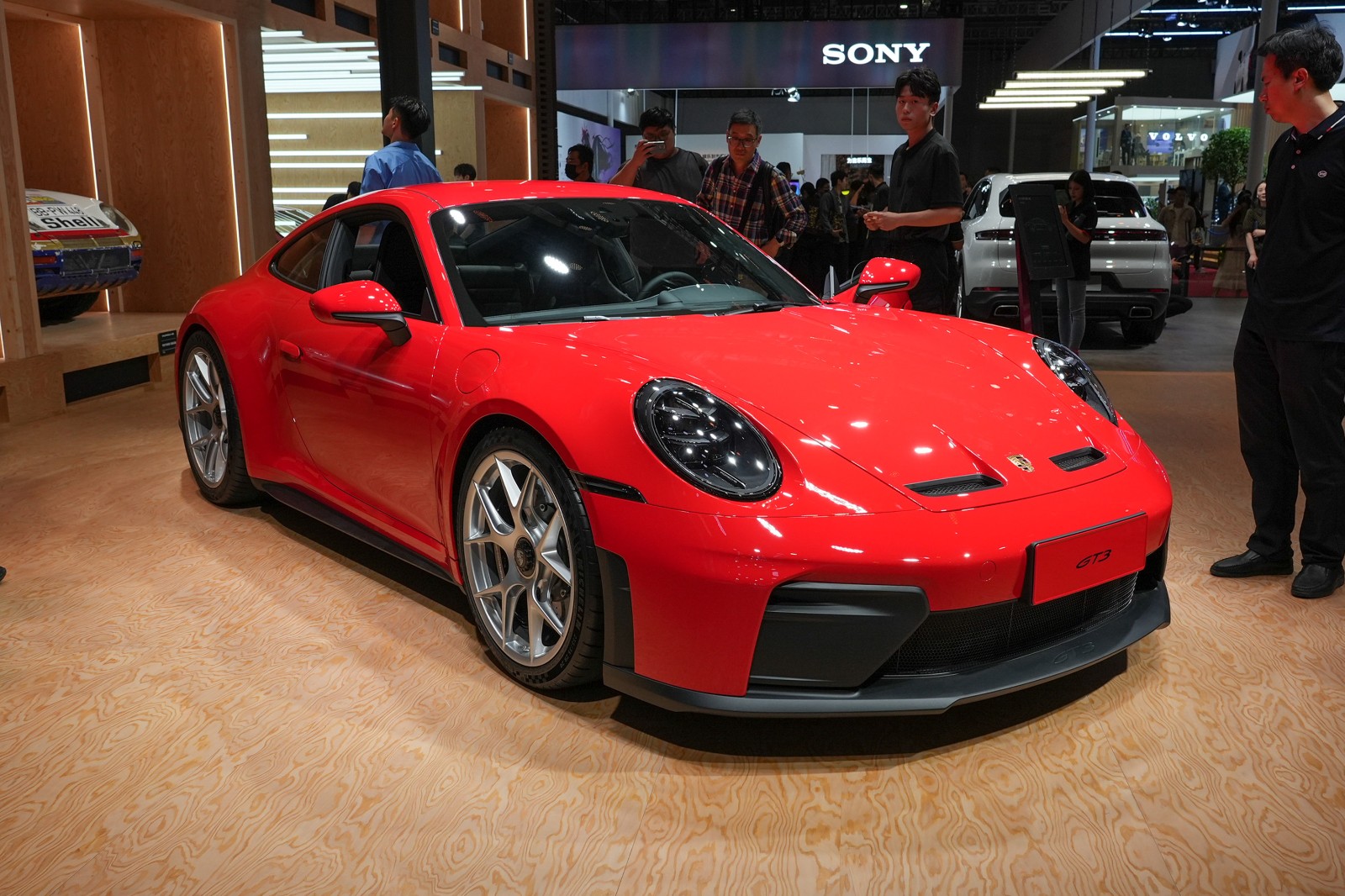
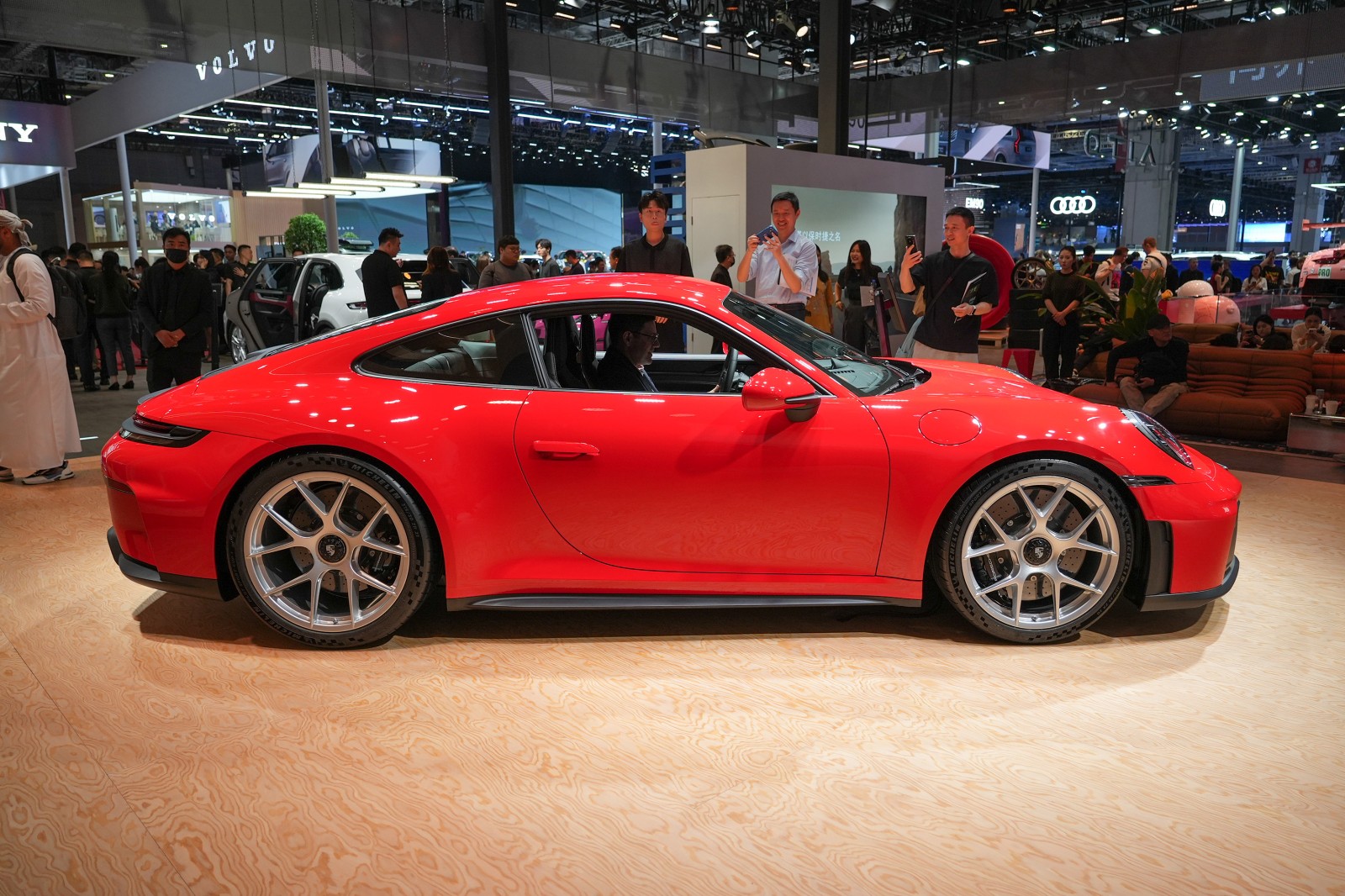
The exterior of the 2025 911 Carrera continues the family-style rounded silhouette, with body dimensions of 4542×1852×1298mm and a wheelbase of 2450mm. The long wheelbase design enhances the elongated side profile. At the front, the matrix LED headlights integrate the iconic four-point daytime running lights, offering high recognition when illuminated. The size of the three-section air intakes on the lower front bumper has been optimized to provide better cooling airflow for the engine and brake system. On the side, the wide-body design of the rear fenders emphasizes the rear-engine, rear-wheel-drive layout, paired with 19-inch front and 20-inch rear wheels (tire specifications: front 235/40 ZR19, rear 295/35 ZR20), delivering a strong sense of sportiness. The rear's "flyline" taillights remain a classic element, featuring LED light sources with a seamless design when lit at night. The hidden exhaust layout below makes the rear cleaner in appearance while maintaining an outlet for the distinctive growl of the six-cylinder engine.
Inside the cabin, the interior is primarily black, with the center console wrapped in soft leather materials and accented by metal trims, striking a perfect balance between luxury and sportiness. A 12.6-inch fully digital instrument cluster replaces traditional mechanical dials, offering switchable display modes such as Classic and Sport. The Classic mode simulates the quintuple gauge layout of early 911 models, blending nostalgia with a sense of technological sophistication. The center console features a 10.9-inch touchscreen with the Porsche Communication Management system, supporting both Apple CarPlay and Android Auto, with an intuitive and responsive operation. The steering wheel is a three-spoke multifunction design, with driving assistance control buttons integrated on the left side and multimedia adjustment buttons on the right. Paddle shifters made from a combination of Alcantara and leather are equipped at the back, providing a solid grip. The seats are electrically adjustable with strong support, offering adequate lumbar and thigh cushioning for spirited driving while remaining comfortable for daily use. The rear consists of two small seats, more suited for storing personal items rather than accommodating passengers for extended periods. In terms of storage space, the front trunk offers a capacity of approximately 132 liters, capable of storing a 20-inch carry-on suitcase and some miscellaneous items. Door panel storage compartments and the central armrest box provide additional space to sufficiently meet the needs of daily commutes.
Powering the 2025 911 Carrera is a 3.0T turbocharged six-cylinder engine, delivering a maximum power of 290 kW (394 PS) and a peak torque of 450 N·m, available within a range of 1950-5000 rpm. This is paired with an 8-speed PDK dual-clutch transmission. During daily driving, the transmission keeps the gears in higher ranges, maintaining engine revs below 2000 rpm, providing smooth power output even in congested traffic without any jerkiness. When switched to Sport mode, the throttle response becomes noticeably more sensitive; pressing the accelerator firmly causes the transmission to downshift rapidly, with engine revs climbing above 4000 rpm. The power delivery is direct, and speeding up requires just a light press of the accelerator, with the claimed 0-100 km/h acceleration time of 3.9 seconds being fully palpable through the sensation of thrust during actual driving experience.
Handling performance is the core advantage of the 911. The rear-engine, rear-wheel-drive layout ensures more balanced front-to-rear weight distribution. The steering wheel offers precise control with minimal play, providing clear feedback from the road when turned. The steering effort is moderate at low speeds and becomes heavier at high speeds, enhancing stability. The suspension system adopts a front MacPherson strut and rear multi-link independent suspension. In normal driving mode, it filters out most minor bumps; when passing speed bumps or uneven roads, vibrations are not directly transmitted to the seats, ensuring basic comfort. When switched to sports mode, the suspension becomes noticeably stiffer, body roll is better restrained, and the car maintains stable posture on winding mountain roads. The tires provide ample grip with almost no slippage. The braking system features ventilated discs at both the front and rear. The brake pedal travel is short and linear, delivering sufficient braking force even in the initial stage, while the car maintains stable body posture during emergency braking, inspiring confidence.
In terms of noise control, wind noise at high speeds mostly comes from the A-pillar, but it's at an excellent level for a sports car. Due to the wide rear tires, road noise is noticeably transmitted on rough road surfaces, but this is an inherent characteristic of performance tires and difficult to avoid. In fuel consumption, the car achieves around 12-13L/100km in urban traffic congestion, while highway cruising reduces consumption to 8-9L/100km. For a 3.0T six-cylinder sports car, these results meet expectations. Regarding safety features, the car comes standard with active braking, forward collision warning, seatbelt reminders for all seats, front and rear parking sensors, and a 360-degree panoramic camera, providing sufficient safety assurance during daily driving.
Overall, the core strength of the 2025 Porsche 911 Carrera lies in its "versatility": it combines sports car power and handling with everyday practicality. Compared to competitors like the Chevrolet Corvette C8, the 911 Carrera has a higher brand premium and greater convenience for daily use. When compared with its sibling, the 718 Cayman, it offers more power and greater interior space. This car is suitable for two types of users: those who pursue the quintessential sports car experience while needing a daily commuting vehicle; and young families who enjoy driving pleasure but don't want to sacrifice comfort (the rear seats can temporarily accommodate child seats).
As the entry-level model of the 911 series, the 2025 Carrera has not compromised on core performance due to its positioning. Instead, it integrates modern features and tuning to make this classic car more suited to contemporary needs. It is not an extreme track machine but a sports car that you would want to drive every day—perhaps this is the key to the 911 series maintaining its popularity for decades.
Porsche 911 Car Compare
Porsche 911 Loan Calculator
More Porsche Reviews
Cars With Similar Price And Features
8
Rank in Coupe
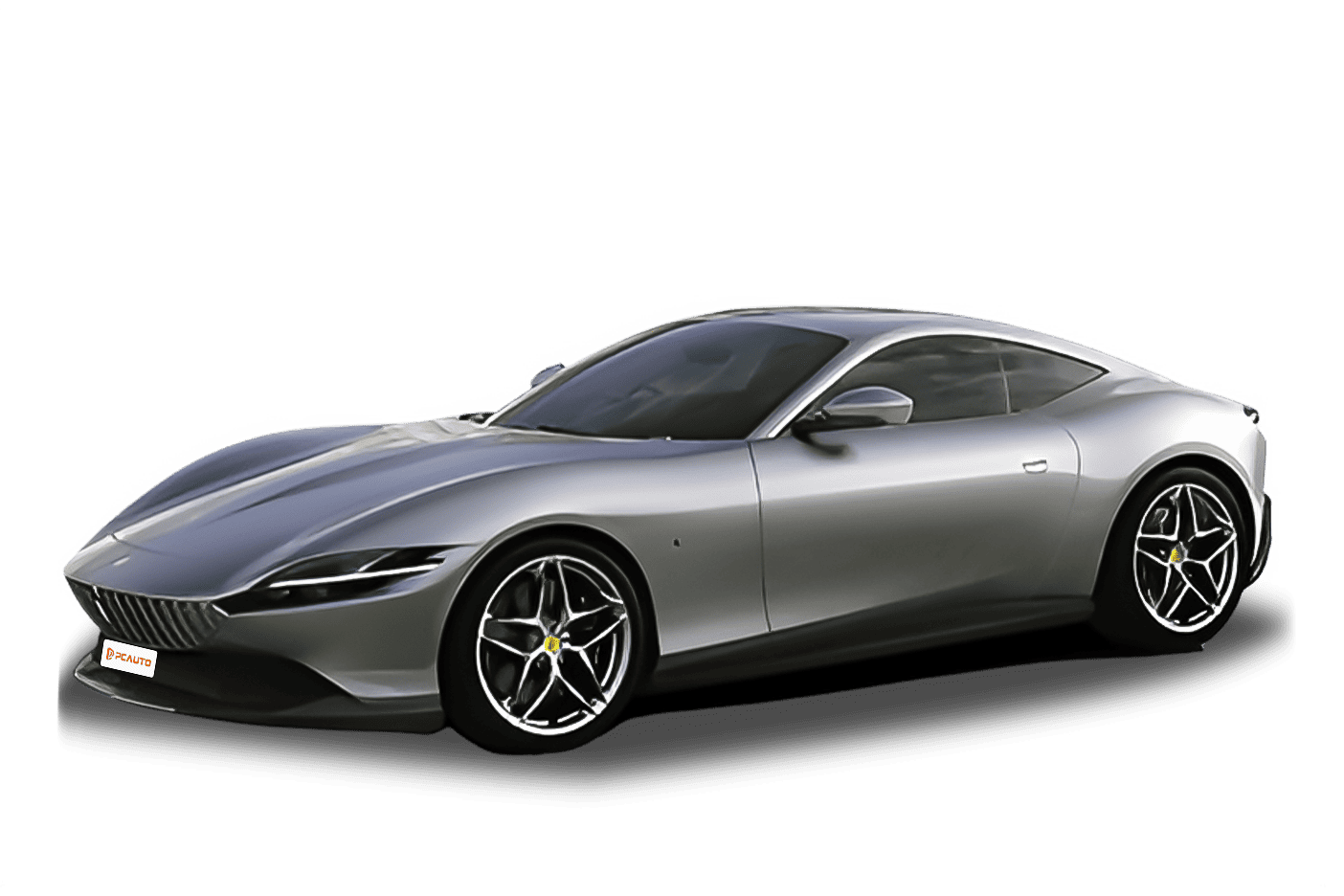
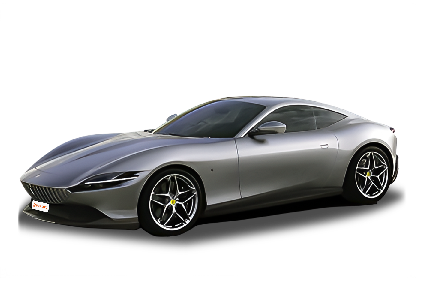
2023 Ferrari Roma Spider is a hardtop convertible GT supercar that combines elegant style with powerful performance, 13.5-second fast-opening soft top + 620PS power, practical for daily use and full of driving pleasure.

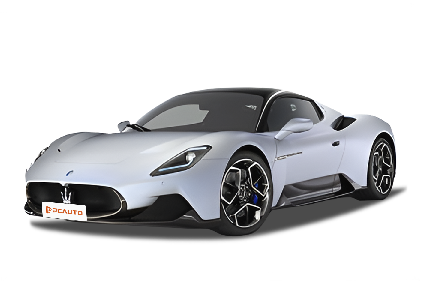
2023 Maserati MC20 Cielo is a two-seater supercar that combines track-level performance with convertible romance, equipped with a 630PS 3.0T V6 engine, a glass hardtop that opens and closes in 12 seconds, and accelerates to 100 km/h in 2.9 seconds.
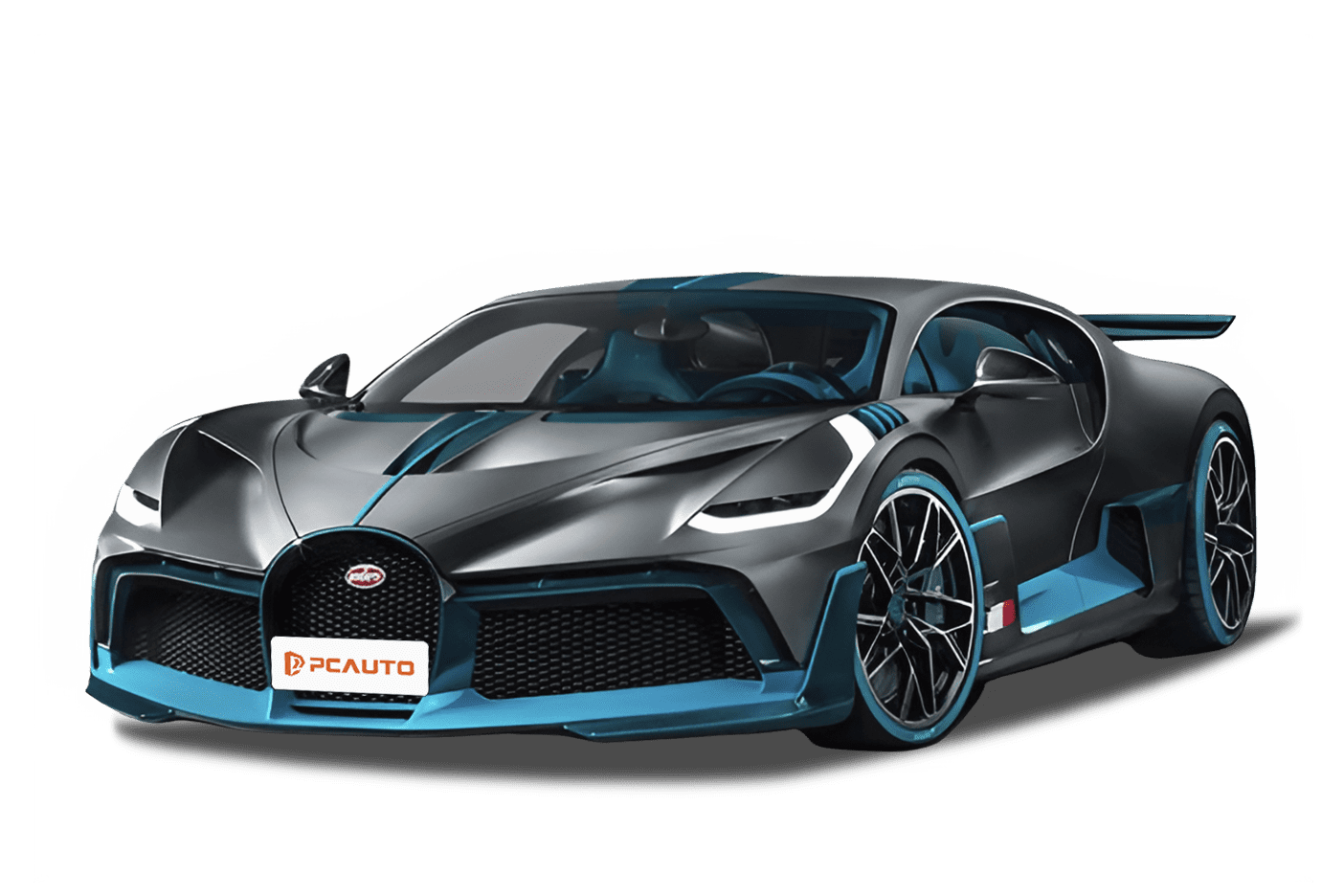
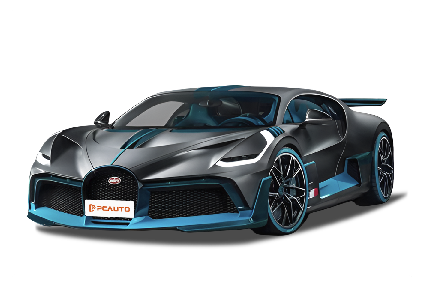
2023 Bugatti Divo, as a limited-edition hypercar and an advanced version of the Chiron, features track-focused aerodynamic design, 1520PS of brutal power, and precise handling, embodying the ultimate performance of being "born for the curves."
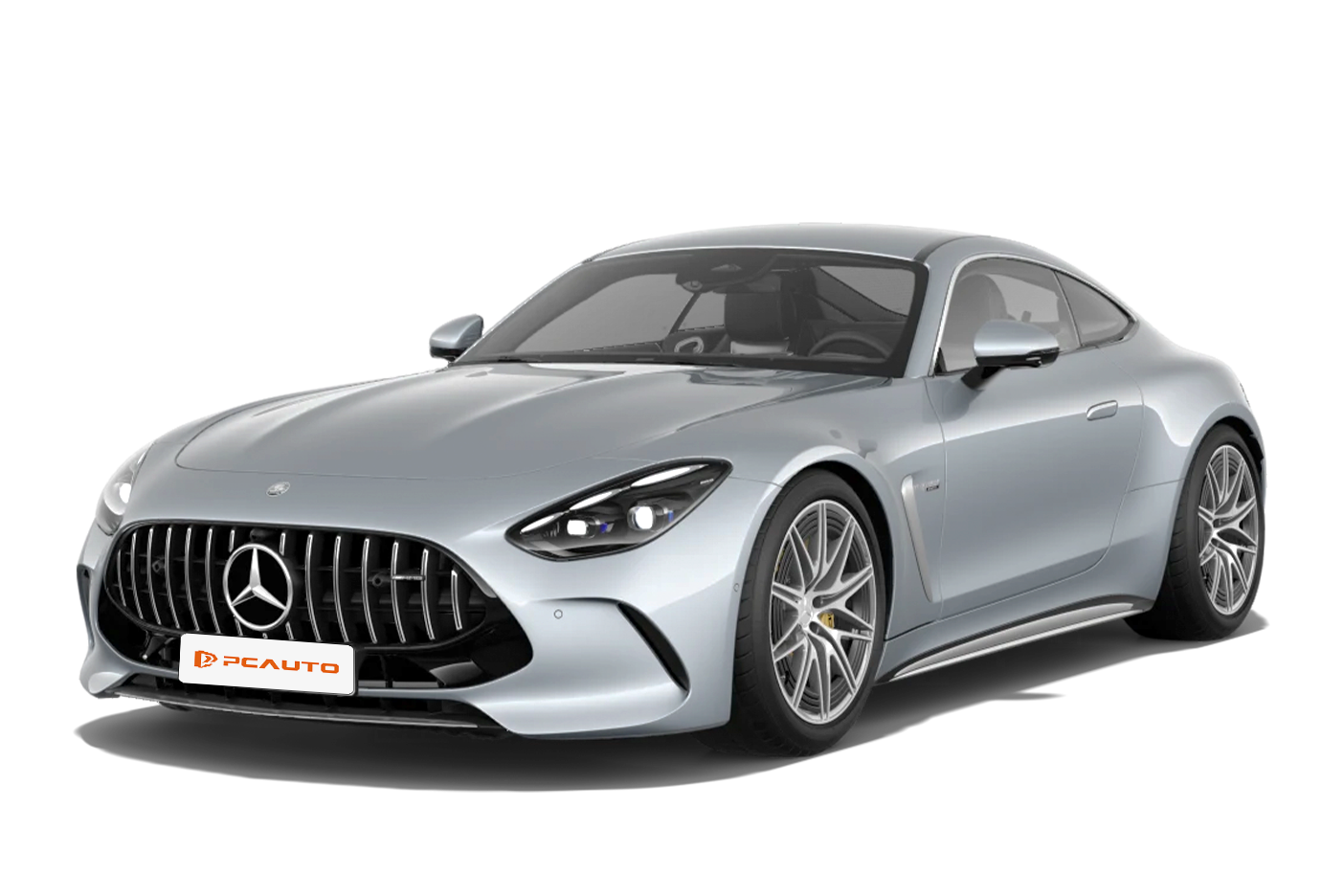
2025 Mercedes-Benz AMG GT 63 4Matic+ Coupe is a luxurious two-door sports car that combines 585PS 4.0T V8 performance (0-100 km/h in 3.2 seconds) with 351L of practical storage, balancing track excitement and daily commuting.