
Ford Everest 2016 Review

 Share
Share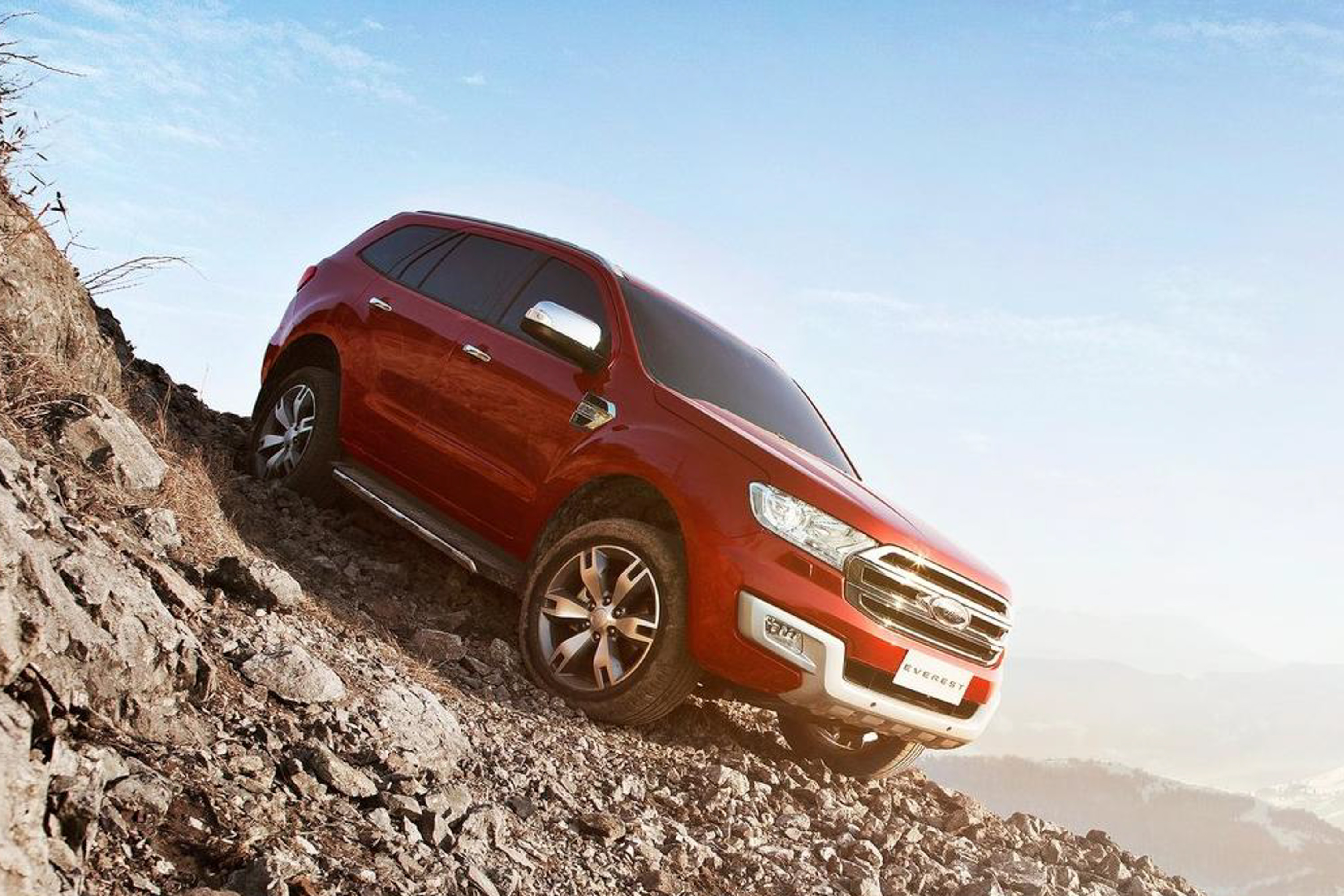
 Body Type
 Segment
 Capacity(L)
 Engine Power(PS)
 Engine Torque(Nm)
 Transmission
The mid-size SUV market has remained popular in Malaysia in recent years, with family users and consumers who frequently need to carry goods often looking for spacious, practical, and durable models in this segment. The 2016 Ford Everest public, launched by Ford to target this market, has drawn significant attention since its introduction thanks to its body-on-frame structure, four-wheel-drive system, and spacious seven-seat layout. This time, we got a test drive model, and the main goal is to verify its overall performance in daily commuting, long-distance highway drives, and light off-road scenarios to see if this "big guy" can truly balance practicality and reliability.
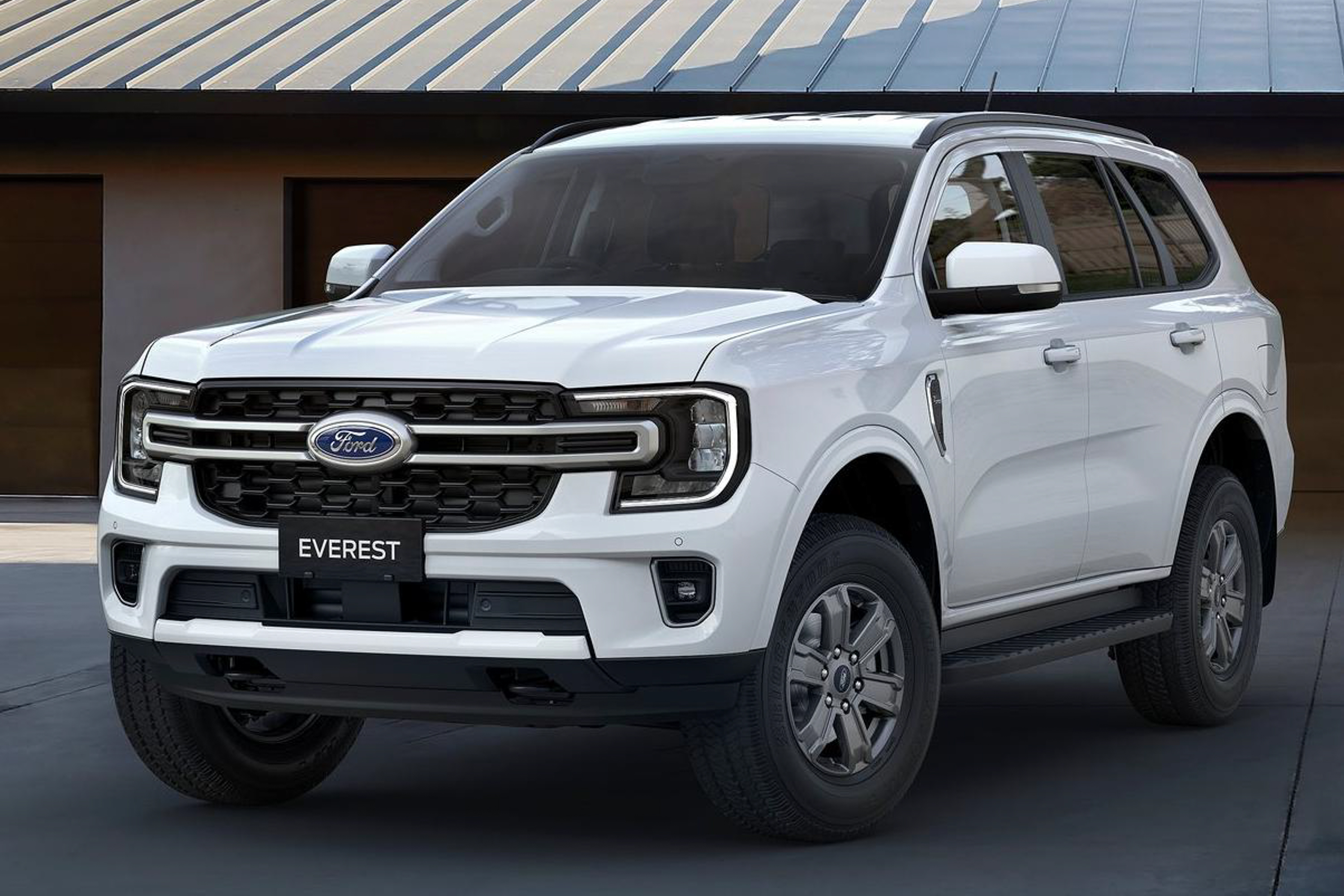
In terms of exterior design, the 2016 Everest public adopts a rugged style with a squared-off appearance and no overly fancy detailing. The front features a large chrome grille paired with Ford’s iconic blue oval logo, offering high recognition; the rectangular headlights use halogen light sources. While not as striking as LEDs, they are sufficient for Malaysian road conditions, and their maintenance costs are lower later on. The side profile of the vehicle is straight and extends from the front to the back, with 18-inch multi-spoke alloy wheels paired with all-terrain tires (on certain configurations), further enhancing its rugged look; chrome trim below the windows and protective strips on the lower part of the doors add a touch of refinement to the robust design. The rear of the car is relatively simple, with vertical taillights echoing the lines of the side profile, while the silver skid plate on the rear bumper not only enhances the visual layering but also helps prevent scratches during light off-roading.
Opening the door, the interior design focuses on practicality without much emphasis on luxury, but the materials are quite solid. The dashboard features a two-tone design, with darker tones on top and lighter shades below, which aligns with the family SUV positioning. The steering wheel has a three-spoke design with physical buttons for volume control and Bluetooth calls on the left side, making operation quite convenient. The center console area is equipped with an 8-inch touch-screen display that supports Bluetooth connectivity and USB input. Although it lacks the smart features found in newer car models, its response time is decent and sufficient for daily use. Regarding the seats, they are upholstered in a combination of leather and fabric; the front seats offer manual adjustment, with average support, but they remain comfortable for long-duration rides. The second-row seats can slide forward and backward and have adjustable backrest angles. Legroom in the second row ranks above average among similar seven-seat SUVs, with about two fists' clearance between the knees of a 175cm-tall passenger and the front seats. The third-row seats are more suitable for children or adults on short trips, as legroom is relatively limited but adequate for emergency use. As for storage space, the front central armrest box is quite large and can hold four 500ml bottles of mineral water; the door storage pockets can also accommodate large water bottles. When the third-row seats are folded down, the trunk capacity expands to 1,050 liters, which is ample for a few suitcases or camping equipment.
In terms of powertrain, the 2016 Everest Public is equipped with a 2.2L Duratorq TDCi diesel engine that delivers a maximum power of 118kW (160PS) and a peak torque of 385N·m, paired with a 6-speed automatic transmission. During actual driving, the low-end torque performs excellently. You don’t need to press the accelerator deeply to get a good power response when starting, making it easy to follow traffic in congested urban areas. When switching to S mode, the transmission delays gear shifts, maintaining engine speed above 2000rpm, resulting in a more noticeable thrust during acceleration, which inspires confidence while overtaking. At highway speeds, when driving at 120km/h, the engine operates at around 2000rpm, and noise is well-controlled. Wind noise and tire noise do not interfere with in-car conversations. Regarding the chassis, it features a body-on-frame structure paired with front double-wishbone independent suspension and rear leaf spring non-independent suspension, tuned for a robust feel. On flat urban roads, it filters small bumps moderately, and you can feel slight vibrations from the road surface. However, in high-speed bends, the body tilt is better controlled than expected, without a “boat-like” feeling. During light off-road scenarios, the four-wheel-drive system (with low-range 4WD and a locking differential) performs stably. On muddy roads or slightly sloped dirt paths, switching to low-range 4WD allows the wheels to gain sufficient torque to pass through easily.
In terms of fuel consumption, we drove 100km each on congested urban roads and highways, and the combined fuel consumption was approximately 8.5L/100km. For a 2-ton-plus 7-seater SUV, this performance is quite decent. The braking performance is average, with a relatively long brake pedal travel. The braking force is softer at the initial stage, which requires some adaptation, but the braking power is sufficient in the latter stage, and the body remains stable during emergency braking. In terms of noise control, the noise from the diesel engine is quite noticeable at idle, but as the car moves, wind noise and tire noise overshadow the engine noise, keeping the overall noise level within an acceptable range.
Overall, the 2016 Ford Everest public is a very practical hardcore SUV. Its advantages are clear: the body-on-frame structure offers excellent reliability and light off-road capabilities, the 7-seater layout meets the needs of family users, and the fuel efficiency of the diesel engine is relatively economical. Compared to competitors in the same class, such as the Toyota Fortuner, the Everest public stands out with better second-row space and trunk expandability, though it may fall slightly short in terms of brand resale value. This vehicle is best suited for those who frequently need to carry their family on trips, occasionally go camping or light off-roading, or small business owners in need of a durable and reliable utility vehicle. If you are seeking luxury and advanced features, it may not be the best choice; however, if you want an SUV that can handle tough tasks while also serving as a family vehicle, the 2016 Everest public is worth considering.
Ford Everest Car Compare
Cars With Similar Price And Features
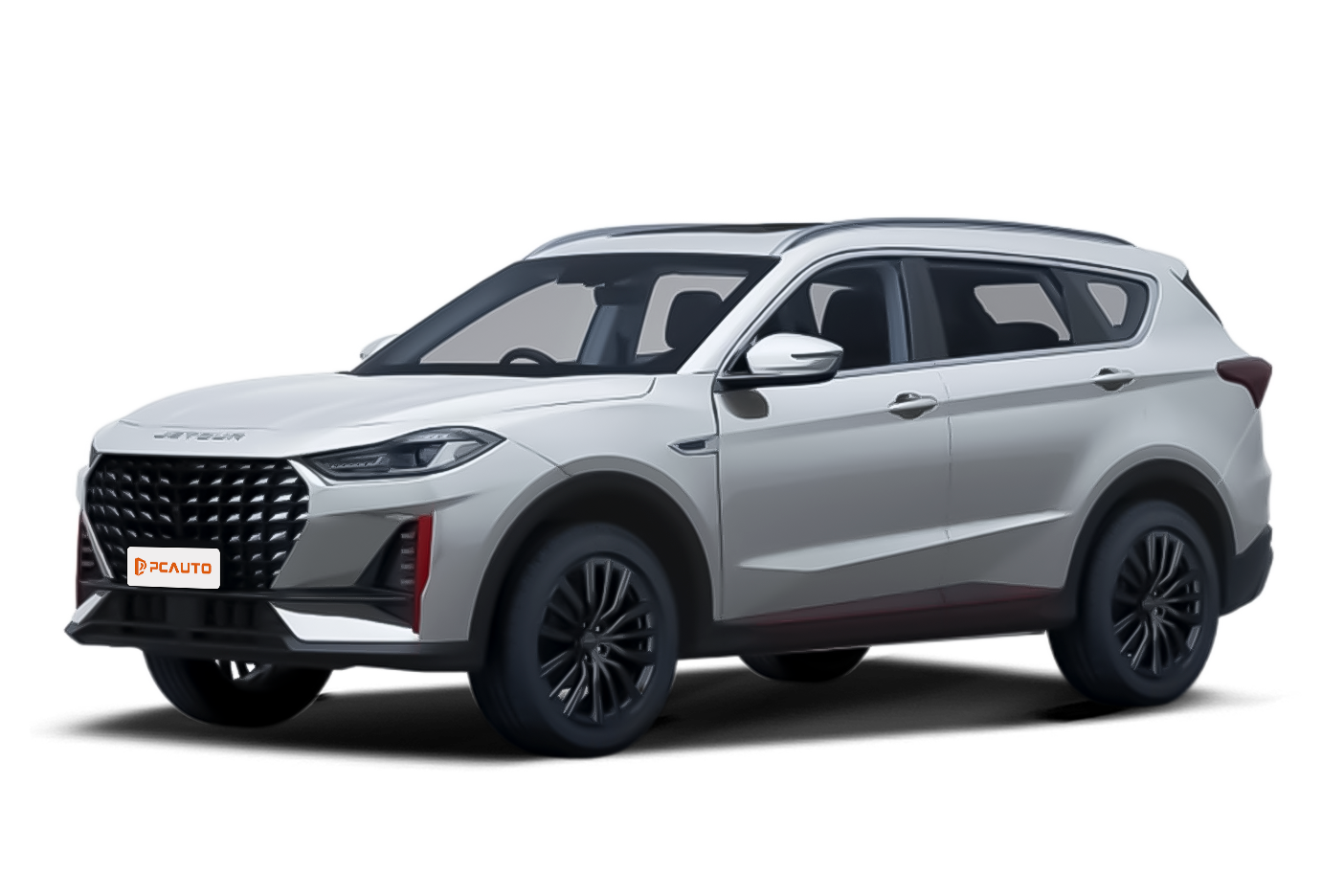
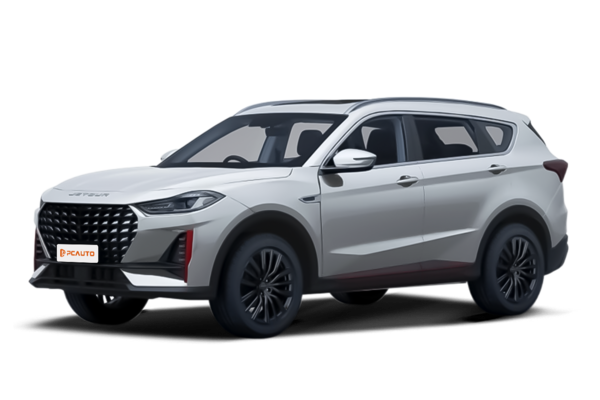
2025 Jetour VT 9 Comfort is a highly cost-effective 7-seater family SUV, featuring practical space, rich configurations, and balanced power, precisely meeting the needs of family short-distance travel.

11
Rank in SUV
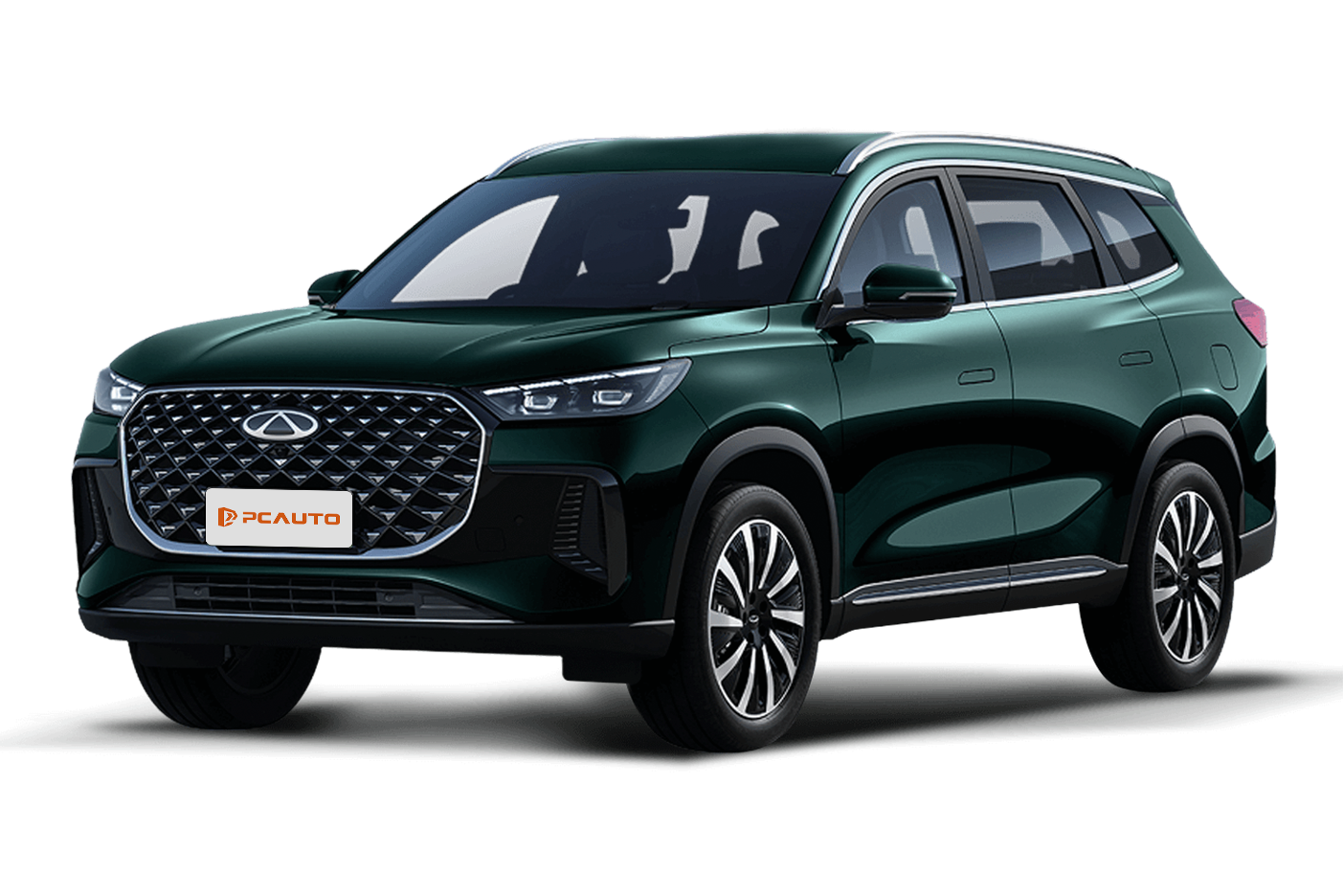
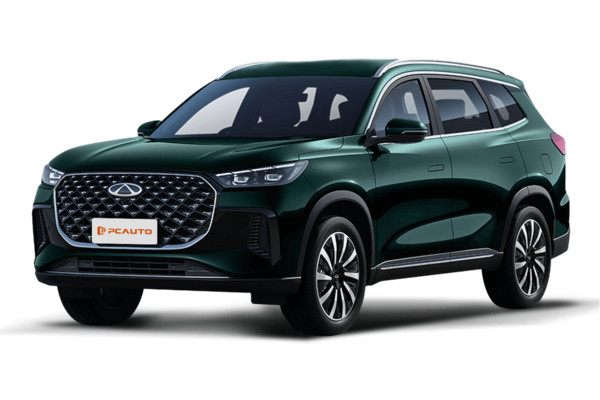
2026 Chery Tiggo 8 is a D-Segment SUV aimed at family users, offering superior configurations, practical space, and smooth power at a high cost-performance ratio, meeting both commuting and light off-road needs.
16
Rank in SUV

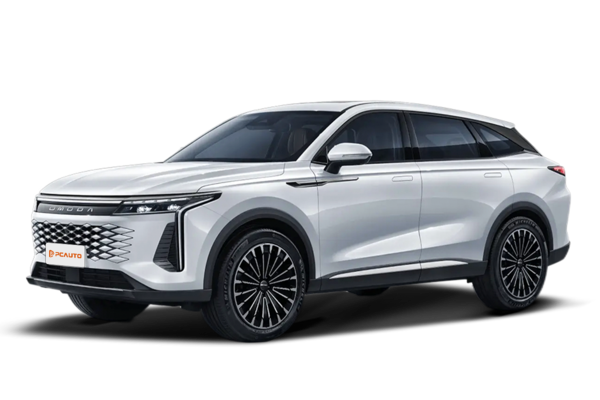
2024 Chery OMODA C9 2WD with 2.0T+8AT powertrain, L2 level assistance, and dual 12.3-inch screens, breaking the stalemate in the D-Segment market and becoming a high-value disruptor.
29
Rank in SUV
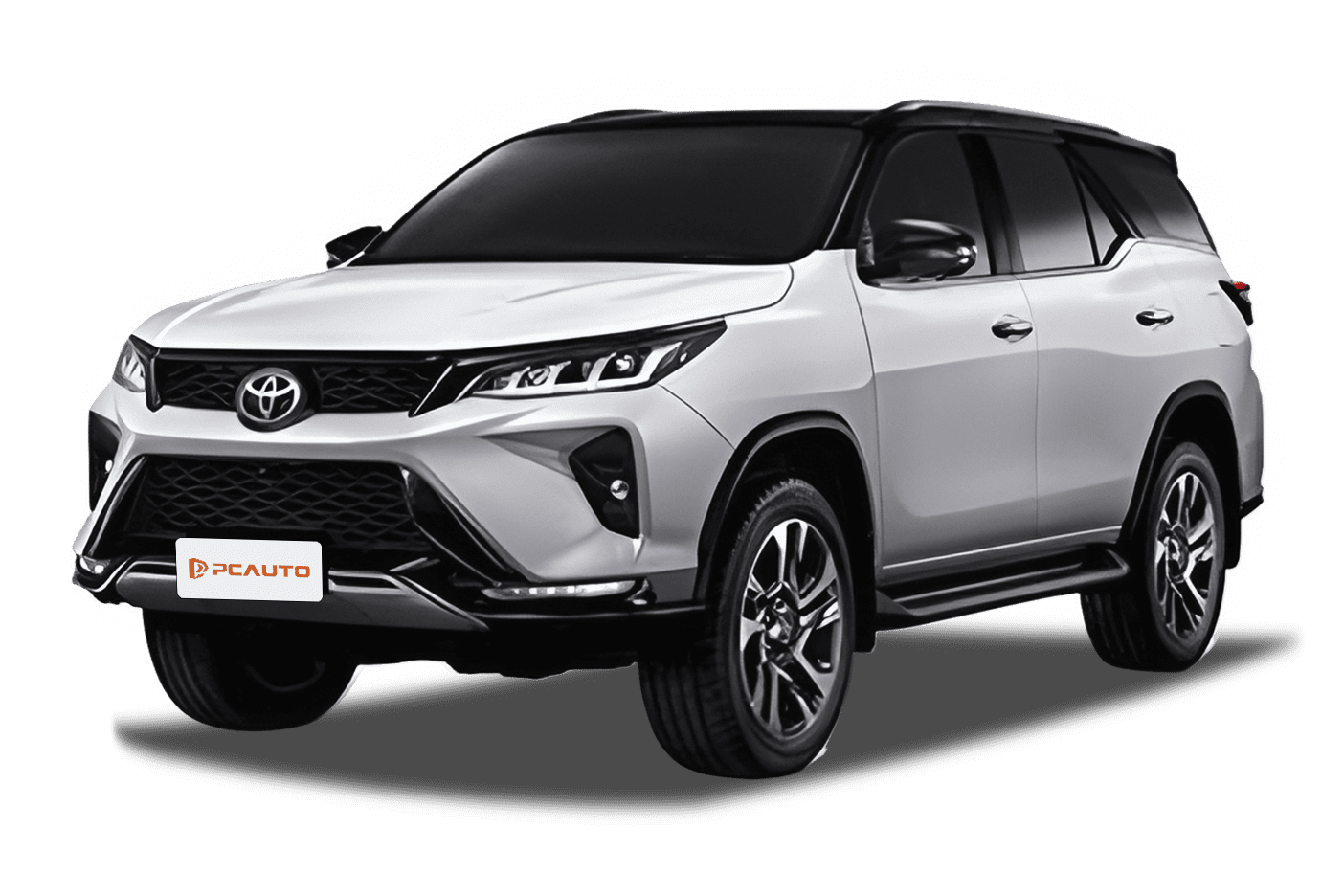
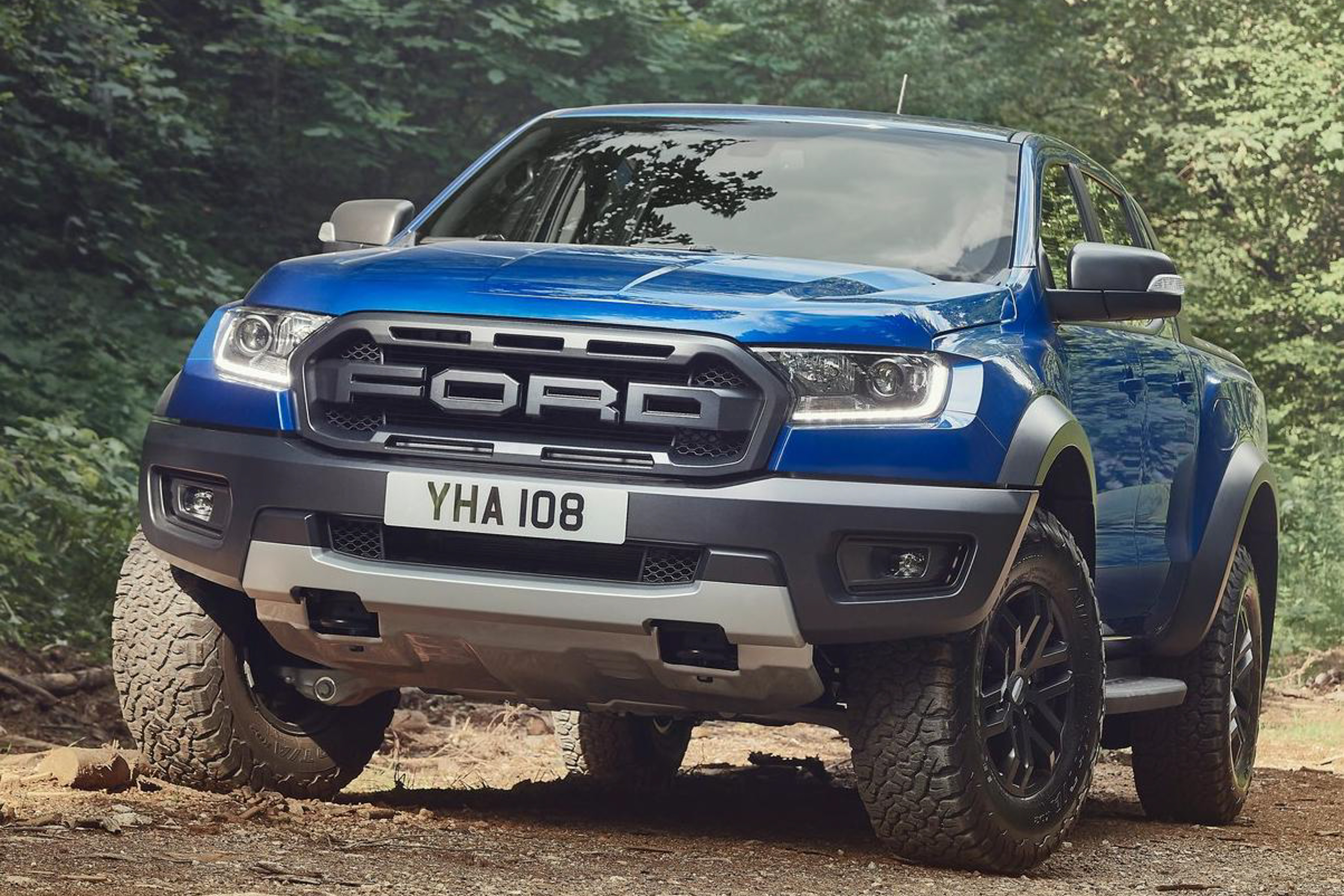
2021 Toyota Fortuner 2.7 SRZ AT 4x4 is a 7-seat SUV that balances family comfort and mild off-road capabilities, with smooth gasoline power and a practical 4x4 system, offering low maintenance requirements suitable for various family scenarios.