
Ford Everest 2023 Review

 Share
Share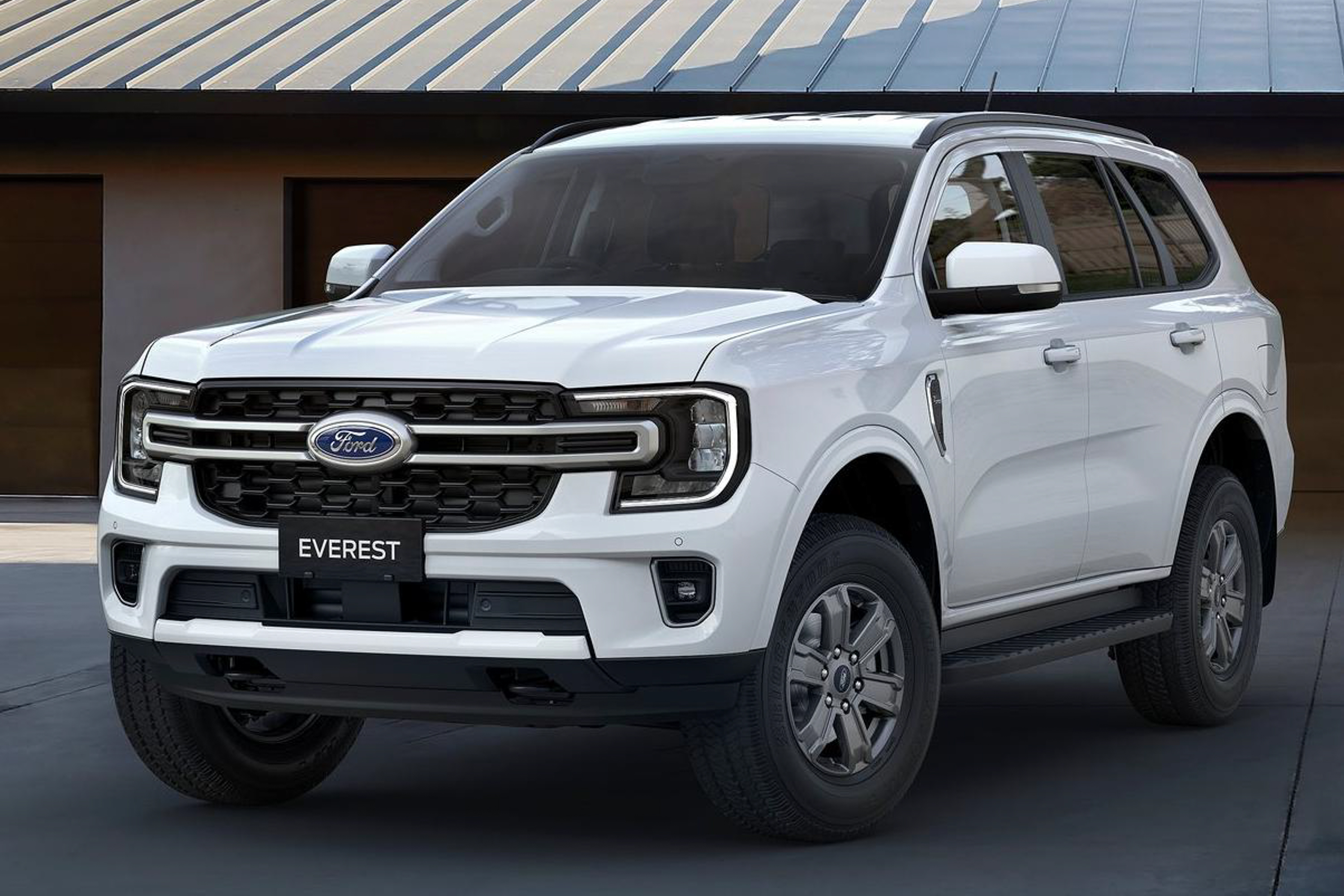
 Body Type
 Segment
 Capacity(L)
 Engine Power(PS)
 Engine Torque(Nm)
 Transmission
The midsize hardcore SUV market has consistently been popular locally. Family users not only demand comfort for daily commuting but also value the off-road capability for weekend trips. The 2023 Ford Everest Public has been designed precisely to meet these needs. As a practical hardcore SUV from Ford aimed at families, it continues the durability of a non-load-bearing body while upgrading its configuration and comfort. In this test drive, we will focus on evaluating its overall performance in urban road conditions and light off-road scenarios to see if it can strike a balance between family use and outdoor needs.
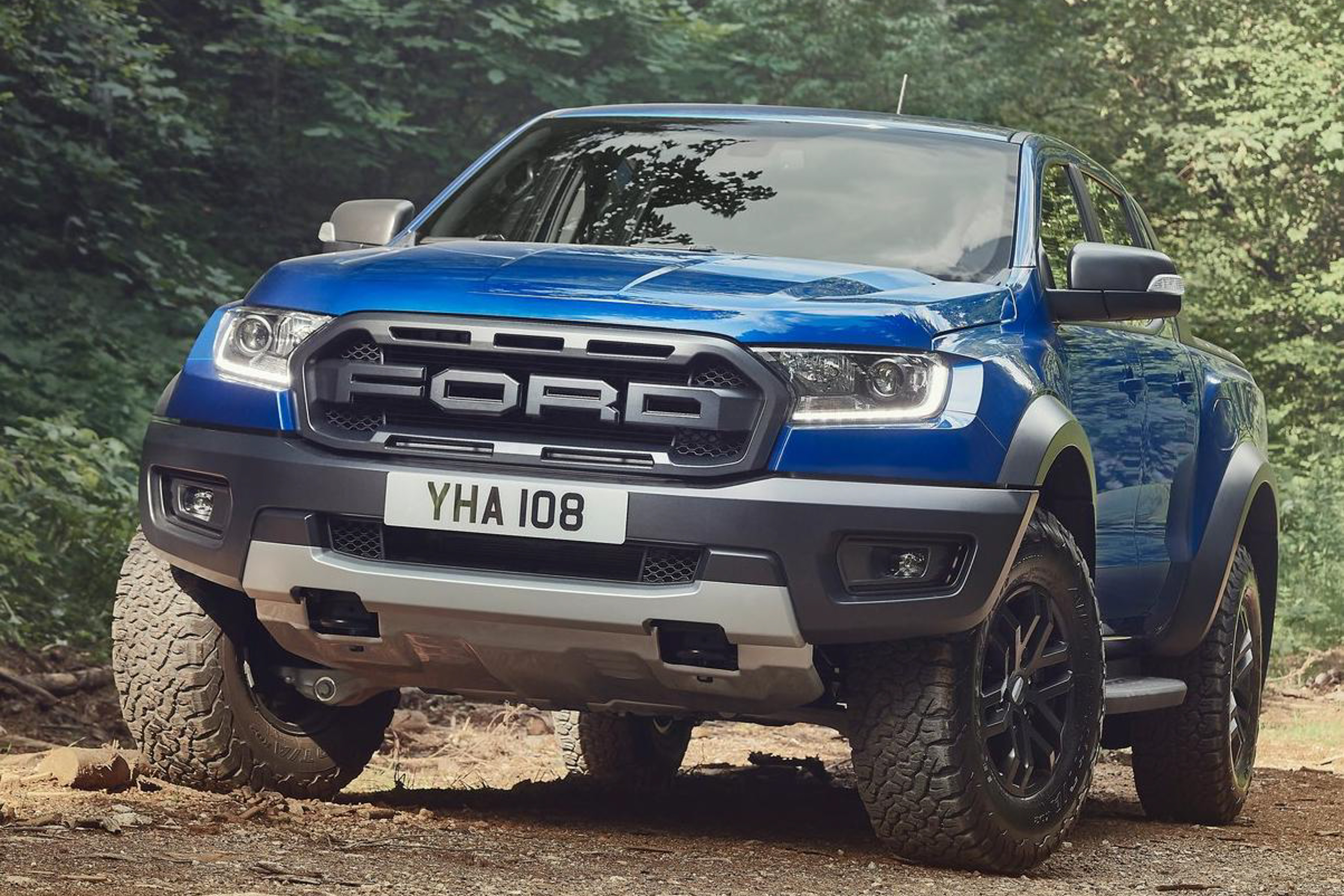
In terms of appearance, the 2023 Everest Public retains the rugged style of a hardcore SUV while incorporating more refined details. The front features a large trapezoidal grille with chrome trims extending from the logo to the sides, linking up with the LED headlamp assembly to enhance visual width. The interior of the headlights integrates daytime running lights, with a sharp design and high recognition. The side profile of the vehicle features straight lines, with footboards under the doors for easy access. The black plastic cladding around the wheel arches maintains the off-road vibe. At the rear, the vertically arranged LED tail lights echo the front design, and the silver skid plate below the rear bumper enhances the overall rugged feel. The overall design aligns with the hardcore SUV positioning but does not appear overly bulky, making it suitable for daily city driving without looking out of place.
Inside the vehicle, the interior focuses on practicality while maintaining a certain sense of technology. The dashboard adopts a symmetrical design, with a large amount of soft-touch plastic used for the materials, providing a decent tactile feel. The central control screen is 12 inches in size, supporting touch operation, Apple CarPlay, and Android Auto connectivity, with a smooth interface that is convenient for daily use. The steering wheel is multifunctional, with the left side controlling multimedia and phone settings, and the right side managing driver assistance systems. The button layout is reasonable, and the operation is ergonomic. The seats are made of fabric materials, with the front seats supporting manual adjustment. Both the backrest and seat cushion offer good support, making long-duration sitting comfortable. The rear seats provide ample legroom for passengers up to 175 cm tall, and there is sufficient headroom. The floor hump in the middle is not too high, making it comfortable for three people to sit temporarily. In terms of storage space, the front central armrest box is quite spacious, the door panel storage compartments can accommodate water bottles and small items, and the regular trunk capacity is average for its class. Folding down the rear seats creates even more space, catering to the need for transporting bulky items.
In terms of performance, the model we test-drove is equipped with a 2.0L twin-turbo diesel engine, delivering a maximum power of 154kW and a peak torque of 500N·m, paired with a 10-speed automatic transmission. During city driving, the power response in the initial acceleration phase is relatively smooth, but pressing the accelerator more deeply introduces torque from the turbochargers, making for ample power delivery, and acceleration or overtaking doesn’t feel laborious. The 10-speed transmission features clear shifting logic with smooth upshifts and downshifts, with virtually no noticeable jerking. The driving modes include Normal, Economy, Sport, and Off-Road. In Economy mode, the throttle response becomes more gentle, suitable for daily commutes. In Sport mode, the transmission delays shifts to maintain a higher RPM, providing more direct power output suitable for scenarios requiring rapid acceleration.
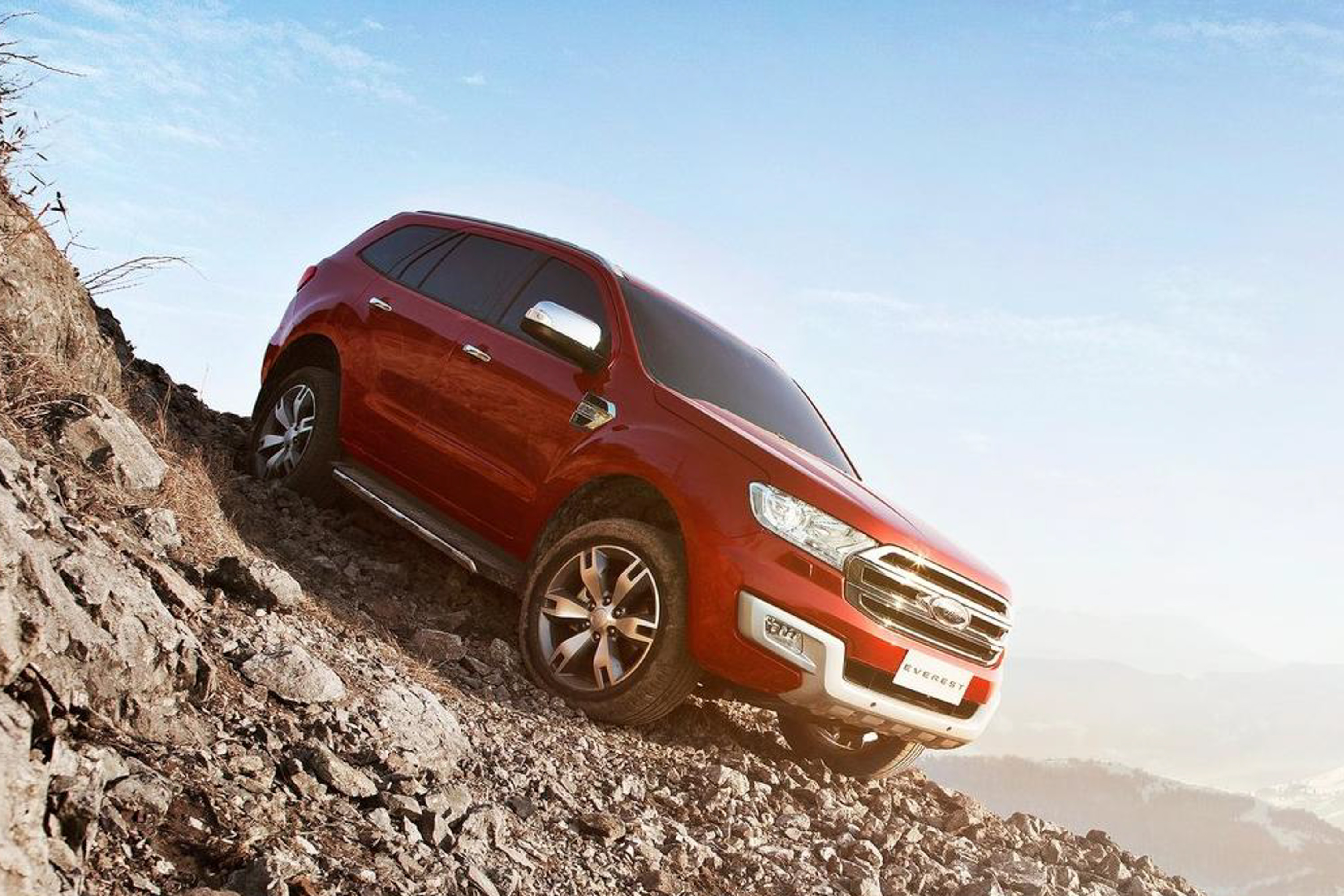
In terms of handling performance, the non-load-bearing body offers decent rigidity. The steering wheel has moderate resistance and reasonable accuracy. Although it falls short of the precision of urban SUVs, it reaches an acceptable standard for rugged SUVs. The suspension system adopts a front double-wishbone and rear solid axle structure, tuned towards comfort. While driving on urban roads, it effectively absorbs minor road bumps. When encountering speed bumps or larger potholes, the suspension rebounds crisply without excessive sway. In light off-road scenarios, such as muddy roads and small slopes, the vehicle demonstrates good passability. In low-speed four-wheel-drive mode, torque is amplified, combined with electronic limited-slip functionality, allowing it to easily handle light obstacles such as cross-axles and potholes.
In terms of fuel consumption, the urban road condition fuel consumption is about 8.5L per 100 kilometers, and on highways it is about 7.2L. For a rugged SUV, this fuel efficiency is quite economical. In terms of noise control, the diesel engine is slightly noisy at idle, but when driving, wind noise and tire noise are well-controlled, so conversations inside the cabin are not significantly impacted. The seating comfort has already been mentioned earlier, and the addition of rear air vents and USB charging ports enhances the riding experience for rear passengers.
In summary, the core advantages of the 2023 Ford Everest Public are the durability of its non-load-bearing body, the low fuel consumption of its diesel engine, and its excellent space performance. Compared to the Toyota Fortuner in the same class, it offers more advanced technology features, more transmission gears, and better comfort. Compared to the Mitsubishi Pajero Sport, it has stronger power parameters and a more modern interior design. This car is suitable for those who need to balance daily use and light off-road capabilities, such as families who enjoy weekend camping or occasionally need to drive on unpaved roads. It meets urban commuting comfort requirements while also being capable of handling light off-road challenges, making it a well-balanced rugged SUV overall.
Ford Everest Car Compare
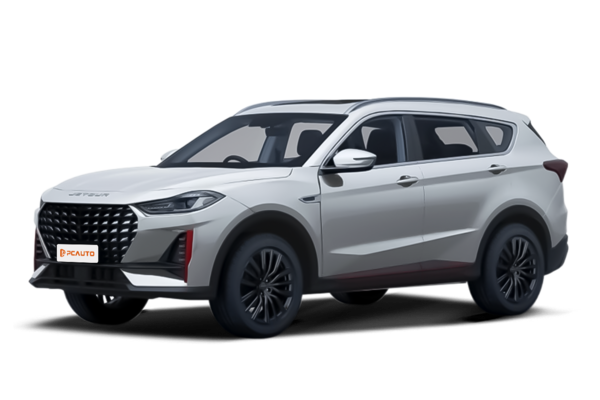
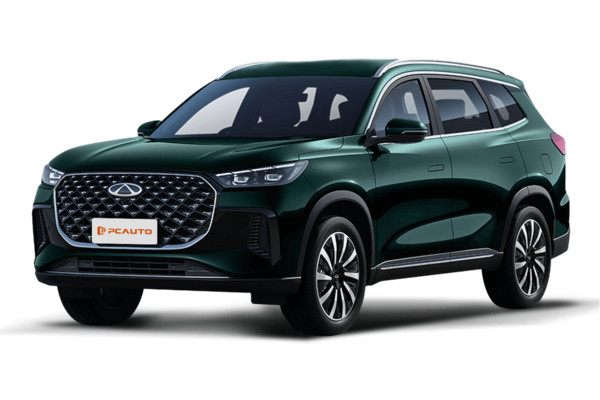
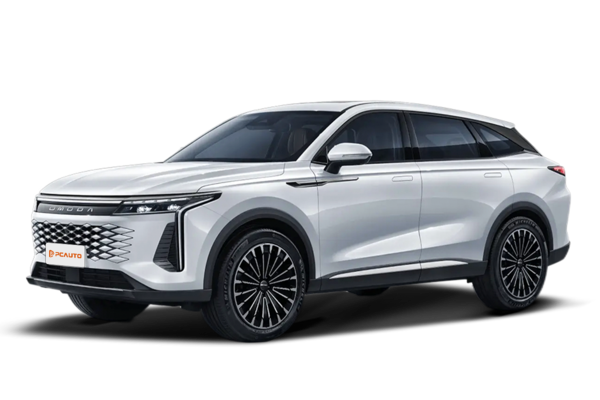
Cars With Similar Price And Features
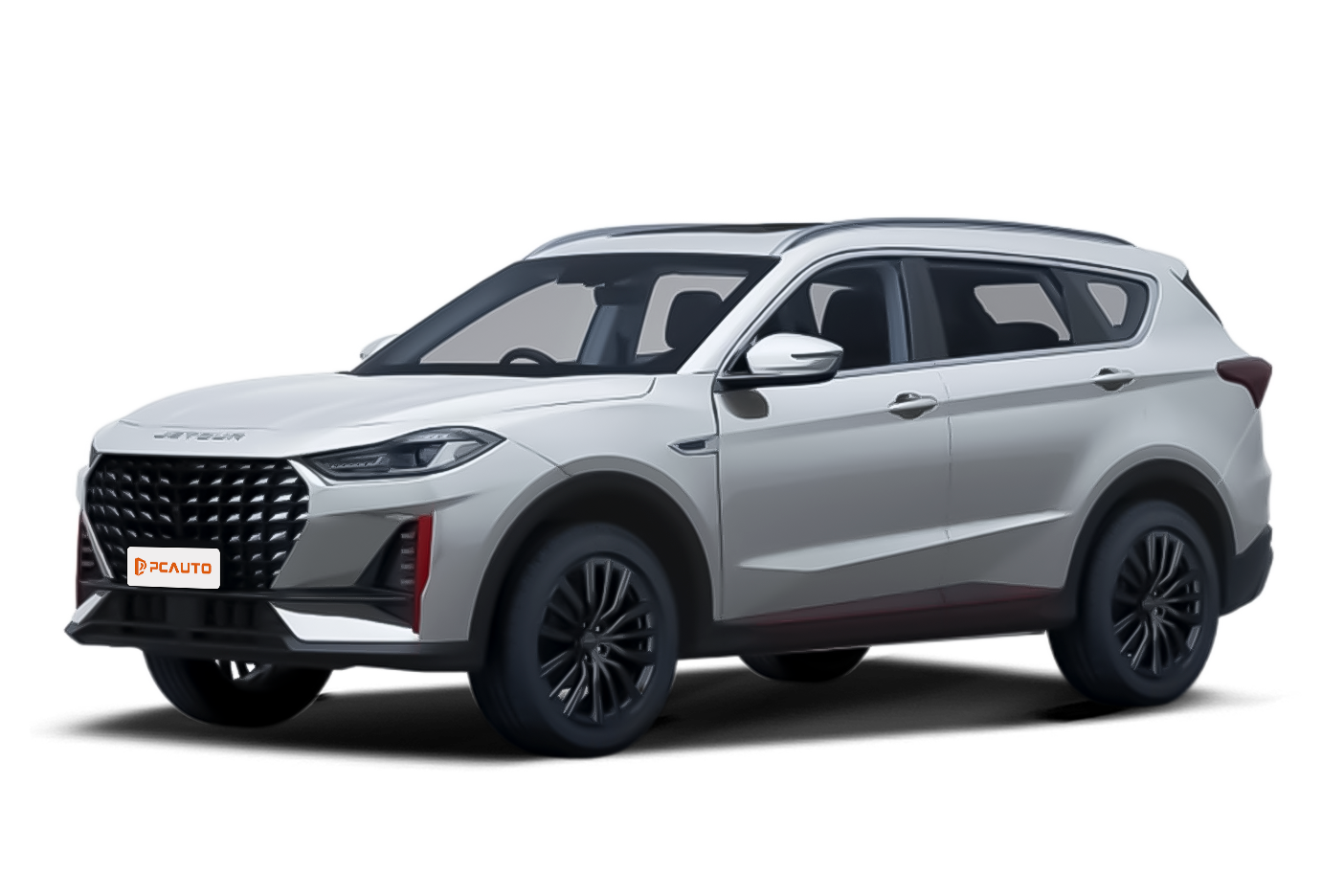
2025 Jetour VT 9 Comfort is a highly cost-effective 7-seater family SUV, featuring practical space, rich configurations, and balanced power, precisely meeting the needs of family short-distance travel.

11
Rank in SUV
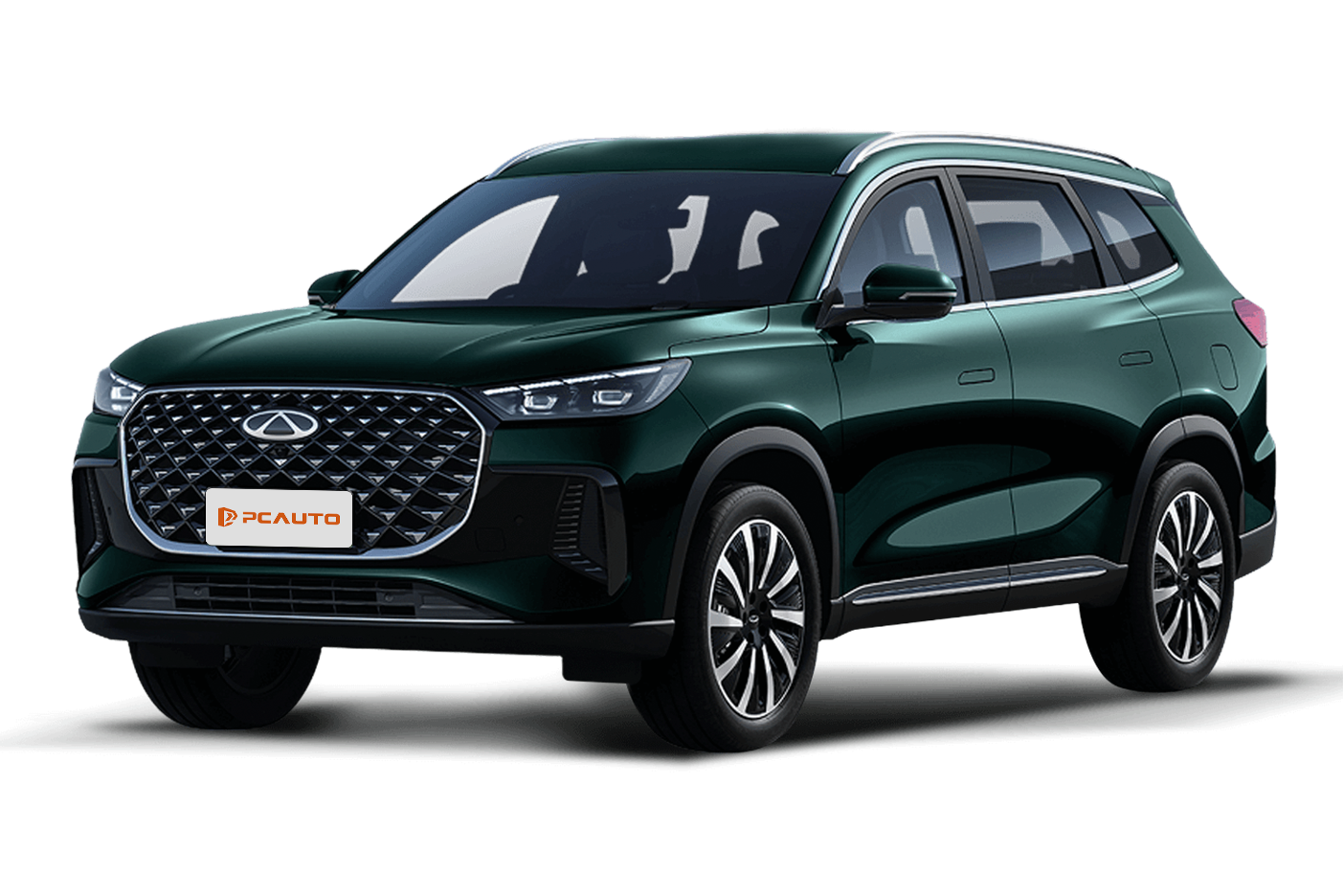
2026 Chery Tiggo 8 is a D-Segment SUV aimed at family users, offering superior configurations, practical space, and smooth power at a high cost-performance ratio, meeting both commuting and light off-road needs.
16
Rank in SUV

2024 Chery OMODA C9 2WD with 2.0T+8AT powertrain, L2 level assistance, and dual 12.3-inch screens, breaking the stalemate in the D-Segment market and becoming a high-value disruptor.
29
Rank in SUV
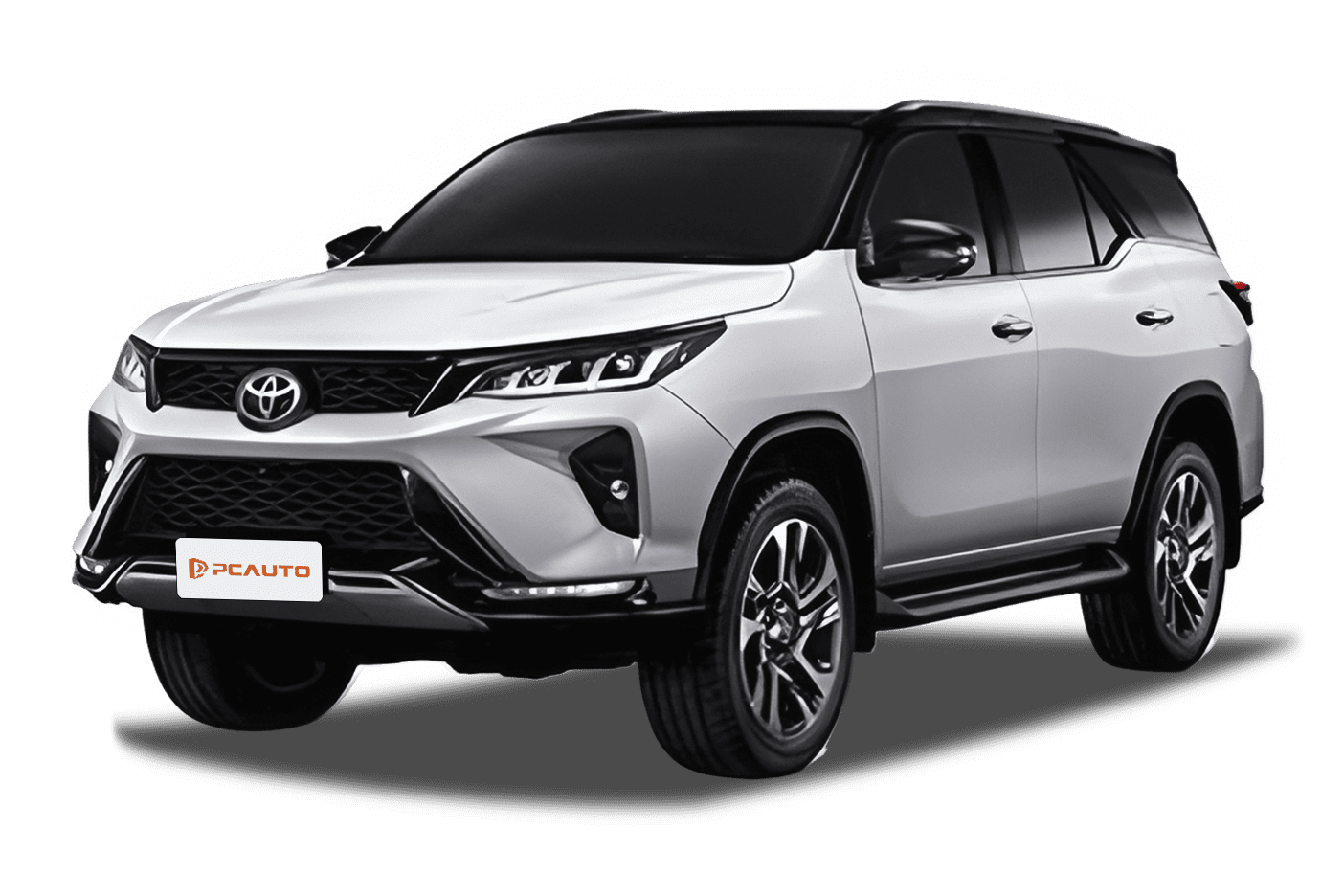
2021 Toyota Fortuner 2.7 SRZ AT 4x4 is a 7-seat SUV that balances family comfort and mild off-road capabilities, with smooth gasoline power and a practical 4x4 system, offering low maintenance requirements suitable for various family scenarios.