

Ford Fiesta 2014 Review

 Share
Share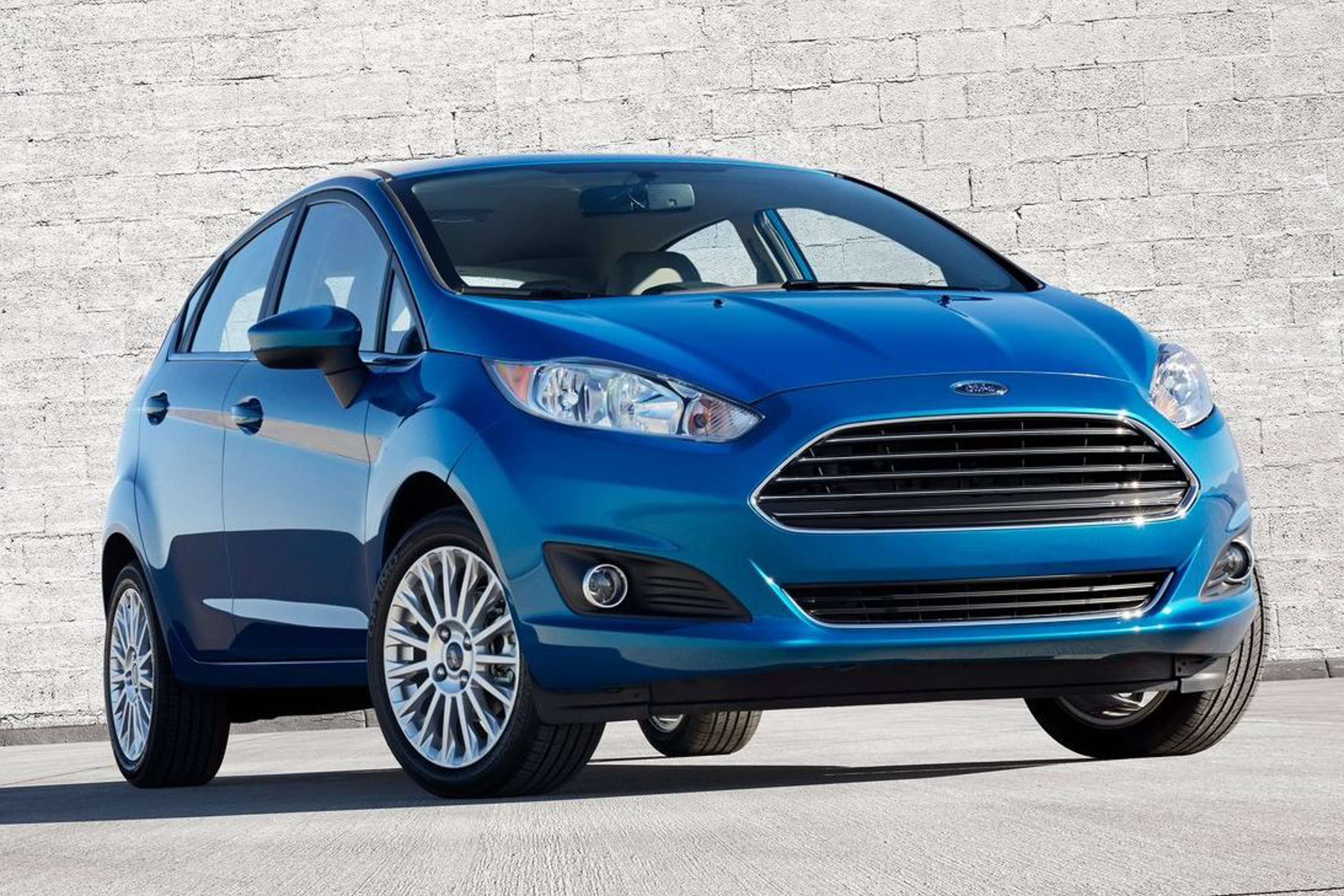
 Body Type
 Segment
 Capacity(L)
 Engine Power(PS)
 Engine Torque(Nm)
 Transmission
In recent years, Malaysia's small car market has been a fiercely contested segment among major brands. Consumers' demands for this type of vehicle primarily focus on stylish designs, practical configurations, and agile handling. As a popular contender in this niche market, the 2014 Ford Fiesta public's upgrades this time mainly revolve around exterior detail adjustments and intelligent configuration optimizations. After we received the test vehicle, we specifically evaluated its performance in city commuting and short weekend trips to see whether these changes genuinely enhance the daily user experience.
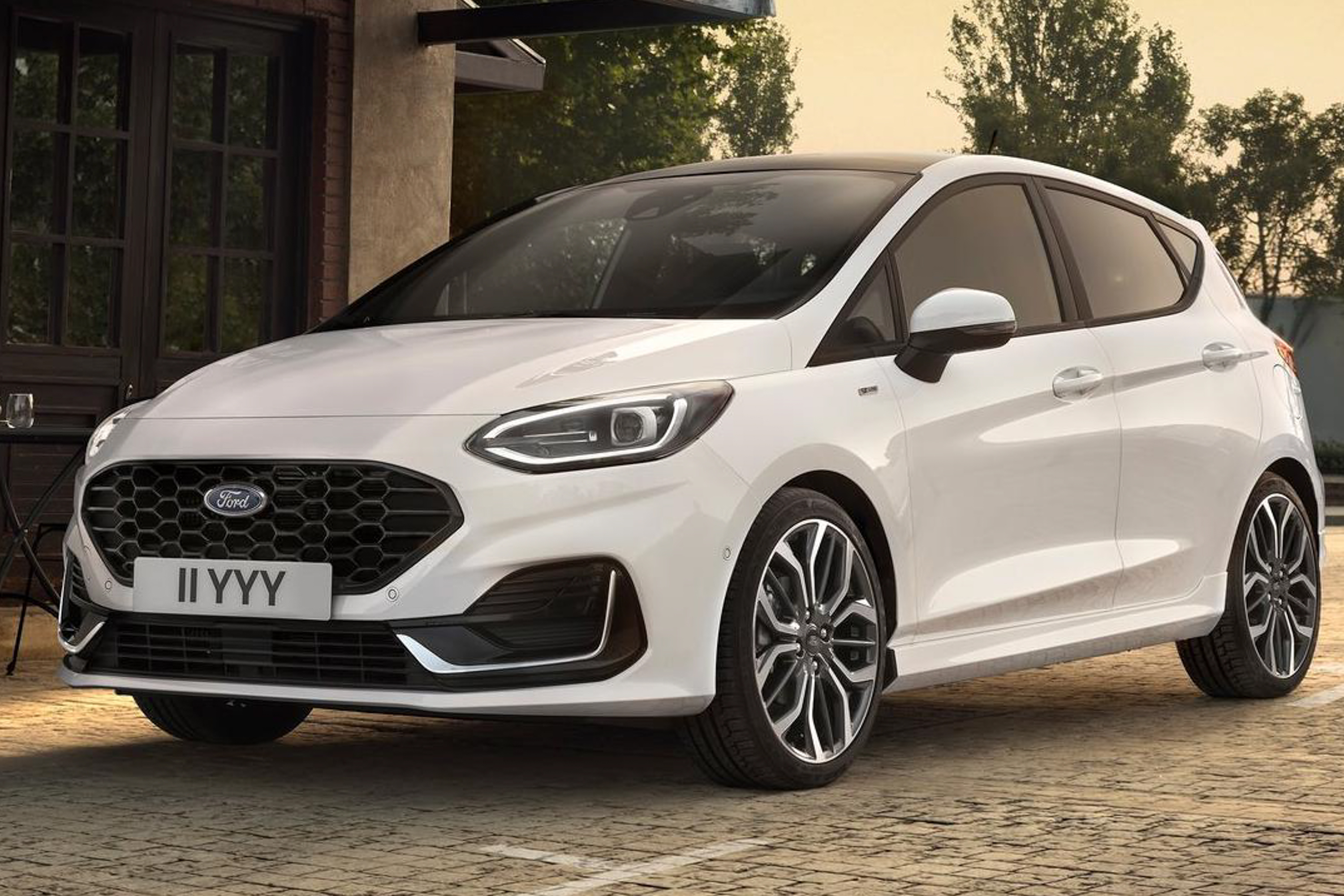
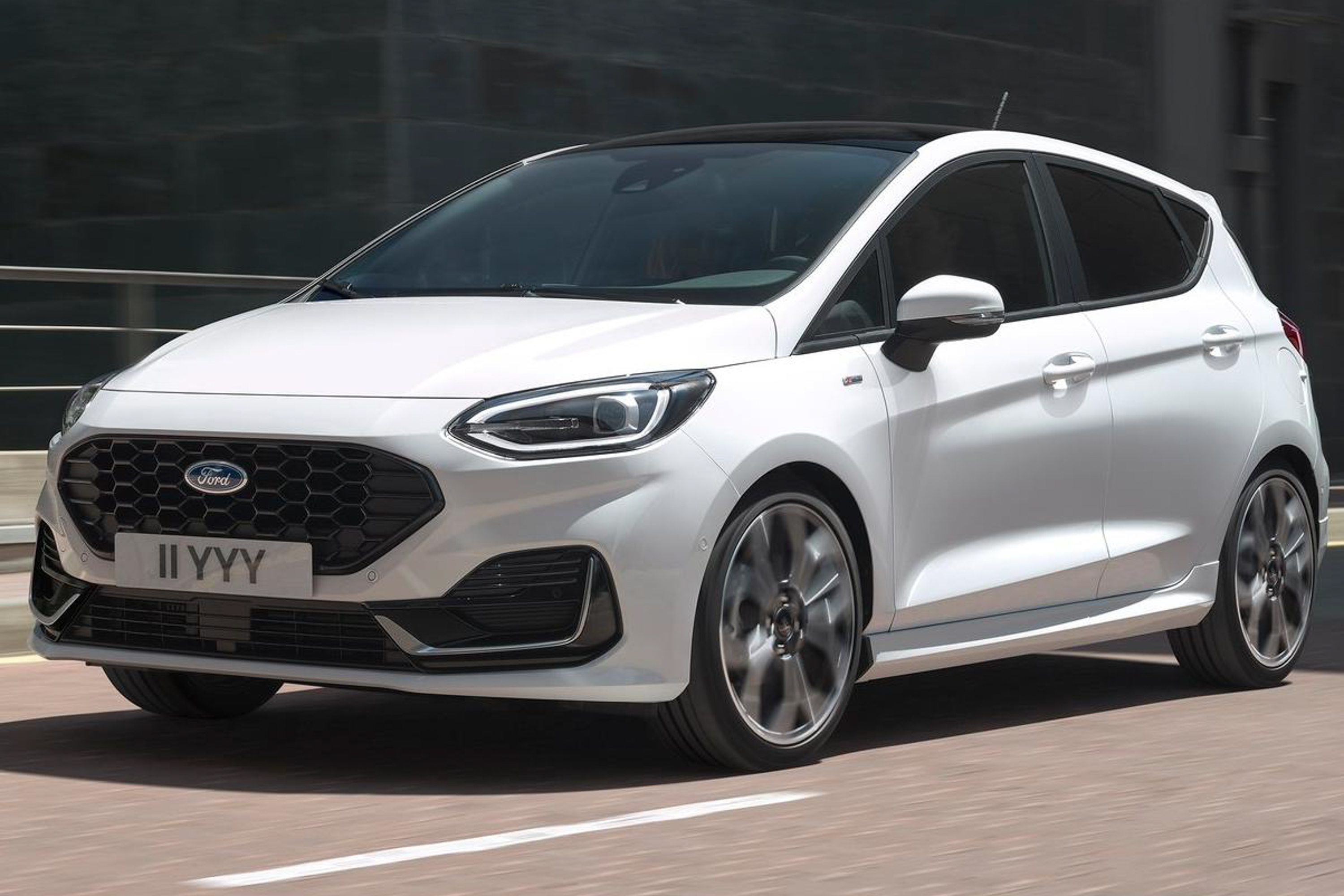
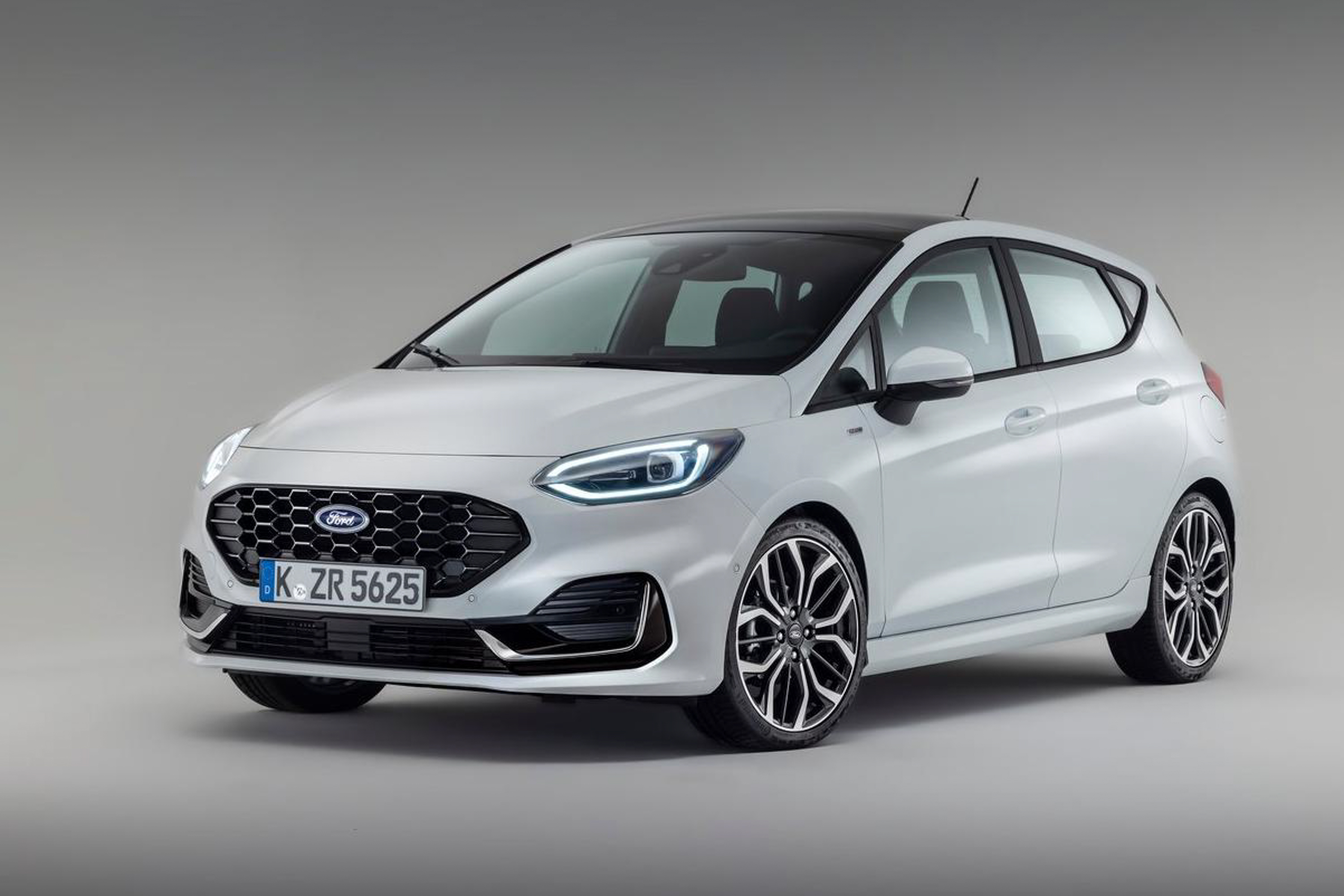
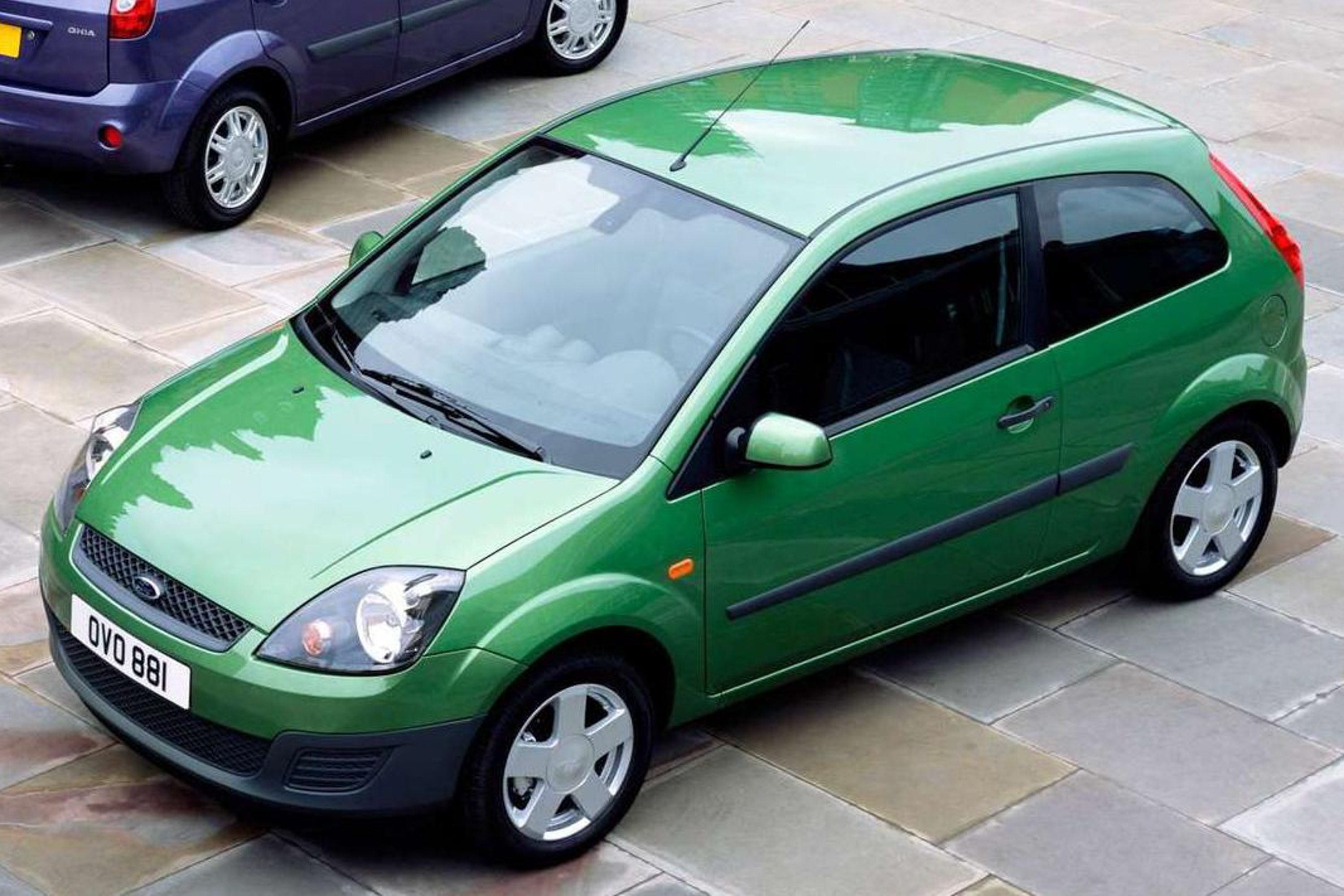
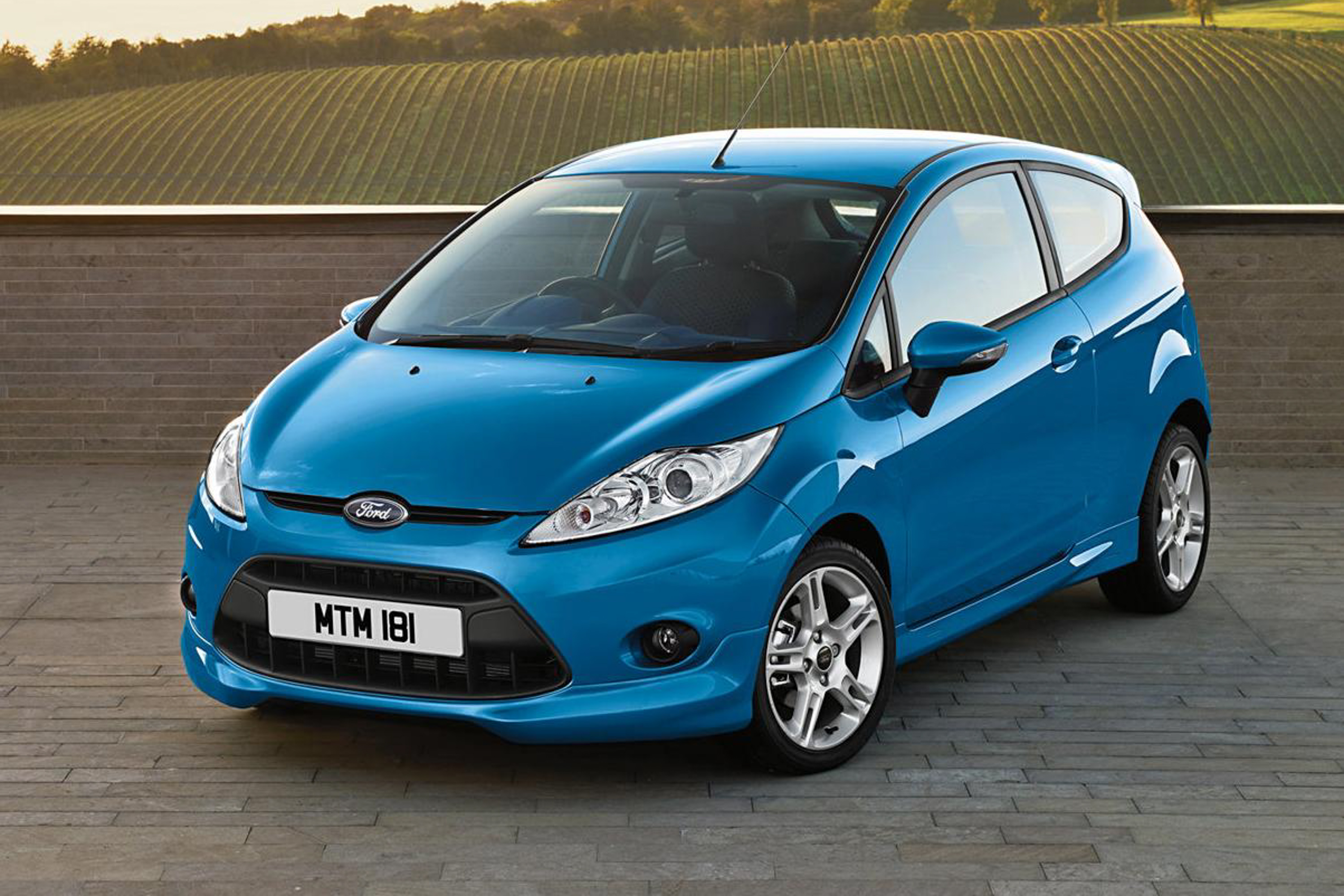
In terms of appearance, the 2014 Fiesta public continues the family-style "Martin face" design, with a trapezoidal front grille paired with chrome trim, giving it high recognizability. The most noticeable change in the front is the addition of LED daytime running lights to the headlamp set, giving it a sharper look and excellent visual appeal when lit. The body side lines are smooth, and the 16-inch multi-spoke aluminum alloy wheels appear more refined than the previous model. The tail light set at the rear has been given a smoked finish, and the dual exhaust layout adds a subtle sporty touch. Overall, these exterior tweaks make it look more premium while retaining its youthful style.
Entering the cabin, the interior layout hasn't changed much compared to the previous model, but the material quality has seen a significant upgrade. The upper part of the dashboard is wrapped in soft-touch materials, providing a better tactile feel than the old model's hard plastic. The three-spoke multifunction steering wheel is of moderate size and feels comfortable to grip. Audio adjustment and phone answering buttons are integrated on the left side, making operations very convenient. The central screen has been upgraded to an 8-inch display, equipped with the Ford SYNC 3 intelligent system, supporting Apple CarPlay and Android Auto. After connecting via smartphone, navigation and music streaming are incredibly seamless. The seats feature a leather and fabric combination design with manual adjustment for the front row. The backrest and cushion offer good support, ensuring comfort even during extended periods of sitting.
In terms of space, the body dimensions of the Fiesta public are 4040mm×1722mm×1496mm, with a wheelbase of 2493mm, which is standard for a small car. The front row space is sufficient for passengers with a height of 175cm, leaving about a fist's space for both headroom and legroom. The rear space is comparatively tight; passengers of the same height will find the legroom reduced to two fingers’ space and the headroom similarly limited. It is more suitable for short-distance seating. For storage, the central armrest box and door pocket in the front row have limited capacity but are adequate for storing small items like phones and cups. The trunk offers 292L of space, which is enough for daily grocery shopping or fitting two carry-on luggage. For larger items, the rear seats can be folded down, expanding the cargo capacity to 960L, making it reasonably practical.
In terms of performance, we tested the 1.5L naturally aspirated engine version, which delivers a maximum power of 88kW (120Ps) and a maximum torque of 150N·m, paired with a 6-speed automatic transmission. The engine response is relatively quick at start-up, and you can feel a noticeable sense of acceleration with light throttle input, making it agile for urban commuting, following traffic, or overtaking. Although mid-to-high-range acceleration isn't particularly strong, the power output remains linear above 3000 RPM, and it remains stable even at 120km/h on the highway. The transmission's shift logic is clear, with smooth gear transitions and virtually no jerks. There are two drive modes: economy and sport. In economy mode, throttle response is slower, making it ideal for daily driving, while sport mode is more aggressive, catering to moments of driving enthusiasm.
In terms of handling, the Fiesta public's steering wheel is precise with minimal play, and the body follows well during cornering. The suspension system adopts a front MacPherson independent suspension and a rear torsion beam non-independent suspension, tuned towards sportiness. When driving over speed bumps or uneven roads, the shock absorption is average, and rear passengers will feel noticeable jolts. However, the advantage is that the body lean during cornering is minimal, providing good stability. We also tested the fuel consumption: under congested urban conditions, the fuel consumption is approximately 7.5L per 100km, while on the highway, it's 6.2L per 100km. Overall, the fuel economy is slightly above average among small cars. It's not super fuel-efficient, but acceptable.
In terms of sound insulation, the performance of the Fiesta public is moderate. When driving at low speeds in urban areas, the cabin is relatively quiet, with less noticeable tire noise and engine noise. However, when speeding above 100km/h on the highway, wind and tire noise gradually increase, requiring you to turn up the music to cover them. The braking system performs well, with a linear feel to the brake pedal. The initial braking force is moderate, and the later stage inspires confidence. During emergency braking, the vehicle remains stable without noticeable nosedive.
Overall, the core advantages of the 2014 Ford Fiesta public lie in its young and stylish exterior design, practical smart features, and peppy power response, making it suitable for urban commuting. Compared to the same-class Honda Fit, the Fiesta public has an advantage in interior quality and intelligent systems but falls slightly short in space and power performance. Compared to the Volkswagen Polo, it is more budget-friendly and better equipped. This car is more suitable for young consumers with limited budgets who value appearance and features or as a second family car. If you need a small car for daily commuting and don't have high space requirements, the Fiesta public is a good choice.
Ford Fiesta Car Compare

Cars With Similar Price And Features
4
Rank in Hatchback
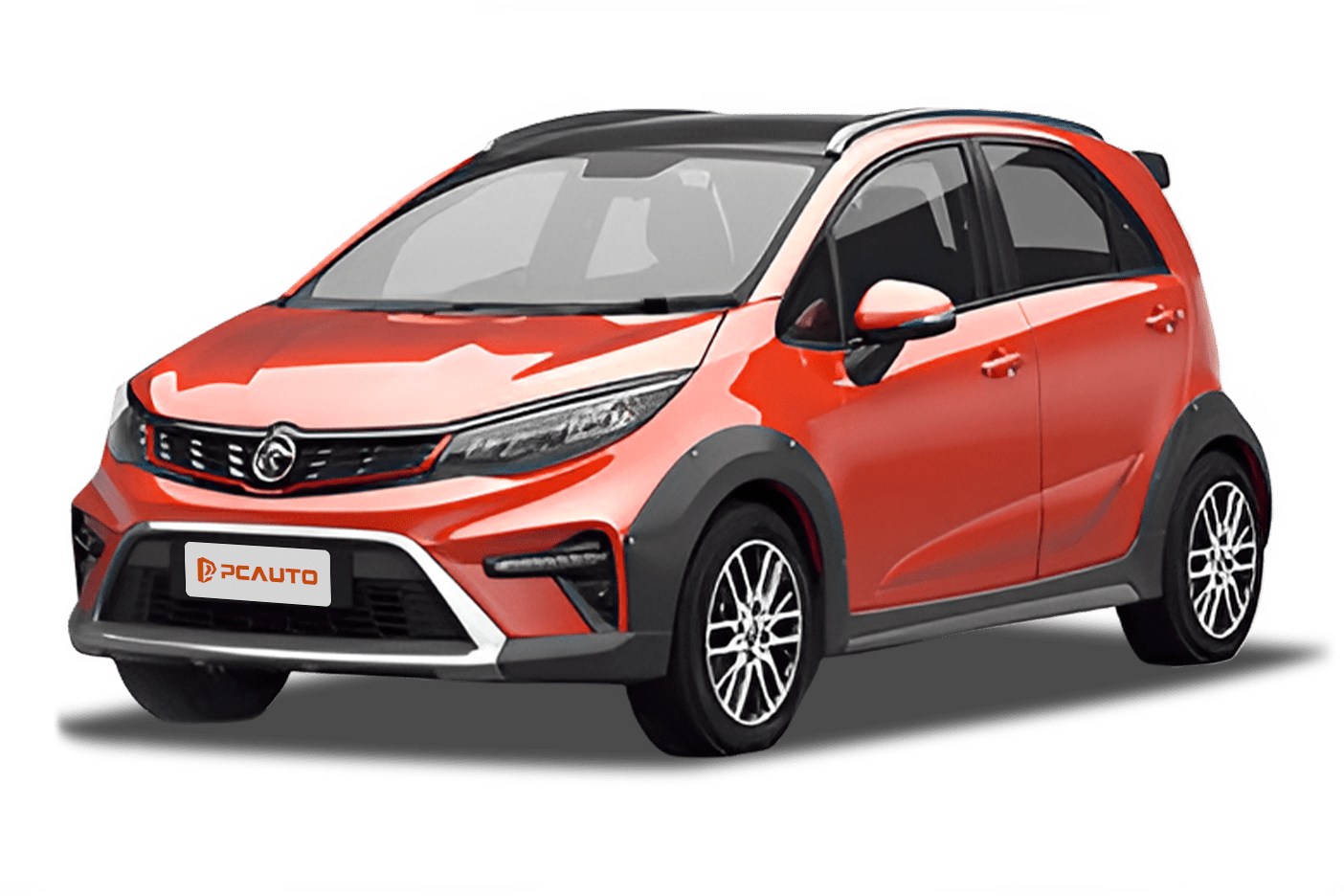
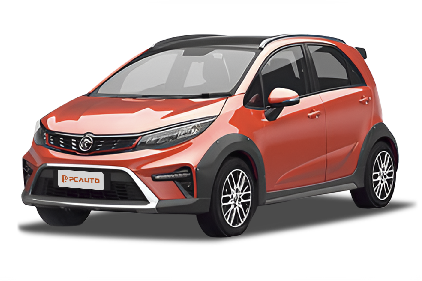
2023 Proton Iriz 1.3 Standard CVT is an affordable, well-balanced entry-level B-segment hatchback with safety features, suitable for budget-conscious families focusing on safety and practicality for daily commuting.
2
Rank in Hatchback

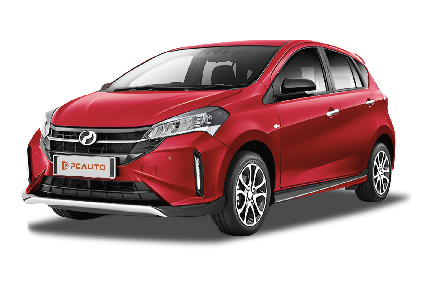
2023 Perodua Myvi 1.3 G with PSDA is an affordable B-segment hatchback, combining practical space, basic features, and PSDA safety assistance, suitable for family commuting.
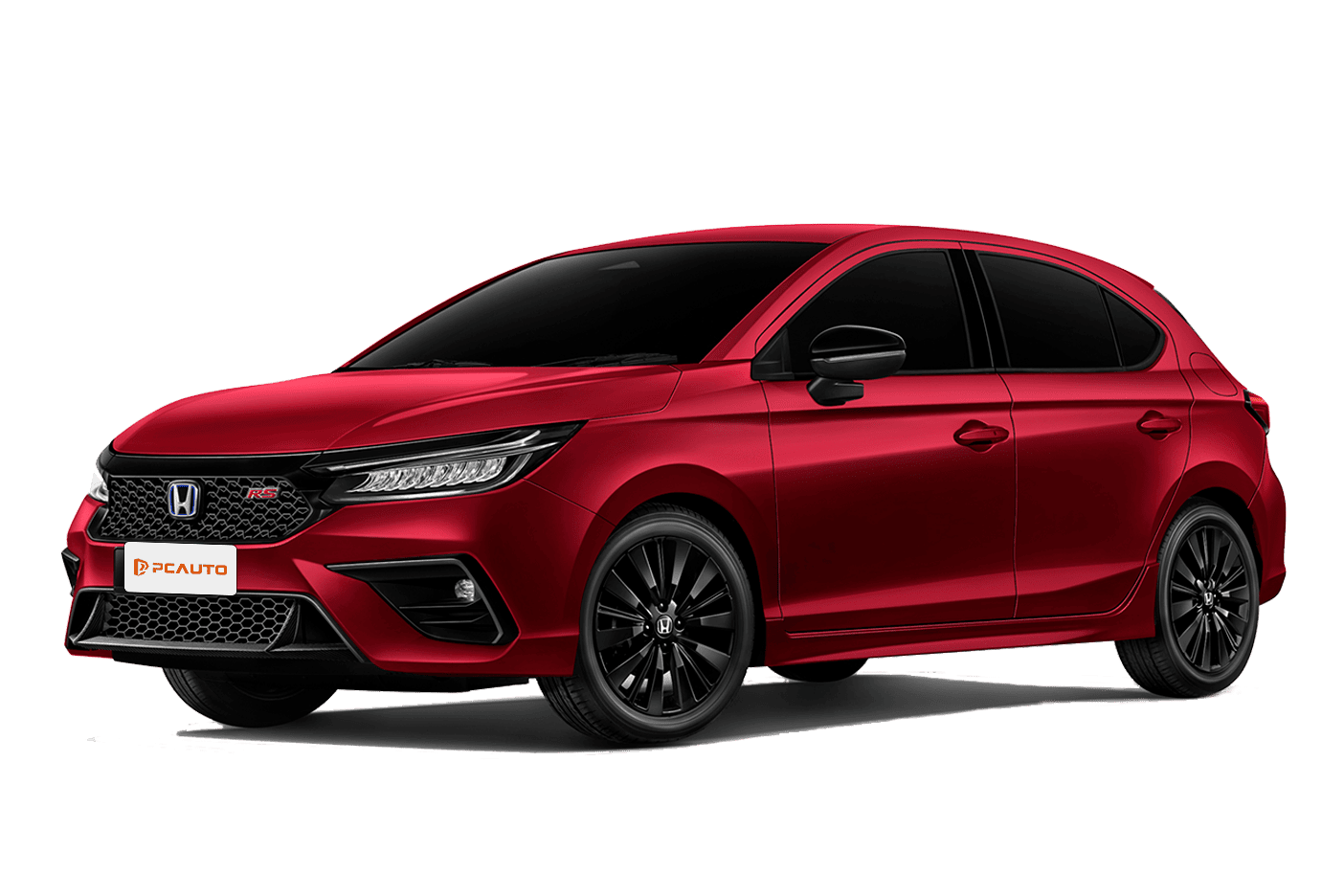
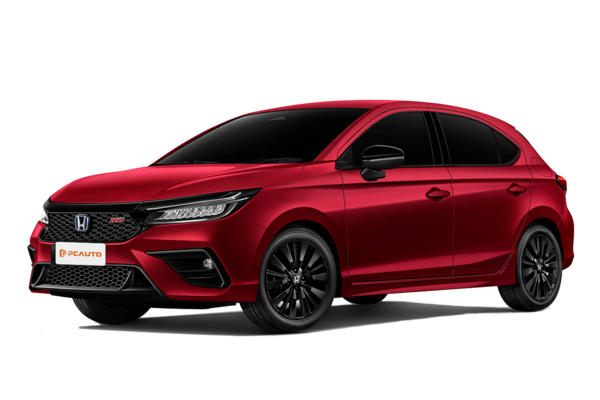
2024 Honda City Hatchback 1.5 S, as a high-value entry-level hatchback, comes standard with Honda Sensing and 6 airbags, offering practical space, economical fuel consumption, and balancing safety with daily commuting needs.
3
Rank in Hatchback
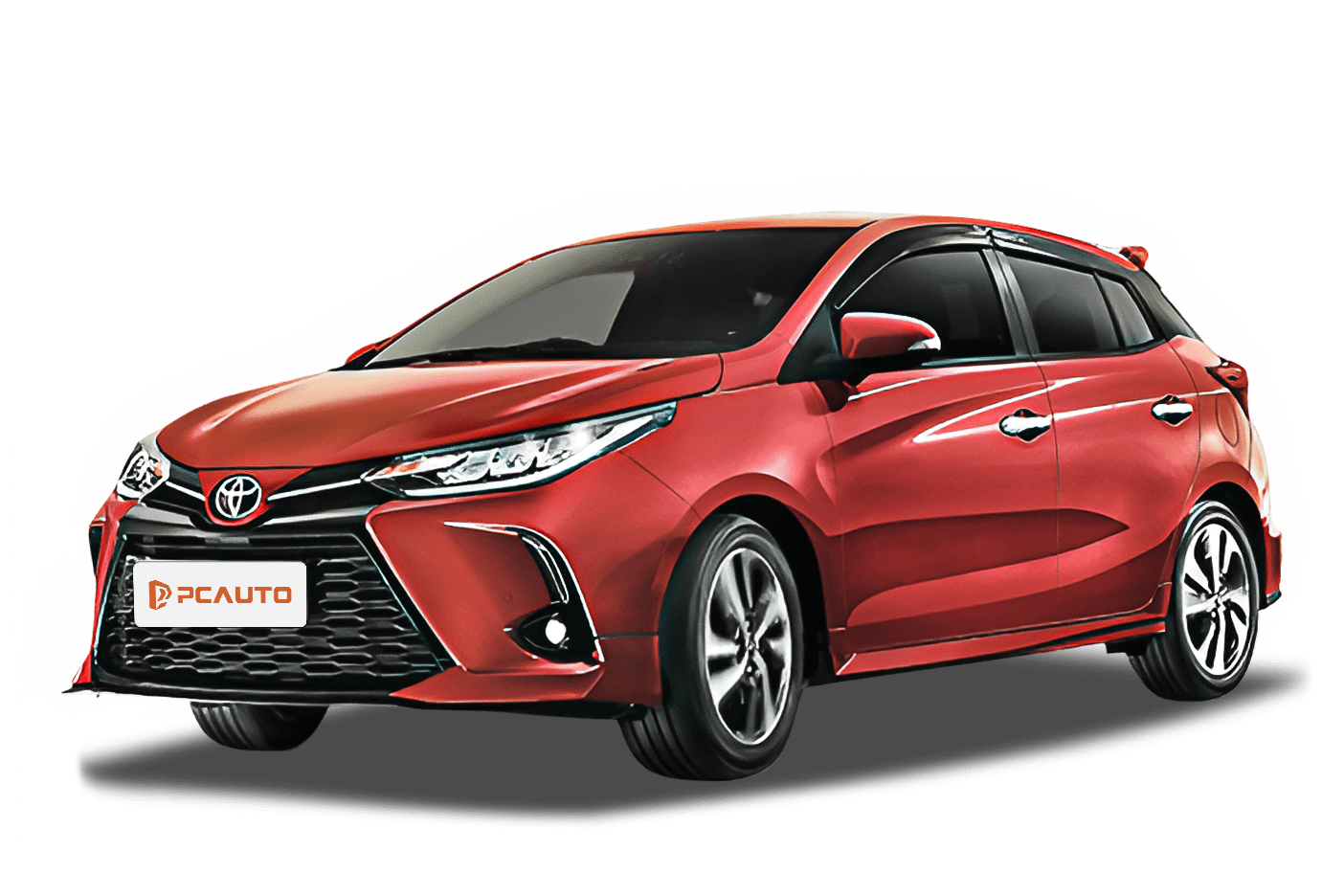
2024 Toyota Yaris 1.5E serves as the main entry-level household model, emphasizing durability, upgraded with a 360-degree parking camera and Optitron instrument panel. Its practical space, smooth power delivery, and high cost-performance ratio align well with family commuting needs.