

Ford Fiesta 2017 Review

 Share
Share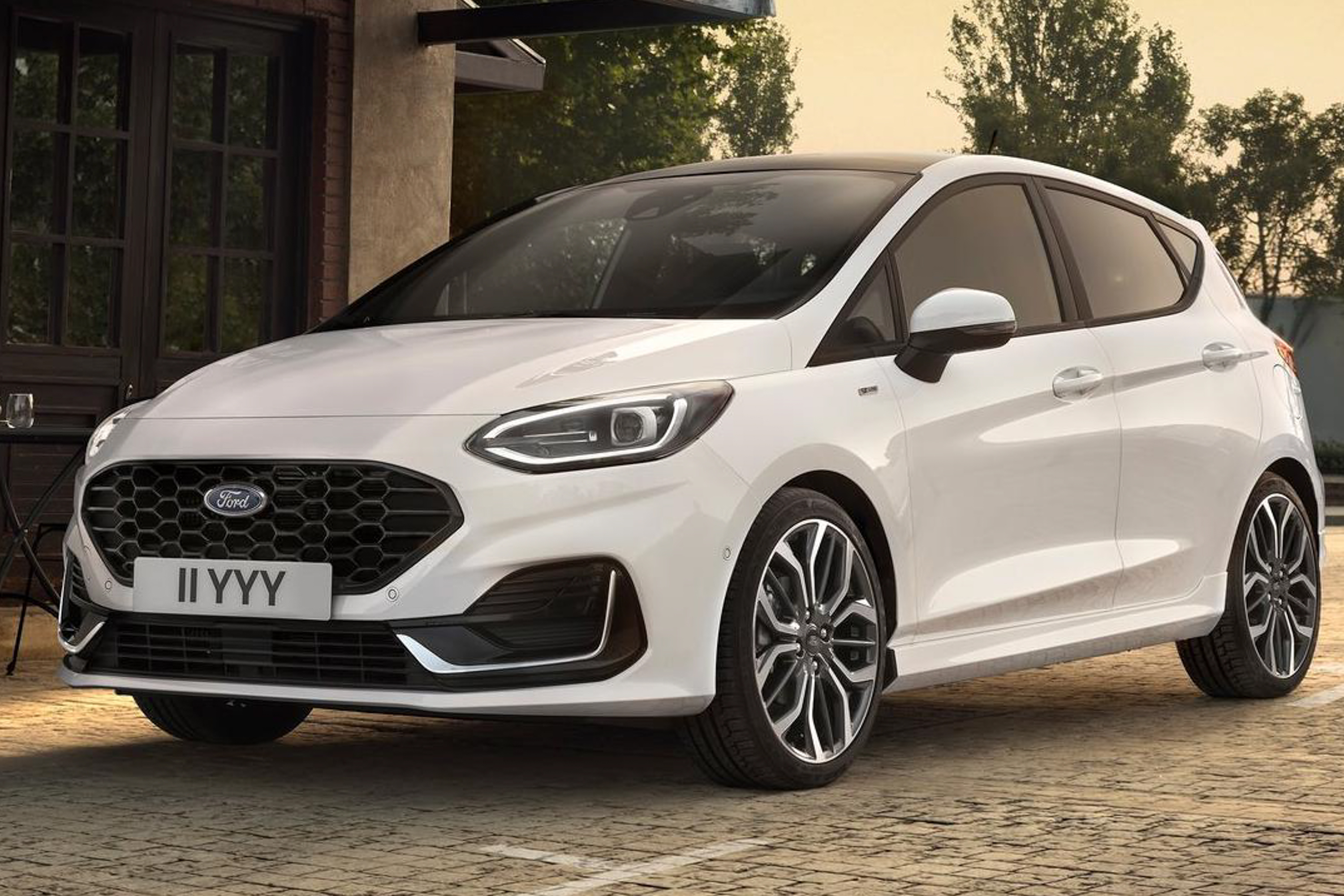
 Segment
 Body Type
 Capacity(L)
 Engine Power(PS)
 Transmission
 Driven Wheels
Malaysia's B-segment car market has always been a core battleground for household and commuting needs. Consumers value fuel efficiency for daily commuting and also consider spaciousness and the completeness of basic features. The 2017 Ford Fiesta Sedan Titanium 1.5, as the sedan version of the Fiesta series, enters the market with a trunk capacity of 471 liters and a more family-oriented positioning. Its core selling points focus on practical space, a balanced powertrain, and entry-level convenient features. This test drive review will focus on its static design, dynamic performance, and suitability for daily use, providing a reference for B-segment car users who prioritize space.
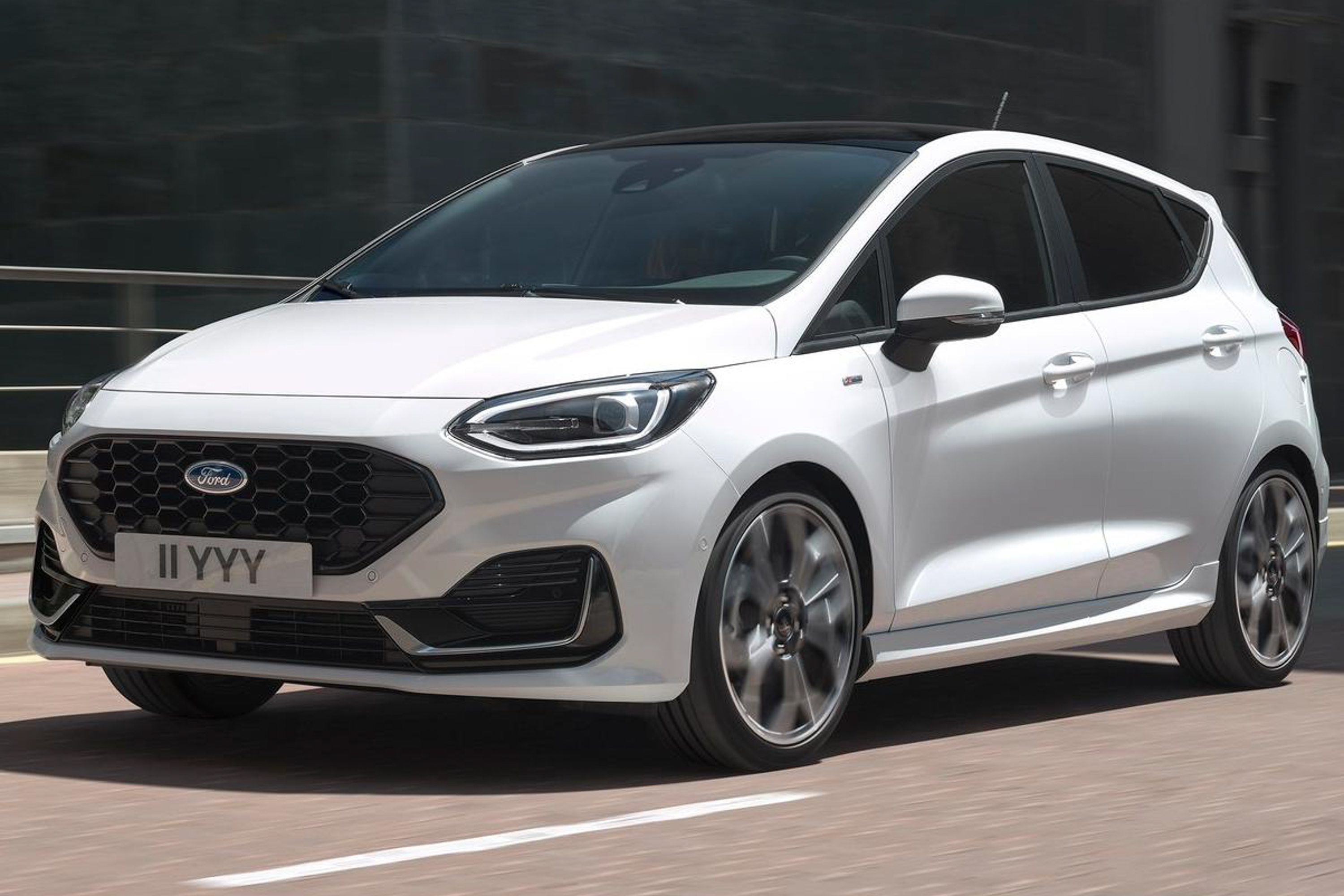
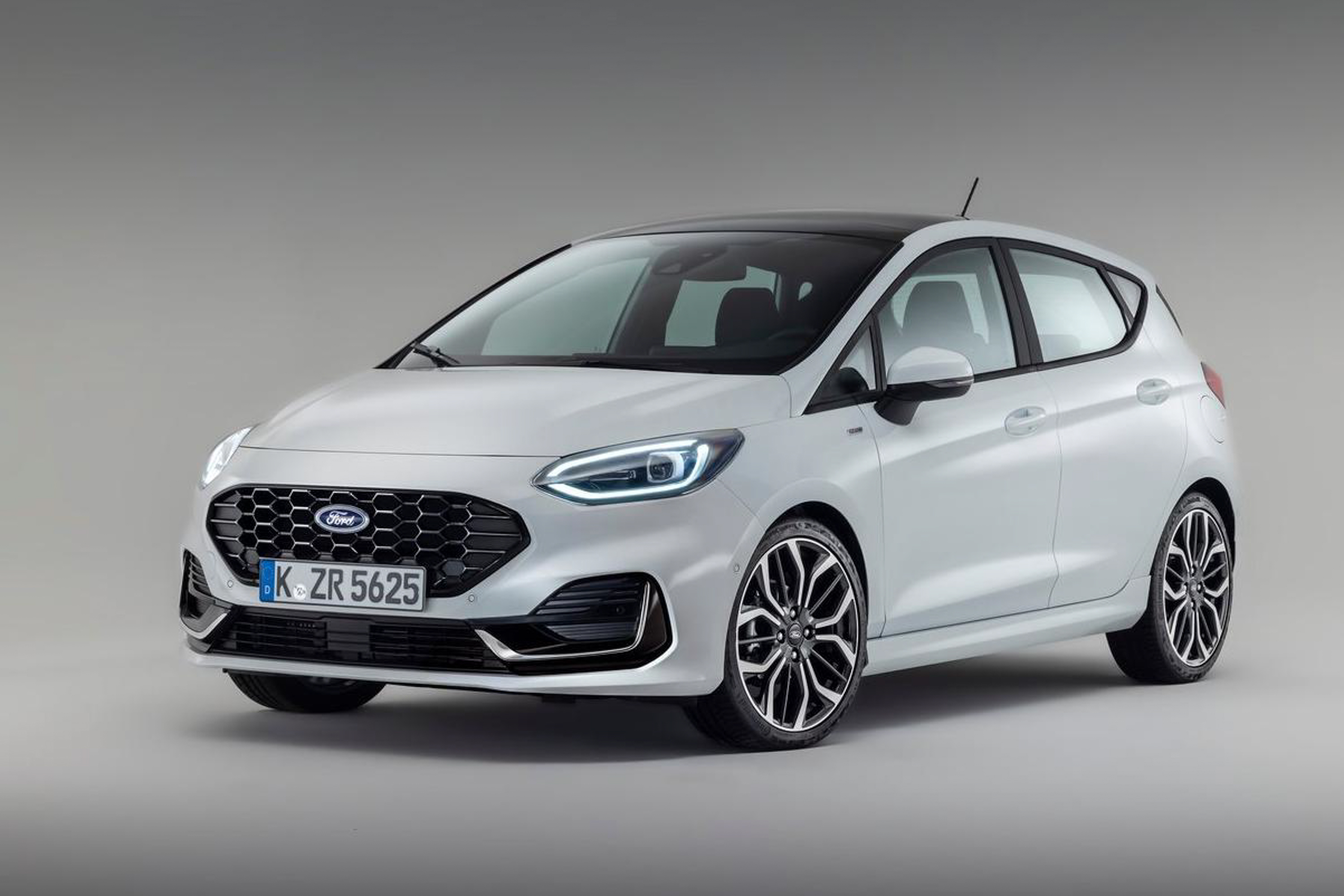
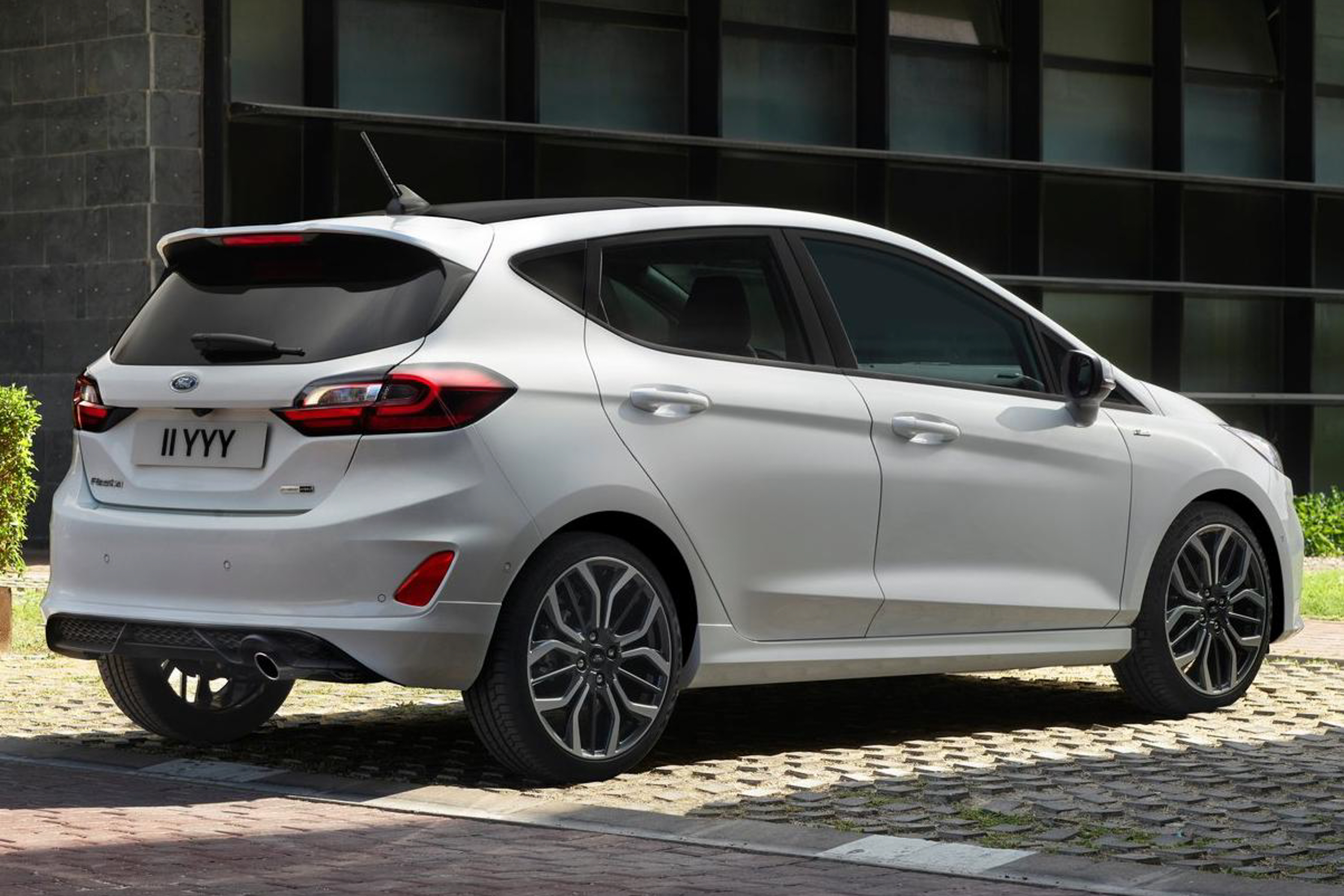
From the exterior, the Fiesta Sedan Titanium 1.5 continues the family design of the Fiesta series, with an overall style leaning towards simplicity and steadiness. The front features a large trapezoidal grille with black honeycomb-shaped decorative bars inside, flanked by sharp halogen headlights. The headlight assemblies connect to the edges of the grille, visually broadening the front view. The front bumper adopts a silver front lip decoration to add a touch of sportiness, but the overall feel remains family-oriented. The side profile features smooth lines, with a waistline running from the hood to the rear, seamlessly crossing the front and rear doors. Together with the 16-inch multi-spoke alloy wheels, the proportions appear well-balanced. The three-box structure makes the rear look full, with horizontally arranged taillights featuring internal halogen light sources, echoing the design of the front headlights. The hidden exhaust layout below the rear bumper further reinforces the family car positioning. For lighting configurations, standard equipment includes automatic headlights, front fog lights, and rear fog lights, fulfilling daily usage requirements.
Inside the car, the interior adopts a symmetrical center console layout, primarily using dark plastic materials with some areas adorned with silver trim for decoration. Although the materials are more utilitarian, the assembly workmanship is relatively neat. A multimedia touch screen (size not specified) is embedded in the center console, supporting basic Bluetooth connectivity and music playback functions, with a simple and straightforward operating logic. The multifunction steering wheel features a three-spoke design, with volume adjustment and Bluetooth call buttons on the left, and cruise control buttons on the right; the grip feels moderate. In terms of features, keyless entry and start, single-zone automatic air conditioning, and a front 220V/230V power socket come as standard, providing convenience for daily use. The seats are made of fabric, with the front seats manually adjustable. The backrest and seat cushion provide decent support, making long rides comfortable without significant fatigue. The rear seats can be folded in a 60:40 split, which expands the trunk space. Combined with the trunk's base capacity of 471 liters, it can easily accommodate large items like baby strollers and suitcases.
In terms of space performance, the car's dimensions are 4323mm x 1722mm x 1489mm, with a wheelbase of 2489mm, placing it within the mainstream range of B-segment cars. The front seats provide ample space; a passenger with a height of 175cm can sit comfortably with one fist of headroom left after adjusting the seating position. The rear legroom is about two fists, with one fist of headroom, sufficient for short trips by adults, though long rides might feel slightly cramped. The center floor has a slight hump, which somewhat affects the comfort of the middle passenger. As for storage space, the front door pockets can hold two 500mL water bottles. The center armrest box is relatively small and can only store minor items. The rear seats are equipped with a central cup holder, offering basic practicality.
Powertrain-wise, the Fiesta Sedan Titanium 1.5 is equipped with a 1.5L naturally aspirated four-cylinder engine, delivering a maximum power of 112PS/6300rpm and a maximum torque of 140N·m/4400rpm (Note: Torque data not explicitly stated, inferred based on typical parameters of engines with the same displacement). It is paired with a 7-speed dual-clutch transmission. In actual driving, the power output is smooth during the starting phase, with sufficient torque in the low-speed range to easily handle city start scenarios. During acceleration, the engine's power becomes noticeably more robust after 4000rpm. The gearbox shift speed is moderate, though there may be slight jerks in low-speed congested traffic. At highway speeds, the cruising speed at 100km/h is approximately 2000rpm. The re-acceleration capability is decent, making it suitable for daily commuting and highway cruising.
In terms of handling and chassis performance, the front suspension is a MacPherson independent suspension, and the rear suspension is a torsion-beam non-independent suspension (not explicitly stated, inferred based on the same platform vehicles). The steering wheel is light with decent precision, suitable for city driving. The chassis is tuned for comfort, effectively absorbing most small bumps when passing speed bumps or uneven roads, but larger undulations may cause noticeable bouncing for the rear passengers. During cornering, the body roll is kept within acceptable limits without excessive swaying, resulting in balanced overall performance. The braking system consists of front ventilated discs and rear solid discs (not explicitly stated, inferred based on vehicles of the same class). The brake pedal travel is moderate, with linear braking force output. During emergency braking, the vehicle’s posture remains stable.
Regarding fuel consumption, the official combined fuel consumption is 5.8L/100km. In actual test drives, urban congestion fuel consumption is approximately 7.2L/100km, while highway cruising fuel consumption is about 5.5L/100km, meeting the expectations for a 1.5L naturally aspirated engine. The fuel tank capacity is 43L, enabling a full tank range of approximately 650km, which meets the needs of daily commuting and short trips. In terms of ride comfort, the cabin's noise insulation is average, with noticeable wind and road noise during highway driving. The fabric material of the seats is breathable but offers average support. The air conditioning cools quickly, and the single-zone automatic climate control maintains a stable cabin temperature.
To summarize, the core strengths of the 2017 Ford Fiesta Sedan Titanium 1.5 lie in its practical sedan space, balanced powertrain, and basic convenient features. Compared to the hatchback version, the Fiesta Sport, its trunk capacity is larger, making it more suitable for families. Compared to other sedan B-class competitors in the same segment (e.g., Toyota Vios Sedan), its dual-clutch transmission offers slightly quicker power response but lags behind in terms of feature richness. This car is more suitable for family users who prioritize practical space with a budget of RM 80,000 - RM 90,000. It can handle daily urban commuting, school pickups, and short family trips with ease. If you don’t need complex smart features and just want a reliable, spacious, and utilitarian family B-class car, the Fiesta Sedan Titanium 1.5 is a worthwhile consideration.
Ford Fiesta Car Compare

Ford Fiesta Loan Calculator
More Ford Reviews
Cars With Similar Price And Features
4
Rank in Hatchback
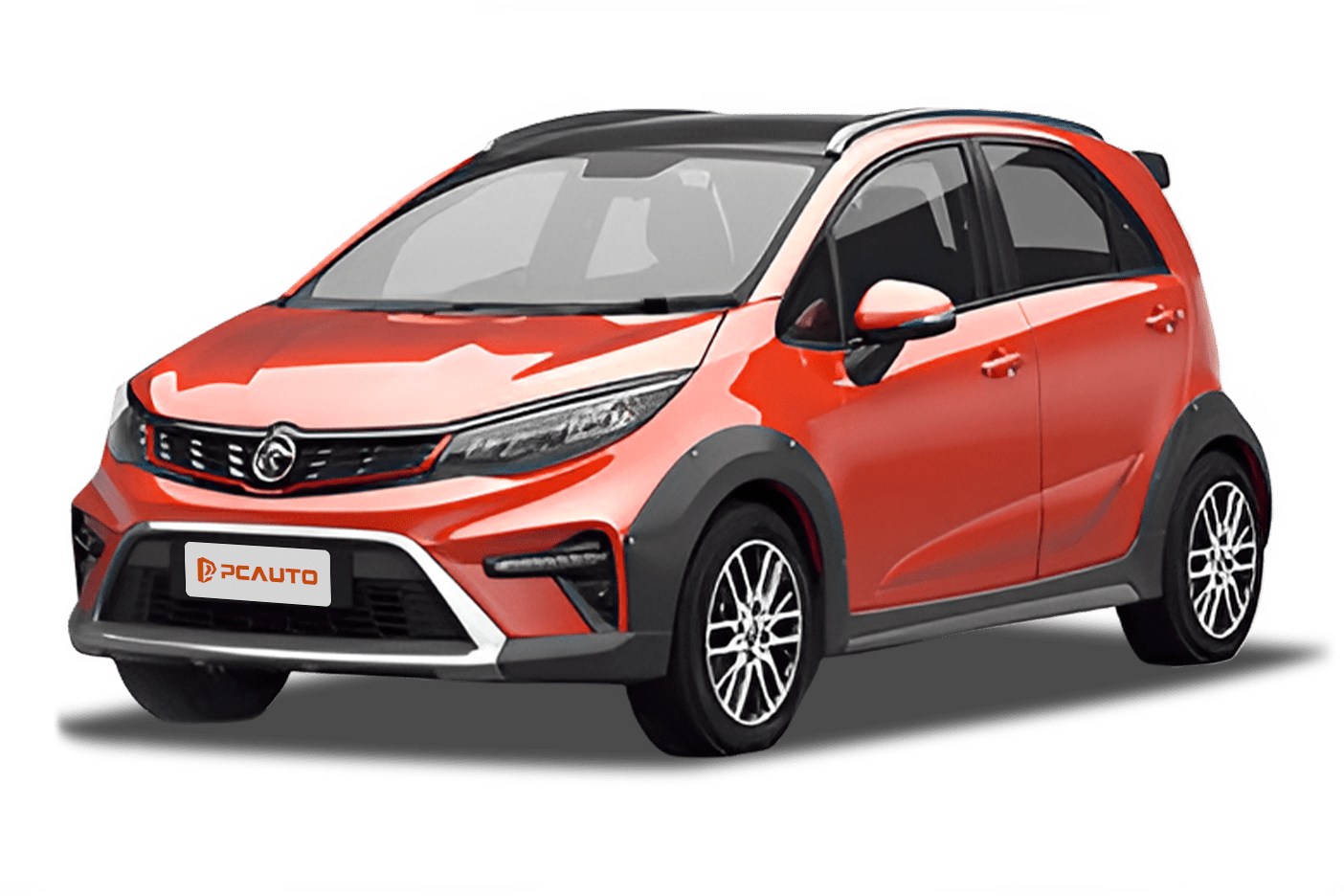
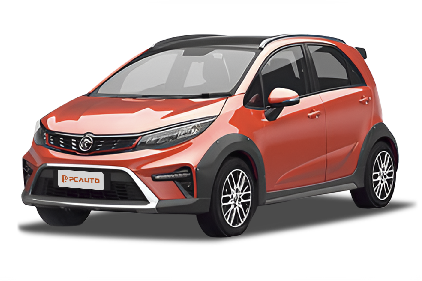
2023 Proton Iriz 1.3 Standard CVT is an affordable, well-balanced entry-level B-segment hatchback with safety features, suitable for budget-conscious families focusing on safety and practicality for daily commuting.
2
Rank in Hatchback

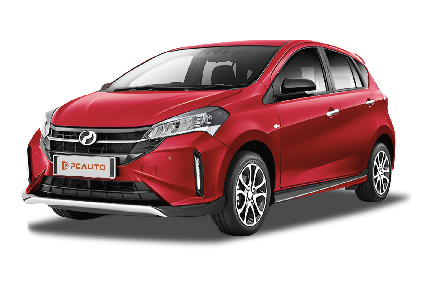
2023 Perodua Myvi 1.3 G with PSDA is an affordable B-segment hatchback, combining practical space, basic features, and PSDA safety assistance, suitable for family commuting.
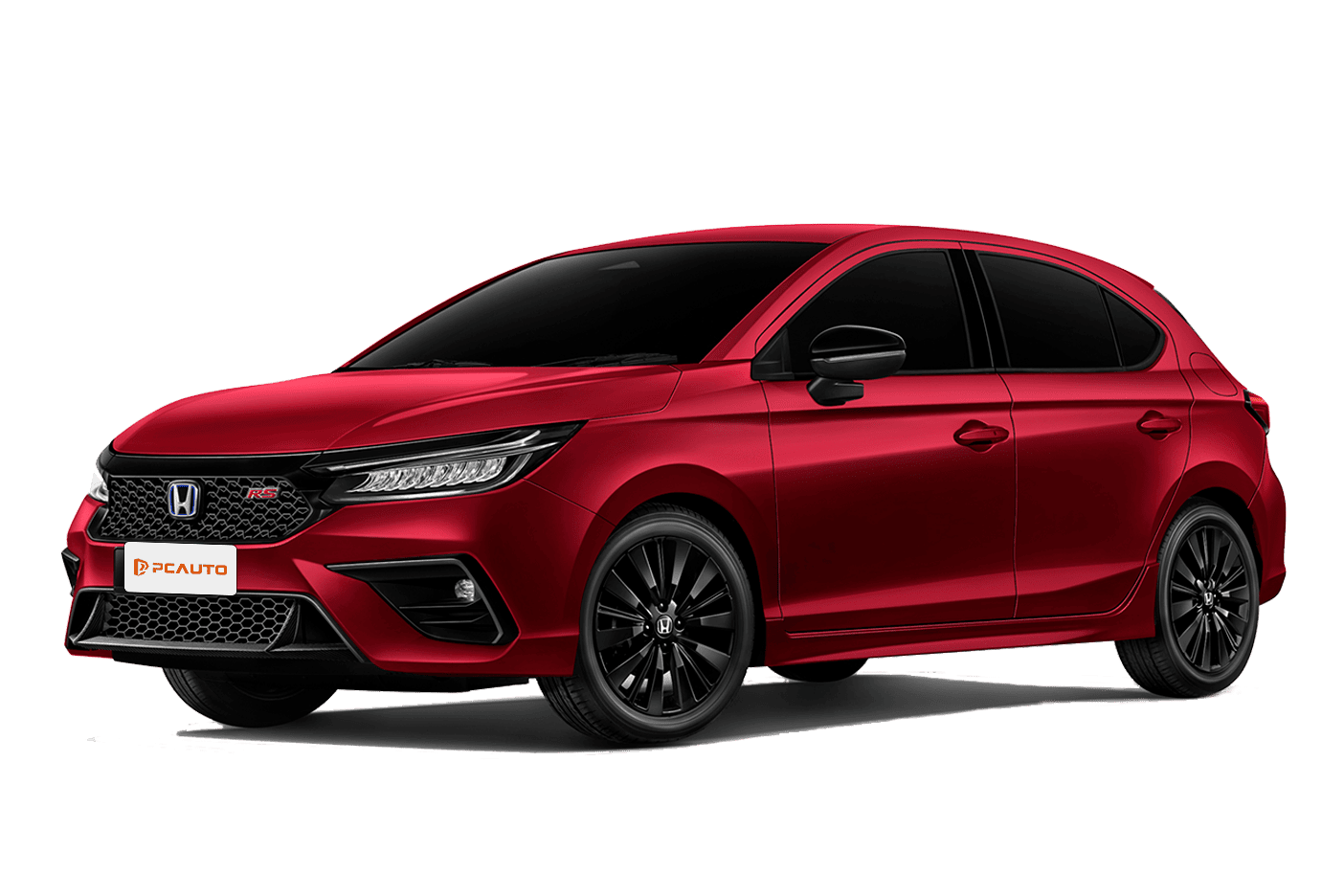
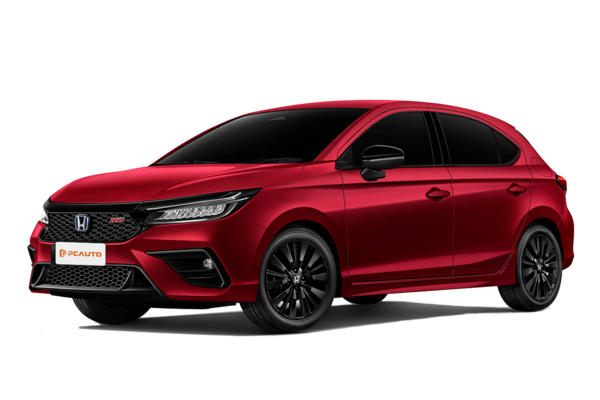
2024 Honda City Hatchback 1.5 S, as a high-value entry-level hatchback, comes standard with Honda Sensing and 6 airbags, offering practical space, economical fuel consumption, and balancing safety with daily commuting needs.
3
Rank in Hatchback
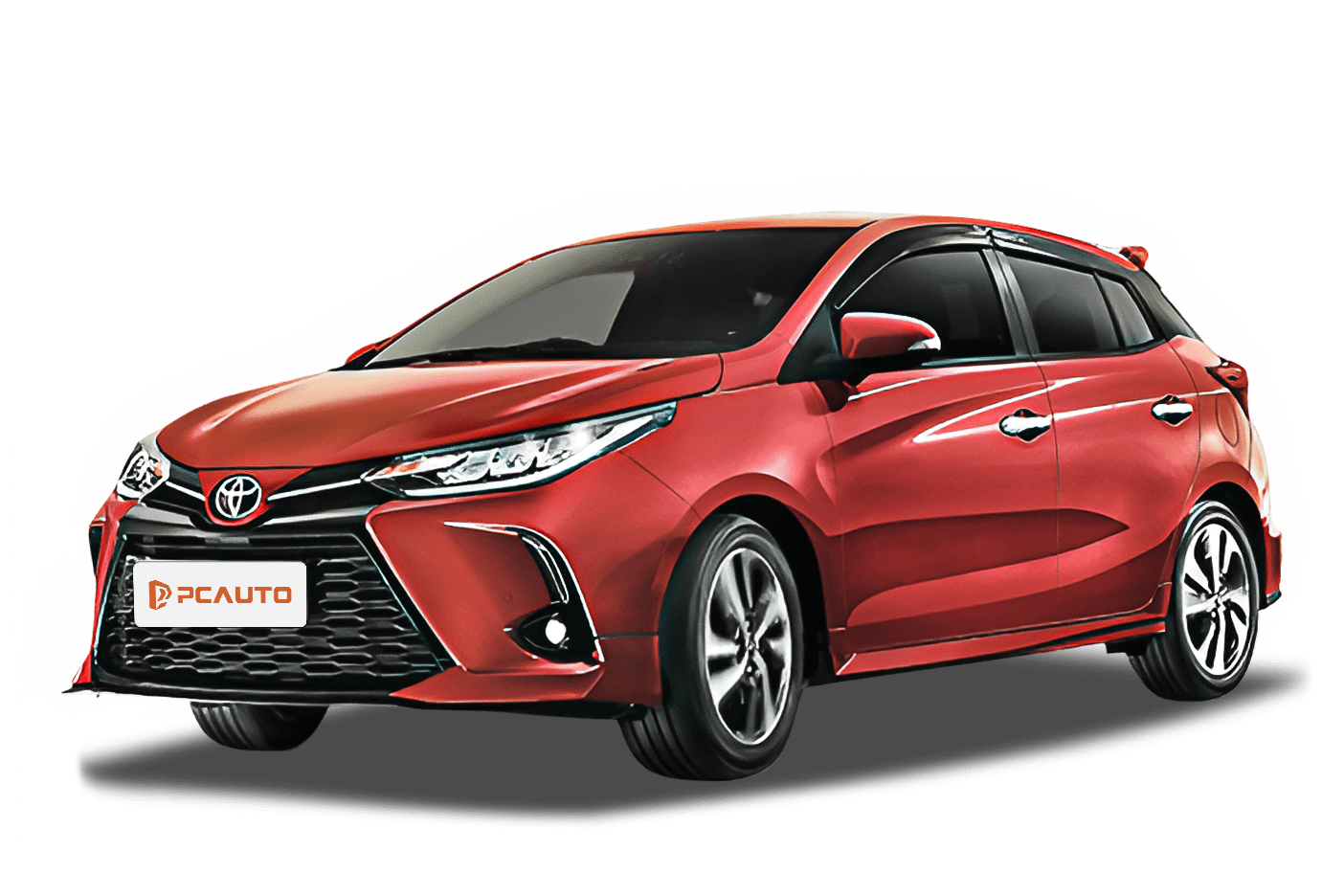
2024 Toyota Yaris 1.5E serves as the main entry-level household model, emphasizing durability, upgraded with a 360-degree parking camera and Optitron instrument panel. Its practical space, smooth power delivery, and high cost-performance ratio align well with family commuting needs.