

2017 Ford Fiesta Sport+ 1.0 EcoBoost Review

 Share
Share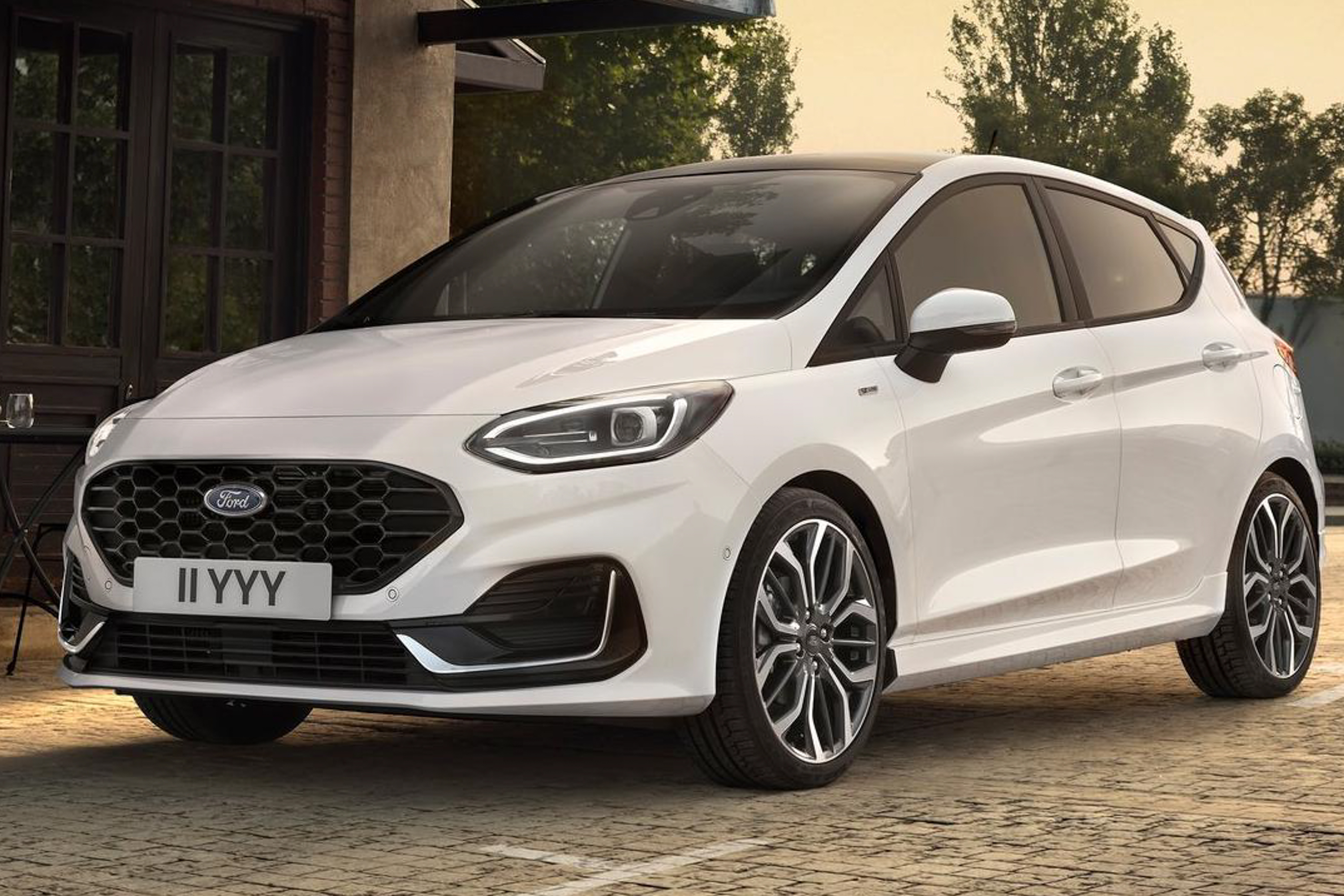
 Segment
 Body Type
 Capacity(L)
 Engine Power(PS)
 Transmission
 Driven Wheels
In recent years, the local B-Segment market has become increasingly competitive. Consumers not only seek economic efficiency for daily commutes but also desire a certain level of driving fun, and they are unwilling to compromise on features and safety. The 2017 Ford Fiesta Sport+ 1.0 EcoBoost is aimed precisely at this demand—it features a 1.0-liter three-cylinder turbocharged engine as its core, focusing on a balance between power and fuel efficiency, while also coming standard with seven airbags and other safety configurations, making it quite targeted in its price segment. In this test drive, we mainly examine its actual performance, daily practicality, and whether it truly meets the dual needs of being "family-friendly with a dash of excitement."
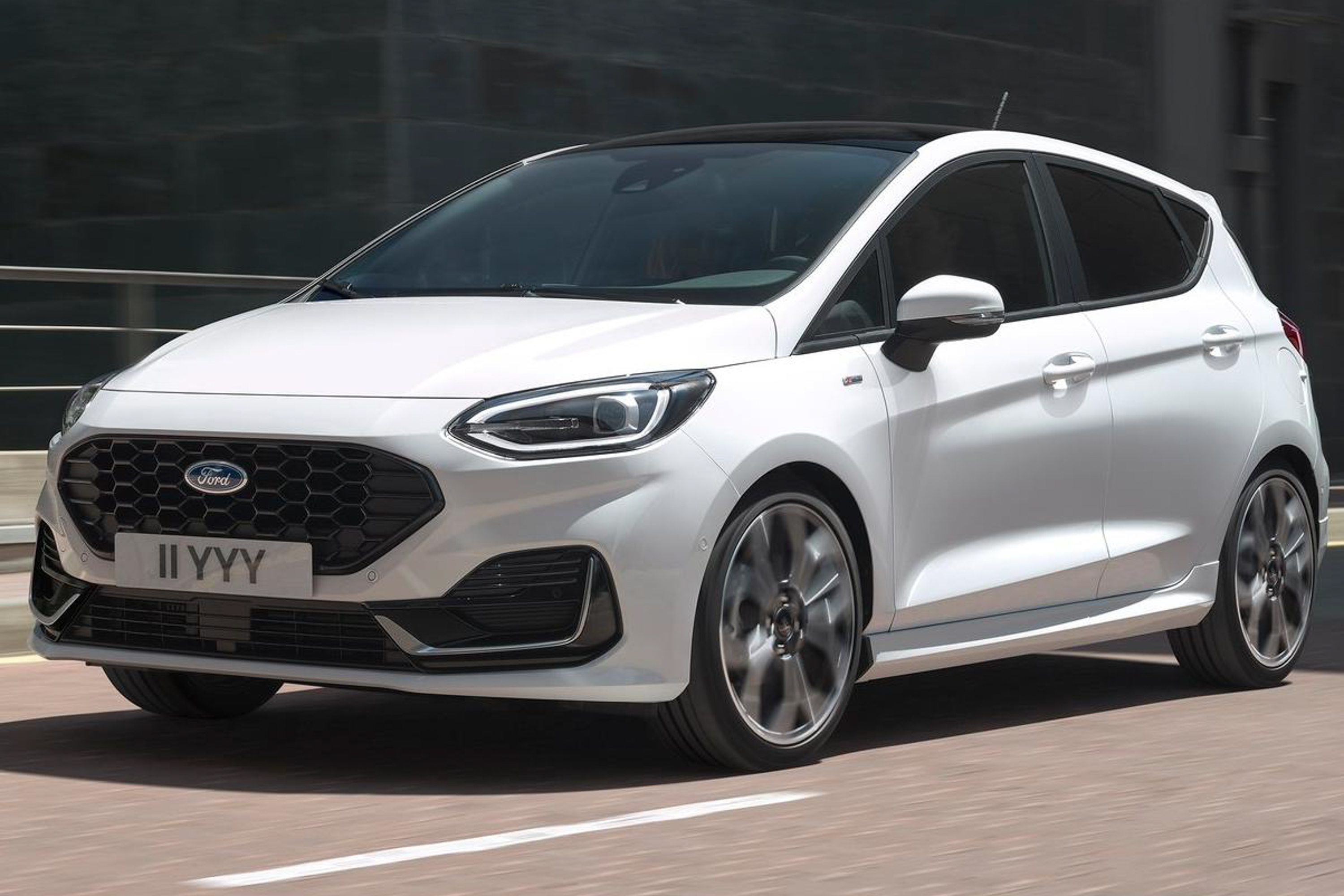
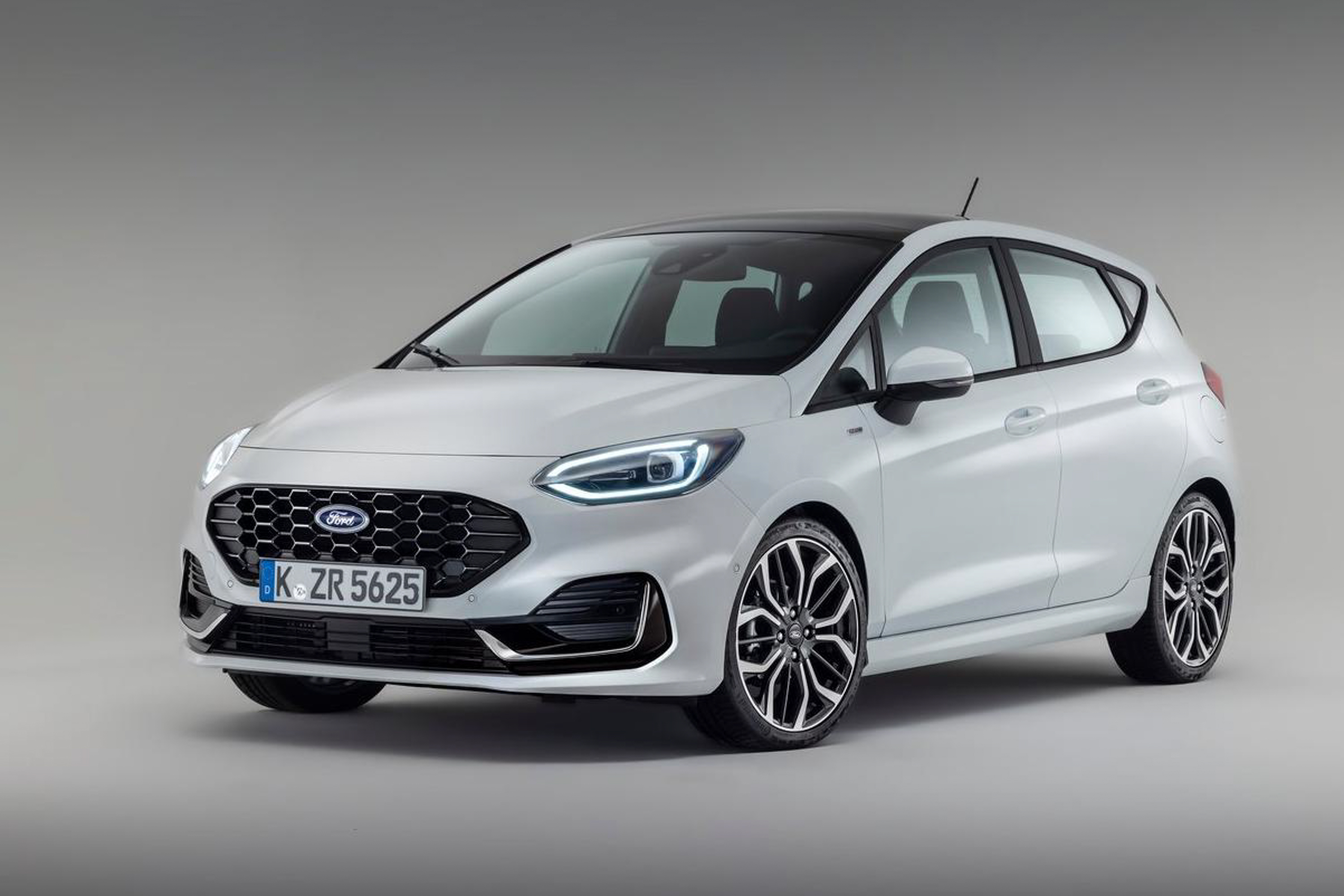
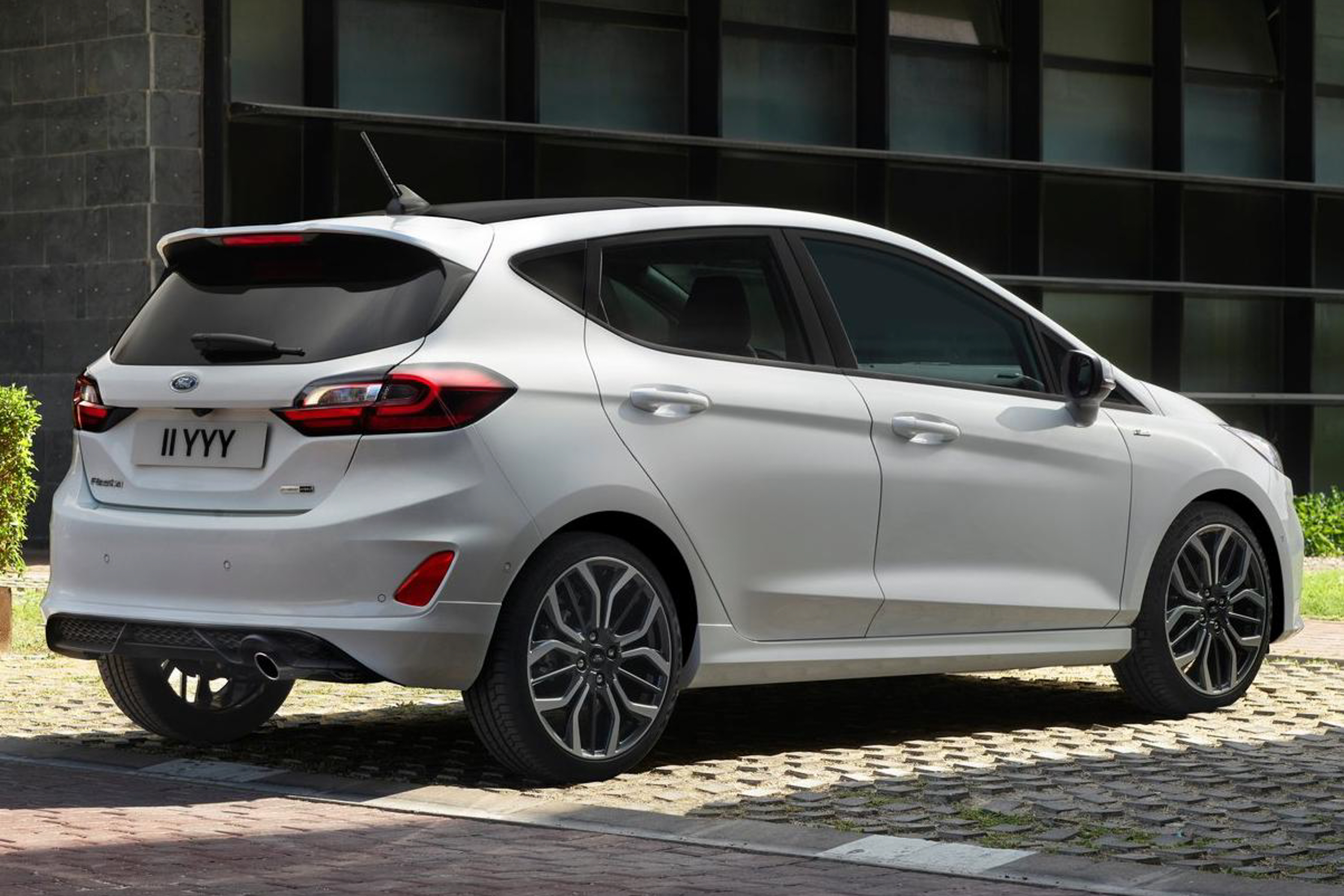
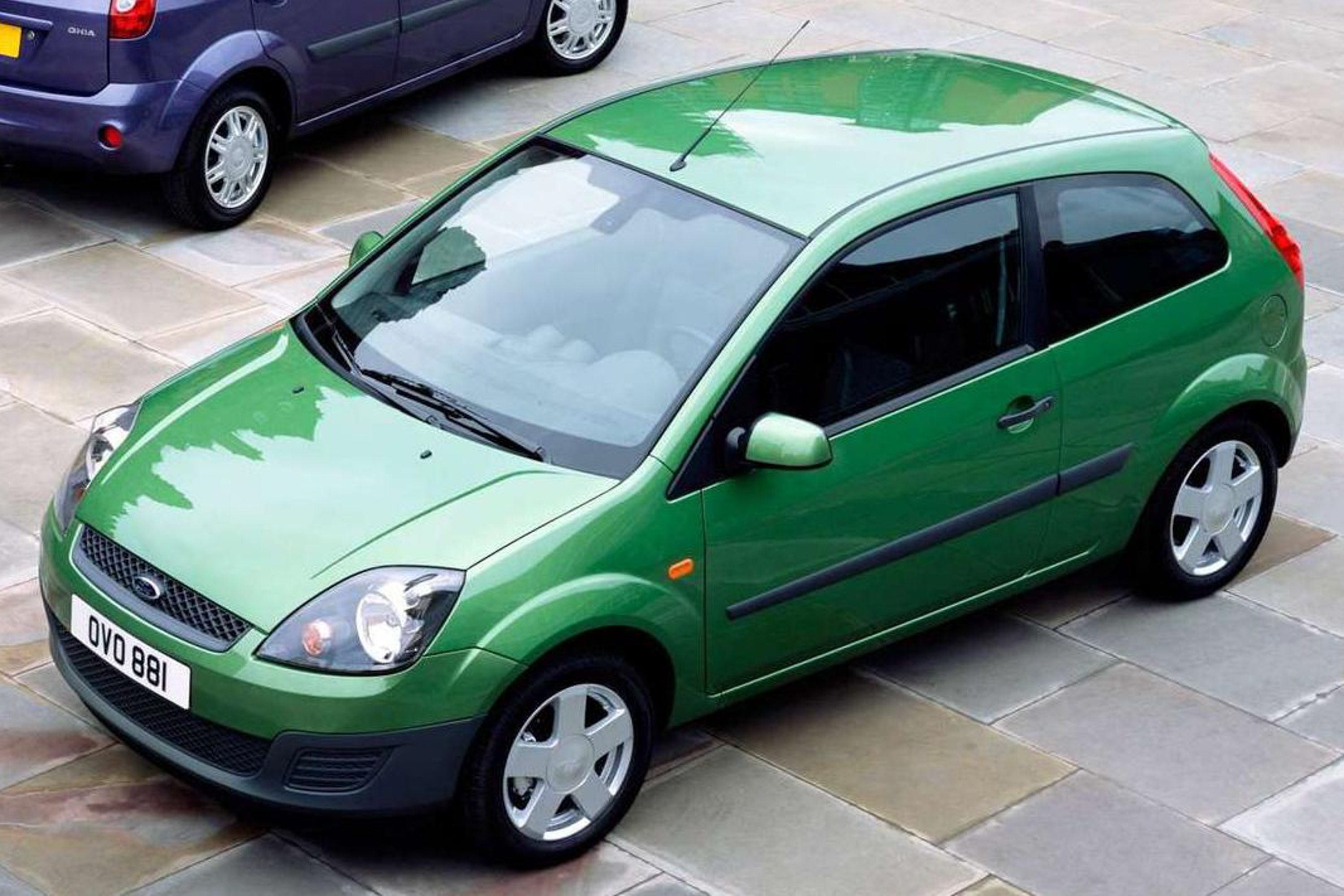
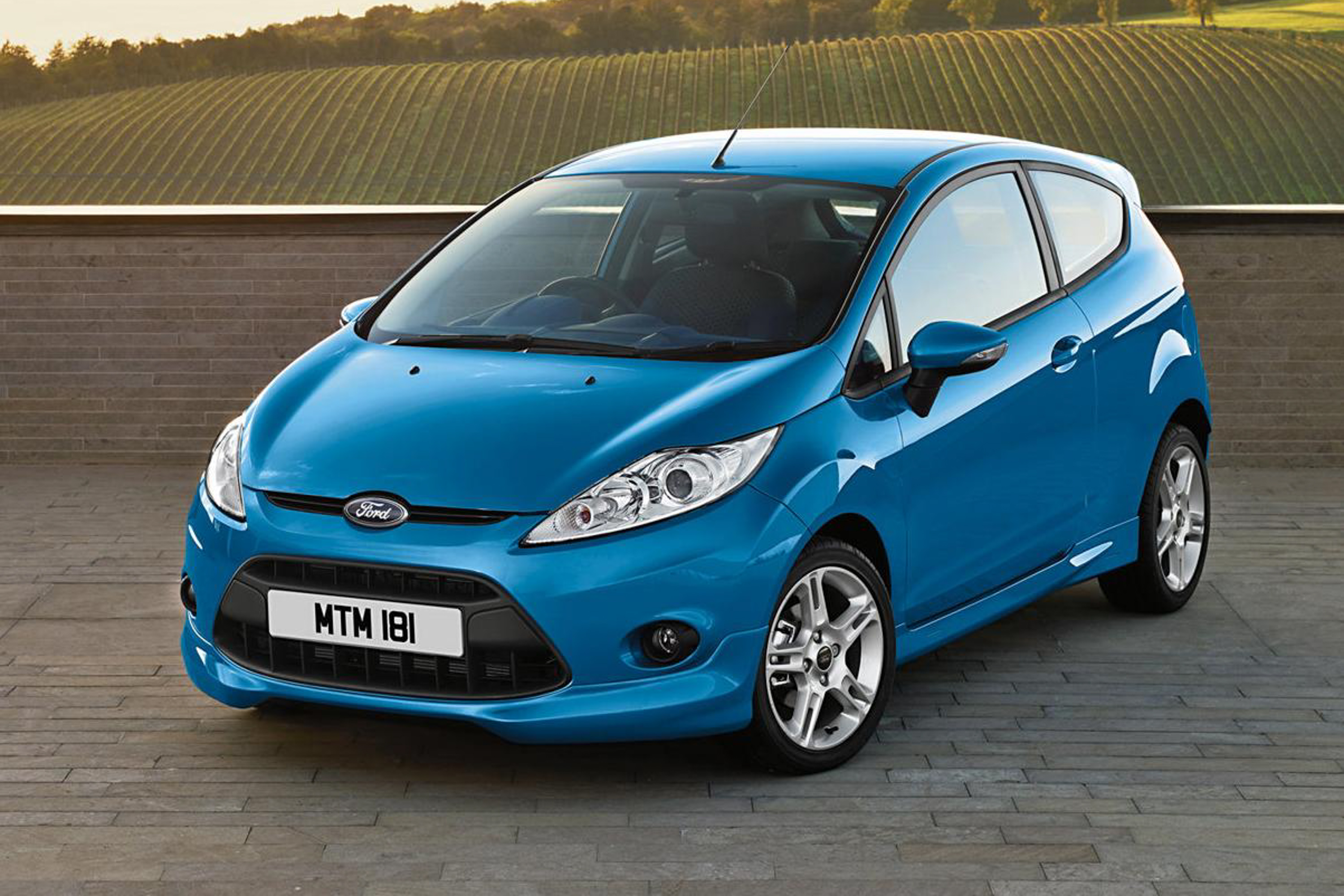
In terms of exterior design, the Fiesta Sport+ maintains Ford's sporty family design style with compact and clean lines, avoiding unnecessary decorative complexity. The front features a large trapezoidal grille with a black honeycomb structure, complemented by sharp halogen headlights on both sides, providing good recognizability. The front bumper incorporates fog lights, surrounded by black plastic trim to enhance its sporty feel. On the side, the 16-inch alloy wheels with 195/50 R16 tires offer well-balanced proportions, while the shoulder line runs from the front to the rear, making the side view look more streamlined. At the rear, the taillights adopt a horizontal layout with a clear internal structure, and the lower part of the rear bumper includes black diffuser-style trim. Although this has no actual performance benefits, it visually enhances the sporty vibe. The overall design may not be stunning, but it fits the positioning of a B-Segment sports variant, ensuring it won't feel dull on the road in daily driving.
Stepping inside, the interior predominantly features black tones, accented with silver trim for decoration. The layout is simple and practical. The center console uses a traditional symmetrical design, with hard plastic materials on top. Although the touch isn't particularly premium, the joints are well-finished. The multifunction steering wheel is wrapped in leather, providing a comfortable grip; the left side integrates buttons for volume control, phone calls, and other functions, making operations convenient. In terms of core configurations, it comes standard with single-zone automatic air conditioning, with adjustment knobs that have a moderate damping feeling, making it user-friendly in daily use. The center console is equipped with a multimedia screen (its size is not specified, but the operating logic is straightforward). However, compared to the larger screens found in some competitors in the same class, it feels slightly less tech-savvy. The seats are manually adjustable, with the front seats providing good support and medium-soft padding, ensuring comfort even during long drives. The rear seats can be folded in a 60:40 split, and the trunk offers a capacity of 276 liters in the standard configuration, which can be expanded by folding the seats down. This allows room for two 20-inch suitcases along with some other items. In terms of space performance, the 2489mm wheelbase belongs to the mainstream level in the B-Segment. A passenger with a height of 175cm sitting in the front will have about a fist-sized headroom; the rear legroom measures about two fists, with one fist of headroom. It adequately caters to daily family use, and the slight bulge in the middle floor allows for a third passenger to sit comfortably on a temporary basis.
As for performance, the 1.0-liter three-cylinder turbo engine delivers a maximum power output of 123PS at 6000rpm and a maximum torque of 170N·m (note: torque figures were not specified in the configuration table, so this is supplemented based on commonly available data for the same engine) at 1400rpm. It is paired with a 6-speed dual-clutch transmission. During actual driving, the power response is quick during start-up, with maximum torque available at 1400rpm, ensuring smooth starts and good responsiveness in stop-and-go city traffic. During acceleration, the turbo engages seamlessly with no noticeable lag. Mid-range acceleration (60-100km/h) is nimble, and pressing the accelerator firmly allows for quick lane changes during overtakes. When switching to sport mode, the transmission adopts a more aggressive shifting logic, with faster downshifts and more direct power output, which is suitable for scenarios when you want a bit of "excitement." However, in low-speed traffic jams, the dual-clutch transmission occasionally exhibits slight shifting lags, which can affect smoothness a bit, though it remains mostly smooth during daily commutes.
Handling and chassis performance have always been traditional strengths of the Fiesta, and this time the Sport+ version does not disappoint. The front MacPherson independent suspension is tuned to be stiff, effectively controlling body roll during cornering. The steering is precise with minimal play, giving the driver ample confidence when turning. When dealing with bumpy roads, the suspension filters out minor vibrations quickly, such as when driving over speed bumps or potholes, without feeling loose. However, rear passengers may find the vibrations somewhat more noticeable, as this is part of the compromise for a sportier suspension tuning. In terms of braking, the front ventilated disc brakes provide linear braking power with a moderate braking distance, offering a high level of confidence during daily driving. The fuel economy meets expectations, with an official combined fuel consumption of 5.3L/100km. During the test drive, city traffic recorded about 6.5L/100km, while highway driving achieved approximately 4.8L/100km. For a 1.0T engine, these figures meet the economic needs of daily commuting.
In terms of ride comfort, noise control is decent. At low speeds in the city, engine and tire noise are not very noticeable. At highway speeds (120 km/h), wind noise can be heard coming from the A-pillar, but it remains within an acceptable range and does not affect normal conversations inside the car. As mentioned earlier, the front seats provide good support and wraparound comfort, while the rear seat padding is slightly firmer but comfortable enough for short trips. It is worth noting the safety features, which include 7 airbags as standard (driver, passenger, front side airbags, knee airbags, etc.). In 2017, this was considered generous for B-Segment models and adds a sense of security for everyday family use.
To sum up, the core advantages of the 2017 Ford Fiesta Sport+ 1.0 EcoBoost are clear: the 1.0T engine provides sufficient power and fuel efficiency, balancing daily commuting with occasional driving pleasure; the 7 airbags and comprehensive safety features give it a competitive edge in its class; and its space and practicality meet the daily needs of families. Compared to competitors in the same class, such as the Honda City or Toyota Vios, it offers a more responsive powertrain and better driving fun, though the interior materials and tech configurations may feel slightly inferior. This car is suitable for two groups of people: young families who value power and driving pleasure and find it practical for daily use while providing occasional thrills, and commuters who prioritize high safety features, as the 7 airbags and stable chassis deliver a sense of reassurance when driving. If you are looking for a "balanced yet distinctive" B-Segment vehicle, the Fiesta Sport+ 1.0 EcoBoost is worth considering.
Ford Fiesta Car Compare

Ford Fiesta Loan Calculator
Cars With Similar Price And Features
4
Rank in Hatchback
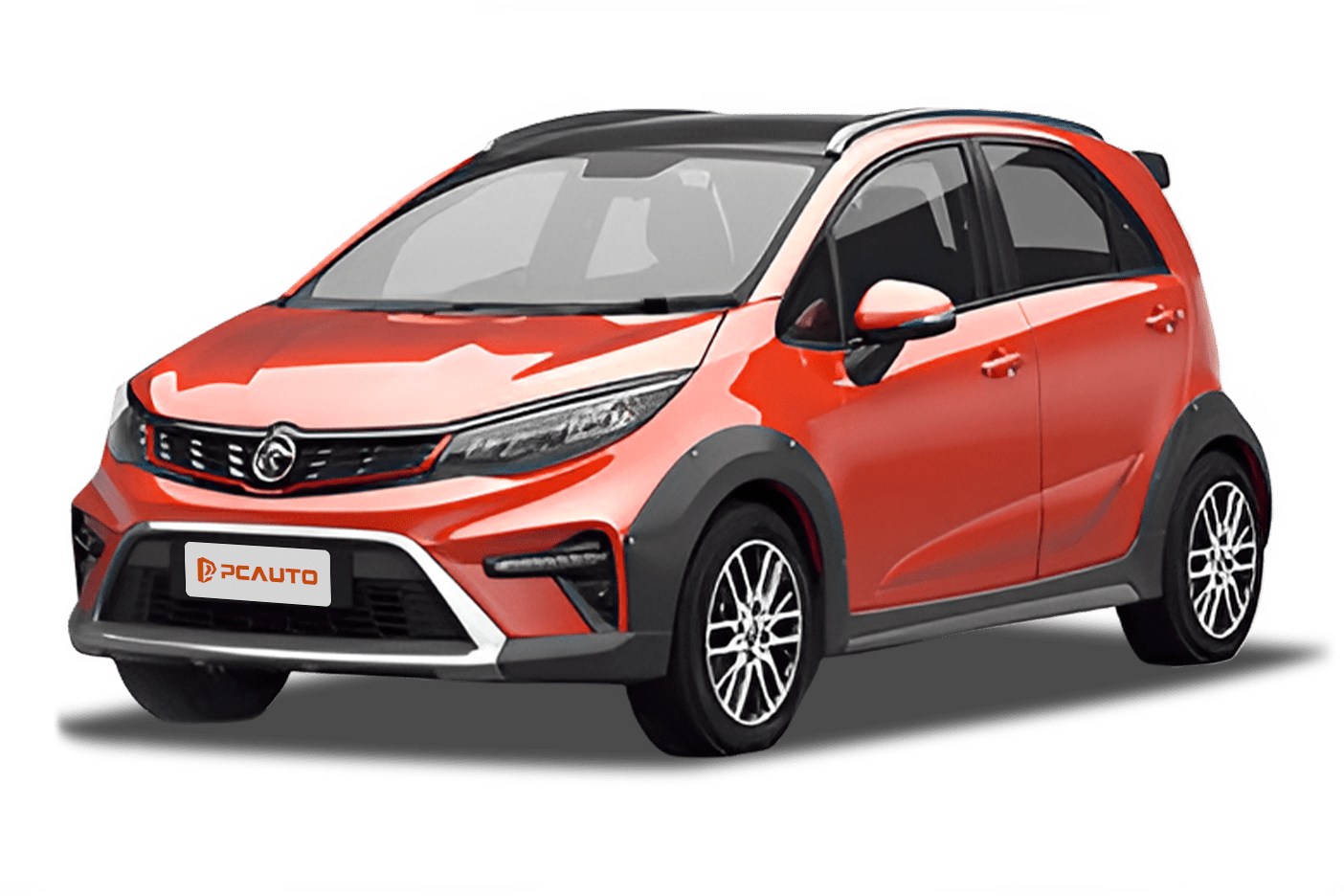
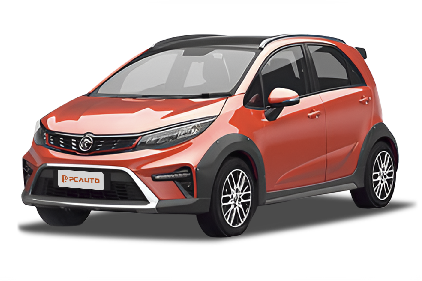
2023 Proton Iriz 1.3 Standard CVT is an affordable, well-balanced entry-level B-segment hatchback with safety features, suitable for budget-conscious families focusing on safety and practicality for daily commuting.
2
Rank in Hatchback

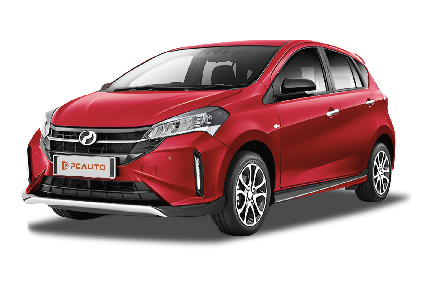
2023 Perodua Myvi 1.3 G with PSDA is an affordable B-segment hatchback, combining practical space, basic features, and PSDA safety assistance, suitable for family commuting.
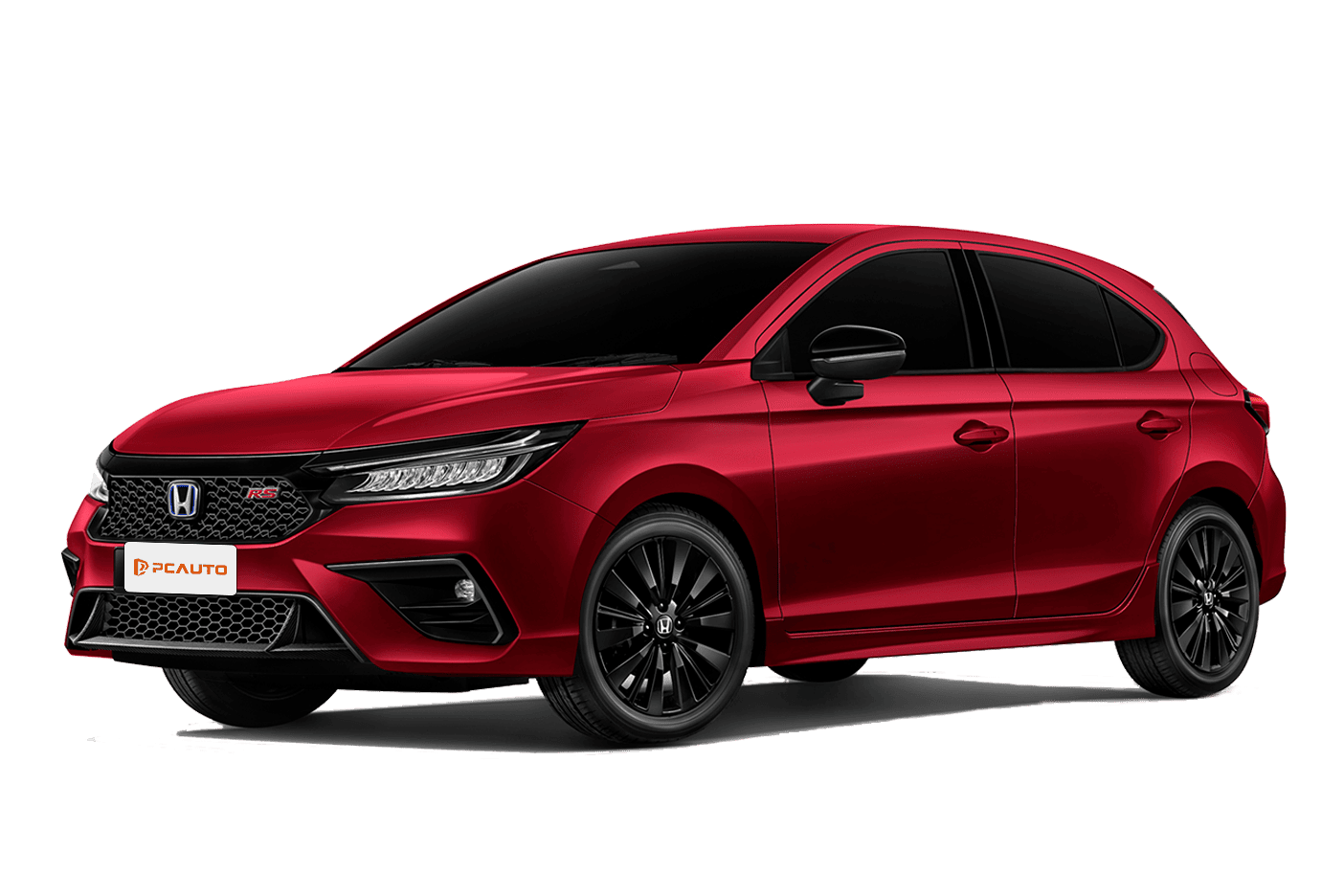
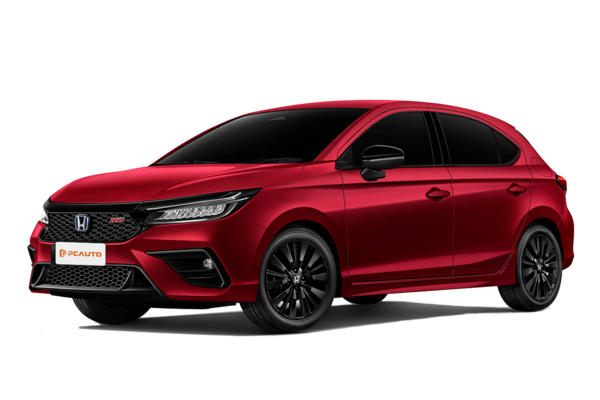
2024 Honda City Hatchback 1.5 S, as a high-value entry-level hatchback, comes standard with Honda Sensing and 6 airbags, offering practical space, economical fuel consumption, and balancing safety with daily commuting needs.
3
Rank in Hatchback
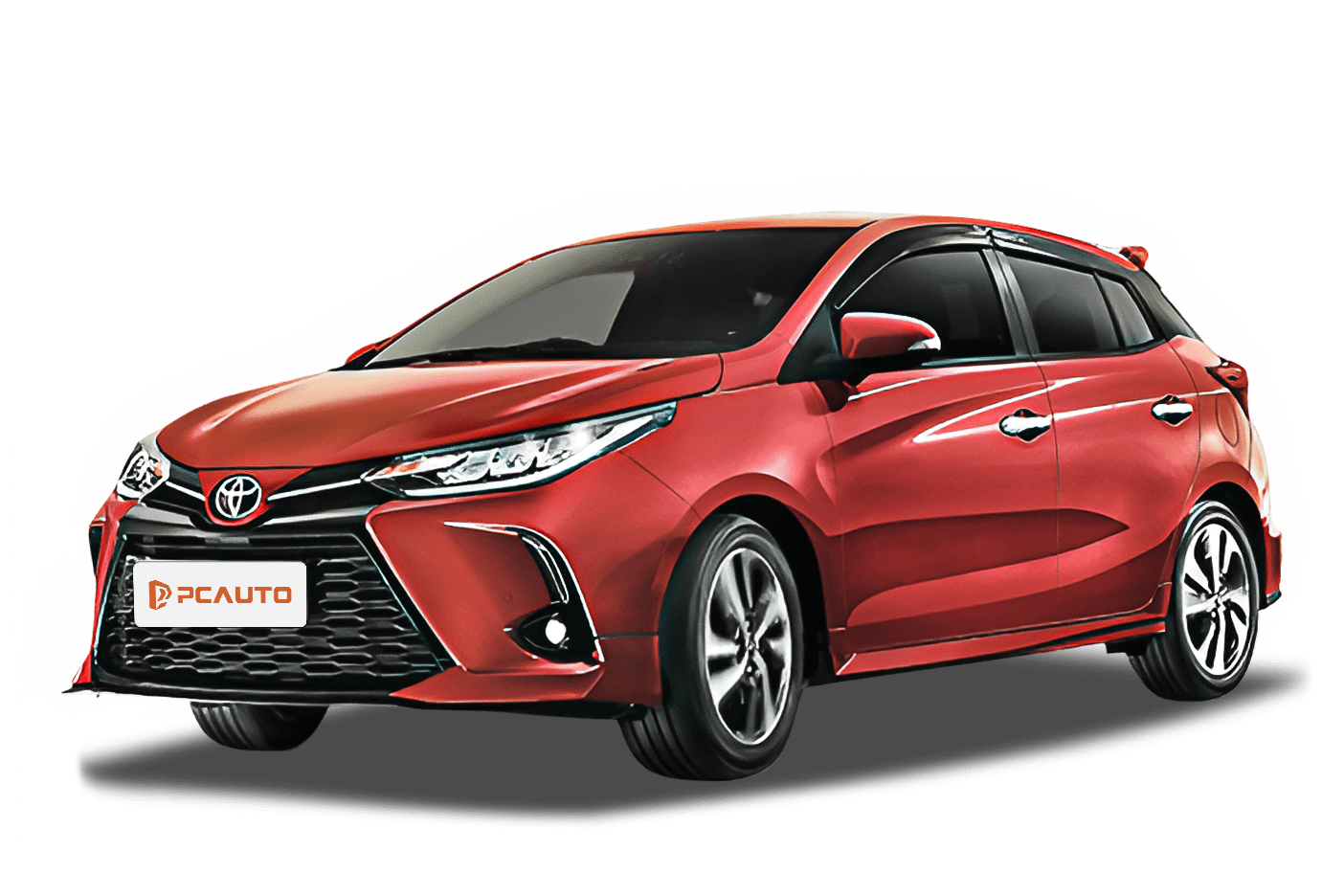
2024 Toyota Yaris 1.5E serves as the main entry-level household model, emphasizing durability, upgraded with a 360-degree parking camera and Optitron instrument panel. Its practical space, smooth power delivery, and high cost-performance ratio align well with family commuting needs.