

Honda Accord 1982 Review

 Share
Share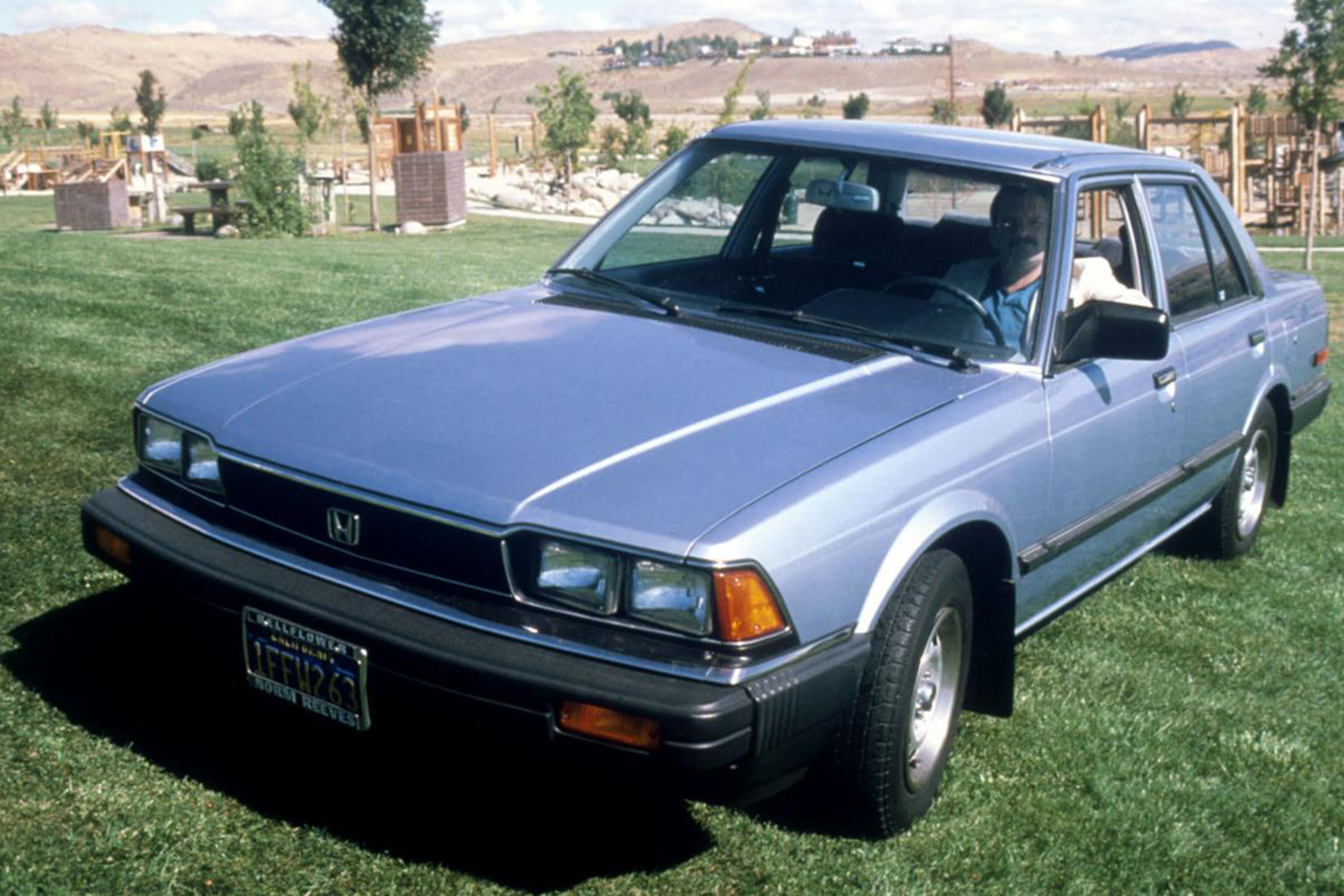
 Body Type
 Segment
 Capacity(L)
 Engine Power(PS)
 Engine Torque(Nm)
 Transmission
In recent years, the Malaysian used car market has seen a growing interest in classic Japanese sedans, particularly models from the early 1980s that strike a balance between reliability and practicality. The 1982 Honda Accord Public, as the localized version of the second-generation Accord, earned a place in the market at the time with its balanced design and durability. This review will analyze the static design, space practicality, and dynamic driving performance of this classic model, providing a realistic usage experience and a reference for prospective buyers.
The 1982 Honda Accord Public adopts a four-door sedan body style with an overall design leaning towards a steady and understated aesthetic. The front features a rectangular quad-headlamp design paired with a simple horizontally-striped chrome grille, giving it high recognizability. The side profile features straight lines, with a waistline extending from the front fender to the rear, complemented by 13-inch steel wheels with chrome-trimmed wheel covers, in line with the design aesthetics of 1980s mid-sized sedans. The rear section adopts vertical tail lamps with a Honda logo embedded in the center of the trunk lid, resulting in a simple and practical appearance. The lighting system uses halogen bulbs, providing adequate illumination for the era, though the performance is noticeably inferior compared to modern vehicles.
Upon opening the doors, the interior predominantly features light brown and black color tones. The center console adopts a tiered design, with the upper layer made of hard plastic material and the lower layer covered in vinyl panels, providing a tactile experience consistent with the craftsmanship standards of that time. The instrument panel is mechanical and includes a tachometer, speedometer, fuel gauge, and temperature gauge, all of which are clear to read. The central console is equipped with a radio and cassette player, and below these are manual air conditioning control knobs, offering a straightforward and intuitive operation. The seats are wrapped in fabric material, with the front seats supporting manual adjustment for both forward/backward movement and backrest angle. The lateral support is moderate, while long-distance comfort is average.
In terms of dimensions, the 1982 Honda Accord Public measures 4310mm in length, 1620mm in width, and 1370mm in height, with a wheelbase of 2450mm. The front-row seating provides adequate space, with a 175cm tall occupant having one fist of remaining headroom and adjustable legroom. However, the rear seating space is relatively compact, leaving the same occupant with three fingers of headroom and one fist of legroom, making it more suitable for short trips. Regarding storage capacity, the trunk offers a volume of approximately 350 liters, capable of accommodating two 20-inch suitcases to meet daily commuting needs. Inside, there are front cup holders, a central armrest compartment, and door panel storage slots, with a reasonably well-thought-out storage layout.
The powertrain is equipped with a 1.6-liter naturally aspirated four-cylinder engine, delivering a maximum power output of 75 horsepower (55kW) and a maximum torque of 125Nm, paired with a 5-speed manual transmission. During startup, the power output is smooth, with torque being delivered linearly in the 1500 to 3000 rpm range, making it suitable for low-speed urban driving. Accelerating to 60km/h takes approximately 12 seconds, and overtaking at high speeds requires revving beyond 4000 rpm due to limited power reserves. The driving mode only supports a standard option, and while the transmission offers a moderate shift stroke with clear gear positioning, the shift feel lacks a distinct sense of engagement.
The handling performance features a mechanical hydraulic power steering system, with slightly heavy steering effort, minimal play, and precise directionality. The suspension system consists of a front MacPherson independent suspension and a rear torsion beam semi-independent suspension, tuned for comfort. The vibrations are well absorbed when driving over speed bumps or uneven roads, but body roll is evident during high-speed cornering. The braking system adopts a front disc and rear drum design, with a relatively long brake pedal travel. The braking force is released linearly, achieving a 100km/h to 0 stopping distance of approximately 45 meters, meeting the safety standards of its time.
The fuel efficiency performance is outstanding, with a combined fuel consumption of approximately 7.5L/100km. On highways, it can be as low as 6.8L/100km, while in urban traffic conditions, it is about 8.2L/100km, making fuel costs relatively low. In terms of noise control, cabin noise becomes noticeably louder when the engine speed exceeds 3000 RPM. Wind and tire noise are evident at speeds above 80km/h. Overall, the performance aligns with the characteristics of older vehicles.
In summary, the core advantages of the 1982 Honda Accord Public lie in its durability and fuel efficiency. Compared to the same year Toyota Corona, it delivers smoother power output and has lower maintenance costs. Compared to the Mitsubishi Lancer, it offers better space. This model is suitable for users who prioritize reliability for daily commuting or collectors interested in classic 1980s Japanese cars. Its well-balanced overall performance still retains a certain level of competitiveness in today's second-hand car market.
Honda Accord Car Compare
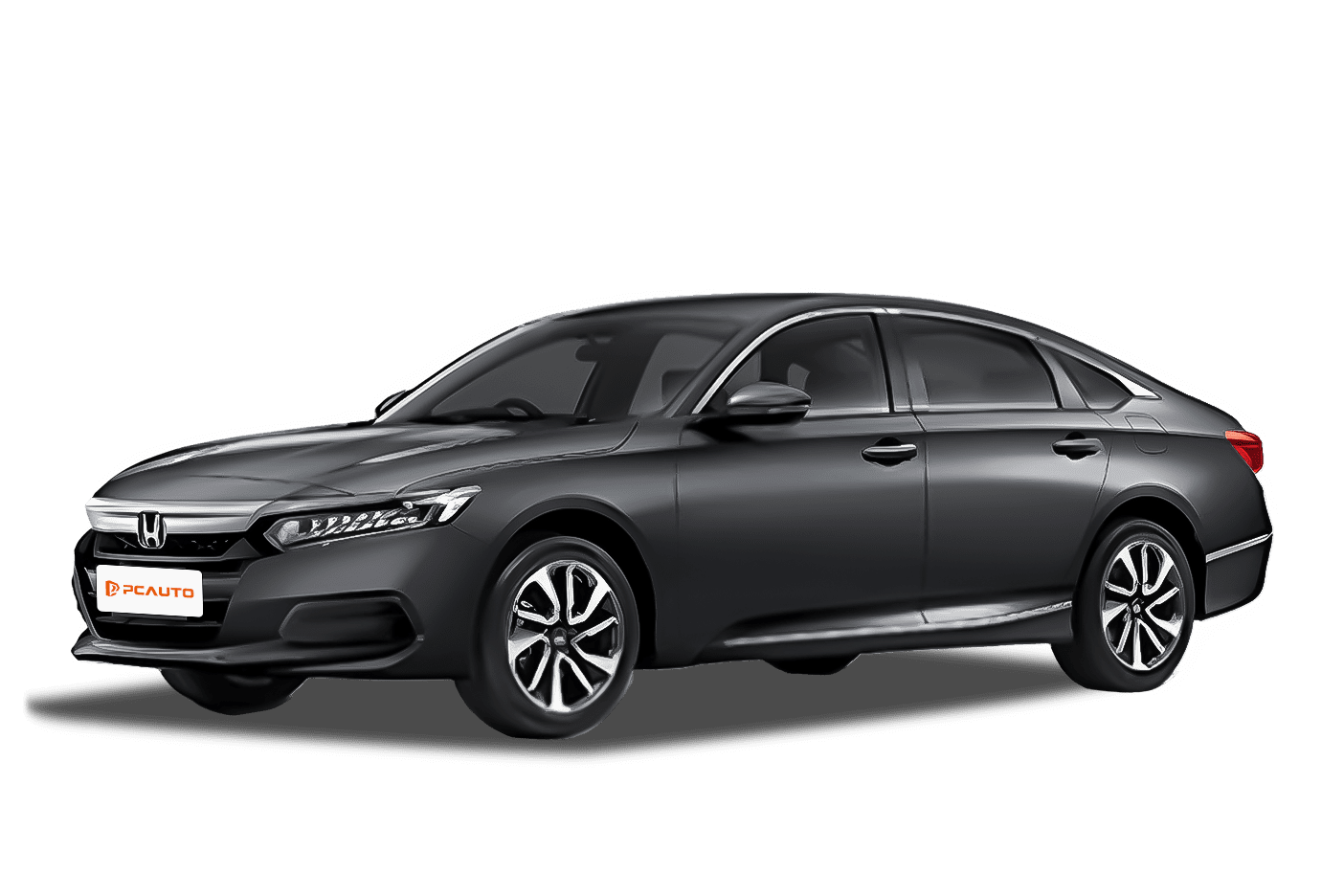
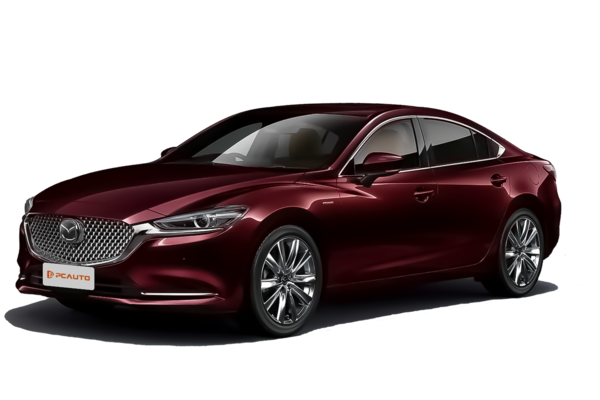
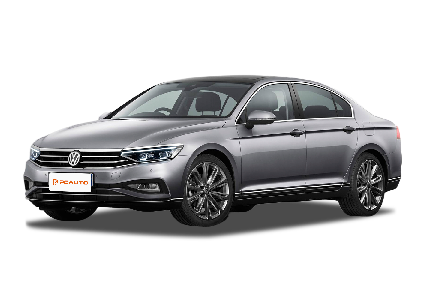
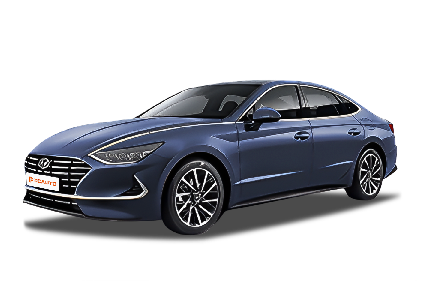
Cars With Similar Price And Features
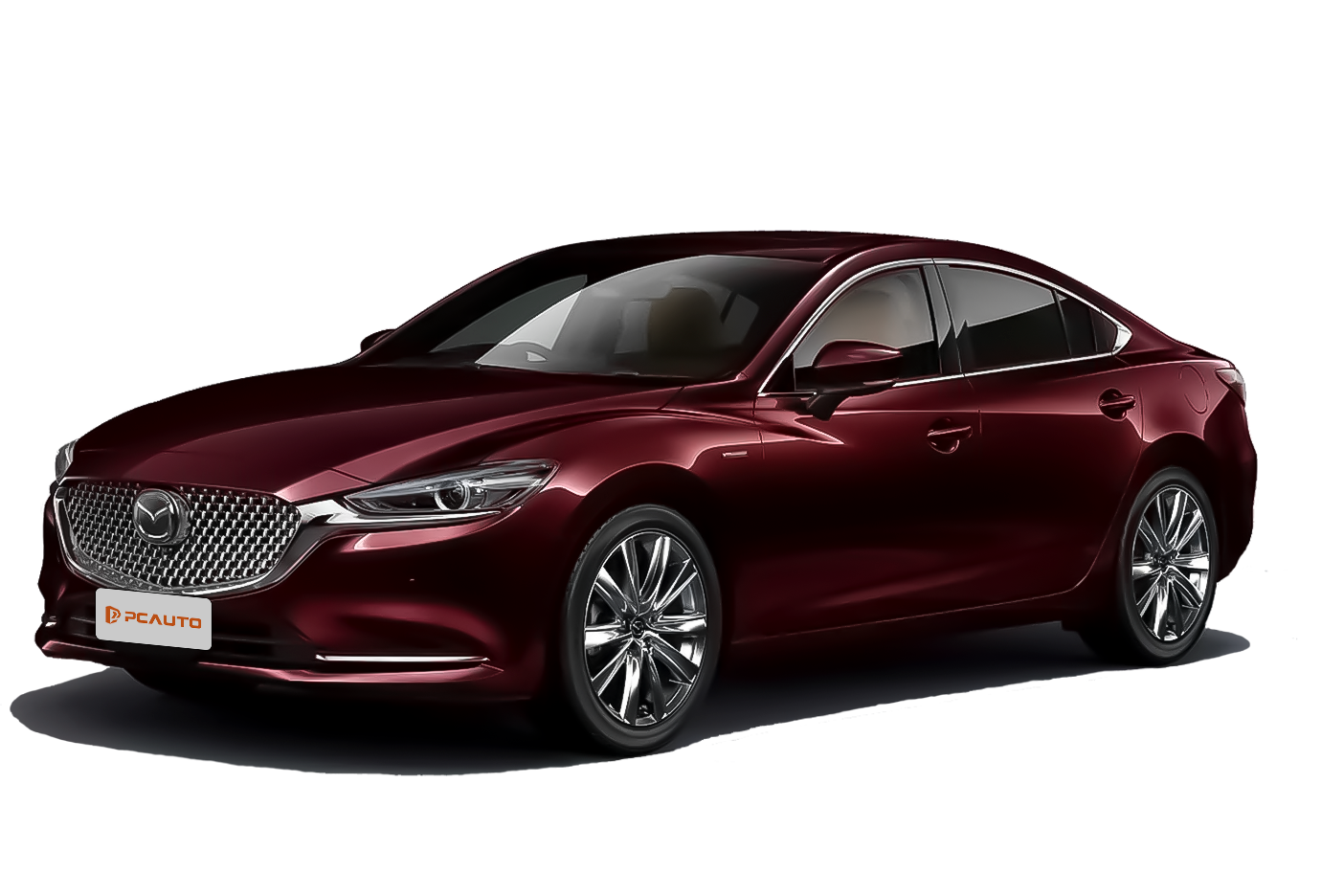
2023 Mazda 6 Sedan 2.0 SkyActiv-G meets the rational needs of family users for joint-venture quality, comfortable configurations, and fuel economy with its KODO design, practical space, and balanced driving control.

2022 Volkswagen Passat 2.0 TSI R-Line combines business elegance with sporty personality, featuring 220PS power, 14-way massage seats, and Harman Kardon audio system to meet the diverse needs of families and young professionals.
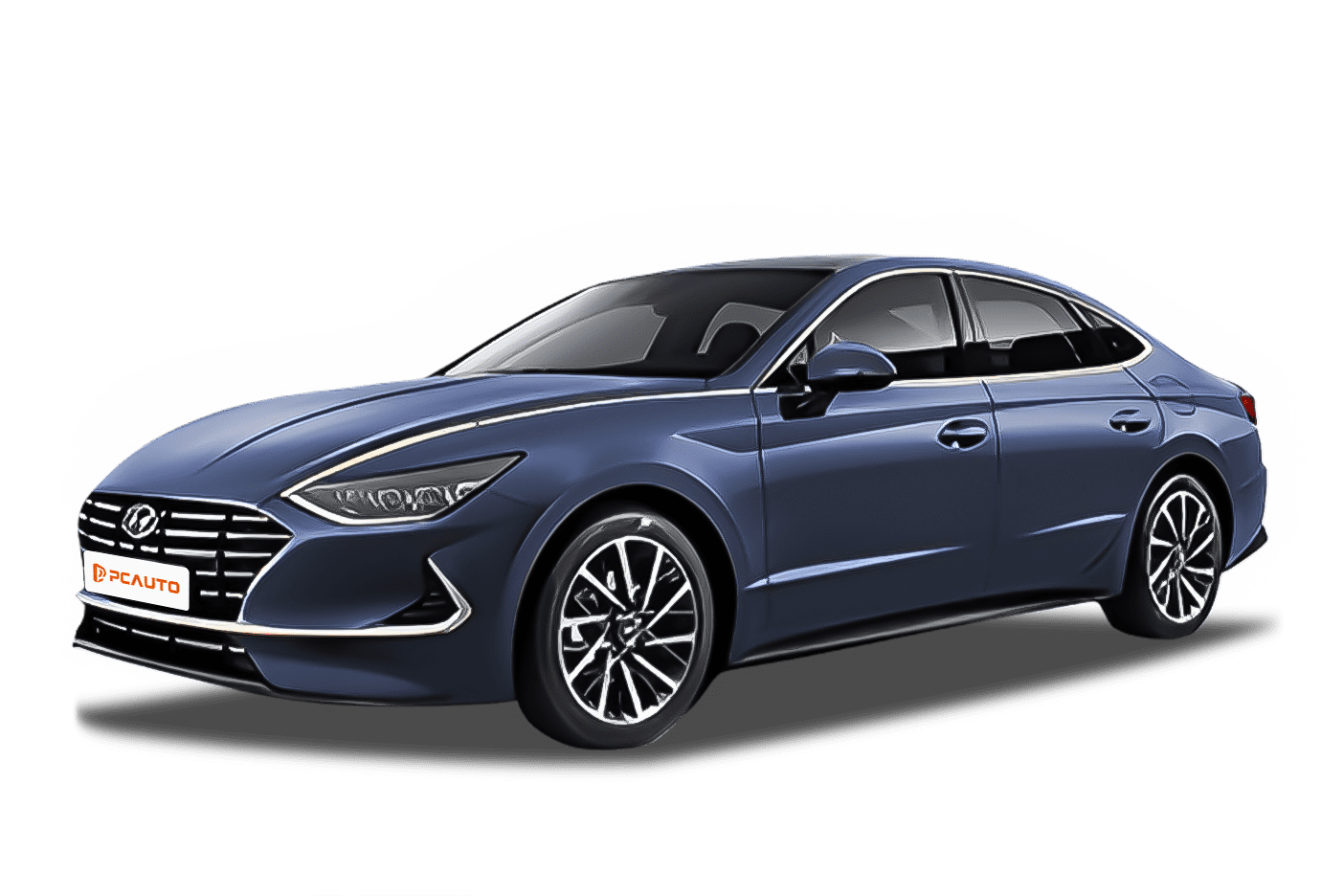
2024 Hyundai Sonata public is positioned as a D-Segment family and business sedan, combining dynamic design, practical configurations, and spacious space, balancing power and fuel consumption, safe and reliable.
23
Rank in Sedan
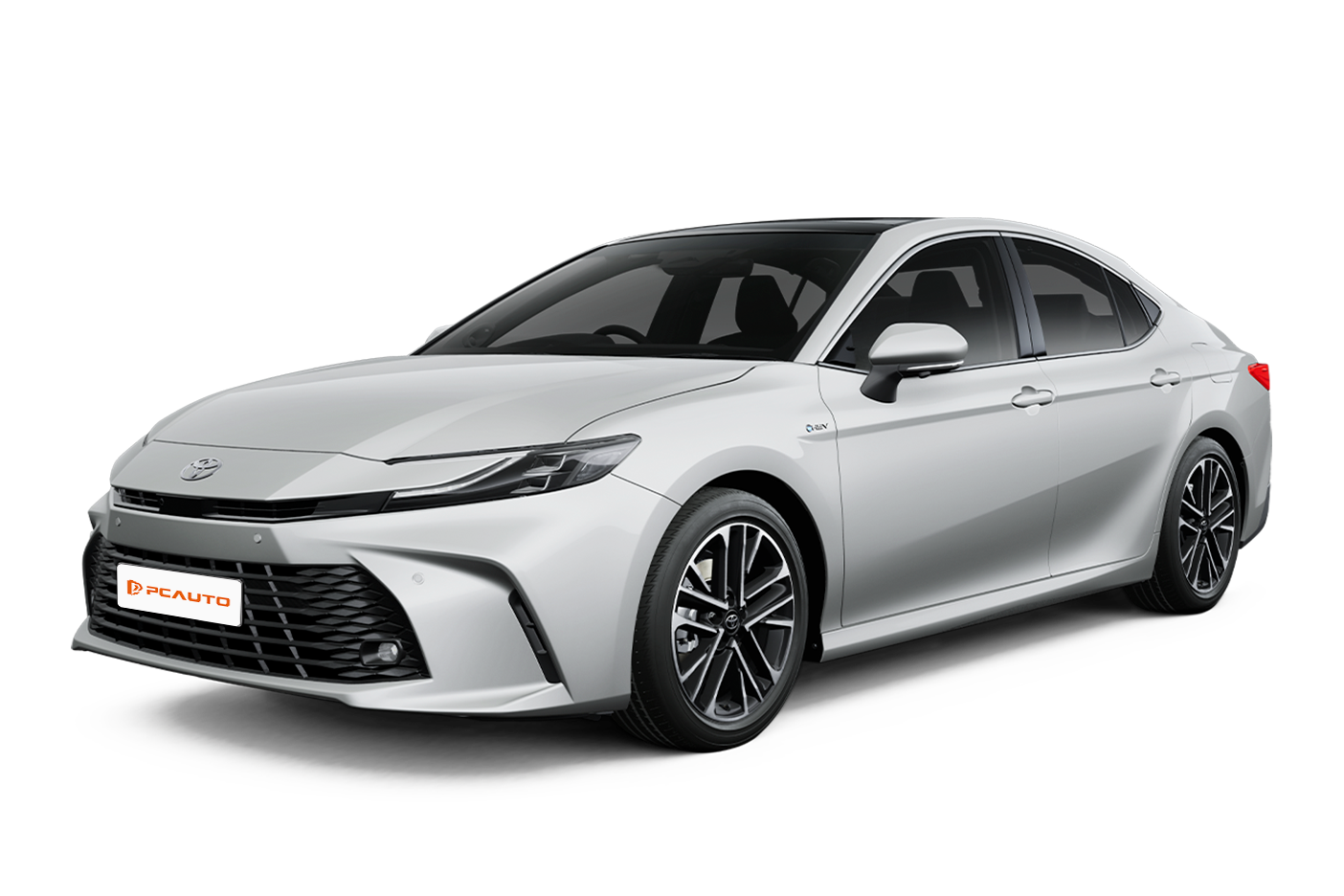
2025 Toyota Camry 2.5 V features an extended body, upgraded large-screen interior to enhance household comfort, 2.5L+8AT smooth power with more comprehensive intelligent driving, precisely meeting the reliable household needs of the D-segment.