

Honda Accord 2011 Review

 Share
Share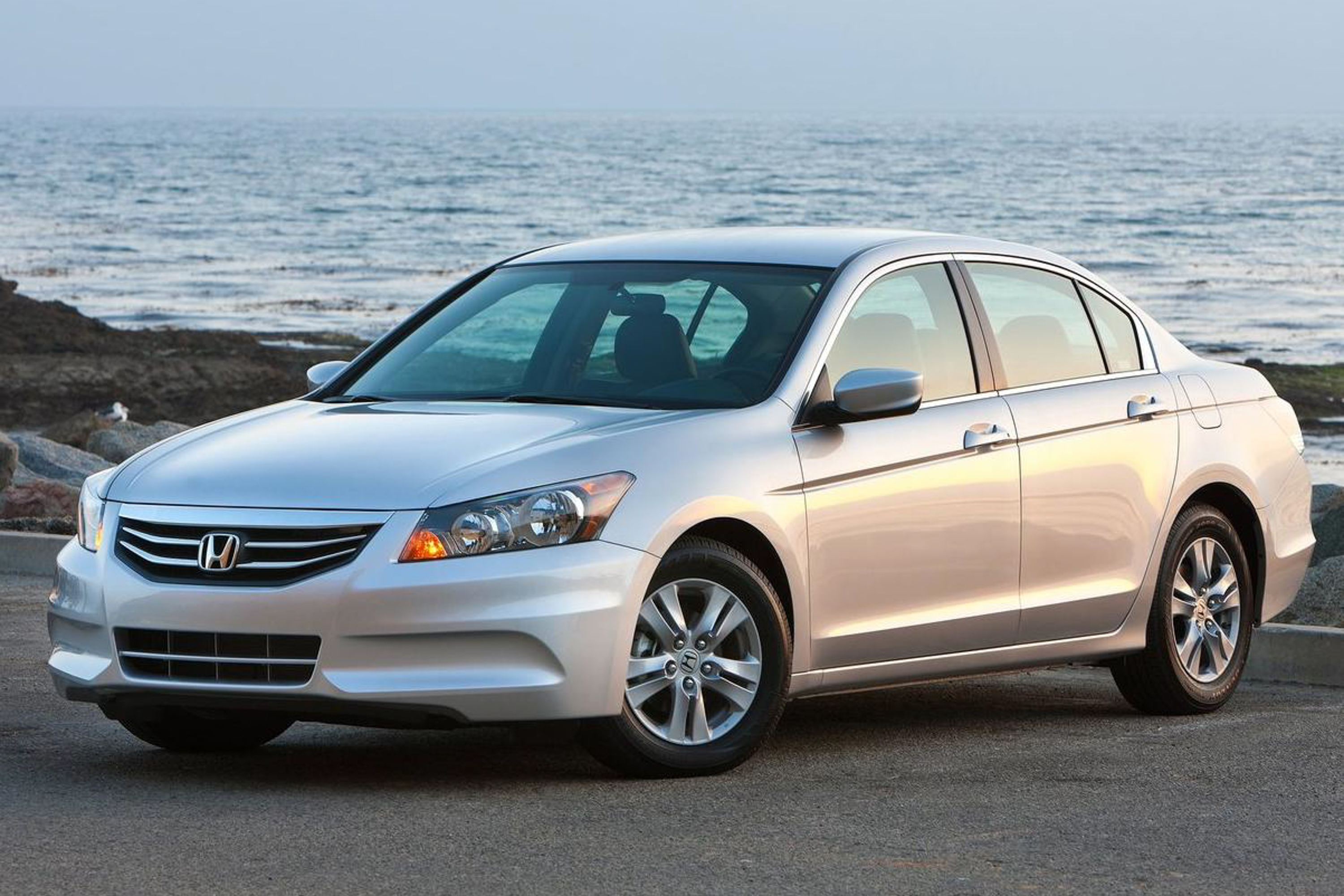
 Body Type
 Segment
 Capacity(L)
 Engine Power(PS)
 Engine Torque(Nm)
 Transmission
In the Southeast Asian family car market, mid-size sedans have always been a stable and essential choice—they need to have enough space for the whole family, sufficient power, and minimal issues. The 2011 Honda Accord public variant is an "old friend" in this segment. It highlights balance and reliability, and many consumers want to know whether it can still perform well in the second-hand market or among existing vehicles. This time, we have gotten our hands on a well-maintained 2011 Accord public variant. Our main objective is to assess its performance under everyday use scenarios in 2024, both in terms of static experience and dynamic performance, to determine if it still meets the needs of family users.
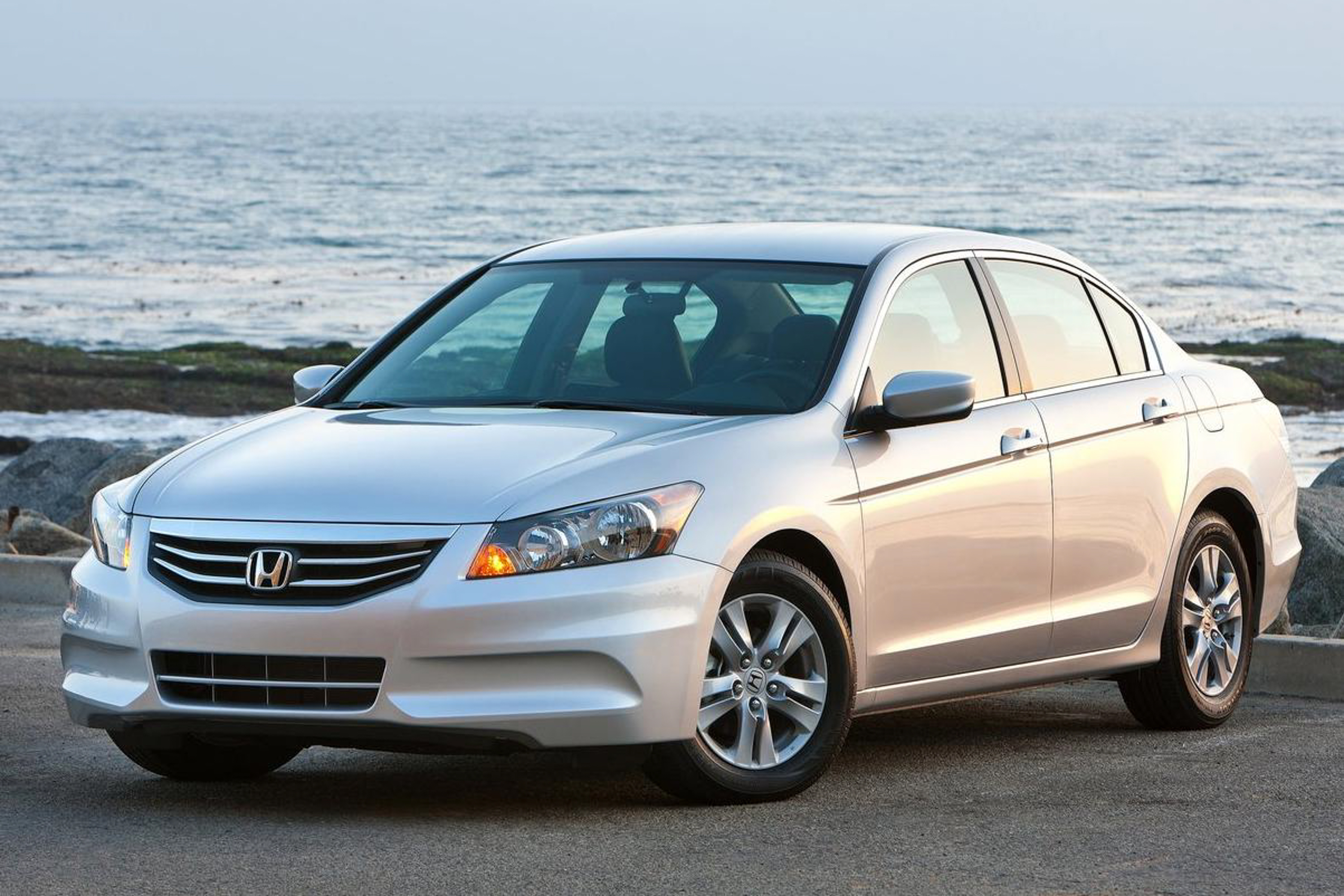
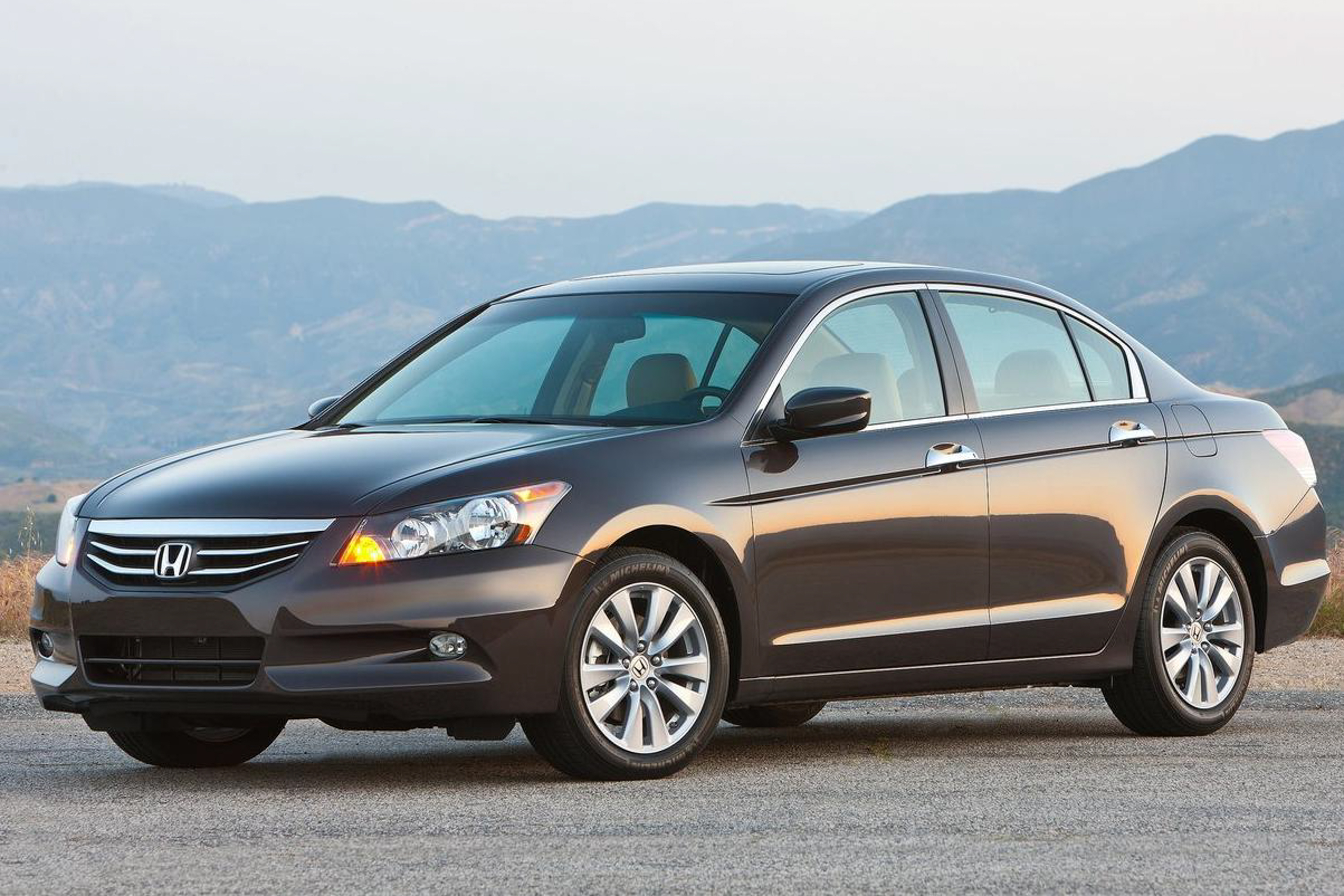
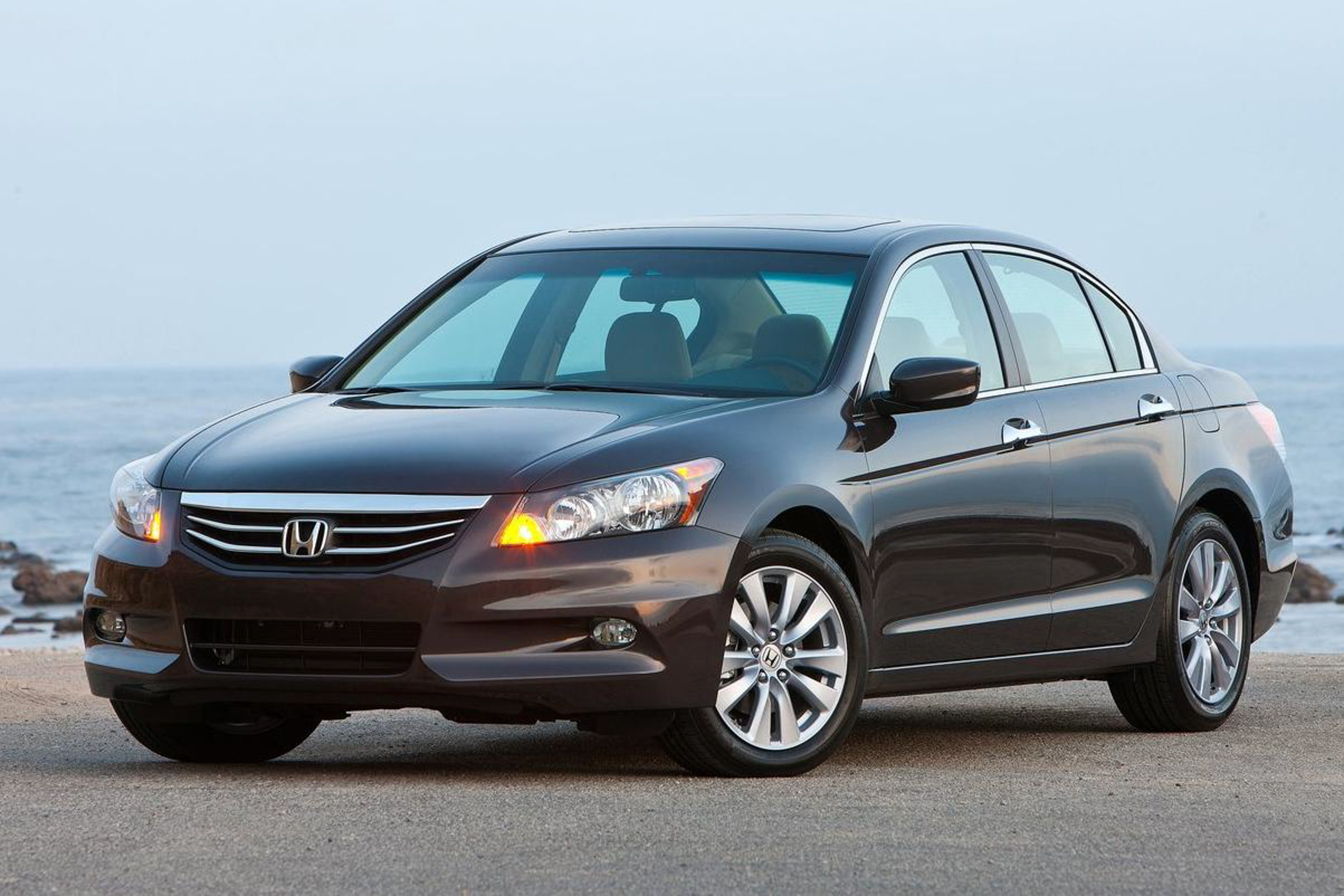
In terms of exterior design, the 2011 Accord adheres to Honda's stable styling from that era. The front features a chrome strip running across the upper grille, paired with a trapezoidal air intake below. The overall appearance is not overly aggressive but is highly recognizable. The body side profile has sleek lines, with a waistline extending from the front fender to the rear, giving the car an elongated appearance. The 16-inch multi-spoke aluminum alloy wheels are standard on the public variant, and while the design is fairly conventional, it is practical and easy to clean. At the rear, the triangular tail light assembly uses halogen light sources, and the hidden exhaust pipe design below the rear bumper makes the rear look clean. The lighting system features halogen headlights and tail lights as standard across the range. While they are sufficient for nighttime illumination, they may appear slightly dim compared to modern LED headlights.
Sitting inside, the interior style leans towards practicality, without excessive flashy designs. The dashboard is two-toned, with a dark upper section and a lighter lower one, in line with the family car positioning. In terms of materials, the upper part of the dashboard is made of hard plastic, while the part of the door panel frequently touched by elbows is wrapped in fabric, which feels reasonably comfortable. In terms of core configurations, the public variant is equipped with a 7-inch touchscreen infotainment screen (which might be an upgraded original unit in later models), supporting Bluetooth connectivity and USB multimedia playback. Operation is moderately smooth. The air conditioning uses a manual dual-zone control system, with knobs that have a moderate damping feel and are convenient to adjust. The seats are made of fabric, with the driver's seat offering six-way manual adjustment and the front passenger seat offering four-way manual adjustment. The cushioning is relatively soft, though the lumbar support may feel insufficient during prolonged use.
Space is one of Accord's advantages. The car's dimensions are 4945mm in length, 1845mm in width, and 1470mm in height, with a wheelbase of 2800mm. For a front-seat passenger of 175cm in height, headroom is about a fist and two fingers. For rear-seat passengers of the same height, legroom measures about two fists, and headroom is approximately one fist. Even with three adult passengers in the back, the interior does not feel excessively cramped. In terms of storage capacity, the door panels have compartments that can hold two 500ml water bottles. Below the center console, there is an open storage compartment suitable for holding phones or wallets. The center armrest box has a large volume and can store plenty of miscellaneous items. The trunk offers a standard capacity of 467L, which can be expanded to roughly 1300L by folding down the rear seats, making it suitable for storing luggage for short family trips. The rear seats are also equipped with air conditioning vents and two USB charging ports (likely an aftermarket addition), adding to its practicality.
In terms of performance, the 2011 Accord public variant is equipped with a 2.0L naturally aspirated engine, delivering a maximum power of 156 horsepower and a peak torque of 190N·m, paired with a 5-speed automatic transmission. During actual driving, the power output is smooth during startup, without noticeable jerks. During acceleration, the engine provides gentle power output below 3000rpm; when the throttle is pressed harder and the rpm exceeds 4000, there is a noticeable boost in power, making overtaking easier, though some anticipation is necessary. The vehicle only supports a standard driving mode, with no sport or eco modes available.
The handling and chassis performance are in line with the positioning of a family car. The steering wheel is light to turn, with minimal play, making daily driving flexible; the suspension features a front MacPherson strut independent suspension and a rear multi-link independent suspension, with tuning that leans towards comfort. When dealing with bumpy roads, the suspension can filter out most minor vibrations, and when crossing speed bumps or large potholes, the body doesn't bounce noticeably. During cornering, the body roll control is average, as it is a family car and not suitable for aggressive driving. In terms of braking performance, the brake pedal travel is moderate, and the braking force is released linearly, with a 100-0km/h braking distance of about 41 meters, which is a fairly standard performance.
Fuel consumption is a concern for family users. We drove 100km each in urban congested roads and highways, with an average fuel consumption of about 9.2L/100km; in pure urban congested conditions, fuel consumption was about 11L/100km, while on highways (100-120km/h), it was about 7.5L/100km. This result is at a medium level among similar 2.0L naturally aspirated models. Regarding ride comfort, during everyday driving, the engine noise is well controlled under 3000 RPM, but at high speeds, wind and tire noise become more apparent, especially above 120km/h, where you need to raise the volume to drown out the noise. As for the seats, as mentioned earlier, there is insufficient lumbar support for long trips, and adding a lumbar support cushion is recommended.
In summary, the core highlights of the 2011 Honda Accord public version are its balanced space performance, reliable powertrain, and practical configurations. Compared to the 2011 Toyota Camry of the same class, the Accord offers more rear seat space and better trunk expandability; compared to the Nissan Teana, it has slightly better handling but slightly less comfort. Overall, this car is suitable for family users who value space, reliability, and cost performance, especially as a daily commuter vehicle and for short trips. If you don't have high demands for advanced configurations and a sense of technology, and prioritize a robust and durable car, the 2011 Accord public version is still a worthwhile choice.
Honda Accord Car Compare
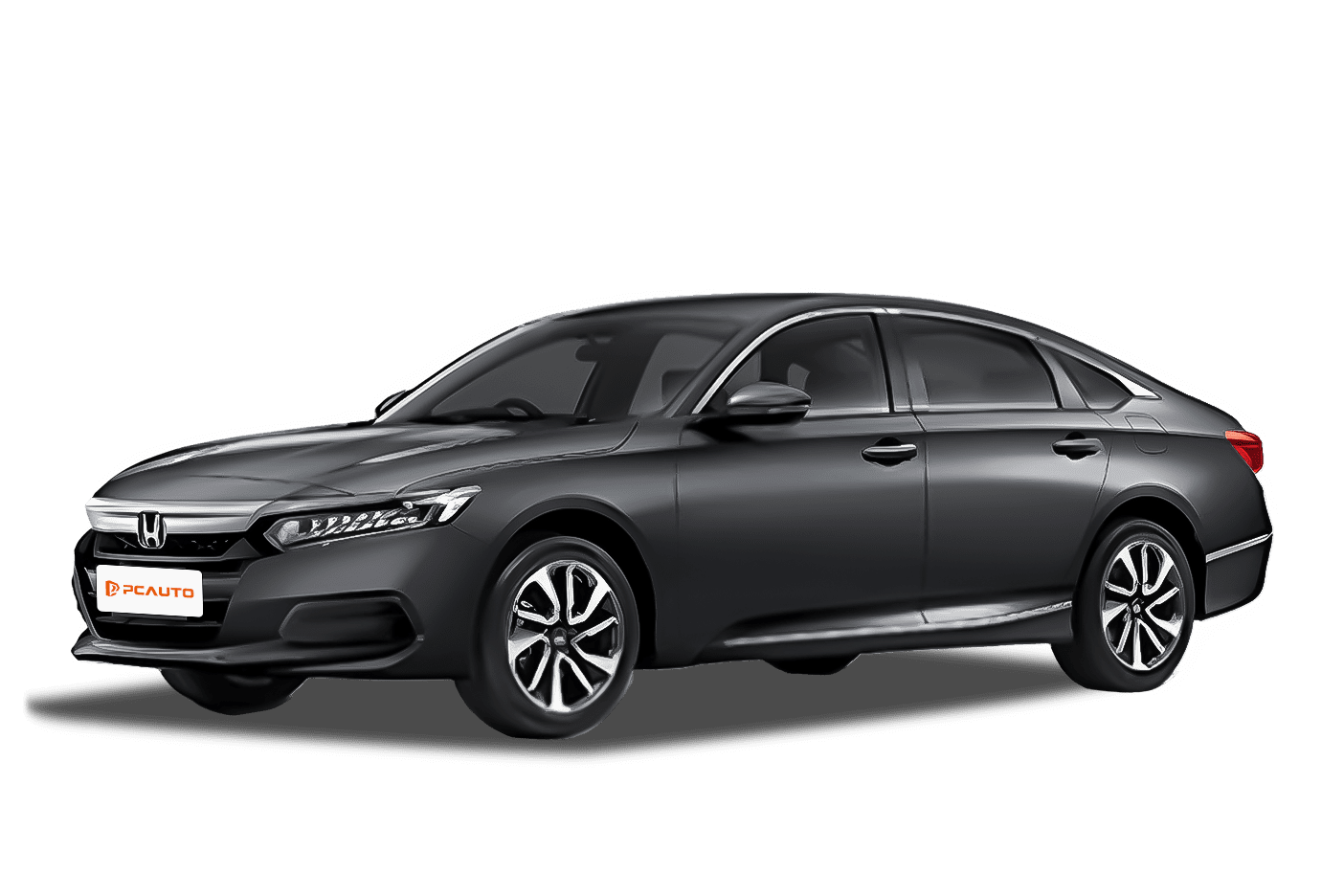
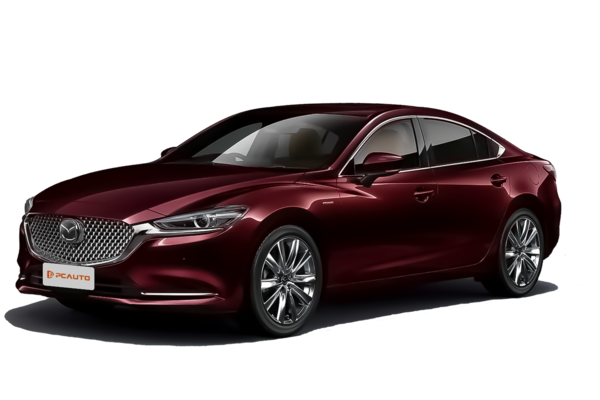
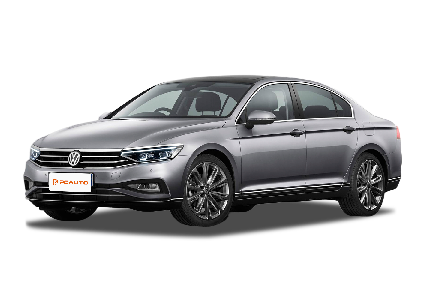
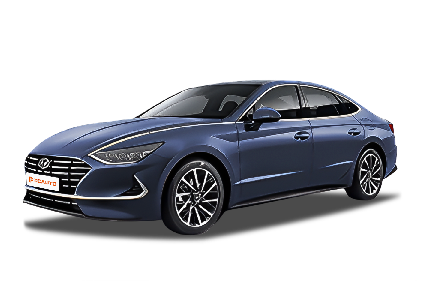
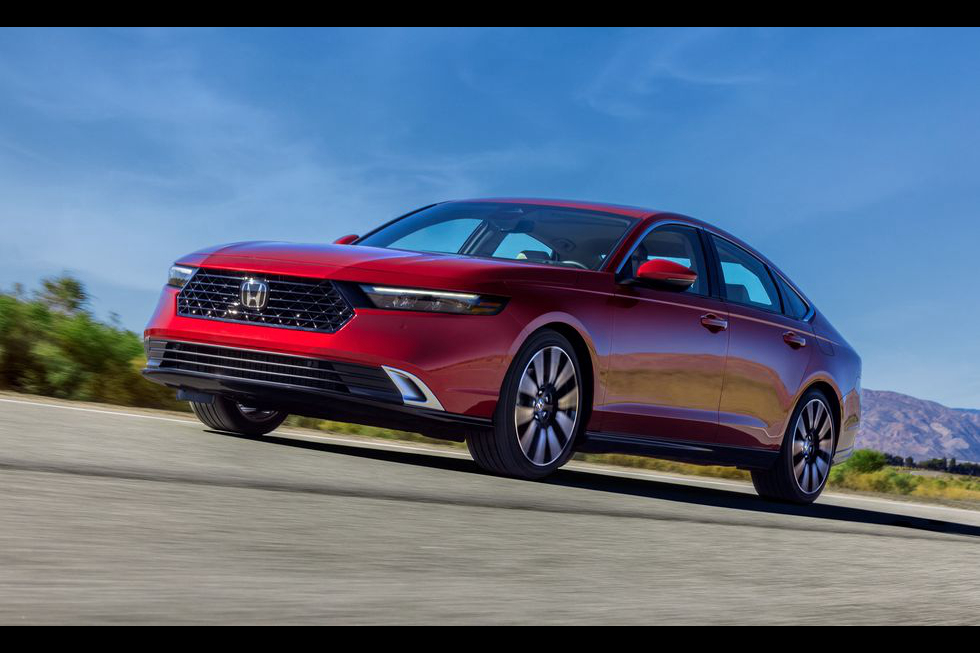
Cars With Similar Price And Features
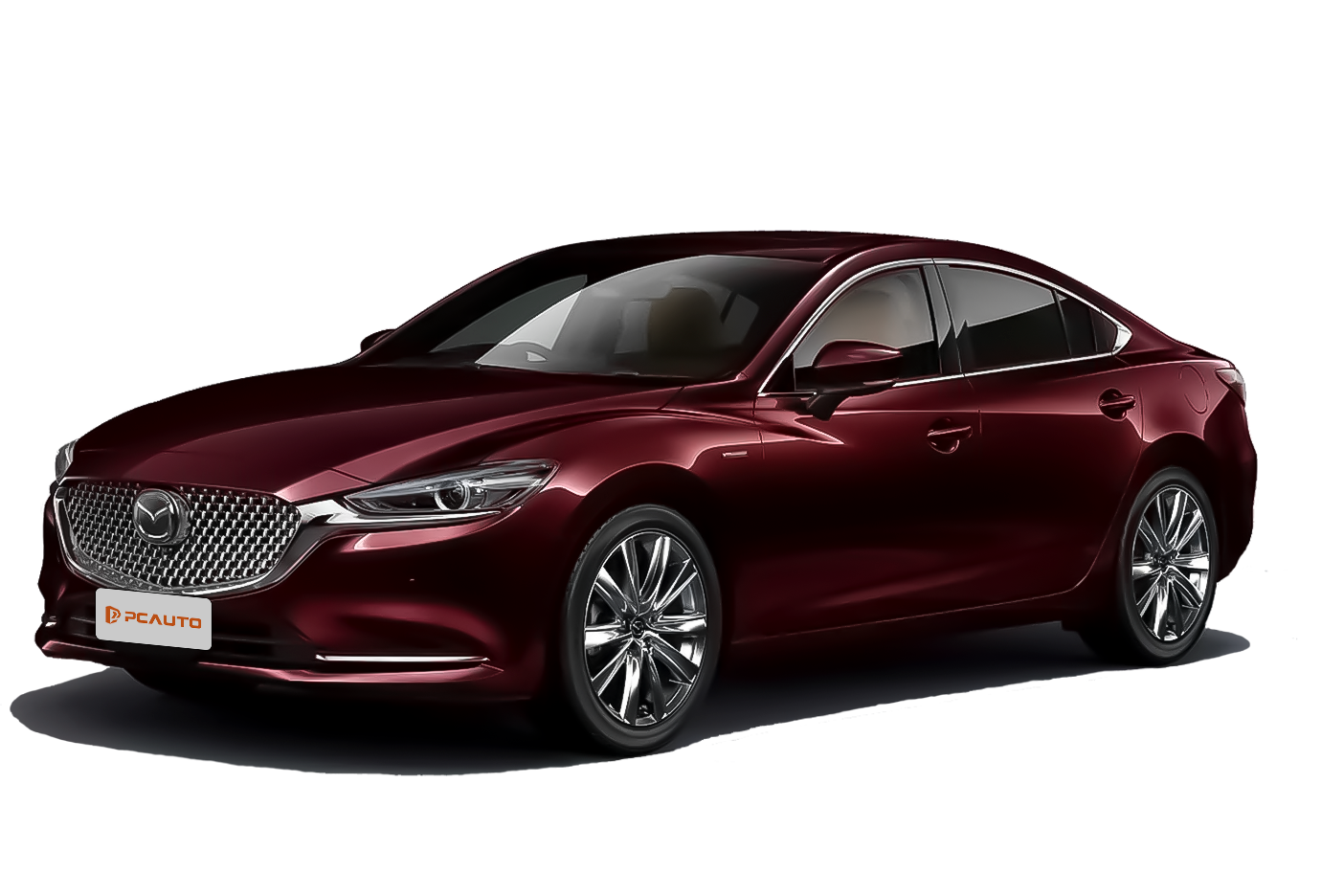
2023 Mazda 6 Sedan 2.0 SkyActiv-G meets the rational needs of family users for joint-venture quality, comfortable configurations, and fuel economy with its KODO design, practical space, and balanced driving control.

2022 Volkswagen Passat 2.0 TSI R-Line combines business elegance with sporty personality, featuring 220PS power, 14-way massage seats, and Harman Kardon audio system to meet the diverse needs of families and young professionals.
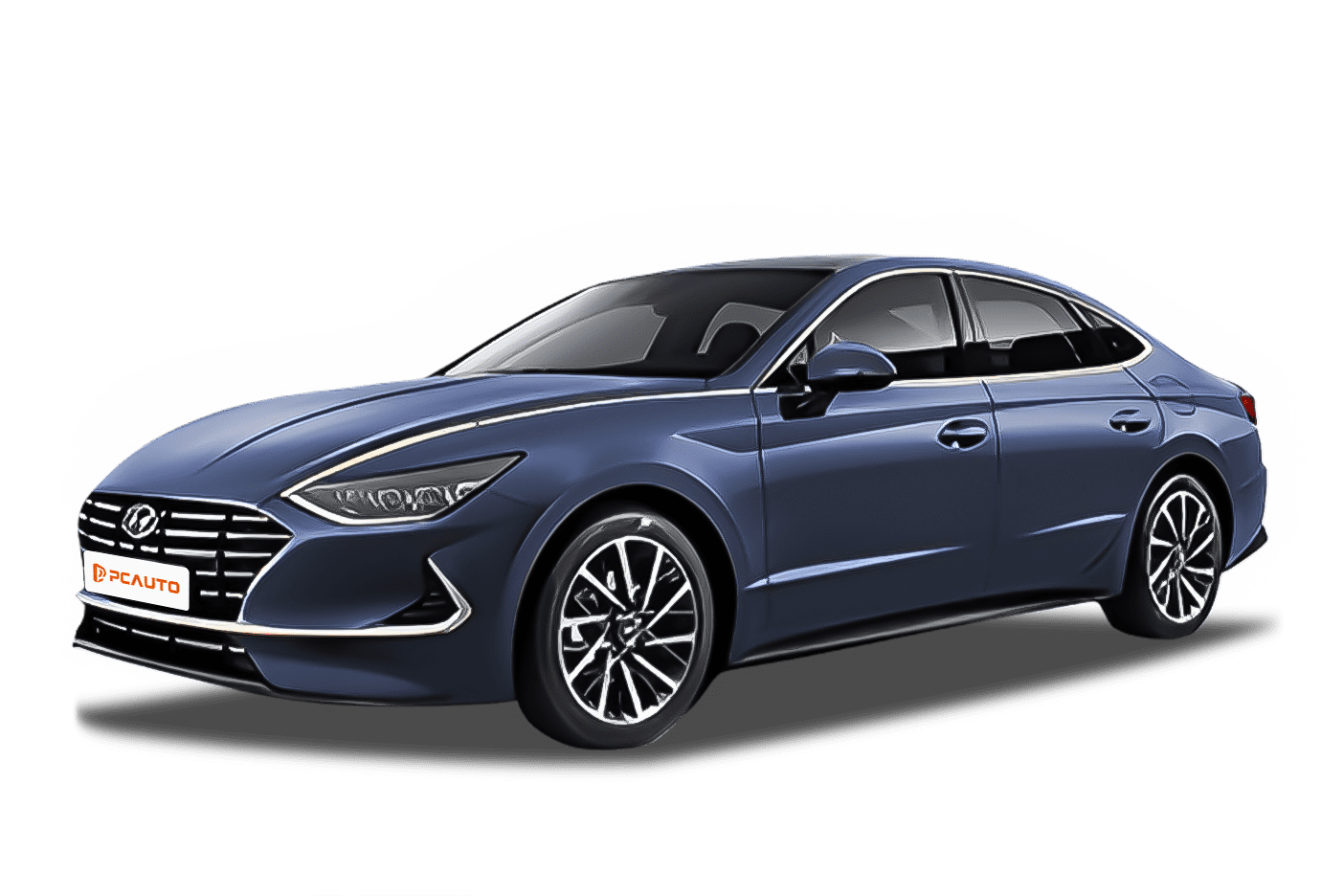
2024 Hyundai Sonata public is positioned as a D-Segment family and business sedan, combining dynamic design, practical configurations, and spacious space, balancing power and fuel consumption, safe and reliable.
23
Rank in Sedan
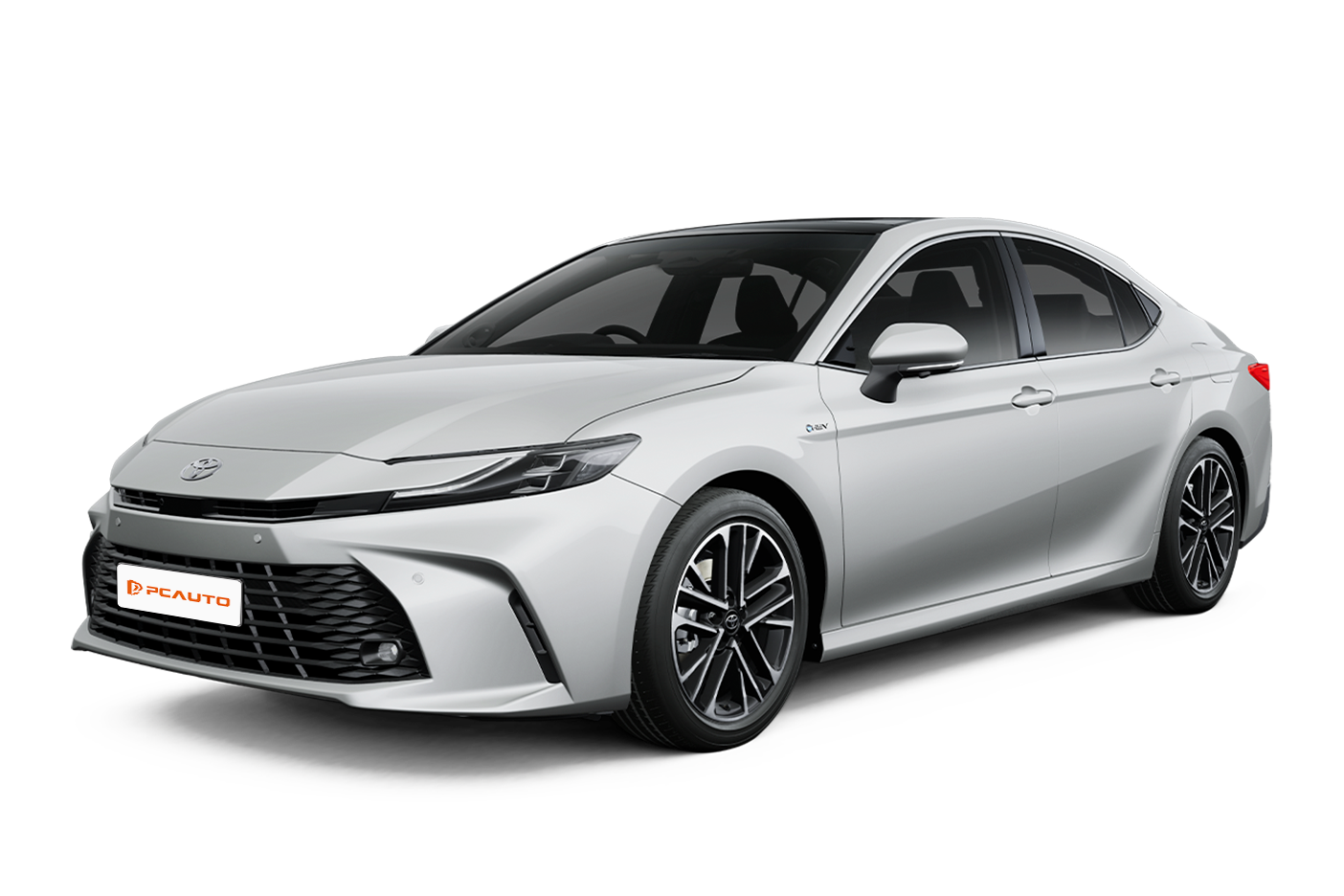
2025 Toyota Camry 2.5 V features an extended body, upgraded large-screen interior to enhance household comfort, 2.5L+8AT smooth power with more comprehensive intelligent driving, precisely meeting the reliable household needs of the D-segment.