

Honda Accord 2018 Review

 Share
Share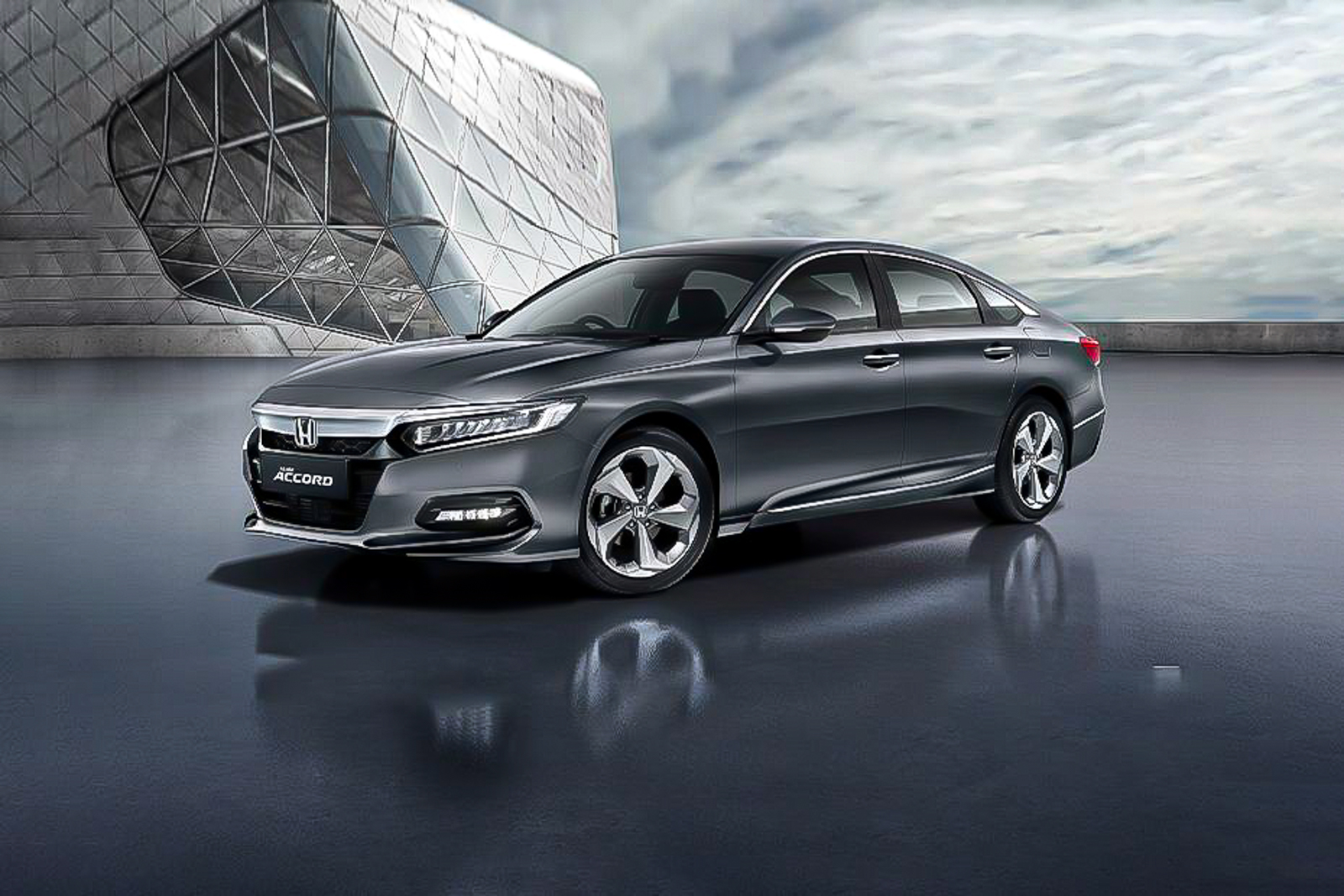
 Segment
 Body Type
 Capacity(L)
 Engine Power(PS)
 Transmission
 Driven Wheels
The D-segment sedan market has always been a top choice for Malaysian family users and pragmatic middle-class individuals. It needs to provide economical daily commuting as well as a sense of dignity for business occasions. The 2018 Honda Accord 2.0 VTi-L, as the mid-range version of the series, is priced at more than RM148,000 and focuses on the combination of "balanced configuration + reliable performance." This time, our test drive aims to verify whether it can strike the optimal balance between price and practicality.
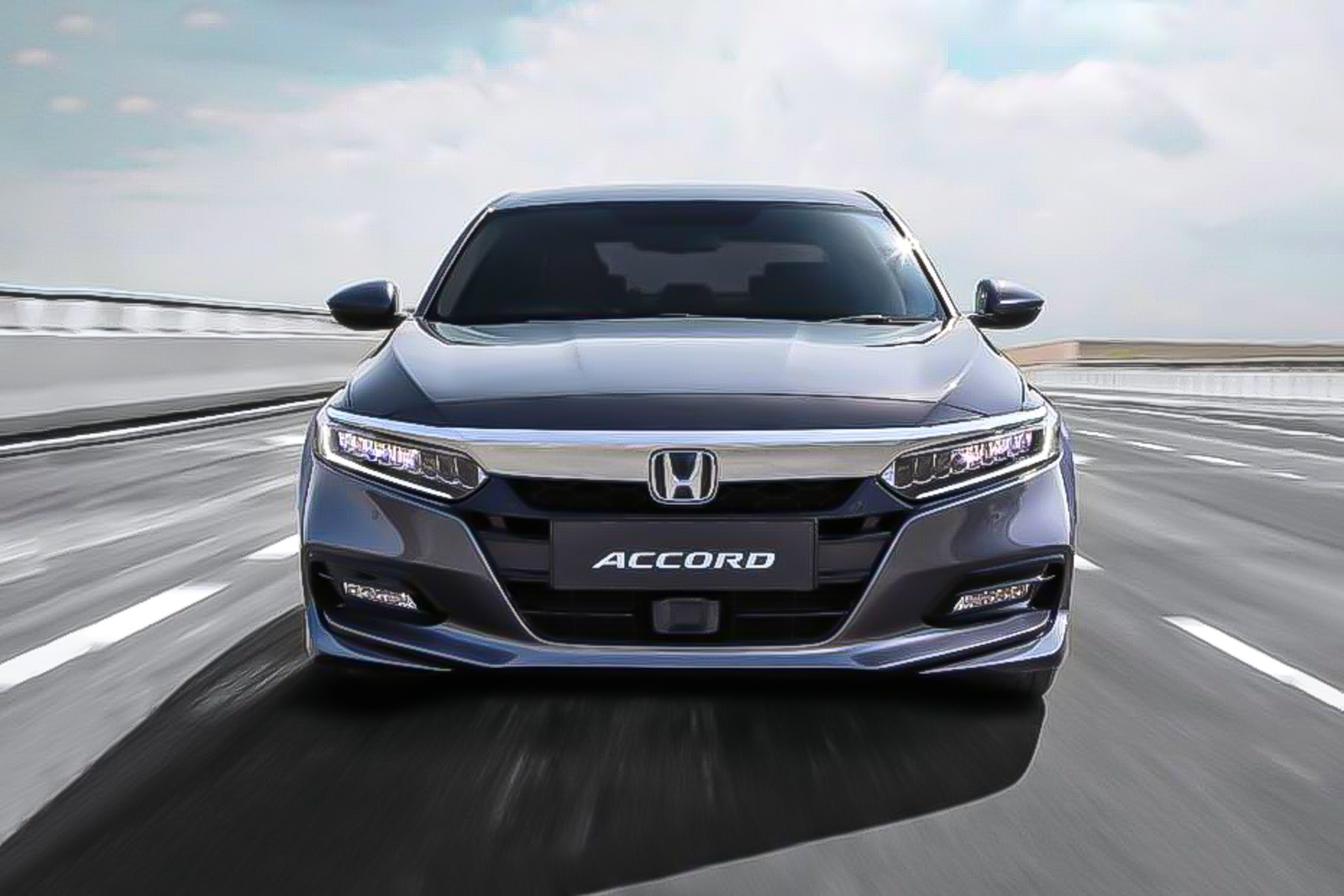
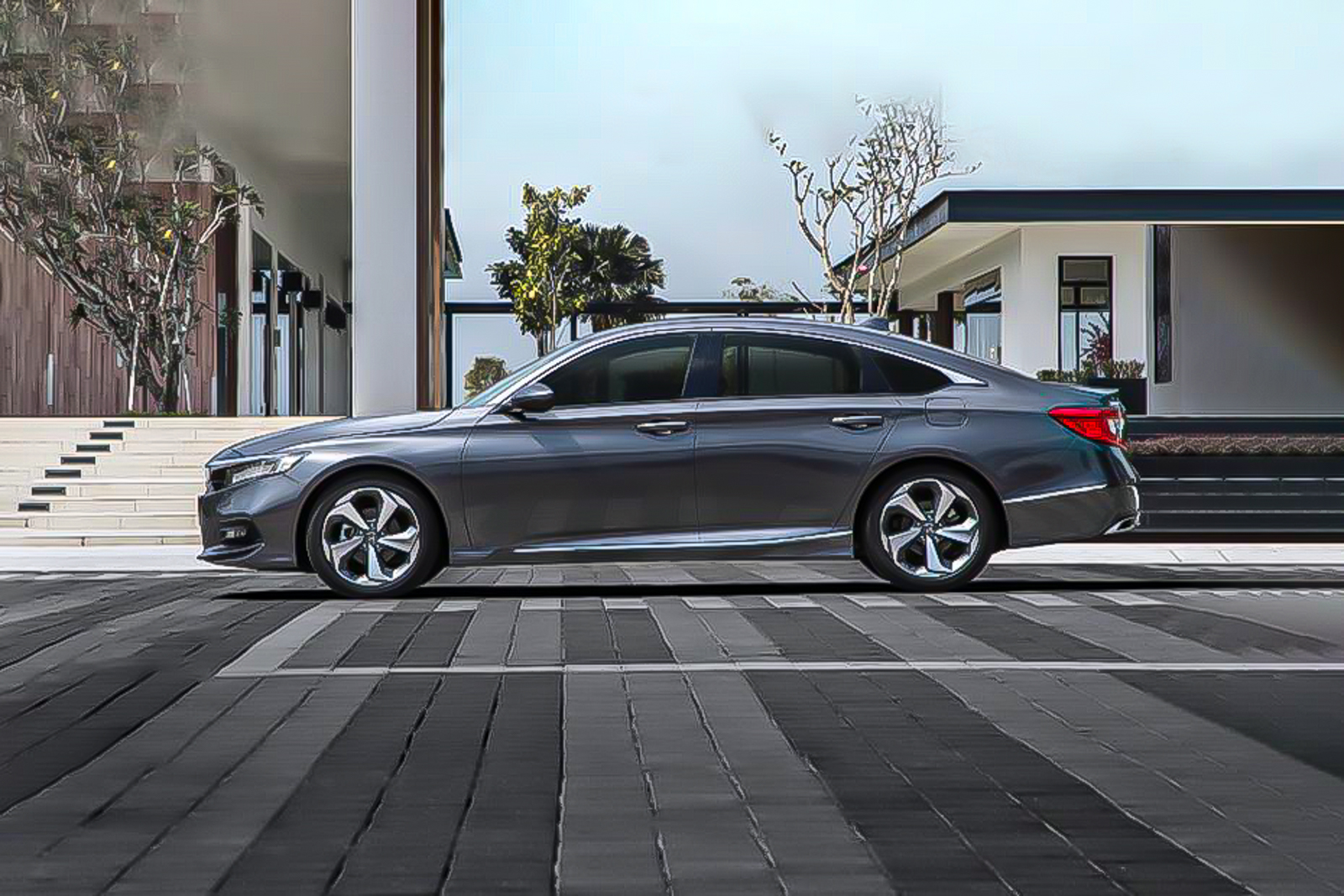
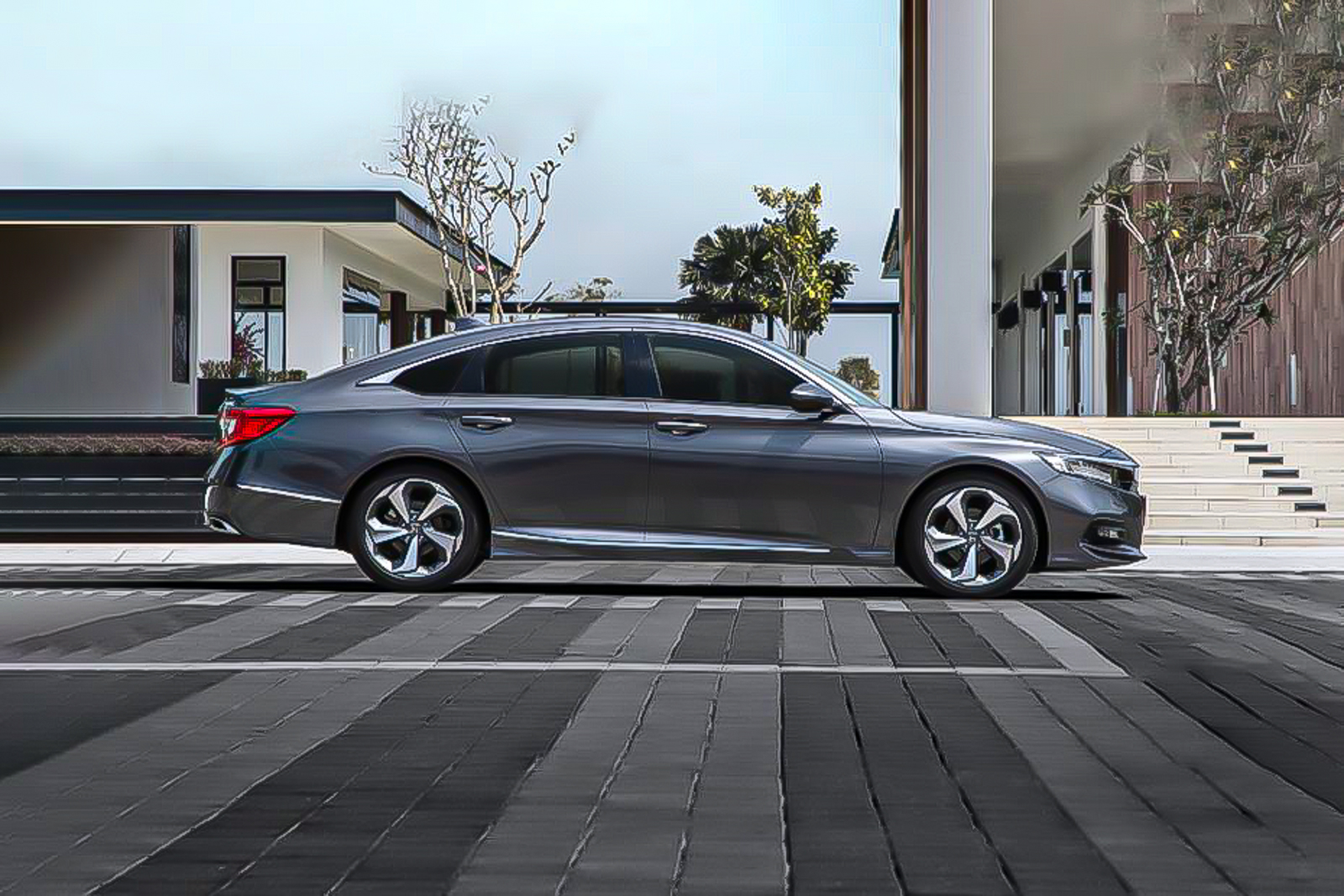
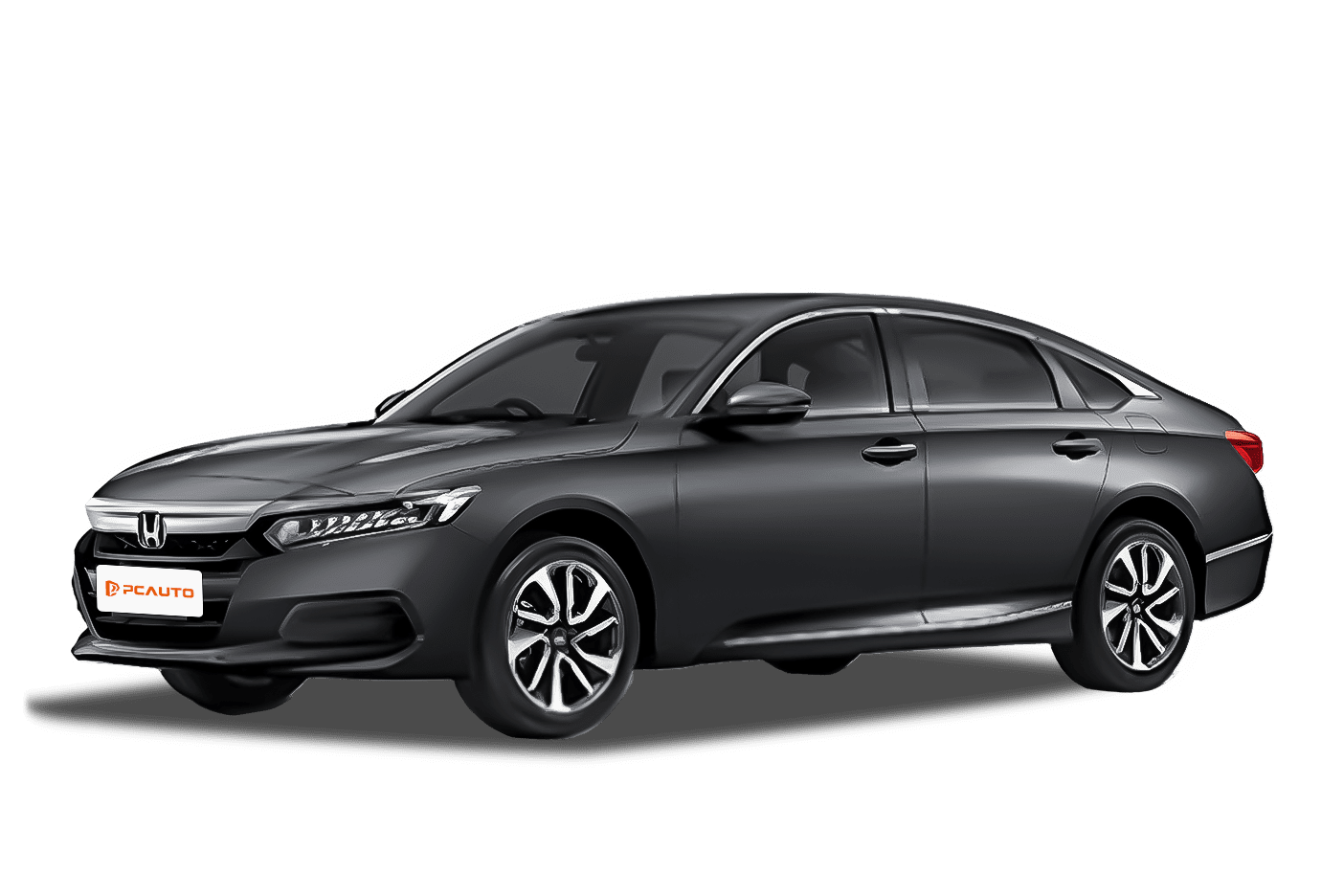
Starting with the exterior, the overall design of the 2018 Accord leans toward being steady without losing a youthful touch. The front face adopts Honda's family-style wide chrome trim, connecting to the halogen main headlamps with LED daytime running lights, providing a high level of recognition. The trapezoidal grille below is paired with horizontal chrome trim, visually broadening the width. The side profile features smooth lines, with a waistline running through the door handles from the front fender to the rear. The 225/50 R17 tires paired with multi-spoke alloy wheels ensure well-proportioned aesthetics. At the rear, the LED taillight cluster adopts a horizontal design connected by chrome trim, resulting in a simple and elegant overall appearance, aligning with the steady positioning of a D-segment sedan.
Stepping inside, the interior is predominantly dark in color, with soft-touch materials covering the center console, complemented by silver trim for enhanced texture, which matches the price level. The center console screen is of moderate size, supporting basic multimedia and Bluetooth connectivity with a clear operational logic. However, its responsiveness and smart features are slightly inferior compared to newer models. In terms of configuration, keyless entry and push-button start are standard. The driver's seat comes with 8-way electronic adjustment, and the passenger seat offers 4-way electronic adjustment to accommodate passengers of different sizes. The seat cushions are moderately firm, ensuring long-duration comfort. The dashboard features traditional electronic analog displays, providing comprehensive information such as RPM, speed, fuel consumption, and other core data.
Regarding space, the 4935mm length and 2775mm wheelbase provide ample interior room. The front headroom is about the width of one fist, and the rear legroom exceeds two fists, ensuring that even passengers standing 180cm tall won’t feel cramped in the back. The rear headroom is about 4 fingers, which is moderately acceptable. The trunk offers a capacity of 461L, which is sufficient for daily storage of suitcases or shopping bags. The rear seats can fold down to expand the storage space further. In terms of details, the front central armrest box and door storage compartments offer practical capacity, and the rear seat passengers benefit from air conditioning vents and USB ports, boosting overall comfort.
In terms of performance, the 2.0L naturally aspirated engine delivers a maximum power of 155PS and a maximum torque of 190N·m (official data), paired with an AT transmission. During starts, the power output is smooth, making it ideal for urban commutes. Acceleration at low and medium speeds is responsive; overtaking requires pressing the accelerator hard, and power becomes noticeably more robust when the RPM exceeds 4000. However, high-speed acceleration capabilities are slightly underwhelming. There are two driving modes: normal and eco. In eco mode, throttle response becomes slower, making it suitable for users prioritizing fuel efficiency.
In terms of handling, the steering wheel has a moderate weight with steering precision ranking as average among its class, offering relatively easy daily driving. The chassis uses a front MacPherson strut and rear multi-link independent suspension, tuned for comfort. It effectively absorbs most minor road vibrations. When passing speed bumps or uneven roads, the suspension rebounds crisply without unnecessary wobble. However, when taking high-speed turns, the body leans noticeably, making it better suited for stable driving.
Fuel consumption testing was carried out over approximately 50km in congested urban areas and highways, with the air conditioning on throughout the trip. The final combined fuel consumption was about 8.5L/100km, while highway fuel consumption could drop to around 7L, which meets the expectations for a 2.0L naturally aspirated engine. In terms of braking, the brake pedal feedback is linear, the braking force output is stable, and the vehicle maintains good body posture during emergency braking, with no noticeable forward tilting effect.
For noise control, the cabin remains relatively quiet during low-speed driving, with minimal tire and wind noise. However, once the speed exceeds 100km/h, wind noise gradually increases, though it remains within an acceptable range and does not affect normal conversations.
Overall, the key advantages of the 2018 Honda Accord 2.0 VTi-L lie in its well-balanced space performance, practical features, and reliable powertrain. Compared to competitors in the same segment, such as the Toyota Camry 2.0E, it offers additional safety features like a 360-degree panoramic camera and lane change assist, while the price remains more competitive. However, compared to the higher-spec 2.4 VTi-L Advance version, it lacks intelligent safety features like lane departure warning and autonomous emergency braking, and its power is slightly weaker.
This car is more suitable for family users who prioritize practicality and value for money. It meets the needs of daily commuting and family outings. For budget-conscious business professionals in need of a reliable D-segment sedan, its composed exterior and ample space also make it suitable for business occasions.
In conclusion, the 2018 Honda Accord 2.0 VTi-L is a model with "no significant weaknesses." Although it does not stand out in terms of power and smart features, its balanced performance and reasonable pricing give it a competitive edge in the D-segment market.
Honda Accord Car Compare
Honda Accord Loan Calculator
More Honda Reviews
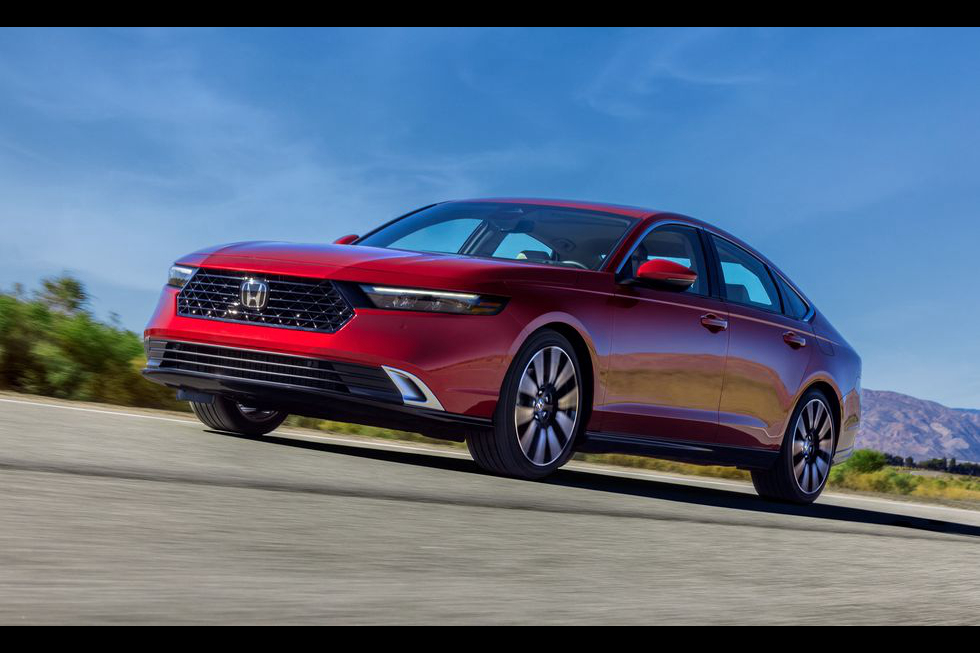
Cars With Similar Price And Features
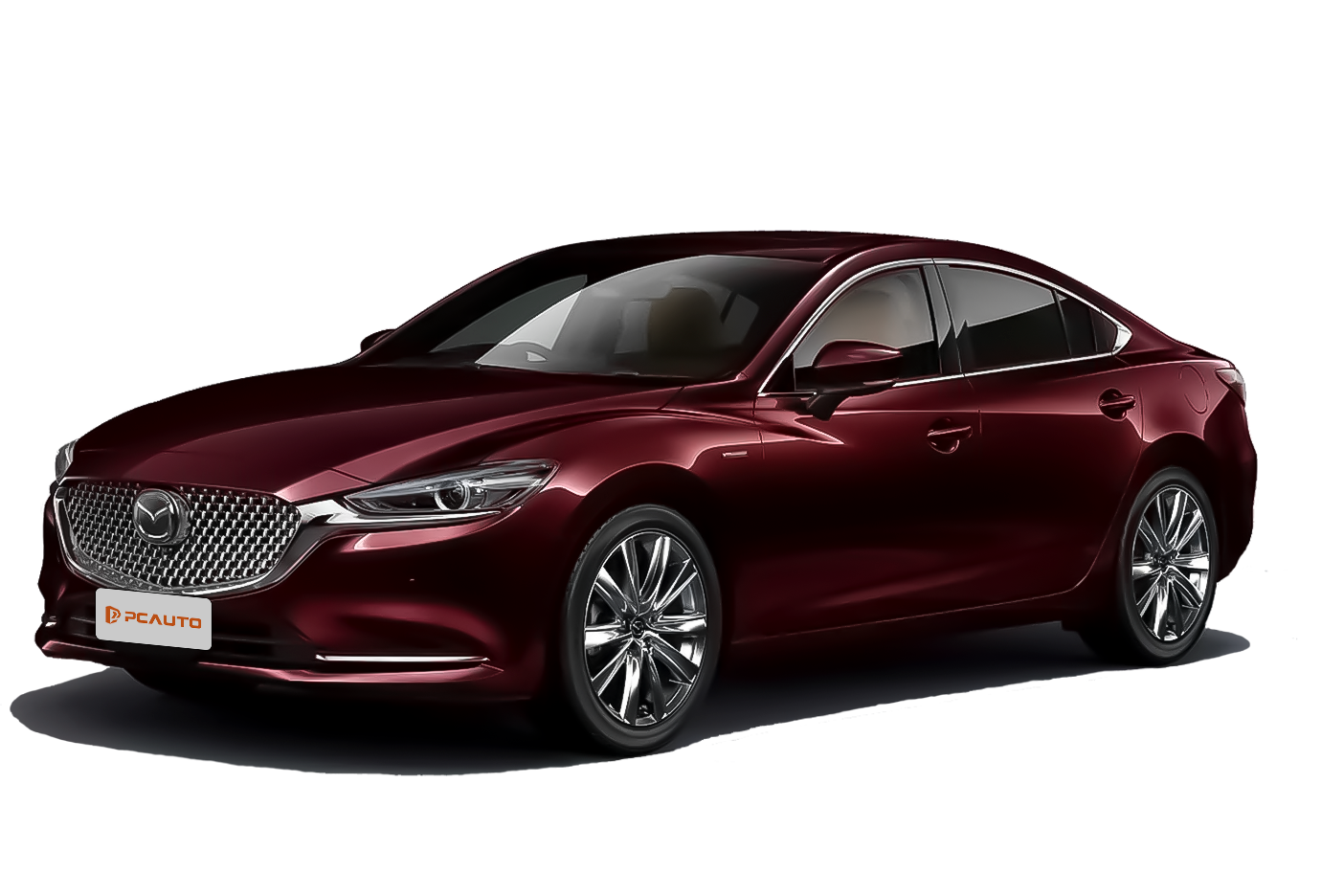
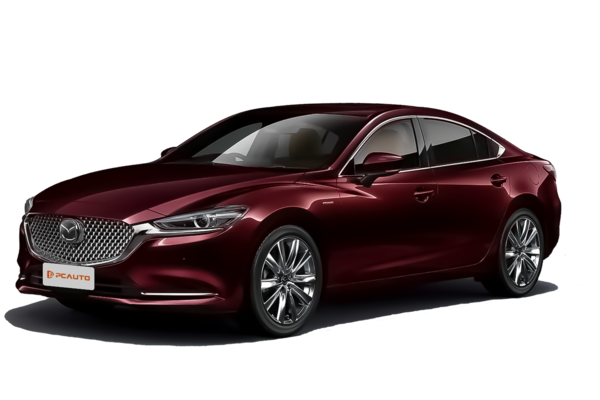
2023 Mazda 6 Sedan 2.0 SkyActiv-G meets the rational needs of family users for joint-venture quality, comfortable configurations, and fuel economy with its KODO design, practical space, and balanced driving control.

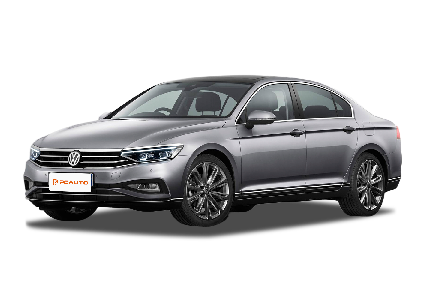
2022 Volkswagen Passat 2.0 TSI R-Line combines business elegance with sporty personality, featuring 220PS power, 14-way massage seats, and Harman Kardon audio system to meet the diverse needs of families and young professionals.
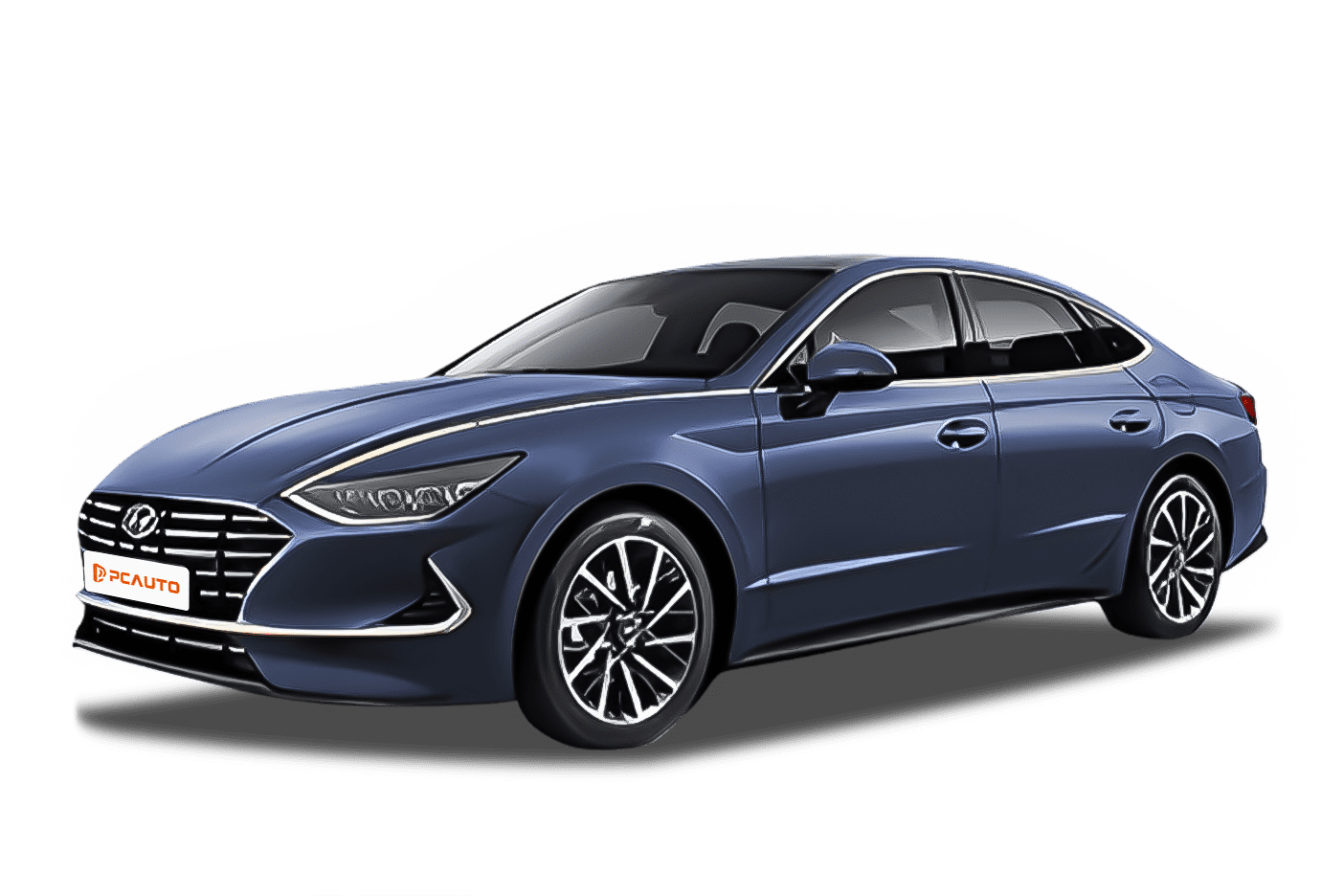
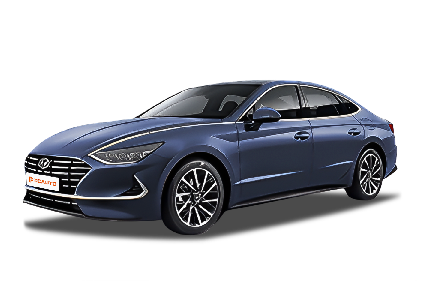
2024 Hyundai Sonata public is positioned as a D-Segment family and business sedan, combining dynamic design, practical configurations, and spacious space, balancing power and fuel consumption, safe and reliable.
23
Rank in Sedan
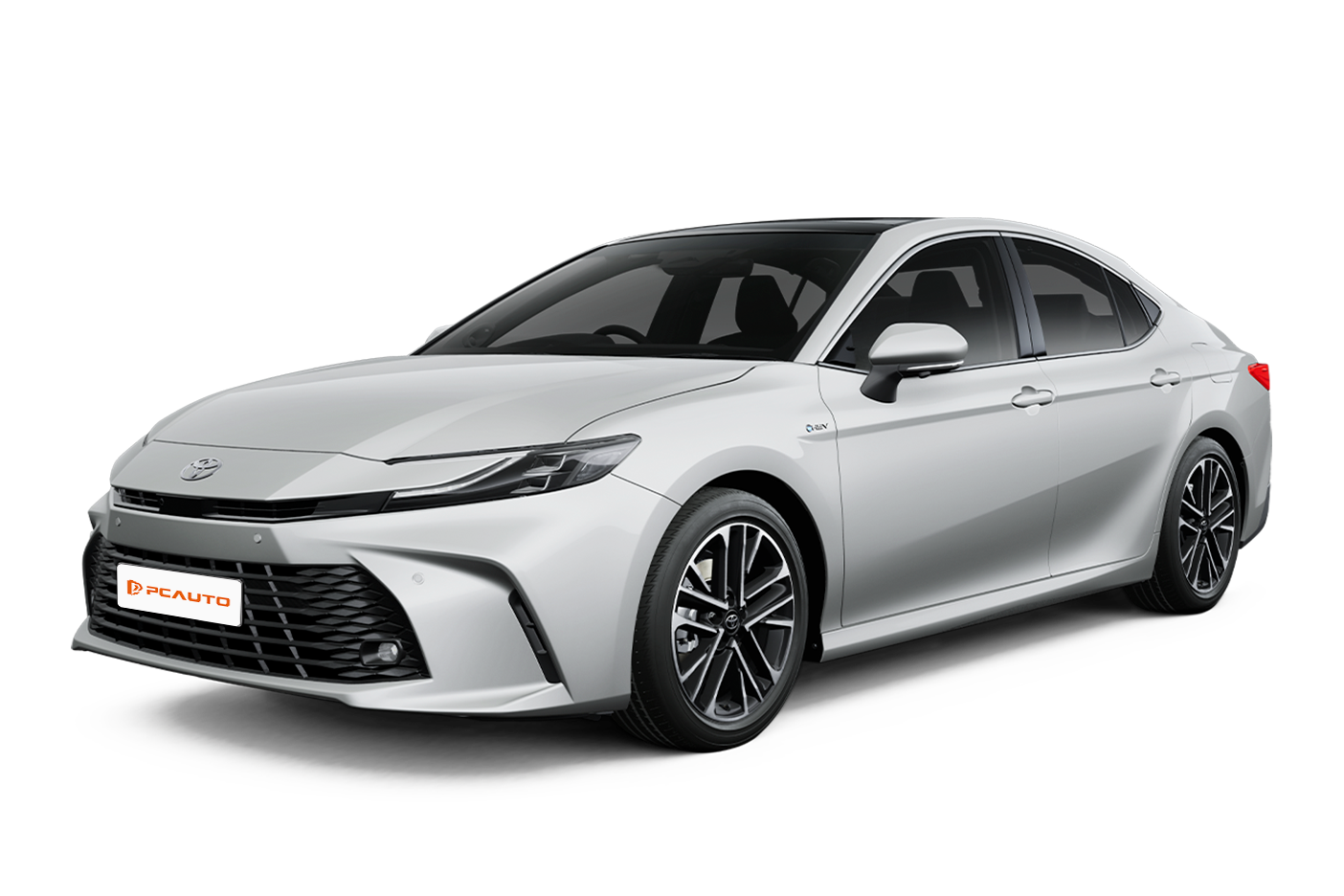
2025 Toyota Camry 2.5 V features an extended body, upgraded large-screen interior to enhance household comfort, 2.5L+8AT smooth power with more comprehensive intelligent driving, precisely meeting the reliable household needs of the D-segment.