

Hyundai Elantra Review

 Share
Share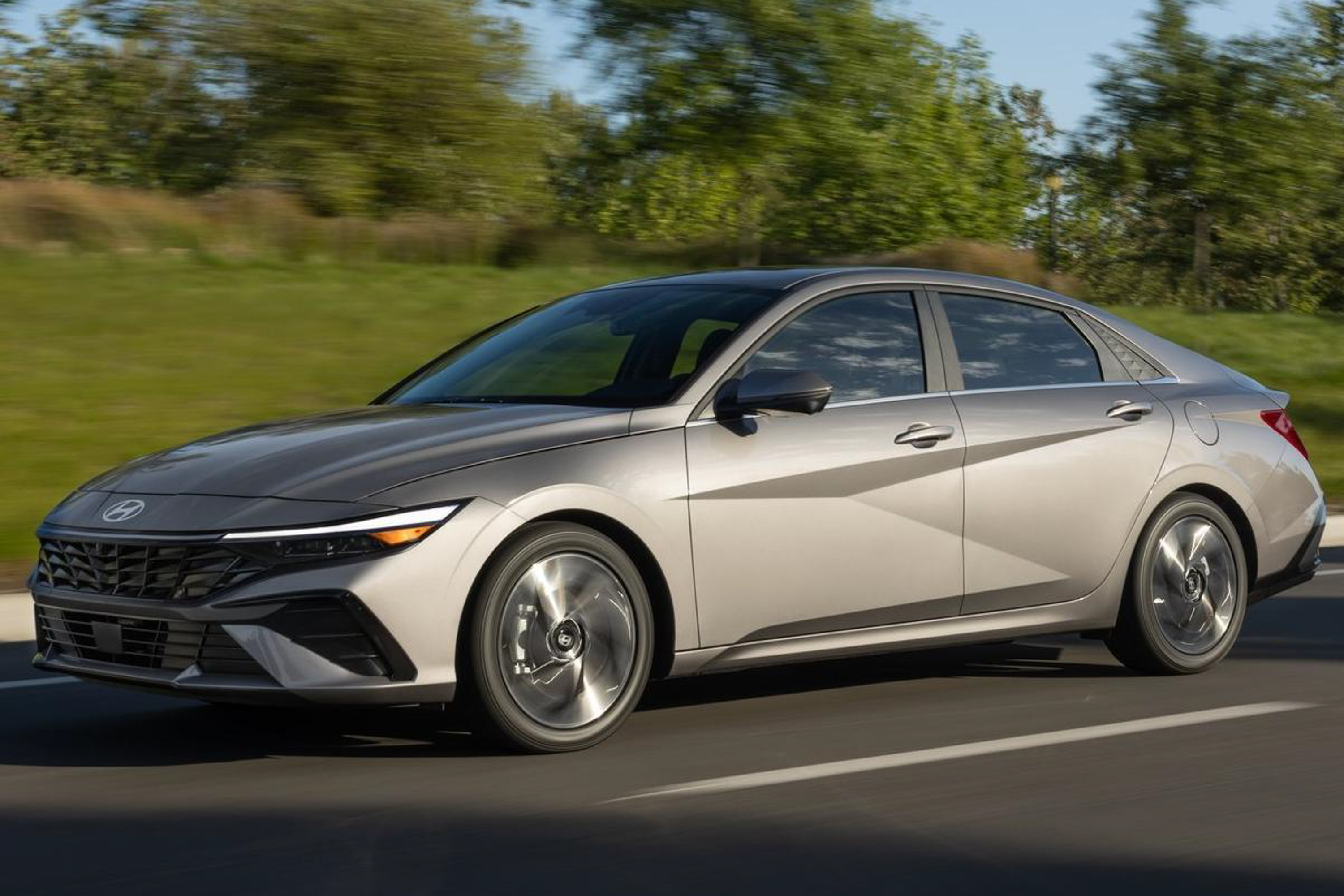
 Segment
 Body Type
 Capacity(L)
 Engine Power(PS)
 Transmission
 Driven Wheels
The C-segment sedan market has always been the main battlefield for Malaysian family users and young office workers, with competition focusing on a balance between space practicality, configuration richness, and fuel economy. The 2021 Hyundai Elantra Executive and Premium, as the main versions currently available in the market, have become the alternative models for many consumers thanks to their class-leading safety features and flexible space design. This time, we focused on test-driving the Elantra Premium to see if its performance in daily commuting and weekend family outings can meet the needs.
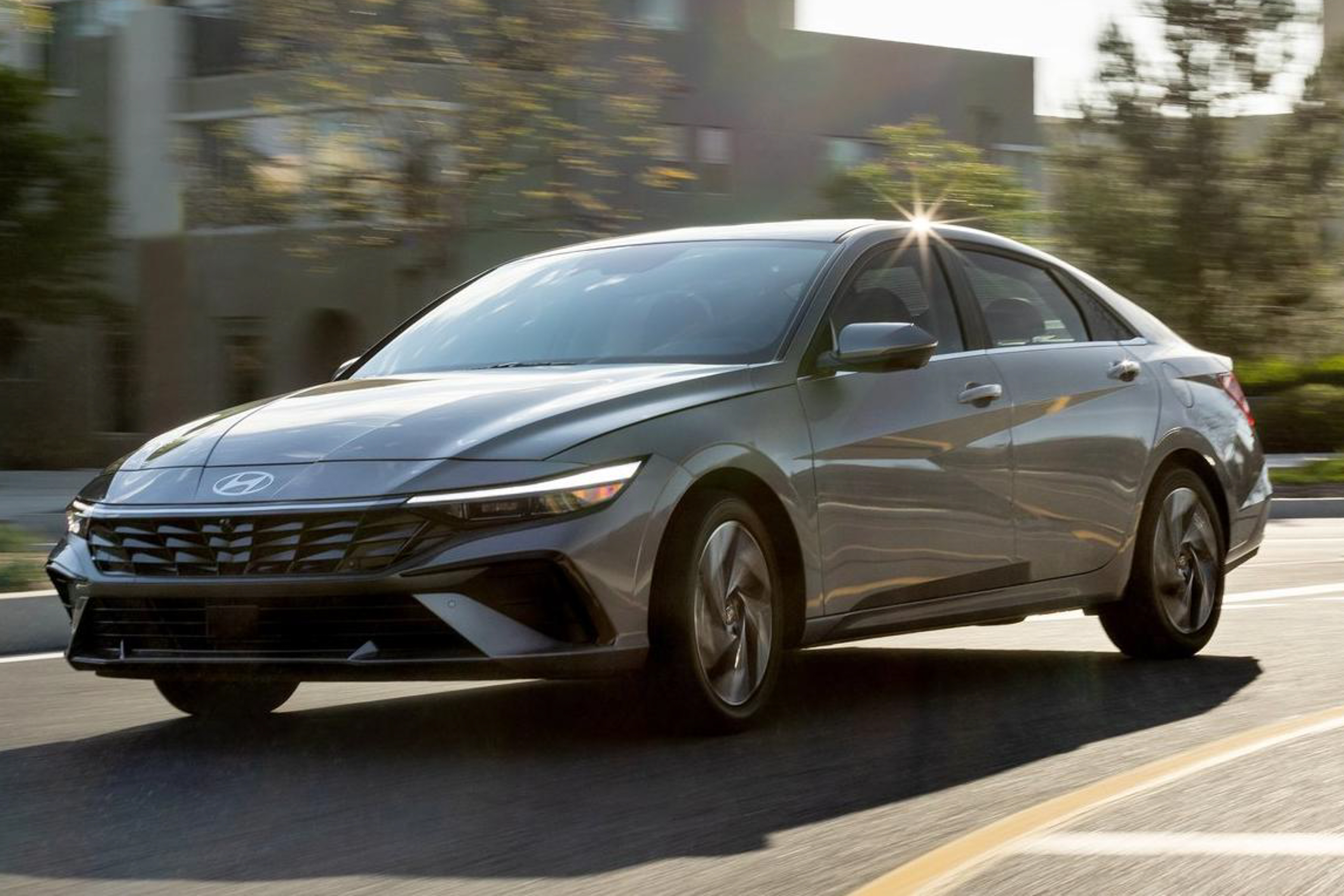
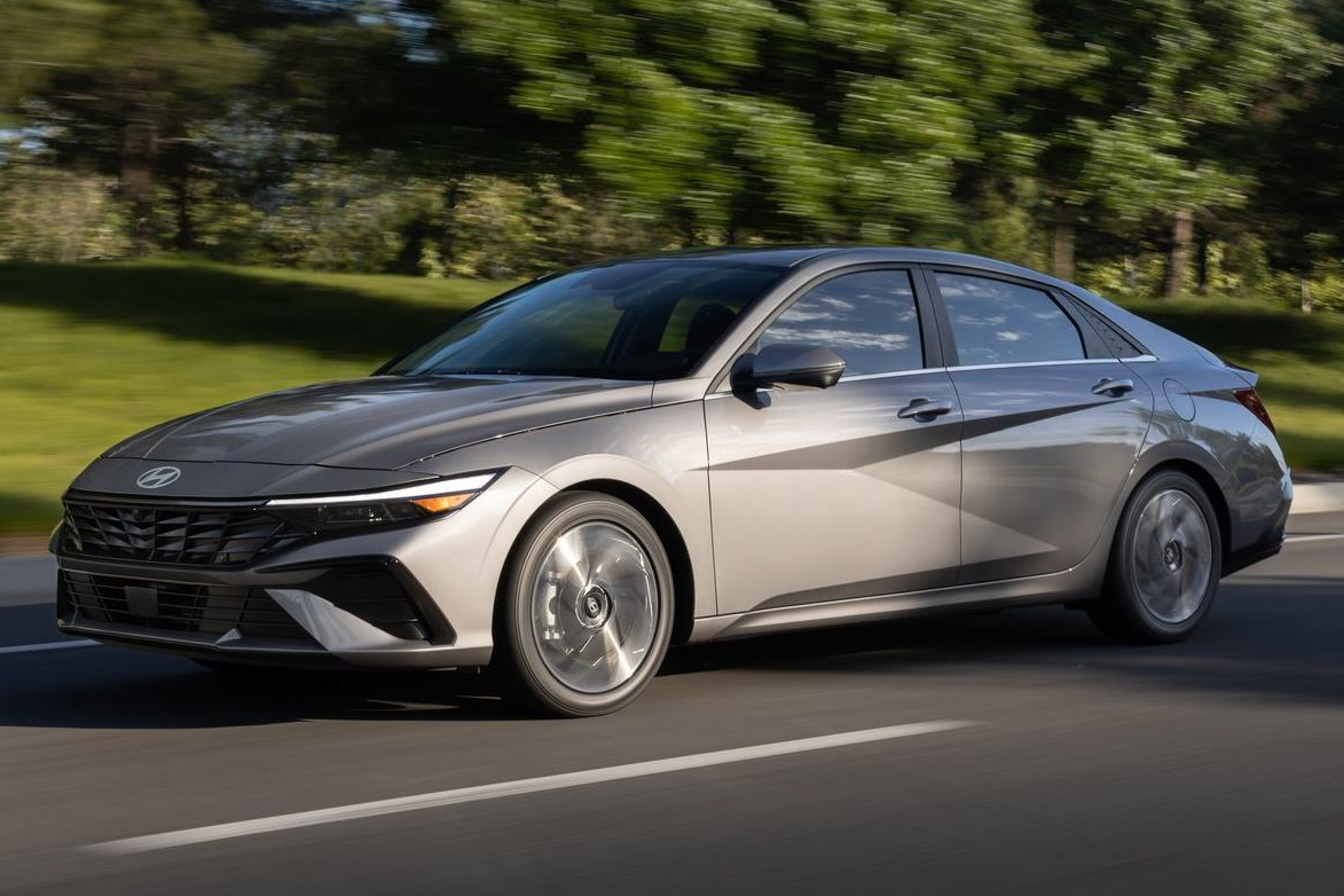
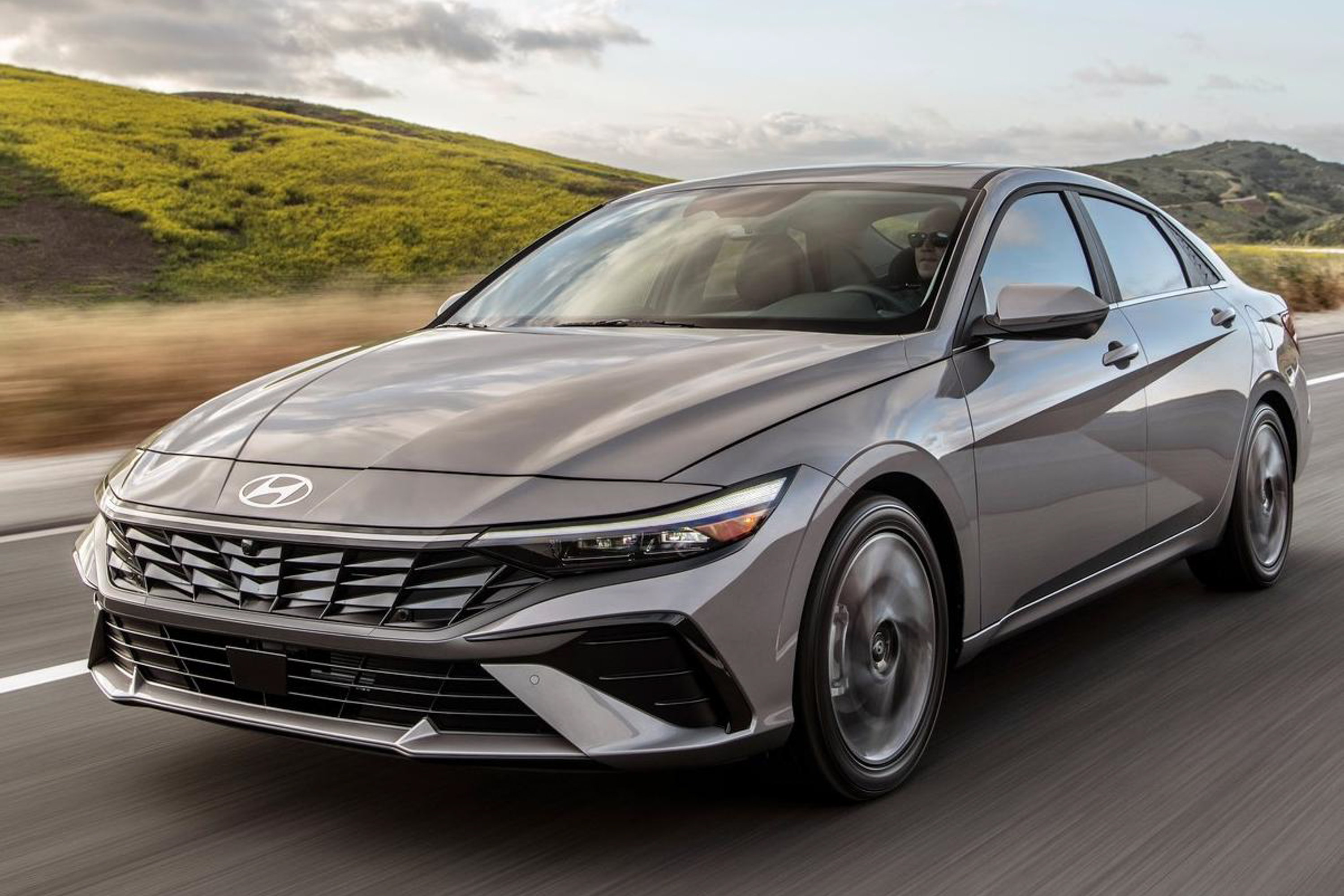
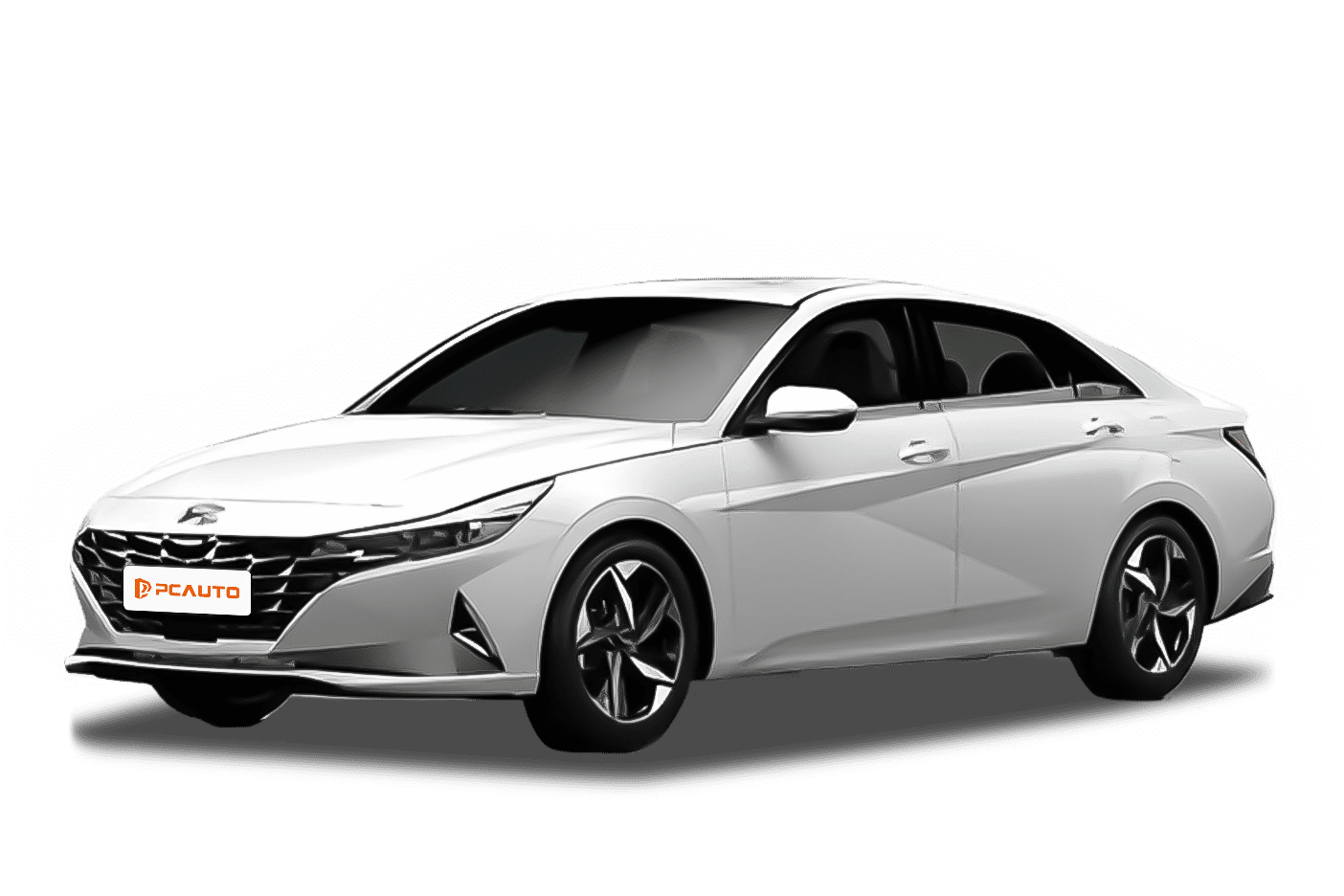
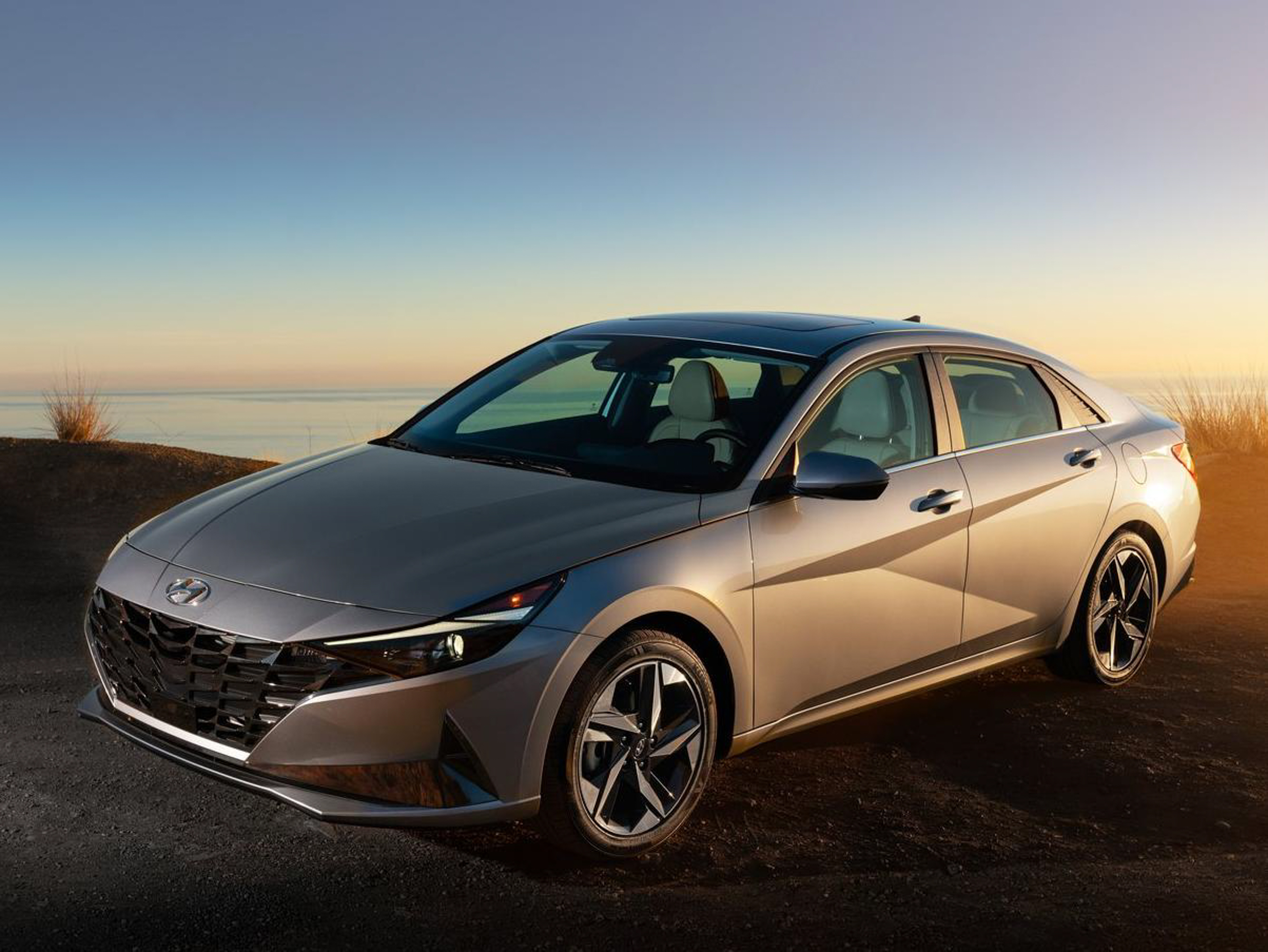
The exterior design of the Elantra continues Hyundai's family "Sensuous Sportiness" style, with smooth and angular overall lines. The front features a large blacked-out grille, paired with through-type LED daytime running lights, providing high recognition; the waistline on the vehicle's side extends from the front fenders to the rear, complemented by 17-inch multi-spoke wheels for a dynamic look. At the rear, the LED taillight group adopts a horizontal design, echoing the daytime running lights at the front, while the chrome trim under the rear bumper enhances the sense of refinement. The lighting system comes standard across the board with LED light sources, and the addition of automatic headlights and rear fog lights ensures safer nighttime driving.
Sitting inside, the interior layout of the Elantra Premium is simple and orderly, with the center console tilted toward the driver for convenient operation. The interior materials mainly consist of soft plastics and leather wrapping, providing a comfortable touch; the multifunctional steering wheel supports volume adjustment and cruise control, with a comfortable grip. The instrument panel uses a 10.25-inch fully digital display that clearly shows speed, fuel consumption, and other information. The central screen measures 8 inches, supports touch operation, and is paired with a 6-speaker Sound Plus system, which can basically meet daily entertainment needs. In terms of configuration, keyless entry, dual-zone automatic air conditioning, rear air conditioning vents, and a 220V power outlet are all standard, making it highly practical.
Space performance is one of the advantages of the Elantra. The car's dimensions are 4675mm in length, 1825mm in width, and 1430mm in height, with a wheelbase of 2720mm. The front seats support 8-way electric adjustment (Premium version), and a passenger with a height of 175cm can sit comfortably with ample head and legroom. The rear legroom exceeds two fists, and headroom is about one fist, making it comfortable for three passengers without feeling cramped. In terms of storage capacity, the trunk offers 474L of space, and the rear seats support a 60:40 split-folding function, expanding the cargo area to accommodate items like strollers or suitcases. Additionally, the front center armrest box and door panel storage compartments provide enough room for daily use.
In terms of power, the Elantra is equipped with a 1.6L naturally aspirated engine across the lineup, delivering a maximum horsepower of 123PS and peak torque of 154Nm, paired with a CVT transmission. During actual driving, the power response at startup is smooth, and the acceleration process is linear. The CVT transmission provides good smoothness with almost no noticeable jerking. When switched to sport mode, the throttle sensitivity improves, and the power output becomes more direct during overtaking. However, the acceleration capacity at high speeds is average, making it more suitable for daily commuting rather than aggressive driving.
The handling and chassis performance are moderate. The front MacPherson independent suspension is tuned for comfort, capable of filtering most road bumps. The car doesn't shake much when passing speed bumps or uneven road sections. The steering wheel is precise and has minimal play, and the body roll control during cornering is good, ensuring overall stability. In terms of fuel consumption, the official combined fuel consumption is 5.4L/100km, while actual test drives showed approximately 6.5L/100km in urban conditions and about 5.0L/100km on highways. The fuel economy meets expectations.
In terms of comfort, the Elantra's noise control is impressive. Wind noise and tire noise at high speeds are within acceptable limits. The seats offer moderate support, ensuring long rides without fatigue. Braking performance is stable with a moderate pedal travel, linear braking force output, and good vehicle posture during emergency braking.
Overall, the core advantages of the 2021 Hyundai Elantra lie in its spacious interior, comprehensive safety features, and balanced fuel economy. Compared to similar models like the Toyota Corolla or Honda Civic, the Elantra offers more comfort features (such as electric seats and a full LCD dashboard) and safety features (such as lane change assist and lane departure warning) for a similar price, making it highly cost-effective.
This car is suitable for families who value space and practicality, as well as young professionals who prioritize rich features. For daily commuting, its fuel efficiency and comfort reduce driving stress; for weekend family trips, the spacious rear seats and flexible storage capacity can meet your needs. If your budget is between RM140,000-RM160,000 and you're looking for a balanced and well-equipped C-segment sedan, the Elantra is worth considering.
Hyundai Elantra Car Compare
Hyundai Elantra Loan Calculator
More Hyundai Reviews
Cars With Similar Price And Features
3
Rank in Sedan
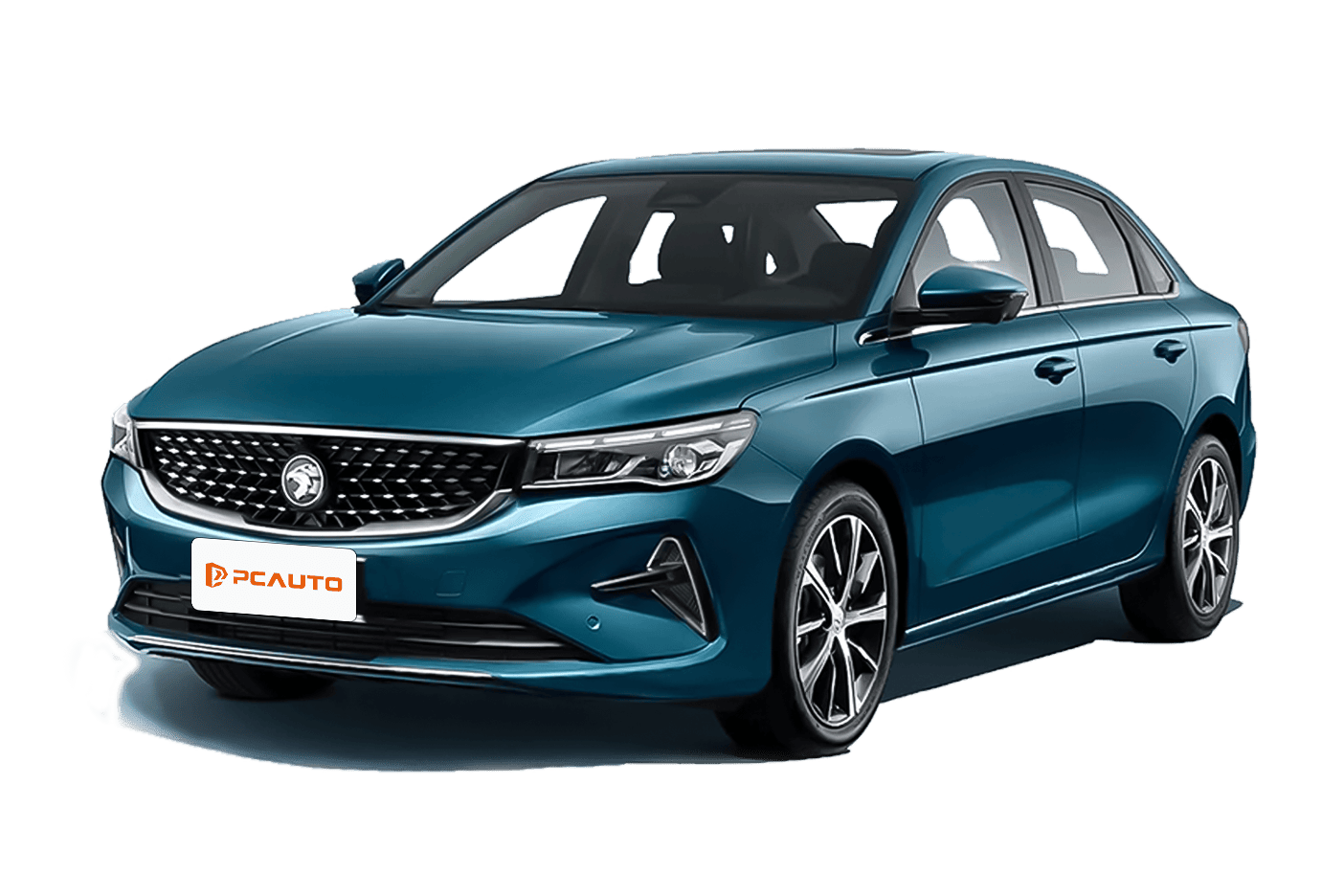
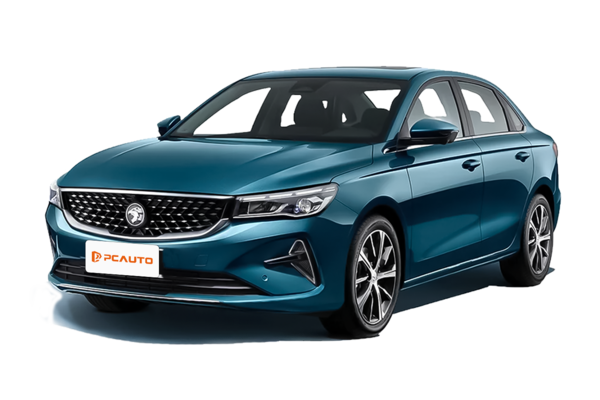
2024 Proton S70 1.5T Executive is an affordable entry-level family C-segment sedan with practical space and lively performance, balancing elegant design with basic safety features.
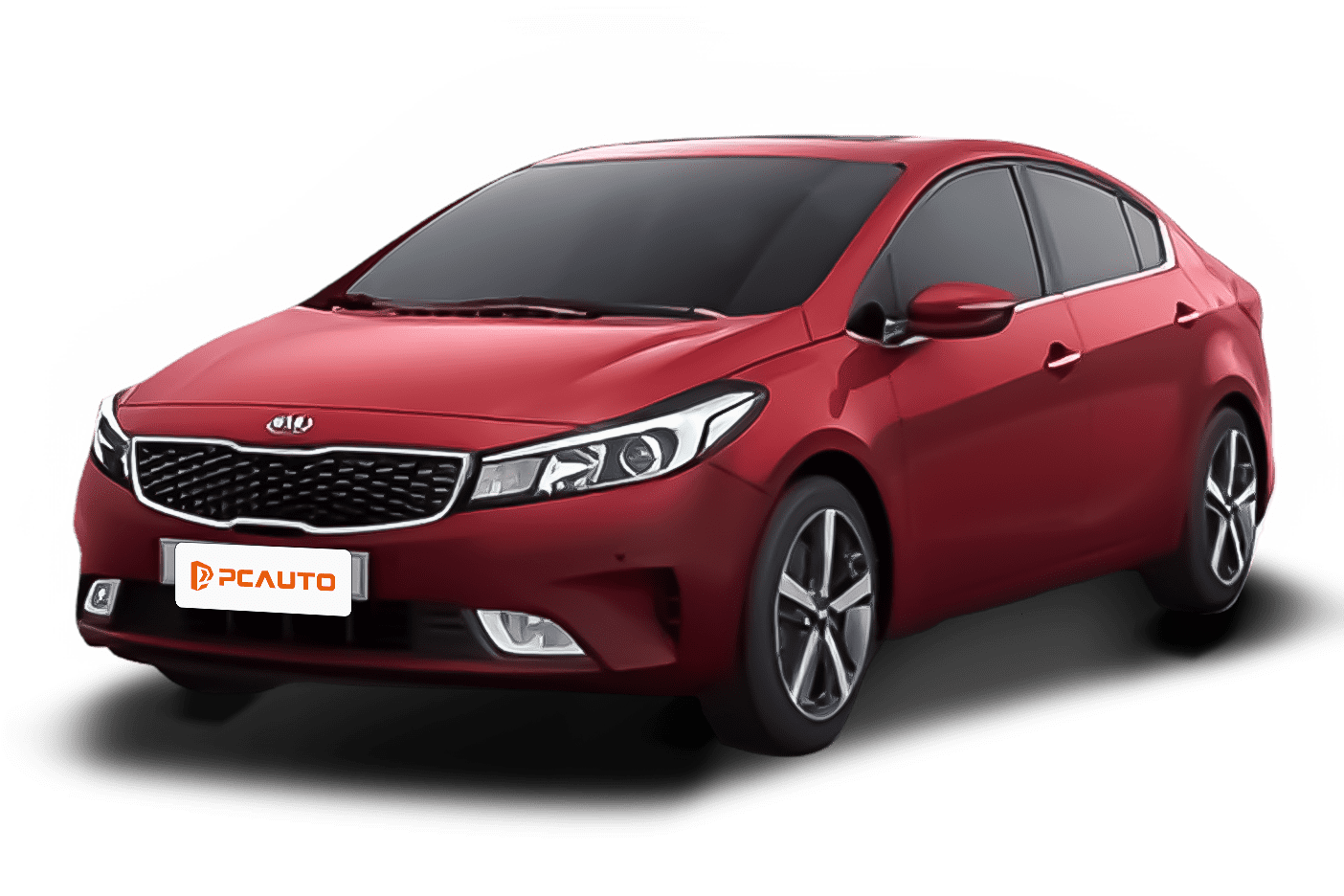
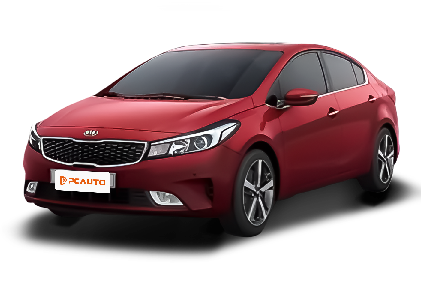
2020 Kia Cerato 1.6 SX is a high-value family sedan that retains core features at a lower price, offering practical space, reliable safety, and balancing the needs of commuting and family travel.
7
Rank in Sedan
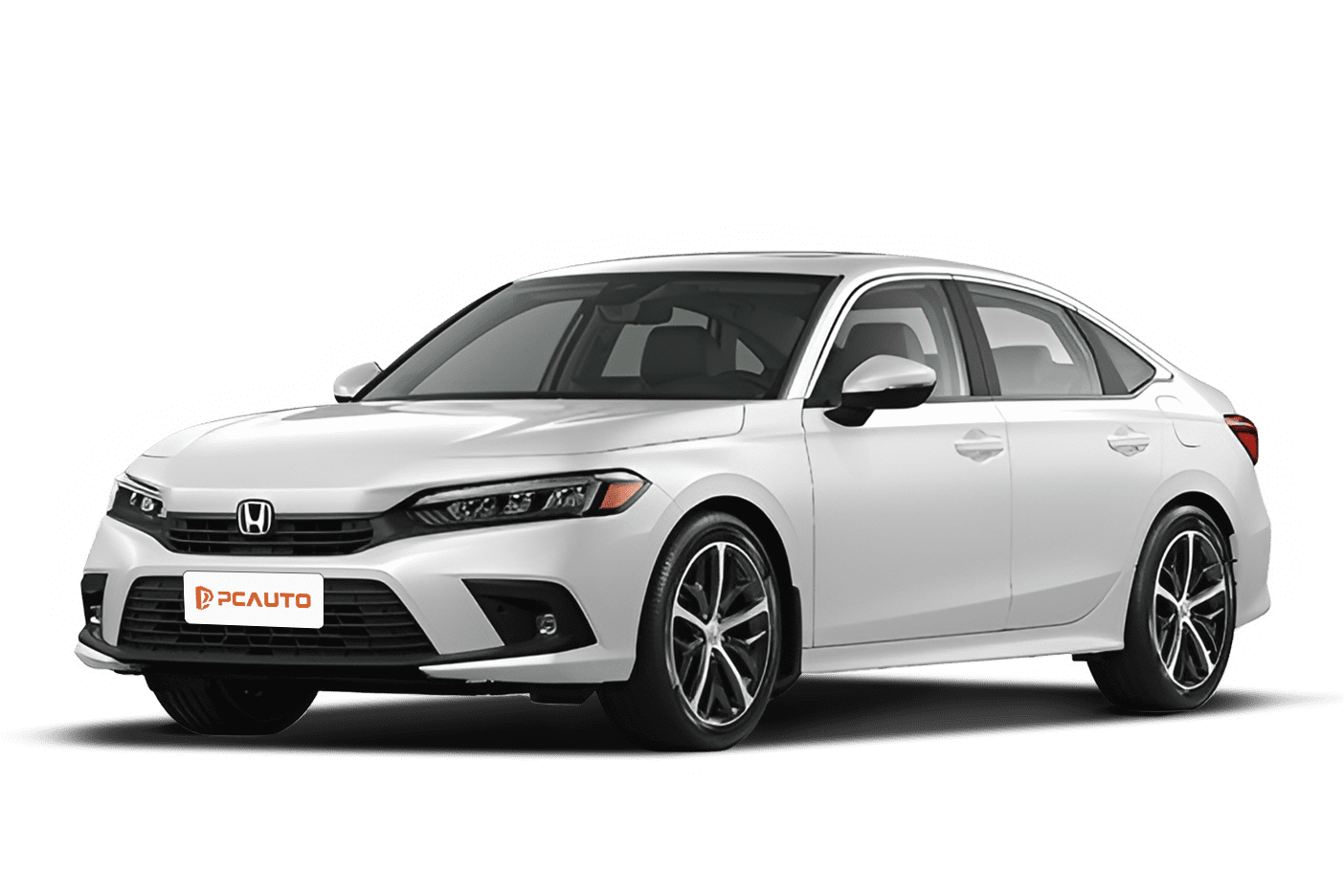
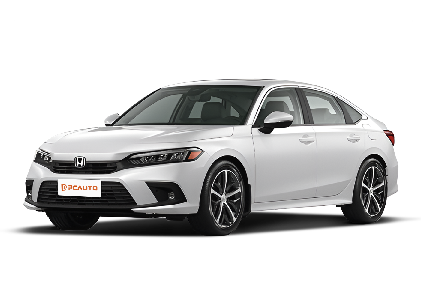
2025 Honda Civic 1.5L E is an entry-level family sedan that combines 1.5T power, a full set of active safety features, and practical space, suitable for city commuting and family outings.
25
Rank in Sedan
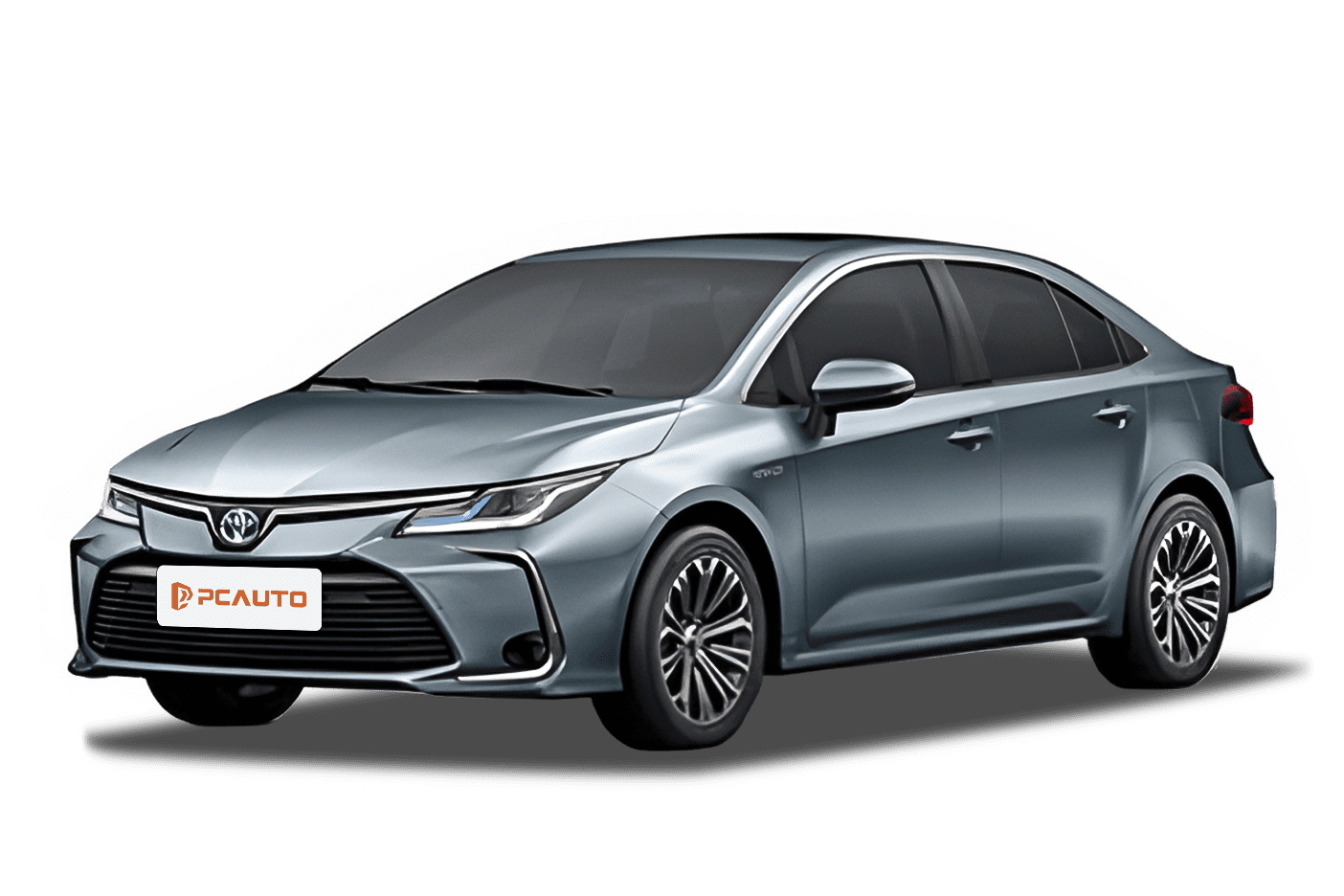
2025 Toyota Corolla GR Sport features a sporty design, upgraded intelligent configurations, and high cost performance, balancing practicality for family use and driving pleasure, making it an ideal choice for young families.