

Honda Civic Type R Review

 Share
Share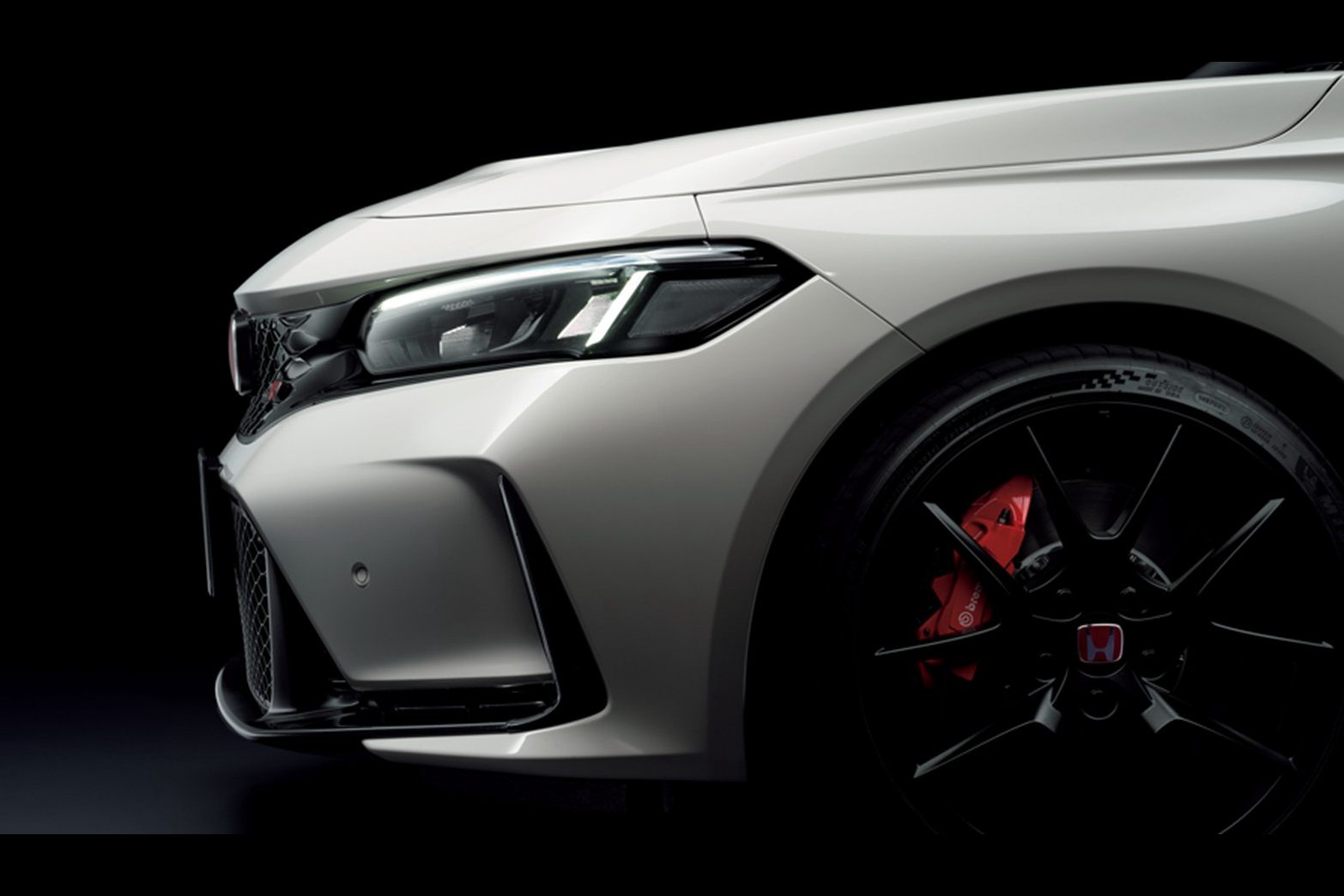
 Body Type
 Capacity(L)
 Engine Power(PS)
 Transmission
 Driven Wheels
 Segment
As one of the most knowledgeable groups of enthusiasts about high-performance compact cars on the road, no one would doubt the benchmark status of the Civic Type R when it's mentioned. Now, the 2023 model arrives in the Malaysian market with a more refined design and optimized dynamic performance, still targeting C-segment performance car users who pursue pure driving pleasure. This time, we got a test car with the main purpose of verifying whether it can maintain its "King of Front-wheel-drive at Nürburgring" halo while balancing the practicality of daily use. After all, with a price of RM 399,900, it's nearly RM 70,000 more expensive than the 2018 model. So, is the upgrade worth it?
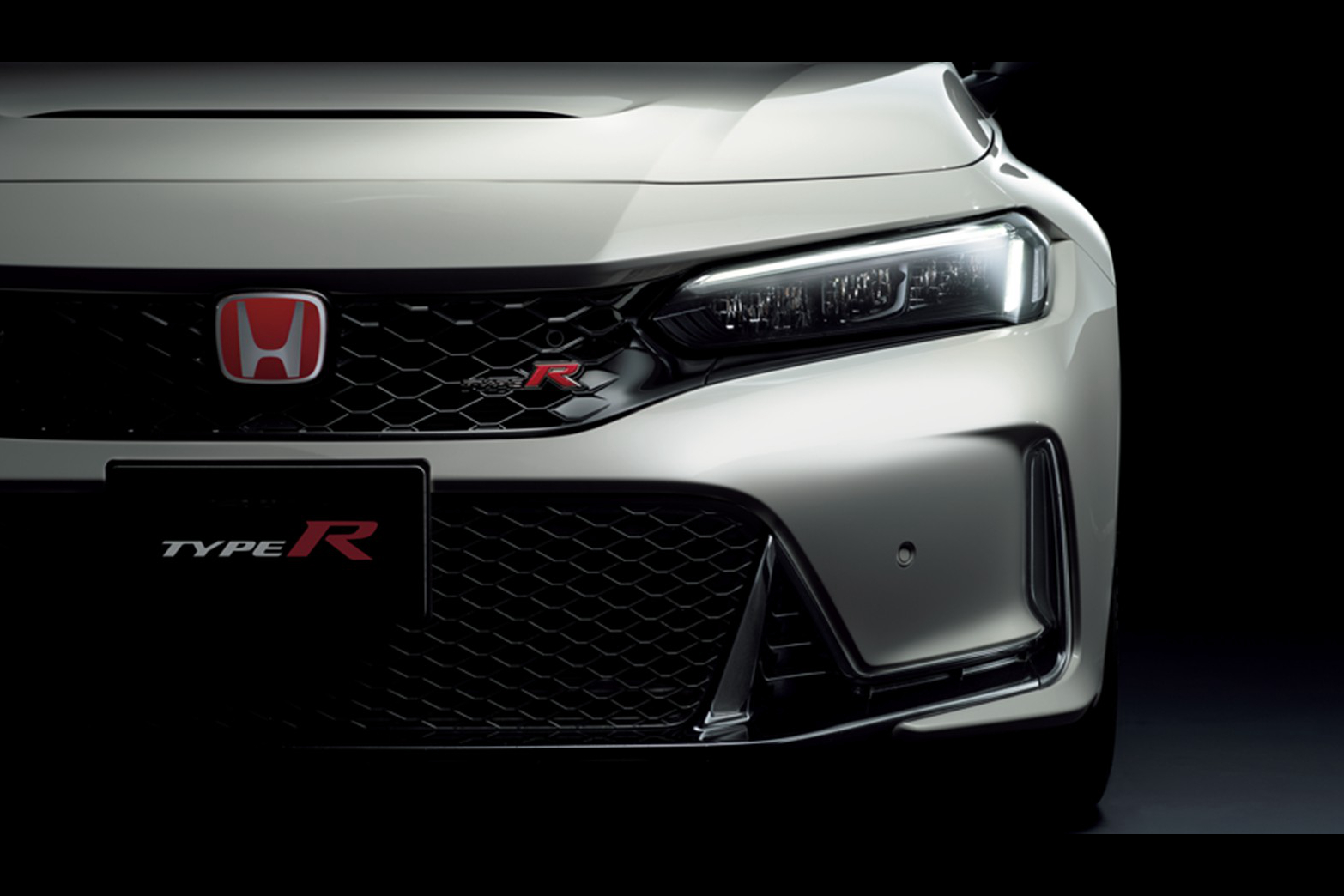
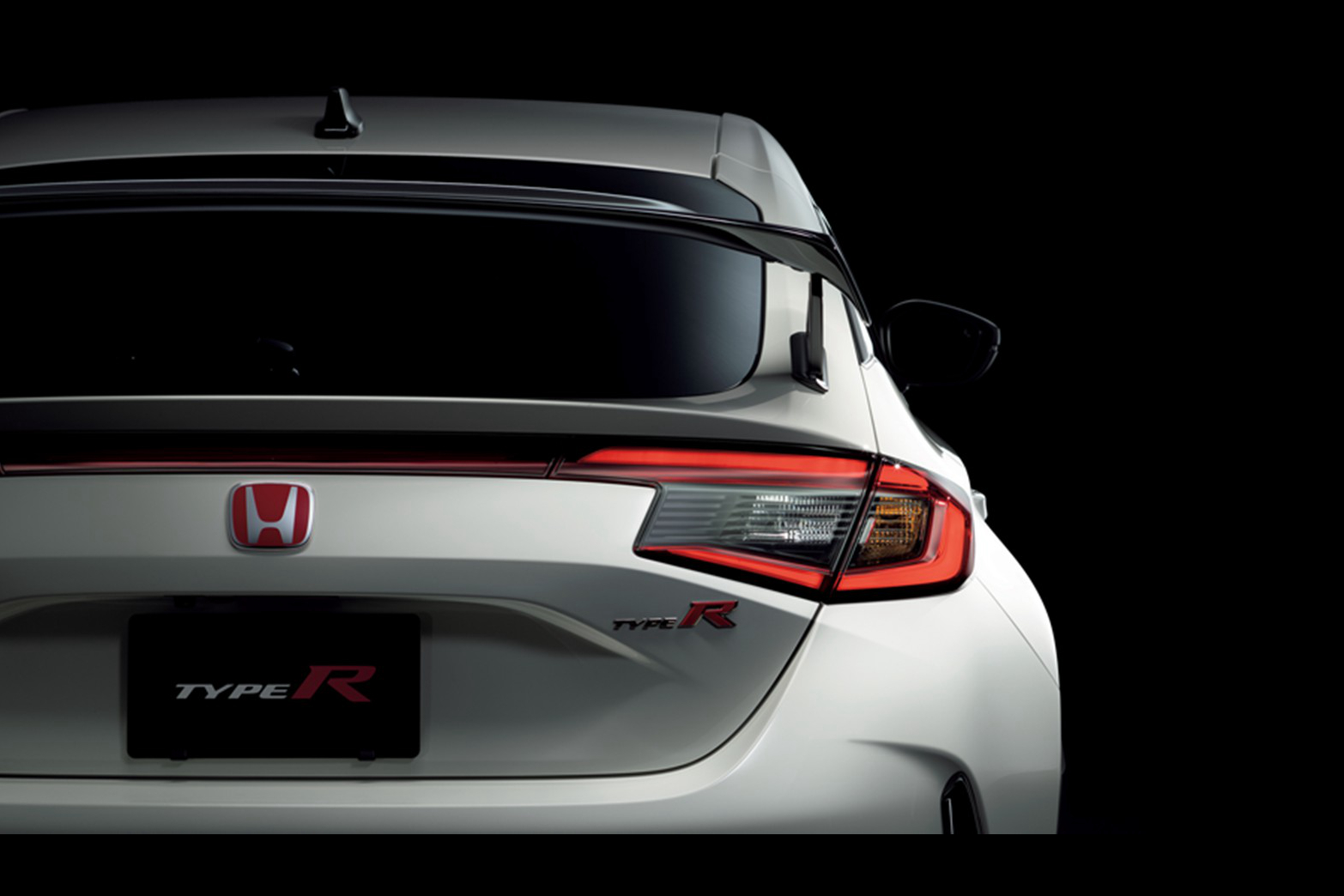
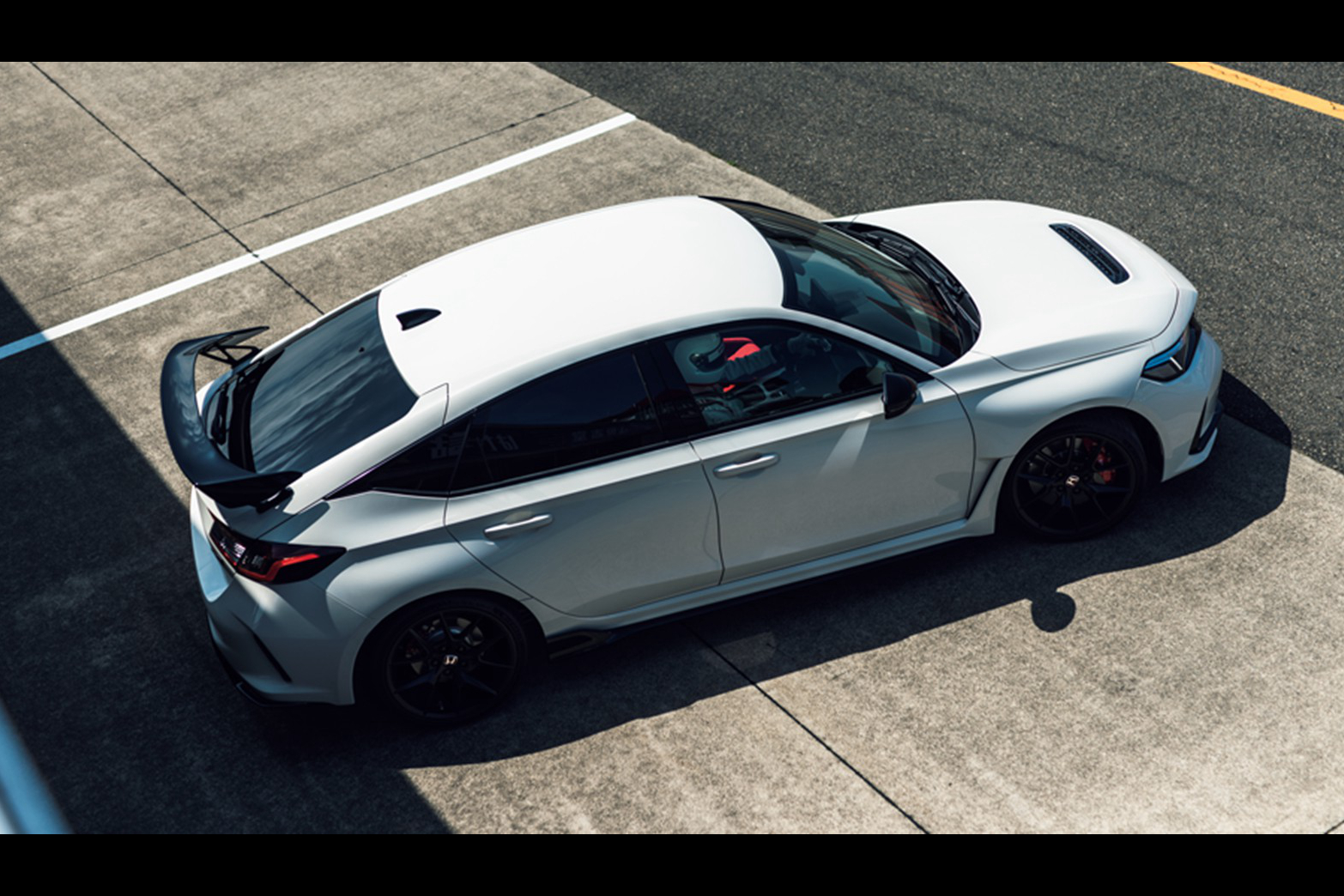
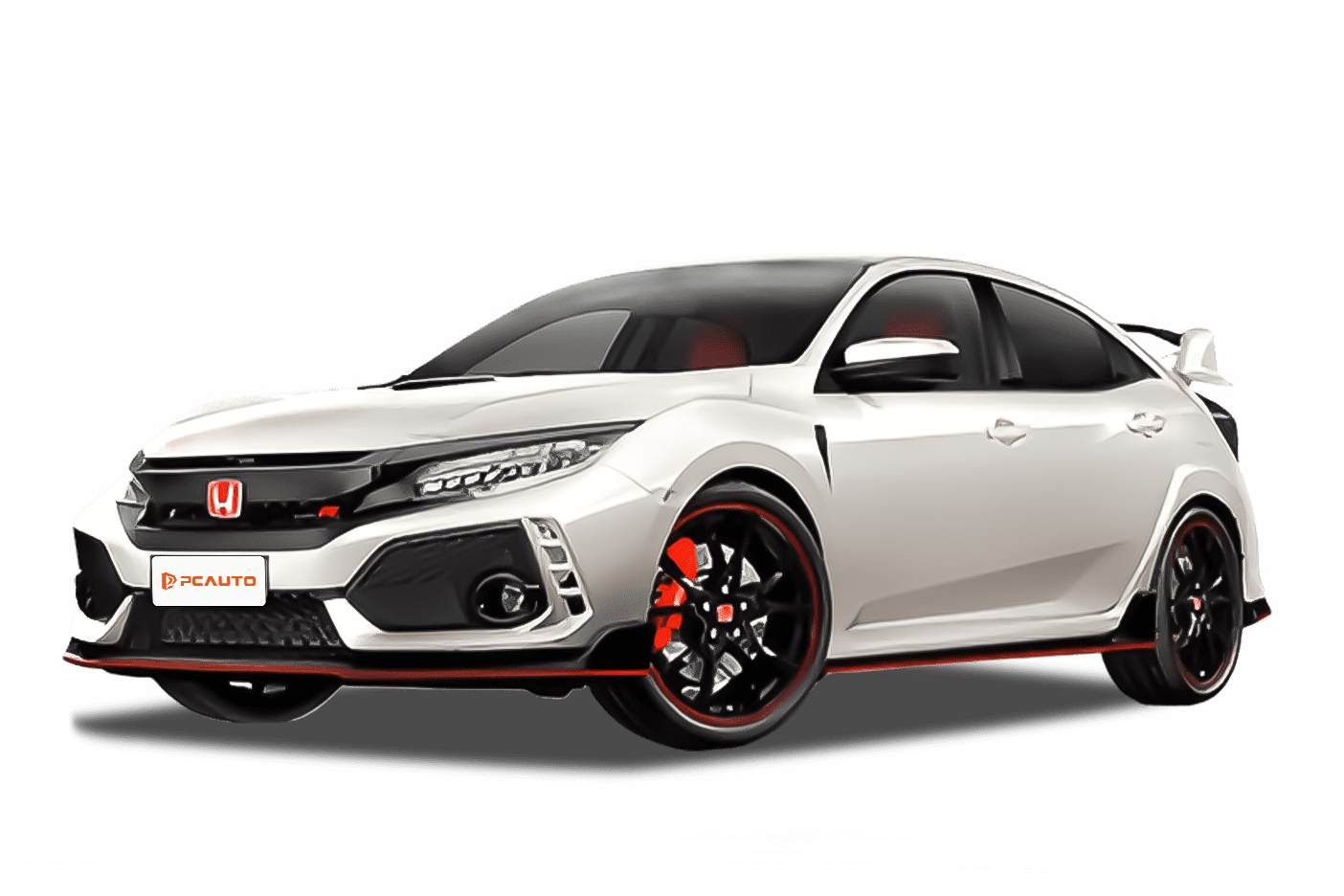
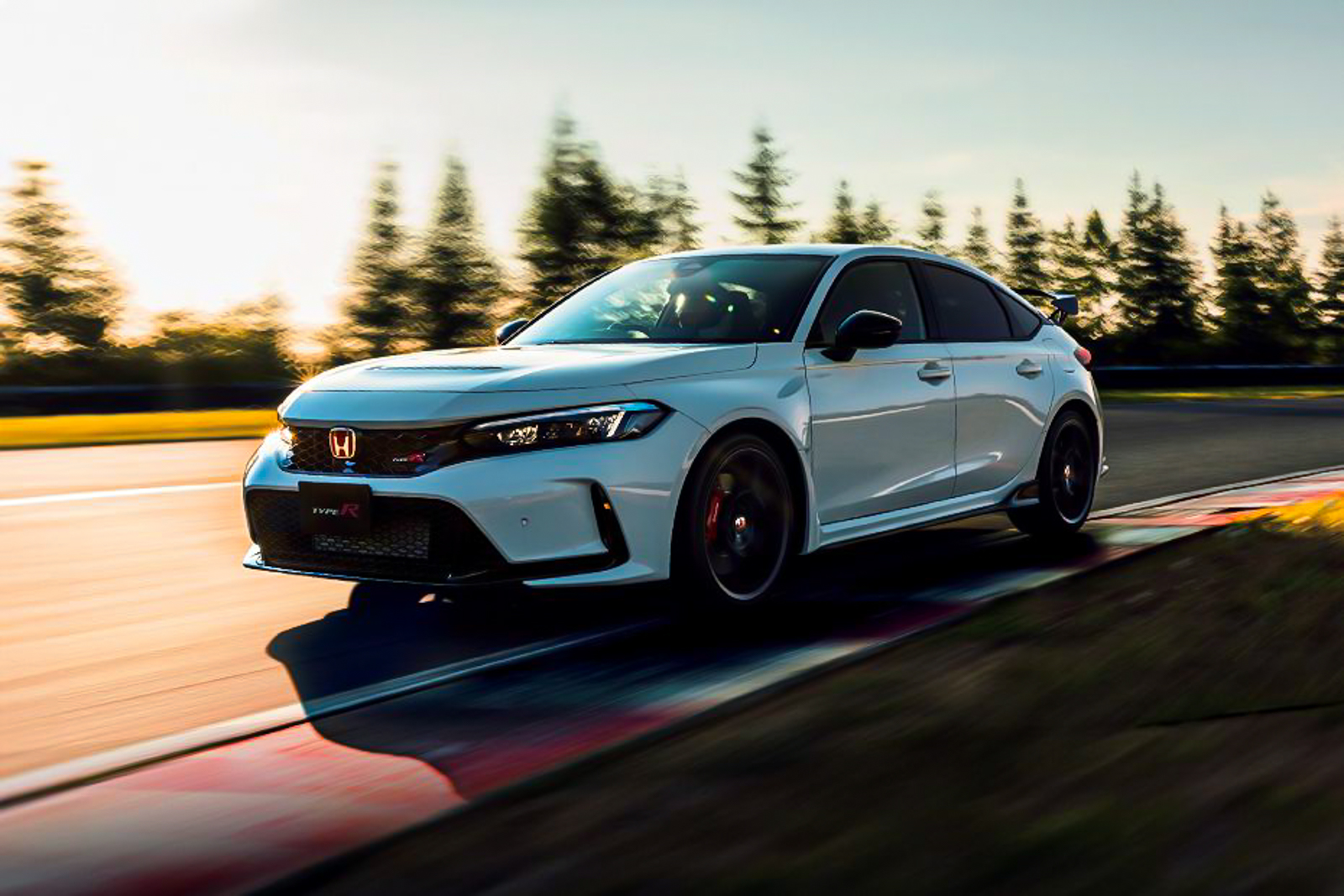
Starting with the exterior, the 2023 Civic Type R continues the iconic aggressive style of previous generations but features sleeker lines compared to the old model. The front end uses a large honeycomb grille, flanked by sharp LED headlights, while the L-shaped design of the daytime running lights enhances recognition; two raised lines have been added to the hood, emphasizing the sporty feel. The side profile retains the compact stance of a hatchback, with 20-inch matte black wheels paired with 245/30 R20 wide tires, clearly showcasing its performance orientation. The side skirts and wide-body design around the rear fender make the whole car look more grounded. The rear is the highlight, maintaining the signature triple-round exhaust layout, with a redesigned large rear spoiler on top that slightly improves aerodynamic efficiency compared to the old model. The smoked treatment of the taillights matches the diffuser-like rear bumper design, giving the overall visual effect a sporty yet understated appearance.
Stepping inside, the interior design leans towards the driver, with the center console tilted about 10 degrees toward the driver's seat for easier operation. In terms of materials, the steering wheel and seats are wrapped in Alcantara, which feels more refined than the leather used in the previous generation; the inner side of the door panel and the center armrest use soft-touch molded materials for a pleasant tactile experience. On the features front, the 7-inch touchscreen infotainment system supports Apple CarPlay and Android Auto, and is slightly more responsive than before. A new addition is the 10.2-inch full LCD instrument cluster, capable of displaying performance data like turbo pressure and oil temperature, with interfaces that change according to the driving mode selected. In terms of practicality, the front seats are manually adjustable but provide ample support, with adequate thigh and lumbar support. Rear passenger space is average, with a 175cm passenger still having about two fists of legroom and one fist of headroom, sufficient for daily commuting. The trunk capacity is 414 liters, and the rear seats can fold down in a 60:40 split, allowing space for two carry-on suitcases plus some backpacks, making it much more practical than similarly priced two-door performance cars.
In the power department, the 2023 model is still equipped with a 2.0T turbocharged four-cylinder engine, producing a maximum of 310PS at 6500rpm and a peak torque of 400N·m at 2500rpm (a 20N·m increase over the 2018 model), paired with a 6-speed manual transmission. In actual driving, the clutch engagement point is clear at takeoff, and the coordination of clutch and throttle is easy to master. In the low rpm range (below 2000rpm), power output is smooth without the notable turbo lag seen in the old model. After the turbo kicks in at 2500rpm, power surges and the push-back sensation continues beyond 6000rpm. During overtaking, simply downshifting a gear and revving to 3000rpm allows you to overtake with ease. The official 0-100km/h acceleration time is 5.5 seconds, 0.2 seconds faster than the previous model, and actual testing in Launch Control mode clocked a fastest time of around 5.4 seconds, meeting expectations.
Control is the core advantage of the Type R. The steering wheel has a compact ratio, offering uniform return forces, precise directionality during cornering, and no slack. The suspension system features a MacPherson front suspension and a multi-link rear suspension. The tuning of the springs and dampers is firmer compared to the previous model, yet the ability to filter out fine bumps is improved. When driving on mountain roads, body roll during fast cornering is minimal, and the wide tires provide sufficient grip. Even when pushing the speed to higher levels, stability is maintained. When passing speed bumps or rough roads, the suspension compresses and rebounds quickly; although you can feel the bumps, there is no sense of looseness. For daily driving, switching to Comfort mode slightly softens the suspension, making it more comfortable on urban roads compared to the previous model.
In terms of fuel consumption, we conducted real-world tests: in congested city conditions (speed 20-30km/h), fuel consumption was about 11-12L/100km, while highway cruising (speed 100-110km/h) brought it down to 6.5-7L/100km. The combined fuel consumption was around 8.5L/100km, slightly higher than the official 8.3L figure. Considering the performance orientation of the car, this performance is still commendable. Regarding braking performance, the front ventilated discs combined with the rear ventilated discs deliver a linear pedal feel, with a braking distance from 100-0km/h of about 35 meters, approximately 1 meter shorter than the previous model, inspiring confidence.
Comfort in daily use has also improved. In terms of noise control, highway cruising shows reduced tire and wind noise compared to the previous model, mainly due to optimized tire tread patterns and body aerodynamics. Engine noise is not prominent at low RPMs, while at high RPMs, it delivers a deep and powerful roar that isn’t harsh. The Alcantara material of the seats offers good breathability, ensuring long drives in summer are not overly stuffy. The dual-zone automatic air conditioning cools quickly, and with independent rear air vents, passenger comfort is also well-considered.
In summary, the core strengths of the 2023 Honda Civic Type R are evident: firstly, the power output is more linear, with enhanced torque delivering stronger acceleration; secondly, its handling remains benchmark-level while daily comfort has been improved; thirdly, its configuration is richer than the previous model, with a fully digital dashboard and Alcantara interior enhancing the sense of quality. Compared with competitors in a similar price range, such as the Volkswagen Golf R (priced at around 450,000 MYR), the Type R’s manual transmission offers more driving fun and better cost-performance. In contrast to the Toyota GR Yaris (priced at around 350,000 MYR), the Type R has better rear passenger space and trunk practicality.
This car is suitable for two types of people: firstly, pure driving enthusiasts who enjoy the control of a manual transmission and can hit the mountains or track on weekends; secondly, young individuals who need a vehicle for daily commuting as its space and features are sufficient for commuting, shopping, and other needs, without being as impractical as some track-focused performance cars.
In conclusion, even though the price of the 2023 Honda Civic Type R has increased, its upgraded power, optimized handling, and enhanced practicality make it the most worthwhile front-wheel-drive performance hatchback in the 300,000-400,000 MYR range. It not only delivers track-level driving enjoyment but can also function perfectly as a family car. This sense of balance has very few rivals in its class.
Honda Civic Type R Car Compare
Honda Civic Type R Loan Calculator
More Honda Reviews
Cars With Similar Price And Features
5
Rank in Hatchback
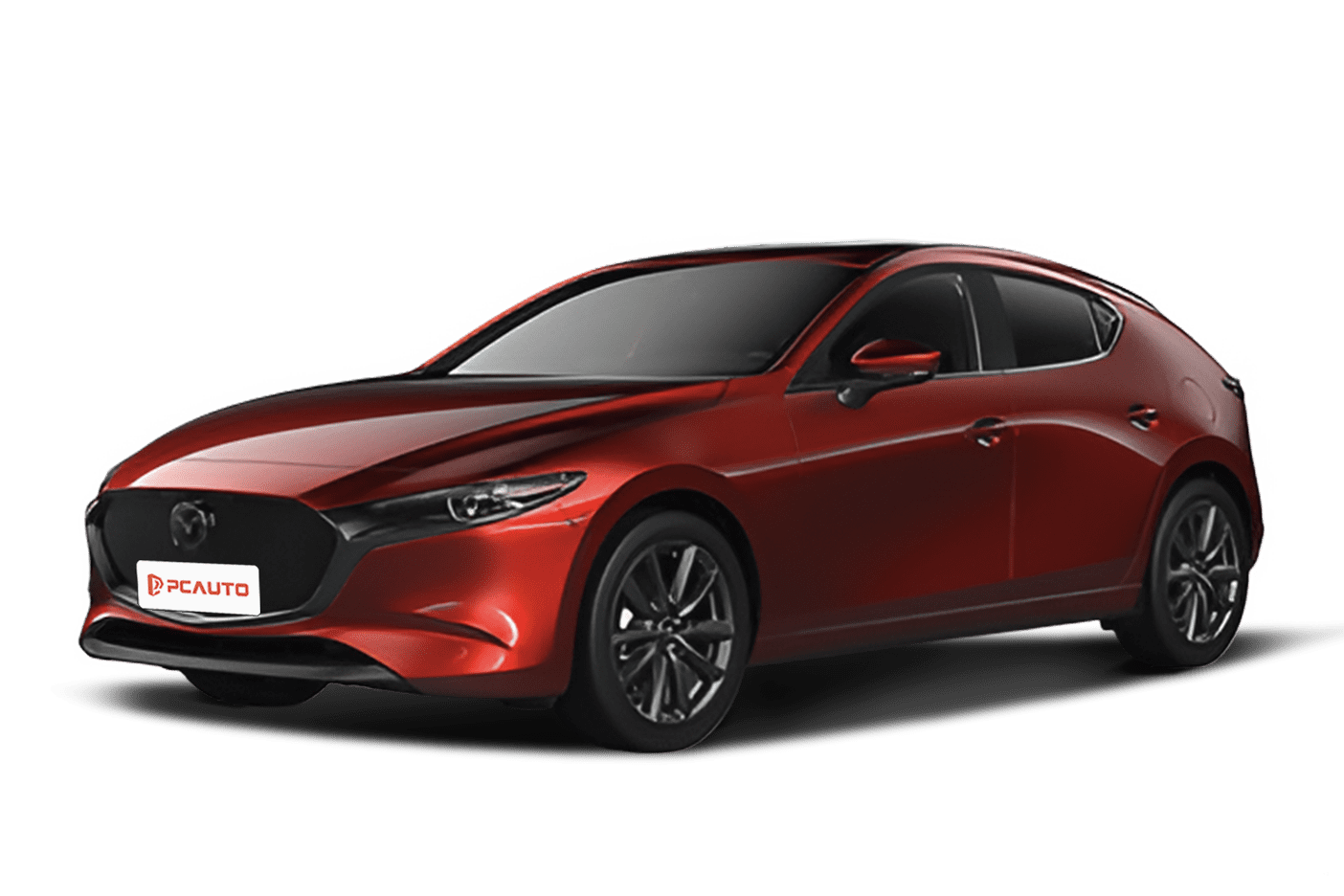
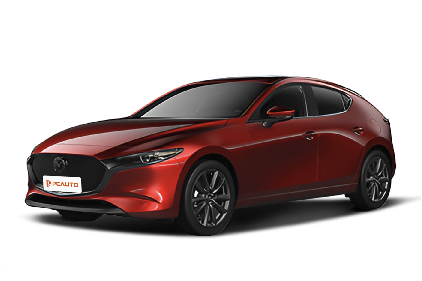
2025 Mazda 3 Hatchback 1.5 L highlights its KODO design, balancing fuel efficiency and practicality. Despite being an entry-level model, it retains core safety features, making it suitable for family users who value design and daily commuting.
6
Rank in Hatchback
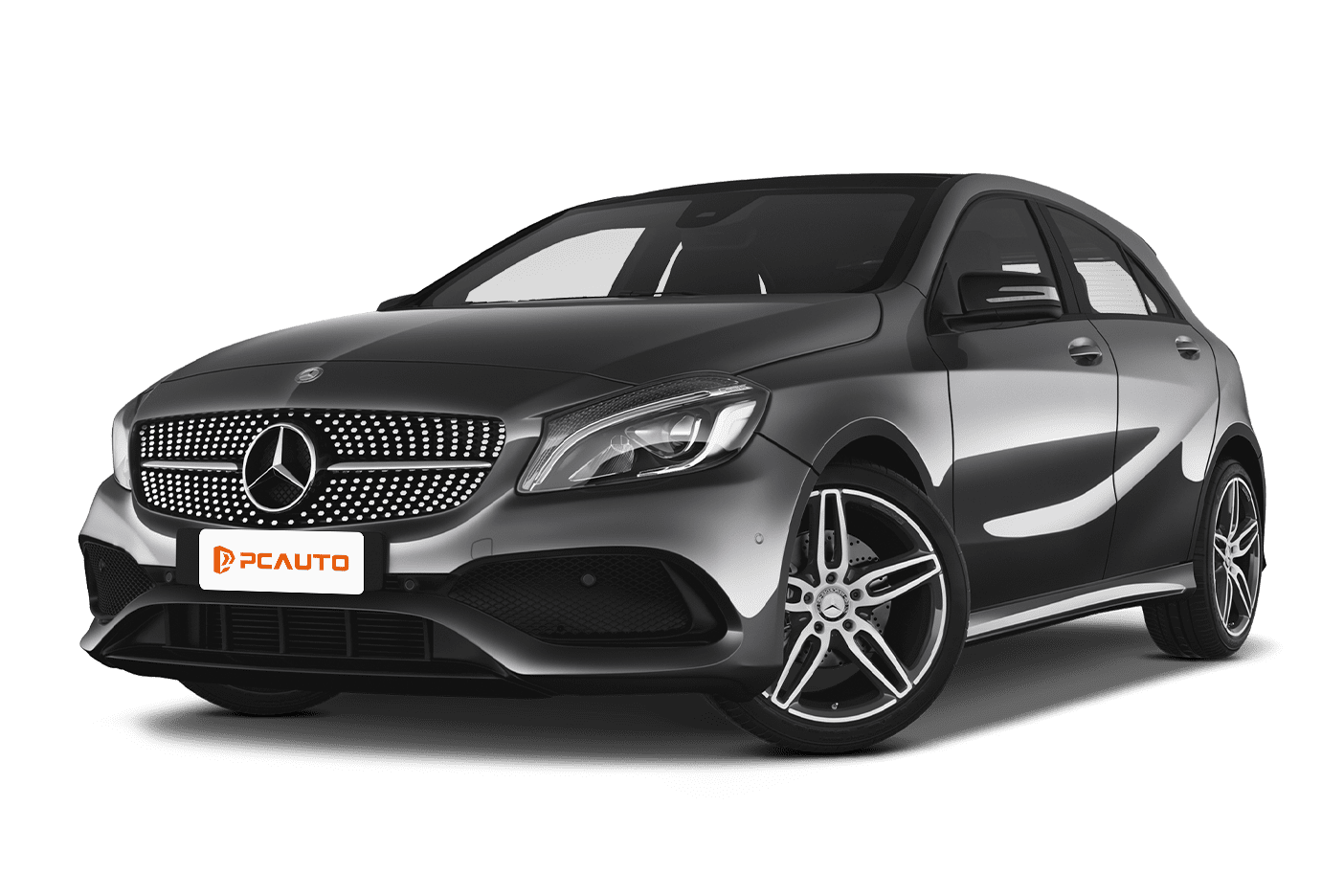
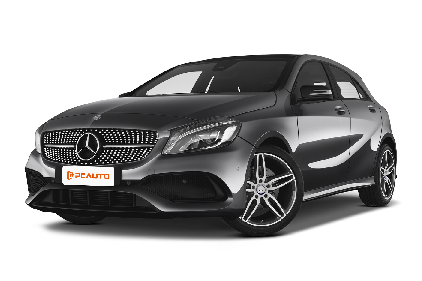
2018 Mercedes-Benz A-Class A200 Progressive Line offers luxurious features such as dual screens at an entry-level price, balanced space, and smooth power, making it a textured choice favored by young families and professionals.

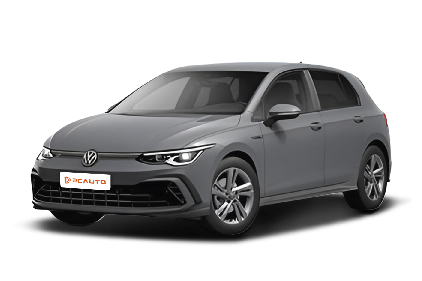
2024 Volkswagen Golf GTI Edition 50, as the anniversary model of the classic performance hatchback, features an upgraded Harman Kardon sound system, a fully digital instrument cluster, and a powerful 2.0T engine, combining driving pleasure with family practicality.