

Honda e:N1 Review

 Share
Share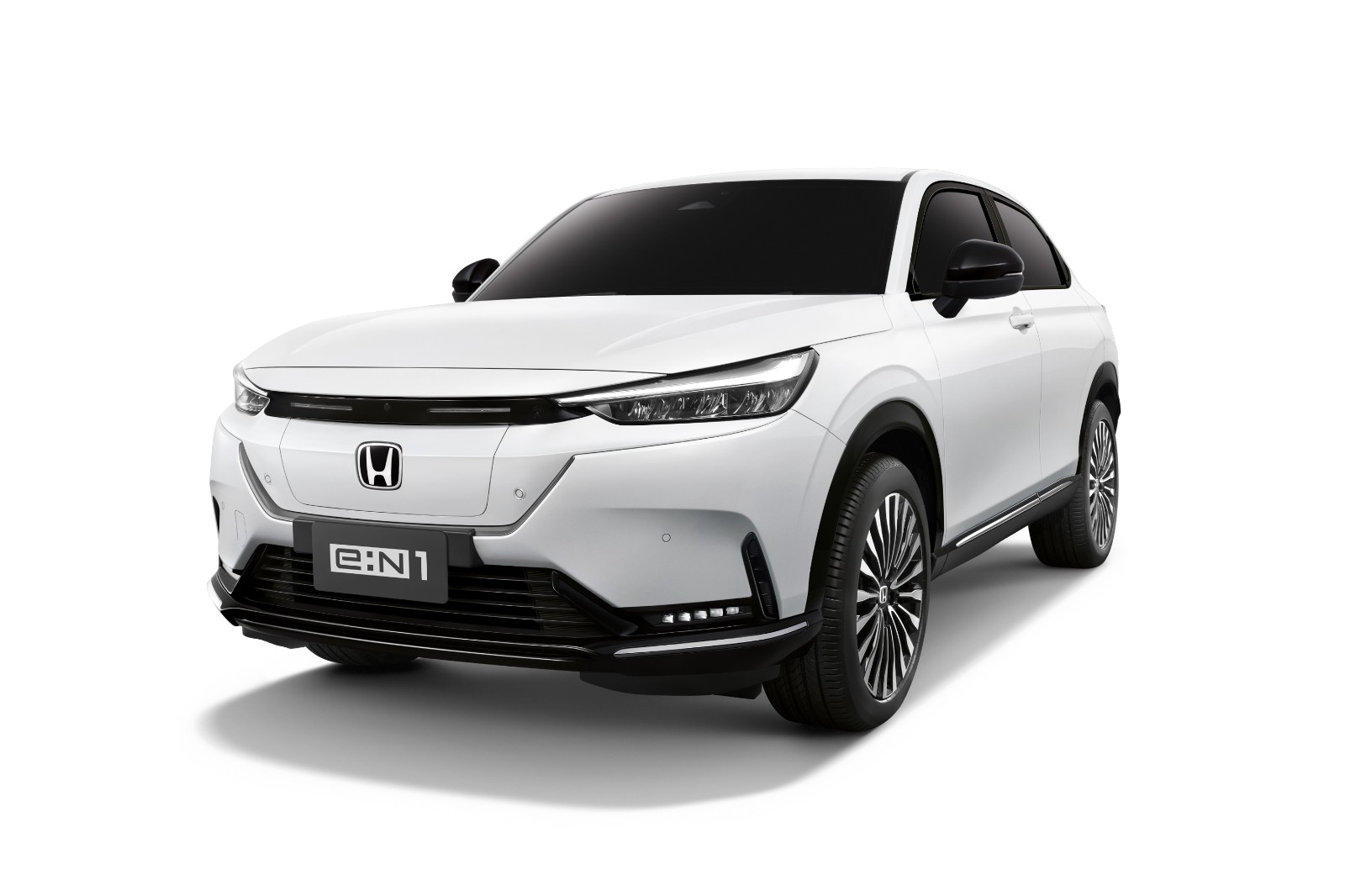
 Segment
 Body Type
 Motor Output(kW)
 Motor Torque(Nm)
 EV Range(km)
 Battery Capacity(kWh)
As the demand for high-value electric vehicles in Malaysia's market grows, competition in the B-segment pure electric SUV sector is becoming increasingly fierce. The 2025 Honda e:N1 enters this market segment with a price of RM 149,900, and its core selling points include a robust 204PS power output, an official range of 500km, and high-spec safety features as standard across all trims, making it highly anticipated among consumers looking for a pure electric family car. This test drive will primarily verify its actual range performance, whether the power response meets daily requirements, and if the space and features can cater to the needs of family users.
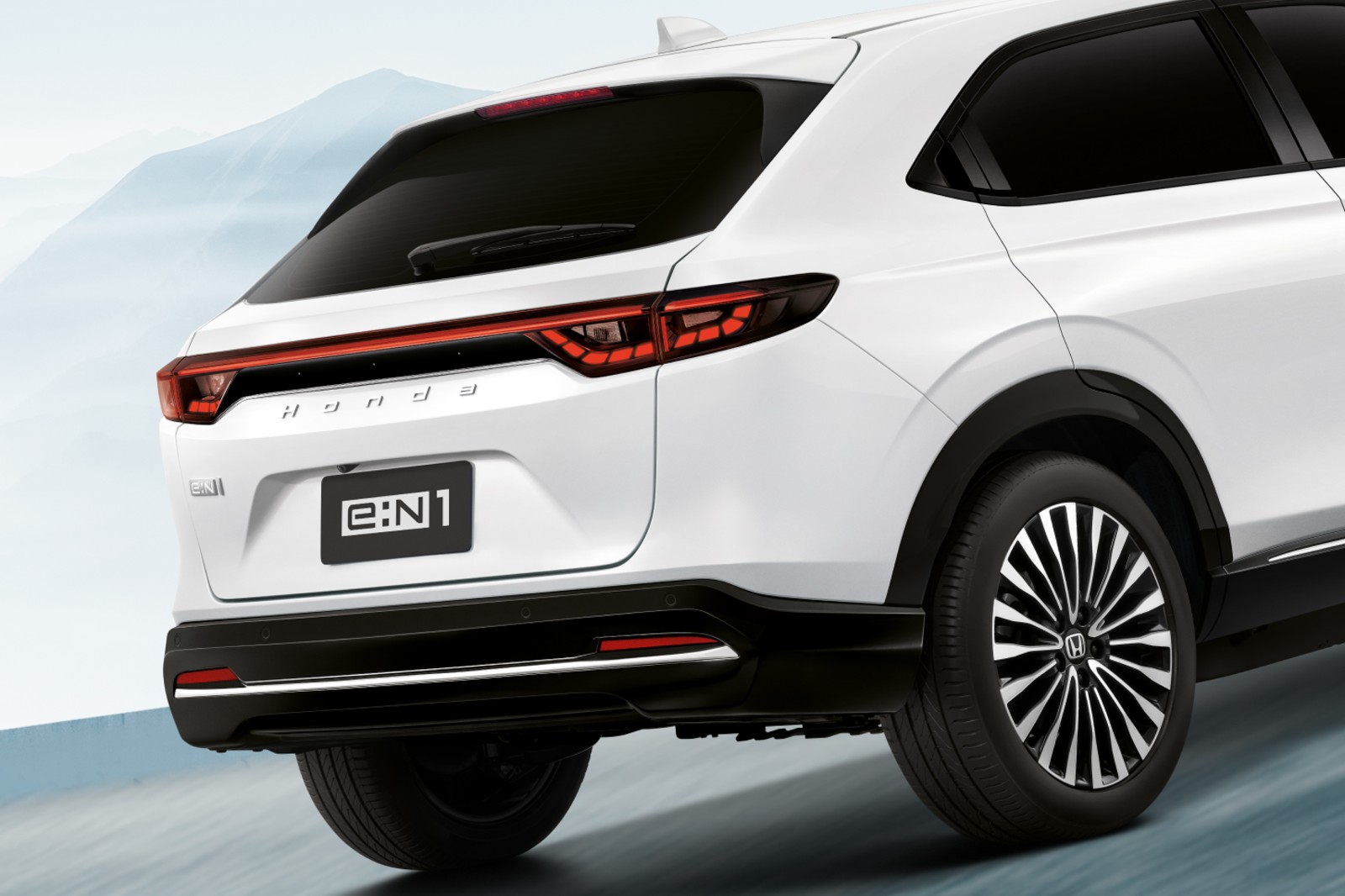
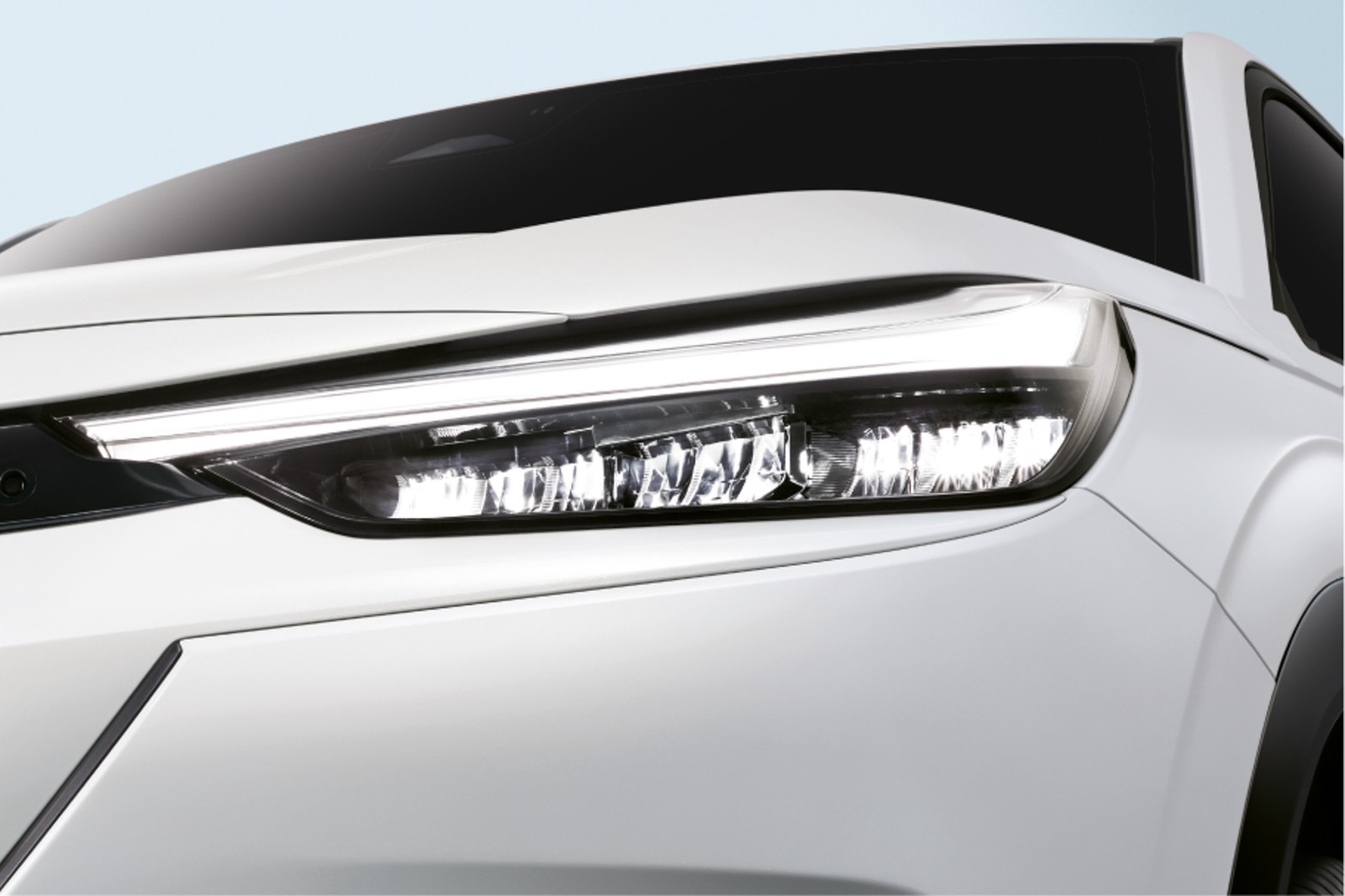
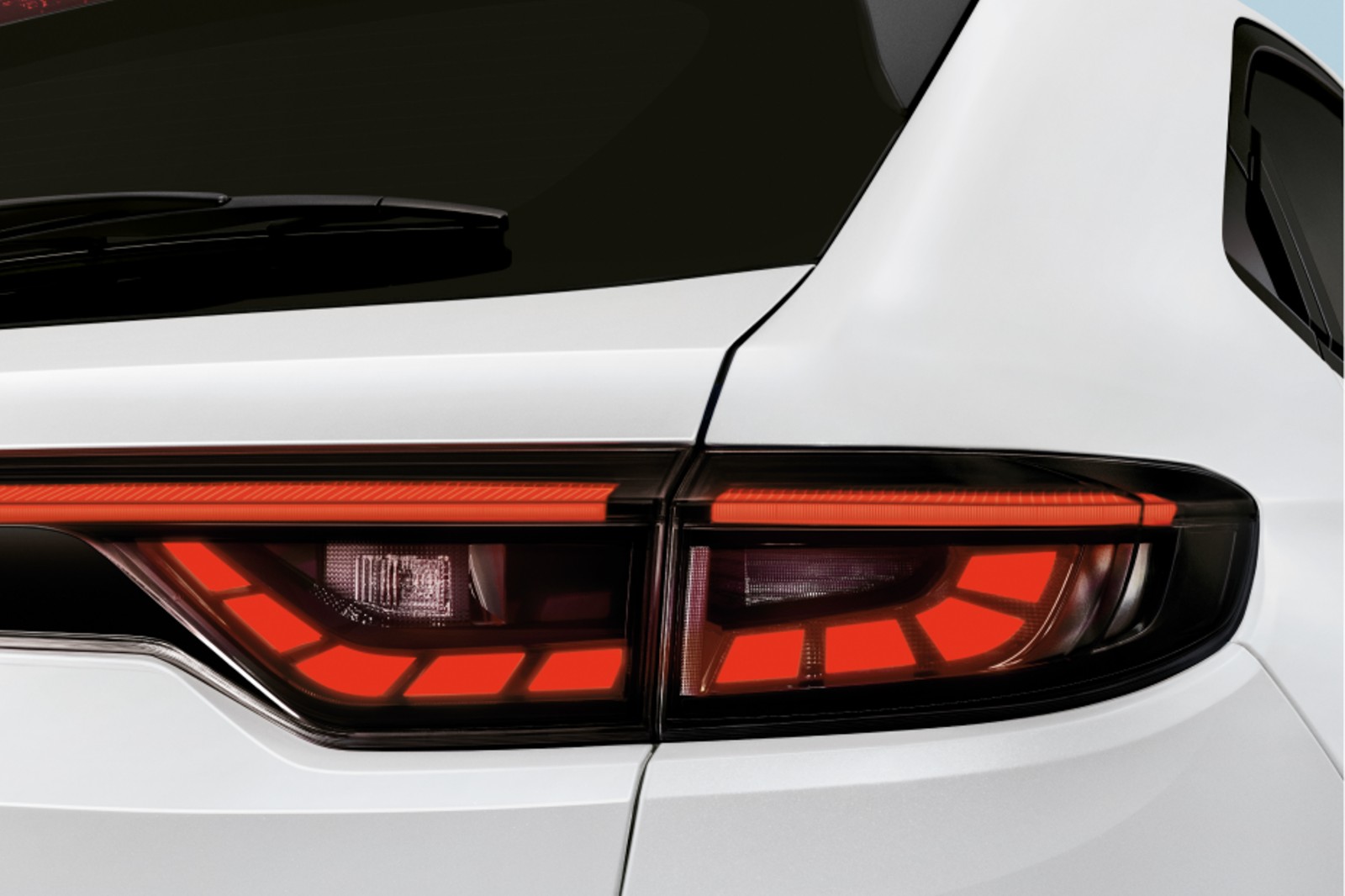
In terms of exterior design, the 2025 e:N1 adopts Honda's family-style pure electric design language, featuring a simple and recognizable overall style. The front fascia eliminates the traditional fuel car grille, instead opting for a closed design combined with a light strip LED daytime running light. The sharp-shaped LED headlights on both sides correspond with the trapezoidal air intake below the front bumper, giving it a look that is both stylish and stable. The side profile has smooth lines, and the waistline stretching from the front fender to the rear adds a sense of three-dimensionality. The 18-inch alloy wheels paired with 225/50 R18 tires further enhance the vehicle's sporty appeal. At the rear, the LED taillight cluster also uses a light strip design, echoing the front, while a chrome trim below the trunk lid and diffuser-like styling add a touch of sophistication to the rear.
Inside the cabin, the 2025 e:N1 focuses on simplicity and practicality. The center console adopts a T-shaped layout, with most physical buttons integrated into a 15.1-inch floating touchscreen, offering a clear and intuitive operating logic. For interior materials, the top of the dashboard and the inner sides of the doors are wrapped in soft-touch materials accented by silver trims, giving an overall good texture. The instrument panel is a 10.25-inch full LCD display, clearly showing information such as range, speed, and driving mode. In terms of features, the front seats offer 8-way electric adjustment, and the rear seats can be folded in a 60:40 split, meeting various storage needs. Automatic air conditioning and rear air conditioning vents are standard across all trims, ensuring passenger comfort. Additionally, keyless entry, a multifunction steering wheel, ACC adaptive cruise control, and other features are all included, providing high convenience for daily use.
Regarding space, the 2025 e:N1 has a wheelbase of 2610mm. The front-row seating space is spacious, with a passenger of 175cm in height having ample headroom and legroom. The rear-row space is also practical, with the same passenger experiencing approximately two fistfuls of legroom and one fistful of headroom, sufficient for daily family outings. The trunk has a standard capacity of 344L, which can be further expanded by folding down the rear seats, accommodating large suitcases or strollers. The car's interior also offers ample storage space, with door storage slots, a central armrest box, and front cup holders, making it convenient to store items like phones, water bottles, and other small belongings.
In terms of performance, the 2025 e:N1 is equipped with a front-mounted permanent magnet synchronous motor providing a maximum power output of 150kW (204PS) and a peak torque of 310N·m. While the official 0-100km/h acceleration time has not been announced, real-world driving reveals that the power response during takeoff is quick; a light press on the accelerator delivers a noticeable push-back effect. Mid-to-high-speed acceleration is also relatively strong, requiring minimal advance judgment for overtaking. The vehicle offers three driving modes: Economy, Standard, and Sport. In Economy mode, power delivery is smoother, suitable for daily commuting, whereas Sport mode provides more aggressive power responses, catering to users who seek driving excitement.
In terms of handling and chassis performance, the 2025 e:N1 adopts a front MacPherson independent suspension and a rear torsion beam non-independent suspension. The chassis is tuned for comfort. When encountering minor road bumps, the suspension effectively filters out vibrations, making the ride smooth for passengers. When passing speed bumps or larger potholes, the suspension's rebound is crisp without unnecessary shaking. The steering wheel is precise with minimal play; steering is light at low speeds and becomes stable at high speeds, enhancing driving confidence.
In terms of range and charging, the 2025 e:N1 is equipped with a 68.8kWh lithium battery pack, with an official pure electric range of 500km. During this test drive, which included an equal mix of city roads and highways, the actual range achievement rate was about 85%. The energy consumption at a steady 100km/h on the highway was approximately 16kWh/100km, while city commuting consumed about 13kWh/100km. Overall performance met expectations. For charging, the fast-charging mode can charge from 30% to 80% in 0.75 hours, and slow charging takes 6 hours, fulfilling the needs of various charging scenarios.
Regarding driving comfort, the NVH performance of the 2025 e:N1 is commendable. At high speeds, wind and tire noise are well-controlled, allowing passengers to have normal conversations without disturbance. The seat padding is soft yet supportive, making long hours of seating less tiring. The regenerative braking system offers three adjustable levels: at the lowest level, the drag effect is barely noticeable, providing a driving experience similar to that of a fuel vehicle, while the highest level enables one-pedal operation to enhance range performance.
In terms of safety features, the 2025 e:N1 comes standard with six safety airbags, ABS anti-lock brakes, vehicle stability control, blind spot monitoring, lane departure warning, autonomous emergency braking, and more. The excellent safety performance provides comprehensive protection for its passengers.
Overall, the core strengths of the 2025 Honda e:N1 lie in its powerful performance, practical space, rich features, and high range efficiency. Compared with competitors such as the BYD Atto 3, the e:N1 has an advantage in power and safety features while being relatively more affordable. When compared to the Tesla Model 3, although it has slightly less brand appeal, its space and configuration are more suitable for family users.
In conclusion, the 2025 e:N1 offers well-balanced performance, making it ideal for young users prioritizing power and features, as well as for families looking for a reliable daily-use vehicle. If you’re searching for a cost-effective and feature-rich electric SUV, the 2025 Honda e:N1 is worth considering.
Honda e:N1 Car Compare

Honda e:N1 Loan Calculator
More Honda Reviews
Cars With Similar Price And Features


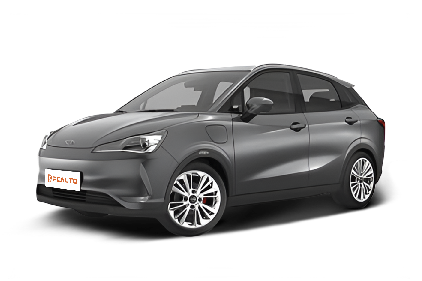
2023 Neta V is a high-value electric vehicle in Malaysia's B-Segment market, offering mid-to-high-end features such as 6 airbags and L2 assistance at an entry-level price, while balancing spacious practicality and a comfortable driving experience.
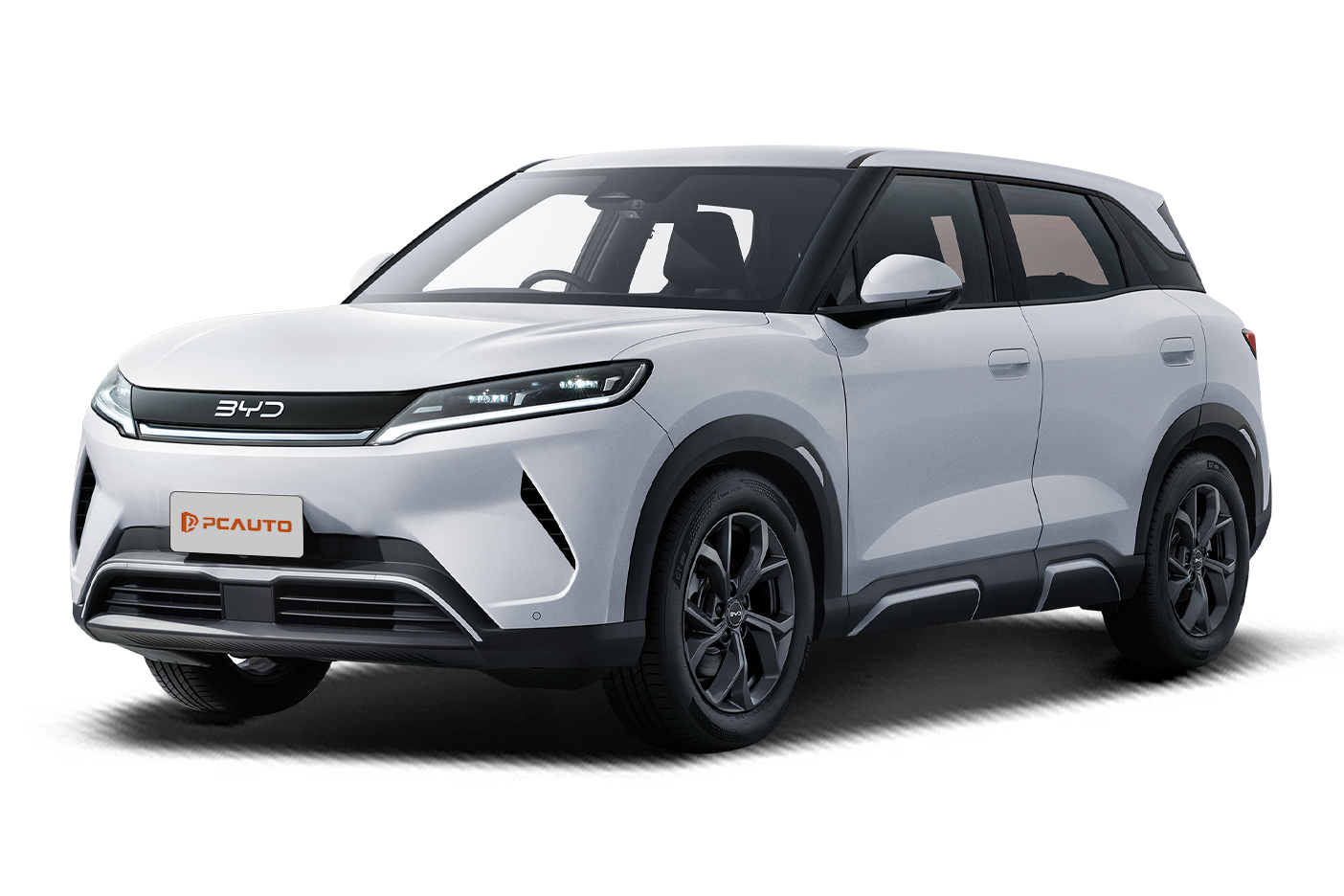
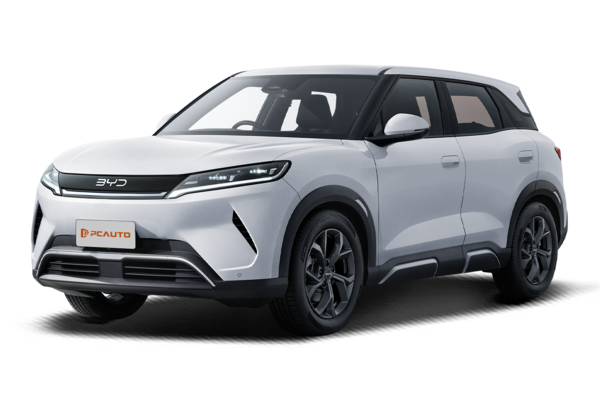
2025 BYD Atto 2 Premium is a B-segment electric vehicle priced at around 100,000 MYR, featuring 177PS power, 410km range, L2 assisted driving, and spacious interior, combining practicality and intelligence as an ideal family choice.
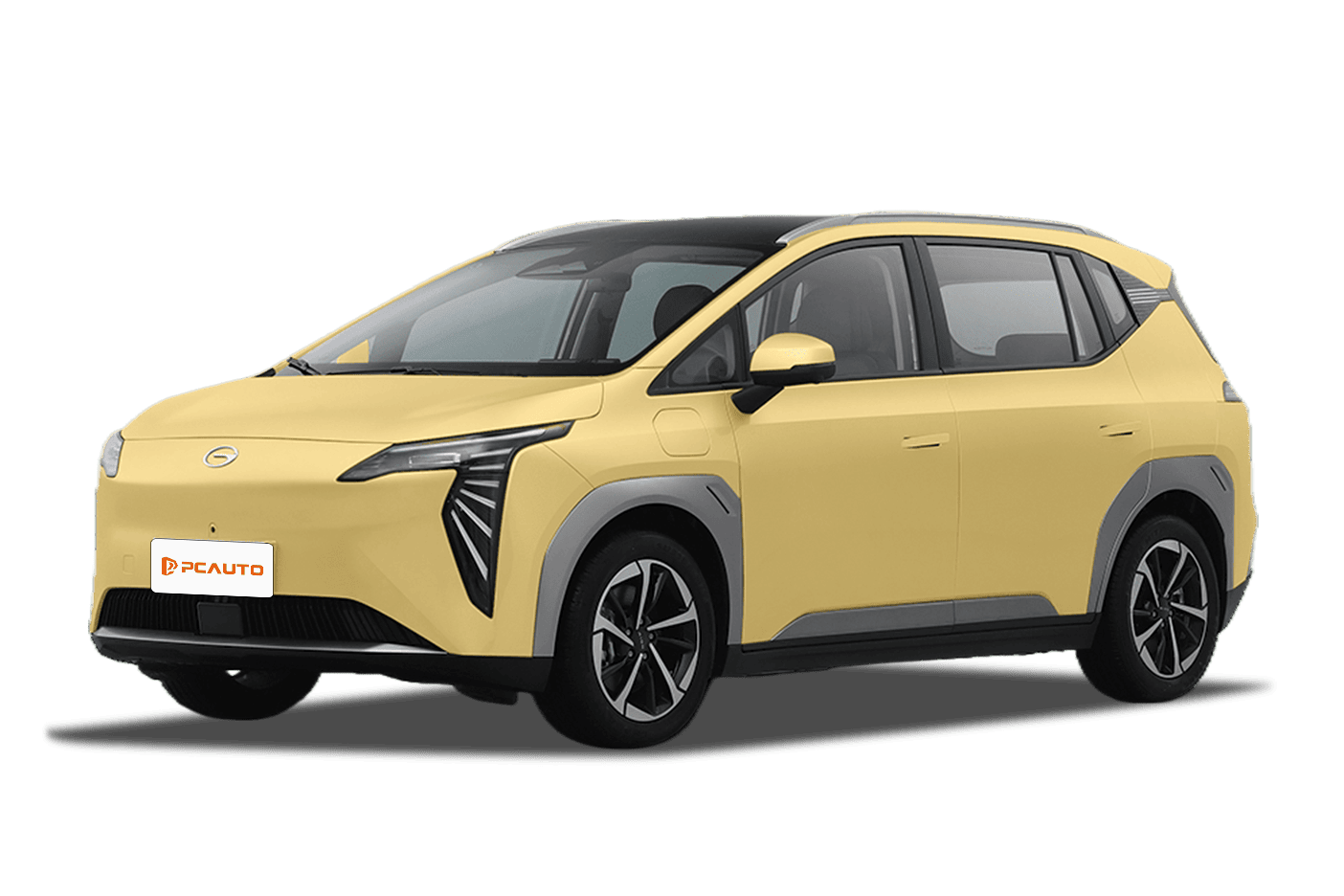
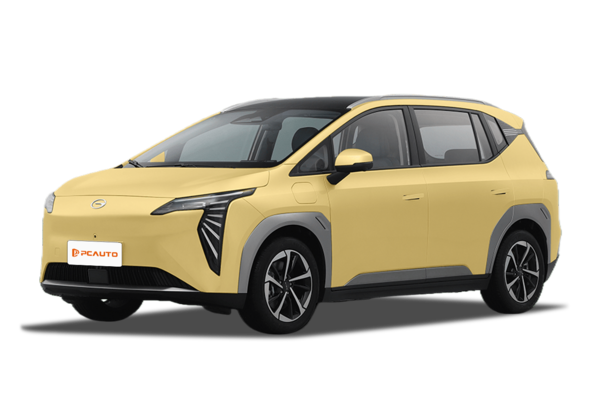
2024 GAC Aion Y Plus Elite is a pure electric mid-size SUV targeting the Southeast Asian home market, offering a spacious cabin with a 2750mm long wheelbase, standard 6 airbags, and a 14.6-inch central control screen, with solid range suitable for family travel.
14
Rank in SUV
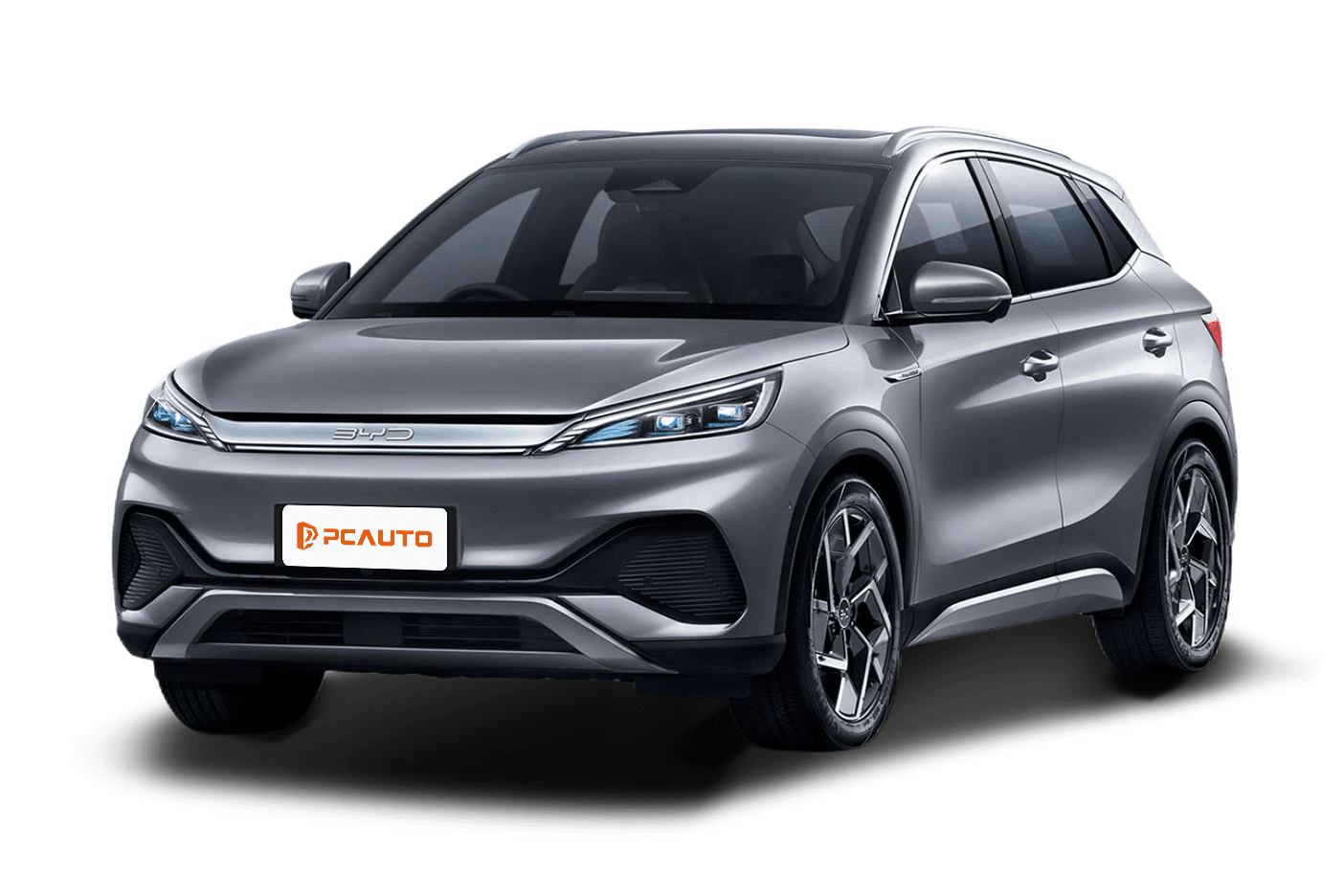
2025 BYD ATTO 3 Ultra is a cost-effective, solid-range, safety-feature-rich, and practical-space electric C-segment compact SUV that balances family needs with dynamic performance.