

Honda HR-V 2021 Review

 Share
Share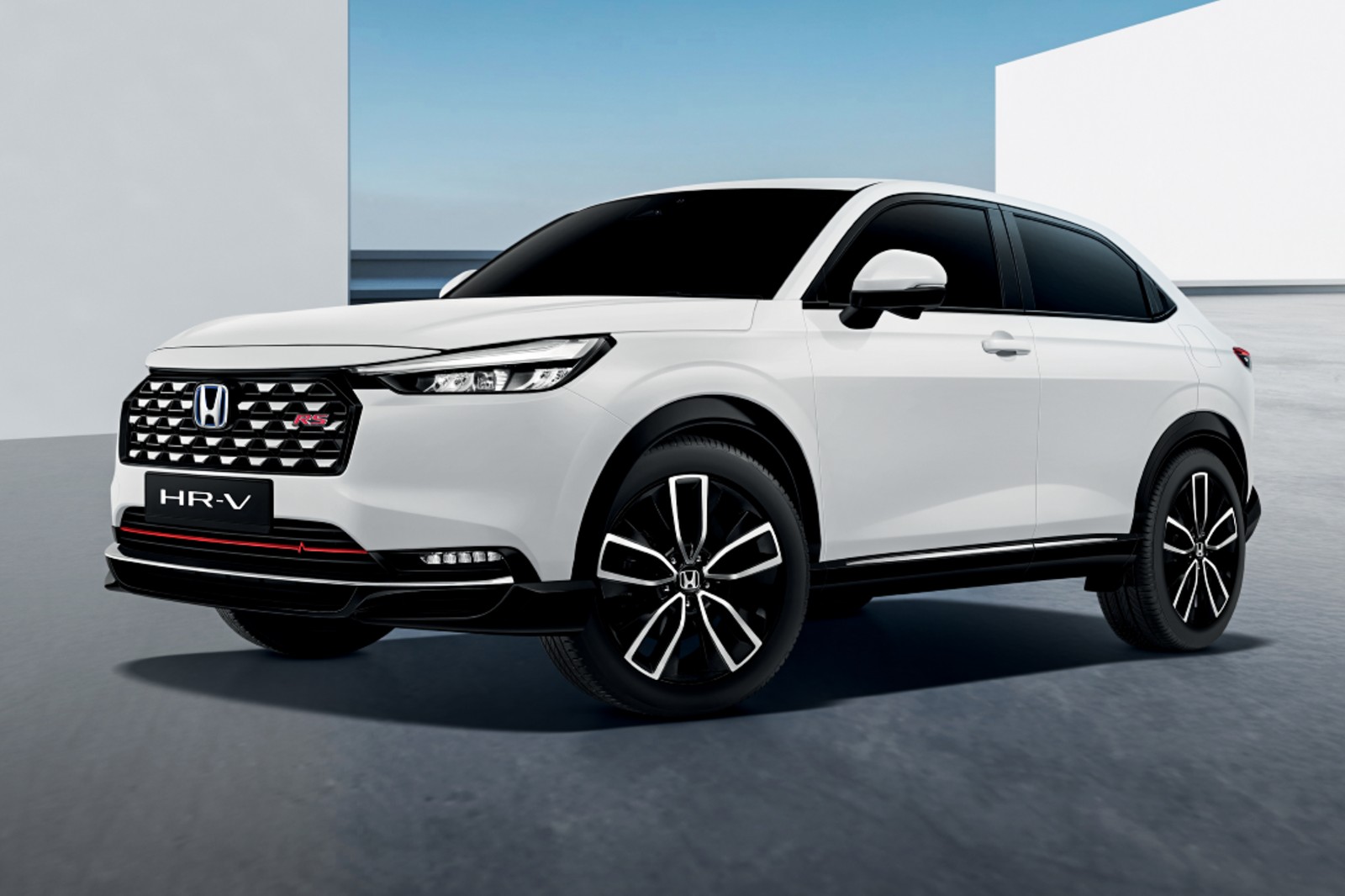
 Segment
 Body Type
 Capacity(L)
 Engine Power(PS)
 Transmission
 Driven Wheels
The competition in Malaysia's B-Segment SUV market has always been intense. Consumers want both the practicality of an SUV and care about fuel economy and feature performance. Honda launched the HR-V Hybrid in 2021, targeting the needs of this niche market—a hybrid system that balances power and fuel consumption while retaining the signature spatial flexibility of the HR-V. In this test drive, we focus on testing the actual performance of its hybrid system, daily usability, and whether the upgrades compared to the traditional fuel version are worth buying.
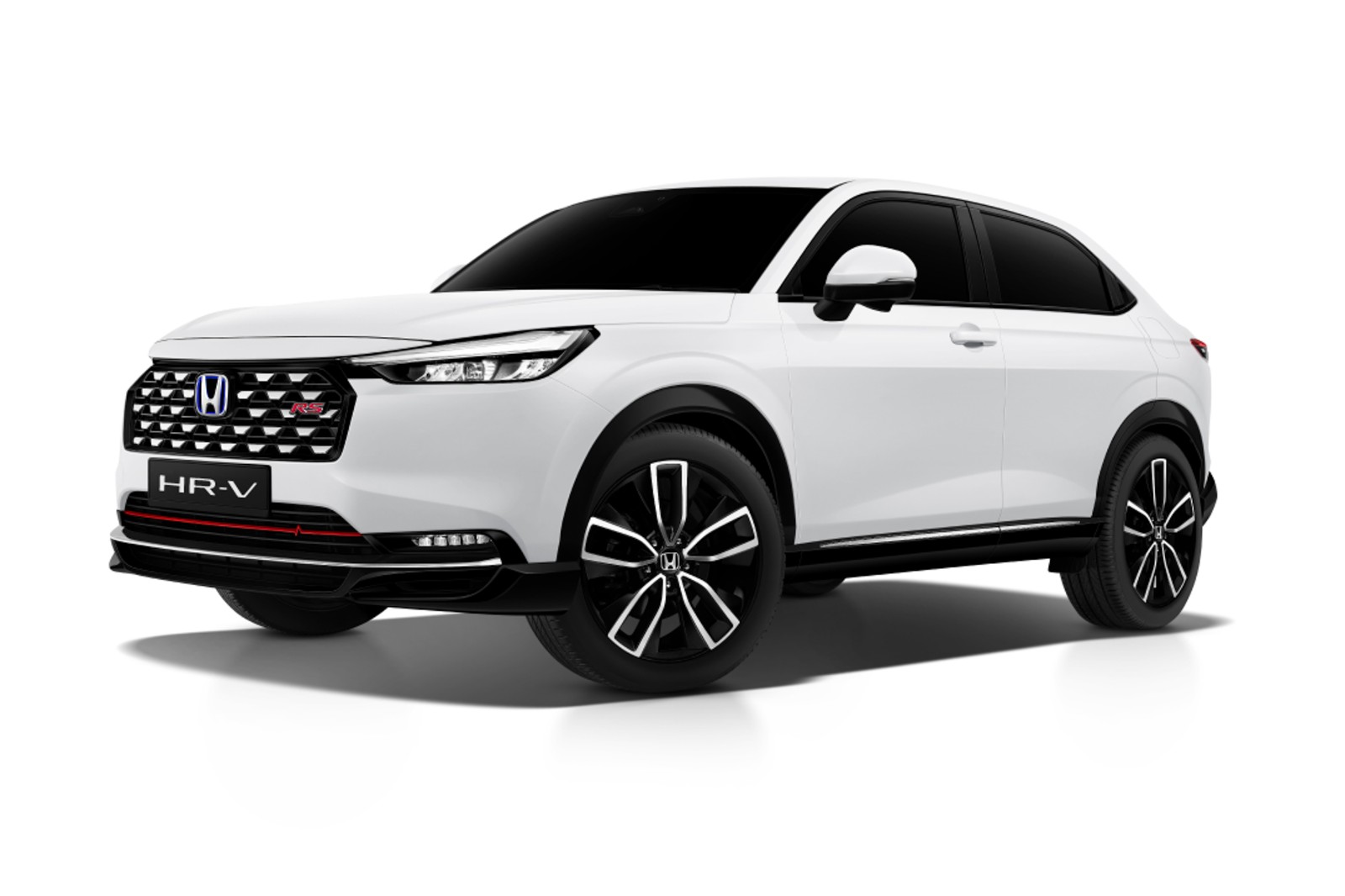
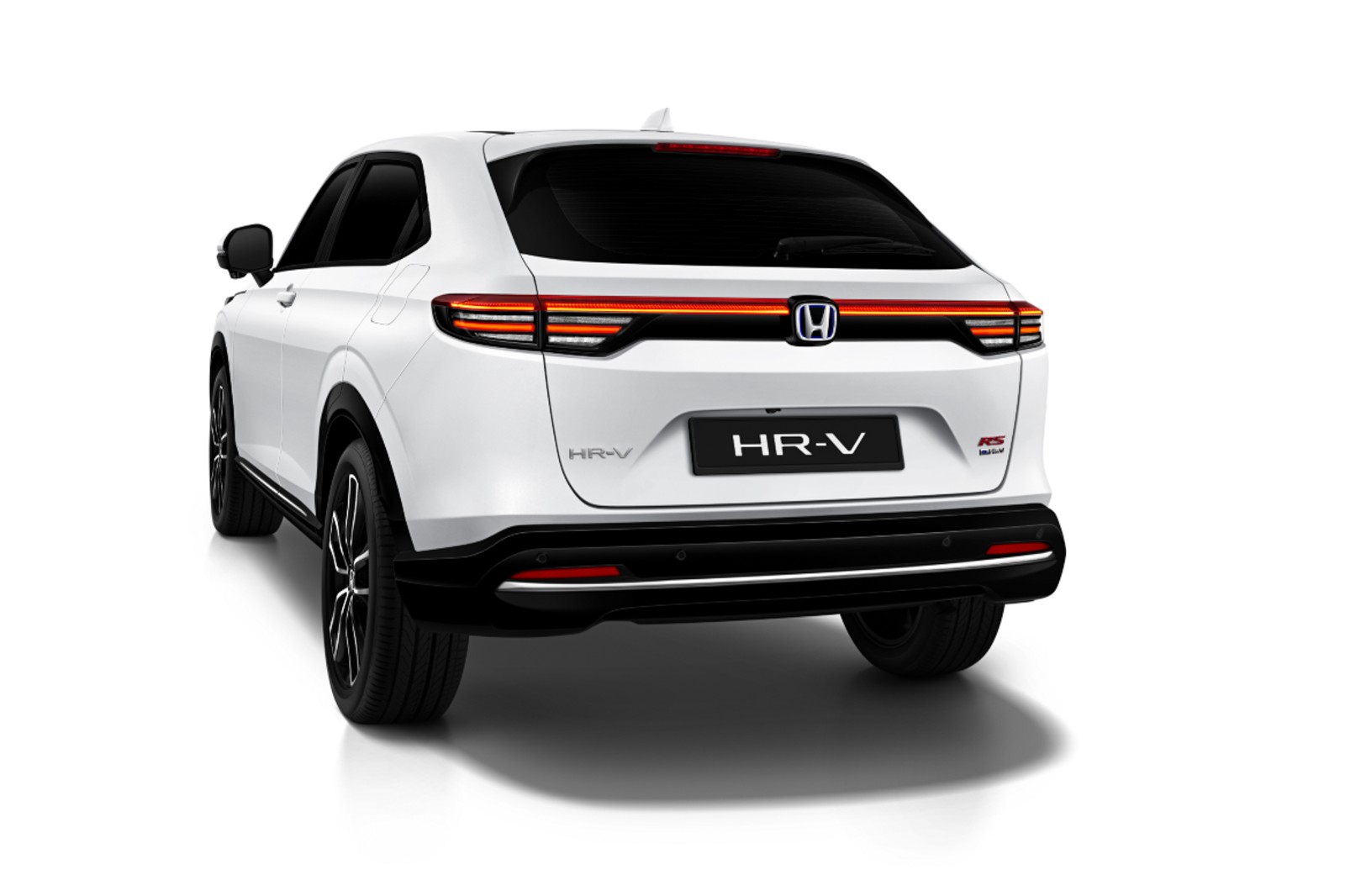
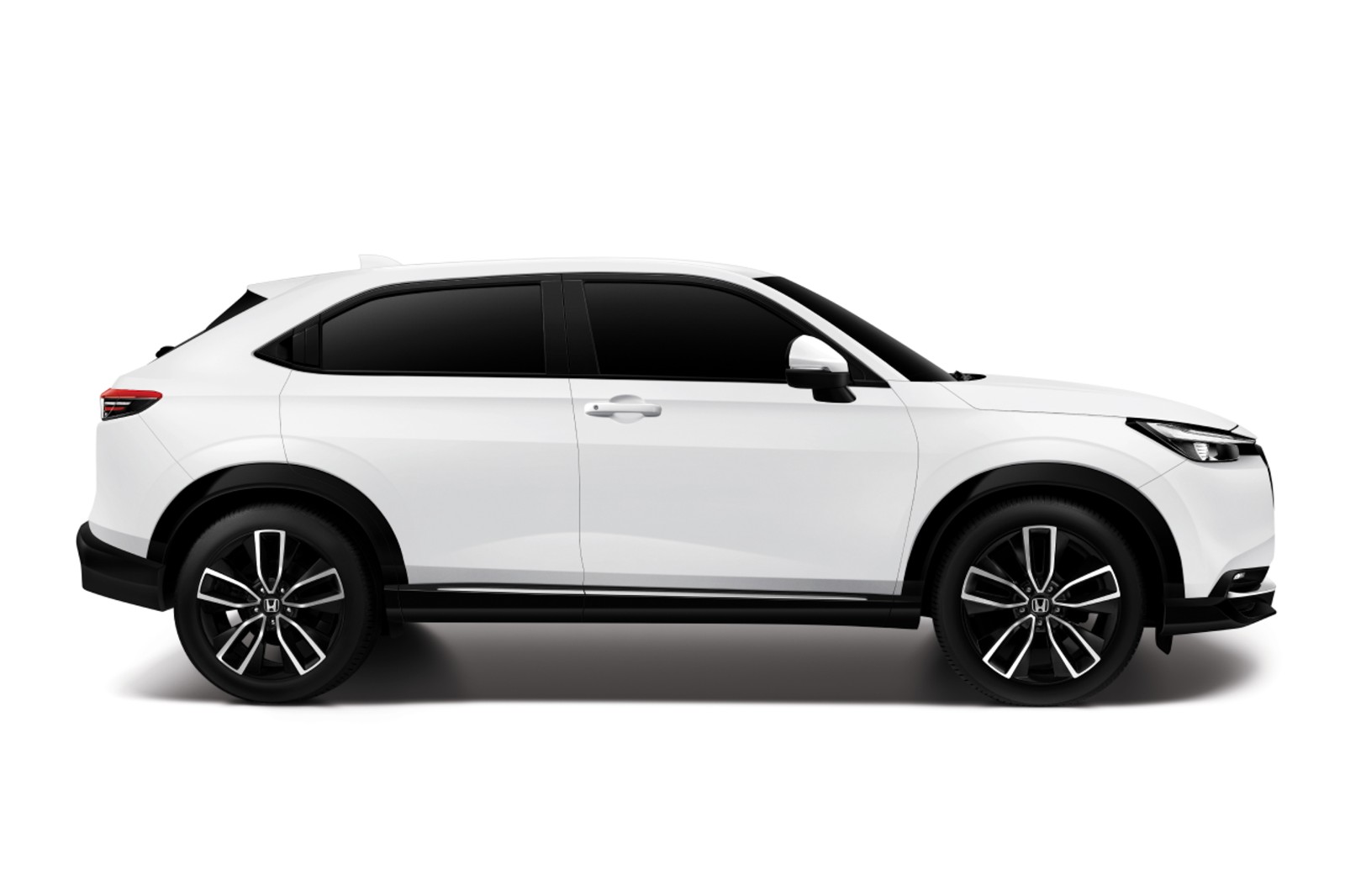
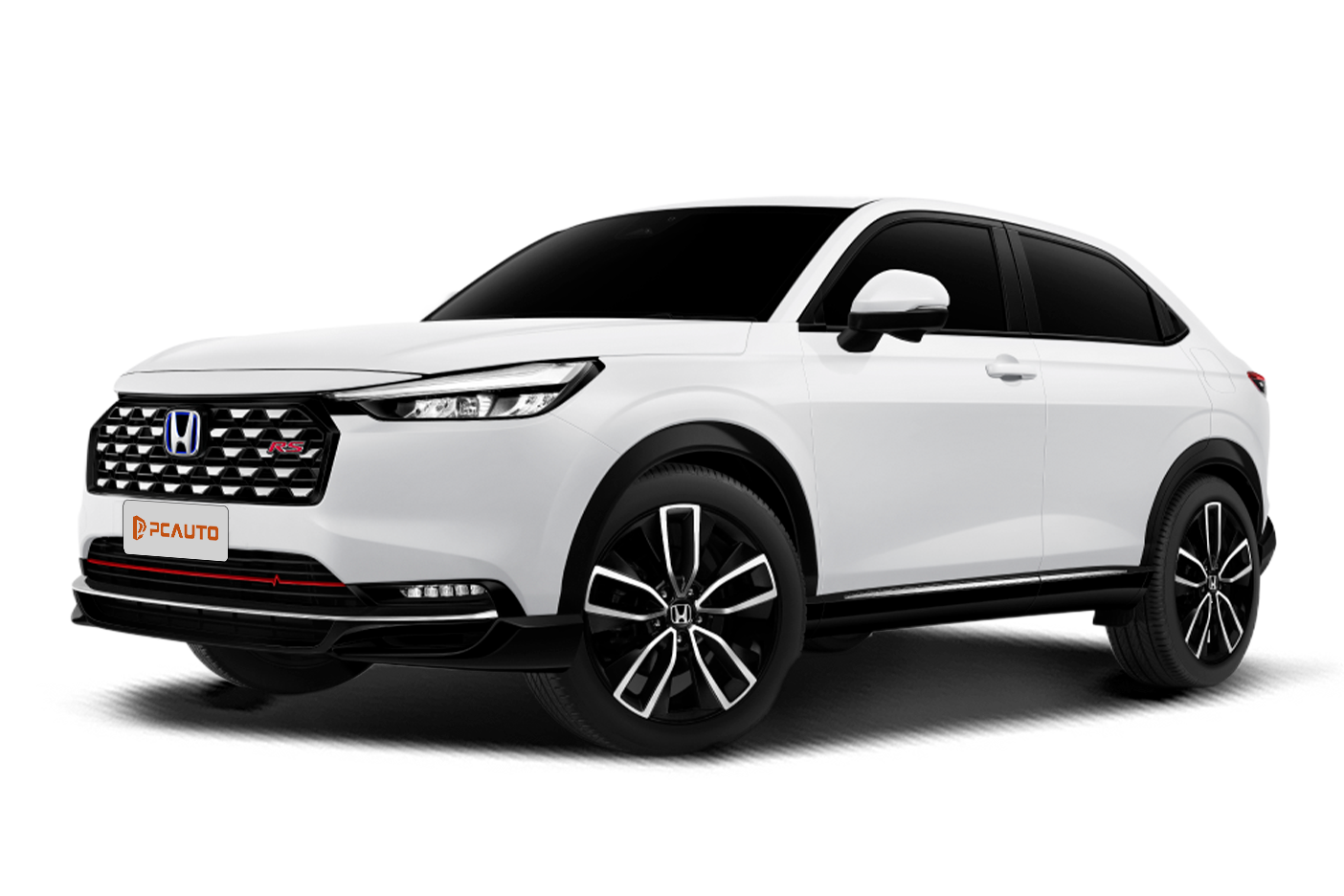
The exterior of the HR-V Hybrid continues the family design of the third-generation HR-V, with overall lines that are rounded yet robust. The front adopts a black honeycomb grille, paired with chrome accents connecting the LED headlights on both sides, offering high recognition; the side profile features a waistline that extends from the fender to the rear, complemented by 17-inch alloy wheels, creating a balanced side proportion. The rear LED taillights use a through-type design, but when lit, display a segmented effect. When illuminated at night, they have decent identification. In terms of lighting configuration, LED headlights, daytime running lights, and front and rear fog lights are all standard, while the automatic headlight function enhances convenience in daily use.
Inside the cabin, the overall interior style leans towards practicality. The asymmetrical design of the center console places the 7-inch touchscreen in the middle, with a clear operating logic, supporting the Sound Plus feature. However, there are only four speakers, and the sound quality is average. In terms of materials, the upper part of the center console is made of hard plastic, while the door panels have fabric wrapping, meeting the standards for this price range. Configuration-wise, keyless entry, push-button start, multifunction steering wheel, and paddle shifters are all standard, providing sufficient convenience for daily use; the instrument cluster uses an electronic luminescent analog design, which displays the working status of the hybrid system, such as motor drive, engine power generation, or joint output of both, with clear information readability.
Space is a traditional strength of the HR-V, and the 2610mm wheelbase is considered mainstream in the B-Segment SUV category. The front seats are manually adjustable, providing decent support, and are comfortable enough for long drives. The rear seats support 60:40 split folding and angle adjustment, and feature Honda's signature ULTRA Seats—allowing the seat bases to flip up, creating vertical space to accommodate large items like bicycles or suitcases. The trunk has a standard capacity of 437L, which can be expanded by folding the rear seats, meeting family travel or cargo needs. For storage, the design of the door pockets, central armrest box, and front cupholders is practical, with well-thought-out details.
In terms of power, the HR-V Hybrid is equipped with a 1.5L naturally aspirated engine and an electric motor, delivering a combined maximum output of 152PS. During daily driving, the vehicle is predominantly driven by the motor during startup and at low speeds, with quick power response. Pressing the accelerator provides immediate torque, making it agile for city driving or overtaking. In sport mode, the engine engages more actively, with the motor and engine working together for increased power output during acceleration, instilling confidence when overtaking on highways. The transmission system is paired with a DCT gearbox, offering smooth gear shifts with almost imperceptible jolts.
In terms of handling, the HR-V Hybrid’s front MacPherson suspension is tuned for comfort. When driving on asphalt roads, it effectively absorbs most minor bumps; when encountering speed bumps or uneven road surfaces, the suspension handles them cleanly without excessive bouncing. The steering wheel is light and precise, making city driving very nimble. Body roll in corners is well-controlled, and the overall stability aligns with the positioning of a family SUV.
Fuel consumption testing is a key focus this time. We drove 50 kilometers each in congested urban areas and on highways. The combined fuel consumption was approximately 4.8L/100 km, which is significantly lower than the traditional fuel version of the HR-V. The fuel efficiency advantage of the hybrid system is evident. In terms of braking performance, the front and rear ventilated disc brakes provide linear braking power. The braking distance meets the standards for its class, giving drivers confidence in everyday use.
When it comes to ride comfort, the HR-V Hybrid performs well in noise control. At low speeds in the city, the noise from the electric motor is minimal; at highway speeds, wind and tire noise become noticeable but remain within an acceptable range. The seat comfort is average. The lumbar support of the front seats is adequate but may require a cushion for long drives. The rear seats provide enough legroom for passengers up to 175cm tall, with about two fists of space from the knees to the front seats. Headroom is also sufficient, ensuring that long-distance rides are not too cramped.
To summarize, the HR-V Hybrid’s core strengths are very apparent: the low fuel consumption brought by the hybrid system, flexible interior space, and standard safety features (6 airbags, vehicle stability control, lane departure assist, etc.). Compared to its rival, the Toyota Corolla Cross Hybrid, the HR-V Hybrid is more affordable and offers better space flexibility. However, in terms of features, such as electrically adjustable seats and a larger infotainment screen, it may fall short of the competition.
The target audience for this car is clear: families prioritizing fuel efficiency or consumers who frequently carry cargo and require flexible space. It doesn’t excel in performance, but it is well-balanced—light and easy to drive, fuel-efficient, practical, and fully capable of meeting the needs of daily commuting and weekend trips for families.
If you're looking for a fuel-efficient, practical B-Segment SUV, the HR-V Hybrid is worth considering. It isn’t a vehicle that focuses on performance, but when it comes to the core needs of everyday use, it provides a satisfying answer.
Honda HR-V Car Compare
Honda HR-V Loan Calculator
More Honda Reviews
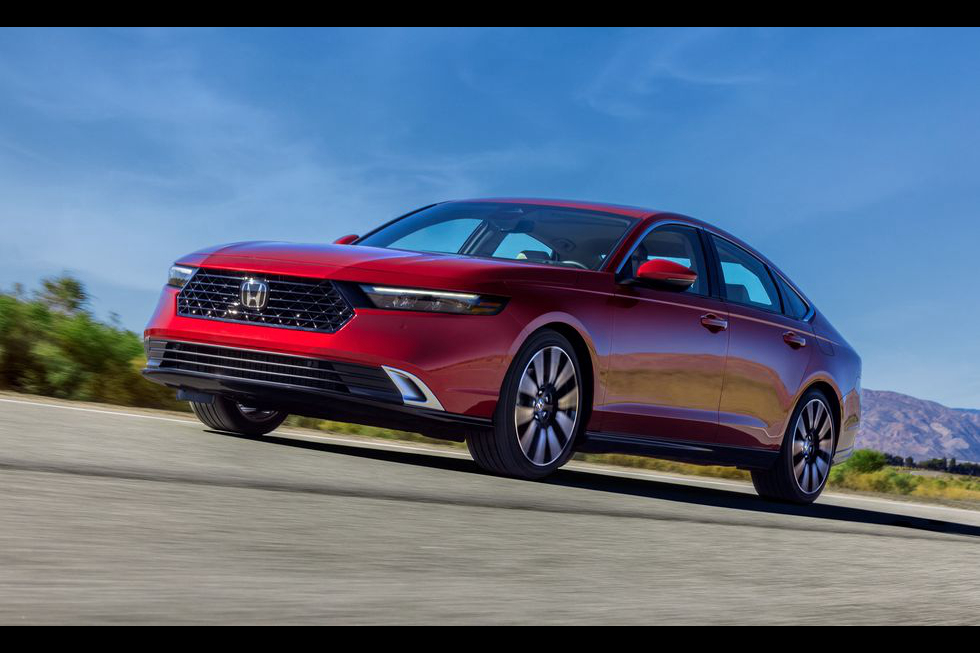
Cars With Similar Price And Features
4
Rank in SUV
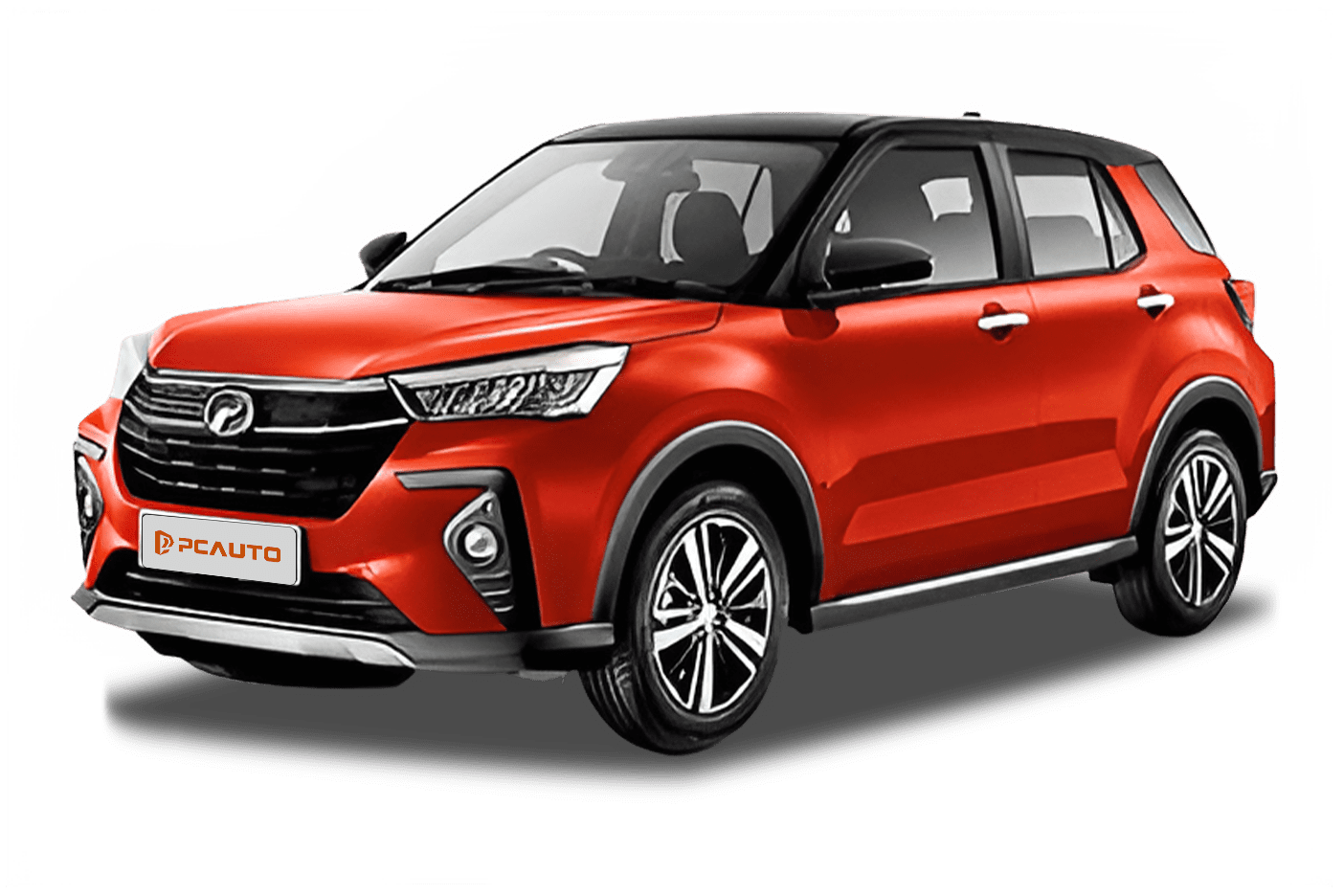
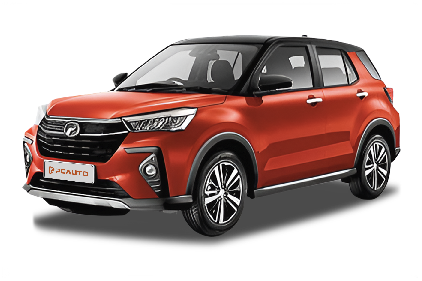
2023 Perodua Ativa 1.0L Turbo X, as a high-value-for-money entry-level B-SUV, meets the commuting and short-distance travel needs of family users with advanced safety features, practical space, and economical fuel consumption.
15
Rank in SUV
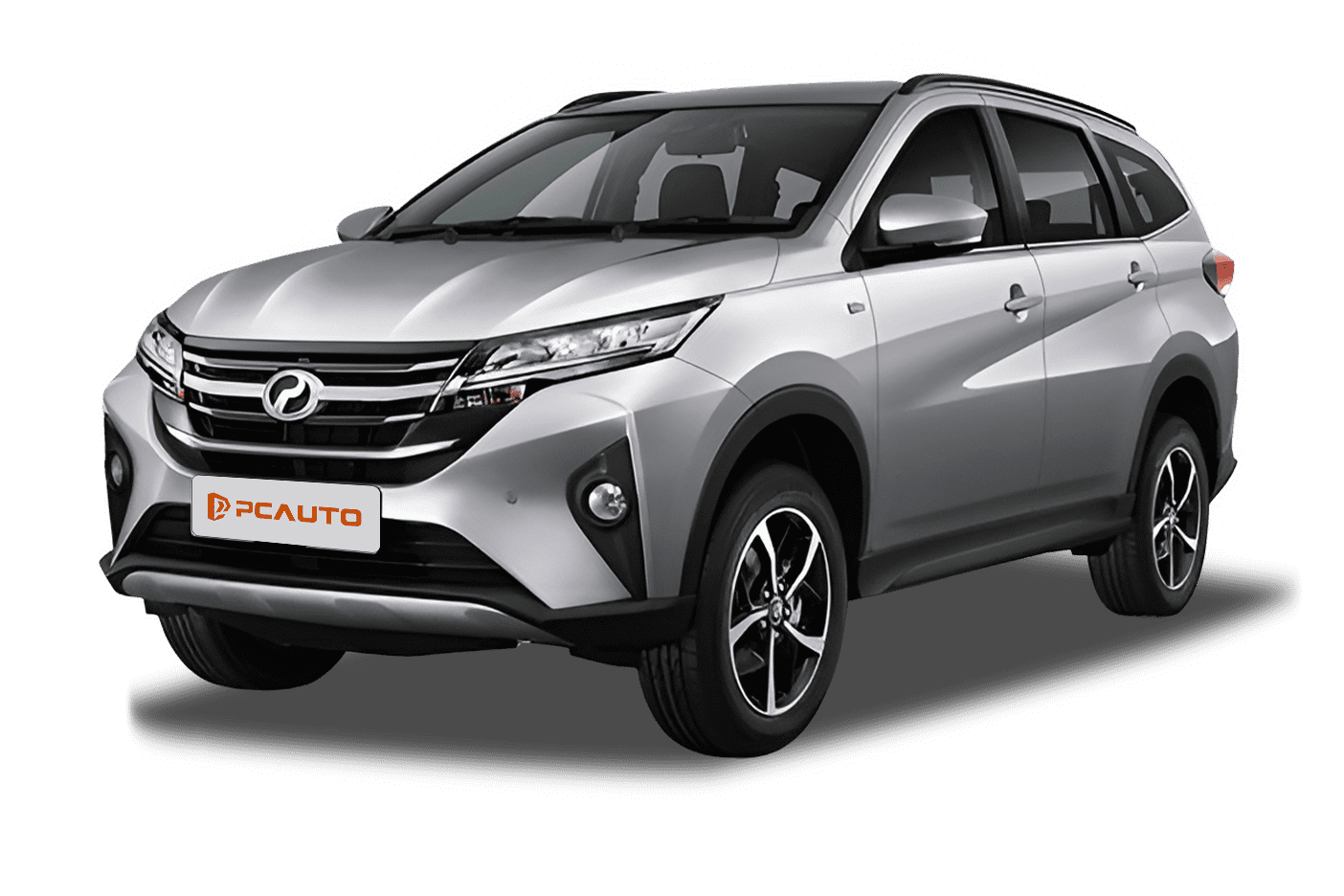
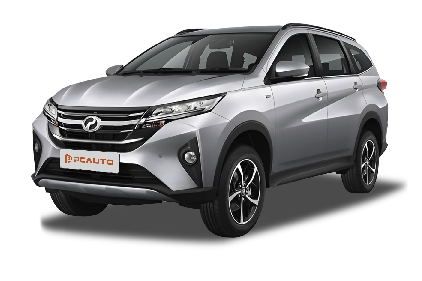
The 2023 Perodua Aruz 1.5L X is a high-value-for-money B-segment 7-seater SUV, offering 6 airbags and active safety systems as standard equipment for under RM63k. It balances practical space and daily commuting needs, making it a pragmatic choice for budget-conscious families.
3
Rank in SUV
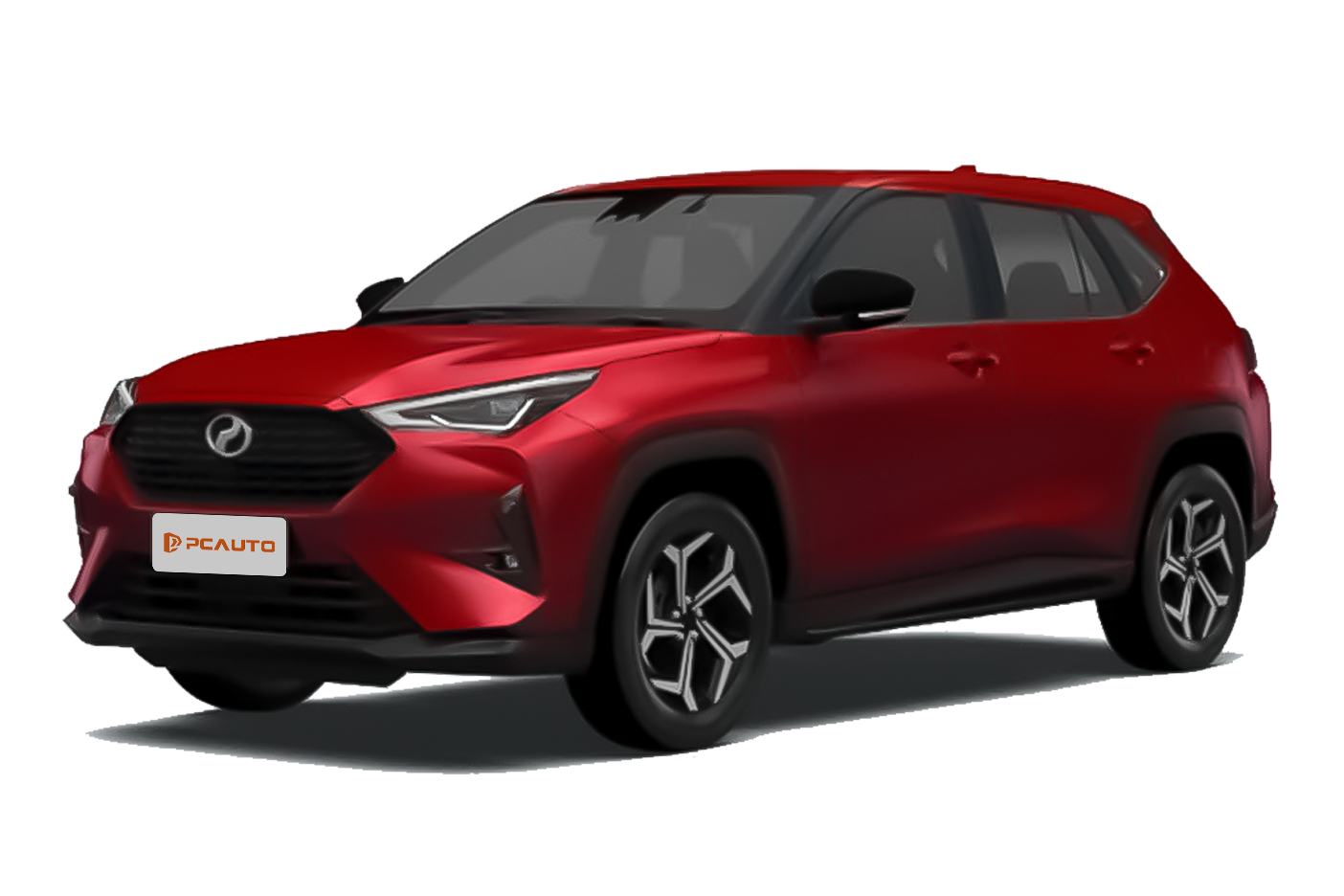
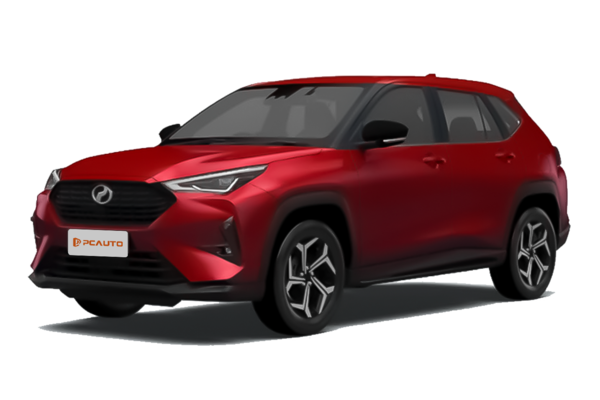
2025 Perodua Traz X, positioned as a B-segment SUV for family users, highlights advanced safety features, 210mm high ground clearance, and practical spaciousness as its main selling points, balancing flexibility and practicality.
2
Rank in SUV
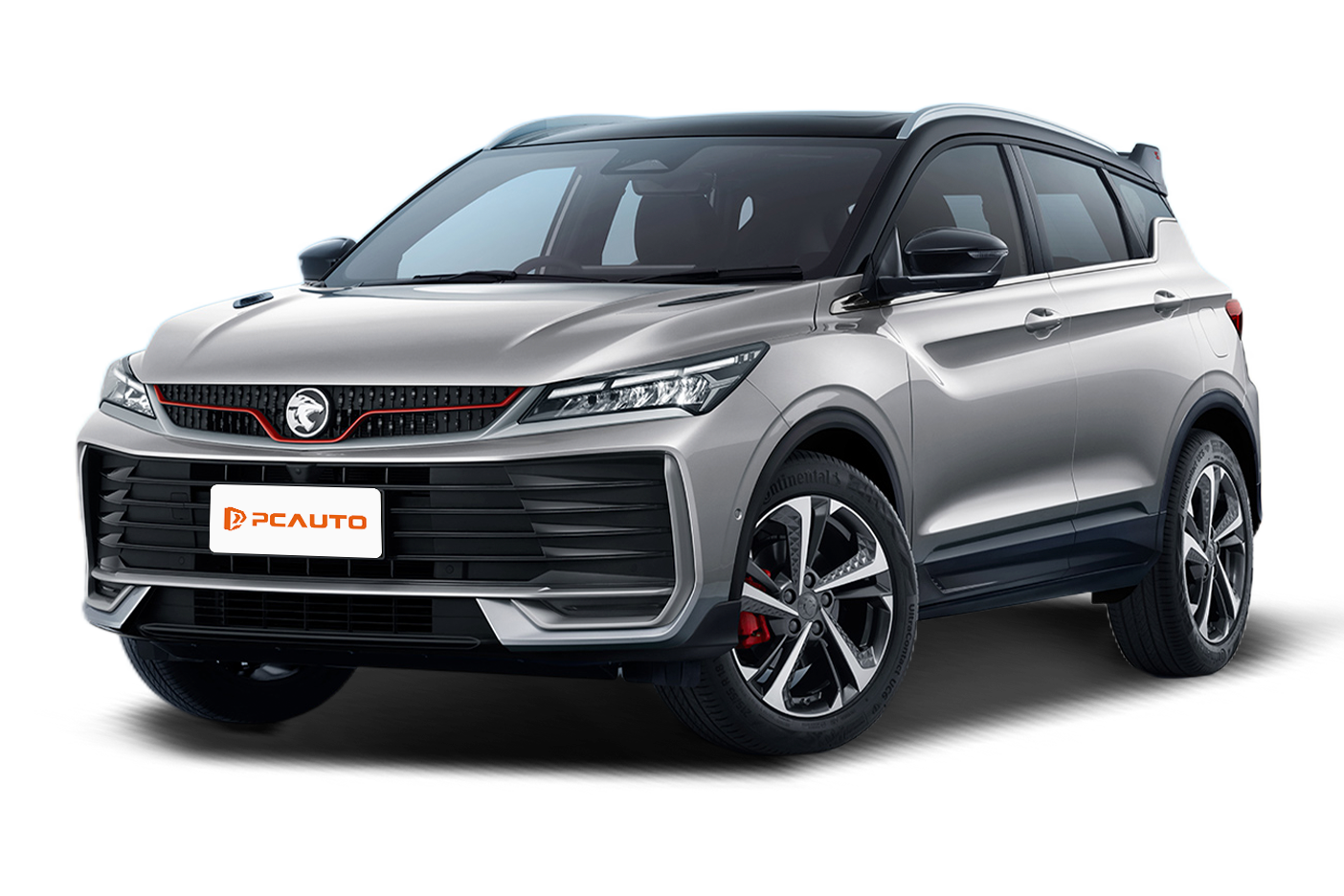
2025 Proton X50 Executive is an upgraded and price-reduced mid-size SUV that combines refined exterior, tech-savvy interior, powerful performance, and practical space, offering exceptional value for money.