

Honda Odyssey 1995 Review

 Share
Share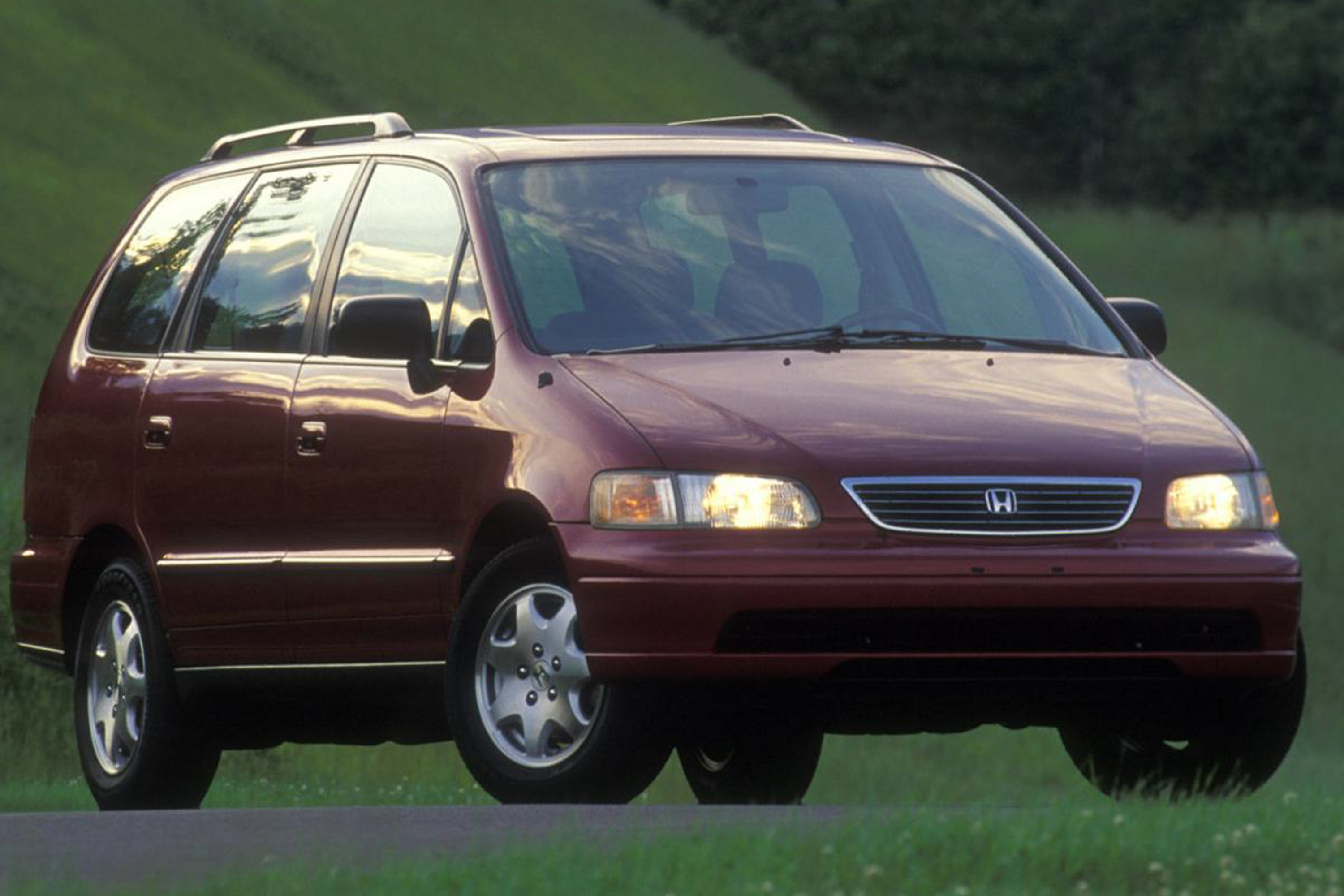
 Body Type
 Segment
 Capacity(L)
 Engine Power(PS)
 Engine Torque(Nm)
 Transmission
The household MPV market in Southeast Asia has always prioritized "practicality," and the 1995 Honda Odyssey Public is a typical product of this trend—it broke free from the traditional utilitarian attributes of vans, attempting to strike a balance between space, comfort, and reliability. As an early household MPV, its core selling points were the flexible 7-seat layout, Honda's signature engine reliability, and the relatively compact dimensions that provided convenience for urban commuting. The purpose of this review is to examine how this vehicle, more than 20 years old, met the needs of family users in the market environment of its time.
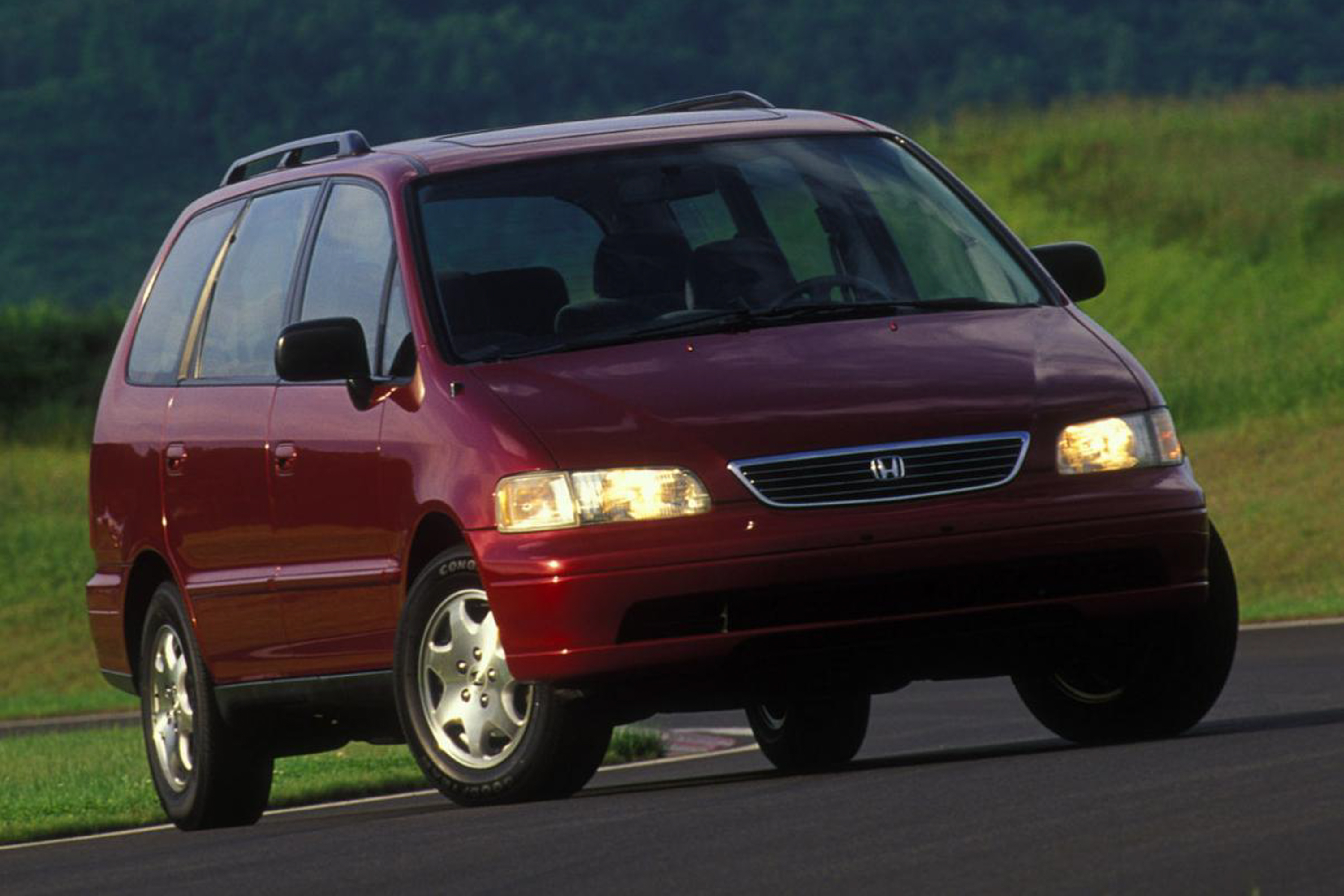
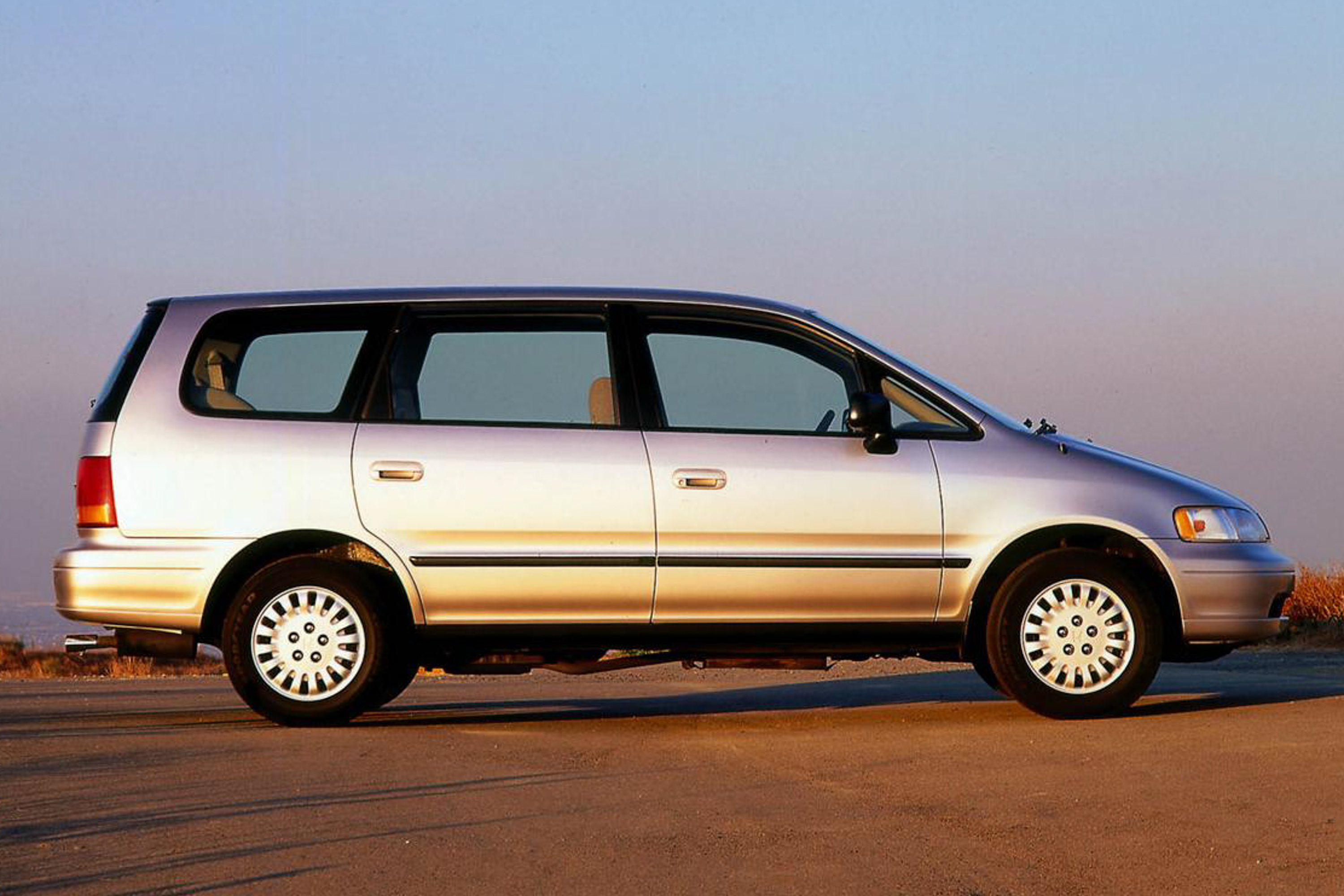
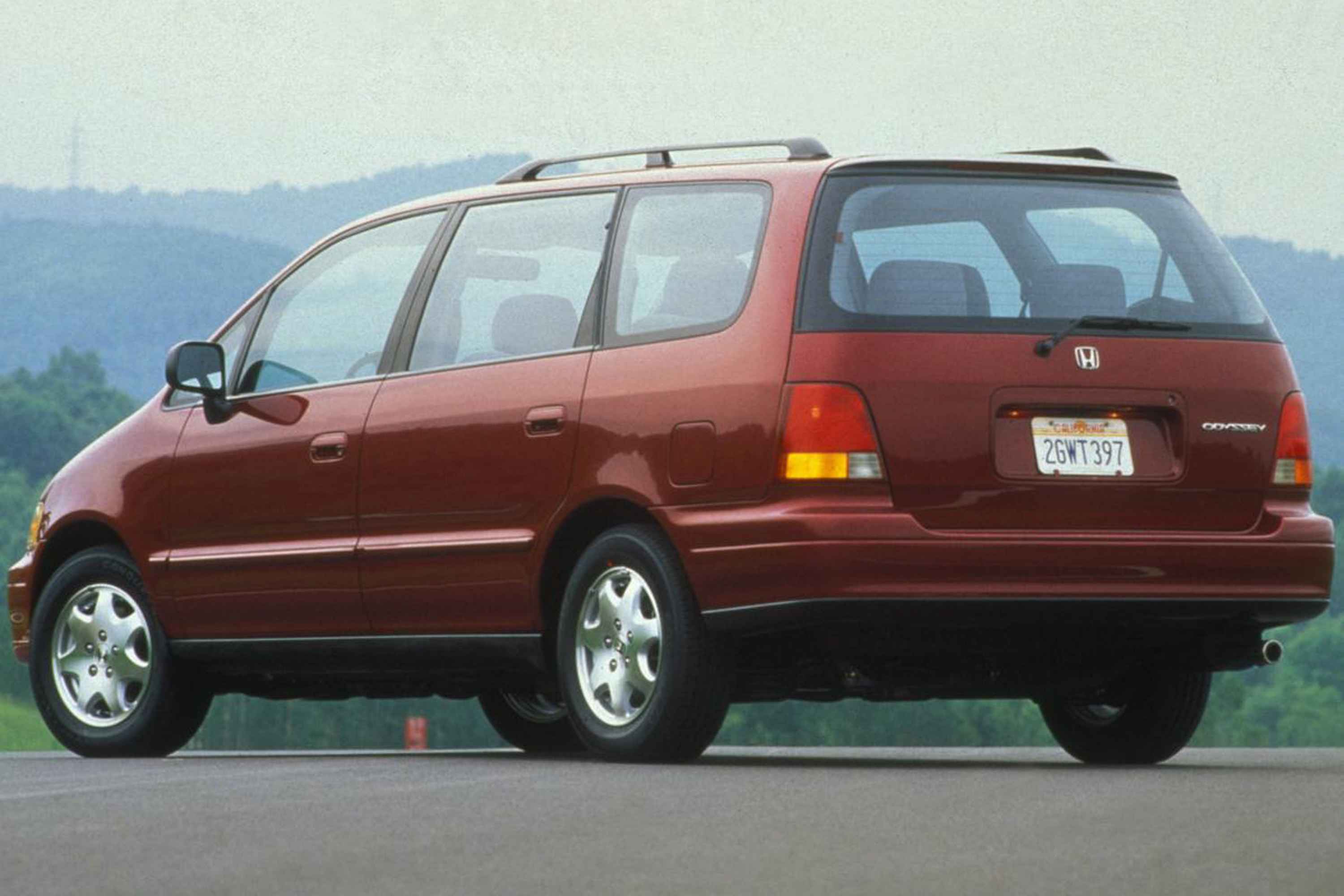
The exterior design of the Odyssey Public takes a practical approach without excessive flashy elements. The body lines are overall rounded, with the front featuring Honda’s classic chrome grille paired with square headlights, offering a moderate level of recognition. The side profile has a straight waistline that runs from the front to the rear of the vehicle, and the door handles are made of black plastic, consistent with the cost-control logic of that era. The windows are large, and the rear row comes equipped with dark-tinted privacy glass to reduce direct sunlight. At the rear, the square taillights integrate seamlessly with the side body lines, and the wide tailgate design facilitates the loading and unloading of items. Overall, the exterior lacks a strong design aesthetic, but it is coordinated and pleasing to the eye, fully geared toward home-use scenarios.
Stepping inside, the interior is dominated by beige and gray tones, creating a warm family ambiance. The center console layout is simple, with a radio and air conditioning control panel at the top. The buttons are relatively large and intuitive to operate. The steering wheel has a three-spoke design and is made of hard plastic, but the grip feels decent. The seats are upholstered in fabric; the front seats are manually adjustable for backrest tilt and fore/aft positioning. The cushioning is soft, providing comfort for long periods without significant fatigue. The rear seats are arranged in a 2+3 layout, with the two individual second-row seats capable of sliding forward and backward. The third-row seats can be folded down to expand the trunk space to approximately 1500 liters, meeting needs such as moving or carrying goods. In terms of features, this model comes with manual air conditioning, front dual-speaker audio, and cup holders in the front and second rows. While basic, these are sufficient for everyday use.
In terms of performance, the Odyssey Public is equipped with a 2.2-liter naturally aspirated four-cylinder engine, delivering a maximum output of 140 horsepower and a peak torque of 190 Nm, mated to a 4-speed automatic transmission. For daily driving, the power output during takeoff is smooth, and throttle response is not aggressive but is adequate for urban commuting. Accelerating to 60 km/h takes about 8 seconds. On highways, pressing the accelerator deeply causes the transmission to downshift, with a slight delay in power delivery, but it meets basic needs. There is only one driving mode available—normal—with no sport or eco options in line with its family-oriented positioning.
Regarding handling, the steering wheel offers medium-level precision with minimal play. At low speeds, the steering is light, making it suitable for female drivers or urban parking. The suspension system consists of a front MacPherson and rear double-wishbone independent suspension, tuned toward comfort. When crossing speed bumps or uneven surfaces, the suspension absorbs most of the jolts, and body movement is kept within a reasonable range. During cornering, the body tilt is somewhat pronounced but considered normal within the MPV segment, without compromising passenger confidence. The braking system comprises front disc and rear drum brakes, with a longer brake pedal travel. The braking force is released linearly, ensuring adequate safety for daily driving.
In terms of fuel consumption, the combined road condition consumption is about 10-12 liters per 100 kilometers. In congested urban conditions, it rises to around 13 liters, while on highways it can drop to 9 liters. For a 2.2L 7-seater MPV, this fuel efficiency is considered average. Regarding noise control, when the engine speed exceeds 3,000 RPM, the noise becomes noticeably audible inside the cabin. Wind noise and tire noise are also evident at high speeds, but it is at a normal level compared to other models of the same era. The seat comfort is decent, with breathable fabric seats and spacious legroom in the second-row independent seats. The third-row seats are suitable for children or adults on short trips.
Overall, the core highlights of the 1995 Honda Odyssey Public lie in its versatile 7-seater space, reliable engine, and comfortable chassis tuning. Compared to the Toyota Previa of the same period, its body size is smaller, making it more convenient for city parking, although the third-row space is slightly inferior to the latter. Compared to the Mitsubishi Delica, its interior craftsmanship is more refined, but it lacks off-road capabilities. This car is suitable for families who value practicality and reliability, especially for those who often need to transport 6-7 people or occasionally carry large items. If you are not seeking luxurious features and are instead looking for a durable and practical family MPV, the Odyssey Public would be a good choice.
Cars With Similar Price And Features
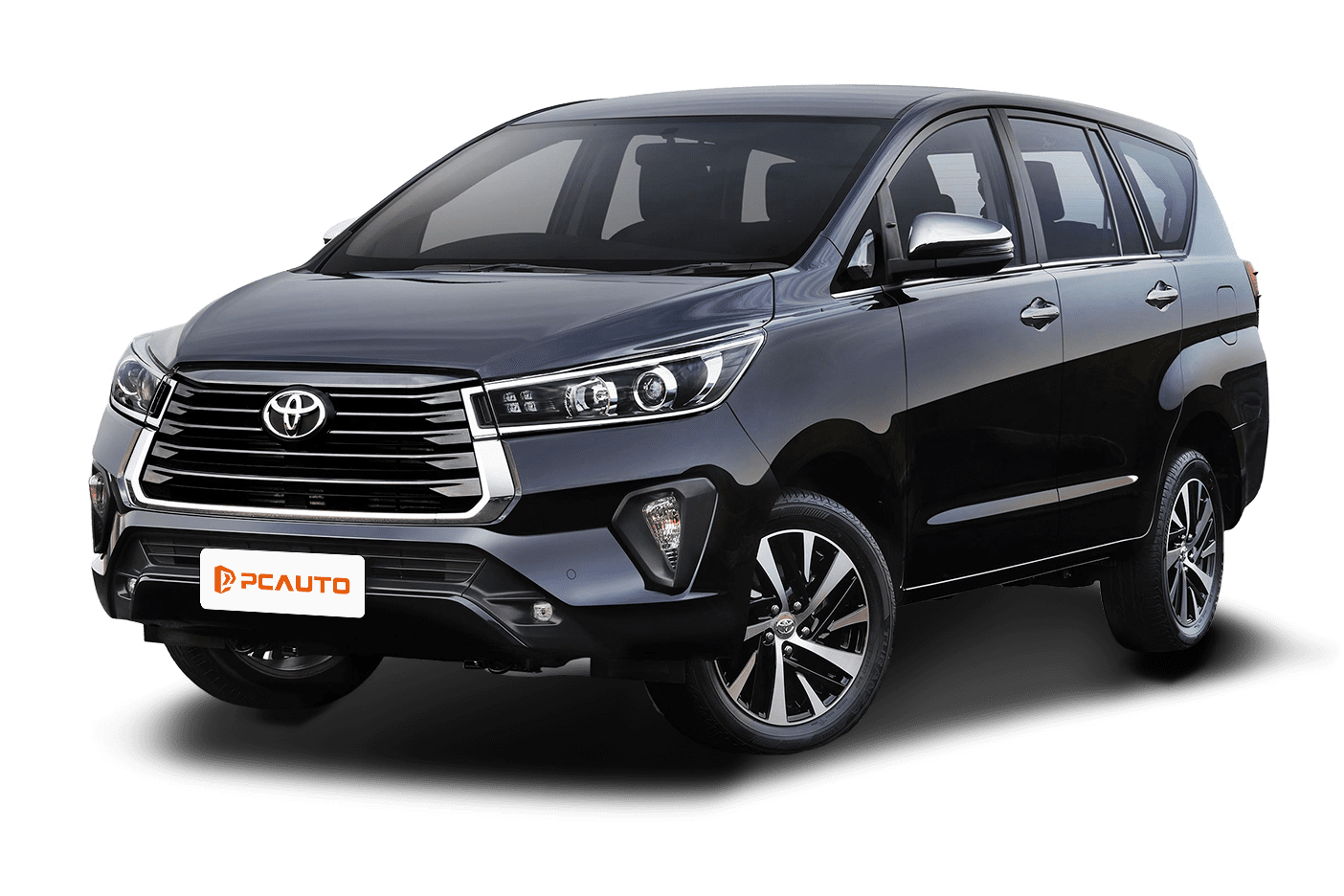
2023 Toyota Innova 2.0G is Malaysia's preferred family MPV, featuring an 8-seater spacious, practical, and flexible design. It is reliable, durable, and also accommodates rough road conditions, meeting the needs of daily child-carrying and whole-family outings.

2020 Hyundai Grand Starex Executive Prime is an 11-seater practical MPV that balances family and business needs, meeting the demands of group travel with flexible seat layouts, comfortable suspension, and high cost-effectiveness.