

Toyota Innova Review

 Share
Share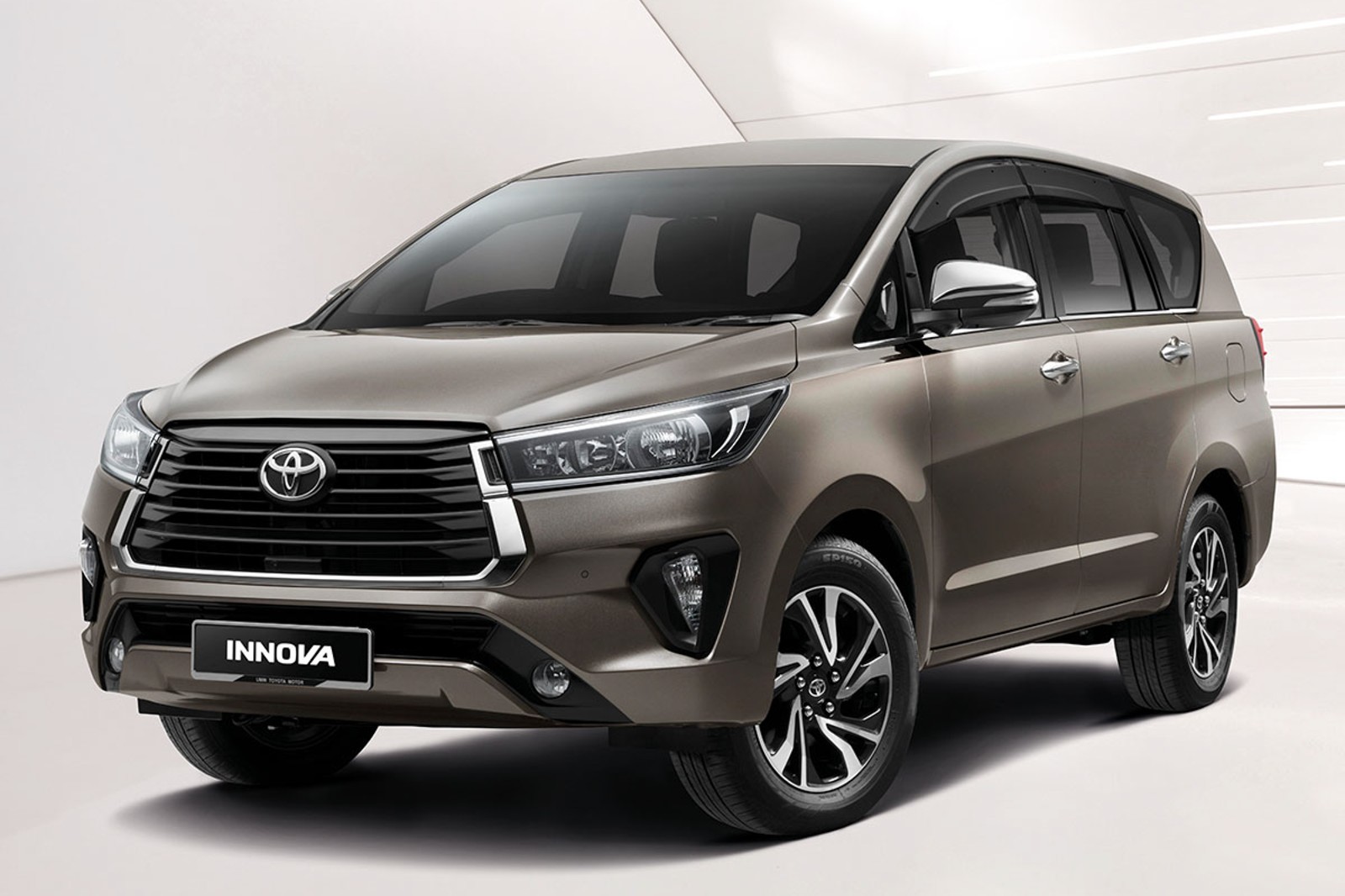
 Segment
 Body Type
 Capacity(L)
 Engine Power(PS)
 Engine Torque(Nm)
 Transmission
In Malaysia's D-segment MPV market, family users always prioritize space, practicality, and reliability when choosing a car. As a regular contender in this segment, the Toyota Innova returns with the 2023 2.0G model, featuring slight price adjustments (RM138,880) and optimized configurations. Can it still hold its position as the "top choice for family travel"? In this test drive, we focus on its static features and dynamic performance to see if they meet daily needs, as well as practical improvements compared to the previous model.
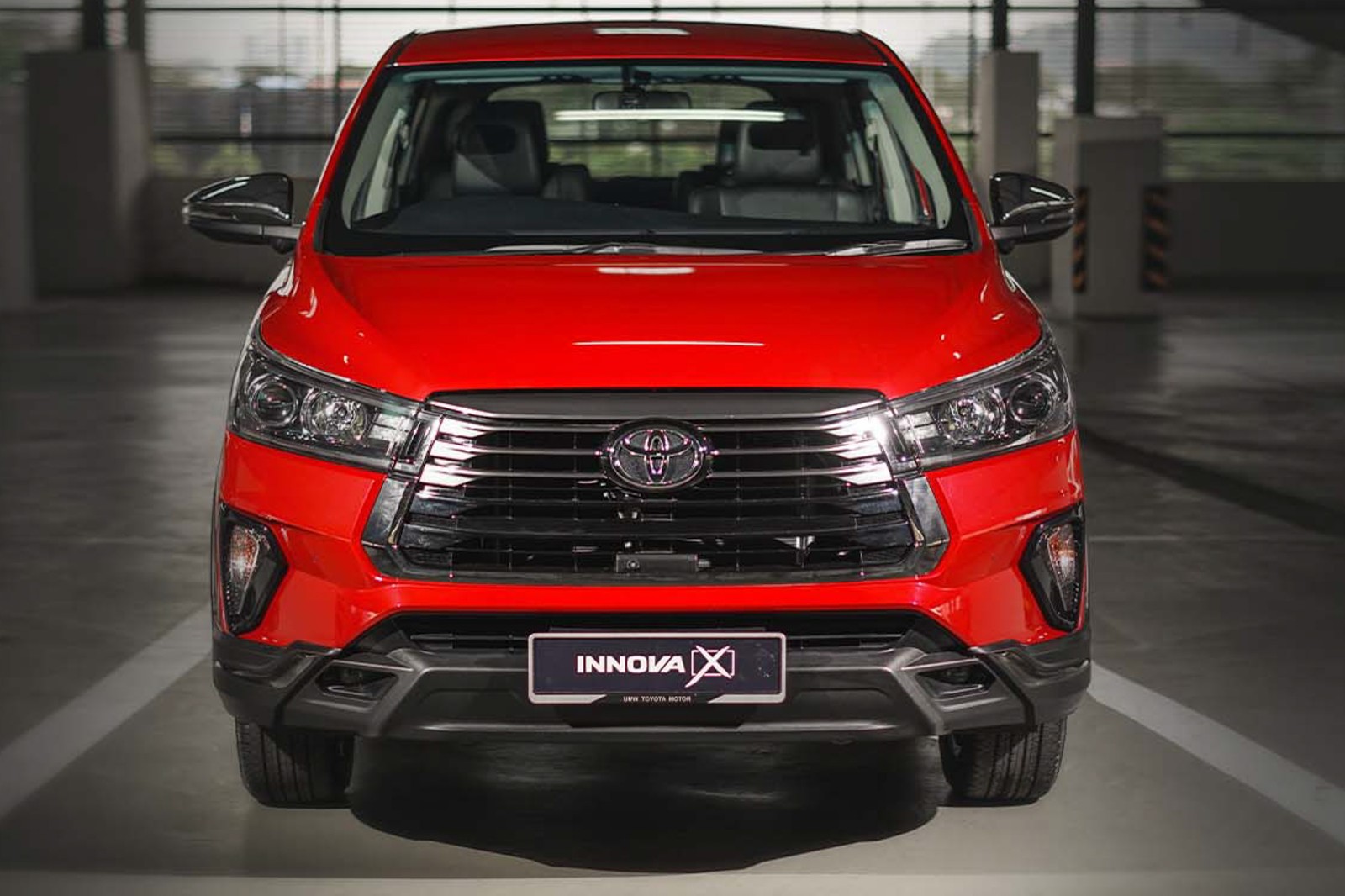
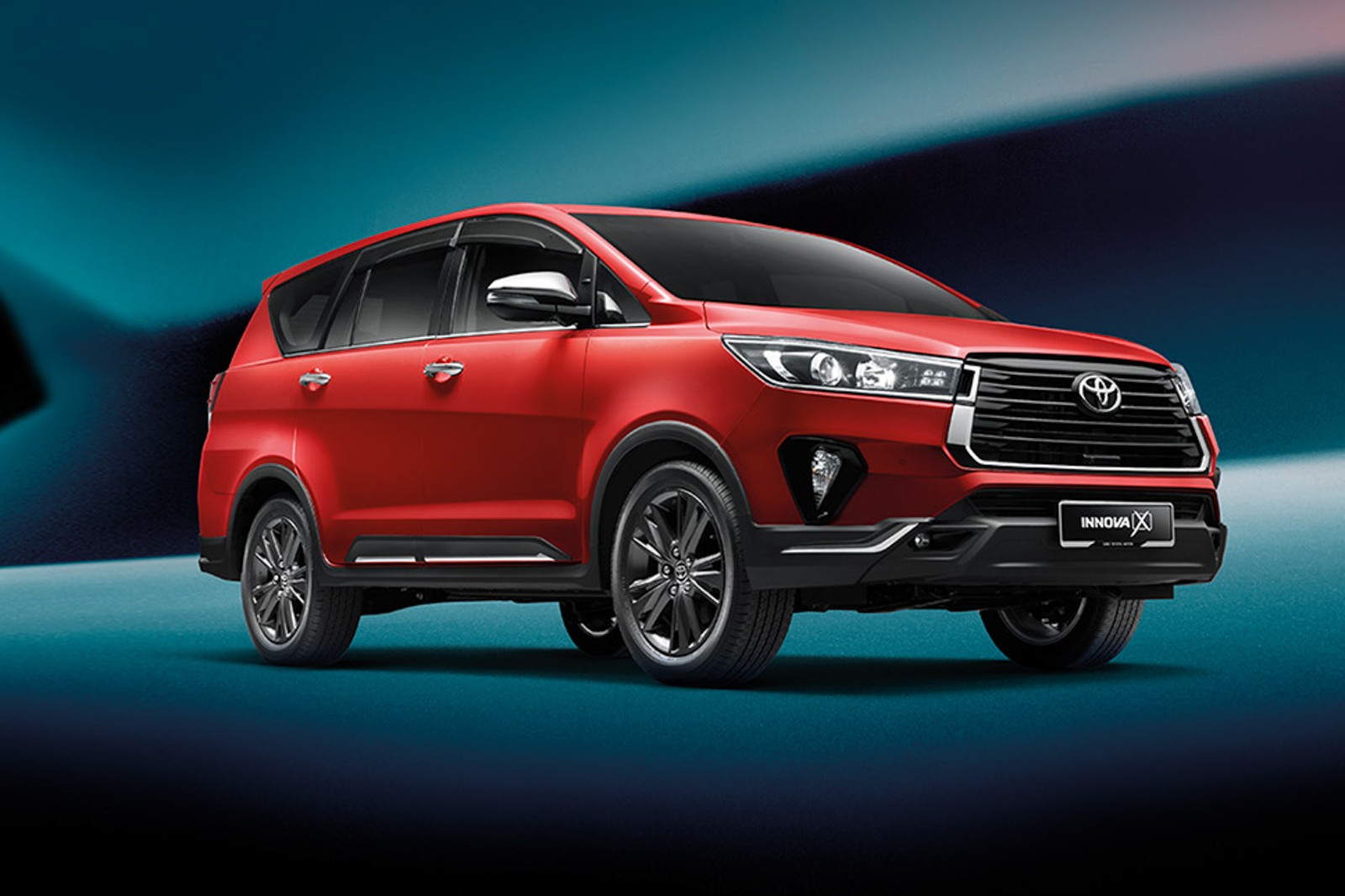
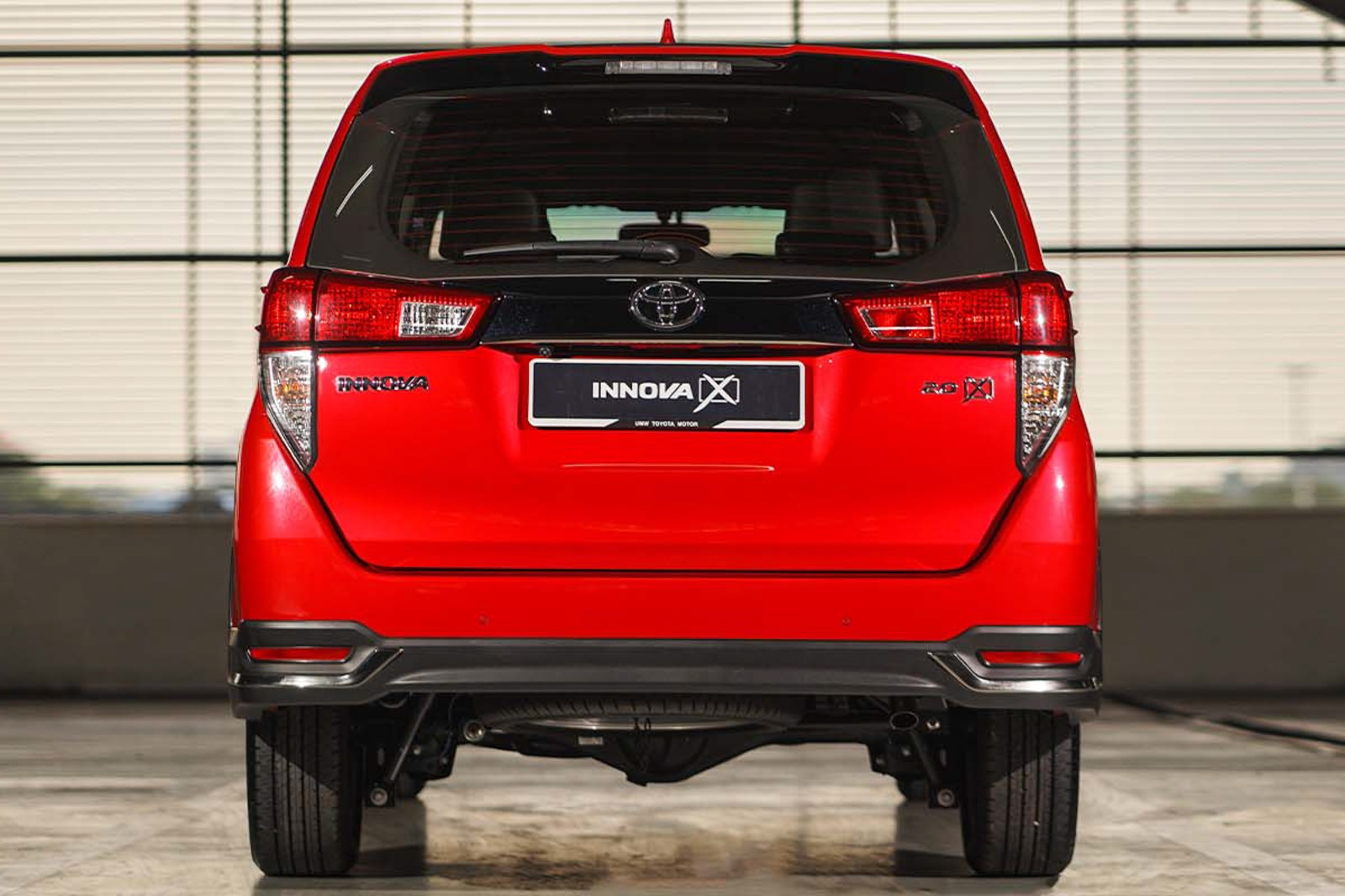
Approaching the 2023 Innova 2.0G, the first impression is that the design feels slightly more refined than the previous model. The front LED headlights and daytime running lights are connected with sharp lines, offering high recognition; the grille features multiple chrome slats, along with a trapezoidal air intake on the lower section, making it more spirited than the halogen headlamp version of the 2021 model. The side of the body maintains the classic boxy silhouette of an MPV, with a waistline extending from the front fender to the rear. Paired with 205/65R16 tires, it presents well-balanced proportions. The rear LED taillights adopt a coherent design as well, with a clear lighting effect that corresponds to the front. Notably, it has a minimum ground clearance of 200mm, so you don't need to worry too much about scraping the bottom when navigating rough roads occasionally.
Opening the door, the interior layout is very well-organized, without any flashy designs. The 9-inch central touchscreen is the core feature, with a fairly responsive interface, making daily navigation and Bluetooth connectivity convenient. The instrument panel is a 4.2-inch color TFT screen that displays essential information such as fuel consumption and speed, and it is clear and easy to read. In terms of materials, most parts of the dashboard are hard plastic, but it doesn’t feel cheap to the touch. The steering wheel is multifunctional, allowing control of volume and calls, and it is user-friendly. The seating is arranged in an 8-seat configuration, with the driver’s seat offering 6-way manual adjustment and the front passenger seat offering 4-way manual adjustment. While it lacks electric seats, the adjustment range is sufficient to find a comfortable position. The second row is a 60:40 split seat that supports one-touch folding, manual reclining, and sliding, and it even includes small tables, which are quite practical for rear passengers to place cups or tablets. The third row is a 50:50 split seat, which can also be folded with one touch, freeing up a lot of cargo space when needed. In terms of space, the 2750mm wheelbase ensures ample legroom for both the front and rear rows. A passenger who is 175cm tall sitting in the second row would still have two fists' worth of space between their knees and the front seat, while the third row can comfortably accommodate two adults without being too cramped. There are plenty of storage compartments in the door panels and central armrest box, providing places to store various items needed for family outings. Automatic air conditioning and rear air conditioning are standard, with the rear able to independently adjust the temperature, ensuring family comfort during travels.
On the dynamic performance side, the 2023 Innova 2.0G still uses a 2.0L naturally aspirated engine, delivering a maximum power output of 139PS and maximum torque of 183N·m, paired with a 6-speed automatic transmission. The initial acceleration isn’t very aggressive, but the throttle response is smooth, suitable for city driving. After accelerating beyond 60km/h, power delivery is steady. When overtaking, a deeper press on the accelerator is required; the transmission downshifts are not particularly quick, but it meets daily needs. The rear-wheel-drive layout offers more stable cornering compared to front-wheel-drive MPVs, and the steering has moderate feedback with minimal play, making daily driving effortless. The suspension consists of a front double-wishbone independent suspension and a rear multi-link independent suspension. When going over speed bumps, most of the bumps are filtered out, ensuring rear passengers feel less jolting. On highways, the vehicle remains stable with no noticeable floating sensation. As for fuel consumption, the official combined fuel efficiency is 9.1L/100km. During our test drive, mostly in urban areas, it was around 10-11L, while on highways, it could drop to around 8L. With a 55L fuel tank, a full tank can cover about 450 kilometres in the city, which is adequate for long-distance travel.
After a test drive, the core advantages of the 2023 Toyota Innova 2.0G are evident: spacious interior, practical 8-seater layout, configurations meeting family needs, and Toyota's reliability, which has always had a good reputation in the Malaysian market. Compared to MPVs in the same price range, its rear-wheel-drive layout and suspension tuning provide more stable driving dynamics. Standard features include LED lighting, front and rear sensors, a 360-degree camera, and seven airbags. In terms of safety, it also comes with vehicle stability control and blind-spot monitoring, offering sufficient peace of mind for family users. However, it does have some minor shortcomings, such as manually adjustable front seats, an interior with a lot of hard plastic, and slightly lackluster performance when fully loaded.
Overall, the 2023 Innova 2.0G is very suitable for Malaysian families—if your needs involve daily school runs, weekend family outings, and occasionally hauling some cargo, its practicality and reliability are more than adequate. It isn't a vehicle that prioritizes performance or luxury, but it performs flawlessly when it comes to "meeting basic family needs." If you're looking for a hassle-free and capable family MPV, the Innova 2.0G is worth considering for your shortlist.
Toyota Innova Loan Calculator
More Toyota Reviews
Cars With Similar Price And Features

2020 Hyundai Grand Starex Executive Prime is an 11-seater practical MPV that balances family and business needs, meeting the demands of group travel with flexible seat layouts, comfortable suspension, and high cost-effectiveness.
13
Rank in MPV
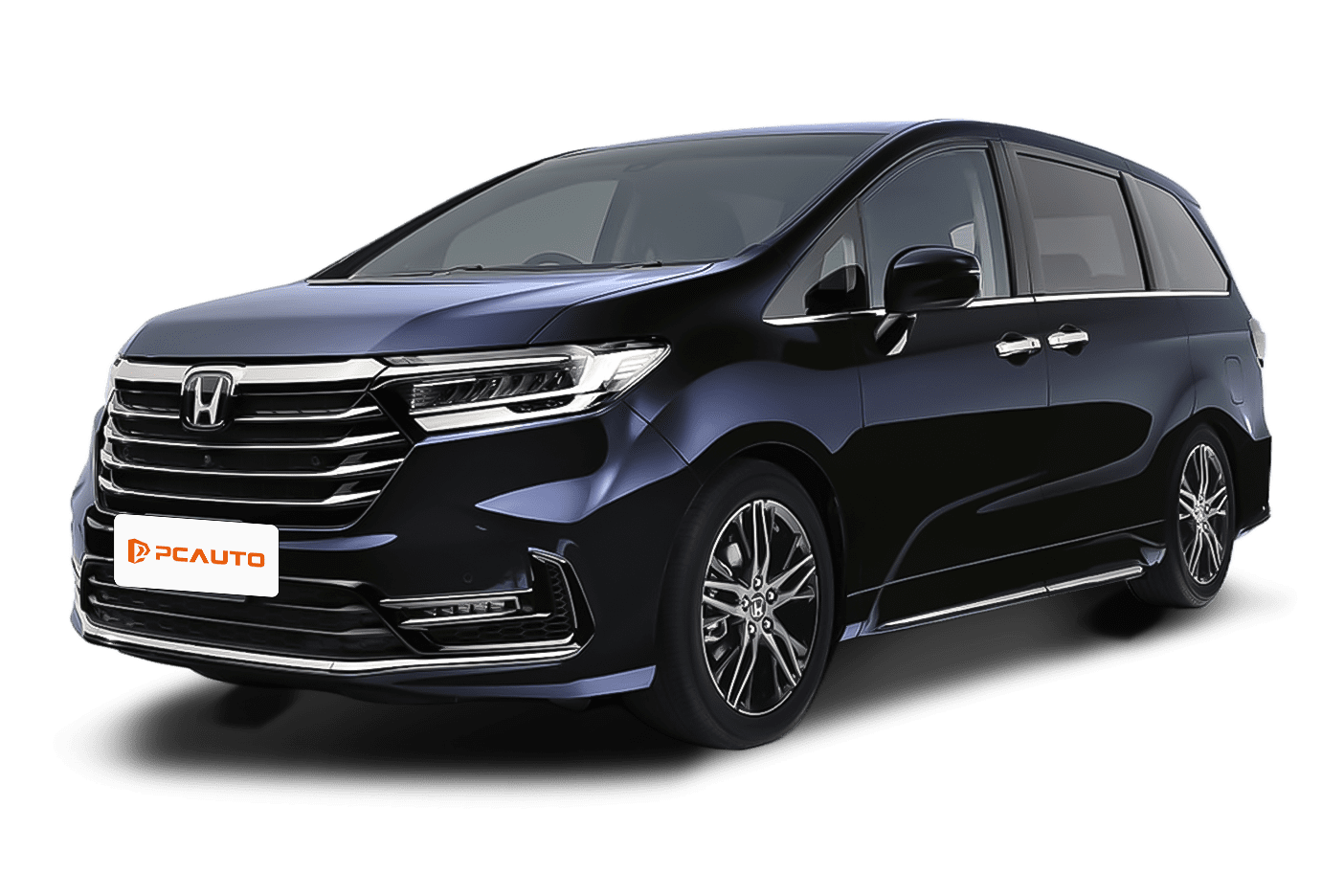
2022 Honda Odyssey 2.4 EXV is a family MPV that balances spatial practicality and comfortable configurations, meeting versatile household needs with its flexible 7-seat layout, Ottoman captain seats, and a well-established powertrain.