

Honda Odyssey 1999 Review

 Share
Share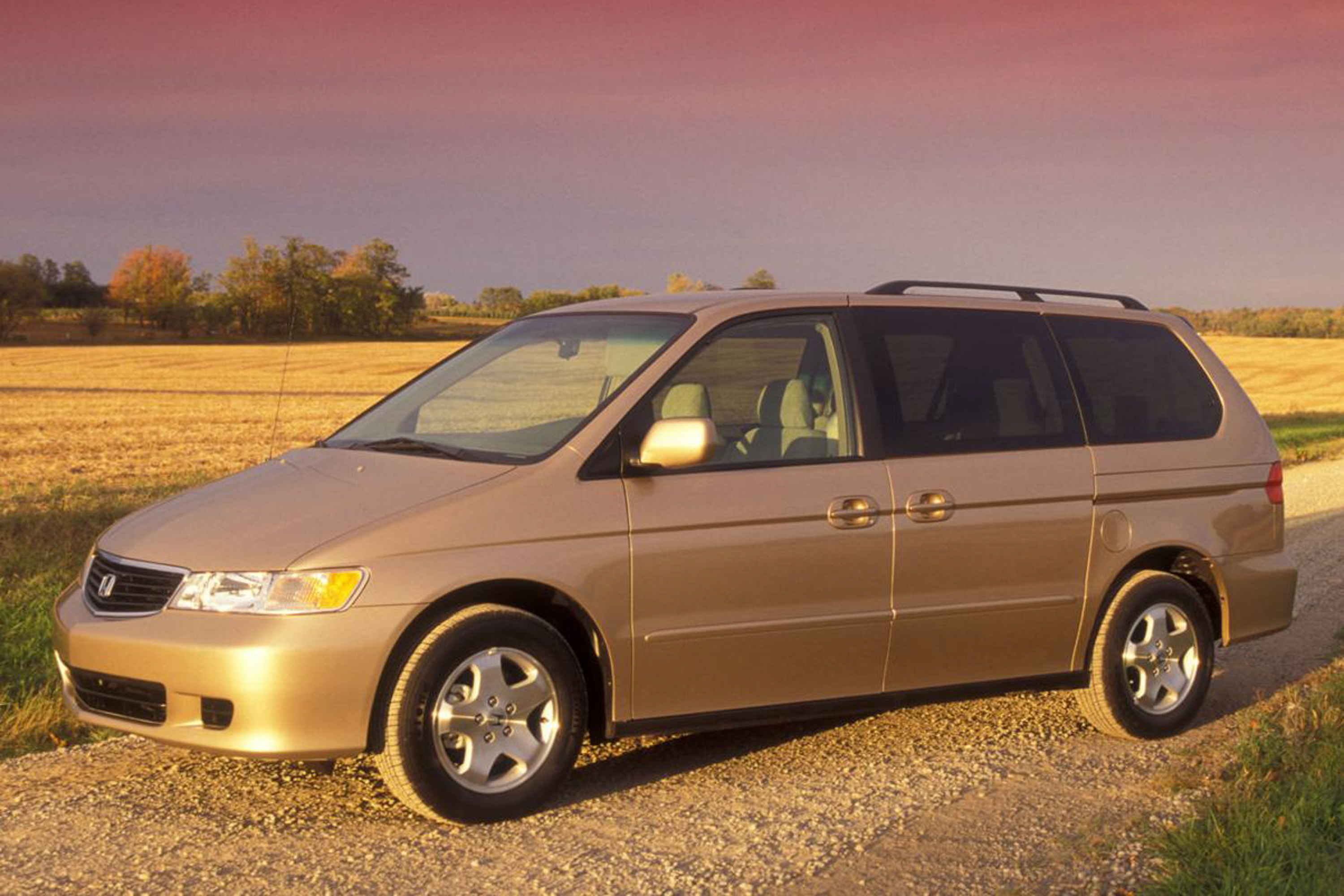
 Body Type
 Segment
 Capacity(L)
 Engine Power(PS)
 Engine Torque(Nm)
 Transmission
In the Malaysian MPV market around the turn of the millennium, the demand for family cars was transitioning from "capacity-focused" to "practical and comfortable." The 1999 Honda Odyssey Public, as a representative of early Japanese family MPVs, was a key consideration for many multi-child families with its balanced spatial design and reliable mechanical quality. This time, we got our hands on a 1999 Odyssey Public in good maintenance condition, with the core goal of restoring its product capability back in the day — after all, even today, many classic car enthusiasts are still interested in its actual performance and whether it can meet the basic needs of contemporary family scenarios.
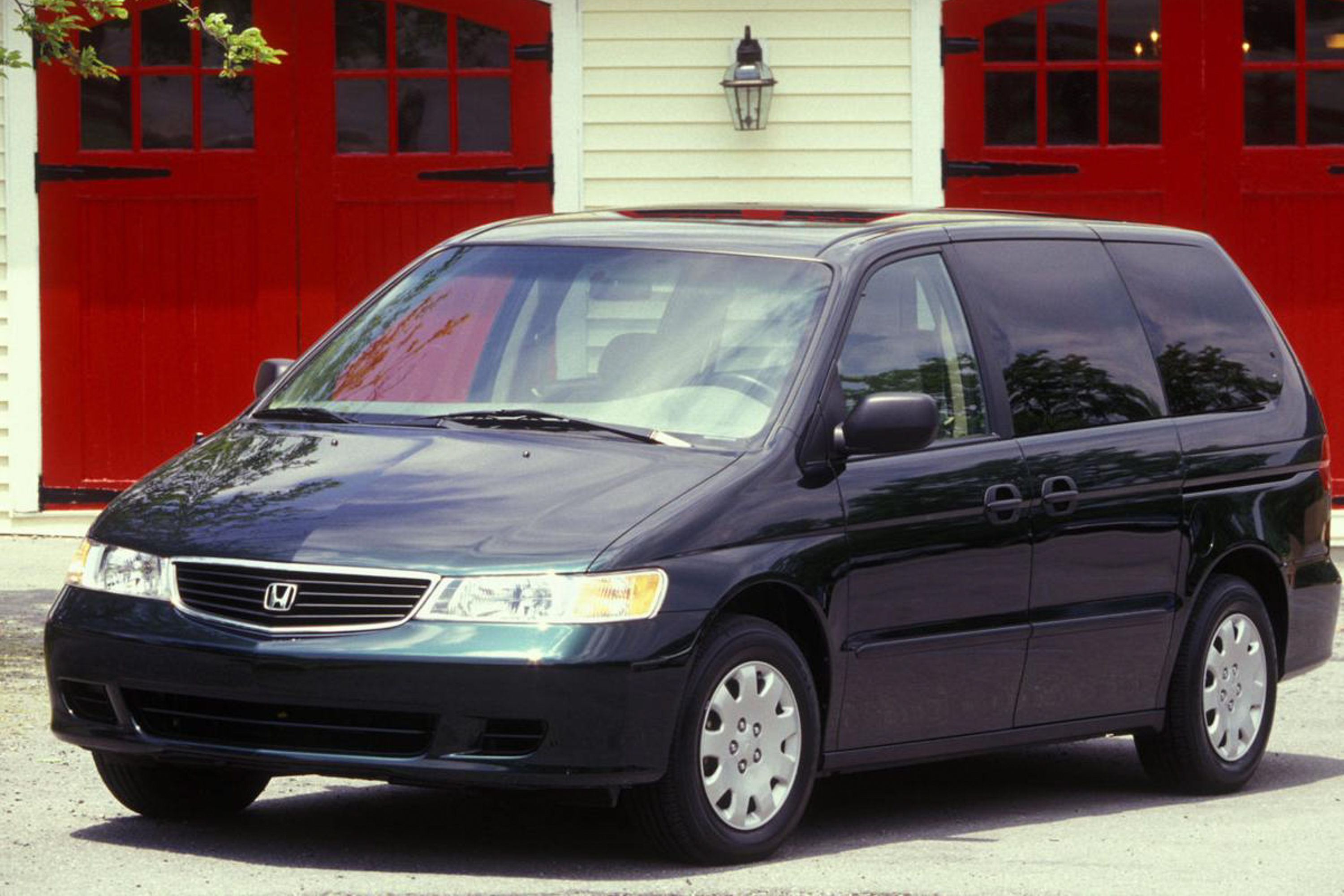
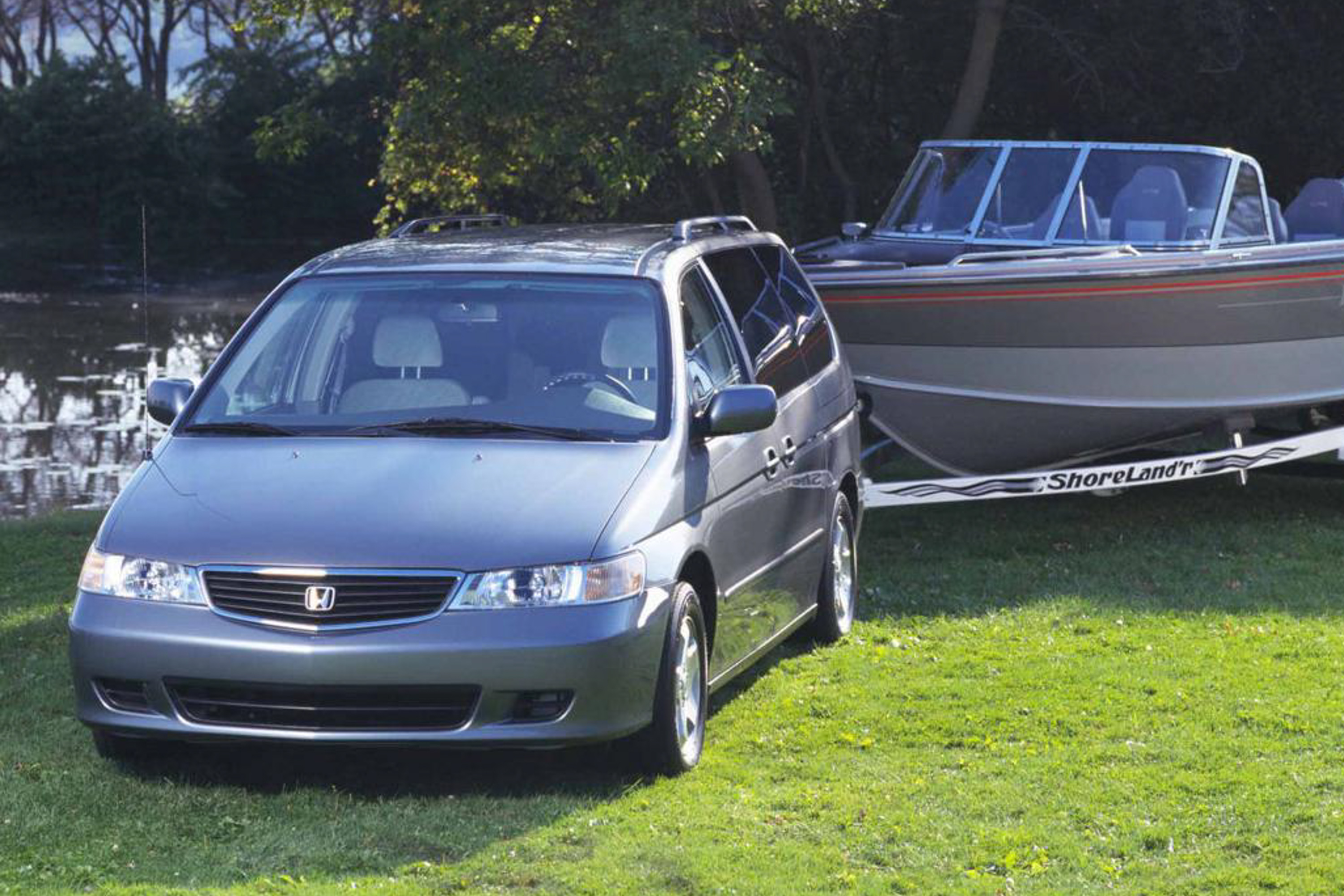
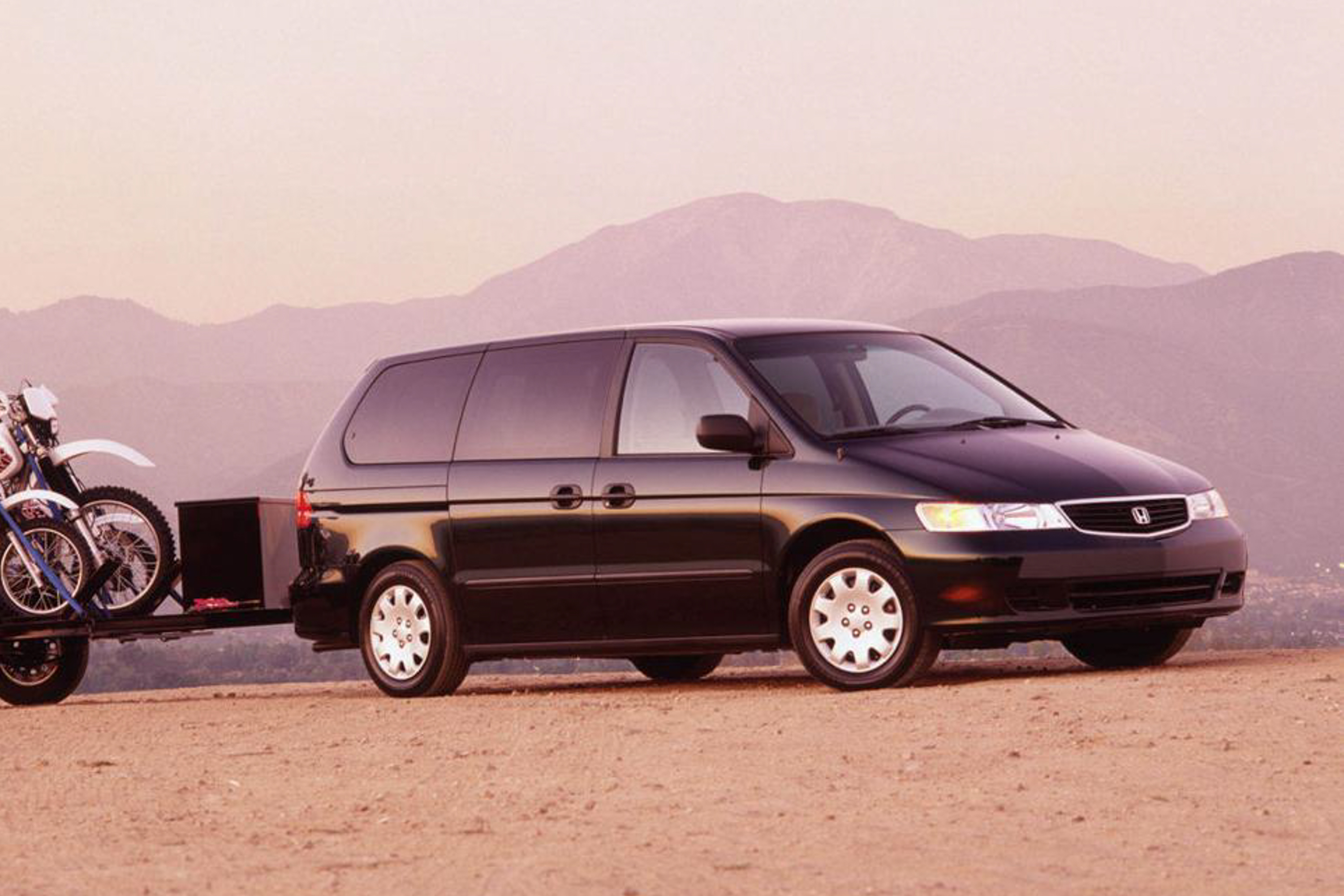
From the exterior, the design of this car could be considered a rather avant-garde MPV shape over 20 years ago. The overall silhouette is relatively rounded, without the bulkiness seen in some American MPVs of the same era. The body lines stretch from the hood to the rear naturally, reflecting Honda's early considerations of aerodynamics. At the front end, the four round headlights are the most recognizable design element, paired with a wide chrome trim and the Honda badge in the middle, offering a simple yet stable look; the lower grille is made of black plastic, without complex design details, but is quite practical, being resistant to dirt and scratches. The highlight of the car’s profile is the sliding door, which was considered a standard feature in family MPVs of the time, but the Odyssey Public’s sliding door tracks are well-concealed, maintaining the seamless look of the side profile. The 15-inch multi-spoke rims are not large, but their size complements the body proportions well; the tires have a relatively high aspect ratio, indicating a design emphasis on comfort and durability. At the rear, the tail lights are vertically arranged and connected to a chrome trim below the rear window, visually broadening the rear. Two square reflectors are embedded in the lower part of the rear bumper, enhancing nighttime visibility. Overall, the exterior design is rooted in a philosophy of "practicality first," and even by today’s standards, it does not feel significantly outdated.
Sitting inside, the interior design follows the same practical approach. The dashboard uses a two-tone color scheme with dark panels on top and light beige hard plastic on the bottom; the dark sections are made of soft materials (although there aren’t many soft areas, they do feel better than hard plastic). The overall craftsmanship was above average for its class at the time, with fairly uniform gaps. The center console layout is straightforward, featuring a single-disc CD player and radio at the top; the large, logically arranged buttons ensure ease of use, even for first-time users. Below is the air conditioning control area, which employs a combination of knobs and buttons – adjusting temperature and fan speed is intuitive and requires little learning curve. In terms of features, this model is equipped with manual air conditioning for the front row, rear air vents (located beneath the second-row seats), power windows for all four doors, and electronically adjustable side mirrors. Although it lacks the smart infotainment systems of today, basic comfort features are well-covered. As for the seats, the front-row seats are covered in fabric and are adequately padded with decent support, making long drives not overly tiring. The second row consists of two individual seats with a foldable center armrest that includes two cup holders; legroom for second-row passengers is quite spacious, with about two fists of clearance between the knees and the back of the front-row seats for passengers up to 180 cm tall. The third-row seating is a three-person bench, but the space is only barely sufficient, suitable for children or slender adults, and may feel cramped on long trips. For storage, the front door panels feature compartments that can hold two water bottles each, while there is an open storage slot beneath the center console for items like phones or wallets. The second-row seat sides also have small storage slots, and each side of the third-row seats is equipped with a cup holder. In terms of trunk space, with the third-row seats upright, only two carry-on suitcases can fit; however, folding down the third row creates an almost flat space, greatly enhancing practicality – it’s perfectly capable of carrying large luggage or bulky items.
In terms of power, the 1999 Odyssey Public is equipped with a 2.3L naturally aspirated four-cylinder engine that produces a maximum power of 150 horsepower and a maximum torque of 206N·m, paired with a 4-speed automatic transmission. Judging from the data, the engine's specifications were considered fairly average for a 2.3L engine at the time. During actual driving, the power response at the start is relatively gentle. After all, it is a naturally aspirated engine and lacks the burst of power that comes with turbocharging. However, if you press the accelerator pedal deeper and the RPM exceeds 3000, there is a noticeable improvement in power. For overtaking, as long as you accelerate in advance, it is achievable. The transmission's shifting logic is relatively clear, with smooth upshifts, but the downshifting speed is slightly slow. For example, during sudden acceleration, it takes about 1-2 seconds to downshift. The car only offers a standard driving mode, with no sport or economy mode options, but for a family car, the standard mode is sufficient.
The handling and chassis performance are small highlights of this car. The steering wheel feels relatively light, which is friendly for female drivers or daily urban driving. Although the steering precision isn't as sharp as a sedan, it's quite decent for an MPV, with minimal dead zone and enough confidence for lane changes. The chassis adopts a front MacPherson strut and rear double wishbone independent suspension, which was relatively rare among MPVs at the time (many MPVs from the same era used torsion beam suspension). Based on actual experience, the suspension effectively absorbs most vibrations from common urban speed bumps or small rough patches and doesn’t provide overly stiff feedback. While cornering, body roll is well-controlled, avoiding the "boat-like" feeling often associated with MPVs, and the chassis remains stable at high speeds without feeling floaty.
In terms of fuel consumption, we tested 100 kilometers each in urban congested roads and highways. In urban conditions, the fuel consumption was about 12L/100km, while on highways it was 8.5L/100km. This may not seem low by today's standards, but considering the 2.3L engine displacement and the vehicle's over two decades of age, it is within an acceptable range. In terms of braking performance, this car uses a combination of front disc and rear drum brakes. The pedal feel is somewhat soft, with insufficient initial braking effect. You need to press deeper for adequate braking force. During emergency braking, the nose-dive phenomenon is quite evident, a common issue for many family cars from that time.
As for driving comfort, the fabric seats provide good breathability, allowing for comfortable long rides during summer without feeling too stuffy. Regarding noise control, the cabin is relatively quiet at speeds below 60km/h, with most noise coming from the tires. When the speed exceeds 80km/h, wind noise becomes more noticeable, especially around the A-pillar and side mirrors, though it doesn't hinder normal conversation. Engine noise at high RPMs does penetrate into the cabin, but it is not too harsh. Notably, the second-row seatbacks are adjustable and can slide backward, allowing for more legroom for third-row passengers, which is particularly practical for family use.
Overall, the core advantages of the 1999 Honda Odyssey Public lie in its balanced space performance, reliable mechanical quality, and relatively decent comfort features for its time. Compared to the Toyota Previa of the same period, it was more affordable and had lower maintenance costs. Compared to the Nissan Quest, it offered better handling and chassis quality. Even today, if you are a classic car enthusiast or need a low-cost MPV to meet the basic travel needs of a multi-child family, this car is still worth considering. After all, its sliding doors, rear air vents, and spacious interior remain essential features for modern family scenarios.
However, it should be noted that the configuration of this car is indeed quite outdated, lacking modern automotive intelligent driving assistance, large screen infotainment systems, and other functions. The fuel consumption is also relatively high. But for consumers who value "durability and practicality, just enough is good," these are not major issues. In conclusion, the 1999 Honda Odyssey Public is a "purely functional family utility vehicle." It doesn't have any stunning design or features, but every function is tailored to family scenarios, making it suitable for budget-conscious families in need of a reliable multi-purpose vehicle. To this day, it may no longer be the mainstream in the market, but as an old car, its product strength remains competitive. This is probably the charm of Honda's 'MM Philosophy' (Man Maximum, Machine Minimum) from back in the day.
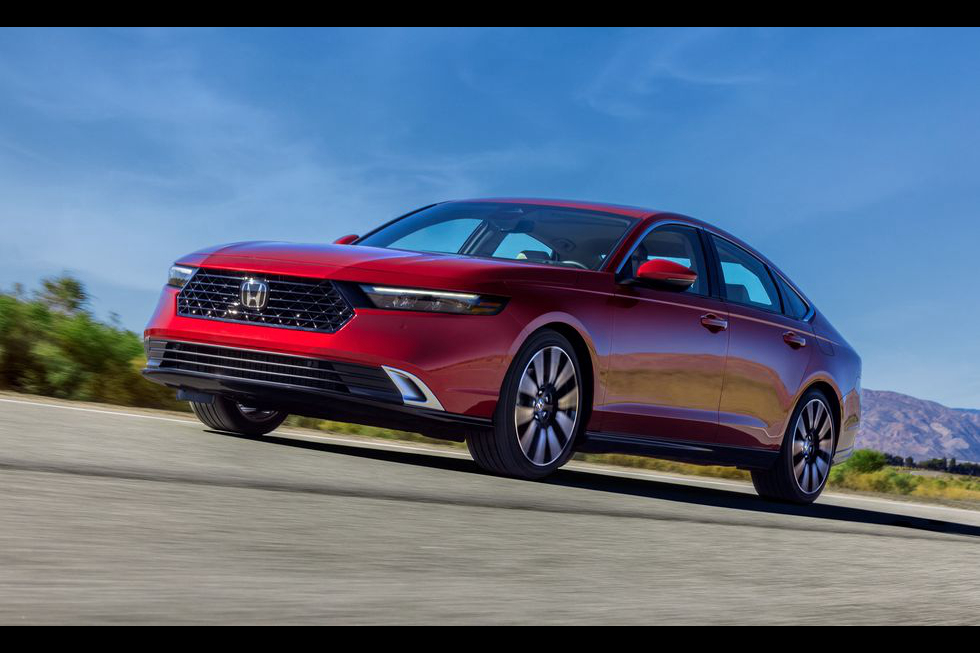
Cars With Similar Price And Features
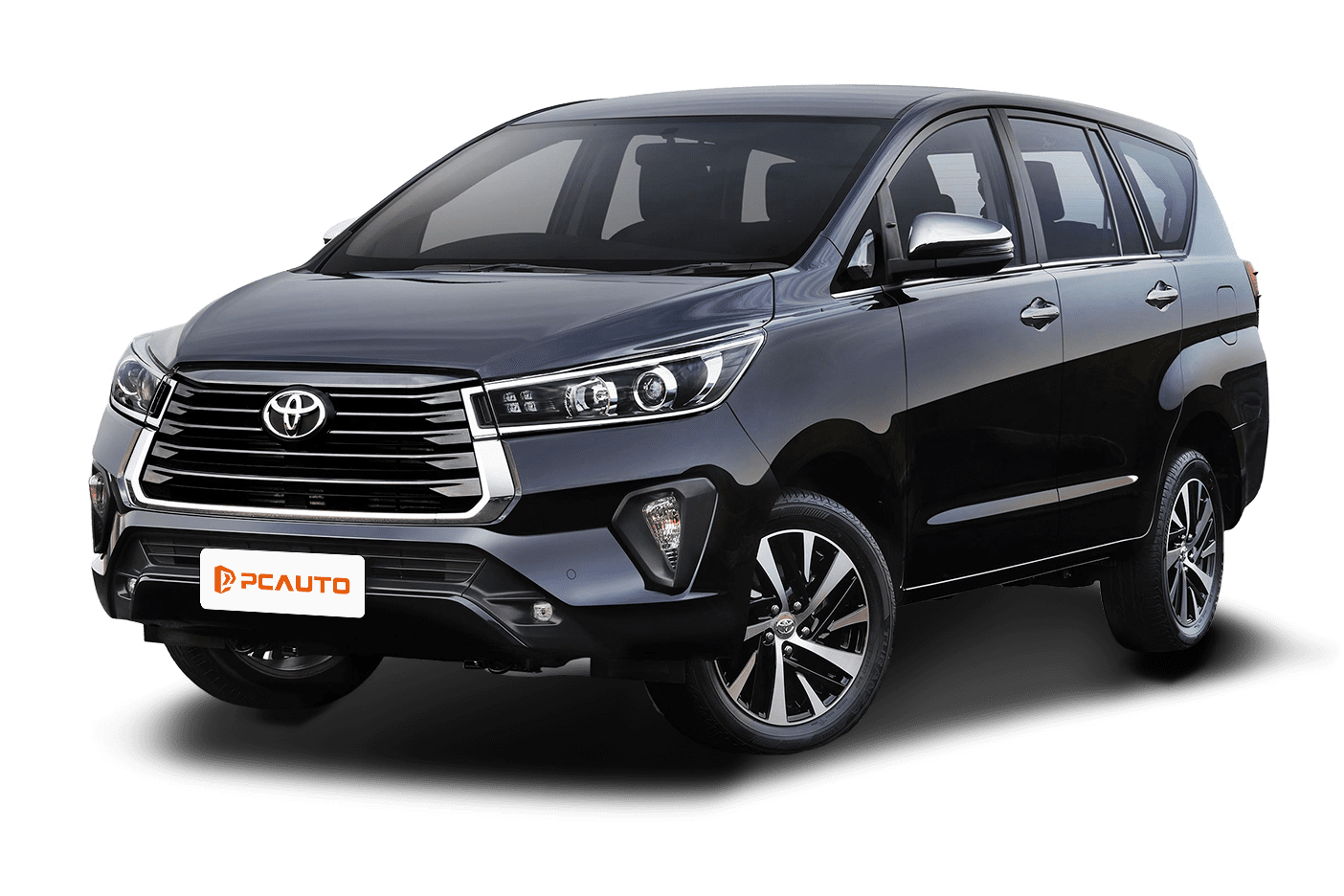
2023 Toyota Innova 2.0G is Malaysia's preferred family MPV, featuring an 8-seater spacious, practical, and flexible design. It is reliable, durable, and also accommodates rough road conditions, meeting the needs of daily child-carrying and whole-family outings.

2020 Hyundai Grand Starex Executive Prime is an 11-seater practical MPV that balances family and business needs, meeting the demands of group travel with flexible seat layouts, comfortable suspension, and high cost-effectiveness.