

Hyundai Santa Fe Review

 Share
Share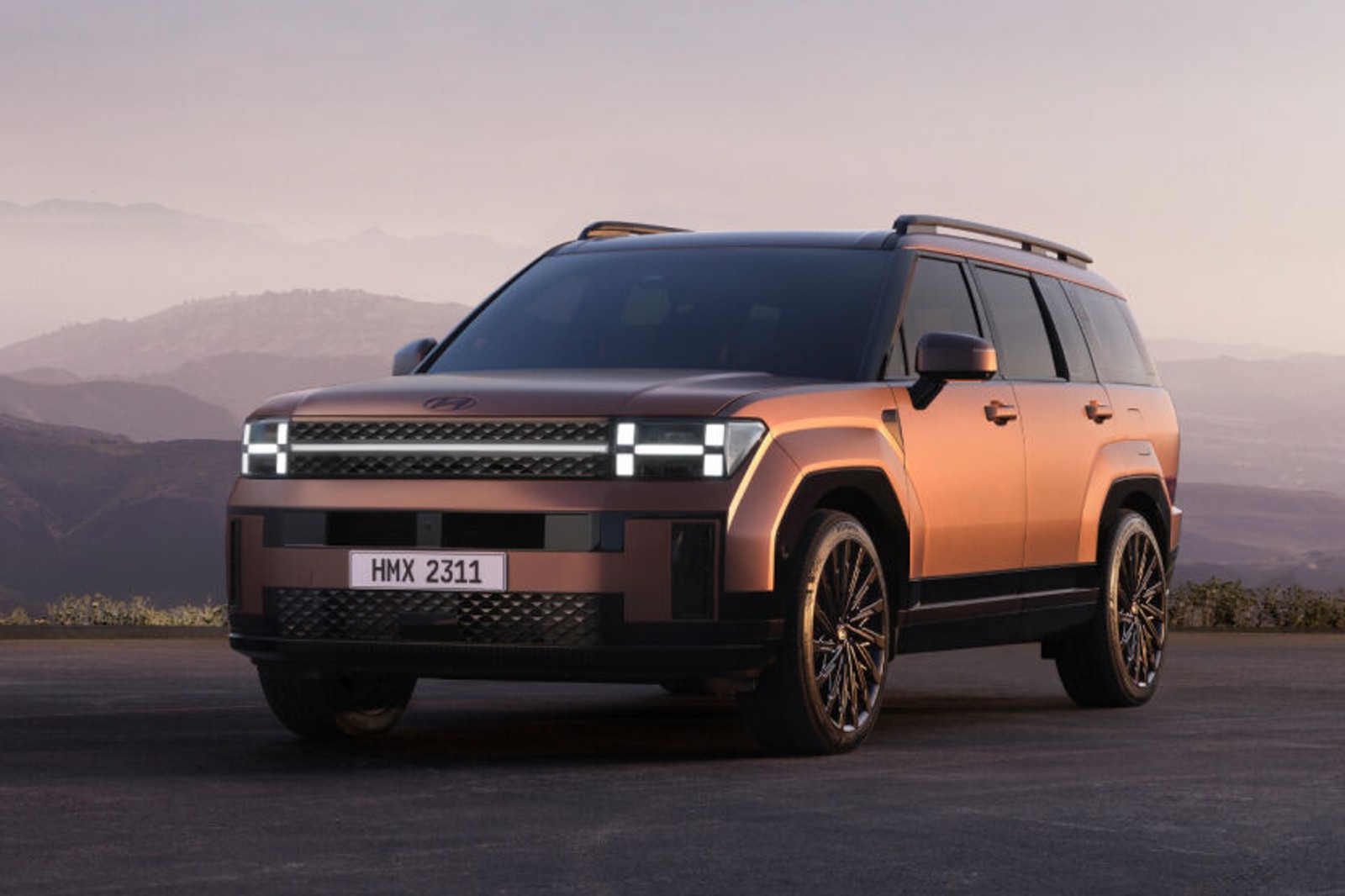
 Segment
 Body Type
 Capacity(L)
 Engine Power(PS)
 Engine Torque(Nm)
 Transmission
With the increasing demand in the family car market for a balance between space and energy consumption, the choice for D-Segment 7-seater SUVs is no longer just about size. The combination of cost performance and practicality has become a key consideration. The 2025 Hyundai Santa Fe HEV Prime, as the mid-range hybrid model of the series, is priced at RM 225,000, with its core selling points focusing on the combination of fuel efficiency and balanced configurations. Compared to the previous model, it not only upgrades its hybrid system parameters but also adds smart features. In this test drive, we focus on verifying whether its daily driving performance meets the needs of family users and compare it with competitors in the same price range to see if its configurations are truly competitive.
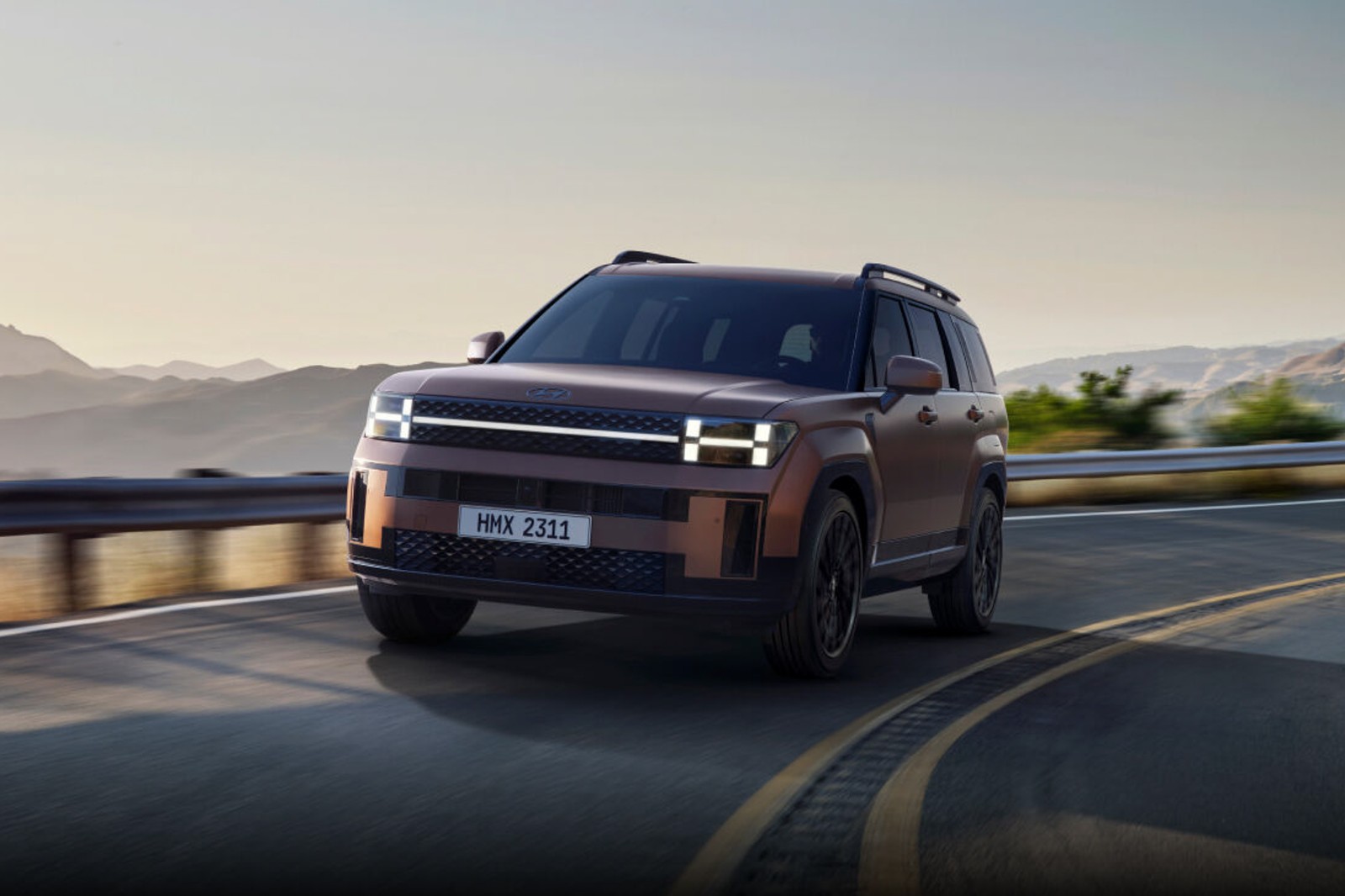
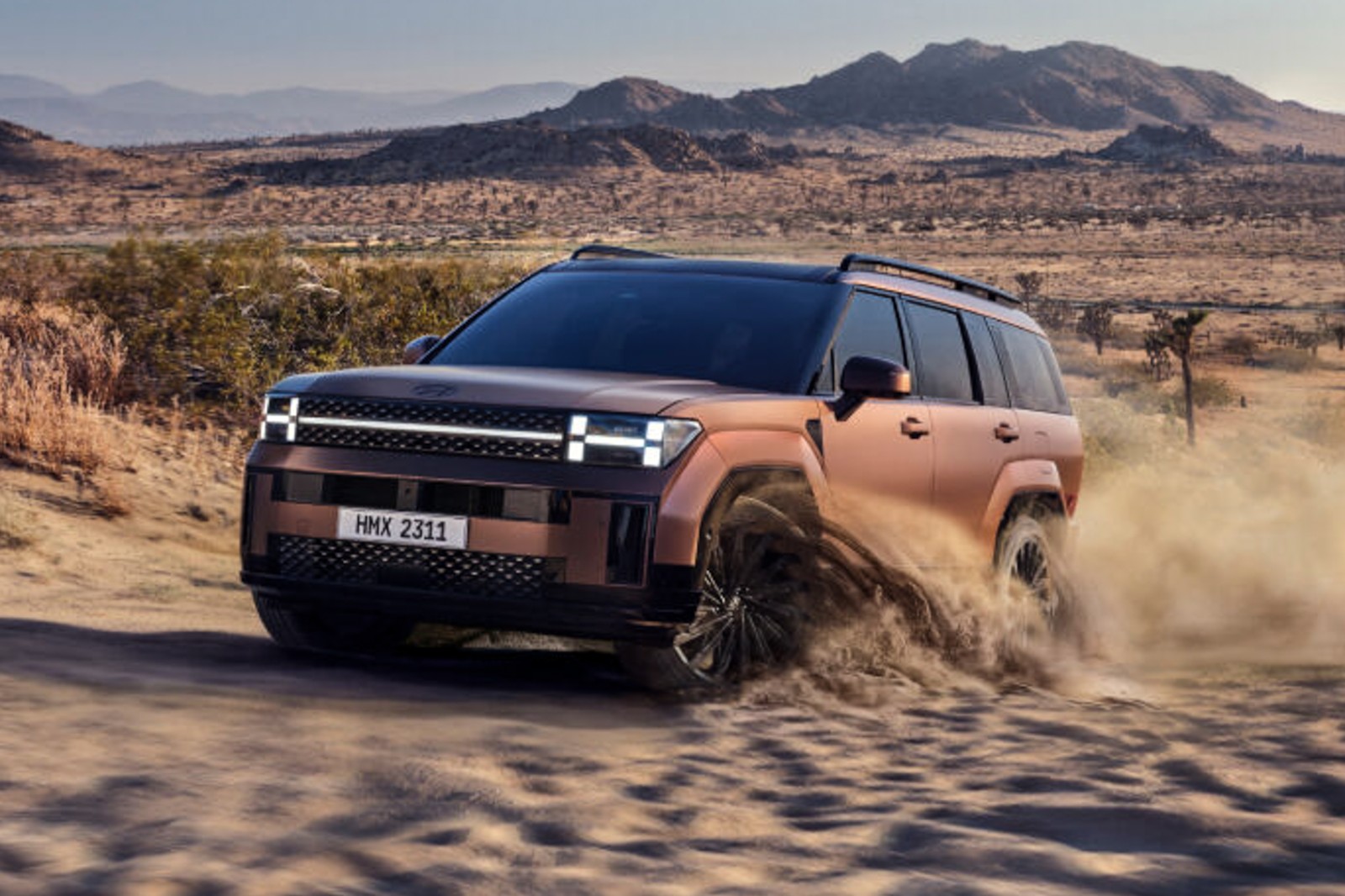
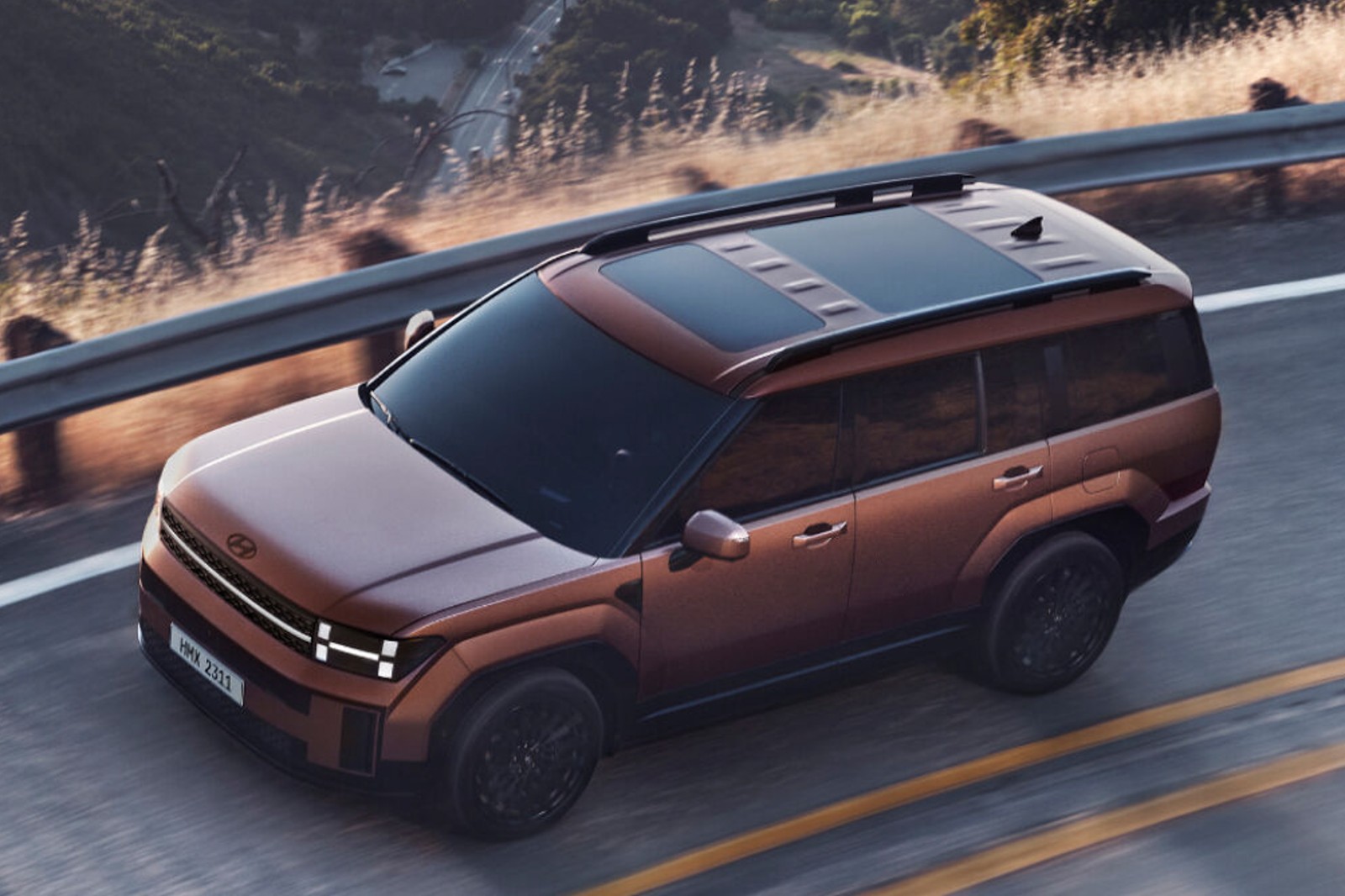
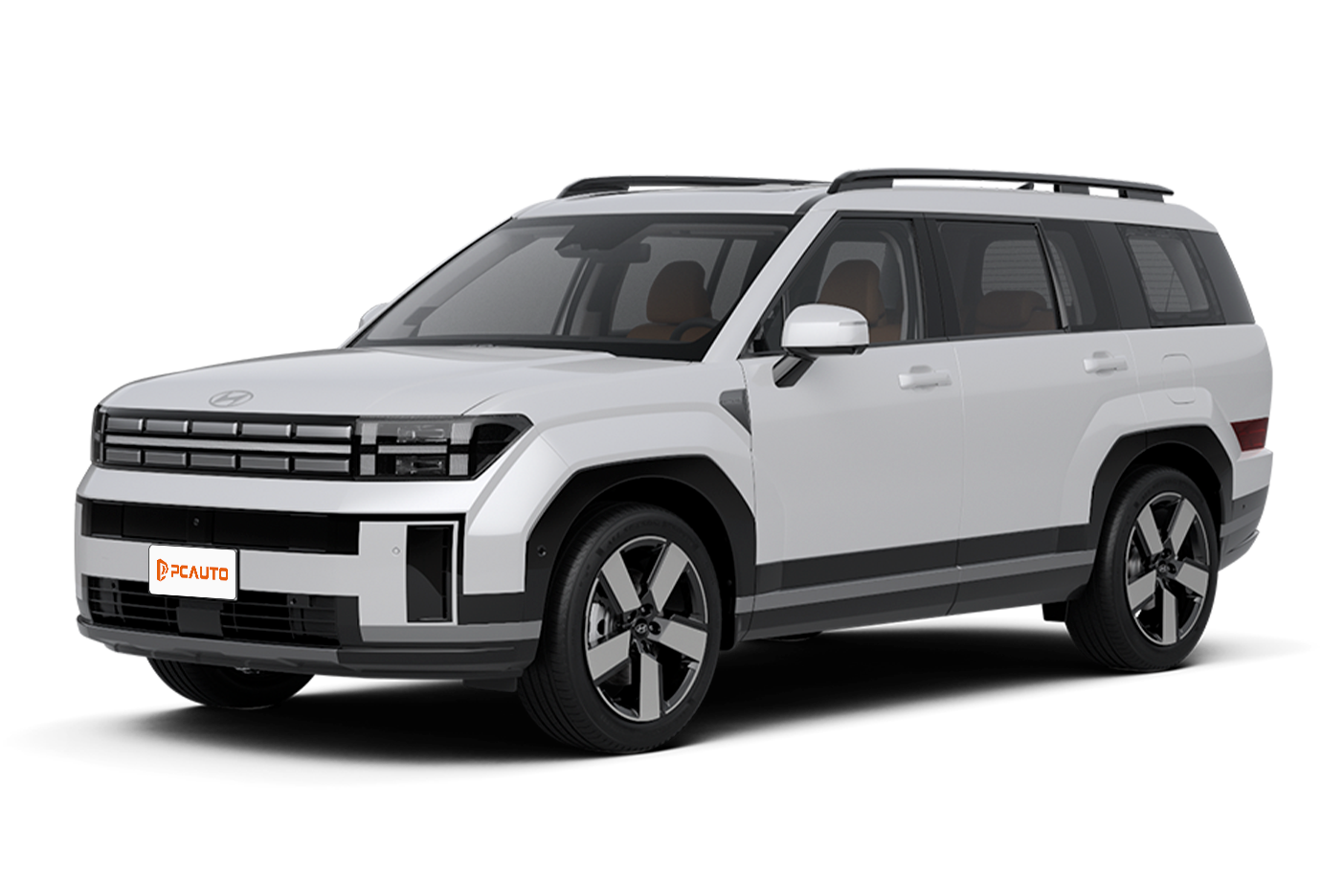
When first seeing the 2025 Santa Fe HEV Prime, its exterior design appears more square and robust compared to the previous generation. The front features a large grille, paired with a full-width LED daytime running light that ensures high recognition; the side profile features straight lines, with a waistline extending from the fender to the taillights, which makes the body appear longer. The 235/60 R18 tire size matches the proportions of the body, looking neither exaggerated nor small. At the rear, the taillights also adopt a full-width design, echoing the front appearance, while the silver skid plate under the rear bumper adds a touch of a tough SUV vibe. Overall, the exterior of this car avoids overly aggressive designs and adopts a timeless look that fits the aesthetic of most families.
Sitting inside, the first thing that catches the eye is the layout of the dashboard—the 12.3-inch curved central control screen dominates the visual center. The screen has decent clarity, and the operational logic is relatively intuitive. Most commonly used functions can be found within two to three menu levels. The interior materials mainly consist of soft-touch plastics, with leather wrapping on door panels and armrest areas, offering a somewhat soft feel. Although it lacks the premium feel of luxury models, it is quite acceptable at this price point. In terms of configurations, the front seats support electric adjustment, allowing both the driver and front passenger to quickly find a comfortable sitting position. The steering wheel features a multifunctional design with paddle shifters, making it convenient to operate cruise control or adjust multimedia in daily driving. The instrument cluster is a 4.2-inch color TFT screen, displaying information like fuel consumption, speed, and hybrid system status. While it is not as impressive as a full-LCD display, the information presentation is clear and practical.
Space performance is one of the top concerns for family users, and the Santa Fe HEV Prime's body dimensions are 4830mm×1900mm×1770mm, with a wheelbase of 2815mm—50mm longer than the 2024 model, directly enhancing rear space. After the front seats are adjusted to a comfortable position, the rear legroom still has about two fists of clearance, ensuring that even passengers who are 180 cm tall will not feel cramped. The central floor is flat, providing space for the middle passenger's feet even when three people are seated. The third-row seats are more suitable for children or adults on short trips. While headroom is adequate, legroom is barely sufficient. In terms of storage, the front door panels can hold two bottles of water, the area under the central console has a storage slot for a mobile phone, and the central armrest box is quite spacious. The second-row seats support a 60:40 split-folding design, and the third-row seats support a 50:50 split-folding design. When all seats are folded down, the trunk can form a relatively flat space, which is adequate for carrying large items on a daily basis.
In terms of dynamic driving, the Santa Fe HEV Prime is equipped with a combination of a 1.6T turbocharged engine and a permanent magnet synchronous motor, delivering a combined system output of 235PS and a total torque of 367N·m, paired with a 6-speed automatic transmission (6AT). The motor takes over during startup, offering smooth and quiet power delivery. A light press on the accelerator allows for an effortless start, making it suitable for following traffic in congested road conditions. When stepping harder on the accelerator, both the engine and motor will work together, providing relatively rapid power response. Acceleration and overtaking feel effortless. Although there is no official 0-100 km/h acceleration data, the actual experience feels much quicker compared to a 2.0L naturally aspirated engine model. There are three driving modes to choose from: Eco, Normal, and Sport. In Eco mode, the throttle response is softer, making it suitable for daily commuting and reducing fuel consumption; in Sport mode, the transmission delays gear changes, delivering more direct power output, ideal for highway driving or situations that require quick acceleration.
In terms of handling, the steering wheel has moderate weight and minimal play, providing precise steering for daily driving. The suspension system features a front MacPherson strut and rear multi-link independent suspension, with a comfort-oriented tuning. When traversing speed bumps or uneven roads, the suspension absorbs most minor vibrations, ensuring passengers inside do not feel significant bumps. The body roll during cornering is well-controlled and does not feel overly loose despite being an SUV. The braking performance is also quite linear, with the initial phase not being overly sensitive and sufficient braking force in the later phase, making it easy to control for daily driving.
Fuel consumption testing is a key aspect of hybrid vehicles. During this test drive, which covered approximately 200km including city traffic, suburban roads, and highways, with an average speed of around 35km/h, the displayed fuel consumption was 6.2L/100km. This result is noticeably more economical compared to similar conventional fuel-powered SUVs (commonly 8-10L/100km). Even compared to some Japanese hybrid SUVs, it ranks in the upper-middle range. It is worth mentioning that the air conditioning was on throughout the test, and there were two passengers in the car, so this fuel consumption data should represent realistic usage conditions.
In terms of driving and riding comfort, the noise insulation performance is commendable. At low speeds, you can barely hear the motor and engine noise inside the cabin. While at high speeds, there is some wind and tire noise, but it does not affect normal conversations. The seat padding is quite soft and offers good support, ensuring that your lower back won't feel fatigued during long drives. The second row is equipped with independent air conditioning vents, allowing rear passengers to adjust the temperature themselves. This attention to detail is quite considerate.
Overall, the core advantage of the 2025 Santa Fe HEV Prime lies in its balance—its hybrid system provides good fuel efficiency, the space can meet the daily needs of a family of seven, and while the features are not top-of-the-line, they are practical enough. The price of RM 225,000 is also significantly cheaper compared to similar Japanese hybrid SUVs (such as the Toyota Highlander Hybrid). Compared to its own Prestige version, the Prime lacks features like HUD head-up display, 360-degree surround view camera, and BOSE sound system but is RM 20,000 cheaper, making the Prime a more cost-effective choice for families with a limited budget.
This car is most suitable for family users who value fuel economy and practical space—if there are two children in the family and there is an occasional need to carry elderly passengers, the 7-seat layout of the Santa Fe HEV Prime perfectly meets these needs. The hybrid system saves a lot on fuel costs during daily commutes, and the power is sufficient for long highway drives. If you're looking for more luxurious features or an all-wheel drive system, you can consider the Prestige or 2.5T HTRAC versions, but if you only want a well-balanced and practical family SUV, the Prime version is already enough.
Overall, the 2025 Hyundai Santa Fe HEV Prime is a model with "no obvious shortcomings." It doesn’t have particularly outstanding highlights, but it also doesn’t have any fatal flaws. The word “practical” perfectly sums up all its features. For most family users, such a car is actually the best choice—you don’t need to pay for unnecessary features, yet it meets all your daily needs.
Hyundai Santa Fe Car Compare
Hyundai Santa Fe Loan Calculator
More Hyundai Reviews
Cars With Similar Price And Features
21
Rank in SUV
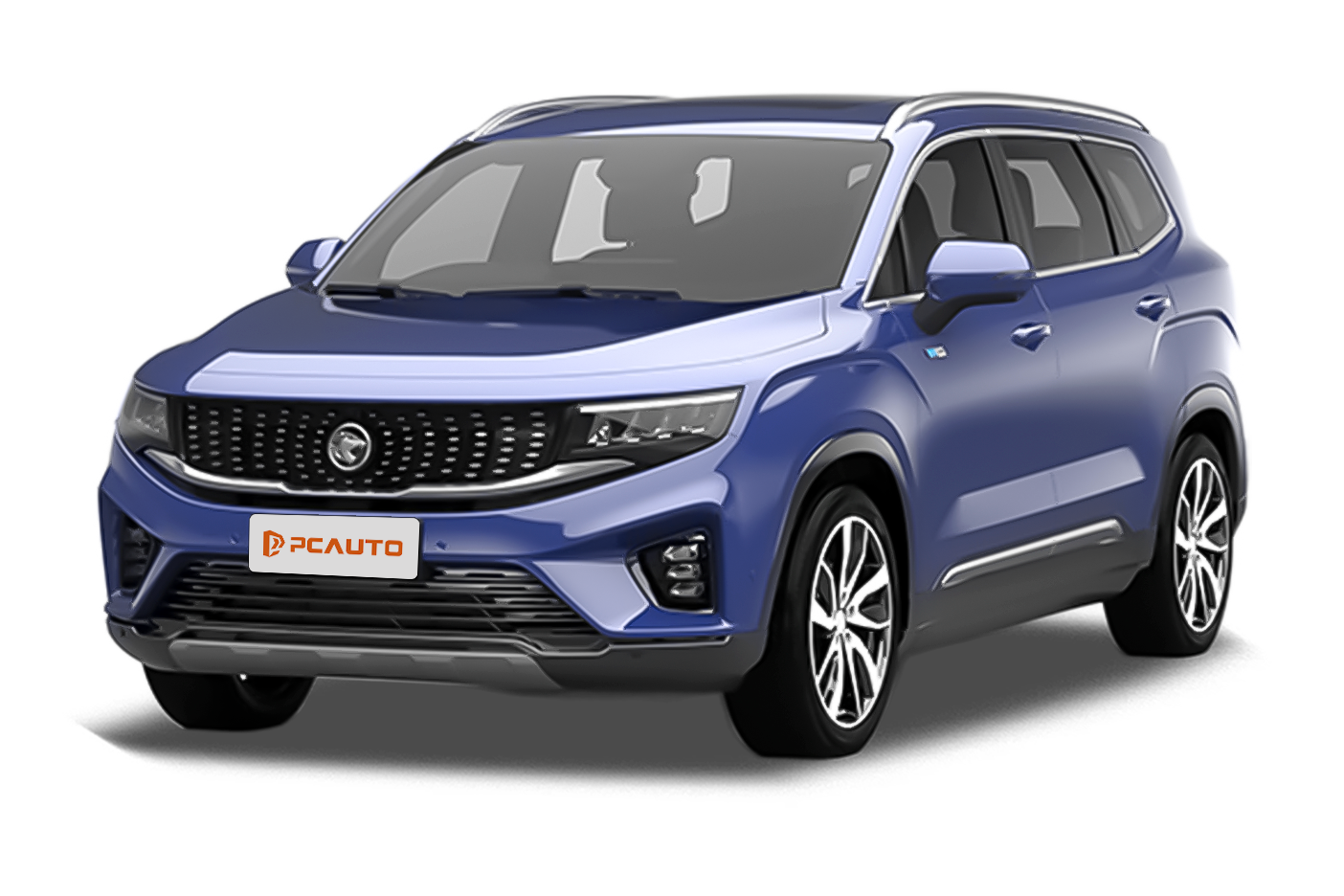
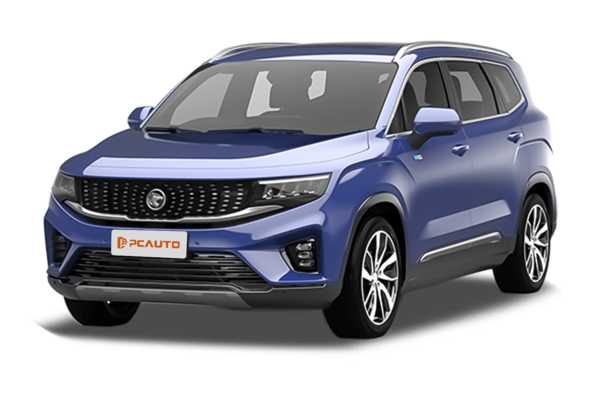
Proton X90 1.5TGDI BSG Standard 2023 is a family-oriented mid-size SUV that balances the practicality of a spacious 7-seater, the fuel economy of 1.5T mild hybrid, and mainstream technology features, offering outstanding value for money.

11
Rank in SUV
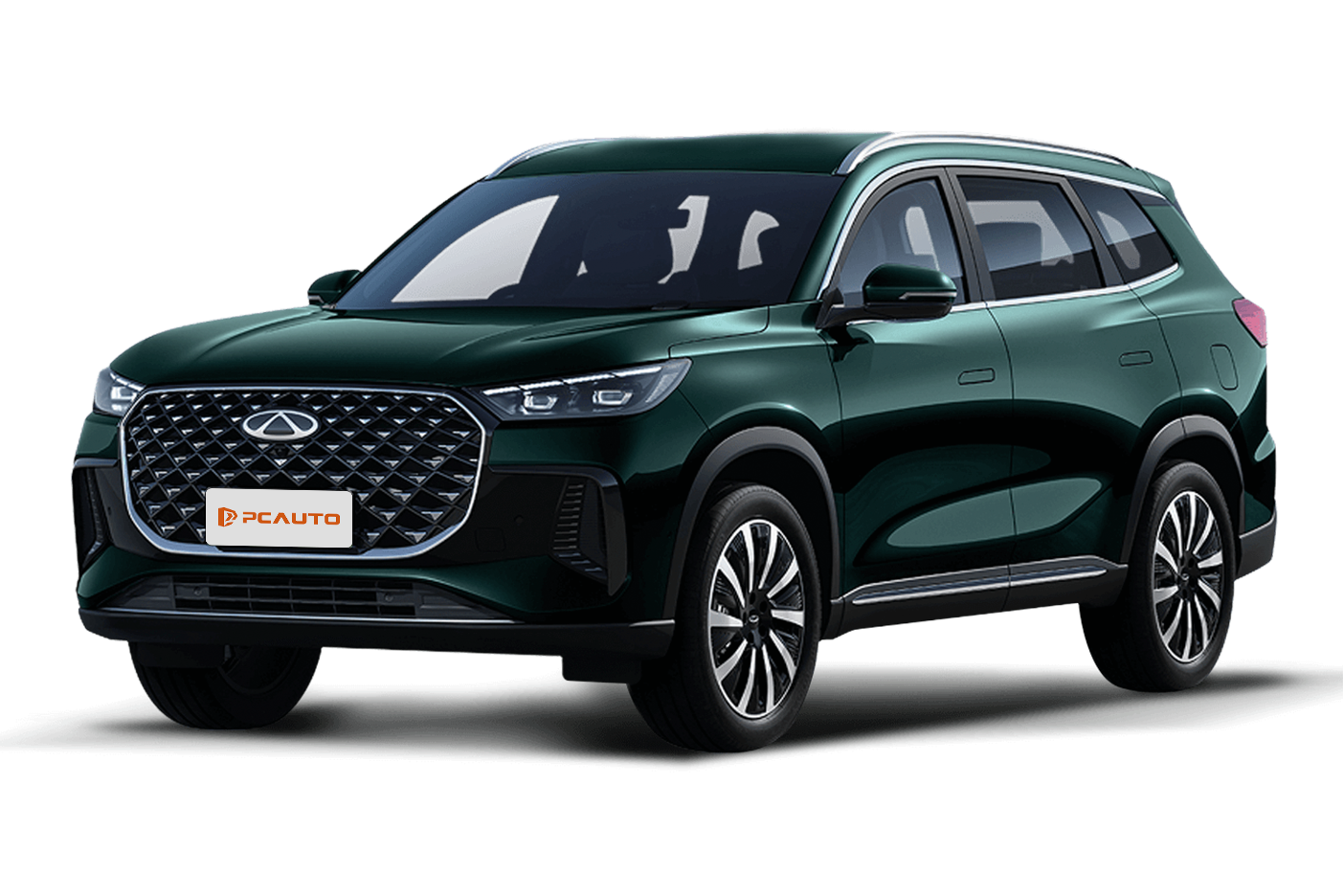
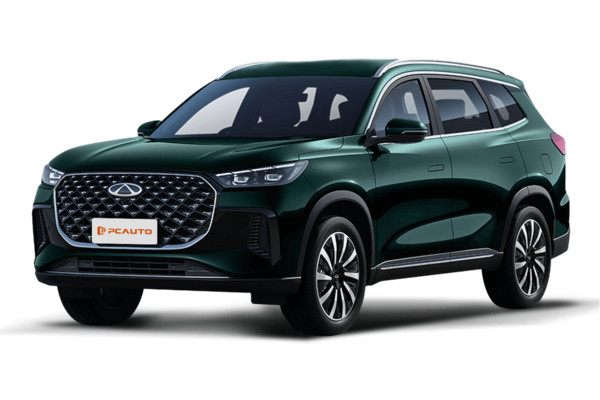
2026 Chery Tiggo 8 is a D-Segment SUV aimed at family users, offering superior configurations, practical space, and smooth power at a high cost-performance ratio, meeting both commuting and light off-road needs.
16
Rank in SUV

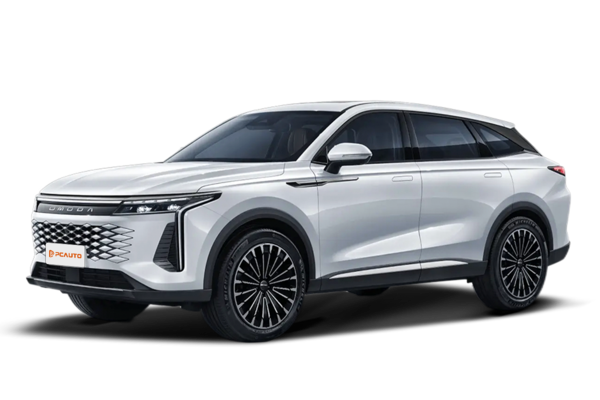
2024 Chery OMODA C9 2WD with 2.0T+8AT powertrain, L2 level assistance, and dual 12.3-inch screens, breaking the stalemate in the D-Segment market and becoming a high-value disruptor.

2022 Volvo XC60 B5 Momentum is a mid-size luxury SUV with strong safety features, equipped with a 48V mild hybrid system, practical space, and high cost-effectiveness, meeting the needs of both families and young users.